Unlocking Resilience: The Power Of Game-Based Learning
By Tom Seest
At HowDoYouGame, we help people who love board games by collating information and news about games.
Be sure to read our other related stories at HowDoYouGame to learn more about games.
Can Playing Games Help Kids Overcome Challenges with Ease?
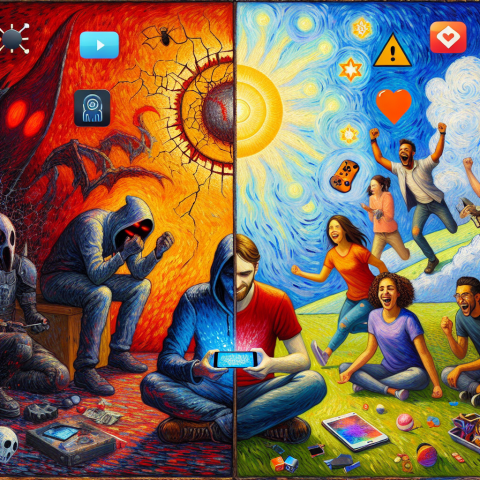
We’ve all been there—watching kids lose themselves in a world that’s a kaleidoscope of colors, characters, and quests. The exhilaration flows as they level up, conquer monsters, or build empires out of virtual sand. But as parents, educators, or just fellow humans trying to ensure the next generation thrives, we often wonder: could this be more than mere distraction? Are these digital realms paving the way for real-life resilience?
Let’s talk about gamification. Imagine taking the principles that make games so captivating—like rewards, challenges, and immediate feedback—and applying them to the school environment or life skills. It’s not just about turning assignments into a competition or slapping a leaderboard on the wall; it’s about engaging kids in a way that resonates with them. When learning feels like an adventure instead of a chore, children become less daunted by obstacles. They learn to approach challenges with the same tenacity they exhibit while dodging trolls or solving intricate puzzles.
Think back to your childhood. Whether it was riding your bike for the first time, navigating an obstacle course, or trying to hit a baseball, every small victory felt big. Each challenge you encountered was a rite of passage, a step toward building confidence. Now, consider how games recreate that experience. They allow kids to fail in a safe space and, more importantly, provide the opportunity to try—again and again until they get it right. This iterative learning process mirrors life itself, where persistence is often the real secret to success.
Countless studies indicate that playing games can enhance problem-solving skills, improve concentration, and build teamwork. But let’s not stop at the data. Let’s connect the dots back to our kids. When they’re experimenting with strategies on a digital battlefield, they’re not just having fun—they’re developing resilience, adaptability, and critical thinking skills. Those attributes extend beyond the screen and into their everyday lives.
So, as you watch your children embark on new quests, remember that this isn’t just play. It’s a valuable practice ground. Embrace that spirit of gamification; encourage them to face down their fears and learn from setbacks. After all, whether you’re building a tower out of blocks or overcoming life’s complexities, it’s all part of leveling up in the game we call life.

Can Playing Games Help Kids Overcome Challenges with Ease?
Can Playing Games Help Kids Overcome Challenges with Ease?
- Children engage in immersive digital worlds full of colors, characters, and quests.
- Gamification can turn learning into an adventure, making it more engaging for kids.
- Games encourage resilience by allowing kids to experience failure in a safe environment.
- Challenges faced in games can build confidence and problem-solving skills.
- Playing games enhances concentration, teamwork, and critical thinking abilities.
- Resilience and adaptability developed in gaming transfer to real-life situations.
- Encouraging gamification helps children learn from setbacks and face fears effectively.

Can Playing Games Help Kids Overcome Challenges with Ease?
Table Of Contents
- Can Playing Games Help Kids Overcome Challenges with Ease?
- Can Playing Games Boost Resilience In Children?
- What Types Of Games Are Most Beneficial For Kids?
- How Do Cooperative Games Teach Teamwork To Kids?
- How Do Games Alleviate Stress For Kids Facing Challenges?
- Can Gamification Help Kids Learn Important Life Skills?
- What Role Do Adventure Games Play In Personal Development?
- How Can Parents Choose Games That Support Learning?
- Conclusion
- Other Resources
- Glossary Of Terms
- Other Questions
- Haiku
- Poem
- Checklist
Can Playing Games Boost Resilience In Children?
Can Playing Games Boost Resilience in Children?
Let’s face it: parenting is no walk in the park. Between the scraped knees, homework battles, and the ever-present “I’m bored,” it’s a wonder we manage to keep our sanity intact. But what if I told you that an evening spent playing games could be the key to building something we all wish we had more of—resilience—right in your living room?
You see, when kids engage in play, especially through something called gamification, they’re not just having fun; they’re developing critical life skills. Think about it—when your child is navigating a challenging level in a video game or strategizing their next move in a board game, they’re learning to bounce back from failure. These experiences teach them that losing a battle isn’t the end of the story; rather, it’s a stepping stone to winning the war. Resilience is born from facing challenges head-on and trying again, a lesson nestled in every dice roll and every pixelated obstacle.
Gamification takes these principles and turns them up a notch. By integrating game mechanics into everyday activities, we can transform mundane tasks into captivating challenges. Have a mountain of chores? Why not turn them into a quest? Create a point system and a reward for completing tasks—suddenly, what was once a dreaded chore becomes an engaging adventure, reinforcing the lesson that effort leads to achievement.
And it’s not just the small stuff. Studies suggest that children who regularly engage in gaming tend to develop better problem-solving skills and adapt more easily to stress. This isn’t just idle conjecture; it’s backed by research. When kids learn to strategize and make quick decisions in the safety of a game world, they’re wiring their minds to tackle real-world challenges with courage and creativity.
So, the next time you hear the familiar refrain of boredom echoing through your home, consider stepping into the world of gaming together. Embrace the fun. Use that time to not only bond with your child but also to equip them with the emotional toolkit they’ll need to navigate life’s ups and downs. After all, fostering resilience in our children today prepares them for the hurdles they’ll face tomorrow. And who knows, you might uncover a hidden talent for strategy and teamwork—something that could benefit not just your child, but your entire family. Gamification can be your secret weapon. Get ready to play!

Can Playing Games Boost Resilience In Children?
Can Playing Games Boost Resilience In Children?
- Parenting can be challenging with common issues like scraped knees and homework battles.
- Playing games can help build resilience in children, teaching them to bounce back from failure.
- Engaging in play, especially through gamification, develops critical life skills in kids.
- Gamification transforms mundane tasks into enjoyable challenges, enhancing engagement.
- Children who regularly play games often develop better problem-solving skills and stress adaptation.
- Strategizing in games helps prepare kids for real-world challenges with courage and creativity.
- Playing games together can strengthen bonds and equip children with emotional tools for life.

Can Playing Games Boost Resilience In Children?
What Types Of Games Are Most Beneficial For Kids?
When it comes to games for kids, not all playtime is created equal. While every child deserves the joy of a good game, some types elevate the experience from mere entertainment to serious skill-building avenues. When we toss in the concept of gamification — you know, that delightful twist of turning mundane tasks into engaging challenges — the possibilities really kick into high gear.
Imagine a child learning math through an interactive app that rewards correct answers with vibrant avatars or Jurassic Park-themed challenges. This is gamification at its finest. It adds layers of fun and competition, transforming the frustrating grind of learning into a vibrant, colorful adventure. Research shows that incorporating game-like elements can significantly enhance engagement in educational pursuits, which is a win-win for every parent hoping for their little ones to thrive academically.
But let’s not stop there. Cooperative games, in particular, shine a spotlight on teamwork, teaching kids the values of collaboration and communication. These games often necessitate that players combine their strengths and strategize together to achieve a common goal. Whether snatching victory in a board game or battling it out in a video game, these experiences foster camaraderie and teach kids the importance of working together. As they celebrate wins and cope with losses as a unit, they forge friendships that could last a lifetime.
Then there are creative games that spark imagination, encourage artistic expression, and allow children to build their own worlds. Through LEGO sets, digital creation tools, or storytelling games, kids unleash their inner innovators. These activities nurture critical thinking skills as they learn to problem-solve, design, and iterate on their ideas. Isn’t it wonderful to think that through play, they could become the next great inventor or storyteller?
Lastly, let’s not forget physical games—yes, those running, jumping, and active games that get kids off the couch and into the great outdoors. It’s vital for their health and well-being. From traditional sports to modern twists like obstacle courses, these games help develop coordination, resilience, and most importantly, a love for the outdoors.
So, as you sift through options, remember that the best games are the ones that connect kids with learning, community, creativity, and physical activity. In a world bombarded with distractions, intentional play can pave the way for robust growth. By choosing wisely, you’re not just filling their time; you’re enriching their lives. Let’s make playtime count!

What Types Of Games Are Most Beneficial For Kids?
What Types Of Games Are Most Beneficial For Kids?
- Not all games for kids provide the same level of developmental benefit; some enhance skill-building.
- Gamification makes learning more engaging by turning tasks into fun challenges, such as math apps with rewards.
- Research shows that game-like elements can significantly improve engagement in educational pursuits.
- Cooperative games foster teamwork, teaching kids collaboration and communication skills.
- Creative games encourage imagination and artistic expression, nurturing problem-solving and critical thinking abilities.
- Physical games promote health and well-being by getting kids active, developing coordination and resilience.
- Choosing the right games can enrich children’s lives by connecting them with learning, community, creativity, and physical activity.

What Types Of Games Are Most Beneficial For Kids?
How Do Cooperative Games Teach Teamwork To Kids?
Let’s face it: teamwork isn’t just a buzzword; it’s an essential life skill. And if we want our kids to grow into the kind of folks who can work alongside others, we need to give them the tools to do just that. Enter cooperative games—the perfect blend of fun and purpose. Imagine a bunch of kids working together, not competing, but collaborating. Sounds magical, right? This is where gamification steps in, transforming learning into an exciting venture rather than a chore.
In a world where individual achievement often overshadows the power of the collective, cooperative games flip the script. They require players to pool their strengths, leveraging each person’s abilities to achieve a shared goal. Whether that’s building a fort using oversized blocks or navigating an obstacle course while blindfolded—these activities aren’t just playtime; they’re lessons cloaked in fun. Suddenly, kids are problem-solving together, strategizing as a unit, and, most importantly, cultivating trust with one another.
Take a moment to think about your own childhood. Remember those games where you had to rely on your best buddy to pass the ball, or those countless times you strategized your way to victory in capture the flag? Those moments stuck with you, didn’t they? Cooperative games tap into that nostalgia. They create spaces where every child feels valued, where their unique skills shine and contribute to the team’s success. Kids quickly learn that when they play for each other, they stumble, fall, and rise as a group.
It’s remarkable how these games can mirror real-life situations. Working together on a project, banding together to solve a problem in school, or even negotiating chores at home—all these require a level of teamwork that these games foster. Maybe your child is naturally inclined to lead, while another is more of a silent strategist; either way, cooperative games allow them to play to their strengths and understand the dynamics of collaborative efforts.
So, if you want to prepare your kids for the road ahead—where teamwork isn’t just recommended but required—look no further than cooperative games. They’ll learn that supporting others isn’t just a duty; it’s an asset. And who knows? They might just surprise you with the power of their collaboration, paving the way for a future filled with confidence and camaraderie.

How Do Cooperative Games Teach Teamwork To Kids?
How Do Cooperative Games Teach Teamwork To Kids?
- Teamwork is an essential life skill that can be developed through cooperative games.
- Cooperative games promote collaboration over competition, encouraging kids to work together towards a common goal.
- These games provide a fun way for children to engage in problem-solving and strategizing as a team.
- Cooperative games foster trust and a sense of value among children as they contribute their unique skills.
- They mirror real-life teamwork situations, helping children navigate projects, solve problems, and negotiate effectively.
- Participants can play to their strengths, whether as leaders or strategists, enhancing their understanding of collaborative dynamics.
- Engaging in cooperative games prepares children for futures where teamwork is a necessity, cultivating confidence and camaraderie.

How Do Cooperative Games Teach Teamwork To Kids?
How Do Games Alleviate Stress For Kids Facing Challenges?
Picture this: a child, overwhelmed by the pressures of school, friends, and the whirlwind of growing up, finds solace not in silence, but in the playful realm of games. These aren’t just mindless distractions or screens flickering in dimly lit rooms; they’re vibrant worlds where imagination meets strategy, and challenges become opportunities. This is where gamification steps into the spotlight, transforming mundane tasks into exciting quests that make the heart race and the mind focus.
At its core, gamification is about taking elements from games—like badges, points, and rewards—and sprinkling them into everyday life. Think about it: when a child levels up in a game or earns a shiny new badge, it ignites a sense of achievement. That feeling is a powerful antidote to stress. Imagine your child facing a tough homework assignment. With the right gamification elements, that assignment transforms into a race against the clock, a mission to conquer knowledge that ignites enthusiasm rather than dread. It turns what could be a daunting task into an engaging challenge, stirring resilience and grit.
Moreover, games provide a much-needed escape. For kids navigating the storms of anxiety, the simple act of slipping into a game can offer a lifeline. It grants them not just distraction, but agency. It’s about gaining control over a world where the rules are clear and the outcomes can be celebrated or learned from. In the comforting embrace of a game, failure is merely a stepping stone—a lesson learned in pursuing the next victory. This perspective is vital for kids as they confront real-world challenges; it cultivates a mindset where struggles aren’t roadblocks but hurdles to leap over.
And let’s not forget the community aspect. Many games allow kids to connect with peers, fostering friendships that can transcend the screen. They laugh, collaborate, and experience victories together, building a social support network that can be crucial for emotional resilience. This sense of belonging and connection is a powerful counterbalance to stress and isolation.
So, whether it’s a family board game night or a spirited online quest with friends, remember that in the face of challenges, play is not merely an escape—it’s a pathway. It’s a reminder that while life may throw its hurdles, it’s the spirit of gameplay that fosters growth, connection, and a little bit of joy, even when times are tough.

How Do Games Alleviate Stress For Kids Facing Challenges?
How Do Games Alleviate Stress For Kids Facing Challenges?
- Children often find solace in games amidst the pressures of school and growing up.
- Gamification transforms mundane tasks into exciting quests, enhancing focus and engagement.
- Elements like badges and rewards create a sense of achievement, alleviating stress.
- Gamification can turn daunting assignments into engaging challenges that build resilience.
- Games provide an escape, giving children agency and a clear set of rules to navigate challenges.
- Many games foster social connections, helping kids build friendships and emotional resilience.
- Play serves as a pathway for growth, connection, and joy, even in tough times.

How Do Games Alleviate Stress For Kids Facing Challenges?
Can Gamification Help Kids Learn Important Life Skills?
When you think of kids playing video games, a few things might spring to mind: too much screen time, a lack of physical activity, and perhaps, an endless quest for high scores. But let’s flip the script for a moment and consider another angle. What if those digital adventures could actually pave the way for essential life skills? That’s where gamification comes into play, transforming education from a mundane chore into an exciting journey.
You see, gamification isn’t just about adding points and badges to a task. It’s about creating an environment where challenges feel less like homework and more like an engaging quest. Imagine a child learning to budget their allowance through a virtual community shop, or mastering teamwork in a strategy game where cooperation is the only path to victory. These scenarios don’t just teach skills – they bring them to life, slotting them into compelling narratives that resonate with kids.
But let’s not underestimate this. Kids today are not the apathetic couch potatoes folks often think they are. The reality? They’re problem solvers, strategists, and bold adventurers in virtual realms. By harnessing that inherent drive, gamification steers their passion toward learning skills that matter – like critical thinking, communication, and resilience. Each quest they embark on, every challenge they face equips them with tools they’ll use in real-world situations.
Parents and educators alike have a unique opportunity here. Instead of dismissing gaming as a distraction, let’s embrace creative avenues to blend fun with education. Encourage children to choose games rich in content, where they can explore history, develop mathematical skills, or discover scientific principles, all while actively engaged in something they adore.
Let’s set the bar higher and embrace the blend of fun and responsibility! When kids fail in-game, they’re often ready to jump right back in, equipped with newfound knowledge and determination. This spark of resilience is a critical life skill in itself. By thinking critically and taking calculated risks within a game, they practice what we hope they’ll apply to life’s real trials and tribulations.
So, why not introduce a little gamification into your child’s learning? Let them navigate their way through challenges, celebrating victories and growing from failures. The world is a vast arena for growth, and gamification may just be the key to unlocking a treasure trove of important life skills for our kids. The next player’s success story could be your child’s, so let’s get them started on their quest today!

Can Gamification Help Kids Learn Important Life Skills?
Can Gamification Help Kids Learn Important Life Skills?
- Gamification transforms education from a chore into an exciting journey.
- It’s about creating engaging challenges that resonate with children, making learning feel like adventures.
- Kids can learn essential skills, such as budgeting and teamwork, through virtual games.
- Today’s children are problem-solvers and strategists, harnessing their drive through gamification.
- Parents and educators should embrace gaming as a tool for blending fun with educational content.
- Experiencing failure in games builds resilience and critical life skills in children.
- Introducing gamification into learning may unlock valuable life skills and foster growth in kids.

Can Gamification Help Kids Learn Important Life Skills?
What Role Do Adventure Games Play In Personal Development?
Adventure games are more than just pixels on a screen or quests to conquer; they weave themselves into the very fabric of who we are as individuals. Picture this: you, the hero of your own story, navigating through treacherous landscapes, facing adversaries that make your heart race, and solving puzzles that demand creativity and ingenuity. As you traverse these digital worlds, you might not immediately recognize the profound impact they’re having on your personal development. But trust me, it’s there—lurking just beneath the surface.
At their core, adventure games thrive on the principles of gamification. They transform challenges into engaging experiences that drive us to push our limits. Think back to the last time you battled a particularly tough boss or solved a complex mystery. That thrill wasn’t just about winning; it was about rising to the occasion and overcoming obstacles. Every challenge faced, every level conquered, nurtures resilience and adaptability, qualities that are essential in our everyday lives.
Beyond mere gaming, these experiences translate into valuable life skills. Problem-solving becomes second nature when you’ve spent hours decrypting a digital lock or piecing together a story riddled with clues. Communication skills get a boost as you collaborate with fellow adventurers online, learning to express your thoughts succinctly while listening to others—a hallmark of effective teamwork. Adventure games invite us to think outside the box and embrace creativity, reminding us that there’s always a different path to take, an unexplored avenue waiting for discovery.
Moreover, immersing ourselves in these fantastical narratives fosters empathy and understanding. Each character we encounter, each decision we face, serves a greater purpose that reflects real-life scenarios. We learn to appreciate various perspectives and understand the weight of our choices, subtly preparing us for the moral complexities that life throws our way.
So, what does this mean for you? When you dive into the vibrant worlds of adventure games, you’re not just escaping reality; you’re equipping yourself with the tools to tackle it. Embrace the journey, relish the challenges, and know that each game you play is a step toward building a more resilient, creative, and empathetic version of yourself. Life’s adventures are waiting—might as well level up along the way!

What Role Do Adventure Games Play In Personal Development?
What Role Do Adventure Games Play In Personal Development?
- Adventure games are integral to personal development and identity.
- They utilize gamification, turning challenges into engaging experiences that foster resilience and adaptability.
- Players enhance problem-solving skills through complex puzzles and challenges.
- These games improve communication skills through collaboration with other players.
- Adventure games encourage creativity and innovative thinking by presenting multiple paths and solutions.
- Immersion in narratives promotes empathy and understanding of different perspectives and moral complexities.
- Engaging in adventure games equips players with valuable life skills and tools to tackle real-world challenges.

What Role Do Adventure Games Play In Personal Development?
How Can Parents Choose Games That Support Learning?
Choosing the right games for your kids can feel like navigating an amusement park with no map. The options are endless, and let’s face it, not every game is created equal. Think about it: as responsible parents, we want to strike that delicate balance between fun and learning. So how do we wade through the sea of glossy packaging, eye-popping graphics, and shiny promises? Here’s a blueprint that pulls no punches.
First, let’s talk about gamification. It’s a fancy term, but basically, it means adding game-like elements to non-game scenarios to engage kids in learning. Imagine your child diving into a game that transforms math problems into epic quests. Suddenly, fractions become treasure maps, and solving equations is akin to unearthing hidden gems. These engaging concepts drive home the idea that learning can be fun, energizing kids in ways traditional methods may not.
But don’t just grab the latest shiny title off the shelf! Dive deeper into the learning outcomes of the game. Is it pushing critical thinking and problem-solving? Or is it merely a glorified race to the finish? Many games boast educational benefits, but some may simply be fluff. Look for reviews from trusted sources or platforms where parents share their experiences; it’s like having a backstage pass to the true value of a game.
Also, consider playing alongside your child. This isn’t just about keeping tabs; it’s an opportunity for connection. You’ll see firsthand how they engage with the game’s challenges and narrative. Ask questions, spark discussions, and watch how they interact with the material. It’s a simple yet profound way to transform gaming time into family bonding.
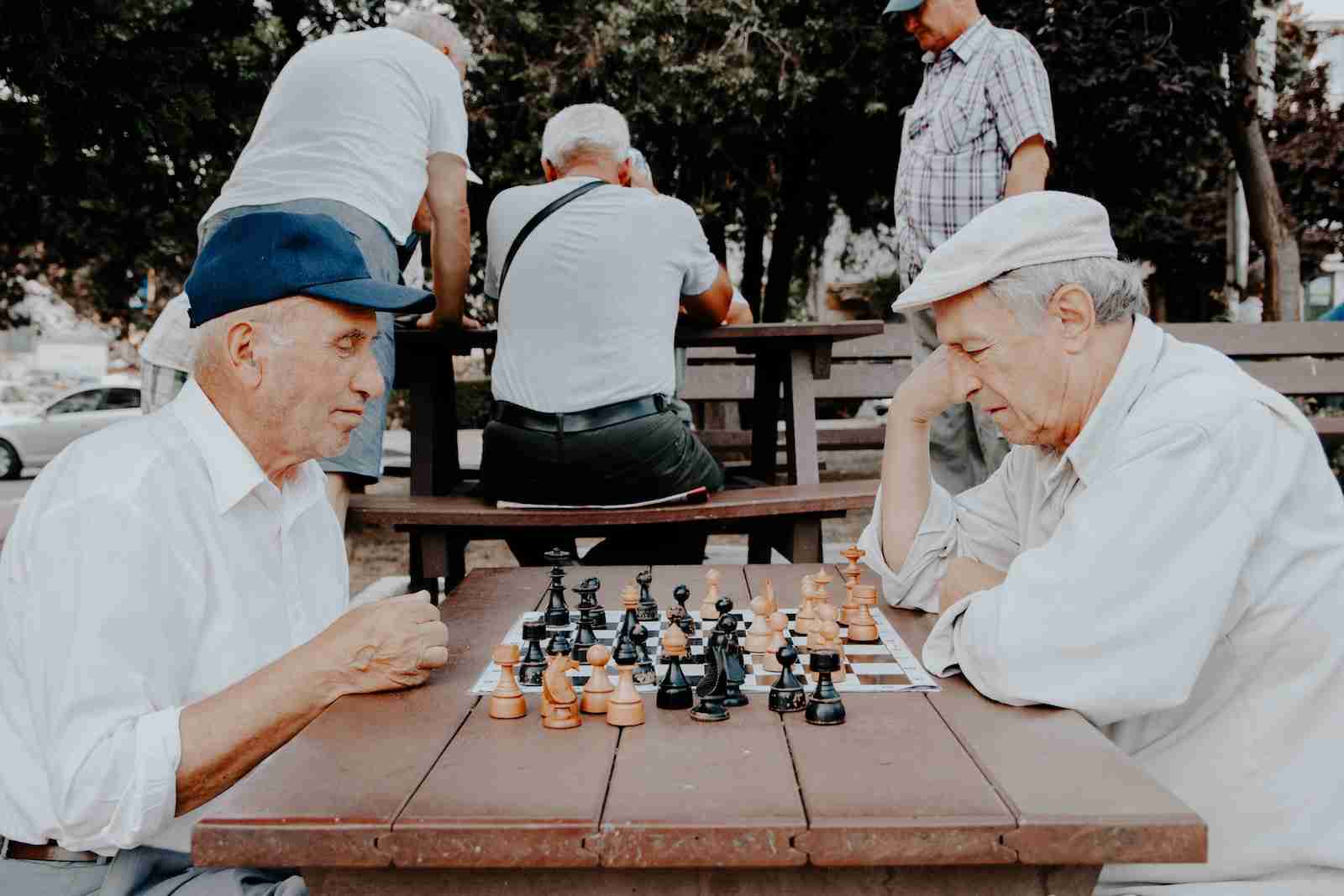
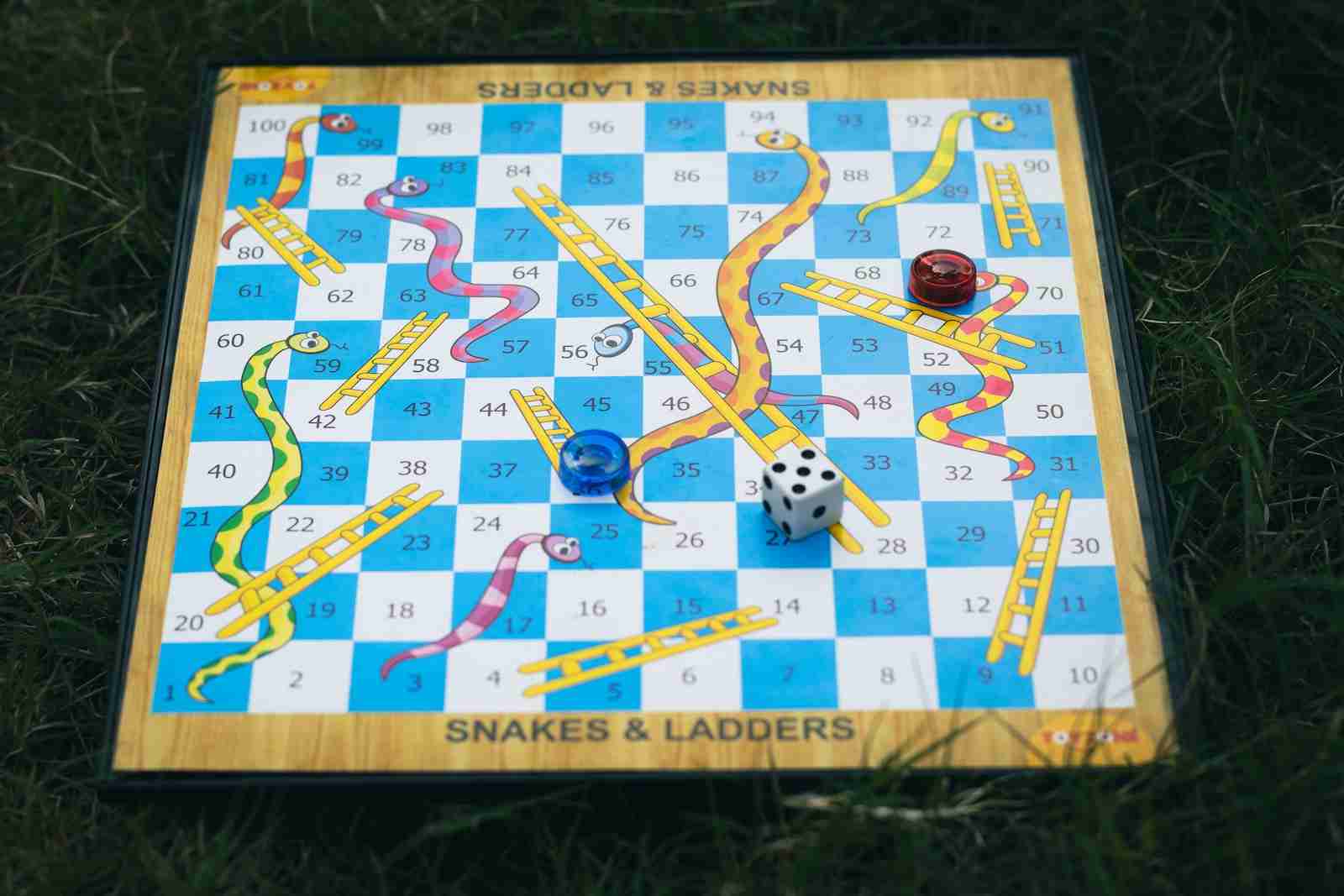
Another quick tip: don’t shy away from the classics. Board games, for example, have an undeniable charm and can teach everything from strategy to teamwork. They often engage multiple senses in a way that video games can’t replicate, bringing families together in ways that foster connection and laughter.
Finally, remember that learning isn’t a straight line; it’s more of a winding road with turns and surprises. Choose games that excite and inspire curiosity, and don’t be afraid to switch things up if something isn’t working. You’re paving the way for a lifelong love of learning, one game at a time. So gear up, parent warriors. It’s time to make game time count!

How Can Parents Choose Games That Support Learning?
How Can Parents Choose Games That Support Learning?
- Choosing the right games for kids requires careful navigation through numerous options.
- Gamification enhances learning by turning educational concepts into engaging game-like experiences.
- Evaluate the educational outcomes of games to ensure they promote critical thinking and problem-solving.
- Read reviews and parental feedback to better understand the true value of a game.
- Play alongside your child to foster connection and observe their engagement with challenges.
- Don’t overlook classic board games, which teach strategy, teamwork, and family bonding.
- Encourage curiosity and adaptability in learning, as it’s a journey filled with ups and downs.

How Can Parents Choose Games That Support Learning?
Conclusion

Conclusion
Conclusion:
- Please provide the text you’d like me to summarize, and I will create the HTML list for you.

Conclusion
Other Resources

Other Resources
Here is a list of other resources you can review online to learn more:
- Hans im Glück
- The Dice Tower Podcast
- Spirit Island: Branch & Claw Expansion
- Flying Frog Productions
- Race for the Galaxy
- Viticulture Essential Edition
- Nemesis
- Great Western Trail
- Tantrum House
- Dominion: Seaside (Second Edition)
Use This Prompt To Get More Resources With Your Favorite Online AI Tool: Please provide me with a list of online articles with their URLs in a bulleted list that I can read regarding Can Playing Games Help Kids Overcome Challenges with Ease?

Other Resources
Glossary Terms
Can Playing Games Help Kids Overcome Challenges with Ease? – Glossary Of Terms
1. Adaptability: The ability to adjust one’s thoughts and behaviors in response to new situations or challenges encountered through gameplay.
2. Cognitive Skills: Mental capabilities that involve the processing of information, reasoning, memory, and problem-solving, which are often developed through strategic games.
3. Collaboration: Working together with others to achieve a common goal, often seen in cooperative games that enhance teamwork and communication skills.
4. Critical Thinking: The process of analyzing facts to form a judgment, which can be honed through puzzle-based or strategy games.
5. Confidence: A sense of self-assurance that can be boosted when kids successfully navigate challenges in games.
6. Creativity: The ability to think outside the box and generate innovative ideas, often encouraged in open-ended games that allow for exploration.
7. Emotional Regulation: The ability to manage and respond to one’s emotions, which can improve through gameplay by encountering and overcoming in-game challenges.
8. Engagement: A deep interest and involvement in a task or activity, which games often foster, leading to sustained attention and motivation.
9. Feedback: Information provided about performance, which is essential in games and can help kids learn from their mistakes and improve.
10. Goal-Setting: The process of identifying specific objectives, which games often require and encourage, teaching kids to work towards achievable tasks.
11. Growth Mindset: The belief that abilities can be developed through dedication and hard work; games often promote this by demonstrating that persistence leads to success.
12. Imagination: The ability to envision scenarios and possibilities, significantly engaged in fantasy and role-playing games.
13. Interpersonal Skills: Skills used to interact and communicate with others, enhanced through social games that require collaboration or competition.
14. Learning Through Play: The concept that children can acquire knowledge and skills by engaging in games, fostering development in a fun context.
15. Motivation: The driving force behind action, often enhanced in kids through the rewarding systems found in games.
16. Problem-Solving: The process of finding solutions to difficult or complex issues, a key component in many games that challenges kids.
17. Resilience: The capacity to recover quickly from difficulties, which can be developed when kids face and overcome challenges in a game environment.
18. Social Skills: Life skills that help individuals interact effectively with others; often strengthened through multiplayer gaming experiences.
19. Strategy: A plan of action designed to achieve a specific goal; many games require the development of strategic thinking to succeed.
20. Stress Relief: The reduction of tension or anxiety, which can be accomplished through enjoyable gameplay that allows kids to unwind.
21. Teamwork: Collaborative efforts by members of a group to achieve a common goal, practiced in team-based games, enhancing social dynamics.
22. Trial and Error: A problem-solving approach that involves testing various methods until the optimal one is found, a common feature in gameplay.
23. VR (Virtual Reality): A simulated experience that can create immersive environments for exploration and learning, facilitating engaging challenges.
24. Role-Playing: A type of game where players assume the roles of characters in a fictional setting, promoting empathy and perspective-taking.
25. Spatial Awareness: The ability to recognize the relationships of objects in space; enhanced through games that involve navigation and movement.
26. Time Management: The ability to plan and control how much time to spend on specific activities, often developed through time-limited games.
27. Competitiveness: A desire to win or be better than others; while inherent in many games, healthy competitiveness can promote self-improvement among players.
28. Achievement: The accomplishment of a goal or task within a game, which can boost self-esteem and motivation in players.
29. Narrative Skills: The ability to retell or create stories; often enhanced through games with rich storylines, encouraging kids to think thematically and sequentially.
30. Physical Coordination: The ability to use different parts of the body together smoothly and efficiently; developed through active video games or simulations requiring physical movement.

Glossary Of Terms
Other Questions
Can Playing Games Help Kids Overcome Challenges with Ease? – Other Questions
If you wish to explore and discover more, consider looking for answers to these questions:
- What are the long-term benefits of gamification on children’s development?
- How can parents effectively monitor their children’s gaming habits?
- What specific skills can children develop through different types of games?
- Are there age-appropriate games that promote resilience in younger kids?
- How can educators implement gamification in the classroom?
- What role does parental involvement play in a child’s gaming experience?
- Can playing games lead to negative effects on children’s behavior or academics?
- How can cooperative games be used in family settings to strengthen relationships?
- What are some recommended games for teaching essential life skills?
- How does the competitive aspect of games impact children’s learning and social skills?

Other Questions
Haiku
Can Playing Games Help Kids Overcome Challenges with Ease? – A Haiku
Digital realms of play,
Teaching kids to rise, adapt—
Resilience through games.

Haiku
Poem
Can Playing Games Help Kids Overcome Challenges with Ease? – A Poem
In Play, They Rise: A Tribute to Resilience in Games
In worlds aglow with vibrant sights,
Where heroes rise and take their flights,
Children venture, hearts ablaze,
Through quests and trials, they cheer and praise.
Game by game, they learn to stand,
To grasp the tools that life has planned,
With challenges that test their might,
They conquer fears, embrace the fight.
Gamification, a wondrous art,
Transforms the mundane—a brand new start!
From chores to numbers, a quest anew,
Engagement blooms in all they do.
Through pixels bright and avatars bold,
Lessons of courage and resilience unfold,
Each loss a stepping stone, a chance to grow,
In the dance of failure, they learn to flow.
Cooperative play, where friends unite,
Building trust in shared delight,
Together they strategize and scheme,
In the tapestry of teamwork, they weave their dream.
Adventure calls in realms profound,
Where problem-solving skills are found,
Creativity ignites, imagination takes flight,
In every pixel, their futures shine bright.
A comfort zone where trials are faced,
Amidst laughter shared, friendships embraced,
Games are not just a fleeting phase,
But a forge for resilience in life’s intricate maze.
So here’s to the gaming nights we share,
To laughter and lessons that fill the air,
For in each quest, each digital dive,
We nurture the hearts, where young spirits thrive.
Let every adventure—and every score—
Be a step towards wisdom, always yearning for more,
For through the art of play, both rich and vast,
Our children rise stronger, their futures steadfast.
Poem
Checklist
Can Playing Games Help Kids Overcome Challenges with Ease? – A Checklist
Checklist: Unlocking Resilience Through Game-Based Learning
1. Understand the Benefits of Game-Based Learning
_____ Recognize how gamification elements (rewards, challenges, immediate feedback) can enhance learning.
_____ Explore how games can teach children about resilience and adaptability through safe failure and iterative learning.
2. Encourage Playtime and Learning Together
_____ Dedicate family time to playing games—both video and board games—to bond and learn together.
_____ Use game sessions to discuss strategies, decision-making, and teamwork.
3. Choose the Right Type of Games
_____ Look for cooperative games that emphasize teamwork, collaboration, and communication.
_____ Select creative games that stimulate imagination and encourage problem-solving.
_____ Include physical games that promote outdoor activity and healthy exercise.
4. Transform Mundane Tasks into Engaging Challenges
_____ Implement a point or reward system for household chores to make tasks feel like quests.
_____ Create a gamified approach to homework or studying, such as setting mini-challenges or time limits.
5. Focus on Developing Life Skills
_____ Encourage games that teach essential skills such as critical thinking, emotional regulation, and stress management.
_____ Introduce games that require strategy, planning, and decision-making to help children handle real-life challenges.
6. Connect with the Community Through Gaming
_____ Use multiplayer games to help children build social networks and friendships, fostering a sense of belonging.
_____ Encourage participation in local gaming clubs or events to further develop teamwork skills.
7. Monitor and Review Game Choices
_____ Read reviews on educational benefits before selecting games.
_____ Play alongside your children to assess engagement and learning outcomes.
8. Foster an Environment of Resilience and Growth
_____ Discuss in-game failures as opportunities to learn and grow, mirroring real-life experiences.
_____ Cultivate a mindset where setbacks are seen as part of the journey rather than roadblocks.
9. Celebrate Achievements, Big and Small
_____ Acknowledge and celebrate both small victories and major accomplishments in gaming and everyday life.
_____ Use gaming achievements as a talking point to instill confidence and motivation.
10. Stay Flexible and Open-Minded
_____ Adapt your choices based on your child’s interests and developmental needs.
_____ Explore new game genres to keep the experience fresh and exciting for everyone involved.
By using this checklist, you can effectively harness the power of game-based learning to help your child build resilience and essential life skills while having fun!
Checklist
At HowDoYouGame, we help people who love board games by collating information and news about games.
Be sure to read our other related stories at HowDoYouGame to learn more about games.