Level Up Your Problem-Solving With Gaming Skills
By Tom Seest
At HowDoYouGame, we help people who love board games by collating information and news about games.
Be sure to read our other related stories at HowDoYouGame to learn more about games.
Can Gaming Skills Boost The Problem Solving Abilities?
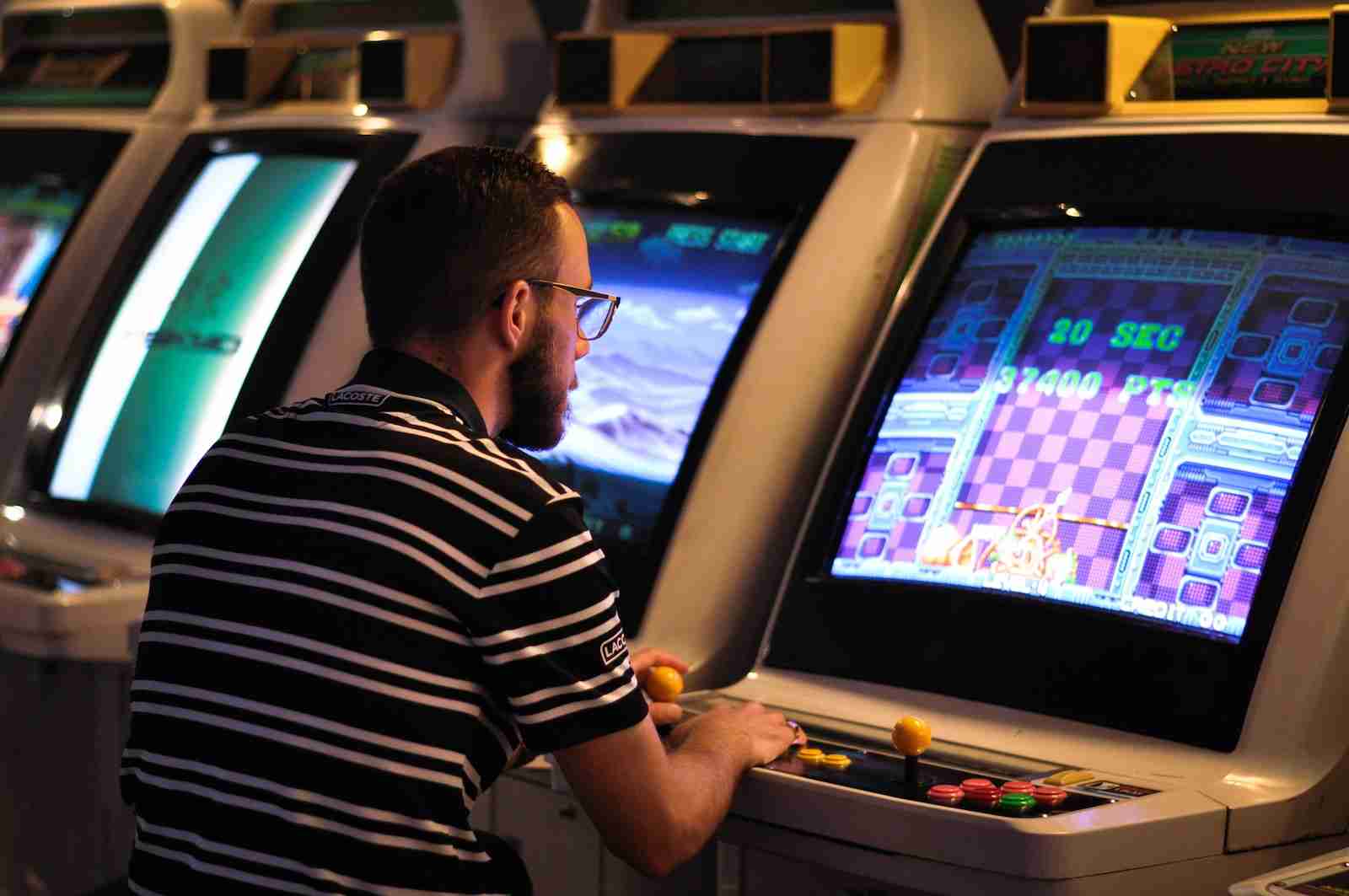
Picture this: It’s a late Tuesday night, and instead of catching up on your sleep, you’re knee-deep in a virtual world, strategizing how to outsmart an enemy faction while navigating through a treacherous maze. Seems like just another round of your favorite game, right? But what if I told you that amidst the excitement and the late-night snacks, there’s something deeper at play? Welcome to the world of gamification, where the boundaries between play and productivity blur, and your gaming skills morph into powerful problem-solving abilities.
Let’s be honest—when you’re immersed in a game, your mind shifts into a unique mode. You’re no longer just a player; you become a strategist, a thinker, a doer. Each level you conquer demands critical thinking. Every obstacle you face requires you to assess the situation from different angles and choose the best path forward. It’s a veritable playground for your brain, encouraging adaptability and creativity. Those late-night marathons aren’t just about beating high scores; they’re about honing the skills necessary for solving real-world challenges.
But why should this matter to you? Because the essence of problem-solving is all around us, woven into both our personal and professional lives. Whether it’s figuring out how to meet a project deadline, navigating interpersonal relationships, or even making sense of financial decisions, what you practice in gaming translates to the theater of life. If you’ve ever successfully thwarted a virtual enemy using cunning tactics, you’ve already flexed those mental muscles.
The beauty of gamification lies in its capacity to engage and challenge us. Games thrive on progressive difficulty, a phenomenon that mirrors the challenges we face daily. The more you practice, the better you get. Whether you’re puzzle-solving in your favorite RPG or strategizing in a fast-paced shooter, you’re essentially training your brain to think critically and creatively—skills that are paramount in any situation that demands problem-solving.
So, the next time you find yourself logging hours in front of the screen, don’t just see it as a hobby. Embrace it. Understand that every quest you embark on, every challenge you overcome, isn’t just fun and games; it’s a step toward sharpening those problem-solving abilities that are not only sought after in the workplace but are also invaluable in navigating our everyday lives. It’s about leveling up—not just your character, but yourself. So go on, game on!

Can Gaming Skills Boost The Problem Solving Abilities?
Can Gaming Skills Boost The Problem Solving Abilities?
- Gamification blurs the lines between play and productivity, transforming gaming skills into problem-solving abilities.
- Immersion in games turns players into strategists and critical thinkers, enhancing adaptability and creativity.
- Gaming experiences translate to real-world challenges, improving skills applicable to personal and professional scenarios.
- Problem-solving practiced in games has parallels in everyday tasks, such as meeting deadlines and navigating relationships.
- Gamification engages users with progressively difficult challenges, training the brain for critical and creative thinking.
- Each gaming session is an opportunity to sharpen problem-solving abilities valued in the workplace and daily life.
- Embrace gaming as a tool for personal growth, recognizing it as a way to level up not just in-game but in life.

Can Gaming Skills Boost The Problem Solving Abilities?
Table Of Contents
- Can Gaming Skills Boost The Problem Solving Abilities?
- Can Playing Video Games Enhance Critical Thinking Skills Effectively?
- How Do Different Genres Of Games Impact Problem-Solving Abilities?
- Are There Specific Gaming Strategies That Improve Cognitive Skills?
- How Can Gaming Experiences Translate To Real-World Problem Solving?
- What Age Groups Benefit Most From Gaming In Terms Of Resilience?
- Can Multiplayer Games Foster Better Collaboration And Teamwork Skills?
- Are There Any Downsides To Relying On Gaming For Problem Solving?
- Conclusion
- Other Resources
- Glossary Of Terms
- Other Questions
- Haiku
- Poem
- Checklist
Can Playing Video Games Enhance Critical Thinking Skills Effectively?
Picture this: You find yourself in a vibrant world where dragons soar overhead, puzzles await on every corner, and options abound that can lead you down a hundred different paths. Welcome to the realm of video games, where the stakes are high, and your brain is the player at the helm. Now, you might think of video games as a guilty pleasure or a mere distraction, but let’s hit pause for a second and look at the bigger picture.
Research suggests that video games, particularly those with elements of gamification, can be surprisingly effective at honing critical thinking skills. Think about it: when you’re faced with a challenge in a game, whether it’s outsmarting an enemy or solving a complex puzzle, you’re not just playing; you’re strategizing. Each decision you make carries weight, requiring you to analyze the situation, consider the consequences, and pivot accordingly. Sounds familiar, right? This experience mirrors real-life situations more than you might expect.
It’s not just about having fun—although let’s be honest, that’s a pretty great perk. Engaging in these immersive worlds can foster a sharper analytical mindset. Gamification turns mundane tasks into engaging activities, transforming everyday challenges into quests that prompt curiosity and problem-solving. For instance, even simple games can incorporate elements that encourage players to think outside the box, allowing them to adapt and reevaluate strategies on the fly.
People often ask, “Can gaming really sharpen my mind?” The answer is a definitive yes! By jumping into these digital challenges, you’re not only providing yourself with moments of entertainment; you’re also tinkering with the gears of your cognitive machine. Each level you conquer or foe you face can translate to enhanced capabilities in real-world scenarios. From navigating complex social situations to crafting unique solutions at work, those critical thinking skills are constantly being reinforced.
So, before you write off video games as time-wasting indulgences, consider this: they might just be your secret weapon for sharpening your intellect and gearing up for life’s challenges. The next time a friend invites you to dive into a gaming session, don’t hesitate. Embrace it! You could be leveling up your critical thinking skills while having a blast. Ready to join the quest? Grab that controller and let’s get started!

Can Playing Video Games Enhance Critical Thinking Skills Effectively?
Can Playing Video Games Enhance Critical Thinking Skills Effectively?
- Video games offer a vibrant world filled with challenges and decisions.
- Research indicates that gaming, especially with gamification, enhances critical thinking skills.
- Playing games requires strategizing, analyzing situations, and considering consequences.
- Engagement in immersive game worlds fosters a sharper analytical mindset.
- Gamification transforms mundane tasks into engaging activities, promoting curiosity and problem-solving.
- Gaming can sharpen your mind and enhance real-world capabilities, including social navigation and creative thinking.
- Video games can be a valuable tool for improving intellect while providing entertainment.

Can Playing Video Games Enhance Critical Thinking Skills Effectively?
How Do Different Genres Of Games Impact Problem-Solving Abilities?
When we think about problem-solving, it’s easy to envision a quiet library or a boardroom brainstorming session. But what if I told you that some of the most dynamic and effective problem-solving skills are being honed in the virtual worlds of video games? That’s right—players are diving headfirst into challenging dilemmas and emerging with better tools to tackle real-life challenges. It’s a fascinating twist on how we approach learning and skill development, and it all starts with the different genres of games.
Take puzzle games, for instance. These gems require players to think critically and devise strategies to overcome increasingly complex challenges. By engaging with these games, you’re not just matching shapes or colors; you’re practicing analytical skills, developing patience, and even improving your spatial awareness. Gamification—yes, that’s a buzzword you might have heard—plays a crucial role here. It transforms mundane activities into exciting quests, pushing you to keep playing and problem-solving.
Then, consider role-playing games (RPGs). They transport you into rich narratives where choices matter, and each decision can change the course of your adventure. Here, players learn about the consequences of their actions and develop empathy as they navigate different characters and situations. The ability to strategize in RPGs translates nicely to the real world, where understanding multiple perspectives can help us solve community problems or work effectively in teams.
Let’s not forget about strategy games, where you’re constantly adjusting your game plan based on the moves of others. It’s like a chess match with pixelated warriors! Here, players sharpen their ability to anticipate challenges and think several steps ahead—an asset that’s invaluable whether you’re negotiating a deal at work or charting your path in life.
Each gaming genre offers its own flavor of problem-solving training, and that’s what makes it so diverse and engaging. When you immerse yourself in these virtual landscapes, you’re not just having fun; you’re gathering a toolkit of skills that can help you face the challenges of everyday life. So, the next time you settle down with your favorite game—be it a puzzle, an epic quest, or a tactical showdown—remember that you’re not just playing; you’re preparing for whatever life throws your way. Embrace it. Enjoy it. Believe in the value it brings to your problem-solving repertoire. Your next challenge just might be easier to tackle than you think.

How Do Different Genres Of Games Impact Problem-Solving Abilities?
How Do Different Genres Of Games Impact Problem-Solving Abilities?
- Problem-solving skills are being developed through the dynamic environments of video games.
- Puzzle games enhance critical thinking, strategy formulation, patience, and spatial awareness.
- Gamification transforms mundane activities into exciting quests, fostering engagement and problem-solving.
- Role-playing games (RPGs) teach players about consequences and empathy through choice-driven narratives.
- Strategy games help players anticipate challenges and think ahead, similar to a chess match.
- Each game genre offers unique problem-solving training, making the experience diverse and engaging.
- Playing video games equips players with a toolkit of skills applicable to real-life challenges.

How Do Different Genres Of Games Impact Problem-Solving Abilities?
Are There Specific Gaming Strategies That Improve Cognitive Skills?
Let’s take a stroll through the gaming landscape, shall we? Imagine leveling up your character in an action-packed video game, but this time, your mission isn’t just about slaying dragons or saving the world—it’s about sharpening your mind. Surprisingly enough, there’s a growing body of evidence that suggests certain gaming strategies can indeed give our cognitive skills a real boost. How? Let’s explore.
First off, we’ve all heard the buzz about gamification. This isn’t just a trendy buzzword; it’s a powerful tool that harnesses the spirit of gaming to transform mundane tasks into engaging challenges. Take puzzle games, for instance. When you tackle a jigsaw or a brain teaser, you’re not merely passing the time; you’re enhancing your problem-solving abilities. These activities stimulate the brain, encouraging critical thinking. Next time your buddy challenges you to a match of Tetris or Sudoku, accept the gauntlet—not only for the bragging rights but for the cognitive workout.
Now, think about strategy games like a real-time strategy (RTS) or turn-based tactics. They teach you to think several steps ahead, building your spatial awareness and foresight. In these games, your every decision is weighted with consequence, and adapting your strategy in real-time cultivates your ability to analyze situations and react accordingly. This isn’t just entertainment; it’s mental gymnastics that often translates to enhanced decision-making skills in our daily lives.
Let’s not overlook the team-based multiplayer games either, where collaboration reigns supreme. These require effective communication and strategy formulation with your teammates. Not only does this improve your ability to work with others, but it also sharpens your leadership skills as you navigate challenges together. Developing the ability to communicate ideas clearly and work toward common goals? Now that’s a life skill worth leveling up.
And what about role-playing games (RPGs)? Here, players dive deep into character development, storytelling, and moral decision-making, enriching their emotional intelligence and empathy. Engaging with diverse narratives helps players understand different perspectives, fostering a richer, more nuanced view of the world around them.
In this age where our minds are often scattered and distracted, embracing specific gaming strategies isn’t just a call to play; it’s a rallying cry to evolve our cognitive toolbox. So, whether you’re a casual gamer or a die-hard fanatic, consider stepping into the digital realm not just for the fun of it, but to unlock your brain’s full potential. The next time you pick up that controller or fire up that game on your device, remember: you’re not just playing; you’re training for life.

Are There Specific Gaming Strategies That Improve Cognitive Skills?
Are There Specific Gaming Strategies That Improve Cognitive Skills?
- Many gaming strategies can enhance cognitive skills, beyond traditional gameplay.
- Gamification transforms mundane tasks into engaging challenges, boosting problem-solving abilities.
- Puzzle games stimulate critical thinking and enhance cognitive workouts.
- Strategy games build spatial awareness and decision-making skills by teaching players to think ahead.
- Team-based multiplayer games improve communication, collaboration, and leadership skills.
- Role-playing games (RPGs) enrich emotional intelligence and empathy through character development and storytelling.
- Engaging with specific gaming strategies can evolve our cognitive toolbox and improve life skills.

Are There Specific Gaming Strategies That Improve Cognitive Skills?
How Can Gaming Experiences Translate To Real-World Problem Solving?
Gaming isn’t just about high scores or leveling up. At its heart, it’s a masterclass in challenge and strategy, that can sharpen our minds for tackling real-world problems. Let’s face it, the digital landscape offers a playground for learning that’s both engaging and effective. You might not realize it, but every time you boot up your favorite game, you’re entering a world where gamification reigns supreme. It’s not just about getting lost in a virtual realm; it’s about honing skills that can directly impact our everyday lives.
Consider this: when you’re racing against the clock to complete a quest or strategizing to overcome a complex puzzle, your brain is going through a rigorous workout. You’re problem-solving on the fly, assessing risks, and making decisions under pressure. These are the same skills we need when tackling issues in our work, communities, or even at home. There’s a kind of magic that happens when we immerse ourselves in these gaming experiences—those digital challenges can sharpen our ability to think critically and adapt quickly.
Take teamwork, for instance. Many games require players to collaborate, merging unique skills to overcome obstacles. This isn’t just fun; it’s an excellent training ground for real-world cooperation. When you experience the thrill of pulling off a strategy with friends, you’re not just beating a level. You’re learning how to communicate effectively, share resources, and trust each other’s abilities. Those are invaluable skills that translate directly to any group endeavor—whether that’s in a corporate setting, community projects, or family activities.
But let’s not forget the power of failure. In the gaming world, losing often comes with a valuable lesson: it motivates you to analyze your mistakes, adjust your approach, and try again. This mindset of resilience is crucial when facing life’s inevitable challenges. Instead of shying away from obstacles, gaming teaches us to confront them head-on, armed with the knowledge that growth comes through perseverance.
So, the next time you find yourself immersed in a gaming experience, take a moment to recognize the subtle lessons it offers. Embrace the idea that while you’re having fun, you’re also equipping yourself with a toolkit for solving real-world problems. By tapping into the principles of gamification, we can redefine our approach to challenges and emerge more capable, confident, and ready to make a difference in our lives and the lives of others.

How Can Gaming Experiences Translate To Real-World Problem Solving?
How Can Gaming Experiences Translate To Real-World Problem Solving?
- Gaming is a masterclass in challenge and strategy, enhancing problem-solving skills for real-world applications.
- The digital landscape provides an engaging learning environment that sharpens our minds.
- Playing games involves rigorous brain workouts, fostering skills like decision-making under pressure.
- Teamwork in games teaches effective communication, resource sharing, and trust, valuable in group endeavors.
- Experiencing failure in gaming promotes resilience, encouraging analysis and adaptation of strategies.
- Immersion in gaming offers subtle lessons that equip players with tools for real-life problem-solving.
- By embracing gamification, we can redefine our approach to challenges and improve our capabilities.

How Can Gaming Experiences Translate To Real-World Problem Solving?
What Age Groups Benefit Most From Gaming In Terms Of Resilience?
When we talk about gaming and resilience, it’s easy to think of kids huddled around their consoles or adults immersed in the latest online RPG. But the resilience-building power of gaming isn’t confined to just one age group. In fact, it spans across several stages of life, adapting and evolving to meet the unique challenges that each generation faces.
Let’s start with our younger gamers: typically, kids in their early to late teens. They’re navigating the turbulent waters of adolescence, dealing with peer pressure, academic stress, and the often overwhelming quest for identity. Enter the world of gamification. Here, challenges are not just obstacles, but opportunities for growth. These young players learn to embrace failure, strategize under pressure, and develop critical thinking skills, all while exploring vividly crafted digital landscapes. As they level up in their games, they’re also leveling up their ability to bounce back from setbacks in real life.
Now, let’s shift focus to the thirty-somethings—those who may think they’ve matured past the gaming phase, but who actually can benefit tremendously from it. For them, video games offer a healthy escape and a way to manage stress. After a long day at work or juggling family commitments, immersing oneself in a game can provide a refreshing break. It’s not just about fun; it’s a chance to recharge and build emotional stamina. These gamers often find themselves in cooperative environments, learning teamwork and communication skills that translate directly into their careers and personal relationships. By engaging in challenges within games, they foster resilience and adaptability, vital traits for managing the complexities of adult life.
And let’s not overlook the older generation. Retirees or individuals in their sixties and seventies can harness the benefits of gaming too. With cognitive engagement at the forefront, many are discovering that puzzle games and strategy-based games not only entertain but also sharpen their mental faculties. Social elements in gaming create opportunities for connection, helping to combat feelings of loneliness. This boost in social resilience is as crucial as any brain exercise, providing a sense of purpose and community.
Every age group stands to gain something valuable from gaming and its gamification approaches. As we embrace the digital age, we’re reminded that resilience isn’t a trait we either have or don’t; it’s a skill we can all cultivate, at any stage of life. It’s time to pick up that controller or mobile device, dive into a challenge, and realize that each game is an invitation to grow. After all, it’s not just about playing; it’s about thriving.

What Age Groups Benefit Most From Gaming In Terms Of Resilience?
What Age Groups Benefit Most From Gaming In Terms Of Resilience?
- Gaming fosters resilience among various age groups, from children to seniors.
- Younger gamers in their teens face challenges like peer pressure and identity exploration, using gamification as a tool for growth.
- Video games teach young players to embrace failure and develop critical thinking skills while enhancing their ability to recover from setbacks.
- Adults in their thirties can utilize gaming for stress relief and as a tool to recharge, improving emotional stamina.
- Cooperative gaming environments help adults learn teamwork and communication skills that benefit their professional and personal lives.
- Seniors benefit from gaming through cognitive engagement, with puzzle and strategy games enhancing mental faculties and fostering social connections.
- Overall, gaming is a valuable resource for cultivating resilience at any life stage, encouraging personal growth and community connection.

What Age Groups Benefit Most From Gaming In Terms Of Resilience?
Can Multiplayer Games Foster Better Collaboration And Teamwork Skills?
Can Multiplayer Games Foster Better Collaboration and Teamwork Skills?
Let’s take a moment to ponder a question that might initially sound a tad unconventional: Can multiplayer games truly enhance our collaboration and teamwork skills? Sure, we grew up hearing that good things come from playing together—like trust, communication, and understanding. But when you think about it, engaging in multiplayer games is like a training ground for honing those very skills, and it’s woven into the fabric of what makes them enjoyable.
When we talk about gamification in everyday life, we often associate it with serious business or learning environments, where points and badges motivate us. But think about the dynamic energy of multiplayer games. From strategizing to slaying virtual dragons, nothing quite mirrors the challenges we face in real-world teamwork. The quick-thinking and improvisational skills developed while collaborating in high-stress environments create bonds that transfer beyond the screen.
Teamwork in these games isn’t just a passive experience. Each player has a role to fulfill—a healer who mends wounds, a tank who stands at the forefront, or a strategist who orchestrates the attack. As teammates, we’re encouraged to communicate effectively, delegate tasks, and support each other’s strengths and weaknesses. Fail at an objective? Well, you better believe the next session is going to involve some serious assessment and strategizing. Just like in real life, failure is a stepping stone to success.
Moreover, multiplayer games cultivate an environment where conflict resolution is key. Players must navigate disagreements and differing opinions on how to proceed, simulating those critical discussions we often find ourselves having in the workplace or in community projects. Consider it practice for “the real world,” a kind of dress rehearsal for collaborative success.
What’s refreshing about this whole experience is that it’s not just educational; it’s fun. Engaging in something that encourages team spirit while kicking back with your friends reminds you that development doesn’t always have to be serious business. You can cultivate effective teamwork while sharing laughs and creating memories.
So, the next time you pick up that controller or log into that online platform, remember: you’re not just playing a game; you’re sharpening skills that will serve you well in life, whether on a virtual battlefield or in the boardroom. Embrace the journey!

Can Multiplayer Games Foster Better Collaboration And Teamwork Skills?
Can Multiplayer Games Foster Better Collaboration And Teamwork Skills?
- Multiplayer games can enhance collaboration and teamwork skills.
- Playing together fosters trust, communication, and understanding.
- Engaging in high-stress gaming scenarios mirrors real-world challenges.
- Each player has a distinct role that requires effective communication and task delegation.
- Failure in games promotes assessment and strategizing for improvement.
- Games provide a platform for practicing conflict resolution and critical discussions.
- Participating in multiplayer games is a fun way to develop teamwork skills while creating lasting memories.

Can Multiplayer Games Foster Better Collaboration And Teamwork Skills?
Are There Any Downsides To Relying On Gaming For Problem Solving?
Ah, gaming—what a blend of entertainment and intellectual challenge! It’s a world where obstacles morph into opportunities, and every level conquered sparks a little thrill in the brain. But while the notion of using gamification to enhance problem-solving skills is enticing, it’s important to consider the other side of the coin. Like a shiny new gadget, it can be easy to overlook its quirks.
First, it’s essential to recognize that not all games are created equal. The realm of gamification, while promising, can sometimes lead to surface-level engagement. You might find yourself caught up in the dazzling visuals and immersive environments, but if the core problem-solving elements are shallow, where does that leave your critical thinking? If you’re zoning in on flashy graphics rather than the meat of a challenge, you might just be sharpening the wrong tools.
Then there’s the risk of dependence. Picture this: you’ve leveled up your thinking with a few puzzle games, and now, real-world problems start feeling a bit daunting without the comfort of a controller in hand. What happens when you encounter a complex issue that demands more than just a quick response? There’s a danger in relying solely on gaming as your problem-solving crutch. It’s vital to blend those learned skills into everyday scenarios, grounding them in reality.
Another thing to weigh is the potential of fostering a defeatist mindset. When every game ends with either a glorious win or a game over screen, it’s easy to forget that life doesn’t always play by the same rules. In real life, hurdles can be more nuanced, and the challenges might not provide you with instant gratification through points or badges. Learning to navigate failures without the framework of gamification can go a long way in developing resilience and true problem-solving prowess.
Finally, let’s not forget about time. Engaging with games can be a vast time sink, and while you’re sharpening your skills, there’s also a world out there waiting to be explored. So, if you’re an aspiring problem-solver, consider balancing your love for gaming with real-world experiences. It’s about leveraging those gaming strategies and applying them in diverse scenarios. Energize your thinking, yes, but also stay diverse in your approach. Use the strengths gaming fosters, but don’t let it be the only game in town!

Are There Any Downsides To Relying On Gaming For Problem Solving?
Are There Any Downsides To Relying On Gaming For Problem Solving?
- Gaming offers a unique blend of entertainment and intellectual challenge, turning obstacles into opportunities.
- Not all games are effective for enhancing critical thinking; some may promote surface-level engagement.
- There is a risk of dependence on gaming for problem-solving, which may hinder real-world application of skills.
- Games often reinforce a binary mindset of winning or losing, which can detract from handling complex real-life situations.
- Real-world challenges require resilience as they may not provide instant feedback like games do.
- Gaming can be time-consuming, potentially distracting from real-world experiences and challenges.
- A balanced approach is recommended—leverage skills from gaming while engaging in diverse real-world scenarios.

Are There Any Downsides To Relying On Gaming For Problem Solving?
Conclusion
Conclusion: The Unexpected Path to Problem Solving Through Gaming
Folks, let’s take a moment to reflect on our good friend gaming. You know, the world often sees video games as mere entertainment—a way to blow off steam after a long day. But here’s the kicker: behind those flashing screens and catchy soundtracks lies a treasure trove of skills just waiting to be unlocked. That’s right, gaming isn’t just a pastime; it’s a veritable gym for your brain, equipping you with problem-solving prowess that extends well beyond the virtual realm.
Imagine being thrust into a myriad of challenges, whether you’re racing against the clock in a high-stakes mission or crafting strategies to outsmart a rival team. Each decision you make requires critical thinking, adaptability, and creativity. Many of us have experienced those late-night gaming sessions, yet what we might overlook is that each level we conquer isn’t just a badge of honor; it’s a way of honing our cognitive muscles. In a digital landscape where failure is often the precursor to success, gamers learn resilience, the importance of teamwork, and how to navigate complexities with finesse.
Now, don’t get me wrong—gaming isn’t a one-size-fits-all solution. There are certainly pitfalls to consider. Not every game is crafted with depth, and sometimes the shiny graphics can distract from the critical thinking at hand. It’s also easy to fall into the trap of relying on gaming as the only outlet for problem-solving, leading to a disconnect when faced with the real-world messiness of life. But let’s be honest with ourselves—balancing our love for gaming with tangible, real-world experiences is the ideal approach.
So, the next time you dive into your favorite virtual world, recognize that you’re not merely playing; you’re actually training for life. Your ability to strategize, to analyze, and to evaluate will serve you well in the boardroom, at home, and in the great game of life. Embrace it. Every quest, every challenge, is an opportunity to stretch those problem-solving skills and evolve as a person.
In short: gaming can be a powerful tool for personal development. Don’t dismiss it as just a pastime—see it for what it truly is: a chance to level up not just your character, but yourself. Game on, my friends!

Conclusion
Conclusion:
- Gaming is often viewed as mere entertainment, but it offers valuable skills for problem-solving.
- Video games challenge players with critical thinking, adaptability, and creativity.
- Each level conquered in gaming serves as practice for cognitive development.
- Gamers learn resilience, teamwork, and how to navigate complexities through gameplay.
- Not all games promote deep thinking, and some can distract from real problem-solving.
- It’s important to balance gaming with real-world experiences for effective problem-solving.
- Gaming can be a powerful tool for personal development, offering opportunities to improve real-life skills.

Conclusion
Other Resources

Other Resources
Here is a list of other resources you can review online to learn more:
- Gloomhaven: Jaws of the Lion
- Renegade Game Studios
- Lucky Duck Games
- Horrible Guild
- Dominion (Second Edition)
- Kosmos
- Memoir ’44
- IGN
- Roxley Games
- Level 99 Games
Use This Prompt To Get More Resources With Your Favorite Online AI Tool: Please provide me with a list of online articles with their URLs in a bulleted list that I can read regarding Can Gaming Skills Boost The Problem Solving Abilities?

Other Resources
Glossary Terms
Can Gaming Skills Boost The Problem Solving Abilities? – Glossary Of Terms
1. Cognitive Skills: Mental capabilities that include reasoning, problem-solving, and planning.
2. Critical Thinking: The ability to analyze information and make reasoned judgments.
3. Strategic Thinking: A skill that involves planning for the long term by foreseeing potential challenges and opportunities.
4. Dexterity: Fine motor skills or physical agility that can enhance gameplay in certain genres.
5. Multitasking: The ability to handle multiple tasks simultaneously, often required in complex games.
6. Puzzle Solving: The act of finding solutions to challenges or enigmas, a common element in many games.
7. Real-time Strategy (RTS): A genre of games where players manage resources and make tactical decisions in real-time.
8. Simulation Games: Games that mimic real-world activities, requiring planning and problem-solving skills.
9. Role-playing Games (RPGs): Games where players assume characters and make decisions that affect the story, promoting critical thinking.
10. Game Mechanics: The underlying rules and systems that facilitate gameplay, influencing how players approach challenges.
11. Feedback Loops: Systems in games that provide players with information on their performance, improving decision-making over time.
12. Game Theory: The study of strategic interactions, often applied to competitive elements in gaming.
13. Immersion: A state of deep engagement in a game that can enhance learning and problem-solving.
14. Pattern Recognition: The ability to identify trends or patterns in data, often developed through gameplay.
15. Collaborative Gameplay: Playing with others to achieve objectives, fostering communication and teamwork skills.
16. Augmented Reality (AR): Technology that superimposes digital information on the real world, used in some games to enhance problem-solving.
17. Virtual Reality (VR): An immersive environment that can present complex problems in a simulated setting.
18. Adaptive Learning: A personalized approach to learning, which can be applied to gaming to enhance problem-solving skills.
19. Resource Management: The strategic use of limited resources to achieve goals, a common challenge in many games.
20. Decision Making: The process of making choices, often improved through scenarios faced in gaming.
21. Exploratory Learning: Gaining knowledge through exploration and experimentation, encouraged in many game designs.
22. Spatial Awareness: Understanding the relationship between objects in space, honed through navigational challenges in gaming.
23. Goal Orientation: A mindset focused on achieving specific objectives, common in competitive gaming.
24. Zone of Proximal Development (ZPD): The concept of learning just beyond current abilities, relevant in the challenge levels of games.
25. Progressive Complexity: Gradual increase in difficulty within a game, which aids in developing problem-solving strategies.
26. Game-Based Learning (GBL): Educational approach that uses gaming elements to engage learners and improve skills.
27. Endorphin Release: The psychological reward experienced during gameplay that can motivate continued engagement and learning.
28. Player Agency: The extent to which players feel in control of their decisions and actions within a game.
29. Risk Assessment: Evaluating potential outcomes and risks, a skill practiced in decision-making scenarios in games.
30. Flow State: A mental state of immersion and focus that can enhance performance and problem-solving capabilities during gameplay.
These terms encapsulate how gaming can influence and potentially enhance problem-solving abilities through diverse cognitive processes and engagement strategies.

Glossary Of Terms
Other Questions
Can Gaming Skills Boost The Problem Solving Abilities? – Other Questions
If you wish to explore and discover more, consider looking for answers to these questions:
- What specific gaming skills contribute to problem-solving abilities?
- Are there studies supporting the link between gaming and improved critical thinking?
- Which gaming genres are most effective for enhancing problem-solving skills?
- How long does it take to see improvements in problem-solving abilities through gaming?
- Can gaming skills be transferred to professional environments effectively?
- What are the best types of games for developing resilience?
- How do age differences affect the benefits of gaming on problem-solving skills?
- Are there particular gaming strategies that maximize cognitive development?
- What role do multiplayer games play in enhancing collaboration skills?
- How can one maintain a balance between gaming and real-world problem solving?
- What are the potential negative effects of relying too heavily on gaming for mental skills development?
- How can parents encourage beneficial gaming habits in children?
- What are some examples of real-life scenarios where gaming experiences could be applied?
- Can non-gamers learn problem-solving skills through other gamified experiences?

Other Questions
Haiku
Can Gaming Skills Boost The Problem Solving Abilities? – A Haiku
Gaming nurtures skills,
Critical minds sharpened well—
Play leads to solve life.

Haiku
Poem
Can Gaming Skills Boost The Problem Solving Abilities? – A Poem
Level Up: The Power of Play
In the depths of a pixelated night,
Where heroes arise and strategies ignite,
A quest begins, not merely for fun,
But for skills that grow, as battles are won.
In vibrant worlds where challenges loom,
Mind meets the game, a fertile bloom.
Critical thinking in every smart move,
With each puzzle solved, our minds start to groove.
From dragons that soar to mazes we wind,
Gaming’s a treasure for sharpening the mind.
Every late-night session, no longer just play,
Fosters resilience for life’s every day.
In team-based chaos, collaboration takes flight,
We learn the dance of support, swift and bright.
Trust and communicate, resolve every strife,
Growing our skills to enhance daily life.
But beware the bright screens and the lure they weave,
Not all games nourish, some may deceive.
Balance is key—take a stroll outside,
Blend gaming with life, let true growth abide.
So, grab your controller, dive into the fray,
Remember each level, is training for the day.
For within every game lies a lesson profound,
In the realm of play, true wisdom is found.

Poem
Checklist
Can Gaming Skills Boost The Problem Solving Abilities? – A Checklist
Checklist: Level Up Your Problem-Solving Skills Through Gaming
Understanding the Link Between Gaming and Problem-Solving
_____ Reflect on how gaming can enhance critical thinking skills.
_____ Identify real-life scenarios where gaming strategies can be applied.
_____ Consider personal experiences where gaming helped you overcome challenges.
Analyzing Different Game Genres
_____ Explore how puzzle games have improved your analytical skills.
_____ Assess how role-playing games (RPGs) have enhanced your empathy and decision-making skills.
_____ Analyze strategy games where you learned to anticipate challenges and think ahead.
Enhancing Cognitive Skills Through Specific Gaming Strategies
_____ Experiment with puzzle games (e. g. , Tetris, Sudoku) to boost your problem-solving abilities.
_____ Engage in strategy games to improve foresight and decision-making skills.
_____ Participate in team-based multiplayer games to sharpen communication and leadership skills.
Applying Gaming Experiences to Real Life
_____ Create a list of skills learned from gaming that can be used in work or personal life.
_____ Reflect on a time when you applied lessons from gaming in your real-world problem-solving efforts.
_____ Identify areas in your life where you can practice gamification principles to enhance task engagement.
Recognizing the Benefits Across Age Groups
_____ Understand how different age groups (children, adults, seniors) can leverage gaming for resilience.
_____ Share your gaming experiences with different age groups and encourage discussions about skill development through gaming.
Enhancing Teamwork and Collaboration Skills
_____ Participate in multiplayer games to practice effective communication and task delegation.
_____ Reflect on conflict resolution instances in games and apply them to real-life team scenarios.
_____ Organize game nights focused on teamwork exercises and strategizing.
Balancing Gaming with Real-Life Experiences
_____ Set time limits for gaming to ensure a balance with other activities.
_____ Seek opportunities in everyday life to apply the problem-solving skills gained from gaming.
_____ Commit to exploring real-world experiences that challenge you without relying solely on gaming.
Considering the Downsides
_____ Reflect on any potential dependencies on gaming for problem-solving.
_____ Acknowledge situations where gaming could lead to a defeatist mindset.
_____ Develop strategies for overcoming challenges when gaming isn’t a viable option.
Continuous Growth
_____ Make a plan for setting new challenges in games that will further enhance your problem-solving skills.
_____ Engage with others in discussions about gaming’s impact on mindsets and real-world problem-solving.
_____ Keep track of your progress in applying gaming strategies to daily life for ongoing improvement.
Feel free to hand out this checklist with the article to help readers actively engage with the concepts discussed!

Checklist
At HowDoYouGame, we help people who love board games by collating information and news about games.
Be sure to read our other related stories at HowDoYouGame to learn more about games.