
Unplugged: The Effects Of Gaming Isolation
By Tom Seest
At HowDoYouGame, we help people who love board games by collating information and news about games.
Be sure to read our other related stories at HowDoYouGame to learn more about games.
Can Gaming Isolation Lead to Social Anxiety?
In the world of gaming, we often find ourselves immersed in virtual realms, battling dragons, solving intricate puzzles, or competing in colossal multiplayer arenas. It’s a grand escape, indeed. But as we dive deeper into these immersive experiences, one has to wonder: could this tendency toward prolonged isolation actually stunt our social skills and even lead to social anxiety?
Let’s face it; gaming can be a double-edged sword. On one hand, there’s a vibrant community to connect with, friends made across time zones, and like-minded players who share your passion. On the other, there’s the solitude often associated with hours logged in front of a screen. While it can engage the mind and foster a sense of achievement, it can also create a comfy bubble—a bubble so snug that you might forget what it feels like to interact with others face-to-face.
There’s an undeniable appeal to the instant gratification provided by games. You level up, you complete quests, and you gain accolades. But what about when the console is switched off? As the sun sets, do you find yourself hesitating to step outside, feeling an odd tension in your stomach at the thought of conversing with someone? Unfortunately, for some, the answer is yes. Socializing has become a learned skill, and when you trade real-life interactions for pixelated ones, you risk underdeveloping those essential life skills—like reading body language, maintaining eye contact, or just initiating casual conversation.
Moreover, the quiet circles in which many gamers find themselves can nurture feelings of loneliness. You might be surrounded by a group of friends online, yet the absence of physical presence can leave you feeling isolated. Over time, this isolation can morph into anxiety—the kind that creeps in quietly, whispering doubts about your ability to communicate or fit in when you finally decide to venture beyond the screen.
So, what’s the takeaway? It’s essential to strike a balance. Games can serve as excellent gateways to fun and community, but let’s not forget about the importance of real-world interactions. Take a break from the screen now and then, shake off those virtual shackles, and remember that the world beyond your console is waiting—full of opportunities to connect, laugh, and share experiences that truly count. Prioritize social engagement, and you just might find the richness of both worlds can coexist harmoniously.

Can Gaming Isolation Lead to Social Anxiety?
Can Gaming Isolation Lead to Social Anxiety?
- Gaming offers an immersive escape into virtual realms, but may stunt social skills.
- It provides a vibrant online community, yet can lead to prolonged isolation.
- While instant gratification in games is appealing, it may hinder real-life social interactions.
- Socializing has become a learned skill due to reduced face-to-face interactions.
- Many gamers experience loneliness despite having online friends, leading to anxiety.
- Finding a balance between gaming and real-world interactions is crucial.
- Prioritize social engagement to enhance real-life connections and experiences.

Can Gaming Isolation Lead to Social Anxiety?
Table Of Contents
- Can Gaming Isolation Lead to Social Anxiety?
- How Does Gaming Affect Face-To-Face Interactions?
- What Signs Indicate Gaming Isolation Is Influencing Anxiety?
- Are Gamers More Likely To Experience Social Withdrawal?
- How Does Online Gaming Compare To In-Person Socializing?
- Can Multiplayer Games Reduce Feelings Of Isolation?
- What Role Does Community Play In Gaming And Social Anxiety?
- Is There A Link Between Gaming Frequency And Anxiety Levels?
- Conclusion
- Other Resources
- Glossary Of Terms
- Other Questions
- Haiku
- Poem
- Checklist
How Does Gaming Affect Face-To-Face Interactions?
When we sit down to play games, whether they’re video games or board games, we’re stepping into a world that can sometimes feel entirely separate from our reality. But as enticing as these pixelated landscapes or intricate game boards may be, they can have a significant impact on how we interact face-to-face with those around us.
At first glance, it might appear that gaming could stifle our in-person interactions. After all, someone hunched over a controller, eyes glued to a screen, isn’t exactly the picture of social engagement. However, the truth is often more nuanced. Many games are designed to foster teamwork, competition, and a sense of community, urging players to engage not just with the game, but also with each other. Imagine a group of friends huddled around a table, laughing and strategizing over a fast-paced card game. In this arena, games become bridges rather than barriers.
Consider multiplayer video games, where teams work together to achieve common goals. These games demand communication and collaboration, forcing players to develop a shared language that transcends the mundane. A player may learn how to read body language, adjust their tone, or cultivate a sense of camaraderie—all essential skills when faced with real-life interactions. These digital squabbles and triumphs often prompt conversations that wouldn’t take place outside the game, spinning threads of friendship and dialogue in unexpected directions.
Yet, there’s a flip side worth considering. Excessive gaming can lead to isolation. It’s easy to become so enthralled in a gaming universe that you lose track of the world around you. If personal interactions begin to dwindle, that delicate balance tilts, and the benefits of those social experiences start to erode. A gaming marathon may afford thrills and excitement but can also create a barrier that shuts out friendships and in-person communication.
So, how do we navigate this duality? Awareness is key. Gaming isn’t inherently good or bad for face-to-face interactions; it’s all about moderation. By allowing time for games but also setting aside moments to connect with friends and family without screens, we can cultivate a healthier balance. Games can enrich our lives, push us to grow, and teach us invaluable lessons about teamwork, but they should never replace the vital human touch that only real-life interactions can provide. It’s about finding that sweet spot, where gaming enhances, rather than diminishes, our in-person connections.

How Does Gaming Affect Face-To-Face Interactions?
How Does Gaming Affect Face-To-Face Interactions?
- Gaming can create a separate world that impacts face-to-face interactions.
- While gaming may seem isolating, many games promote teamwork and community engagement.
- Multiplayer games encourage communication and collaboration, enhancing social skills.
- In-game successes often lead to real-life conversations, fostering friendships.
- Excessive gaming can lead to isolation and diminished personal interactions.
- Acknowledging the duality of gaming is important for maintaining balance.
- Moderation in gaming allows for both enjoyment and essential in-person connections.

How Does Gaming Affect Face-To-Face Interactions?
What Signs Indicate Gaming Isolation Is Influencing Anxiety?
In a world where gaming has transformed into a multi-billion dollar industry, it’s easy to underestimate the shadows it casts—especially when those shadows creep into our mental well-being. Gaming can be a fantastic escape, a way to connect with friends or even strangers across the globe, but what happens when that escape spirals towards isolation? Understanding the signs that gaming isolation is influencing anxiety is crucial if we want to enjoy our favorite games while maintaining a healthy mindset.
First, take a look at your social interactions. Are they dwindling? If you find yourself skipping meals or important life events because you’d rather immerse yourself in a virtual world, that’s a red flag. Games can be compelling, but when they replace real-life connections, loneliness may be creeping in.
Another sign is the shift in your mood. If logging onto a multiplayer platform once brought you joy but now leads to feelings of frustration or discontent, your gaming habit could be contributing to rising anxiety. The thrill of competition can quickly turn sour if you’re feeling isolated in your endeavors. Pay attention to how gaming makes you feel, both during and after.
Physical signs shouldn’t be ignored either. Hours spent in front of a screen can lead to a sedentary lifestyle that brings its own set of challenges—poor posture, fatigue, and even diet changes. If you’ve traded family dinners for late-night gaming marathons, you might notice that not only is your anxiety climbing, but your overall health could be, too.
Additionally, consider your sleep patterns. Excessive gaming often leads to late nights and early mornings. Sleep deprivation is a well-known stressor, so if you find yourself counting sheep—rather than levels—your gaming routine might need a reality check. Anxiety can fester when our bodies don’t get the rest they crave.
Finally, listen to your own feelings. If gaming used to be a means of relaxation but has morphed into a source of panic or stress, it’s time to take a step back. While games can offer thrills and challenges, they should never come at the cost of your mental health. Recognizing these signs early can be the first step toward reclaiming the balance between your digital adventures and your real-life connections. Never forget, there’s a whole world outside those screens waiting just for you.

What Signs Indicate Gaming Isolation Is Influencing Anxiety?
What Signs Indicate Gaming Isolation Is Influencing Anxiety?
- Gaming has evolved into a multi-billion dollar industry but can negatively impact mental well-being.
- Signs of gaming isolation include dwindling social interactions and neglecting life events for gaming.
- Changes in mood, such as frustration or discontent, may indicate gaming is contributing to rising anxiety.
- Physical issues linked to excessive gaming include poor posture, fatigue, and an unhealthy diet.
- Disrupted sleep patterns from late-night gaming can lead to fatigue and increased stress levels.
- Listen to your feelings; if gaming causes panic or stress, it’s time for a break.
- Recognizing these signs can help maintain balance between digital gaming and real-life connections.

What Signs Indicate Gaming Isolation Is Influencing Anxiety?
Are Gamers More Likely To Experience Social Withdrawal?
In our fast-paced world, the debate surrounding gaming often hinges on a singular question: Are gamers more likely to experience social withdrawal? Dive into the realm of video games, and you’ll discover a complex tapestry of human emotion and interaction. To some, these digital arenas offer a transformative escape, allowing players to forge connections that transcend geography. But lurking in the shadows is the argument that hours spent engrossed in virtual worlds may come at a cost to our real-life connections.
Let’s face it: if you’ve ever found yourself on a Friday night, controller in hand, immersed in a thrilling multiplayer match, you’ve probably felt that rush of adrenaline and camaraderie with fellow gamers. The banter, the strategy, the shared victories—it’s exhilarating! Yet, when such interactions happen solely through a screen, we must ponder the broader implications. As gamers navigate intricate storylines and strategy, they may inadvertently drift away from family, friends, and the social gatherings that once filled their calendars.
Take a moment to consider the profiles of dedicated gamers. For some, the allure of virtual quests and fantastical worlds can overshadow conventional social activities. While friends gather for weekend barbeques or spontaneous outings, they might be honed in on epic battles in a quest for victory. Though exhilarating, these experiences can sometimes lead to a disconnect from the tangible joys of human interaction, fostering a sense of isolation.
However, let’s not demonize the gaming community entirely. For many, games serve as the ideal icebreakers. There’s something about teaming up in a co-op mode or debating strategies in an online forum that can cultivate relationships and even fortify existing friendships. Furthermore, gaming can create safe spaces for those who may struggle with traditional social interactions, providing an avenue to connect with others without the pressures of face-to-face encounters.
So, are gamers more likely to experience social withdrawal? Perhaps the answer lies somewhere in the middle. Yes, it’s vital to strike a balance. Games can be a double-edged sword—offering camaraderie and an escape while also presenting the risk of pulling us away from the immediacy of real-world interactions. As players, it’s up to us to navigate this landscape thoughtfully, ensuring that while we explore captivating realms, we don’t lose sight of the vibrant, living world waiting just outside our doors.

Are Gamers More Likely To Experience Social Withdrawal?
Are Gamers More Likely To Experience Social Withdrawal?
- The debate around gaming often centers on whether gamers are more prone to social withdrawal.
- Video games provide an emotional escape, facilitating connections across distances.
- Extended gaming sessions may detract from real-life social interactions and connections.
- While thrilling, gaming can lead to isolation, as players may prioritize virtual victories over family and friends.
- Many gamers find that games serve as effective icebreakers and can strengthen relationships.
- Gaming can create safe spaces for individuals who struggle with face-to-face socialization.
- A balanced approach is necessary; games can offer camaraderie but also risk social disconnection.

Are Gamers More Likely To Experience Social Withdrawal?
How Does Online Gaming Compare To In-Person Socializing?
In a world where interaction happens at the speed of light, we often find ourselves caught in the musical chairs of socializing. On one end, you have traditional face-to-face gatherings, the classic handshake and hearty laughter. On the other, you have the burgeoning realm of online gaming, where camaraderie is only a login away. So, how do these two forms of socializing stack up against one another?
Let’s start with the traditional route: in-person socializing. Picture a cozy gathering, an old friend’s living room filled with familiar faces. There’s a comfort in shades of brown and beige, the aroma of snacks wafting through the air, and an occasional clink of glasses. Here, games like charades or card favorites can bring life to the party. Nothing quite beats the immediacy of shared laughter and spontaneous banter in the same room. The nuances of body language and facial expressions add layers to the conversation that a screen simply can’t replicate.
Now, turn your glance to the world of online gaming. These digital escapades may lack the tangible presence of friends but certainly pack a punch in terms of connectivity. Thousands engage in games that bend time and space, forging alliances with individuals from different continents. Picture it: a group of strangers banding together, strategizing over a common goal, their avatars undergoing epic transformations. In this virtual arena, people share victories and defeats, cheering each other on through a headset. Sure, you may never shake their hand or share a slice of pizza, but camaraderie breathes in the chat boxes and voice channels bursting with enthusiasm.
Yet, every silver lining has its cloud. Online gaming, while glorious in its scope, can sometimes lead to isolation. The thrill of competition can veer into toxicity, making the gaming experience less than delightful. Conversely, while in-person meetups can lead to meaningful relationships, they might also come with the awkwardness of forced interactions among peripheral acquaintances.
In this carefully woven tapestry of social experiences, both venues offer undeniable pleasures and pitfalls. Whether rolling dice at a tabletop or battling foes in a virtual kingdom, the heart of socialization still beats strong. The choice ultimately boils down to preference—whether you crave the raw electricity of personal connection or the thrilling adventure of gaming with a digital tribe. Each has its own flair, each an avenue worth exploring.

How Does Online Gaming Compare To In-Person Socializing?
How Does Online Gaming Compare To In-Person Socializing?
- Social interaction today occurs both in traditional, face-to-face settings and in online gaming environments.
- In-person gatherings provide comfort, shared laughter, and non-verbal communication that enrich conversations.
- Online gaming allows individuals to connect globally, fostering camaraderie through teamwork and shared goals.
- Virtual interactions can facilitate epic experiences, but they may lack the physical presence and sensory elements of in-person socializing.
- Online gaming can sometimes lead to feelings of isolation or toxic competition, affecting the overall experience.
- Traditional meetups can create deep relationships but may involve awkward moments with acquaintances.
- Ultimately, personal preference dictates whether one enjoys the vibrancy of face-to-face interaction or the excitement of online gaming.

How Does Online Gaming Compare To In-Person Socializing?
Can Multiplayer Games Reduce Feelings Of Isolation?
In today’s fast-paced, ever-connected world, it’s ironic that many people still find themselves feeling isolated, trapped in their own bubbles. But let’s take a moment to explore an unexpected remedy for this modern ailment: multiplayer games. A vibrant realm where avatars roam freely, and friendships can form faster than you can say “let’s go,” these virtual playgrounds are redefining what it means to connect with others.
Picture this: you’re logged into a fantasy world, spear in hand, ready to embark on a quest. You’re not alone; your comrades are just a click away. Each stroke of the keyboard or press of the button translates into something far more meaningful than mere pixels on a screen. Not only do games offer an escape from the mundane, but they also create opportunities for real-life interactions, possibly reducing those gnawing feelings of loneliness. When players collaborate to conquer the next big challenge, they’re not just battling foes—they’re building camaraderie.
Let’s not sugarcoat it. Life can be tough, and isolation is a sneaky adversary. While the traditional ways of socializing might sometimes feel out of reach, multiplayer games serve as a level playing field where everyone comes armed with enthusiasm, humor, and sometimes even a startling array of arcane knowledge. The shared experience lends itself to unforgettable moments—victories celebrated, failures endured—fostering connections that extend beyond the virtual realm. It’s these forged bonds that can help stave off the long shadows of solitude.
Moreover, multiplayer games encourage communication across geographical boundaries. A player in New York can strategize with a fellow gamer in Tokyo, thus building ties that globalize friendships rather than isolate individuals. The dialogue that flows during a gaming session—whether it’s roars of victory or the collective groans of defeat—creates a shared memory bank that builds community.
Of course, it’s important to recognize that gaming isn’t an all-encompassing solution. After all, interactions in person still hold their weight. But in the context of enhancing social connections and reducing feelings of isolation, multiplayer games stand strong. They invite us to step outside our comfort zones, to embrace our inner warrior, and to engage with new friends—all from the comfort of our own homes. So, the next time you find yourself feeling lonely, grab that controller, and remember: sometimes, adventure and companionship can be just a game away.

Can Multiplayer Games Reduce Feelings Of Isolation?
Can Multiplayer Games Reduce Feelings Of Isolation?
- Many individuals experience isolation in today’s fast-paced, connected world.
- Multiplayer games provide a vibrant platform for forming friendships and connecting with others.
- Players can embark on virtual quests, turning gameplay into meaningful interactions and camaraderie.
- These games create opportunities to escape loneliness and foster connections that extend beyond the screen.
- They enable communication across distances, allowing players from different parts of the world to collaborate.
- Gaming fosters memorable shared experiences that build community and enhance social ties.
- While not a replacement for in-person interactions, multiplayer games effectively reduce feelings of isolation and invite social engagement.

Can Multiplayer Games Reduce Feelings Of Isolation?
What Role Does Community Play In Gaming And Social Anxiety?
In the ever-evolving landscape of gaming, where pixels and narratives intermingle, community stands as a pillar not just of entertainment, but of support; especially for those navigating the often murky waters of social anxiety. Now, let’s take a moment to pull back the curtain on the unique way games serve as a bridge between isolation and interaction.
When we talk about games, we’re diving into a realm that inherently invites participation. They’ve evolved from solitary experiences—think the old single-player campaigns that kept us glued to screens in our dimly lit rooms—into vibrant ecosystems bustling with players from all corners of the globe. This evolution has given birth to communities that offer companionship and camaraderie, transforming gaming from a pastime into a shared journey.
For individuals grappling with social anxiety, the online gaming community can be a lifeline. The anonymity granted by avatars allows players to express themselves more freely, unleashing creativity without the paralyzing fear of judgment that face-to-face interactions can evoke. Imagine stepping into a fictional kingdom, slaying dragons alongside a team of friends you’ve never met in person—suddenly, the confines of the real world seem a bit less daunting.
In online communities, social dynamics shift in ways that can ease anxiety. Voice chats, messaging, and even forums foster a sense of belonging that might seem hard to find in more traditional social settings. A player can interact from the comfort of their own home, gradually building relationships that help develop social skills in a more forgiving environment. Through these digital alleys and pixelated arenas, individuals gain confidence, learning that communication doesn’t have to be a herculean task.
Moreover, the shared experiences in games create common ground. Whether overcoming a challenging boss or celebrating a hard-fought victory, these moments forge connections that can often feel more meaningful—and certainly less intimidating—than conventional social gatherings. The laughter, triumphs, and even defeats shared within these communities build bonds that transform mere strangers into supportive allies.
Ultimately, the role of community in gaming transcends mere virtual interactions; it becomes a vital outlet for those facing social anxiety. By fostering relationships through shared passions, games provide an engaging backdrop against which individuals can not only play but thrive. Embracing this unique mix of camaraderie and creativity offers an escape from isolation and invites players to step into a brighter, more connected world.

What Role Does Community Play In Gaming And Social Anxiety?
What Role Does Community Play In Gaming And Social Anxiety?
- Gaming serves as both entertainment and support for individuals with social anxiety.
- Games have evolved from solitary experiences to vibrant ecosystems with global participation.
- Online gaming communities offer companionship and camaraderie, enhancing the gaming experience.
- Anonymity in games allows players to express themselves freely and reduce the fear of judgment.
- Interactions through voice chats and messaging foster a sense of belonging and help develop social skills.
- Shared gaming experiences create common ground, forging meaningful connections among players.
- Gaming communities provide vital outlets for those facing social anxiety, promoting engagement and connection.
What Role Does Community Play In Gaming And Social Anxiety?
Is There A Link Between Gaming Frequency And Anxiety Levels?
Gaming has become a cornerstone of modern entertainment, with millions of people logging hours on end to immerse themselves in virtual worlds. But as we wrestle with our favorite games, a nagging question lingers in the back of some minds: Is there a link between gaming frequency and anxiety levels? To tackle this, let’s dig deeper into this fascinating intersection of play and peace of mind.
First off, let’s recognize that games are more than just a pastime. They serve as an outlet for stress, a way to escape the rattling realities of life. For many, those pixelated adventures offer a much-needed sanctuary, a way to blow off steam after a hectic day. Engaging with a captivating story or challenging foes can grant players a much-needed respite from their worries. In moderation, gaming can foster relaxation and distract from anxiety, providing a temporary balm for the soul.
Yet, like everything sweet in life, too much gaming can tip the balance. When the hours spent in front of the screen start to pile up, it’s crucial to ask: does this immersive experience become a source of additional stress? Research suggests that excessive gaming might increase anxiety levels instead of alleviating them. You see, when the line between reality and virtual play blurs, it can lead to social withdrawal, sleep disruption, and other unwelcome consequences that feast on one’s peace of mind.
Moreover, the nature of the games we play can also influence our mental state. Competitive multiplayer games, while thrilling, often come with heightened pressure and stress, especially when the stakes feel high. This pressure can easily seep into our daily lives, turning what was once an enjoyable escape into a source of anxiety.
On the flip side, there’s also a burgeoning community aspect to gaming that can provide social support, mitigating feelings of loneliness and anxiety. Whether it’s teaming up with friends in a cooperative game or engaging in shared experiences within a gaming community, these interactions can be a powerful antidote to anxiety.
Ultimately, whether gaming becomes a source of comfort or anxiety hinges on the individual. Moderation is key, as is mindfulness about how the activity affects your mental state. Like a finely tuned machine, finding that sweet spot between play and pause could be the answer to maintaining both your gaming habit and your mental well-being.

Is There A Link Between Gaming Frequency And Anxiety Levels?
Is There A Link Between Gaming Frequency And Anxiety Levels?
- Gaming is a significant part of modern entertainment, attracting millions of players.
- Games act as a stress outlet, providing an escape from everyday life and a way to relax.
- In moderation, gaming can help distract from anxiety and serve as a temporary relief.
- Excessive gaming can lead to increased anxiety, social withdrawal, and sleep disruption.
- Competitive games can elevate stress levels, impacting players’ daily lives negatively.
- Online gaming communities can offer social support, reducing feelings of loneliness and anxiety.
- Finding a balance between gaming and mental well-being is crucial for individuals.

Is There A Link Between Gaming Frequency And Anxiety Levels?
Conclusion
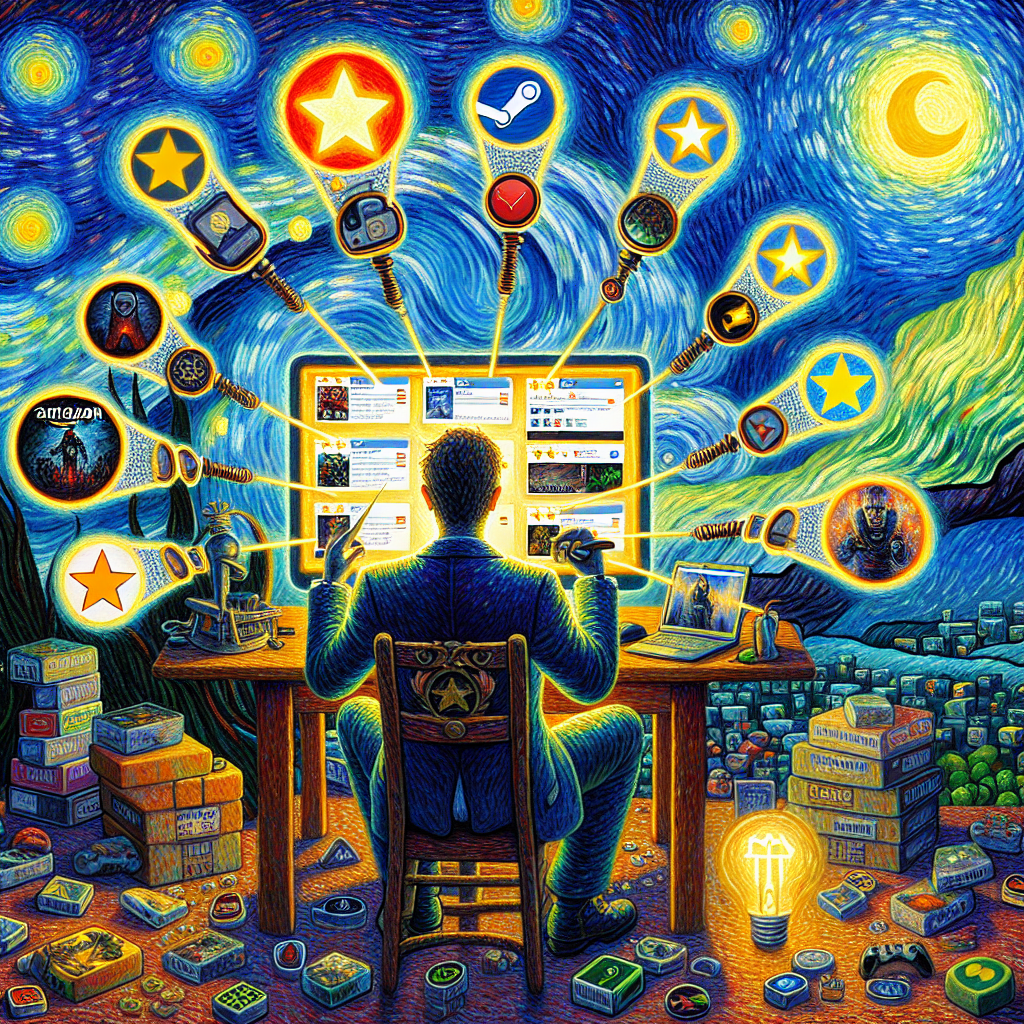
As we wrap up this exploration of gaming’s impact on our social lives, let’s take a moment to draw the curtain back on the complex relationship between gaming, isolation, and social anxiety. Now, if you’ve ever found yourself immersed in a digital world, battling side by side with friends online, you know the thrill that comes from those visceral connections forged under the glow of a screen. It can feel downright invigorating, like you and your crew are conquering realms together. But here’s the rub: that same euphoria can sometimes lead us to neglect the world outside our window.
Gaming is a marvelous escape—a portal to new experiences and friendships that span across continents. It provides a space to communicate, strategize, and collaborate, often making it easier for those grappling with social anxiety to interact in a less intimidating environment. The anonymity of an avatar can do wonders for one’s confidence, creating opportunities for meaningful conversations that might be too daunting in face-to-face settings.
But before we get too cozy in our gaming chairs, let’s not gloss over the other side of the coin. Hours spent in front of a screen can breed a myriad of challenges. When gaming becomes a solitary pursuit, it can cultivate a bubble of comfort that stifles our real-life social skills. The art of reading body language or initiating casual chit-chat can wither when replaced by pixelated interactions. And let’s be honest: stepping out of that bubble can sometimes feel like stepping into a lion’s den.
What’s the takeaway here? It’s twofold. First, while gaming can serve as a bridge to connectivity and fun, it’s crucial to temper your time in front of the console with real-world engagements. Strike a balance. Your next gaming session might just be the perfect backdrop for a BBQ or a coffee date with friends. Secondly, recognize the signs of isolation creeping into your life—if gaming has you skipping meals with loved ones or dreading the prospect of socializing, it might be time for some self-reflection.
In the end, gaming can enhance our lives when approached with intention. By intertwining our virtual adventures with authentic human connections, we can unlock a richer tapestry of social experiences. So, fire up that console, but don’t forget to step outside—because the best kind of adventure often lies just beyond your screen.
Conclusion
Conclusion:
- Gaming can create visceral connections through online interactions, fostering teamwork and excitement.
- It serves as an escape that can build friendships across distances and help those with social anxiety connect more easily.
- The anonymity of gaming avatars can boost confidence, enabling meaningful conversations in a less intimidating environment.
- However, excessive gaming may lead to social isolation and hinder the development of real-life social skills.
- Returning to real-world interactions can be challenging, as prolonged gaming may make socializing feel daunting.
- It’s important to balance gaming with in-person engagements to prevent isolation and maintain relationships.
- An intentional approach to gaming can enrich social experiences, integrating virtual adventures with real-world connections.

Conclusion
Other Resources

Other Resources
Here is a list of other resources you can review online to learn more:
- Renegade Game Studios
- Plaid Hat Games
- 999 Games
- AEG
- Cryptozoic Entertainment
- Pandemic Legacy: Season 2
- Keyflower: The Farmers Expansion
- IELLO
- Hans im Glück
Use This Prompt To Get More Resources With Your Favorite Online AI Tool: Please provide me with a list of online articles with their URLs in a bulleted list that I can read regarding Can Gaming Isolation Lead to Social Anxiety?

Other Resources
Glossary Terms
Can Gaming Isolation Lead to Social Anxiety? – Glossary Of Terms
1. Gaming Isolation: The state of spending excessive time playing video games, leading to physical or emotional disconnection from the outside world and social relationships.
2. Social Anxiety: A mental health condition characterized by an intense fear of social situations, leading individuals to avoid interactions that may be perceived as scrutinizing.
3. Virtual Interaction: Communication and socialization that takes place in online environments, such as gaming platforms or virtual communities, rather than face-to-face.
4. Gaming Addiction: A compulsive playing of video games that interferes with daily life, responsibilities, and social relationships.
5. Escapism: The tendency to seek distraction and relief from unpleasant realities through games or other activities, often leading to prolonged isolation.
6. Loneliness: A feeling of sadness or distress about being alone or disconnected from others, often exacerbated by excessive gaming.
7. Introversion: A personality trait characterized by a preference for solitary activities and inward reflection, which may contribute to gaming as a primary source of social interaction.
8. Multiplayer Games: Video games that allow multiple players to participate simultaneously, often leading to social interaction which can either mitigate or exacerbate anxiety depending on individual circumstances.
9. Social Skills: The abilities used to communicate and interact with others, which may deteriorate due to lack of real-world practice during prolonged gaming sessions.
10. Desensitization: A process where exposure to repeated gaming experiences reduces sensitivity to real-life social situations, potentially leading to avoidance behavior.
11. Online Communities: Groups of individuals connected through websites or platforms dedicated to shared interests, including gaming, which can provide social interaction but may lack depth.
12. Mental Health: A person’s psychological and emotional well-being, which can be affected by excessive gaming and isolation.
13. Cognitive Behavioral Therapy (CBT): A therapeutic approach often used to treat social anxiety that can help individuals challenge and change unhelpful thoughts and behaviors related to gaming.
14. Social Network: The social connections among individuals, which can be reduced in quality and quantity due to gaming isolation.
15. Anxiety Disorders: A group of mental health conditions characterized by excessive fear or worry, which can include social anxiety and may be exacerbated by gaming habits.
16. Nonverbal Communication: The process of conveying messages without words, such as through body language and facial expressions, skills which may decline with isolated gaming.
17. Self-Esteem: A person’s overall sense of self-worth or personal value, which can be influenced by experiences in both gaming and social environments.
18. Peer Relationships: Connections and interactions with individuals of similar age or interests, which may suffer due to excessive gaming isolation.
19. FOMO (Fear of Missing Out): Anxiety that arises from a belief that others are having enjoyable experiences without you, often heightened by seeing friends engage in social activities while gaming.
20. Compulsive Behavior: Actions performed repeatedly, often against one’s better judgment; in gaming, this can manifest as playing despite negative consequences.
21. Digital Detox: A period during which an individual refrains from using electronic devices, particularly to reduce dependence on gaming and regain social connections.
22. Aggression: A behavioral response that can emerge in some individuals as a result of frustration or isolation related to gaming.
23. Support Systems: Networks of people (friends, family, professionals) who provide assistance and encouragement to individuals struggling with social anxiety or gaming isolation.
24. Emotional Regulation: The ability to manage and respond to emotional experiences; excessive gaming can hinder the development of effective emotional skills.
25. Social Phobia: Another term for social anxiety disorder, emphasizing the fear of social situations and potential scrutiny from others.
26. Balance: The ability to maintain an even distribution of time spent on activities, including gaming and social interactions, essential for mental well-being.
27. Exposure Therapy: A therapeutic technique used to help individuals confront their fears, including social situations, which can be difficult for those who are accustomed to isolation.
28. Gaming Culture: The shared beliefs, practices, and values of the gaming community, which can shape a player’s perceptions of social interactions.
29. Role-Playing: A gaming genre where players assume the roles of characters in a fictional world, often providing a less stressful way to practice social interactions.
30. Mindfulness: A mental practice focused on being present and fully engaging with the moment, which can help combat the isolation associated with excessive gaming.

Glossary Of Terms
Other Questions
Can Gaming Isolation Lead to Social Anxiety? – Other Questions
If you wish to explore and discover more, consider looking for answers to these questions:
- How can I recognize if my gaming habits are negatively affecting my social life?
- What are some strategies to balance gaming and real-life interactions?
- Are certain types of games more likely to cause social anxiety than others?
- What role do gaming communities play in mitigating social anxiety?
- How can I effectively incorporate social gaming into my life without feeling overwhelmed?
- What steps can be taken if I feel gaming is contributing to my anxiety?
- Are there studies that link gaming frequency to levels of anxiety in different age groups?
- What support resources are available for gamers struggling with anxiety?
- Can offline games promote better social skills compared to online gaming?
- What are some signs that indicate I should take a break from gaming?

Other Questions
Haiku
Can Gaming Isolation Lead to Social Anxiety? – A Haiku
Pixels illuminate,
Virtual friends gather close—
Real bonds need the light.

Haiku
Poem
Can Gaming Isolation Lead to Social Anxiety? – A Poem
In realms of pixels bright, we play,
Where dragons dance and heroes sway,
Yet in this joy, a truth unfolds,
Can gaming lead to isolation’s hold?
A wondrous escape, we lose track of time,
Yet friendships fade, once vibrant, sublime,
Behind glowing screens, we find a thrill,
But at what cost do we seek to fulfill?
The laughter once shared in rooms filled with friends,
Replaced by avatars, where connection bends.
We trade face-to-face for quests far and wide,
Diminishing skills that help us confide.
Is it co-op champions or solitary strife?
We journey together, yet miss out on life.
For every quest won in a multiplayer fight,
There’s a world that awaits, the sun shining bright.
Yet within this space—a paradox strong,
Communities flourish, where we all belong.
In voice chats we venture, our fears put to rest,
With shared victories cherished, we feel truly blessed.
But heed the signs that may signal a strand,
Of loneliness creeping—extend a hand.
When gaming becomes more than a moment of fun,
Balancing joy with real life is what must be done.
Awareness our ally, we seek to embrace,
The warmth of real laughter, the joy of each face.
So game on, dear friends, but remember to pause,
For life’s rich tapestry holds the greatest applause.
Step from those screens and venture outside,
In the warmth of connection, let old fears subside.
And in the melody of laughter and song,
You’ll find that in balance, we all still belong.

Poem
Checklist
Can Gaming Isolation Lead to Social Anxiety? – A Checklist
1. Monitor Gaming Time
_____ Set specific time limits for gaming sessions.
_____ Use alarms or reminders to take breaks.
2. Prioritize Real-Life Interactions
_____ Schedule regular meet-ups with friends and family.
_____ Engage in activities that require face-to-face communication.
3. Engage in Multiplayer Games
_____ Choose games that promote teamwork and communication.
_____ Use voice or chat features to enhance interaction during gaming.
4. Stay Aware of Social Interactions
_____ Notice if social invitations are being declined in favor of gaming.
_____ Reflect on your level of comfort in social situations outside gaming.
5. Reflect on Mood Changes
_____ Keep a journal to note emotional shifts before and after gaming.
_____ Assess whether gaming brings joy or frustration.
6. Foster Healthy Physical Habits
_____ Stand up and stretch every hour while gaming.
_____ Balance gaming with physical activities like sports or exercise.
7. Evaluate Sleep Patterns
_____ Aim for consistent sleep schedules by avoiding late-night gaming.
_____ Monitor how gaming affects your sleep duration and quality.
8. Cultivate a Supportive Gaming Community
_____ Join forums or groups that focus on positive gaming experiences.
_____ Find friends who share interests and can provide social support.
9. Practice Social Skills
_____ Engage in small talk in everyday settings (e. g. , grocery store, café).
_____ Attend community events or classes to build confidence in interpersonal interactions.
10. Identify Signs of Isolation
_____ Recognize feelings of loneliness when gaming replaces real-life activities.
_____ Be mindful of increasing anxiety or discomfort in social settings.
11. Seek Balance and Mindfulness
_____ Take a moment before gaming to consider how it fits into your day.
_____ Reflect on how gaming serves as an escape and whether it’s healthy.
12. Engage in Non-Gaming Hobbies
_____ Explore interests outside of gaming to diversify social interaction.
_____ Encourage friends to join you in these new activities.
This checklist aims to help gamers find a balanced approach to gaming and social life, ensuring that they can enjoy their hobbies while maintaining healthy, fulfilling relationships.

Checklist
At HowDoYouGame, we help people who love board games by collating information and news about games.
Be sure to read our other related stories at HowDoYouGame to learn more about games.