Level Up: Unlocking The Potential Of Video Games
By Tom Seest
At HowDoYouGame, we help people who love board games by collating information and news about games.
Be sure to read our other related stories at HowDoYouGame to learn more about games.
Are Video Games The Convenient Solution for Challenges?
In today’s fast-paced world, where stress and responsibilities chain us down like a heavy anchor, one might ask: could there be a way to navigate our challenges with a bit of flair? Enter the realm of video games—often dismissed as mere distractions but, in reality, they can serve as handy tools in our toolkit for personal development and resilience.
At first glance, gamification—the process of applying game-like elements in non-game contexts—might seem trivial or even frivolous. Yet, this concept is taking the world by storm, reshaping how we tackle difficult tasks, from learning new skills to motivating ourselves for tedious chores. Imagine transforming that pile of paperwork into a quest or, better yet, turning your weekly workout into a competition with yourself or friends. By incorporating rewards, levels, and challenges, gamification injects a sense of adventure into the mundane, empowering us to tackle obstacles with renewed vigor.
But wait a minute. Before we throw ourselves into this digital oasis of fun, let’s pause and consider the takeaway. It’s not about retreating into a fantasy world—it’s about harnessing the underlying principles that make gaming so engaging and using them to face our everyday trials. Whether it’s a daunting work project or fostering healthier habits, the same excitement and motivation can be infused into our lives. So often, we just need that little push; that spark that ignites our passion.
When handled thoughtfully, video games can gently bridge the gap between procrastination and productivity. They ask us to strategize, think critically, and adapt—qualities that are vital, whether you’re battling bosses in a fantastical realm or promoting teamwork in the office. This is not an endorsement to escape into a virtual world; rather, it’s an invitation to embrace the lessons within these games.
So, next time you feel overwhelmed by life’s hurdles, consider how a game approach might transform those barriers into stepping stones. Embrace the challenge with a spirit of curiosity and playfulness. After all, life is just one big game, and it’s ours to play. By infusing our challenges with a little creativity and gamification, we might just find that we’re more equipped to face them than we ever thought possible. Let’s explore, engage, and turn obstacles into opportunities.

Are Video Games The Convenient Solution for Challenges?
Are Video Games The Convenient Solution for Challenges?
- Stress and responsibilities can burden us, prompting the need for creative solutions to navigate challenges.
- Video games, often seen as distractions, can be effective tools for personal development and resilience.
- Gamification applies game-like elements to non-game contexts, helping to motivate and engage individuals in various tasks.
- Transform mundane activities into engaging quests or competitions to foster motivation and enjoyment.
- Successful application of gaming principles involves using them to address real-life challenges rather than escaping into fantasy.
- Video games promote vital skills such as strategizing, critical thinking, and adaptability, beneficial in both gaming and daily life.
- Approaching life’s hurdles with a playful mindset can turn obstacles into opportunities for growth and achievement.

Are Video Games The Convenient Solution for Challenges?
Table Of Contents
- Are Video Games The Convenient Solution for Challenges?
- Can Gaming Help With Stress Relief?
- Do Video Games Enhance Problem-Solving Skills?
- Are Video Games Effective In Improving Focus?
- Can Gaming Foster Social Connections Online?
- How Do Video Games Impact Mental Health Positively?
- Do Video Games Provide A Safe Space For Expression?
- Are There Educational Benefits From Video Gaming?
- Conclusion
- Other Resources
- Glossary Of Terms
- Other Questions
- Haiku
- Poem
- Checklist
Can Gaming Help With Stress Relief?
Let’s be honest for a moment: life can be a bit of a bear, can’t it? Between juggling work, family, and the endless chores that pile up like laundry, it’s easy to feel swamped. But what if I told you there’s a world where you can slip away from all that chaos, dive into something thrilling, and even find a little peace of mind? That’s right—gaming might just be your ticket to stress relief.
Now, I know what you’re thinking. Gaming? Really? Aren’t those just silly distractions? But consider this: gaming isn’t just about buttons and screens; it’s a form of escapism that’s steeped in the concept of *gamification*. From the moment you step into a game, you’re suddenly in control. You can battle monsters, build empires, or even solve puzzles—all in environments where the stakes are decidedly lower than in real life. You get to unleash your frustrations, but here’s the kicker: you’re also boosting your mood in the process.
When you engage in gaming, you enter a realm designed to challenge your intellect and keep your adrenaline pumping. This interactive experience isn’t just mindless scrolling; it’s a chance to channel your stress into something productive and challenging. You might find that a few levels of your favorite game provide the same kind of brain break a walk in nature would offer, but with the additional pleasure of a good story or some friendly competition.
Gaming can also build connections with others. Whether you’re teaming up with pals online or forming new friendships with fellow gamers, these interactions can be a lifeline in tough times. We human beings thrive on connection, and gaming creates a community where you can laugh, strategize, and escape together.
So, the next time you feel your stress levels rising, don’t dismiss that urge to pick up a controller. Instead, embrace it! Think of it as a simple, yet effective way to hit the reset button. Turn off the noise of the day, jump into a different world, and let those worries fade for a bit. You might just find that gaming is not only a source of entertainment but also a powerful tool in the fight against stress. Go ahead, level up your relaxation—because you’ve earned it.

Can Gaming Help With Stress Relief?
Can Gaming Help With Stress Relief?
- Life can be overwhelming with work, family, and chores piling up.
- Gaming offers a form of escapism that provides stress relief.
- It allows players to take control and engage in thrilling challenges.
- Gaming transforms frustration into mood-boosting experiences.
- It can serve as a productive brain break, similar to a walk in nature.
- Gaming fosters connections and friendships within a community.
- Embracing gaming can help reset your mindset and alleviate stress.
Can Gaming Help With Stress Relief?
Do Video Games Enhance Problem-Solving Skills?
You might think of video games as just another way to pass the time—an escape from reality. But what if I told you that those hours spent maneuvering through virtual worlds could sharpen your problem-solving skills? Let’s dive into the fascinating world of gamification, where challenges aren’t just obstacles but stepping stones to critical thinking and creative solutions.
Imagine this: you’ve just entered a complex dungeon in your favorite role-playing game. Monsters lurk around every corner, and treasure waits only for the clever. What do you do? It’s not just mindless button-mashing; it’s a mental workout! You analyze every path, weigh the risks of engaging enemies, and strategize your approach. This isn’t just gaming; it’s a training ground for your brain. Each level completed isn’t just a victory; it’s a test of your ability to assess situations rapidly and devise a plan.
The concept of gamification extends far beyond the console or the PC. It’s the idea of taking game elements—like points, badges, and leaderboards—and applying them to real-life challenges, including education and workplace settings. Picture a classroom where students earn points for mastering difficult concepts or tackling group projects. Suddenly, learning transforms into a game that feels like less of a chore and more of a quest. By introducing these game mechanics, educators motivate students to engage deeply and creatively, fostering the problem-solving skills that will serve them well outside those four walls.
Now, let’s get personal. Remember that time when you found yourself knee-deep in a puzzle game, battling to find just the right combination of moves to clear a level? Every failure wasn’t just a setback; it was a lesson. Each retry sharpened your wit and honed your strategies. This persistent pursuit isn’t just about beating levels. It’s about learning to embrace challenges, making mistakes, and bouncing back with new insights—a recipe for success in any field.
So, whether you’re maneuvering a character through treacherous terrain or solving real-world problems, the skills you develop through video gaming are more than just a side effect. They’re a powerful tool for personal and professional growth. So the next time you pick up that controller, remember: you’re not just playing a game. You’re training your brain to tackle life’s complexities head-on. Engage with it fully, and you just might unlock the problem-solver within.
Do Video Games Enhance Problem-Solving Skills?
Do Video Games Enhance Problem-Solving Skills?
- Video games enhance problem-solving skills beyond mere entertainment.
- Experiencing challenges in games requires strategic thinking and planning.
- Gamification applies game elements to real-life scenarios, improving engagement in education and workplaces.
- In classrooms, game mechanics motivate students and transform learning into an engaging quest.
- Puzzle games teach resilience by turning failures into lessons and refining strategies.
- Skills acquired through gaming are valuable for personal and professional development.
- Playing video games is a way to train the brain for real-life challenges and unlock problem-solving abilities.

Do Video Games Enhance Problem-Solving Skills?
Are Video Games Effective In Improving Focus?
Are Video Games Effective in Improving Focus?
Let’s face it: in a world buzzing with distractions, getting and keeping our focus can feel like trying to catch smoke with your bare hands. Tasks that used to be straightforward now compete with an endless stream of notifications, social media updates, and streaming services that just won’t quit. But what if I told you that the answer to sharpening your focus could very well lie within the colorful, pixelated realms of video games?
Now, before you roll your eyes and dismiss this as just another hip trend, let’s take a moment to dive deeper. The concept of gamification—the process of incorporating game-like elements into non-gaming contexts—has been making waves, and for a good reason. It turns out that those beautifully designed levels, skill challenges, and immediate rewards you find in video games might just carry over to your everyday life.
Imagine logging into your favorite game, where every choice you make leads to a reward or a setback. Each challenge keeps your brain engaged, forcing it to adapt, strategize, and focus with laser precision. Suddenly, hours have flown by, and you’ve managed to conquer not just a virtual world but also sharpened your ability to concentrate.
The magic lies in how video games present tasks. They set clear goals, provide instantaneous feedback, and, most importantly, make it all enjoyable. You’re not trudging through mundane to-dos; you’re on a quest, pushing your limits, solving puzzles, and outsmarting opponents. This immersive experience fosters a sense of urgency and cohesion that is hard to replicate in the age-old grind of traditional learning or working methods.
Research shows that players frequently enhance their attentional capacity and cognitive flexibility. Gamers often find themselves better at tasks requiring focus and quick decision-making. It’s not just about having fun; it fosters skills that can translate into increased productivity in the real world.
So, the next time someone tells you that video games are a waste of time, ponder this: perhaps they’re just unfamiliar with the notion that under all that excitement is a powerful tool for improving your focus—one level at a time. Embrace the challenge, connect with your inner gamer, and find out how these worlds can help you reclaim your focus in a distracting reality. After all, sometimes the best way to tame chaos is to dive right into it and emerge triumphantly on the other side.

Are Video Games Effective In Improving Focus?
Are Video Games Effective In Improving Focus?
- In a distraction-filled world, maintaining focus is increasingly difficult.
- The concept of gamification applies game elements to non-gaming contexts, offering potential benefits.
- Video games engage players by providing challenges that require strategic thinking and focus.
- Games offer clear goals, instant feedback, and enjoyable experiences that enhance concentration.
- Research indicates that playing video games can improve attentional capacity and cognitive flexibility.
- Skills developed in gaming, such as quick decision-making, can translate to increased productivity in real life.
- Video games might be more than just entertainment; they can serve as effective tools for sharpening focus.

Are Video Games Effective In Improving Focus?
Can Gaming Foster Social Connections Online?
Ah, gaming. Just the word conjures up images of neon-lit screens, the rhythmic tapping of controllers, and a whirlwind of virtual adventures. But beyond the pixels and the points lies a rich landscape of social connection waiting to be explored. Yes, you heard it right: gaming can truly foster friendships, camaraderie, and meaningful interactions.
Let’s start with gamification. You might think of this term as just a trendy buzzword, yet it’s much more than that. Gamification takes elements from games—like competition, rewards, and community—and applies them to real-life experiences. Picture this: a group of friends logging into a game they’ve mastered together over the years. Each quest they tackle is a shared challenge, a chat room abuzz with messages that forge bonds stronger than steel. Every victory they achieve and every setback they endure is a thread in the tapestry of their relationship. Friends that might not have otherwise met stumble into each other’s lives, laughing over a shared goal as they embark on their journey.
Now, let’s dig a little deeper. One of the most powerful aspects of online gaming is the sheer diversity of the players involved. From seasoned veterans to enthusiastic newcomers, the gaming community is a melting pot of different backgrounds, cultures, and perspectives. It’s a vibrant arena where people can express themselves and form connections over mutual interests. Whether you’re strategizing with teammates or enjoying an epic dungeon raid, the interactions often lead to authentic friendships that can transcend the digital space. I’ve seen it happen time and time again: people who started as avatars in a virtual world meeting face-to-face for the first time, picking up their friendship right where they left off.
What’s more, this digital playground is often a safe haven for individuals who may feel isolated in their everyday lives. For many, the gaming world is a place where they feel comfortable being themselves. They are free to share their thoughts, struggles, and victories, knowing they’re surrounded by a community that gets it.
So, the next time you slip into a gaming session, remember that it’s not just about high scores or leveling up—it’s about building connections. Grab a friend or a stranger and dive into the world of pixels and possibilities. You might just find that the realm of gaming can transform into a bridge to friendships that last a lifetime.

Can Gaming Foster Social Connections Online?
Can Gaming Foster Social Connections Online?
- Gaming creates social connections, fostering friendships and meaningful interactions.
- Gamification applies game elements like competition and rewards to real-life experiences.
- Shared gaming experiences strengthen bonds among friends and spark new relationships.
- The gaming community is diverse, encompassing various backgrounds, cultures, and perspectives.
- Authentic friendships often develop in online gaming, transcending the digital space.
- Gaming provides a safe haven for individuals who may feel isolated in their everyday lives.
- Engaging in gaming can lead to lasting friendships beyond just scores and achievements.

Can Gaming Foster Social Connections Online?
How Do Video Games Impact Mental Health Positively?
Let’s face it: the world can be a tough place, and for many of us, the daily grind can feel like climbing a mountain without a rope. But what if I told you that video games—those colorful, pixelated portals to other worlds—might just be the rope you’re looking for? Believe it or not, there’s more to gaming than meets the eye, and it can be a powerful tool for enhancing mental health.
First off, let’s dive into the concept of gamification. It’s a term that’s been throwing around like a basketball in a gym, but its essence is simple: it’s about taking everyday tasks and turning them into a game. You’ve probably seen this firsthand in your favorite mobile apps—challenges, rewards, and progress bars that turn mundane activities into exhilarating quests. This transformation can lend a sense of achievement and motivation to our daily lives, making it easier to tackle everything from exercise routines to mindfulness practices. When you gamify your goals, that mountain doesn’t seem so daunting anymore; it turns into a series of manageable hills, each summit celebrated with a hearty “yes!”
Moreover, video games offer a safe space to escape from stress, and allow us to express emotions in ways that feel manageable and even cathartic. Imagine teaming up with friends to conquer a virtual dungeon after a long week. It’s about more than just slaying dragons; it’s about the camaraderie, the laughter, and the shared experiences. These interactions can foster a sense of belonging and connection, which are invaluable for mental health.
Let’s not forget the therapeutic potential of simply engaging with a narrative—think about those emotionally charged storylines that leave us pondering life’s greatest mysteries long after the screen goes dark. Video games give us the chance to confront challenges, develop coping strategies, and explore new perspectives, all while sitting comfortably in our favorite chair.
So here’s a thought: rather than dismissing video games as mere entertainment, consider them as allies on the journey toward better mental health. They encourage us to learn resilience, to embrace failure, and to celebrate success in ways that resonate deeply. The next time you put on your headset or grab that controller, remember that you’re not just playing a game; you’re investing in your well-being, one level at a time. Let those pixels be the light that guides you through the fog.
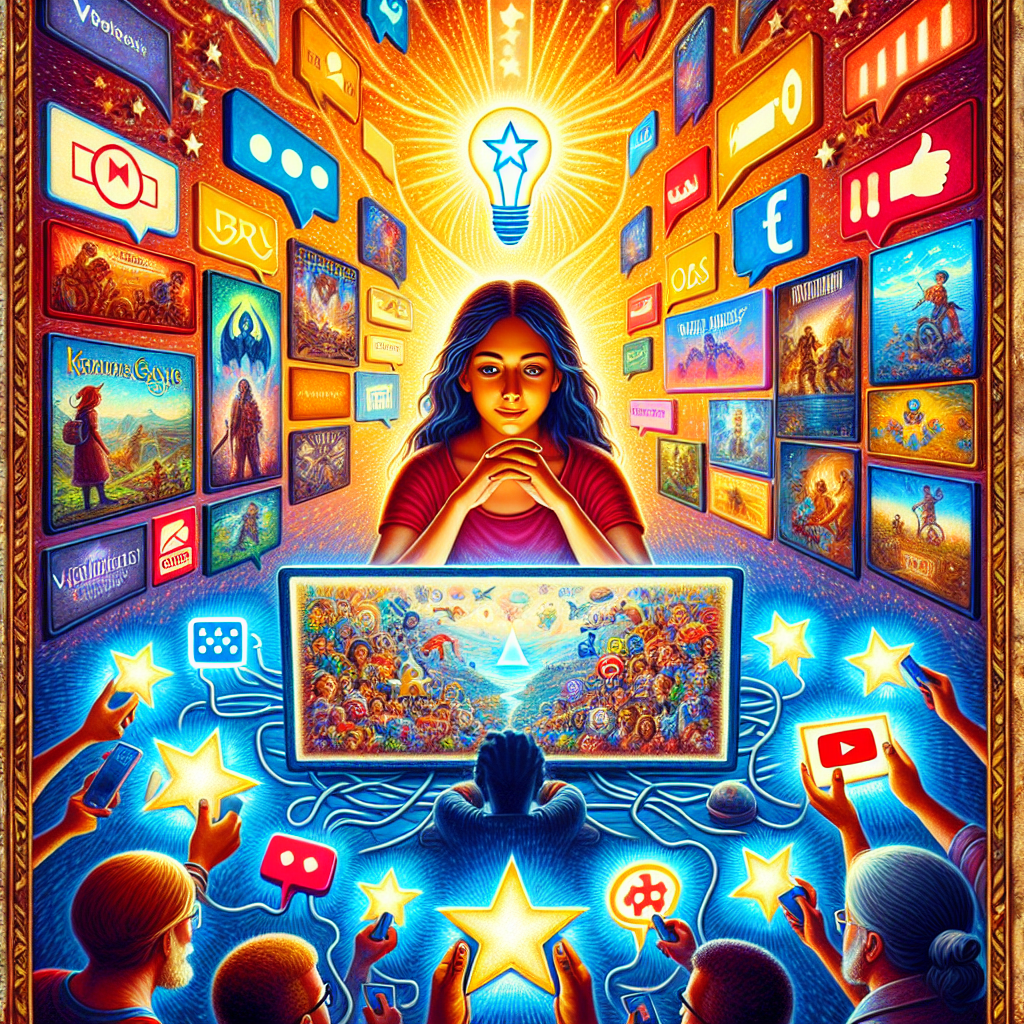
How Do Video Games Impact Mental Health Positively?
How Do Video Games Impact Mental Health Positively?
- The world can be tough, but video games might provide a means of support for mental health.
- Gamification involves turning everyday tasks into games, making them more engaging and manageable.
- Video games offer a safe space to escape stress and allow for emotional expression and catharsis.
- Playing games with friends fosters camaraderie, laughter, and a sense of belonging, crucial for mental health.
- Engaging with video game narratives helps players confront challenges and develop coping strategies.
- Video games are more than entertainment; they can be allies in the journey toward better mental health.
- Investing time in gaming can promote resilience, celebrate successes, and aid in personal well-being.

How Do Video Games Impact Mental Health Positively?
Do Video Games Provide A Safe Space For Expression?
In a world that can often feel as unpredictable as a free-falling roller coaster, many of us find solace in the immersive landscapes of video games. These digital realms create an oasis where we can dive headfirst into adventures, connect with friends, or even confront our innermost fears. But what if I told you that video games are more than just entertainment? They can be a canvas for self-expression, a refuge where our stories unfold without the constraints of reality.
The beauty of games is that they often employ gamification—a concept that transforms everyday activities into engaging challenges. Think about it: whether you’re slaying hordes of adversaries in a fantasy world or solving intricate puzzles, every obstacle you face is a chance to showcase your skills and creativity. Gamification encourages us to lean into the experience, rewarding not just our successes but also our attempts to express who we are. When avatars dance, strategize, or forge alliances, they mirror our aspirations, fears, and dreams, allowing us to explore facets of our identity that might otherwise remain hidden.
It’s not just about competition; it’s about connection. In multiplayer environments, we gather with friends and strangers alike—building bridges forged through shared victories and defeats. We’re not merely avatars moving through a pixelated screen; we are a community, united by the trials we face together. Through these virtual interactions, we learn to empathize, strategize, and communicate—skills that transcend the boundaries of the game itself and enhance our real-world relationships.
Consider the narratives built within these virtual universes. From poignant stories of loss to jubilant quests of triumph, games often resonate with the human condition. Developers know that storytelling is key; they craft experiences that beckon us to explore deep themes without the same vulnerability we may feel in the outside world. If we miss the mark, it’s just a reset button away. Here, we’re given the freedom to explore, fail, and then rise again—encouraged by the very structure of the game to try, try, and try again.
So, the next time you power up your console or log into your favorite online world, remember: you’re stepping into a sanctuary. Here, expression isn’t just allowed; it’s celebrated. Whether you’re crafting a narrative or battling your way through challenges, remember this space is yours—so don’t hold back. Embrace it, and let your story unfold.

Do Video Games Provide A Safe Space For Expression?
Do Video Games Provide A Safe Space For Expression?
- Video games offer solace and an escape from the unpredictability of the real world.
- They serve as a canvas for self-expression and storytelling, free from reality’s constraints.
- Gamification turns everyday activities into engaging challenges, encouraging creativity and skills showcase.
- Multiplayer environments foster connection and community through shared experiences.
- Games teach empathy, strategy, and communication skills that enhance real-world relationships.
- Narratives within games explore deep themes, allowing players to confront the human condition safely.
- Engaging with games is a celebration of expression and personal storytelling, encouraging players to embrace their journeys.

Do Video Games Provide A Safe Space For Expression?
Are There Educational Benefits From Video Gaming?
When we think about video gaming, our minds often dart to images of bright screens, rapid-fire action, and the relentless click of controllers. But beyond the thrill of the chase lies an intriguing world of educational potential that deserves a closer look. Enter gamification—the art of incorporating game-like elements into non-game contexts—and it’s revolutionizing the way we approach learning.
Now, before you roll your eyes and think of kids glued to their screens, let’s pause for a moment. Think about the last time you were completely absorbed in a project or hobby. Maybe it was building a model airplane, diving into a complex puzzle, or even cooking up an elaborate meal. Most of us have a soft spot for challenges that engage our curiosity and beckon us to improve. That’s exactly what gamification taps into. By infusing lessons with game mechanics—like point scoring, competition, or level progression—we create an environment that’s not just about rote memorization but about genuine engagement.
Imagine a classroom where students can earn points for completing or mastering a subject, much like leveling up in their favorite RPG. These points aren’t just a form of validation; they’re a motivator, a key that unlocks the door to deeper learning. Students become eager participants in their education rather than passive recipients of information. They take ownership of their progress, which fosters a growth mindset that extends beyond the classroom.
Moreover, the social aspect of gaming brings a community aspect to the learning process. Students often collaborate, share strategies, or even compete in a friendly manner—all of which enhances social skills and fosters a sense of camaraderie. Life isn’t just about individual achievements; it’s also about teamwork, connection, and learning from one another. And when done right, those lessons can stick with us long after the game is over.
Ultimately, the question isn’t whether video gaming has educational benefits—it’s whether we’re ready to embrace its potential. By reimagining how we view and integrate gaming into learning contexts, we’re not just preparing the next generation for tests, but equipping them with skills, confidence, and a love for learning that can last a lifetime. So, next time you see someone poised over a controller, remember: they might just be on the brink of something transformative.

Are There Educational Benefits From Video Gaming?
Are There Educational Benefits From Video Gaming?
- Video gaming encompasses more than just entertainment; it holds significant educational potential.
- Gamification involves adding game-like elements to non-game contexts, revolutionizing learning approaches.
- Engaging projects and hobbies foster curiosity, which gamification leverages to enhance educational experiences.
- Instructors can implement point systems and competition to motivate students, encouraging active participation in their education.
- The social aspect of gaming promotes collaboration, strategy-sharing, and friendly competition, enhancing social skills.
- Emphasizing teamwork and connection in learning can lead to lasting lessons beyond the classroom.
- Embracing gaming’s educational potential prepares students with skills, confidence, and a lifelong love for learning.

Are There Educational Benefits From Video Gaming?
Conclusion
As we close the curtain on this deep dive into the world of video games, let’s take a moment to appreciate the unexpected truth at the heart of it all: gaming isn’t just for kids huddled over consoles; it’s a bona fide toolbox for life. People often scoff at video games, branding them as frivolous distractions. But if we pull back the curtain, we uncover a rich tapestry of benefits: enhanced focus, problem-solving prowess, stress relief, and a unique space for self-expression.
So how does this work? Enter the concept of gamification—a fancy term for adding game-like elements to everyday life. Imagine turning your daily grind into a thrilling quest. That oppressive to-do list? Let’s call it a “dungeon,” ready to be conquered. Your workout schedule? We’re framing it as a competitive challenge between you and yourself—or maybe your pals. This infusion of fun not only makes daunting tasks more palatable, it also transmutes them into opportunities for personal growth.
Now, let’s talk about stress. Life can feel like a relentless avalanche, but games offer a thrilling escape hatch. They allow us to channel emotions, connect with others, and find joy in virtual triumphs. Think about it: battling dragons or solving intricate puzzles isn’t just child’s play—it’s a form of escapism that can recharge our mental batteries, offering a safe space to unwind.
On the flip side, we have the wonderful element of social engagement. The gaming world is a melting pot—a vibrant community that thrives on collaboration and shared experiences. Friendships are formed, laughter is exchanged, and sometimes, battles are fought side-by-side, creating bonds that transcend the virtual landscapes.
But let’s not overlook the educational potential tucked inside those colorful worlds. When games are embraced as tools for learning, they can ignite curiosity and foster a hunger for knowledge. By transforming subjects into competitive arenas, students can engage deeply—taking ownership in ways that traditional classrooms might rarely inspire.
As we wrap this up, don’t just see video games as pixels and controllers. View them as a multifaceted ally in this wild ride we call life. They have the power to teach us resilience, boost our social skills, and hatch innovative thinking. So the next time life throws you a curveball, remember to level up your approach. Dive into the realm of games, and you might just discover that the path to personal development and connection is more entertaining than you ever imagined. Game on, my friends!

Conclusion
Conclusion:
- Gaming is a valuable tool for life, offering benefits beyond mere entertainment.
- Gamification makes daily tasks more engaging by incorporating game-like elements.
- Video games provide stress relief by offering escapism and emotional outlet.
- They foster social engagement through collaboration and shared experiences.
- Games have educational potential, igniting curiosity and enhancing learning.
- They help develop resilience, social skills, and innovative thinking.
- Viewing games as allies can transform personal growth and connection.

Conclusion
Other Resources

Other Resources
Here is a list of other resources you can review online to learn more:
- Wizards of the Coast
- Rummy
- Dominion
- Boss Monster
- Food Chain Magnate
- Castles of Mad King Ludwig
- Ars Technica
- Fields of Arle
- The Opinionated Gamers
Use This Prompt To Get More Resources With Your Favorite Online AI Tool: Please provide me with a list of online articles with their URLs in a bulleted list that I can read regarding Are Video Games The Convenient Solution for Challenges?

Other Resources
Glossary Terms
Are Video Games The Convenient Solution for Challenges? – Glossary Of Terms
1. Video Game: A digital game played on computers, consoles, or mobile devices, often involving interactive challenges or narratives.
2. Engagement: The level of interest or involvement a player has with a game, which can contribute to its effectiveness in addressing challenges.
3. Cognitive Development: The improvement of mental processes such as perception, memory, and reasoning, which can be influenced by gameplay.
4. Social Skills: The abilities used in interaction and communication with others, which can be enhanced through multiplayer or cooperative games.
5. Problem-Solving: The process of finding solutions to difficult or complex issues, often exercised in puzzle or strategy games.
6. Stress Relief: A reduction in stress levels, often cited as a benefit of playing video games, providing a means of escapism or relaxation.
7. Virtual Reality (VR): An immersive technology that allows players to experience and interact with a 3D environment, often used in therapeutic contexts.
8. Simulation Games: Games that replicate real-world activities or systems, allowing players to experiment, learn, and problem-solve in a controlled setting.
9. Therapeutic Gaming: The use of video games as a tool for therapy to help individuals coping with mental health issues or rehabilitation.
10. Gamification: The integration of game mechanics in non-game contexts, enhancing user engagement and motivation through challenges and rewards.
11. Skill Development: The process by which players enhance specific abilities, such as hand-eye coordination or strategic thinking, through gameplay.
12. Interactivity: The ability of players to actively engage and influence the game’s outcome, providing a dynamic way to tackle challenges.
13. Narrative Engagement: The story element of a game that draws players into the experience, often providing motivation to solve problems or overcome obstacles.
14. Cooperative Play: A style of gameplay where players team up to achieve a common goal, fostering collaboration and social connections.
15. Addiction: A compulsive engagement with video games that can lead to negative consequences in real life, challenging the notion of their convenience.
16. Skill Transfer: The application of skills developed in games to real-world situations, such as critical thinking and decision-making.
17. Emotional Resilience: The capacity to recover from setbacks, which can be fostered through gameplay that involves overcoming challenges.
18. Game Design: The process of creating the rules, mechanics, and narrative of a game, which can impact its effectiveness as a solution.
19. Achievement System: In-game rewards or recognitions for completing challenges, motivating players to persist and improve.
20. Time Management: The ability to allocate time effectively, a skill that can be honed through strategic gameplay and balancing game time with real-life responsibilities.
21. Distraction: A temporary diversion from stress or daily challenges that video games can provide, though potentially leading to avoidance if overused.
22. Community Building: The creation of social networks among players, offering support and shared experiences, which can help in addressing psychological challenges.
23. Feedback Loop: A process where actions in a game yield responses, guiding players and enhancing learning through trial and error.
24. In-Game Economy: A system of currency and rewards within games that can help simulate real-life economic principles and decision-making.
25. Augmented Reality (AR): A technology that overlays digital information onto the real world, blending gaming with real-life situations for educational or practical purposes.
26. Identity Exploration: The ability for players to experiment with different roles or personas in games, aiding in self-discovery and psychological growth.
27. Serious Games: Games designed for a purpose beyond entertainment, often used in education, training, or public health.
28. Inclusivity: The practice of creating games that cater to diverse audiences, addressing the challenges faced by different demographics.
29. Escapism: The tendency to seek distraction and relief from unpleasant aspects of life through engaging in video games.
30. Resilience Training: Using video games as a means to practice coping strategies and develop mental toughness in the face of challenges.

Glossary Of Terms
Other Questions
Are Video Games The Convenient Solution for Challenges? – Other Questions
If you wish to explore and discover more, consider looking for answers to these questions:
- What are some specific examples of how video games can improve personal development?
- How can gamification be effectively implemented in everyday tasks?
- What types of video games are best suited for stress relief?
- Can gaming be harmful, and if so, what are the potential risks?
- How do different genres of video games impact cognitive skills differently?
- What research supports the claim that gaming enhances problem-solving skills?
- How can video games be utilized in educational settings effectively?
- What role does community play in online gaming for social connections?
- Are there age restrictions or considerations for the benefits of gaming on mental health?
- Can video games serve as a viable therapy option for mental health issues?
- What are the long-term effects of gaming on attention and focus?
- How can individuals balance gaming with other responsibilities to avoid negative consequences?
- What are some success stories of people who have improved their lives through gaming?
- What elements make a video game particularly engaging or motivating?
- How can parents ensure their children’s gaming habits are healthy and productive?

Other Questions
Haiku
Are Video Games The Convenient Solution for Challenges? – A Haiku
In our busy world,
Games transform stress to triumph,
Play shapes life’s challenge.

Haiku
Poem
Are Video Games The Convenient Solution for Challenges? – A Poem
Level Up: The Game of Life
In a world where storms of stress do brew,
Video games emerge, a path to pursue,
Not mere distractions, but tools to deploy,
To navigate challenges, find purpose, find joy.
Gamification, a playful new take,
Transforming each duty, a quest we can make.
Turn papers to puzzles, workouts to play,
Unlocking our vigor in a colorful way.
A virtual respite from chaos and grind,
A realm to reclaim peace, a solace to find.
Battling monsters, solving puzzles so bright,
We channel our struggles, emerge renewed in the light.
Through failures and triumphs, we sharpen our skills,
Strategize, adapt, crafting plans that fulfill.
Each level we conquer, not just a mere game,
But a venture in critical thought, a spark to ignite flame.
Amidst wondrous landscapes, friendships can bloom,
A community thrives, dispelling the gloom.
Laughter and strategy weave bonds that are strong,
In the heart of our avatars, we all belong.
With stories that challenge, emotions laid bare,
Video games invite us to express and to share.
Each narrative journey reveals hidden dreams,
Exploring our essence in pixels and beams.
So when the day’s burdens weigh heavy like stone,
Consider the worlds that can lighten your tone.
Embrace creativity, let challenges rise,
Life’s a grand game, filled with wonder and prize.
Unlock the potential in play and in fun,
Harness resilience, let your journey begun.
For in every adventure, both simple and grand,
We evolve, we connect, hand in virtual hand.

Poem
Checklist
Are Video Games The Convenient Solution for Challenges? – A Checklist
Checklist: Unlocking the Potential of Video Games
1. Gamification for Personal Development
_____ Identify daily challenges or tasks that can be gamified.
_____ Set clear goals and rewards for completing tasks.
_____ Create a progress tracking system (e. g. , points, badges).
_____ Engage in activities that inject creativity and adventure into mundane tasks.
2. Stress Relief Through Gaming
_____ Designate specific gaming time for stress relief.
_____ Choose games that provide an immersive experience.
_____ Share gaming sessions with friends to enhance social interaction.
_____ Reflect on how gaming helps release stress and boosts mood.
3. Enhancing Problem-Solving Skills
_____ Play strategy-based or puzzle games regularly.
_____ Analyze and reflect on in-game decisions to improve critical thinking.
_____ Use lessons learned from gaming to approach real-life challenges.
_____ Encourage group gaming to foster collaboration and teamwork.
4. Improving Focus and Concentration
_____ Limit distractions while gaming (e. g. , notifications, devices).
_____ Identify and play games that promote attention and quick decision-making skills.
_____ Practice journaling or self-reflection to note any improvement in focus.
_____ Experiment with different types of games to find what best helps with concentration.
5. Fostering Online Social Connections
_____ Join online gaming communities or groups.
_____ Set up regular gaming sessions with friends or new players.
_____ Participate in multiplayer games that require cooperation and teamwork.
_____ Share experiences and stories within gaming communities to strengthen bonds.
6. Utilizing Gaming for Mental Health
_____ Incorporate gaming into regular self-care routines.
_____ Engage in games with emotional narratives that resonate personally.
_____ Explore therapeutic or mindfulness games designed for mental health benefits.
_____ Document feelings and changes in mood after gaming sessions.
7. Creative Self-Expression in Gaming
_____ Create a character or avatar that reflects personal identity.
_____ Participate in games that allow for creative customization (e. g. , building games).
_____ Engage in storytelling elements within games.
_____ Explore artistic aspects of gaming like design, character development, or community contributions.
8. Educational Benefits from Gaming
_____ Identify educational games or those that incorporate learning elements.
_____ Engage in games that involve strategy, history, or problem-solving.
_____ Consider using gamification in personal or professional learning contexts.
_____ Facilitate or participate in gaming that encourages collaboration and community learning.
Use this checklist to harness the power of video games as tools for personal growth, stress relief, problem-solving, social interaction, and mental health improvement!

Checklist
At HowDoYouGame, we help people who love board games by collating information and news about games.
Be sure to read our other related stories at HowDoYouGame to learn more about games.