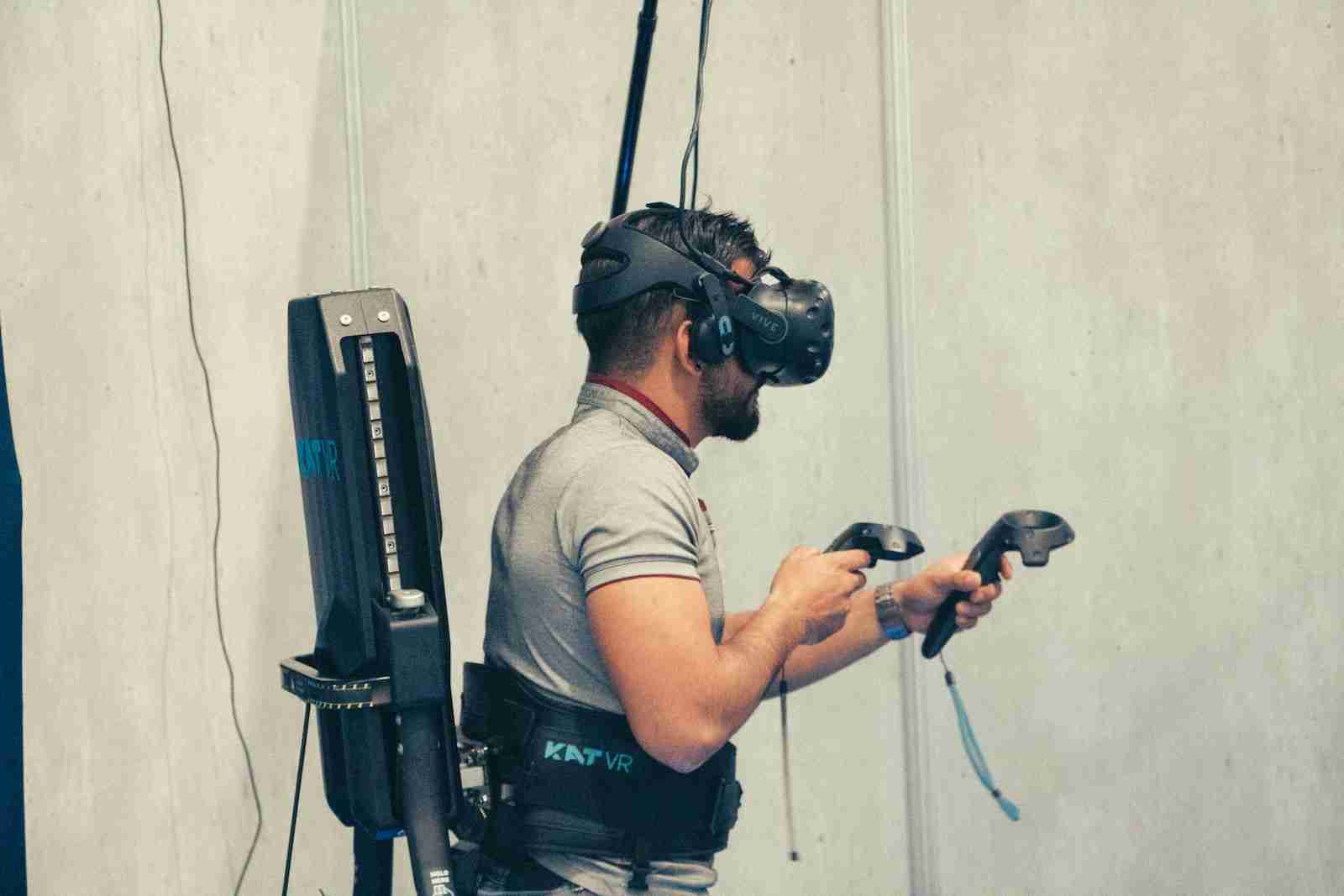

Unlocking Joy: The Power Of Gamification For Seniors
By Tom Seest
At HowDoYouGame, we help people who love board games by collating information and news about games.
Be sure to read our other related stories at HowDoYouGame to learn more about games.
Are There Benefits to Turning Your Day Into a Game for Seniors?
When it comes to the daily grind, most folks see life as a checklist of obligations and routines. But what if you could turn that monotonous list into an engaging experience? Enter the concept of gamification—an approach that takes the drudgery out of everyday tasks by infusing them with a sense of challenge and reward. And for seniors, this can be a game-changer.
Imagine waking up to a day filled with purpose, where every task becomes a mini challenge with its own little hurdles and rewards. Whether it’s getting out of bed, completing a crossword, or even going for a walk, gamification transforms these activities into fun, engaging contests. Seniors have spent decades battling through life’s chores, and adding a layer of excitement (and a touch of competition) can invigorate their daily routine.
One clear benefit of this approach is the way it promotes mental and physical well-being. By introducing elements like point systems, badges, or simple rewards for completing tasks, seniors might find themselves more motivated. Take a walk to the mailbox, score a point. Finish a chapter in a book, earn a badge. This subtle integration of play can lead to improved mood and a sense of accomplishment that can be hard to come by in later stages of life.
But it’s not just about keeping the mind sharp and the body active. Gamification encourages social interaction, too. Seniors often feel isolated, but when they engage in friendly competitions with family or peers, they build connections. Imagine setting up a friendly challenge to see who can complete the most crossword puzzles in a week or even who can prepare the healthiest meal. These little contests can spark joy and camaraderie, leading to stronger relationships and a more robust support system.
Furthermore, gamifying daily tasks can also help in fostering independence. By framing activities in terms of a game, seniors may feel greater ownership over their day-to-day decisions. The more they feel they are in control, the more they may actively participate in their lives, leading to newfound confidence and autonomy.
So, if you’re looking for a way to breathe fresh air into a senior’s daily routine, consider the transformative power of gamification. It’s no longer about merely ticking boxes; it’s about embracing the spirit of adventure that comes with playing the game of life—one joyful challenge at a time.

Are There Benefits to Turning Your Day Into a Game for Seniors?
Are There Benefits to Turning Your Day Into a Game for Seniors?
- Life is often viewed as a checklist of obligations and routines, leading to monotony.
- Gamification can transform daily tasks into engaging experiences by adding challenge and rewards.
- This approach can invigorate seniors’ routines, as everyday activities become fun contests.
- Gamification promotes mental and physical well-being through point systems, badges, and rewards.
- Encourages social interaction by involving friendly competitions with family or peers, reducing feelings of isolation.
- Fosters independence and ownership over daily decisions, which may boost confidence and autonomy.
- Gamification adds a sense of adventure to life, allowing seniors to embrace joyful challenges.

Are There Benefits to Turning Your Day Into a Game for Seniors?
Table Of Contents
- Are There Benefits to Turning Your Day Into a Game for Seniors?
- How Can Gaming Improve Social Interactions Among Seniors?
- What Types Of Games Are Best Suited For Seniors?
- Can Gaming Help Improve Cognitive Functions In Older Adults?
- How Does Gamification Encourage Physical Activity For Seniors?
- Are There Any Risks Associated With Gaming For Seniors?
- How Can Family Members Support Seniors In Gaming?
- Can Turning Daily Tasks Into Games Reduce Stress For Seniors?
- Conclusion
- Other Resources
- Glossary Of Terms
- Other Questions
- Haiku
- Poem
- Checklist
How Can Gaming Improve Social Interactions Among Seniors?
In today’s world, where technology often seems to widen the gap between generations, gaming has emerged as a surprising ally, bringing seniors together in ways that were unthinkable just a few years ago. You might think that video games are just for the young folks, but allow me to set the record straight. Gaming, particularly through the lens of gamification, offers a myriad of benefits that can enhance social interactions among seniors, weaving a tapestry of connection that transcends age.
Now, let’s unpack what we mean by gamification. It’s the clever use of game design elements in non-game contexts—like incorporating points, levels, and challenges into everyday activities. By integrating these engaging strategies into games specifically designed for seniors, we’re not only appealing to their love for competition and achievement but also fostering a sense of community. Picture this: a local retirement center organizes a weekly game night featuring lively card games, trivia, and even some light-hearted video games. Suddenly, Mary from down the hall is teaming up with George, who she never talked to before. They’re sharing strategies, laughing over a shared victory, and forming friendships that might have remained dormant without the spark of gamification.
The beauty of gaming lies in its ability to break down barriers. For many seniors, traditional social interactions can feel stifling or daunting. They may struggle with mobility or feel isolated. Enter the world of online gaming. Suddenly, these individuals can engage with others from the comfort of their own homes. Whether it’s competing in a friendly match against someone halfway across the country or collaborating on a challenge that requires teamwork and communication, gaming creates a new language of connection. And that’s not just talk; studies have shown that engaging in social gaming can significantly reduce feelings of loneliness and depression.
Furthermore, the cognitive challenge that many games present keeps the mind sharp while providing a fertile ground for interaction. As seniors strategize, solve puzzles, or navigate through virtual worlds, they naturally converse with their peers, forging bonds over shared experiences and laughter.
In essence, gaming is not merely a pastime; it’s a lifeline that invites seniors to connect, engage, and thrive socially. It’s time to embrace this digital frontier, harnessing the power of gamification to foster relationships that enrich the golden years.

How Can Gaming Improve Social Interactions Among Seniors?
How Can Gaming Improve Social Interactions Among Seniors?
- Gaming serves as a surprising ally, helping to bridge the generational gap and facilitate connections among seniors.
- Gamification incorporates game design elements into everyday activities, enhancing social interactions for seniors.
- Local retirement centers can create engaging game nights, encouraging seniors to form friendships through shared experiences.
- Online gaming enables seniors to connect with others, reducing feelings of isolation and supporting social interaction.
- Engaging in social gaming has been shown to reduce loneliness and depression among seniors.
- The cognitive challenges presented by games help keep seniors’ minds sharp and promote peer interaction.
- Gaming is a crucial tool for enriching seniors’ lives, encouraging connections and engagement in their golden years.

How Can Gaming Improve Social Interactions Among Seniors?
What Types Of Games Are Best Suited For Seniors?
When it comes to engaging seniors in the world of gaming, we need to consider what truly works for them. After all, these games aren’t just a way to pass the time; they can provide cognitive stimulation, social interaction, and even a bit of fun! So, what types of games should we be looking at for our more seasoned players? Let’s break it down, shall we?
First off, board games are a classic choice. They offer a fantastic social experience, bringing family and friends together around the table. Think Monopoly, Scrabble, or even simple card games. These games can be tailored to a senior’s cognitive ability, ensuring that fun doesn’t overshadow mental engagement. Add a little gamification to the mix—perhaps tracking scores or creating mini-tournaments—and you have a winning combination that keeps players motivated and involved.
Next up, we have puzzle games, which are a great way to keep the mind sharp. Whether it’s crosswords, Sudoku, or jigsaw puzzles, these activities promote problem-solving skills and critical thinking. For seniors who might prefer a digital format, many apps offer these games online, ensuring the same benefits but with a modern twist. It’s a serene yet challenging way to stimulate the brain while providing a sense of accomplishment.
Another excellent category is social media games like Words with Friends or online trivia. These games not only engage the mind but also offer opportunities for social connections. In the age of technology, these online platforms allow seniors to interact with others, fostering friendships and reducing feelings of loneliness. A little gamification here enhances the experience, with leaderboards and score tracking contributing to the friendly competition and their desire to keep playing.
And let’s not overlook mobile games specifically designed for older adults. Many apps cater directly to seniors, focusing on simple interfaces and clear instructions. Games that promote memory recall or simple decision-making are particularly effective. This makes them ideal for those looking to stay mentally agile while enjoying a little leisure time.
The best types of games for seniors are those that engage the mind while providing social connection and ultimately boost wellness. Whether it’s traditional board games or modern apps, the focus should always be on enjoyment and stimulation. So, let’s get those dice rolling and cards shuffling – it’s game time!

What Types Of Games Are Best Suited For Seniors?
What Types Of Games Are Best Suited For Seniors?
- Board games, like Monopoly and Scrabble, provide social interaction and can be tailored to cognitive abilities.
- Puzzle games, such as crosswords and Sudoku, help keep the mind sharp and promote problem-solving skills.
- Digital puzzle games/apps offer modern alternatives while maintaining cognitive benefits.
- Social media games, like Words with Friends, foster connections and reduce loneliness among seniors.
- Mobile games designed for older adults have simple interfaces and focus on memory recall and decision-making.
- The ideal games for seniors enhance mental engagement, social connection, and overall wellness.
- Emphasis should always be on enjoyment and stimulation, making gaming an enriching experience.

What Types Of Games Are Best Suited For Seniors?
Can Gaming Help Improve Cognitive Functions In Older Adults?
As we get older, the brain sometimes starts to feel like an old machine that’s been running on the same gears for too long. We’ve all heard the sentiment that “you can’t teach an old dog new tricks,” but what if those tricks can actually help sharpen the mind? Enter the world of gaming—a realm that’s not just for kids but is increasingly drawing the attention of older adults looking to stay mentally fit. And no, I’m not just talking about the nostalgic appeal of bingo; I’m talking about something far more engaging: gamification.
Gamification is the process of applying game-design elements in non-game contexts to enhance learning and increase engagement. It’s the shiny wrapping paper that turns a mundane task into an exciting challenge. Imagine taking a simple memory exercise and transforming it into an interactive puzzle that encourages you to unlock levels as you complete each task. Now we’re talking!
Research has shown that various types of games, especially those requiring problem-solving skills, can lead to measurable improvements in cognitive functions. Strategy games, puzzles, and even brain-training apps can stimulate the mind and potentially enhance memory, attention span, and processing speed. These games often require players to form strategies, react quickly, and remember different pieces of information—all activities that exercise different areas of the brain.
Now, lest we forget, gaming isn’t just the solitary pursuit of sitting alone in front of a screen. Many multiplayer games foster social interaction, which is equally critical for mental health. As people engage in friendly competition or collaboration with others online or in person, they create connections, share ideas, and build a sense of community—all of which are vital for keeping the mind agile.
Of course, one shouldn’t dive headfirst into the digital deep end without a little caution. Moderation is key, as one can easily become engrossed in the virtual world to the point of neglecting real-world responsibilities and relationships. Balancing gaming with other activities, including physical exercise and social gatherings, can offer a comprehensive approach to wellness.
The question isn’t whether gaming can help improve cognitive functions in older adults, but rather how to harness this powerful tool in a manner that benefits mental acuity without overshadowing life’s other joys. Who knew leveling up could be a legitimate strategy for keeping our minds sharp?

Can Gaming Help Improve Cognitive Functions In Older Adults?
Can Gaming Help Improve Cognitive Functions In Older Adults?
- As we age, the brain may feel less sharp, similar to an old machine.
- Gaming is not just for kids; older adults are increasingly using it to stay mentally fit.
- Gamification applies game-design elements in non-game contexts to enhance learning and engagement.
- Research indicates that problem-solving games can improve cognitive functions such as memory and attention span.
- Multiplayer games promote social interaction, which is important for mental health and community building.
- Moderation in gaming is essential to prevent neglect of real-world responsibilities and relationships.
- The focus should be on using gaming as a tool to enhance cognitive abilities while enjoying other aspects of life.

Can Gaming Help Improve Cognitive Functions In Older Adults?
How Does Gamification Encourage Physical Activity For Seniors?
In the ever-evolving world of wellness and fitness, we’re witnessing a surprising ally emerging in our quest for active lifestyles — gamification. It’s a fancy term, but let’s break it down. At its core, gamification takes the elements we love about games—competition, achievement, and rewards—and applies them to everyday activities, like physical exercise. For seniors, this approach can be a game-changer – quite literally.
Picture this: an octogenarian named Ruth, who once viewed exercise as a daunting chore, now finds herself engaged in a virtual reality game where she can explore beautiful landscapes as she walks in place. Each step she takes isn’t just exercise; it’s a leap toward unlocking new levels and possibly gaining bragging rights amongst her friends. Gamification opens the door to a new world of motivation, transforming the monotonous into the exciting.
Furthermore, competition doesn’t always have to mean racing against others. It could simply be a friendly challenge to complete a set number of steps or to earn a badge for walking a certain distance. Community can thrive in this environment. Seniors can form walking groups that utilize gamified apps, encouraging one another to share their accomplishments. It’s about camaraderie and connection, taking competitive aspects and using them to build relationships rather than tearing people down.
Additionally, gamification allows for the customization of fitness goals. An elderly person might not be able to run a marathon, but they can surely set a goal to walk 10 minutes more each day. Apps can break this journey into manageable pieces, rewarding small victories along the way—like an aviator badge for conquering a week of consistent walking or a medal for improving balance through fun coordination exercises. This sense of achievement creates a positive feedback loop, making them more likely to stick with it.
Another vital aspect is technology. Many seniors may be wary of it, but with the right guidance, it can become a source of empowerment. Smartphone apps and wearable devices can track progress and provide reminders, making staying active seem less like an obligation and more like an engaging game. The combination of tech-savvy devices and gamification inspires seniors to take control of their physical health, walking toward a brighter, healthier future.
As we explore the intersection of games and fitness, it’s clear that gamification has the potential to revolutionize how seniors approach physical activity. The fun and friendly competition can help drive engagement, keep them active, and build lasting relationships, proving that age is just a number in the great game of life.

How Does Gamification Encourage Physical Activity For Seniors?
How Does Gamification Encourage Physical Activity For Seniors?
- Gamification incorporates game elements like competition and rewards into everyday activities, such as physical exercise.
- For seniors, gamification transforms exercise from a chore into an engaging experience, as illustrated by Ruth, who enjoys walking as part of a virtual reality game.
- It fosters friendly competition and community through challenges and gamified apps, encouraging seniors to support each other in their fitness journeys.
- Customization of fitness goals through apps allows seniors to set achievable targets and celebrate small victories.
- The use of technology, like smartphone apps and wearable devices, can empower seniors by making tracking progress fun and interactive.
- Gamification not only increases engagement but also helps seniors build relationships and remain active, regardless of age.
- Overall, gamification has the potential to revolutionize seniors’ approach to physical activity, encouraging a healthier lifestyle.
How Does Gamification Encourage Physical Activity For Seniors?
Are There Any Risks Associated With Gaming For Seniors?
When we talk about gaming for seniors, it’s easy to get swept up in the flood of its benefits—mental stimulation, social engagement, and yes, even the thrill of competition. But let’s not gloss over the fact that like any other activity, gaming comes with its own set of risks that can be particularly relevant for older adults. So, grab your favorite chair and let’s dig into the flip side of those bright and shiny game interfaces.
First off, let’s consider longevity. Many games today utilize gamification, which is the integration of game mechanics into non-game contexts. It can keep you engaged and motivated to hit those goals, whether they’re in a virtual farming simulator or a competitive card game. The catch? This can lead to hours of gameplay—an activity that can quickly become too sedentary. It’s crucial to balance gaming with physical movement. Prolonged sitting can lead to serious health issues, from poor circulation to muscle stiffness.
Next, we touch on social dynamics. Sure, online gaming is a fantastic way to connect with others and perhaps even forge friendships across the globe. However, for some seniors, the virtual world may feel isolating—especially if social interactions in the real world diminish. The allure of the next level or achievement can easily detach them from face-to-face conversations that are vital for emotional well-being.
Additionally, there’s the potential for cognitive overload. Many modern games are designed to bombard players with a plethora of stimuli. While this can enhance memory and attention-span, for some seniors, the rapid pace of gameplay might lead to confusion or frustration. It’s important that gaming remains a pleasurable experience rather than turning into a source of stress.
Furthermore, let’s not forget the issue of screen time. While digital gaming can help maintain cognitive function, excessive time behind a screen—especially before bed—can disrupt sleep patterns. Sleep is crucial for overall health, particularly in older adults. Prioritizing good sleep is just as vital as any form of brain exercise.
While gaming for seniors can offer a delightful escape and myriad benefits, it’s wise to keep an eye on these potential pitfalls. With a good balance of physical activity, social interaction, and healthy screen time, gaming can indeed be a fulfilling part of a vibrant lifestyle. Just remember, the goal is to keep the fun alive without losing sight of the bigger picture.

Are There Any Risks Associated With Gaming For Seniors?
Are There Any Risks Associated With Gaming For Seniors?
- Gaming for seniors offers benefits like mental stimulation, social engagement, and competition.
- Many games use gamification, promoting engagement but potentially leading to prolonged sedentary behavior.
- Prolonged sitting can result in health issues such as poor circulation and muscle stiffness.
- Online gaming can foster global friendships but may also lead to feelings of isolation for some seniors.
- Cognitive overload from the rapid pace of modern games can cause confusion and frustration in older players.
- Excessive screen time, particularly before bedtime, can disrupt sleep patterns, impacting overall health.
- Balancing gaming with physical activity, social interaction, and healthy screen time can enhance the gaming experience.

Are There Any Risks Associated With Gaming For Seniors?
How Can Family Members Support Seniors In Gaming?
When it comes to engaging seniors in the world of gaming, family members play a crucial role. We’re not just talking about handing over a controller and saying, “Have at it!” We’re diving into a vibrant sea of options where the waters are deep, and the currents are ever-changing. The goal? To create an enjoyable and fulfilling gaming experience that keeps them immersed, connected, and active.
First things first—understanding what types of games resonate with your loved ones is key. Many seniors find joy in games that spark nostalgia, whether they’re classic card games or modern adaptations of old favorites. Introduce them to a smorgasbord of choices, allowing them to explore everything from casual puzzle games to more complex RPGs. Here is where gamification comes into play. It’s about turning ordinary activities into something exciting through game-like elements. This can be applied to learning new skills, enhancing cognitive functions, or even improving physical fitness through motion-controlled gaming.
Now, let’s talk about comfort. Setting up the gaming environment to suit the needs of seniors is essential. Make sure that the controls are user-friendly, the screen is easy to read, and the seating is comfortable. A well-designed space can make a world of difference. Sit down with your loved one, and try different settings together. The more comfortable and relaxed they feel, the more likely they’ll want to engage in this new venture.
Encouragement is your secret weapon. Show genuine enthusiasm for their gaming exploits. Whether they’re leveling up in a game or simply improving their reflexes, celebrate those victories—big or small. Each achievement—even picking up a new game or completing a level—deserves a round of applause. By embracing the highs and dealing with the lows together, you foster an atmosphere where gaming becomes a shared experience, not a solitary endeavor.
Don’t overlook the social aspect either. Many games now incorporate online multiplayer features that can connect seniors with family members and friends. Encourage them to participate in these online communities. Gaming can shatter those physical barriers that distance often creates among families. A simple, spirited online game night can transform into cherished memories, laughter, and bonding—even from miles apart.
In short, step into the world of gaming with an open heart and a supportive mindset. Remember, this isn’t just about competition; it’s about connection, creativity, and camaraderie—elements that are essential, especially as we age. By taking the time to engage and uplift your loved ones, you’re not just helping them enjoy a hobby; you’re enriching their lives.

How Can Family Members Support Seniors In Gaming?
How Can Family Members Support Seniors In Gaming?
- Family members play a crucial role in engaging seniors in gaming.
- Understanding seniors’ gaming preferences is key, with nostalgia playing a significant role.
- Introduce a variety of games, from classic card games to complex RPGs.
- Gamification can enhance learning, cognitive function, and physical fitness.
- Create a comfortable gaming environment with user-friendly controls and seating.
- Encourage and celebrate achievements to foster a shared gaming experience.
- Utilize online multiplayer features to connect seniors with family and friends, enhancing social interaction.

How Can Family Members Support Seniors In Gaming?
Can Turning Daily Tasks Into Games Reduce Stress For Seniors?
In a world where stress seems to be lurking around every corner, the idea of turning daily tasks into games is gaining traction, especially for seniors. This approach, known as Gamification, isn’t just a fancy buzzword tossed around in boardroom meetings; it’s a legitimate method to breathe a little excitement into the mundane. Imagine this: engaging with everyday chores like sorting laundry or taking medication becomes a thrilling quest rather than just another item on a to-do list. That’s the essence of what gamification can bring to the table.
The beauty of gamifying daily tasks is that it introduces elements of play into activities that often feel monotonous. For seniors, boredom can be a major source of stress, leading to feelings of isolation or helplessness. By reframing these tasks as a game, seniors can recapture a sense of purpose and joy. Think about it: what if you could earn points for watering the plants or completing a crossword puzzle? Each task turns into a small victory, culminating in rewards, be they tangible prizes or simply the satisfaction of completion.
The mechanics of gamification can be straightforward. Using mobile apps, families can set up challenges that encourage healthy habits, like walking a certain number of steps or cooking a new recipe. For those who aren’t tech-savvy, paper charts with stickers can achieve similar results. The key is to create a system that recognizes effort. When seniors see progress, it can motivate them to engage more fully in their daily routines.
Let’s not forget the social aspect either. By inviting friends and family into these games, seniors can foster connections that are vital for emotional well-being. Completing these challenges together can lead to laughter, stories, and a sense of camaraderie that can make even the most daunting tasks enjoyable. Who knew sweeping the porch could turn into a friendly competition?
In essence, turning daily chores into games offers more than just a distraction. It provides a rich, fulfilling way for seniors to engage with their surroundings, tackle stress head-on, and reclaim autonomy over their lives. So, why not take a page from the world of gaming? By shifting perspectives, we can transform the mundane into the extraordinary, making every day a bit brighter and a lot less stressful.

Can Turning Daily Tasks Into Games Reduce Stress For Seniors?
Can Turning Daily Tasks Into Games Reduce Stress For Seniors?
- Gamification involves turning daily tasks into games, especially beneficial for seniors.
- This method adds excitement to mundane activities like sorting laundry or taking medication.
- Reframing chores as games helps combat boredom, reducing feelings of isolation or helplessness.
- Seniors can earn points and rewards for completing everyday tasks, enhancing motivation.
- Challenges can be set up through mobile apps or simple paper charts to recognize efforts.
- Involving friends and family fosters connections and creates a social aspect to the activities.
- Overall, gamifying tasks helps seniors engage with their lives, reduce stress, and reclaim autonomy.

Can Turning Daily Tasks Into Games Reduce Stress For Seniors?
Conclusion
In the grand narrative of life, especially as we enter our golden years, too many of us find ourselves scribbling away on a to-do list that resembles a never-ending chore wheel. The solution? Let’s level up our daily routine by turning those mundane tasks into a delightful game! Gamification is more than just a catchy buzzword; it’s a transformative approach that infuses joy and competition into everyday activities—be it that morning walk to the mailbox or the simple pleasure of solving a crossword puzzle.
Imagine this: each task morphs into a mini-challenge, complete with rewards—points for walking or badges for completing puzzles. This is not just a fancy way to spice up routine; it’s a proven path to invigorating mental and physical well-being. Seniors, who have faced the drudgery of life’s chores day in and day out, can find renewed motivation and purpose in this playful structure. Just like in a good game, they’re scoring tiny victories that boost their mood and fill that daily checklist with a sense of achievement.
The beauty of gamification is that it’s also a social facilitator. With friendly competitions, seniors can bond over shared challenges—be it a race to finish the most crossword puzzles or healthy meal prep contests with family members. It promotes connection and camaraderie, forging relationships that can lift spirits. Loneliness can become a thing of the past when engagement becomes fun and interactive!
Moreover, flipping the script on our mindset encourages independence. Gamification instills a sense of control in the daily lives of seniors. With clearly defined goals, they can navigate through their routines with newfound confidence. Technology, whether through user-friendly apps or simple paper charts, can provide an accessible way to track progress, transforming any mundane task into an engaging experience.
Now, let’s keep it real—while we’re busy leveling up in the game of life, we must also watch out for potential hazards. Moderation is key! Balancing our game time with physical activity and face-to-face interactions is essential. It’s about striking that perfect chord where life remains enjoyable while dodging those pesky pitfalls of excessive screen time or social isolation.
So, if you’re seeking to inject a little thrill into a senior’s routine, consider gamifying their daily tasks. It’s not merely about checking boxes anymore; it’s about embarking on an exciting adventure, tackling each day like a new challenge full of fun, friendship, and fulfillment. Let’s put our game faces on—life’s too short for anything less!

Conclusion
Conclusion:
- Many seniors struggle with mundane daily routines, feeling trapped in a never-ending to-do list.
- Gamification transforms everyday tasks into enjoyable mini-challenges with rewards like points and badges.
- This playful approach can enhance mental and physical well-being, providing motivation and purpose.
- Gamification fosters social connections through friendly competitions and shared activities.
- It encourages independence by instilling a sense of control through clear goals and progress tracking.
- Moderation is essential to balance game time with physical activity and real-life interactions.
- Ultimately, gamifying routines makes daily life an exciting adventure filled with fun and fulfillment.

Conclusion
Other Resources

Other Resources
Here is a list of other resources you can review online to learn more:
- Santorini
- Cyclades
- War of the Ring (Second Edition)
- Stonemaier Games
- Euchre
- Great Western Trail
- Brass: Lancashire
- Polygon
- Star Wars: Rebellion
Use This Prompt To Get More Resources With Your Favorite Online AI Tool: Please provide me with a list of online articles with their URLs in a bulleted list that I can read regarding Are There Benefits to Turning Your Day Into a Game for Seniors?

Other Resources
Glossary Terms
Are There Benefits to Turning Your Day Into a Game for Seniors? – Glossary Of Terms
1. Gamification: The process of applying game-design elements in non-game contexts to enhance engagement and motivation.
2. Cognitive Engagement: Involvement in mental processes such as thinking, learning, and problem-solving, often encouraged through games.
3. Social Interaction: Engaging with others, which can improve mental well-being and creating a sense of community.
4. Physical Activity: Movement that provides health benefits, which can be incorporated into game formats for fun and exercise.
5. Health Benefits: Positive effects on physical and mental health, such as reduced stress and improved cognitive function.
6. Memory Games: Activities specifically designed to enhance memory through recall exercises.
7. Motivation: The encouragement or drive to participate in activities, which can be increased through competitive gaming.
8. Challenge: A task or activity that requires skill or effort, often motivating seniors to engage and push their limits.
9. Reward System: Incentives used in games to encourage participation and achievement, enhancing the fun factor.
10. Creativity: The ability to generate new ideas, which can flourish in game-like settings that encourage imaginative thinking.
11. Problem-Solving: The process of finding solutions to difficult or complex issues, often stimulated by game challenges.
12. Routine: A regular schedule which can be transformed into a game to make daily tasks more enjoyable.
13. Collaboration: Working together with others towards a common goal, often emphasized in team-based games.
14. Feedback: Information provided to participants based on their performance, critical in games for learning and improvement.
15. Goal Setting: The practice of establishing objectives, encouraging seniors to strive for achievements through gameplay.
16. Physical Coordination: The ability to use different parts of the body together smoothly and efficiently, often improved through active games.
17. Competition: The act of competing against others, which can foster camaraderie and motivate engagement.
18. Interactivity: The ability to take action and influence outcomes, essential for engaging experiences in games.
19. Sensory Stimulation: Activities that engage the senses (sight, sound, taste, touch), often enhanced through varied game formats.
20. Mental Health: Psychological well-being, which can be positively impacted by engaging activities and games.
21. Routine Disruption: The breaking of monotonous routines through playful activities, offering excitement and new experiences.
22. Technology Integration: The incorporation of digital tools and applications to enhance gameplay and interaction.
23. Life Skills : Important capabilities for daily living, which can be taught and reinforced through games.
24. Positive Reinforcement: Encouraging desired behaviors by rewarding them, commonly used in game contexts.
25. Mindfulness: Focused attention on the present moment, which can be fostered through engaging game activities.
26. Self-esteem: Confidence and satisfaction in oneself, which can be boosted through achievements in game scenarios.
27. Flexibility: The ability to adapt to new challenges or changes, often practiced in dynamic game environments.
28. Inclusivity: The practice of ensuring that activities are accessible and enjoyable for all participants, regardless of ability.
29. Narrative: The storytelling aspect of games, which can enhance engagement and relatability.
30. Skill Development: The process of acquiring new skills, which can be facilitated through various gameplay experiences.

Glossary Of Terms
Other Questions
Are There Benefits to Turning Your Day Into a Game for Seniors? – Other Questions
If you wish to explore and discover more, consider looking for answers to these questions:
- What are some specific examples of daily tasks that can be gamified for seniors?
- How can family members effectively introduce gamification to seniors?
- What types of mobile apps are available for seniors that incorporate gamification?
- Are there research studies that support the benefits of gamification for seniors?
- How can seniors who are not tech-savvy benefit from gamification?
- In what ways can gamification enhance mental health in seniors?
- What role does competition play in the effectiveness of gamification for seniors?
- How can gamification be adapted for seniors with cognitive impairments?
- What are some success stories of seniors benefiting from gamification?
- How can gamification improve the quality of life for seniors in assisted living facilities?
- What guidelines should seniors follow to prevent gaming addiction?
- Can gamification be integrated into physical therapy for seniors?
- What resources are available to educate seniors and their families about gamification?

Other Questions
Haiku
Are There Benefits to Turning Your Day Into a Game for Seniors? – A Haiku
Daily tasks as play,
Seniors find joy and strength—
Life’s game, bright and new.

Haiku
Poem
Are There Benefits to Turning Your Day Into a Game for Seniors? – A Poem
In the quiet hours of dawn, where routines often tread,
What if each chore transformed, a new game instead?
A touch of challenge, a sprinkle of cheer,
Turning tasks into treasures, inviting more gear.
Through the trials of daily life, so weary and worn,
Gamification beckons, a fresh outlook is born.
From rising to reading, each step has a prize,
A point for each triumph, a badge to the skies.
Picture the laughter, as friends join the fray,
With card games and puzzles, they find joy in play.
No more heavy heartache, no isolating gloom,
Friendships blossom anew in the fun-filled room.
These games do not just amuse but nurture the mind,
Sharpening skills, leaving worries behind.
Each puzzle and strategy, a bridge to connect,
A world where seniors thrive, their spirits inspected.
Yet caution is key, as all pleasures may sway,
Balance screens with movement, keep physical woes at bay.
For gaming should enhance, not confine us in space,
So let’s embrace the joy while we quicken the pace.
Family, step forth, bring love to the play,
Support their adventures, in each lively display.
Celebrate victories, however small they may seem,
Creating cherished memories, a shared joyful dream.
In turning life’s tasks into delightful pursuits,
Stress fades like shadows, replaced by new roots.
So let’s game through our days, with laughter and grace,
For in this grand play, life finds its embrace.

Poem
Checklist
Are There Benefits to Turning Your Day Into a Game for Seniors? – A Checklist
🔍 Understanding Gamification
_____ Define Gamification: Understand the concept and its application in daily tasks.
_____ Identify Benefits: Recognize potential benefits for seniors such as improved mental health, social interaction, and motivation.
🎮 Choosing the Right Games
_____ Select Engaging Games: Choose from board games, puzzle games, social media games, and mobile apps specifically designed for seniors.
_____ Evaluate Skill Levels: Ensure games are suitable for seniors’ cognitive abilities and interests.
🌟 Setting Up for Success
_____ Create a Comfortable Environment: Make sure spaces for gaming are comfortable and user-friendly.
_____ Incorporate Game Elements: Use point systems, badges, or rewards for completing tasks to enhance motivation.
👥 Encouraging Social Interaction
_____ Organize Group Activities: Plan game nights or challenges with family and friends.
_____ Explore Online Gaming: Encourage seniors to join online games to connect with others and reduce feelings of loneliness.
💪 Promoting Physical Activity
_____ Gamify Physical Tasks: Introduce challenges for daily exercises, like walking or gardening, and keep track of progress.
_____ Join Group Workouts: Set up community walking or exercise groups utilizing gamified apps.
🧠 Supporting Cognitive Development
_____ Introduce Brain-Training Games: Include games that involve strategy, memory, and problem-solving to keep the mind active.
_____ Balance Gaming with Other Activities: Ensure a healthy mix of gaming and other stimulating activities to avoid overstimulation.
👪 Family Engagement
_____ Involve Family Members: Participate in games together to foster bonds and encourage seniors.
_____ Celebrate Achievements: Acknowledge and celebrate even small victories in gaming to boost the senior’s confidence.
⚖️ Monitoring and Safety
_____ Set Time Limits: Encourage moderation in gaming to avoid excessive screen time.
_____ Encourage Breaks: Remind seniors to take breaks to reflect, rest, and engage in physical activities.
🎯 Evaluating Progress
_____ Track Emotional Well-Being: Regularly check in on mental health and social engagement levels for seniors.
_____ Adapt and Modify: Be flexible and ready to adjust games and activities based on interests and abilities.
💡 Innovative Ideas
_____ Create Personalized Challenges: Develop specific challenges based on the senior’s preferences and daily chores.
_____ Explore Tech Options: Introduce user-friendly apps or devices that engage seniors and enhance their gaming experience.
By following this checklist, caregivers and family members can help seniors embrace the power of gamification to enrich their lives with joy, engagement, and fulfillment.

Checklist
At HowDoYouGame, we help people who love board games by collating information and news about games.
Be sure to read our other related stories at HowDoYouGame to learn more about games.