
Unlocking Joy: The Power Of Simple Games For Seniors
By Tom Seest
At HowDoYouGame, we help people who love board games by collating information and news about games.
Be sure to read our other related stories at HowDoYouGame to learn more about games.
Are Simple Games The Key to a Happier Senior Life?
In a world where technology often leaves our seniors feeling isolated, it’s time to rediscover the joy found in simple games. What if I told you that gamification—the application of game-like elements to everyday activities—could be the missing puzzle piece in enriching the lives of our older generations? This isn’t just about playing; it’s about creating a vibrant community where laughter, competition, and camaraderie flourish.
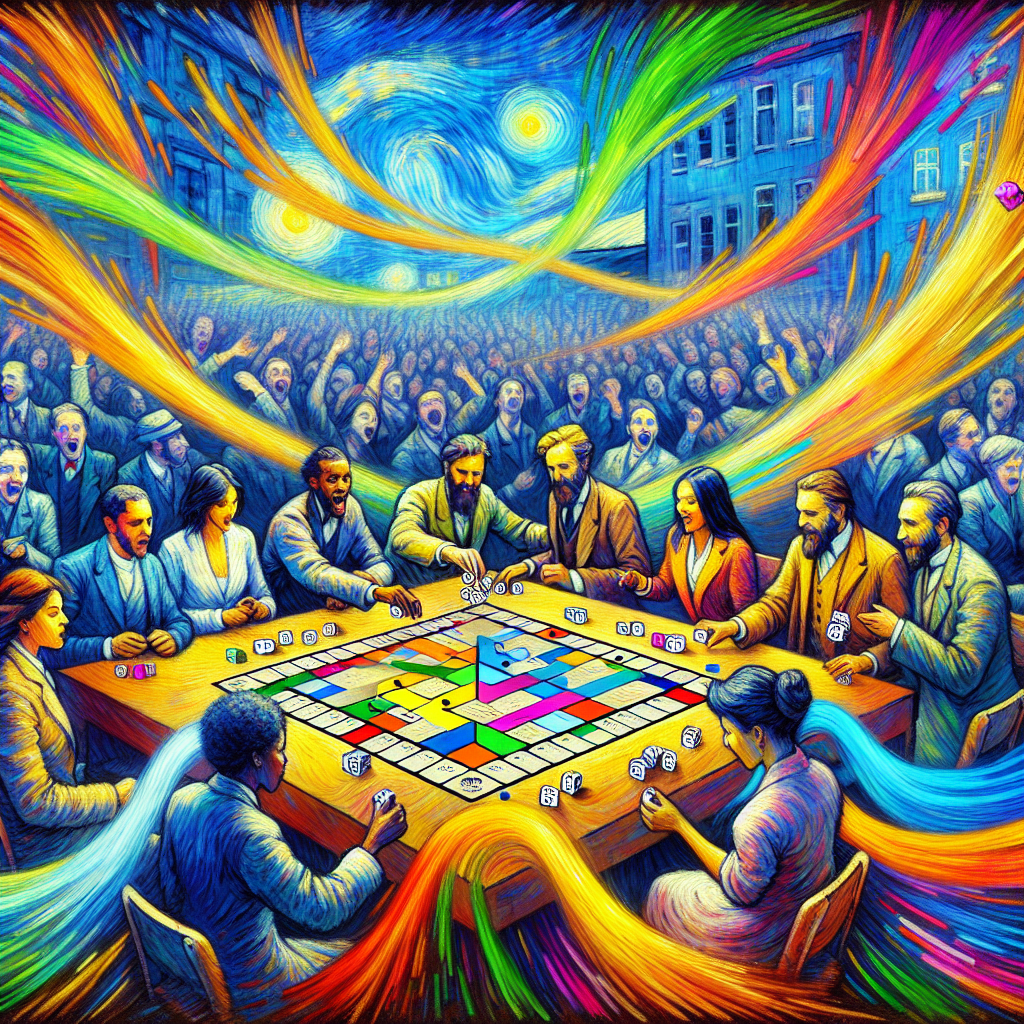
Picture your grandmother gathering around a table with her friends, a colorful board game sprawled out before them. It might seem trivial, but these gatherings pack a powerful punch. Each move, each roll of the dice, stimulates not just strategic thinking but also social interaction. The game becomes a vehicle for connection, reducing feelings of loneliness that can plague seniors. Gamification kicks in as these games encourage participation and engagement, turning mundane moments into opportunities for meaningful relationships and rich experiences.
Moreover, the cognitive benefits cannot be overlooked. Simple games, whether they’re card games, puzzles, or trivia, serve as a workout for the brain, sharpening memory and critical thinking. Seniors often find themselves craving mental stimulation. Games challenge them in enjoyable ways, igniting a spark and fostering a sense of accomplishment when they succeed. It’s about more than just winning; it’s about stimulating the mind and promoting a sense of purpose.
But let’s not forget about the health benefits. There’s a growing body of evidence that suggests engaging in simple games can lower stress levels. Who doesn’t feel a rush of joy when they finally beat their buddy at chess or manage to solve a tough crossword puzzle? Laughter is, after all, the best medicine. And during those tough times when facing the realities of aging, finding joy in little victories can make all the difference.
So why not harness the power of gamification to carve out a better, happier senior life? Simplicity is key here. The solution lies not in complex apps or flashy technology but in the classic games that have stood the test of time. Whether it’s bridge, bingo, or even a good old-fashioned game of checkers, these games can transform normal afternoons into something special. In a world that often overlooks the needs of older adults, let’s give them back the joy of play and the richness of connection. After all, happiness can sometimes be as simple as sharing a laugh over a game board.

Are Simple Games The Key to a Happier Senior Life?
Are Simple Games The Key to a Happier Senior Life?
- Technology can lead to feelings of isolation among seniors.
- Gamification enriches the lives of older generations through game-like elements in everyday activities.
- Simple games foster social interaction, reducing loneliness in seniors.
- Cognitive benefits include improved memory and critical thinking through enjoyable challenges.
- Engaging in games can lower stress levels and promote joy in everyday victories.
- Classic games like bridge, bingo, and checkers can create meaningful connections.
- Emphasizing simplicity, these games provide happiness and camaraderie among seniors.
Are Simple Games The Key to a Happier Senior Life?
Table Of Contents
- Are Simple Games The Key to a Happier Senior Life?
- How Do Simple Games Promote Social Interaction Among Seniors?
- Can Simple Games Help Reduce Feelings Of Loneliness In Older Adults?
- What Types Of Simple Games Are Best For Seniors?
- How Do Simple Games Benefit Cognitive Function In Seniors?
- How Can Caregivers Incorporate Simple Games Into Daily Routines?
- Can Simple Games Be Adapted For Seniors With Dementia Or Alzheimer’s?
- How Often Should Seniors Play Games For Maximum Benefit?
- Conclusion
- Other Resources
- Glossary Of Terms
- Other Questions
- Haiku
- Poem
- Checklist
How Do Simple Games Promote Social Interaction Among Seniors?
In a world where every day can feel like a repeat of the last, something as simple as a board game or a card game can spark a sense of excitement and connection among seniors. These simple games do more than just fill the hours; they pave the way for social interaction through the power of gamification, or the process of applying game-like elements to non-game contexts, which enhances engagement and motivation.
Imagine a room filled with laughter and friendly competition. Instead of being glued to their screens or sitting in silence, seniors are eagerly gathering around a table to engage in a rousing game of bridge or a classic round of Scrabble. When these pieces slide into motion, the rules of the game transform what could be an ordinary day into something vibrant and alive. There’s something about the competitive spirit and the strategy that draws people in and ignites camaraderie. As they play, seniors share stories, relive memories, and perhaps learn a thing or two about one another that they never knew before.
Social interactions are not just beneficial; they can be crucial for mental health and well-being. In the spirit of gamification, these games offer a structured means of interaction that encourages dialogue without the stress of the social ramifications that sometimes accompany more formal gatherings. With clear rules and objectives, players can focus on the game itself while allowing the laughter and banter to flow naturally. It’s a wonderful reminder that connection doesn’t require fanciful arrangements—simply the joy of engagement will do.
Furthermore, the beauty of simple games often lies in their accessibility. They don’t demand fancy technology or complicated strategies. They can be played at any pace, accommodating different abilities and preferences. Whether it’s a quick round of Uno or a leisurely game of chess, these moments are invaluable for seniors who may otherwise feel isolated or disconnected.
So, next time you find yourself in a room where the cards are dealt or the dice are rolling, take a moment to appreciate the deeper significance of these seemingly simple games. They’re not just games; they’re gateways to connection, joy, and a stronger sense of community. In a society that often overlooks the wisdom and vibrancy of our older generations, these interactions remind us all that, sometimes, the simplest activities can foster the richest experiences.

How Do Simple Games Promote Social Interaction Among Seniors?
How Do Simple Games Promote Social Interaction Among Seniors?
- Board games and card games can spark excitement and connection among seniors.
- These games facilitate social interaction through gamification, enhancing engagement and motivation.
- Seniors experience laughter and friendly competition, transforming ordinary days into vibrant experiences.
- Games encourage storytelling and sharing memories, fostering camaraderie among players.
- Social interactions through games are crucial for mental health and well-being.
- Simple games are accessible, accommodating different abilities and preferences without the need for technology.
- These activities serve as gateways to connection, joy, and a sense of community for older generations.

How Do Simple Games Promote Social Interaction Among Seniors?
Can Simple Games Help Reduce Feelings Of Loneliness In Older Adults?
In a world that can sometimes feel like we are all just ships passing in the night, loneliness among older adults can be a serious issue. But here’s a thought: what if something as simple as a game could be the lifeline that helps bridge that gap? You might scoff at the idea, but there’s emerging evidence that supports the notion of gamification—a fancy word for adding game-like elements to non-game contexts—having a substantial impact on mental well-being.
Picture this: an older adult sitting in their living room, staring at the same four walls day in and day out. Now, imagine that same individual picking up a mobile device or computer and immersing themselves in a vibrant world filled with puzzles, trivia, and challenges. Suddenly, they’re not just playing—they’re engaging. These games can introduce a sense of purpose and excitement, transforming what could have been an afternoon of solitude into an active experience.
So, what’s happening here? Well, when you layer a bit of gamification into the mix, you create opportunities for social interaction, even if it’s virtual. Many of these games allow players to connect with friends and family, or even to meet new people in online communities. Instead of withdrawing from the world, players find themselves part of a larger narrative—one where they can collaborate, compete, and converse. The digital realm becomes a new avenue for connection, allowing conversations that may not happen over a cup of coffee or a shared meal.
In addition to fostering social connections, engaging in games can also stimulate cognitive functions. Think about it: a simple word puzzle or a strategy game requires planning, quick thinking, and a bit of creativity. These mental workouts can keep the brain agile, making it easier for older adults to maintain their cognitive health while simultaneously combating feelings of isolation.
Now, let’s not get carried away; games aren’t a cure-all. They won’t magically solve feelings of loneliness overnight. But they do provide a fresh perspective and an innovative tool for tackling an issue that far too many face as they age. In a world where actions can sometimes speak louder than words, leveraging gamification might just be the key to a more connected, vibrant life for older adults. Plus, who doesn’t enjoy a little fun along the way?

Can Simple Games Help Reduce Feelings Of Loneliness In Older Adults?
Can Simple Games Help Reduce Feelings Of Loneliness In Older Adults?
- Loneliness is a significant issue among older adults, often leading to feelings of isolation.
- Gamification—incorporating game-like elements into non-game contexts—can positively impact mental well-being.
- Engaging in games can transform solitary afternoons into active experiences filled with purpose and excitement.
- Many games facilitate social interaction, allowing older adults to connect with friends, family, and new people in online communities.
- Games not only foster social connections but also stimulate cognitive functions, helping maintain brain agility.
- While games are not a cure-all for loneliness, they offer a fresh perspective and innovative ways to combat isolation.
- Leveraging gamification can promote a more connected and vibrant life for older adults, adding an element of fun.
Can Simple Games Help Reduce Feelings Of Loneliness In Older Adults?
What Types Of Simple Games Are Best For Seniors?
When it comes to engaging seniors with simple games, the focus shifts to fun, accessibility, and, let’s be honest, a little bit of gamification. Not to confuse anyone, but gamification isn’t just a buzzword thrown around in boardrooms; it’s a tool that can promote social interaction and cognitive challenges in an enjoyable way.
Let’s break it down: the best games for seniors are those that require little setup but pack a lot of fun. Think of card games, wherein a classic deck can lead to hours of laughter and friendly rivalry. Whether it’s Bridge, Rummy, or Go Fish, these games are perfect for bringing people together around a table, fostering connection and stimulating conversation. Games that capitalize on memory—like Concentration—are not only entertaining but also keep those mental muscles flexing. Trust me, keeping the mind sharp is just as important as staying physically active.
Board games often provide another avenue worth exploring. Simple classics like Scrabble or Checkers offer an opportunity for strategic thinking and socializing without overwhelming complexity. In the digital age, there are even versions of these games available on tablets—easy on the eyes and great for those who enjoy a touch of technology without the need for an engineering degree. Gamification enters the picture here, as many apps incorporate levels, rewards, and friendly scoring systems that can spark a little competitive spirit.
But not all games need to fit into pre-existing categories. Word puzzles and trivia games can also be excellent choices for seniors. They stimulate the brain while sparking memories and discussions about the good old days. Whether done alone or in a group, they can foster a sense of accomplishment that is incredibly fulfilling.
Of course, physical games shouldn’t be forgotten. Lawn games like Bocce Ball or Ladder Toss can be a delightful way to get some fresh air while also being social. They encourage movement without being overly strenuous, and the element of friendly competition is sure to bring smiles.
In essence, the best games for seniors embrace aspects of gamification while promoting social engagement, cognitive stimulation, and enjoyment. It’s all about finding that sweet spot between challenge and fun, allowing for laughter and connection. After all, games should be a gateway to memory-making—not just for the mind, but for the heart. So grab that deck of cards or board game, and let the good times roll!

What Types Of Simple Games Are Best For Seniors?
What Types Of Simple Games Are Best For Seniors?
- Engaging seniors with simple games focuses on fun, accessibility, and gamification.
- Games like card games (Bridge, Rummy, Go Fish) promote social interaction and laughter.
- Memory games, such as Concentration, keep cognitive skills sharp while providing entertainment.
- Board games like Scrabble and Checkers encourage strategic thinking and socializing with simplicity.
- Digital versions of traditional games allow for easy play on tablets, incorporating levels and rewards to enhance gamification.
- Word puzzles and trivia games stimulate the brain and encourage reminiscing, providing a sense of accomplishment.
- Physical games like Bocce Ball and Ladder Toss promote social activity and light movement outdoors.

What Types Of Simple Games Are Best For Seniors?
How Do Simple Games Benefit Cognitive Function In Seniors?
In a world that’s all about digital connectivity and the latest gadgets, there’s something to be said for the age-old practice of play. When you think about it, simple games aren’t just a way to pass the time; they’re a powerful tool for keeping our minds sharp, especially in our golden years. Yes, I’m talking about how these straightforward pastimes can actually benefit cognitive function in seniors.
At their core, games introduce a little thing called gamification. Not just a buzzword thrown around by tech gurus, but rather a delightful amalgamation of challenges, rewards, and a sprinkle of competition. When seniors engage in simple games—whether it’s a round of cards, a puzzle, or even a game of checkers—it’s as if they’re entering a mental gym. The brain, much like the body, thrives on exercise. These games stimulate various cognitive processes, keeping the mind agile and engaged.
Take memory, for instance. Many games require players to remember rules, strategies, or even the location of previously played cards. This active recall strengthens neural pathways, sharpening one’s memory. It’s like giving your brain a little workout, pushing it to jog down memory lane instead of just taking a leisurely stroll. This boost in memory function can help combat age-related decline, paving the way for clearer thinking in everyday life.
Then, there’s problem-solving. Simple games often present obstacles to overcome. Seniors learn to think critically, strategize, and pivot their plans on the fly. This kind of mental gymnastics is crucial; it encourages flexibility in thinking and maintains cognitive health. As they navigate challenges, they’re not just playing a game—they’re honing skills that translate into real-world situations, from managing household tasks to engaging in lively conversations.
Let’s not overlook social interaction, which is another wonderful perk of gaming. Whether playing in pairs or groups, seniors get the chance to connect with others. Laughter is often involved, and socialization helps to ward off loneliness, which can be just as detrimental to the mind as any cognitive decline.
In short, simple games serve as more than just a fun distraction for seniors. Through gamification, they facilitate memory enhancement, problem-solving abilities, and social connections—all fundamental ingredients for a vibrant, healthy cognitive life. So, the next time you visit a senior loved one, bring along a deck of cards or a game of dominoes. You might just find that those simple games hold the key to keeping minds bright and engaged.

How Do Simple Games Benefit Cognitive Function In Seniors?
How Do Simple Games Benefit Cognitive Function In Seniors?
- Simple games offer a powerful tool for cognitive function benefits in seniors.
- They introduce gamification, combining challenges, rewards, and competition.
- Engaging in games acts as a mental workout, stimulating cognitive processes.
- Games boost memory by requiring active recall of rules and strategies.
- They enhance problem-solving skills, encouraging critical thinking and flexibility.
- Social interaction during games helps combat loneliness and fosters connections.
- Overall, simple games enrich cognitive health, memory, and social well-being in seniors.

How Do Simple Games Benefit Cognitive Function In Seniors?
How Can Caregivers Incorporate Simple Games Into Daily Routines?
When it comes to caregiving, life can sometimes feel like a never-ending series of tasks and responsibilities. But what if I told you that a sprinkle of fun could transform those mundane chores into engaging activities? Enter the world of gamification—a powerful approach that blends playfulness with everyday routines.
Let’s face it: whether you’re helping someone with physical therapy or assisting with meal prep, things can get monotonous. Gamification is your secret weapon to keep spirits high and minds engaged. The beauty of transforming routine tasks into games is that it alleviates stress for both the caregiver and the care receiver. It fosters a sense of accomplishment and collaboration, turning “have to” into “want to.”
Start with something simple. Imagine cleaning the living room. Instead of a drudgery-filled hour of picking up toys, turn it into a race: “Let’s see how many stuffed animals you can put away in five minutes!” Use a timer, and don’t forget to offer a small reward—a sticker or a gold star for each completed task. Not only does this make the task more enjoyable, but it also promotes healthy competition, which can be exhilarating, especially for those who thrive on a little challenge.
You can also incorporate games during meals. Turn lunchtime into “Chef’s Challenge” where you ask the person you’re caring for to help choose ingredients or set a timer to see how quickly you can prepare a simple salad together. It’s not just about eating; it’s about teamwork, communication, and maybe even a bit of creativity.
For those who may have mobility challenges, think about games that stimulate the mind. Card games, word puzzles, or even board games can offer mental engagement while facilitating conversation. This not only promotes cognitive health but also provides valuable connection time that nurtures relationships.
And let’s not overlook the magical power of storytelling. Turn bath time or bedtime into “Adventure Hour,” where you take turns spinning yarns about heroes and quests. You can even incorporate their favorite toys into the tales, making each bath or bedtime a unique journey.
Gamifying daily routines doesn’t just make the work easier; it builds stronger bonds and creates cherished memories. So, the next time you find yourself knee-deep in chores, remember: a little creativity, a dose of fun, and the right mindset can make all the difference. After all, caregiving isn’t just a responsibility; it’s an opportunity for joy.

How Can Caregivers Incorporate Simple Games Into Daily Routines?
How Can Caregivers Incorporate Simple Games Into Daily Routines?
- Caregiving can feel overwhelming with its endless tasks and responsibilities.
- Gamification transforms mundane chores into engaging activities, keeping spirits high.
- Turning “have to” tasks into “want to” fosters accomplishment and collaboration.
- Simple activities, like turning cleaning into a race, can make chores enjoyable.
- Incorporating games during mealtime enhances teamwork, communication, and creativity.
- Mind-stimulating games can promote cognitive health and strengthen relationships.
- Storytelling during bedtime or bath time creates unique journeys and cherished memories.

How Can Caregivers Incorporate Simple Games Into Daily Routines?
Can Simple Games Be Adapted For Seniors With Dementia Or Alzheimer’s?
When you think about the world of games, it’s easy to picture bright colors, fast action, and a whirlwind of excitement that captivates the younger crowd. But let’s take a moment to focus on a different angle—the potential of simple games, specifically when tailored for seniors with dementia or Alzheimer’s. Yes, believe it or not, simplicity can be a powerful approach to gamification in this context.
Now, we’re not talking about flashy graphics or complex strategies here. We’re discussing time-tested games that have been stripped down to their essence—straightforward activities that stir memories and foster connections. These adaptations are more than just a form of entertainment; they are therapeutic tools that can engage cognitive skills and stimulate emotional responses.
Consider classic games, like memory matching. By using familiar photos, perhaps of family members or cherished places from their past, you’re creating a bridge to the past. This isn’t just about winning or losing; it’s a chance to spark conversation, share stories, and encourage reminiscence. With each flipped card, there’s the opportunity for a smile or a moment of recognition, turning a simple memory game into a meaningful interaction.
Then there’s word search or crossword puzzles. These activities can be adjusted to focus on common words or phrases that resonate with the individual’s life experience. Imagine the joy on a loved one’s face when they successfully complete a puzzle featuring their favorite foods or places. It’s more than just filling in blanks—it’s about evoking warm memories and fostering a sense of accomplishment.
Let’s not forget physical games as well. Simple activities like modified bowling or bean bag toss can not only provide a gentle form of exercise but also encourage group participation. This element of social interaction is crucial, as it helps combat feelings of isolation and brings together friends and family in a setting that feels safe and familiar.
Incorporating gamification strategies allows caregivers and families to create a nurturing environment. When games are adapted to focus on the player’s abilities rather than their limitations, they empower seniors. Instead of fostering frustration, these simple games become avenues for joy and connection, proving that even in the face of dementia or Alzheimer’s, engaging with the world through play is not only possible but incredibly beneficial.

Can Simple Games Be Adapted For Seniors With Dementia Or Alzheimer’s?
Can Simple Games Be Adapted For Seniors With Dementia Or Alzheimer’s?
- Simplicity in games can be a powerful approach for seniors with dementia or Alzheimer’s.
- Time-tested, straightforward activities stir memories and foster connections.
- Classic games like memory matching can spark conversation and reminiscence.
- Word search and crossword puzzles can evoke warm memories with familiar words and phrases.
- Physical games like modified bowling or bean bag toss promote gentle exercise and social interaction.
- Gamification strategies create a nurturing environment that empowers seniors.
- Simple games provide joy and connection, making engagement through play beneficial even in cognitive decline.

Can Simple Games Be Adapted For Seniors With Dementia Or Alzheimer’s?
How Often Should Seniors Play Games For Maximum Benefit?
When it comes to seniors and gaming, the conversation often skirts around the fundamental question of how often they should engage in play to reap the maximum benefits. While some might think of gaming as a pastime reserved for the young, the reality is starkly different. Whether you’re talking about puzzle games that tickle the brain or strategy games that require that extra pinch of thinking, gamification can be a powerful tool for seniors looking to stay sharp and engaged.
But let’s not sugarcoat it: there’s no one-size-fits-all answer. The optimal frequency for gaming sessions will vary based on personal preferences, cognitive capabilities, and even social dynamics. Some might thrive with daily engagement, while others might find that playing a few times a week strikes a happy balance. In essence, the focus should be on finding a rhythm that feels rewarding rather than burdensome.
For those wondering about duration, experts generally suggest that short, consistent sessions often yield better results than marathon gaming stints. Engaging in focused play for around 20 to 30 minutes a day, even if it’s just a couple of times a week, can invigorate the mind without overwhelming it—akin to taking a brisk walk rather than attempting a full marathon.
And here’s the kicker: the mental benefits of gaming are not just about sharpening the mind. When you introduce gamification into the mix, you’re tapping into a social experience that can be incredibly enriching. Multiplayer games or online platforms offer avenues for seniors to connect, collaborate, and, yes, even compete. These interactions can bring about a sense of community that’s often hard to find, especially for those living alone.
Moreover, keep in mind the variety. Mixing up game types—be it crossword puzzles, trivia games, or strategic board games—can keep the brain engaged and stave off monotony. And isn’t that what we’re really after? Fresh challenges that keep the neurons firing and the spirit lively.
Ultimately, the best approach is simple: listen to your own needs. Try out different game formats and frequencies, assess how they make you feel and how they impact your cognitive function. The most significant measure of success isn’t how many games you play but how they enrich your days. So, grab that deck of cards or fire up that game console—whatever suits your fancy—and make play a regular part of your life. You might just find it to be one of the most rewarding choices you make.

How Often Should Seniors Play Games For Maximum Benefit?
How Often Should Seniors Play Games For Maximum Benefit?
- Seniors can benefit greatly from gaming, which is often wrongly associated only with the young.
- The optimal frequency for gaming varies among individuals, based on preferences and cognitive abilities.
- Experts recommend engaging in short, consistent gaming sessions of 20 to 30 minutes.
- Gaming offers not just mental benefits but also social experiences, fostering community among seniors.
- Diverse game types, such as crossword puzzles and strategy games, help maintain brain engagement.
- Listening to personal needs and experimenting with different games and frequencies is essential.
- The focus should be on how gaming enriches life rather than on the sheer number of games played.

How Often Should Seniors Play Games For Maximum Benefit?
Conclusion
Folks, let’s take a moment and think about the bigger picture here. As we stride through life, technology sometimes leaves our older generations feeling a bit like pop culture relics—wonderful in their own right, but isolated in a world that seems to race past them. But let me tell you, rediscovering simple games could be the lifeboat we need to toss to them.
Remember the card games and board games of yesteryear? Those seemingly trivial gatherings around a table with friends or family aren’t just charming—they’re a lifeline. Simple games wield the power of connection, reduced loneliness, and, yes, even boost cognitive abilities. It’s the laughter over a round of Scrabble or the playful banter during a bridge game that turns mundane moments into memorable experiences. And when a game is on the table, suddenly it’s not just about competition; it becomes a magic portal for conversation, story-sharing, and laughter, keeping those important social bonds alive.
But it goes deeper than just good times. These games are mental workouts too. They get the neurons firing and stimulate thinking—critical thinking, strategy, and memory recall. For seniors, this mental engagement is akin to hitting the gym for their brains. What’s more, it encourages a sense of accomplishment. Winning or simply putting up a good fight in a game can uplift spirits and give purpose—something we all crave, especially as we age.
Let’s not forget the simplicity of it all. No need for fancy tech gadgets. We’re talking about good old-fashioned card games, puzzles, and even some outdoor lawn games. They are inclusive and adaptable, easily catering to varying skill levels. And when played in groups, these games become social glue, pulling people together in a world that often feels fragmented.
So why not embrace this? Harness the uncomplicated charm of simple games. It’s more than just fun; it’s about enriching lives, battling loneliness, and sowing seeds of joy in the hearts of our beloved seniors. Let’s bring back the joy of play, one game at a time, because sometimes happiness is as simple as a roll of the dice or a shared laugh over a game board. We owe it to our elders to remind them that life can still be gamed in the most beautiful ways.

Conclusion
Conclusion:
- Technology often alienates seniors, leaving them feeling isolated in a fast-paced world.
- Rediscovering simple games can reconnect seniors with friends and family, reducing loneliness.
- Games like card and board games promote social interaction and meaningful conversations.
- They serve as mental workouts, enhancing critical thinking, strategy, and memory recall.
- Winning or participating in games provides a sense of accomplishment and purpose for seniors.
- Simple games are inclusive, adaptable to varying skill levels, and require no advanced technology.
- Embracing these games enriches seniors’ lives, combats loneliness, and fosters joy through play.

Conclusion
Other Resources

Other Resources
Here is a list of other resources you can review online to learn more:
- Pearl Games
- Power Grid
- Keyforge
- Grail Games
- Alchemists
- Watch It Played
- Piatnik
- Paizo Publishing
- Keyflower: The Farmers Expansion
- Rahdo Runs Through
Use This Prompt To Get More Resources With Your Favorite Online AI Tool: Please provide me with a list of online articles with their URLs in a bulleted list that I can read regarding Are Simple Games The Key to a Happier Senior Life?

Other Resources
Glossary Terms
Are Simple Games The Key to a Happier Senior Life? – Glossary Of Terms
1. Cognitive Function: The mental processes involved in acquiring knowledge and understanding, which include memory, attention, and problem-solving skills.
2. Social Interaction: The process by which individuals engage with one another, fostering connections and relationships that can enhance mental wellbeing.
3. Mental Stimulation: Engaging activities that challenge the brain, helping to maintain cognitive abilities and stave off decline.
4. Aging: The process of becoming older, encompassing various physiological and psychological changes that can affect health and wellbeing.
5. Loneliness: A feeling of sadness due to lack of social connections, which can be mitigated through engaging games and shared activities.
6. Nostalgia: A sentimental longing for the past, which can be evoked by games that remind seniors of their earlier years, fostering emotional well-being.
7. Activity Level: The degree of physical or mental engagement in activities, with higher levels generally leading to better health outcomes in seniors.
8. Gaming: Engaging in structured play, which can include board games, card games, and video games aimed at enjoyable interaction and skill development.
9. Memory Games: Activities specifically designed to improve or retain memory function, often featuring matching or recall tasks.
10. Peer Support: The emotional and practical assistance provided by individuals who share similar experiences and backgrounds, bolstering mental health.
11. Motivation: The internal drive that encourages individuals to engage in activities, which can be enhanced by the pleasure derived from gameplay.
12. Stress Relief: The reduction of mental and emotional tension, which simple games can facilitate through distraction and engagement.
13. Coordination: The ability to use different body parts together smoothly and efficiently, which can be improved through gameplay that requires physical activity.
14. Game Mechanics: The rules and systems that govern how a game operates, which can influence the level of engagement and enjoyment for players.
15. Emotional Resilience: The capacity to recover from difficulties, which can be strengthened through social activities and enjoyable experiences like games.
16. Skill Development: The process of enhancing abilities through practice, which can occur during gameplay, from strategic thinking to fine motor skills.
17. Intergenerational Play: Games that involve players from different age groups, fostering relationships and sharing experiences that bridge generational gaps.
18. Creativity: The ability to generate novel ideas or solutions, which can be nurtured through games that require innovative thinking or artistic expression.
19. Therapeutic Recreation: Activities designed to promote health and wellness, often incorporating elements of play to enhance psychological and physical conditions.
20. Fun Factor: The quality of being enjoyable, which is a critical component of games that encourage participation and socialization among seniors.
21. Routine: A regular, predictable schedule of activities, which can include game time, contributing to a sense of stability and security.
22. Physical Health: The overall status of the body and its systems, which can be positively influenced by activities that include movement or exercise.
23. Adaptability: The ability to adjust to new conditions, which can be vital in designing games suitable for seniors with varying abilities and preferences.
24. Compliance: The extent to which an individual follows through with health-promoting recommendations, which can be influenced by enjoyable activities.
25. Independence: The ability to make one’s own choices and manage daily activities, which can be encouraged through engaging social games.
26. Challenge: An aspect of gameplay that provides difficulty or requires effort, which can enhance cognitive functioning and satisfaction in seniors.
27. Wellness: A holistic approach to health that encompasses physical, mental, and emotional well-being, often supported by social games and activities.
28. Social Bonds: The connections formed between individuals through shared experiences, often strengthened through regular participation in games.
29. Inclusivity: The practice of creating environments or activities that welcome everyone, particularly important in designing games for diverse senior populations.
30. Joy: A feeling of great pleasure and happiness, often derived from positive interactions and enjoyable experiences like playing games with others.

Glossary Of Terms
Other Questions
Are Simple Games The Key to a Happier Senior Life? – Other Questions
If you wish to explore and discover more, consider looking for answers to these questions:
- What are the specific cognitive benefits of playing simple games for seniors?
- What types of social interactions do simple games promote among seniors?
- How can family members encourage their loved ones to participate in simple games?
- Are there any studies or statistics that support the benefits of simple games for seniors?
- What are some engaging non-traditional games that can be adapted for seniors?
- How can caregivers assess the right games for different cognitive abilities in seniors?
- What role does laughter and enjoyment play in the effectiveness of games for seniors?
- How can seniors transition from traditional games to digital games effectively?
- Are there specific simple games that are better suited for seniors with mobility issues?
- What community resources are available for seniors to find gaming groups or events?

Other Questions
Haiku
Are Simple Games The Key to a Happier Senior Life? – A Haiku
Games bring joy and light,
Elder hearts connect and laugh,
Simple plays unite.

Haiku
Poem
Are Simple Games The Key to a Happier Senior Life? – A Poem
In a world where silence reigns,
Amidst the shadows, joy remains,
With simple games, the heart takes flight,
Once more, it dances in the light.
Gathered ’round a table wide,
Friends and laughter side by side,
Cards and dice, a colorful spree,
In games, they find their legacy.
Loneliness fades with each shared turn,
Kindled connections, hopes to burn,
Strategic moves and playful bets,
In every play, new smiles beget.
Memory sparks with every win,
As stories flow and voices spin,
A puzzle here, a word search there,
Brain workouts that show they care.
Through laughter’s balm, stress drifts away,
A joyful heart holds night at bay,
For in these games, they find release,
A simple path to inner peace.
With Bridge or Bingo, Checkers, too,
Each moment cherished, friendships grew,
And though the world may overlook,
In playful moments, life’s retook.
So let’s embrace these joyful ties,
With hands that play, and sparkling eyes,
For happiness blooms in the most quaint of ways,
In the heart of play, our spirits raise.

Poem
Checklist
Are Simple Games The Key to a Happier Senior Life? – A Checklist
Social Interaction
_____ Organize regular game nights with friends or family.
_____ Choose games that encourage conversation and storytelling.
_____ Incorporate both competitive and cooperative games to foster bonding.
Cognitive Engagement
_____ Select games that challenge memory and problem-solving skills (e. g. , card games, puzzles).
_____ Introduce word games or trivia to stimulate mental activity.
_____ Incorporate games that require strategy and critical thinking (e. g. , chess, checkers).
Emotional Well-being
_____ Use games as a tool for laughter and joy to uplift spirits.
_____ Celebrate small victories in games to promote feelings of accomplishment.
_____ Create a cozy and relaxed gaming atmosphere to enhance enjoyment.
Routine Integration
_____ Turn daily tasks into fun games (e. g. , cleaning races, meal prep challenges).
_____ Dedicate a specific time each week for game-playing as a routine.
_____ Encourage storytelling or reminiscing during game time to reinforce connections.
Adaptations for Special Needs
_____ Simplify game rules or use familiar themes for seniors with dementia or Alzheimer’s.
_____ Focus on sensory-based games or physical activities for those with mobility challenges.
_____ Use memory games with personalized visuals (e. g. , family photos).
Frequency and Duration
_____ Aim for 20-30 minute gaming sessions a few times a week for optimal benefits.
_____ Keep gaming flexible—monitor how often and how long seniors want to play.
_____ Rotate games to maintain interest and engage different cognitive skills.
Diverse Game Selection
_____ Include a variety of game types: board games, card games, puzzles, and digital games.
_____ Choose games based on the interests and preferences of the players.
_____ Consider including physical games for exercise and fun (e. g. , lawn games).
Final Reminders:
_____ Focus on the enjoyment of the game rather than competition.
_____ Encourage everyone to participate, regardless of skill level.
_____ Create a positive, supportive environment to enhance social engagement and cognitive stimulation.
Embrace the joy of play to enrich the lives of seniors!

Checklist
At HowDoYouGame, we help people who love board games by collating information and news about games.
Be sure to read our other related stories at HowDoYouGame to learn more about games.