Level Up Your Activity With Gamified Fun
By Tom Seest
At HowDoYouGame, we help people who love board games by collating information and news about games.
Be sure to read our other related stories at HowDoYouGame to learn more about games.
How Can You Boost Daily Activity Through Fun Gamification Techniques?
If you’re trying to boost your daily activity, you might want to take a page out of the playbook of the young and the restless who have figured out the magic of gamification. Now, don’t get all fidgety on me; this isn’t some high-tech wizardry dreamt up in a Silicon Valley garage. It’s simply taking the principles of games—like challenges, rewards, and a dash of competition—and applying them to our everyday lives. It’s about making boring tasks more engaging and, dare I say, downright fun.
Imagine this: you wake up in the morning, and instead of dragging yourself through the same old routine, you lace up those sneakers, not just to get from point A to point B, but to embark on a mini-adventure. By turning chores into challenges, you can give the mundane a fresh twist. Set yourself a goal to walk 10,000 steps, and watch as each step becomes not just a number, but a level you’re determined to conquer. That’s one invitation to gamification that’s hard to turn down.
And let’s not forget about the power of rewards. Nothing gets the blood pumping quite like a little incentive. Create a point system that rewards you for activity—whether it’s walking, cleaning, or even doing the dishes. At the end of the week, treat yourself to something nice with those hard-earned points. It’s like being a kid again, except this time, you get to pick your own prize. That new gadget or a simple indulgence isn’t just a want; it’s the reward for all that effort you put in.
Now, if you’re the competitive type, why not rope in a few friends? Establish a friendly rivalry where you can all track your progress. It could be fitness, productivity, or even quirky household tasks—whatever gets you moving. Leaderboards can do wonders for motivation—seeing your name on top of that chart brings out your inner champion.
And let’s not overlook the satisfaction of gamification in tracking. Use apps or journals that visually chart your progress. You’re not just clocking in and out of life; you’re building something—an experience, a routine, a victory, brick by brick. So, embrace the gamification of your day-to-day, and get ready to turn those mundane moments into your own personal playground. Because the truth is, life’s a game, and the more you play with intention, the more you win.

How Can You Boost Daily Activity Through Fun Gamification Techniques?
How Can You Boost Daily Activity Through Fun Gamification Techniques?
- Gamification involves applying game principles like challenges, rewards, and competition to everyday tasks.
- Transform mundane routines into engaging mini-adventures to boost daily activity.
- Set specific goals, such as walking 10,000 steps, to make tasks feel like levels to conquer.
- Implement a point system that rewards you for various activities, turning effort into tangible rewards.
- Encourage friendly competition with friends by tracking collective progress and establishing leaderboards.
- Utilize apps or journals to visually track your achievements and progress over time.
- Embrace gamification as a way to turn mundane moments into enjoyable experiences, treating life like an intentional game.

How Can You Boost Daily Activity Through Fun Gamification Techniques?
Table Of Contents
- How Can You Boost Daily Activity Through Fun Gamification Techniques?
- How Can Gamification Make Daily Activity More Enjoyable?
- What Are Effective Game Elements To Encourage Movement?
- How Can Setting Rewards Enhance Daily Activity Levels?
- What Role Does Competition Play In Boosting Physical Activity?
- Can Social Interaction Through Games Improve Motivation?
- How Can Technology Be Leveraged To Track Progress Fun?
- What Simple Games Can Be Introduced To Increase Daily Steps?
- Conclusion
- Other Resources
- Glossary Of Terms
- Other Questions
- Haiku
- Poem
- Checklist
How Can Gamification Make Daily Activity More Enjoyable?
Let’s face it: sometimes, daily activities can feel like watching paint dry. The grind of mundane tasks can rob us of our energy and enthusiasm. Enter gamification—a strategy that has transformed everything from workplace productivity to fitness routines. With the power of game design principles applied to everyday life, we can turn the drudgery of daily tasks into something engaging and downright enjoyable.
So, what exactly is gamification? Imagine taking the dullest of chores—let’s say, cleaning out the garage—and adding elements inspired by games. You get a score for every box you sort, a badge for clearing out a particularly tough spot, or even levels to advance through as the garage gets cleaner. This isn’t just a gimmick; there’s real science behind it. People are inherently motivated by challenges and rewards, and gamification taps into that basic human instinct.
When we engage with gamification, we’re not just going through the motions; we’re competing against ourselves or others, striving for a win in our day-to-day lives. Picture a fitness app that turns your morning run into an adventure—complete with quests, rewards, and even virtual competitions with friends. Instead of dreading your workout, you’re looking forward to it, keen to slay that personal best. The same goes for tasks like grocery shopping or studying; when we introduce playful elements, we turn obligations into opportunities.
Moreover, gamification fosters a sense of community. Many platforms allow us to share our achievements and challenges with others, creating a supportive network that encourages accountability. Want to tackle that looming to-do list? Team up with a friend, set challenges, and celebrate your wins together. The connection to others can spark motivation and turn solitary tasks into team efforts where laughter and camaraderie thrive.
But the beauty of gamification doesn’t just lie in collaboration; it’s also about rewriting our relationship with productivity. We no longer see tasks as burdens but as chances to level up our lives. Whether it’s earning points for cleaning the house or conquering your reading list, gamification allows us to chase self-improvement while having fun.
In short, gamification breathes new life into daily activities, making them vibrant and entertaining. With a sprinkle of creativity and a dash of competition, even the most mundane chores can become part of an epic quest. So, go ahead—embrace the game! Your daily grind doesn’t have to be all that grim.

How Can Gamification Make Daily Activity More Enjoyable?
How Can Gamification Make Daily Activity More Enjoyable?
- Daily activities can often feel mundane and energy-draining.
- Gamification transforms daily tasks into engaging and enjoyable experiences.
- It involves applying game design principles, such as scoring and rewards, to chores.
- Gamification motivates individuals by tapping into their instinct for challenges and rewards.
- It fosters a sense of community through shared achievements and challenges.
- Gamification helps redefine productivity, viewing tasks as opportunities for self-improvement.
- With creativity and competition, even dull chores can become part of an adventurous quest.

How Can Gamification Make Daily Activity More Enjoyable?
What Are Effective Game Elements To Encourage Movement?
In today’s fast-paced world, getting off the couch isn’t just recommended; it’s essential. And while traditional methods of motivation often falter, incorporating game elements—also known as gamification—can kick-start a person’s desire to move. Transforming mundane tasks into engaging challenges not only stirs interest but also sparks a sense of achievement that can lead to lasting positive changes.
Let’s start with the basics. To encourage movement effectively, you need an incentive structure that makes participants feel like they’re not just doing, but actually playing. A well-designed game element could involve points, badges, or tangible rewards. Picture this: each step you take during your daily walk becomes a point earned in a vibrant leaderboard that showcases your prowess against friends or family. Nothing like a little competitive spirit to push us out the door!
Next up is the importance of narrative. Humans are storytellers by nature, and incorporating a compelling backstory can ignite motivation. Imagine turning your walk into a quest, where every street corner becomes a portal to a new adventure—defeating the metaphorical dragons of laziness. Whether it’s saving a fictional town or collecting mythical artifacts, a rich narrative can instill a sense of purpose in even the most reluctant movers among us.
Another effective game element is variety. Sticking to a rigid routine can be a death knell for enthusiasm. Instead, mix things up! Utilize different modes of transportation—walking, biking, or even dancing around the living room—to keep people guessing and engaged. Each day can present a new challenge that adds excitement and prevents the tedium that often accompanies traditional exercise.
Social interactions also play a pivotal role in fostering movement. Think about team challenges or group activities that turn individual efforts into collective triumphs. Much like a friendly competition at work or a spirited neighborhood contest, these social dynamics can provide a layer of accountability and fun that elevates the experience from a mere chore to a lively gathering.
Finally, celebrating progress is crucial. Regularly recognizing achievements, no matter how small, can create a positive feedback loop. Whether it’s a simple shout-out on social media or a reward for reaching a new personal best, acknowledging efforts goes a long way in keeping spirits high.
So if you’re looking to inspire movement, consider weaving these game elements into the fabric of daily life. Gamification isn’t just about play; it’s about redefining how we view activity and turning workouts into adventures worth pursuing. Together, let’s make movement less of a task and more of a game.

What Are Effective Game Elements To Encourage Movement?
What Are Effective Game Elements To Encourage Movement?
- Incorporating game elements, or gamification, can enhance motivation to move in today’s fast-paced world.
- A well-designed incentive structure using points, badges, or rewards can transform mundane tasks into engaging challenges.
- Narratives can ignite motivation; turning activities into adventurous quests can give purpose to movement.
- Variety in activities, such as walking, biking, or dancing, can keep engagement high and prevent routine monotony.
- Social interactions through team challenges and group activities create accountability and fun, enhancing the experience.
- Celebrating progress and recognizing achievements fosters a positive feedback loop, maintaining high spirits.
- Gamification redefines activity, making workouts feel like adventures worth pursuing rather than mere tasks.

What Are Effective Game Elements To Encourage Movement?
How Can Setting Rewards Enhance Daily Activity Levels?
Let’s face it: life can sometimes feel like a grind. You wake up, you fuel up, and you get going. But if you’re like most people, somewhere between breakfast and afternoon coffee, the spark of motivation can flicker and fade faster than a cheap battery. That’s where the idea of setting rewards comes in—a way to gamify our lives and inject a little fun into the daily grind.
What is gamification, anyway? It’s a fancy term that boils down to adding game-like elements to everyday tasks. Think about it: remember how easy it was to crush those high scores in your favorite video game? You didn’t just play to move through levels; you played for those sweet rewards that came at the finish line. That same principle can be applied to your daily activities.
Let’s dig into how rewards can help boost those activity levels. First off, when you set up a reward system, it creates a psychological anchor. Instead of just mindlessly checking off tasks, you’re now playing for points—points that pay off in the form of a small treat or a nice evening out. Whether it’s a piece of chocolate for hitting your step goal or a weekend adventure for consistent workout sessions, those small incentives can transform the mundane into something much more alluring.
You might also notice that gamification taps into one of our most basic instincts: competition. And no, I’m not suggesting you throw your neighbor under the bus in a race to see who can log the most steps. But competing against yourself can be an incredibly motivating factor. Every time you exceed yesterday’s score—whether it’s steps, calories burned, or even just the number of chores completed—your brain releases those feel-good chemicals, reinforcing the behavior and making you want to do it again.
Here’s the kicker: setting rewards not only elevates your motivation but can help sustain it. When you tackle tasks with a game mindset, those rewards become markers of progress, reminding you of the satisfaction that comes from hard work. Before you know it, those daily activities that once felt burdensome evolve into stepping stones towards a healthier, happier you.
So, why not spice things up? Gamify your life with rewards and watch your activity levels soar. From mundane to meaningful, the choice is yours—play the game or watch it pass you by.
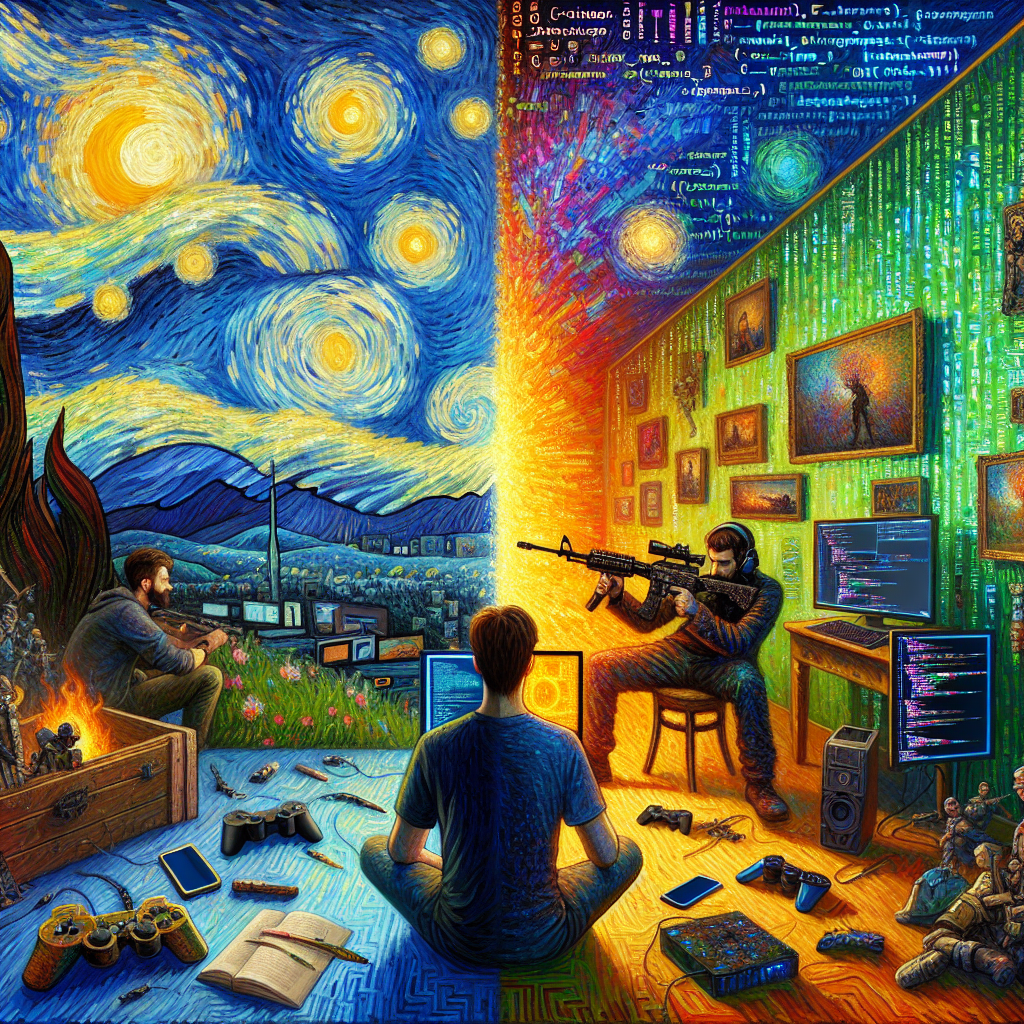
How Can Setting Rewards Enhance Daily Activity Levels?
How Can Setting Rewards Enhance Daily Activity Levels?
- Life can feel like a grind, with motivation often fading throughout the day.
- Gamification involves adding game-like elements to daily tasks to boost motivation.
- Setting up a reward system creates a psychological anchor, making tasks more appealing.
- Small rewards, like treats or outings, can transform mundane tasks into enjoyable ones.
- Gamification leverages competition, particularly competing against oneself, to enhance motivation.
- Rewards serve as markers of progress, reinforcing positive behaviors and sustaining motivation.
- Embracing gamification and rewards can lead to a healthier, happier lifestyle.

How Can Setting Rewards Enhance Daily Activity Levels?
What Role Does Competition Play In Boosting Physical Activity?
When it comes to getting people off their couches and into their running shoes, there’s a secret ingredient that often gets overlooked: competition. Competition can be an electrifying force, transforming mundane activities into thrilling pursuits. Think about it: whether it’s your kids racing to the finish line of a neighborhood fun run or adults tackling a grueling obstacle course, the spark of competition can ignite a fire under even the laziest of legs.
Imagine the excitement of a friendly wager. You and your buddies decide to take on a month-long fitness challenge. Suddenly, that 5 a.m. jog doesn’t look so daunting. You’re pushing yourself—not just for your own sake, but to keep up with your friends. That’s the beauty of competition. It’s a social glue that binds people together while simultaneously pushing them to better their own performance. You’re not just running; you’re running against them, with them, and maybe even for them.
This is where the concept of gamification comes into play—turning physical activity into an engaging game rather than a chore. Fitness apps and community events harness the power of gamification, adding layers of rewards and achievements that make every step an opportunity for bragging rights. You’re no longer just completing a workout; you’re leveling up, earning points, competing on leaderboards, and inching ever closer to that coveted gold medal. It transforms fitness from a solitary grind into a vibrant arena of competition that’s too enticing to ignore.
But make no mistake, it’s not just about who crosses the line first. It’s about fostering camaraderie and community. Competition in the realm of physical activity encourages participants to share experiences, celebrate each other’s milestones, and ultimately, elevate one another. When people compete, they inspire; when they inspire, they engage others. A simple 5k race can morph into a city-wide event where everyone—runners, walkers, and cheerers—comes together, all in the spirit of friendly competition.
Beyond mere numbers on a scale or seconds on a stopwatch, competition pushes us to redefine our limits. And whether you’re vying for a title, engaging in a spirited challenge, or merely partaking in a workout buddy system, remember: the thrill of competition has a way of keeping us active, bringing joy to movement, and reminding us that staying fit doesn’t have to be a solitary journey. So lace up those shoes and get out there; your inner competitor awaits!

What Role Does Competition Play In Boosting Physical Activity?
What Role Does Competition Play In Boosting Physical Activity?
- Competition serves as a powerful motivator to get people engaged in physical activity.
- It transforms mundane workouts into exciting challenges, encouraging both friends and families to participate.
- Friendly wagers and fitness challenges create camaraderie and enhance individual performance.
- Gamification of exercise through fitness apps adds rewards and achievements, making physical activity more engaging.
- Competition fosters a sense of community, enabling participants to share experiences and celebrate milestones together.
- It inspires individuals to push their limits and strive for improvement beyond mere physical metrics.
- The thrill of competition makes fitness a fun and social journey, rather than a solitary task.

What Role Does Competition Play In Boosting Physical Activity?
Can Social Interaction Through Games Improve Motivation?
In our rapidly changing world, motivation can sometimes feel as elusive as a shadow in the dark. Traditional methods—like pep talks and endless lectures—often fall flat. But what if we took a different route? Enter gamification. Now, before you roll your eyes and dismiss it as just another buzzword, let’s dig a little deeper. Gamification isn’t just about adding a leaderboard or giving out rewards; it’s about tapping into the innate human desire for social interaction, competition, and achievement.
At its core, gamification transforms mundane tasks into engaging challenges. By injecting game-like mechanics into everyday activities, we can create an environment where motivation flourishes. Picture this: you’re part of a team, working together to achieve a shared goal. The camaraderie built during challenging moments fosters a sense of belonging. It’s human nature; we thrive in groups. When we play together, we’re not just trying to win; we’re building a community.
Social interaction through games adds a level of accountability that’s hard to replicate elsewhere. If you know your buddies are counting on you to pull your weight, you’re far more likely to muster the energy to join in. This isn’t just about shouting at the screen during a video game; it can happen in any scenario—team-building exercises, office challenges, or online learning platforms. Success becomes a shared experience, marking milestones that matter.
Consider the power of a simple leaderboard. It creates a healthy competitive spirit, encouraging individuals to push their limits. That touch of rivalry can ignite a flame of motivation that pushes each team member to step up their game. And let’s be honest—with all those digital distractions vying for our attention, a little healthy competition goes a long way in ensuring we stay engaged.
Moreover, the feedback loop provided by gamification is invaluable. Instant recognition of achievements, small wins, and constructive critiques create a learning environment that not only motivates but also fosters continuous improvement. When people feel recognized among their peers, they’re more likely to stay engaged and committed to their goals.
When we blend social interaction with gaming elements, we tap into something profoundly human. Gamification isn’t just a trend; it’s a transformative approach to motivation that could very well change the way we engage with tasks, one game at a time. So, rally your team, set some goals, and watch motivation soar through the roof.

Can Social Interaction Through Games Improve Motivation?
Can Social Interaction Through Games Improve Motivation?
- Motivation in today’s world can feel elusive, often falling flat with traditional approaches like pep talks and lectures.
- Gamification goes beyond buzzwords; it taps into human desires for social interaction, competition, and achievement.
- By incorporating game-like mechanics into tasks, mundane activities can be transformed into engaging challenges.
- Camaraderie built through team efforts fosters a sense of belonging and community among participants.
- Social interaction in games adds accountability, making individuals more likely to engage and contribute.
- A simple leaderboard can foster a healthy competitive spirit, driving individuals to push their limits and remain engaged.
- The feedback loop in gamification provides instant recognition, promoting continuous improvement and commitment to goals.

Can Social Interaction Through Games Improve Motivation?
How Can Technology Be Leveraged To Track Progress Fun?
In today’s fast-paced world, the challenge of tracking progress can sometimes feel like trying to wrangle a herd of cats. But here’s the good news: technology is not just a tool; it can be your best ally in making this process engaging and downright fun. Enter gamification—the art of turning mundane tasks into exciting challenges that make you want to leap out of bed and tackle the day.
Think about it. Remember the last time you tackled a goal? Maybe it was hitting a fitness milestone or learning a new skill. Without progressive checkpoints and a touch of excitement, those ambitions can quickly dwindle into wishful thinking. But when you sprinkle in a bit of gaming magic, everything changes. Imagine receiving instant feedback every time you complete a task, just like earning points in a video game. Suddenly, your objectives shift from “I should go for a run” into “I’m just 10 points away from leveling up!” The more you engage, the more your motivation skyrockets.
Mobile apps designed with gamification in mind have emerged as a game-changer across various fields. Take fitness apps that transform walking into a challenging quest, complete with virtual rewards and badges that showcase your progress. Not only does this add an element of enjoyment, it also fosters a sense of community. You’re not just running on a treadmill—you’re part of a larger team, competing, and cooperating with others. The journey becomes less about the destination and more about the friends you make along the way.
Be it achieving professional milestones or personal development, these tech-driven tools foster a sense of accountability. When you’re out there stacking up achievements, you’re not just moving toward goals—you’re building a portfolio of success stories. These digital platforms leverage elements from video games, making everything from charting learning progress to managing projects feel less like a slog and more like an exhilarating adventure.
So, if you’re struggling to stay on track, why not leverage the power of technology and gamification? It’s about more than just ticking boxes; it’s about getting fired up about your journey. The next time you set a goal, remember: it’s not just about accomplishing tasks; it’s about making progress fun. You’ve got this!

How Can Technology Be Leveraged To Track Progress Fun?
How Can Technology Be Leveraged To Track Progress Fun?
- Tracking progress can be difficult in a fast-paced world.
- Technology can serve as an ally to make progress tracking engaging and fun.
- Gamification turns mundane tasks into exciting challenges.
- Progressive checkpoints and excitement are crucial for achieving goals.
- Mobile apps with gamification enhance motivation and foster community.
- These tech tools promote accountability and create a portfolio of success stories.
- Gamification is about making progress enjoyable rather than just completing tasks.

How Can Technology Be Leveraged To Track Progress Fun?
What Simple Games Can Be Introduced To Increase Daily Steps?
There’s a mighty fine line between exercise and drudgery, and if you’ve ever grunted your way through a treadmill session, you know exactly what I’m talking about. But what if I told you that you can crank up your daily steps without it feeling like you’ve just signed up for a punishment course in physical therapy? Enter gamification, the art of turning mundane tasks into captivating challenges. It’s about injecting a little fun into the pedestrian motion of walking, and it turns out, quite literally, you can step up your game.
First off, one of the easiest ways to bring a game-like atmosphere into your daily routine is through scavenger hunts. All you need is a list of items or landmarks in your neighborhood—maybe it’s a red mailbox, a quirky statue, or the neighbor’s ridiculously colorful garden gnome. You set off on a mission to find these gems, and voilà! You’re not just walking; you’re exploring! Trust me, the moment you turn your walking routine into a treasure hunt, you’ll forget you’re even exercising.
Then there’s the classic game of “tag.” Whether it’s with family, friends, or even your dog, you can introduce a bit of friendly competition. Tag is like an invitation to skip, hop, and sprint your way through your neighborhood park. Yeah, it might feel a bit silly at first, but you’ll soon discover the joys of unleashing your inner child—and who doesn’t want a little more joy in their day-to-day?
Let’s not forget about the age-old concept of step challenges. Grab a buddy (or ten), and set friendly competitions to see who can rack up the most steps in a week. Use apps and fitness trackers to add a little spark—there’s something magical about seeing those numbers climb. You’ll find yourself walking that extra lap around the block just to edge out your competition, and let’s face it, we all love a good underdog story.
Finally, consider transforming your walking into a “walking tour” of your favorite podcasts or audiobooks. It’s like going on an adventure without having to leave the comfort of your own home—just step outside, press play, and you’re off on a mental adventure while your steps accumulate, almost effortlessly.
So throw on your favorite sneakers, gather a few pals (or even go solo), and let the gamification of walking become your ticket to healthier living. You’ll be surprised at how far a bit of fun can take you!

What Simple Games Can Be Introduced To Increase Daily Steps?
What Simple Games Can Be Introduced To Increase Daily Steps?
- Exercise can feel like a chore, but gamification makes it enjoyable.
- Turn walks into scavenger hunts by looking for specific items or landmarks.
- Incorporate games like tag to bring fun and friendly competition to your routine.
- Engage in step challenges with friends to motivate and spark competition.
- Utilize apps and fitness trackers to track steps and encourage achievement.
- Listen to podcasts or audiobooks while walking for a more immersive experience.
- Embrace the fun of gamification to make walking an enjoyable part of a healthy lifestyle.

What Simple Games Can Be Introduced To Increase Daily Steps?
Conclusion
In the grand game of life, there’s a simple mantra we can all embrace: make it fun. Let’s face it—daily tasks can sometimes feel as exciting as watching grass grow. But what if we tapped into our inner child and applied a little gamification to our routines? It turns out, a dash of competition, the thrill of rewards, and a sprinkling of social interaction can transform our most mundane activities into exhilarating challenges.
First off, let’s talk about how gamification takes the monotony out of the grind. Instead of drudging through a to-do list, think of fun challenges that can turn chores into a playful adventure. Picture lacing up your sneakers not just to walk but to embark on a quest—earning points for each step and vying for top score against friends. Whether it’s cleaning, exercising, or studying, a good goal can pivot your mindset from “I have to” to “I want to.”
Now, rewards play a pivotal role in this gamified approach. Feeling accomplished never gets old, and setting up a reward system makes completing tasks feel like leveling up in a video game. You score points for your achievements, and when you reach new milestones, you treat yourself, whether it’s a new gadget or a well-deserved break. Each point becomes a motivator, turning the grind into an engaging experience.
And let’s not forget competition—our universal drive. Whether you’re racing a friend to finish tasks or comparing achievements on leaderboards, friendly competition can fuel that fire for activity. Suddenly, those morning workouts don’t feel like a chore; they turn into a community event where everyone encourages each other to push a little harder and aim a little higher.
While competition and rewards are essential, the real beauty lies in the social fabric that binds us. Sharing experiences, collaborating on shared goals, and cheering each other on can create a sense of belonging. When we gamify our lives, we invite friends and family to join in the fun, transforming solitary responsibilities into lively activities filled with laughter and camaraderie.
So, as you step away from your screen and into your sneakers, remember that life is indeed a game. By injecting a little fun through gamification, you’ll not only boost your activity levels but redefine how you approach the everyday hustle. Embrace the joy of turning the mundane into an adventure, and watch as every step you take becomes a victory worth celebrating. After all, it’s about playing the game of life with intention—and having a blast while doing it!

Conclusion
Conclusion:
- Embrace the mantra of making life fun to enhance daily routines.
- Gamification turns mundane tasks into exciting challenges by applying competition and rewards.
- Transform “I have to” into “I want to” through playful adventures in chores.
- A reward system provides motivation and a sense of accomplishment, akin to leveling up in video games.
- Friendly competition among peers fosters community and makes activities more engaging.
- Social interaction enhances the experience, creating a sense of belonging and collaboration.
- Injecting fun into routines boosts activity levels and redefines the approach to everyday life.

Conclusion
Other Resources

Other Resources
Here is a list of other resources you can review online to learn more:
- LiveJournal
- Flickr
- Watch It Played
- Threads
- Stonemaier Games
- The Board Game Family
- GMT Games
- Huch!
- The Crew: The Quest for Planet Nine
- White Goblin Games
Use This Prompt To Get More Resources With Your Favorite Online AI Tool: Please provide me with a list of online articles with their URLs in a bulleted list that I can read regarding How Can You Boost Daily Activity Through Fun Gamification Techniques?

Other Resources
Glossary Terms
How Can You Boost Daily Activity Through Fun Gamification Techniques? – Glossary Of Terms
1. Gamification: The application of game-design elements in non-game contexts to enhance user engagement and motivation.
2. Activity Tracker: A device or app that monitors physical activity levels, often providing feedback and progress tracking to encourage increased movement.
3. Points System: A reward mechanism where users earn points for completing tasks or achieving goals, fostering competition and motivation.
4. Leaderboards: A visual ranking system displaying users’ performance, encouraging competition and engagement.
5. Challenges: Specific tasks or goals set for users to achieve, often with a competitive element to motivate participation.
6. Achievements: Badges or rewards that users earn upon completing certain milestones, reinforcing positive behavior and achievement.
7. Progress Tracking: The method of monitoring advancement toward goals, often visualized through graphs or charts.
8. Feedback Loop: A system where users receive timely feedback on their performance to encourage continued participation and improvement.
9. Social Sharing: The practice of sharing achievements and progress with friends or the community, enhancing motivation through social connectivity.
10. Rewards System: A structured method of offering incentives (e. g. , prizes, discounts) for completing activities or reaching certain milestones.
11. Interactive Quests: Engaging missions that users can complete, often involving physical activity, fostering a sense of adventure and engagement.
12. Mini-Games: Short, engaging games designed to encourage quick bursts of activity or fitness-related challenges.
13. Community Engagement: Strategies to involve users within a social network, boosting motivation through collective challenges and achievements.
14. Routine Building: Techniques designed to help users establish daily habits that incorporate physical activity in a fun and engaging way.
15. Motivational Messaging: Encouraging prompts or notifications that inspire users to stay active and engaged with their activities.
16. Customization: Allowing users to personalize their experiences, such as avatars or goals, making activities more engaging.
17. Streaks: The consecutive days of completing an activity, encouraging users to maintain ongoing participation through consistency.
18. Virtual Reality (VR): A simulated environment that can be used for immersive physical activities, making exercise more engaging and fun.
19. Augmented Reality (AR): A technology that overlays digital information onto the real world, enhancing outdoor activities and making exercise more interactive.
20. Fitness Apps: Mobile applications designed to track workouts, offer challenges, and gamify physical activity experiences.
21. Habit Formation: The psychological process of establishing a routine or behavior through consistent practice, often aided by gamification.
22. Group Challenges: Collective goals set for a team or community, fostering camaraderie and group motivation for increased activity.
23. Time-Limited Events: Seasonal or prompt challenges that provide urgency, encouraging users to participate in fun, engaging activities.
24. Incentivization: The process of offering rewards or benefits to motivate individuals to engage in desired behaviors.
25. Wellness Score: A composite metric that reflects a user’s overall activity, health, and participation in gamified challenges.
26. Fun Factor: An element designed to enhance enjoyment during activities, making exercise feel less like a chore.
27. Behavioral Economics: The study of how psychological factors influence decision-making in economic contexts, including motivation for activity.
28. Narrative Design: The use of storytelling elements within gamification to create a compelling context for users to engage with activities.
29. Peer Accountability: A system where users encourage each other to stay active, leveraging social pressure to maintain participation.
30. Feedback Mechanism: Tools and methods that allow users to reflect on their performance, encouraging continuous improvement and engagement.

Glossary Of Terms
Other Questions
How Can You Boost Daily Activity Through Fun Gamification Techniques? – Other Questions
If you wish to explore and discover more, consider looking for answers to these questions:
- What are some examples of gamification techniques for daily activities?
- How can I create a point system that motivates me?
- What apps are best for tracking gamified activities?
- Can gamification be applied to both physical and mental activities?
- How do I maintain motivation after the initial excitement of gamification fades?
- What are some common mistakes to avoid when implementing gamification?
- How can I encourage my friends or family to join in on gamification strategies?
- What role does feedback play in successful gamification?
- How can I balance competition and collaboration in gamified tasks?
- What research supports the effectiveness of gamification for improving daily activity?

Other Questions
Haiku
How Can You Boost Daily Activity Through Fun Gamification Techniques? – A Haiku
Gamify your life,
Turn dull tasks to joyful quests,
Step into delight.

Haiku
Poem
How Can You Boost Daily Activity Through Fun Gamification Techniques? – A Poem
In the realm where boredom reigns,
A spark ignites to break the chains.
Gamification’s gentle art,
Turns daily tasks into a part,
Of quests and journeys, oh-so-fine,
Where every step feels like a climb.
From waking gently to the sound,
Of challenges that know no bounds.
Lace up your shoes for a morning stroll,
As points and badges fill your soul.
Turn chores to games, make drudgery light,
With friendly competitions in sight.
Track your progress, celebrate small wins,
Let joy of movement be where it begins.
Utilize tech that charts your score,
Each step becomes a triumph more.
A scavenger hunt in the sun’s warm light,
Transforms the mundane into sheer delight.
Gather your friends for a playful run,
In every heartbeat, find the fun.
From garage clean-outs to steps taken,
Each task becomes a spirited awaken.
Embrace the thrill, let laughter thrive,
In this playful world, we come alive.
So make your life a game to play,
With every challenge, find your way.
For what’s a grind can now uplift,
With gamified joy—the ultimate gift.

Poem
Checklist
How Can You Boost Daily Activity Through Fun Gamification Techniques? – A Checklist
1. Set Clear Goals
_____ Define daily or weekly targets (e. g. , steps walked, chores completed).
_____ Make your goals specific, measurable, achievable, relevant, and time-bound (SMART).
2. Create a Reward System
_____ Develop a point system for daily activities.
_____ Identify rewards that motivate you (e. g. , treats, gadgets, or experiences).
_____ Set different reward levels for different accomplishments.
3. Incorporate Competition
_____ Invite friends or family to join in on challenges.
_____ Establish leaderboards to track progress against others.
_____ Engage in friendly rivalries to boost motivation.
4. Use Game Elements
_____ Incorporate points, badges, and levels for completed tasks.
_____ Transform mundane activities into mini-adventures or quests.
5. Track Progress Visually
_____ Use apps or journals to log and visualize achievements.
_____ Celebrate milestones with small rewards or acknowledgments.
6. Add Narrative and Storytelling
_____ Create a backstory for your daily challenges (e. g. , a hero’s quest).
_____ Give meaning to your activities beyond just completing them.
7. Mix Up Your Routine
_____ Introduce variety in your activities (e. g. , different routes, modes of transport).
_____ Try new challenges or exercises to keep things fresh and exciting.
8. Encourage Social Interaction
_____ Team up with friends or family for shared goals.
_____ Host group activities or challenges to build camaraderie and support.
9. Celebrate Achievements
_____ Recognize and celebrate your accomplishments, no matter how small.
_____ Share successes with friends or on social media to enhance motivation.
10. Leverage Technology
_____ Use fitness or productivity apps that incorporate gamification elements.
_____ Set reminders and notifications to keep you engaged and accountable.
11. Try Simple Games to Increase Steps
_____ Organize scavenger hunts in your neighborhood.
_____ Play games of tag or participate in step challenges with friends.
_____ Sign up for walking tours using audiobooks or podcasts for added entertainment.
12. Embrace the Journey
_____ Shift your mindset to view tasks as opportunities for growth and enjoyment.
_____ Focus on enjoying the process rather than just the outcomes.
By following this checklist, you can infuse fun and excitement into your daily activities, making movement and productivity engaging through the power of gamification. Embrace the game, and watch your motivation soar!

Checklist
At HowDoYouGame, we help people who love board games by collating information and news about games.
Be sure to read our other related stories at HowDoYouGame to learn more about games.