The Advantage Of Gaming: Building Adaptability In Kids
By Tom Seest
At HowDoYouGame, we help people who love board games by collating information and news about games.
Be sure to read our other related stories at HowDoYouGame to learn more about games.
Are Game Playing Kids More Adaptable In Complex Situations?
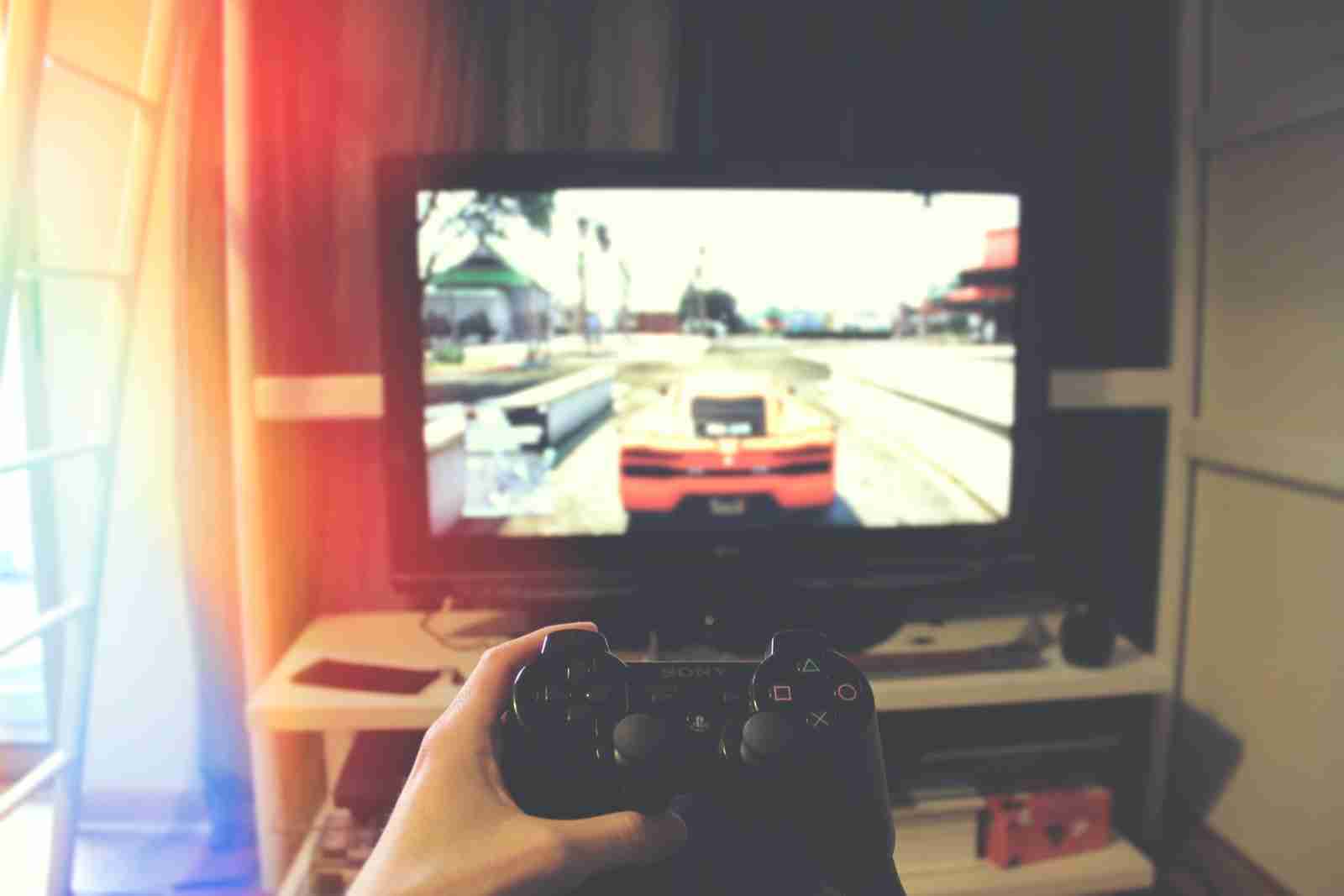
Let’s take a moment to explore the world of game-playing kids and their uncanny ability to navigate complex situations with remarkable ease. Picture this: a group of kids gathered around a screen, faces illuminated by the vibrant colors of a digital realm, deep in concentration while they take on mythical monsters or solve intricate puzzles. From the outside, it might seem like merely harmless fun. But take a closer look, and you’ll realize that these kids are undergoing a phenomenon often referred to as gamification.
In essence, gamification is about integrating game design elements into non-game environments to enhance engagement and enjoyment. So when kids engage in gaming, they aren’t just passing the time; they’re honing skills that are increasingly valuable in our fast-paced world. Consider all that’s happening when they face those daunting challenges on-screen. They’re strategizing, problem-solving, and learning to adapt quickly to ever-changing scenarios. Each respawn, each enigmatic quest, acts as a mini training session in resilience and adaptability.
Now, contrast this with traditional play. While there’s merit in the great outdoors—climbing trees and playing tag—it often doesn’t demand the quick decision-making skills that video games can cultivate. In these virtual worlds, kids must think on their feet, often juggling multiple tasks at once. They thrive in environments where the unexpected is the norm and failure serves not as a dead end but as a springboard for learning. If what you do outside the game doesn’t cut it, back you go into the digital fray!
But it’s not just about the scores and levels; it’s about how these experiences shape them into adaptable thinkers. Imagine a young player who’s taken on the challenge of a multiplayer online game, coordinating with peers from around the globe. Suddenly, they’re not just playing a game; they’re communicating, negotiating, and developing a sense of empathy—skills that will benefit them in relationships and workplaces down the road.
So, as we reflect on these digital adventurers, let’s embrace the lessons of gaming. Rather than dismissing their escapades as mere screen time, we should acknowledge how these experiences might just be molding the next generation of adaptable, resourceful individuals. Who knows? The skills picked up in those pixelated worlds could turn out to be vital in navigating the complex labyrinth of life itself.

Are Game Playing Kids More Adaptable In Complex Situations?
Are Game Playing Kids More Adaptable In Complex Situations?
- Kids are skilled at navigating complex situations while gaming.
- Gamification integrates game design elements to enhance engagement in non-game contexts.
- Gaming helps children develop valuable skills such as strategizing, problem-solving, and quick adaptation.
- Video games require quick decision-making and juggling multiple tasks simultaneously.
- Failure in gaming is viewed as a learning opportunity rather than a dead end.
- Multiplayer online games foster communication, negotiation, and empathy among players.
- Experiences in gaming may help mold a generation of adaptable and resourceful individuals.

Are Game Playing Kids More Adaptable In Complex Situations?
Table Of Contents
- Are Game Playing Kids More Adaptable In Complex Situations?
- Are Game-Playing Kids Better At Problem-Solving Skills?
- How Do Games Enhance Adaptability In Children?
- Do Video Games Improve Decision-Making Abilities?
- Is There A Connection Between Gaming And Social Skills?
- What Types Of Games Are Best For Adaptability?
- Can Gaming Experiences Translate To Real-Life Situations?
- How Do Game Mechanics Influence Critical Thinking?
- Conclusion
- Other Resources
- Glossary Of Terms
- Other Questions
- Haiku
- Poem
- Checklist
Are Game-Playing Kids Better At Problem-Solving Skills?
In a world where screens seem to have taken the throne in the kingdom of play, it’s easy to glance skeptically at kids glued to their game consoles, tablets, or the latest virtual reality headset. But let’s pause for a moment. While many adults may still cling to the notion of “old-fashioned play,” the reality is that today’s games are not merely escapist realms; they can be unparalleled tools for learning and development. Yes, you heard me right—those animated worlds filled with fantastical dragons and epic quests might just be shaping tomorrow’s problem solvers.
Welcome to the age of gamification, where playful strategies meet serious learning. Games are not just designed for entertainment; they offer a unique framework to tackle challenges, develop critical thinking, and foster creativity. When my young nephew—let’s call him Jake—sits down to navigate the intricate landscapes of his favorite role-playing game, he isn’t just mashing buttons randomly. Nope, he’s strategizing, negotiating, and problem-solving. Each quest he embarks on requires planning and execution, a mental gymnastics routine that has tangible benefits in the real world.
Think about it: games present problems to solve, obstacles to navigate, and puzzles that demand innovative thinking. Sure, you can find entertainment value in a good ol’ game of chess or Monopoly, but today’s digital arenas expand those concepts exponentially. They require players to adapt quickly, understand various perspectives, and see the big picture while managing every little variable. These are skills that translate directly into academic and professional settings.
Now, imagine your child enthusiastically tackling a virtual siege, figuring out how to allocate their resources to build defenses while ensuring their characters are well-equipped for battle. This isn’t just child’s play—it’s a master class in resource management, logistics, and teamwork. So, when you hear stories from parents lamenting about the time spent in front of a screen, consider reframing the conversation. Ask yourself, how many life lessons and cognitive skills are being honed in those digital realms?
So, rather than vilifying gaming as a distraction, let’s open our eyes to its potential as a robust learning avenue. Encourage your kids to immerse themselves in these experiences, guide them through the sticky spots, and celebrate their victories—virtual or otherwise! Because at the end of the day, every quest mastered equips them for the journey of life ahead. And who doesn’t want that?

Are Game-Playing Kids Better At Problem-Solving Skills?
Are Game-Playing Kids Better At Problem-Solving Skills?
- Modern games provide more than just entertainment; they serve as valuable tools for learning and development.
- The age of gamification merges playful strategies with serious educational benefits.
- Games encourage critical thinking, problem-solving, and creativity through engaging challenges.
- Players adapt quickly and analyze perspectives, skills applicable in academia and professional environments.
- Through gameplay, children learn resource management, logistics, and teamwork.
- It’s important to reframe the conversation around gaming to recognize its potential for teaching life lessons and skills.
- Encouraging engagement in gaming can prepare kids for real-life challenges and foster their growth.

Are Game-Playing Kids Better At Problem-Solving Skills?
How Do Games Enhance Adaptability In Children?
When you think about the world we live in, change is the only constant. For kids, that reality can be overwhelming. But here’s where games come in—a powerful tool that harnesses the magic of play to instill a sense of adaptability in young minds. Let’s face it: we’ve all watched a child get lost in a game, eyes wide with excitement and focus. And it’s during these moments that kids aren’t just gaming—they’re developing a skill set that’ll serve them well beyond the screen.
Gamification—using game elements in non-game contexts—makes learning feel less like a chore and more like an adventure. Imagine a child navigating a colorful digital world, each challenge designed to test their problem-solving abilities and decision-making skills. The threats are imaginary, the stakes amusingly low, yet the lessons are profound. In these digital realms, kids are faced with myriad choices and are compelled to adapt their strategies based on the outcome of previous decisions. They learn quickly that trial and error is part of the process.
And let’s talk about social interactions. Many games today are designed to be played in collaboration or competition with others. As kids form alliances, negotiate strategies, and face off against their peers, they’re practicing critical communication skills and learning how to adjust their approach based on others’ behaviors. Those virtual interactions mirror real-life friendships and conflicts. When a player doesn’t get the outcome they wanted, it’s a chance to step back, recalibrate their strategy, and try again. This resilience is invaluable.
What’s most captivating is the joy that simmers beneath these educational experiences. Every time a child conquers a level or figures out a puzzle, they’re not just accumulating points; they’re building confidence and learning to adapt. It might sound simple, but that sense of achievement fuels a desire to try new things—a perfect recipe for growth.
In a world that changes faster than we can blink, fostering adaptability is more important than ever. And while it might look like just fun and games, what’s really happening is this: children are crafting their own toolbox of skills, ready to face whatever life throws their way. So, the next time you hear the joyful shouts from the next room, remember—they’re not just playing; they’re preparing. Embrace that—it’s the kind of development worth cheering for.

How Do Games Enhance Adaptability In Children?
How Do Games Enhance Adaptability In Children?
- Change is the only constant in the world, and this reality can be overwhelming for kids.
- Games serve as powerful tools that foster adaptability in young minds through play.
- Gamification transforms learning into an adventure, encouraging problem-solving and decision-making.
- Children learn the importance of trial and error while navigating challenges in games.
- Many games promote social interactions, enhancing communication skills through collaboration or competition.
- Achievements in games build confidence and fuel the desire to explore new challenges.
- Playing games helps children develop a toolbox of skills to face life’s challenges, making play an essential aspect of growth.

How Do Games Enhance Adaptability In Children?
Do Video Games Improve Decision-Making Abilities?
Let’s face it: when I was a kid, the only decision I had to make was whether to ride my bike to the park or walk, and that was about as tough as it got. Fast forward to today, and decision-making has become the name of the game—pun intended. Here’s where video games enter the picture, turning the art of choice into something that can actually sharpen our mental tools, like an old-school craftsman honing his blade.
You might be rolling your eyes, thinking about how your cousin spends hours on the sofa, smashing buttons instead of doing something “productive.” But pause for a moment and consider the incredible potential wrapped within those complex worlds. At their finest, video games incorporate a concept known as *gamification*. This approach turns tasks into engaging, game-like experiences, encouraging players to think critically, strategize, and make quick decisions—all essential elements in life beyond the screen.
While you dodge digital bullets or navigate labyrinthine quests, you’re not just racking up high scores; you’re exercising that decision-making muscle. Every choice matters. Do you build your character for speed, or do you focus on endurance? When confronted with a dragon in a virtual forest, it becomes your responsibility to assess risks and react swiftly. And just like in life, every decision has consequences—some more severe than a slap on the wrist, like losing an entire life in the game.
The brain loves a challenge, and these scenarios are more than just fun; they’re a training ground for neurons that need to respond to dynamic environments. Research suggests that regular gamers may find themselves better equipped to handle real-life decisions, such as resolving conflicts or navigating tricky social situations. You may even notice that you take more calculated risks in your daily life, from professional choices to investment opportunities.
Now, here’s the kicker: you don’t have to be a hardcore gamer to reap these benefits. Casual games designed for decision-making or critical thinking are widely accessible. Whether you prefer strategy puzzles on your phone or a cooperative game with friends, there’s something out there for everyone.
So, the next time someone questions your time spent gaming, remember: it might not just be a pastime—it could very well be sharpening your decision-making skills, one imaginative virtual challenge at a time. Why not give it a shot? Who knows, you might just walk away with a mental toolbox that’s ready for the toughest real-life scenarios.

Do Video Games Improve Decision-Making Abilities?
Do Video Games Improve Decision-Making Abilities?
- Childhood decisions were simple, but modern life involves complex choices.
- Video games are beneficial for sharpening decision-making skills.
- Concept of *gamification* makes tasks engaging and encourages critical thinking.
- Every in-game choice impacts outcomes, training players to assess risks swiftly.
- Research suggests that gamers are often better at handling real-life decisions and social situations.
- Casual games can also enhance decision-making skills, accessible to all players.
- Gaming can be a productive pastime that prepares you for real-life challenges.

Do Video Games Improve Decision-Making Abilities?
Is There A Connection Between Gaming And Social Skills?
Picture this: you’re sitting in a dimly lit room, fingers flying over a controller, heart racing as you navigate through a virtual world. In that moment, it can feel like you’re miles away from the everyday hustle and bustle. But, let’s pause the action for a second. Is there more happening here than just an escape into a fantasy realm? Can this exhilarating experience actually hone our social skills? The answer is a resounding yes—if we look closely.
Let’s talk about gamification. It’s a buzzword that’s been tossed around quite a bit lately. At its core, gamification is about adding game-like elements to everyday tasks to make them more engaging. Now, what if I told you that by diving into games, we’re also strengthening our ability to interact with others? Whether it’s teaming up in a co-op gaming mission, strategizing in a competitive setting, or chatting with fellow gamers in online forums, these interactions create a unique environment for social learning.
Think about it: in multiplayer games, communication is key. You’re not just blasting your way through zombies or racing toward the finish line; you’re also collaborating, sharing strategies, and sometimes, dealing with the occasional disagreement. These scenarios mimic real-life social dynamics, helping you master vital skills like negotiation, empathy, and patience. And let’s face it, we all know that the true mark of a great player isn’t just how fast they can level up, but how well they can work as part of a team.
We also can’t ignore how gaming fosters a sense of community. Online multiplayer games often bring together people from all walks of life. You might team up with someone from across the globe, and through shared quests and virtual victories, real friendships blossom. These connections can translate to off-screen relationships, breaking down barriers between strangers and building a network of support that is more valuable than any loot drop.
So, if you’re a parent, educator, or someone who’s simply intrigued, consider this: gaming isn’t just a pastime. It’s a vibrant platform for building social skills that extend well beyond the screen. Embrace the gamification of life, and you may find that the lessons learned in virtual adventures can lead to deeper, more meaningful connections in the world around you.

Is There A Connection Between Gaming And Social Skills?
Is There A Connection Between Gaming And Social Skills?
- Gaming provides an immersive escape from daily life, offering more than just entertainment.
- Gamification involves adding game-like elements to everyday tasks to enhance engagement.
- Participating in games can strengthen social interaction skills through cooperative and competitive experiences.
- Multiplayer games require effective communication, fostering negotiation, empathy, and patience.
- Online gaming fosters a sense of community, connecting people from diverse backgrounds worldwide.
- Friendships formed in gaming can extend into real-life relationships, creating valuable support networks.
- Engaging in gaming can lead to the development of social skills that enhance real-world connections.

Is There A Connection Between Gaming And Social Skills?
What Types Of Games Are Best For Adaptability?
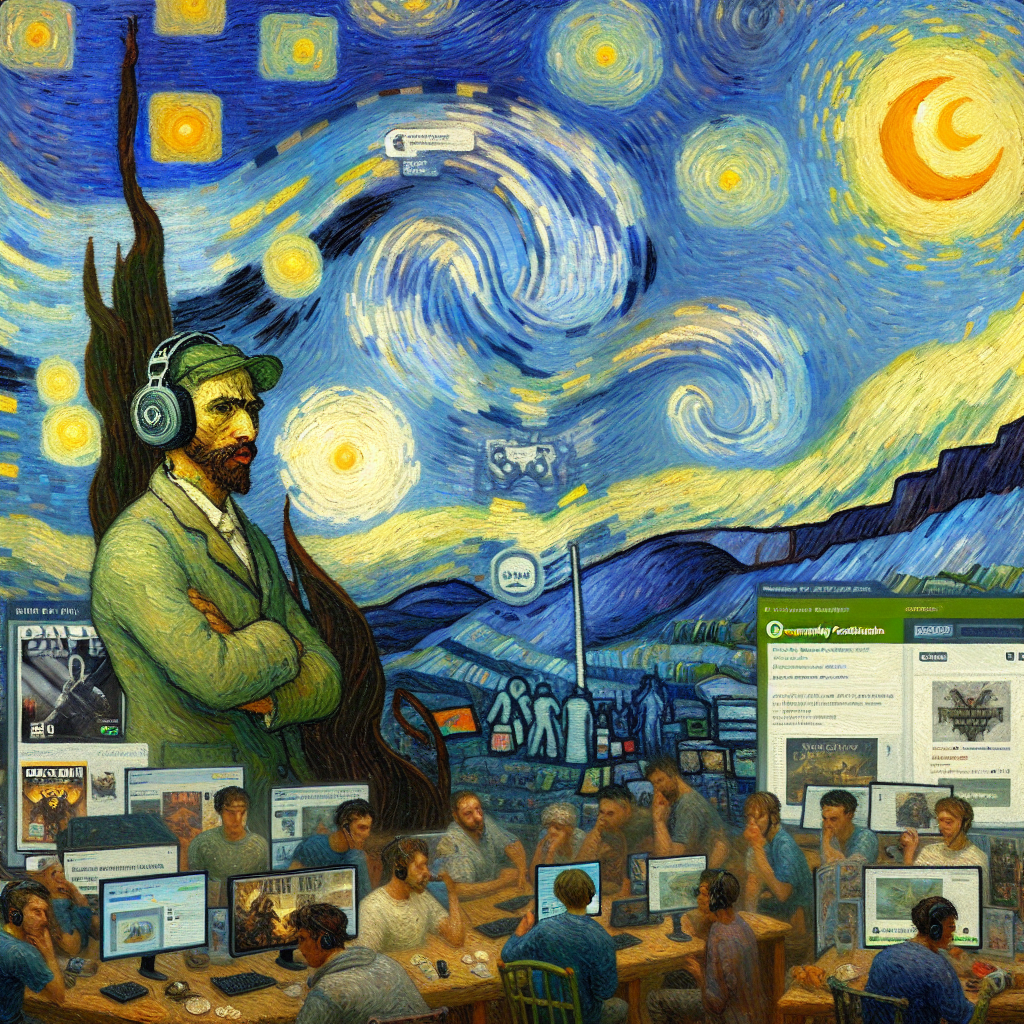
When it comes to adaptability, not all games are created equal. Picture this: You’re sitting at your kitchen table, dice rolling across the surface like life’s unpredictable little surprises. Some games embrace that chaos, showing us that adaptability isn’t just a skill, it’s a way of living—much like trying to assemble an IKEA bookshelf without the instructions. Let’s dive into games that truly champion the art of being flexible and resourceful, shall we?
First up, we have those splendidly varied board games that embrace gamification in its finest form. Think of games like *Catan* or *Carcassonne*, where you’re not just playing against each other; you’re learning to pivot, negotiate, and adjust your strategy based on ever-changing landscapes or shifting alliances. Each turn is a mini-lesson in adaptability, and it encourages players to think on their feet. Suddenly, that friend who always hogs the resources isn’t just annoying—they’re your greatest teacher in figuring out how to navigate obstacles.
Next, there are role-playing games, particularly the tabletop variety. When you dive into worlds like *Dungeons & Dragons*, you’re stepping into a realm where every decision matters and every moment can alter your path like a fork in the road. Every player’s choices lead to new adventures, creating an environment rich with unpredictability. You learn quickly that, much like in life, plans might crumble but the spirit of collaboration and quick thinking will always carry you through. You’ll find yourself embracing new roles, making unexpected decisions, and evolving right along with your character.
Let’s not forget the endless potential of digital games. Many video games today incorporate gamification elements that promote flexibility. Perhaps you start with a straightforward mission, but soon, you’re faced with moral dilemmas or changing terrains that require immediate adaptation. Games like *The Last of Us* or *Portal* teach players to analyze, adapt, and overcome challenges in real-time—with every move reiterating the importance of resilience.
The best games for adaptability don’t just challenge your intellect; they illuminate your capacity to bend without breaking. They remind us that while we may not always be prepared for what lies ahead, we can always learn to adjust, pivot, and push through, one roll of the dice, or one side-quest at a time. So gather your friends, dust off that game board, and take on the challenge of adaptability together—because, in the game of life, flexibility is everything.

What Types Of Games Are Best For Adaptability?
What Types Of Games Are Best For Adaptability?
- Not all games cultivate adaptability; some embrace chaos and unpredictability.
- Games like *Catan* and *Carcassonne* teach players to pivot, negotiate, and strategize in evolving circumstances.
- Tabletop role-playing games, notably *Dungeons & Dragons*, emphasize the significance of player choices and collaboration.
- Digital games, including *The Last of Us* and *Portal*, integrate gamification elements that challenge players to adapt to new situations.
- The best adaptability-focused games enhance intellectual challenge and showcase the ability to adjust and recover from setbacks.
- Engaging in these games fosters resilience and the ability to embrace change in both gameplay and life scenarios.
- Gather friends and challenge yourselves to enhance adaptability, as flexibility is key in the game of life.
What Types Of Games Are Best For Adaptability?
Can Gaming Experiences Translate To Real-Life Situations?
Picture this: you’re deep in the throes of an epic fantasy game, sword in hand, battling fierce dragons and rescuing damsels in distress. The adrenaline is pumping, the stakes are high, and you can practically taste victory. Now, hold that thought, because there’s more to these gaming escapades than just pixelated adventures. Believe it or not, elements of your gaming experience may very well translate into real-life situations, thanks to a fascinating phenomenon known as gamification.
Gamification involves applying game mechanics and design principles to non-game contexts, be it in education, workplace environments, or even social interactions. It’s like taking the thrill of conquering a level and applying that same engaging spirit to everyday tasks. Think about it—many of us use apps that reward us for exercising, learning new skills, or even just drinking enough water each day. These achievements, no matter how small, cultivate a sense of accomplishment and motivation that keeps us coming back for more. Now, imagine harnessing that inner drive in your day-to-day life.
For many, gaming isn’t just a way to pass the time; it’s a training ground for essential life skills. Strategic thinking is honed as you devise ways to outsmart your opponents, while teamwork echoes in those nail-biting moments you share with fellow players to vanquish a common foe. Those rapid decision-making skills you’ve polished at the helm of a virtual spaceship can easily find their way to a workplace setting, particularly under high-pressure situations. Remember that feeling of urgency when you’re making split-second game choices? That’s real-life training right there.
Moreover, gamification fosters resilience. In gaming, every setback is merely an opportunity to level up. When you apply this mindset to real life, the failures that once seemed daunting transform into stepping stones toward success. Imagine tackling challenges with the same grit you bring to your gaming sessions, turning obstacles into just another quest to complete.
So next time you slip into that gaming chair, remember: you’re not just pressing buttons or collecting loot. You’re building skills, cultivating resilience, and preparing yourself for the unpredictable nature of life. The lessons learned in the virtual world can ignite a spark in the real one. Embrace that potential, and let those gaming experiences guide you through life’s intricate labyrinth.

Can Gaming Experiences Translate To Real-Life Situations?
Can Gaming Experiences Translate To Real-Life Situations?
- Gaming experiences, particularly in fantasy settings, can enhance real-life skills.
- Gamification applies game mechanics to non-game contexts like education and workplaces.
- Using apps to track achievements can boost motivation and a sense of accomplishment.
- Gaming develops strategic thinking and teamwork skills essential for real-life situations.
- Rapid decision-making in games translates to effective performance under pressure.
- Gamification fosters a mindset where setbacks become opportunities for growth.
- Lessons learned in gaming can prepare individuals for real-life challenges and resilience.

Can Gaming Experiences Translate To Real-Life Situations?
How Do Game Mechanics Influence Critical Thinking?
Ever notice how simply playing a game can turn you into a problem-solving ninja? That’s not just luck; it’s the magic of game mechanics. Games, whether they’re digital or board-based, utilize elements of gamification—those catchy hooks and engaging challenges designed to keep you hooked. But they do much more than just entertain; they serve a purpose. They invite us to think critically and tackle problems head-on.
Imagine you’re deep into a strategy game. You’ve got your resources in one hand and your enemies at your door. Each decision leads to a consequence—do you fortify your defenses or push forward? This constant weighing of options naturally cultivates critical thinking skills. You become adept at analyzing situations, assessing risks, and anticipating future scenarios. It’s fascinating! The beauty of game mechanics lies in their ability to simulate real-life scenarios where decisions matter.
But hang on, it doesn’t stop there. Think about working through a puzzle or a platformer where you have to figure out how to progress. Every level requires you to devise a new strategy, to think outside the box. That moment when you finally crack the code and move forward? Pure gold! Every success, every failure, teaches a lesson, nudging you to refine those thought processes. The same principles apply whether you’re in a boardroom discussing a project or navigating the complexities of everyday life.
Gamification is like a gym for your brain. It pushes you to exercise your cognitive skills, improving both your analytical thinking and your creativity. This means when you face challenges outside of gaming—at work, in relationships, or even personal dilemmas—you’re equipped with sharper tools. You walk into conversations armed with a better understanding of cause and effect, making you more confident and decisive.
So, the next time you find yourself lost in a game, remember, it’s not just a pastime; it’s a training ground for your mind. Embrace the challenge, relish the setbacks, and celebrate the victories. Those game mechanics aren’t just for fun—they’re building you into a more critical thinker, ready to tackle the world one thoughtful choice at a time. Go on, dive in! Your brain will thank you later.

How Do Game Mechanics Influence Critical Thinking?
How Do Game Mechanics Influence Critical Thinking?
- Playing games enhances problem-solving skills through engaging challenges and gamification elements.
- Strategy games require critical thinking as players analyze options and anticipate consequences.
- Game mechanics simulate real-life decision-making scenarios, sharpening analytical skills.
- Puzzles and platformers encourage creative thinking by requiring players to devise new strategies.
- Successes and failures in games provide valuable lessons that apply to real-life situations.
- Gamification acts as a cognitive workout, enhancing both analytical thinking and creativity.
- Engaging in games equips players with useful skills for handling challenges in work, relationships, and daily dilemmas.

How Do Game Mechanics Influence Critical Thinking?
Conclusion
Alright folks, let’s wrap this up with a little clarity on what we’ve just explored in the fascinating realm of gaming and its profound impact on our kids. If you think indulging in video games is just about saving princesses or blowing up pixelated aliens, think again. These activities are packing more juice for personal development than we often give them credit for.
Imagine your child, glued to a screen, battling fierce monsters or solving perplexing puzzles. At first glance, it may seem like frivolous entertainment. But beneath that glow lies crucial mental conditioning. Gamification—yes, that buzzword—doesn’t just jazz up mundane tasks; it transforms them into epic quests for young minds. While most of us remember lets say, “climbing trees” or “playing tag,” today’s children are facing challenges that build strategic thinking and adaptability right on their game consoles.
The beauty of gaming is that it invites trial and error like no other. Each respawn is a lesson in resilience; every lost battle teaches them something they’ll carry into the real world. And let’s not overlook the social fabric that gaming weaves. Kids aren’t just sitting in isolation; they’re collaborating, negotiating, and sometimes even resolving conflicts—all incredibly valuable skills in relationships and the workplace.
From Minecraft to Dungeons & Dragons, certain games are masterclasses in adaptability and critical thinking. They compel players to continually re-assess strategies as the game evolves, nurturing a mindset that views challenges as opportunities. And here’s a kicker: these skills translate to real-life scenarios faster than you can say “level up.” The strategic thinking developed while maneuvering through digital landscapes can directly influence your child’s decision-making abilities in academics, sports, or even family drama.
So the next time you hear an adult grumble about “too much screen time,” flip the script. Ask yourself: What if those hours spent in front of the screen are more than mere entertainment? What if they’re being equipped with a toolkit of adaptability, creativity, and critical thinking skills that prepare them for life? As it turns out, those gaming escapades might just be laying the foundation for future innovators, problem solvers, and adaptable individuals ready to tackle whatever the world throws their way. Cheers to gaming—may it always be more than just a game!

Conclusion
Conclusion:
- Video games contribute significantly to personal development beyond mere entertainment.
- Online gaming promotes crucial mental conditioning, enhancing strategic thinking and adaptability.
- Gaming encourages trial and error, teaching resilience through lessons learned from failures.
- Social skills such as collaboration, negotiation, and conflict resolution are developed through gaming.
- Games like Minecraft and Dungeons & Dragons teach adaptability and critical thinking in evolving scenarios.
- The skills acquired through gaming can positively impact decision-making in academics and real-life situations.
- Gaming is more than just leisure; it equips children with valuable tools for future challenges.

Conclusion
Other Resources

Other Resources
Here is a list of other resources you can review online to learn more:
- Kemet
- Mage Knight Board Game
- 2F-Spiele
- Hearts
- Level 99 Games
- Paizo Publishing
- EverythingBoardGames.com
- Nemesis
- Great Western Trail
Use This Prompt To Get More Resources With Your Favorite Online AI Tool: Please provide me with a list of online articles with their URLs in a bulleted list that I can read regarding Are Game Playing Kids More Adaptable In Complex Situations?

Other Resources
Glossary Terms
Are Game Playing Kids More Adaptable In Complex Situations? – Glossary Of Terms
1. Adaptability: The ability to adjust to new conditions and respond effectively to changes or challenges.
2. Cognitive Flexibility: The mental ability to switch between thinking about different concepts or to think about multiple concepts simultaneously.
3. Problem-Solving: The process of finding solutions to difficult or complex issues, often emphasized in gameplay.
4. Critical Thinking: The objective analysis and evaluation of an issue to form a judgment, enhanced through strategic gameplay.
5. Multitasking: The ability to handle multiple tasks or activities simultaneously, often required in dynamic game environments.
6. Social Skills: Abilities that allow individuals to interact effectively with others, which can be fostered through multiplayer games.
7. Teamwork: Collaborative efforts by a group to achieve common goals, frequently necessary in cooperative gaming scenarios.
8. Resilience: The capacity to recover quickly from difficulties, a skill that can be strengthened through overcoming challenges in games.
9. Strategic Thinking: The ability to plan and execute strategies to achieve specific goals, commonly practiced in strategy games.
10. Emotional Regulation: The ability to manage and respond to emotional experiences, which may be developed through game stressors.
11. Spatial Awareness: Understanding the relationships between objects in a given space, often enhanced through spatial gameplay.
12. Resource Management: The skill of efficiently allocating resources for maximum benefit, crucial in many gaming scenarios.
13. Decision-Making: The process of making choices, often under pressure, as seen in time-sensitive game situations.
14. Simulation: A method that replicates real-world scenarios, providing practice for handling complex situations in a safe environment.
15. Engagement: The state of being involved and immersed, which can lead to learning and adaptability in gaming contexts.
16. Learning Curve: The rate at which a person learns new information or skills, influenced by game complexity and engagement.
17. Feedback Loop: The process of receiving feedback and using it to improve performance, commonly utilized in gaming environments.
18. Creativity: The ability to generate innovative ideas or solutions, often encouraged in open-ended or sandbox games.
19. Risk Assessment: Evaluating potential risks and outcomes, a common strategy in many game-based scenarios.
20. Goal Setting: The process of identifying specific objectives to achieve, which is intrinsic to most gameplay structures.
21. Attention Span: The length of time an individual can focus on a task, which might be impacted by gameplay habits.
22. Collaboration: Working jointly with others, especially emphasized in team-based games promoting group cohesion.
23. Adaptation Strategies: Techniques employed to change behavior or perspective in response to new challenges or environments.
24. Virtual Reality (VR): An immersive technology that simulates real-world scenarios, providing unique adaptability training experiences.
25. Game Mechanics: The rules and systems that govern how a game operates, which can shape players’ problem-solving strategies.
26. Narrative Skills: The ability to understand and create stories, often enhanced through narrative-driven gaming experiences.
27. Reflexes: The automatic response to stimuli, developed through fast-paced gaming situations requiring quick reactions.
28. Attention to Detail: The capacity to notice and consider small elements, which can be crucial in complex gaming scenarios.
29. Metacognition: Awareness and understanding of one’s thought processes, which can be honed through strategic gameplay.
30. Play-Based Learning: An educational approach that uses play to facilitate learning and development, inspired by game-like interactions.

Glossary Of Terms
Other Questions
Are Game Playing Kids More Adaptable In Complex Situations? – Other Questions
If you wish to explore and discover more, consider looking for answers to these questions:
- What specific skills are developed through gaming?
- How do parents perceive the impact of gaming on children’s adaptability?
- Are there studies that support the claims about gaming and adaptability?
- What age groups benefit the most from gaming in terms of adaptability?
- How can parents encourage productive gaming habits in their children?
- Are there particular genres of games that promote adaptability more than others?
- How do online multiplayer games differ from single-player games in fostering social skills?
- What are the potential drawbacks of gaming on children’s development?
- How do gaming experiences translate to academic performance?
- What role do educational games play in developing adaptability in children?

Other Questions
Haiku
Are Game Playing Kids More Adaptable In Complex Situations? – A Haiku
Games ignite the mind,
Teaching kids to adapt well—
Life’s quests in pixels.

Haiku
Poem
Are Game Playing Kids More Adaptable In Complex Situations? – A Poem
In rooms aglow with vibrant light,
Children gather, hearts take flight,
With screens ablaze, they face their fate,
In realms of magic, they create.
Each pixel, a puzzle; each quest, a trial,
Through dragons’ lairs, they deftly smile,
With every respawn, the lessons flow,
Resilience blooms where adaption grows.
Not mere distractions, these games unfold,
Skill upon skill, as their stories told,
Strategic minds in a chaotic dance,
Decision-making forged through chance.
In co-op battles and friendly strife,
They build connections, they learn of life,
Negotiation, patience—each victory won,
In this vibrant world, their growth’s begun.
Catan’s board or D&D’s tale,
A journey of twists where they prevail,
From resource wrangling to alliance reigns,
The spirit of play, the heart it gains.
Gamified lessons, in life’s grand scheme,
Turn failures to stepping stones—like a dream,
Every loss a chance for wisdom to find,
In digital realms, they hone their mind.
So cheer for the gamers, these architects bright,
For honing adaptability is a wondrous sight.
In the labyrinth of life, they’ll navigate wise,
Crafting their futures, reaching for the skies.

Poem
Checklist
Are Game Playing Kids More Adaptable In Complex Situations? – A Checklist
1. Recognize Gamification:
_____ Understand how gamification enhances learning and engagement.
_____ Explore games that integrate elements of strategy, problem-solving, and adaptability.
2. Encourage Problem-Solving:
_____ Select games that present challenges requiring planning and execution.
_____ Discuss with your kids how they approached solving problems within the game.
3. Promote Quick Decision-Making:
_____ Introduce fast-paced games that require players to make swift decisions.
_____ Reflect on decisions made in games and their outcomes to analyze critical thinking.
4. Foster Resilience:
_____ Emphasize that failure in games is part of the learning process.
_____ Share stories of resilience from games that can translate into real-life experiences.
5. Support Social Skills Development:
_____ Engage in multiplayer games to build teamwork and communication skills.
_____ Encourage discussions about interactions during gameplay and their relevance to real-life social dynamics.
6. Highlight the Importance of Adaptability:
_____ Choose games that require players to adapt strategies based on changing circumstances.
_____ Encourage kids to reflect on times they had to change their approach while playing.
7. Translate Skills to Real Life:
_____ Discuss how skills gained from gaming can be applied in everyday situations, such as school and friendships.
_____ Explore projects or tasks that could benefit from the strategic thinking learned in games.
8. Explore Various Game Types:
_____ Experiment with board games (e. g. , Catan, Carcassonne) and role-playing games (e. g. , Dungeons & Dragons) to build adaptability skills.
_____ Try digital games that challenge players to think critically and creatively while progressing.
9. Celebrate Virtual Achievements:
_____ Acknowledge your child’s gaming victories and discuss the lessons they learned.
_____ Use game milestones as an opportunity to boost confidence and motivation.
10. Balance Gaming with Outdoor Play:
_____ Encourage a healthy balance of screen time and physical activity to ensure well-rounded development.
_____ Explore outdoor games that foster similar skills of adaptability and teamwork.
By utilizing this checklist, parents and educators can effectively leverage gaming as a tool for developing adaptability in kids, preparing them for the complexities of life.

Checklist
At HowDoYouGame, we help people who love board games by collating information and news about games.
Be sure to read our other related stories at HowDoYouGame to learn more about games.