Unlocking The Gaming Revolution: The Power Of Gen Z UGC
By Tom Seest
At HowDoYouGame, we help people who love board games by collating information and news about games.
Be sure to read our other related stories at HowDoYouGame to learn more about games.
How Gen Z Turned UGC Into the Core Of Modern Gaming Culture
In the digital landscape where creativity gives rise to community, Gen Z has taken the reins of user-generated content (UGC) and woven it tightly into the fabric of modern gaming culture. Imagine the thrill of gaming not just as a solitary pursuit but as a vibrant, collective experience. These young trailblazers have shifted the paradigm, transforming what was once a niche hobby into an epic tapestry of shared narratives and collaborative adventure.
Consider the heart of gaming—the connections we forge. Gen Z players don’t just play games; they inhabit them, investing time and emotion into the stories they help create. From fan-made mods that enhance beloved titles to original characters that breathe new life into established franchises, community-driven creativity has turned gaming into a mosaic where every piece adds depth and richness. Picture a young gamer, pouring weeks into a fan project, only for it to explode online. The joy isn’t merely in creating; it lies in the camaraderie that blooms, as likes and shares ripple through a shared digital backyard.
Now, let’s engage the head. The rational mind recognizes that UGC fuels innovation. Game developers are not solely responsible for the evolution of titles; rather, it’s this interactive dialogue with players that leads to groundbreaking ideas. Statistical evidence supports the notion that involvement in online communities can enhance problem-solving skills and creativity—qualities essential in today’s fast-paced job market. Gen Z understands this, carving out resumes rich with experiences shaped by collaboration and mutual respect, courtesy of a gaming community that’s more akin to a workshop than a mere playground.
Ethically, the practice of encouraging UGC fosters a sense of ownership. Gen Z champions the idea of inclusivity and representation, making the gaming sphere a place where voices are amplified rather than drowned out. They wield their influence responsibly, creating spaces that invite diverse perspectives.
Ultimately, this cultural shift is not just about games; it’s about connection. UGC isn’t merely a trend; it’s a catalyst for relationships that span continents, fostering understanding through shared experiences. When you pick up a controller today, you’re not just playing; you’re joining an army of passionate creators and dreamers. And as you stand shoulder to shoulder with fellow gamers, you realize that this is more than a game. It’s a movement—a revolution ignited by the power of collaboration that invites everyone to join in and create their narrative.

How Gen Z Turned UGC Into the Core Of Modern Gaming Culture
How Gen Z Turned UGC Into the Core Of Modern Gaming Culture
- Gen Z has revolutionized user-generated content (UGC) in gaming, integrating it deeply into modern gaming culture.
- Gaming is viewed as a collective experience, transforming it from a solitary hobby into a vibrant community activity.
- Players invest emotionally in games, contributing to shared narratives and enhancing established franchises through fan-made mods and original characters.
- UGC fuels innovation, as game evolution stems from interaction between developers and the gaming community.
- Participation in online gaming communities fosters problem-solving skills and creativity, which are valuable in the job market.
- Gen Z promotes inclusivity and representation within gaming, creating platforms that amplify diverse voices.
- UGC serves as a catalyst for global relationships, making gaming a movement centered around collaboration and shared experiences.

How Gen Z Turned UGC Into the Core Of Modern Gaming Culture
Table Of Contents
- How Gen Z Turned UGC Into the Core Of Modern Gaming Culture
- What Motivates Gen Z to Create and Share Their Gaming Experiences?
- How Does User-Generated Content Shape Gaming Identities Today?
- In What Ways Does UGC Foster Community Among Gen Z Gamers?
- Can UGC In Gaming Enhance Emotional Connections with Narratives?
- What Role Does Authority Play In the Validation Of UGC Among Gamers?
- How Does UGC Reflect the Ethical Dimensions Of Gaming Culture?
- Why Do Gamers Trust Peers More Than Traditional Media In Gaming?
- Conclusion
- Other Resources
- Glossary Of Terms
- Other Questions
- Haiku
- Poem
- Checklist
What Motivates Gen Z to Create and Share Their Gaming Experiences?
Gaming isn’t just a pastime for Gen Z; it’s a kaleidoscope of identity, creativity, and community. At its heart, gaming offers a sanctuary where personal expression thrives. Many young players don’t merely engage with games—they craft their own narratives, creating stories that speak to their unique experiences. This process becomes not just a form of leisure, but a powerful outlet for their emotions, turning virtual landscapes into reflections of their own lives.
When they stream a gaming session or post highlights on social media, they’re not just sharing gameplay; they’re inviting the world into their experiences. Each twitch of the controller or laugh over a shared defeat is a thread that connects them to friends and strangers alike. In a world often filled with isolation, these shared moments serve as essential lifelines, forging bonds through a mutual passion for adventure, competition, and fun. The thrill of receiving a thumbs-up or a “follower” notification is a shot of validation that resonates deeply, making the digital community feel like an extension of their real lives.
There’s also an ethical component at play. Gen Z is navigating a landscape filled with social issues, and they’re showing up in the gaming world eager to shine a light on these challenges. They express their beliefs through the games they choose to play and share, creating a platform for discussions that matter to them. This creates a sense of responsibility; they are not just players but advocates for change, utilizing their passion to influence others.
On a rational level, the appeal of gaming lies in its accessibility and scope. With technology in their pockets, they can dive into countless gaming worlds at a moment’s notice. This democratization fuels their creativity, allowing budding developers and storytellers to explore, connect, and grow without the limitations that previous generations faced.
The stories that emerge from these games aren’t confined to their screens—they ripple out into their friendships, families, and the wider world. By sharing their gaming experiences, Gen Z doesn’t just play games; they cultivate a culture that emphasizes inclusivity and connection. Together, they’re shaping not just how we play, but how we perceive ourselves and each other. It’s a movement fueled by creativity, authenticity, and an undeniable sense of belonging.

What Motivates Gen Z to Create and Share Their Gaming Experiences?
What Motivates Gen Z to Create and Share Their Gaming Experiences?
- Gaming for Gen Z is a multifaceted expression of identity, creativity, and community.
- Young players often craft their own narratives in games, reflecting their personal experiences.
- Sharing gameplay on social media fosters connections with friends and strangers, mitigating feelings of isolation.
- These shared gaming moments serve as essential lifelines and strengthen bonds through a community of mutual interests.
- Gen Z uses gaming to highlight social issues and advocate for change, making it a platform for meaningful discussions.
- The accessibility of gaming technology allows for creative exploration without previous generational limitations.
- As they share their gaming experiences, Gen Z promotes a culture of inclusivity and connection, shaping perceptions of identity and community.

What Motivates Gen Z to Create and Share Their Gaming Experiences?
How Does User-Generated Content Shape Gaming Identities Today?
In an era where every click and cursor stroke can manifest a new reality, user-generated content (UGC) has become the lifeblood of gaming culture. It’s not just about leveling up or acquiring rare items; it’s about crafting identities and embracing creativity. When players contribute their own designs, narratives, and experiences to the games they love, they’re not just participating—they’re shaping the very essence of those digital worlds. This collaborative spirit invites each gamer into a broader conversation, where creativity flows and collective identity blossoms.
Imagine a young gamer, fingers poised over the keyboard, hearts racing as they design a custom character that embodies their dreams or struggles. This is no mere pixelated avatar; it’s a reflection of their inner self, an act of defiance against the mainstream norms. Games are transformed into canvases where each brushstroke—the player’s own inspirations, anecdotes, or dreams—duplicates in countless variations, allowing for an astounding level of personal investment. UGC not only enhances engagement but also deepens connection; one player’s heartfelt tale may resonate with another, igniting friendships that transcend the boundaries of screens.
Now let’s engage the rational mind. The data shows that games incorporating user-generated content often see longer retention rates. Developers recognize this and understand that by empowering gamers, they foster an environment where creativity thrives. This symbiotic relationship enhances not only the gameplay but also the overall community. It’s a reflection of a shared ethos—celebrating each player’s journey while learning from one another. UGC fuels an arena where both novice and expert gamers can draw from their experiences, cultivating skills and knowledge that are transferable beyond the console.
On the ethical front, by promoting user-generated content, developers create spaces that embrace diversity and representation. Voices that might otherwise go unheard find a platform where they can flourish, challenging stereotypes and sparking meaningful discussions. This actively shapes a gaming culture that champions inclusivity, turning pixels into activism.
Ultimately, gaming identities today are more than what appears on the surface. They’re woven into the fabric of our digital lives—messy, vibrant, and complex. In this tapestry of cooperation and creation, we see ourselves represented, understand our narratives, and bond with fellow gamers. It’s a call to action—embrace the creative spirit within, share your voice, and together let’s carve out a gaming landscape that reflects our authentic selves.

How Does User-Generated Content Shape Gaming Identities Today?
How Does User-Generated Content Shape Gaming Identities Today?
- User-generated content (UGC) is essential to modern gaming culture, influencing player identity and creativity.
- Players contribute designs and narratives, actively shaping the digital worlds they engage with.
- Custom character creation serves as a personal expression of dreams and struggles, enhancing emotional investment.
- UGC fosters connections among players, with shared stories creating friendships beyond the gaming experience.
- Games with UGC feature longer retention rates, benefitting developers and enhancing community engagement.
- Promoting UGC encourages diversity and representation, allowing marginalized voices to challenge stereotypes.
- Gaming identities are complex and intertwined, reflecting individual narratives and promoting a collaborative environment.

How Does User-Generated Content Shape Gaming Identities Today?
In What Ways Does UGC Foster Community Among Gen Z Gamers?
In what ways does User-Generated Content (UGC) foster community among Gen Z gamers? It’s as if the digital realm transforms into a living tapestry where every player can weave their own story. Imagine the scenarios taking shape—players from all corners of the globe, uniting through a shared passion for games that aren’t just played but crafted together. When a teenager shares a game mod, or an original character design, they aren’t just posting content; they’re inviting others into their world.
This journey begins with hearts wide open. For Generation Z, gaming isn’t simply an escape; it’s an expression of their experiences, fears, and triumphs. Each piece of user-generated content becomes a touchpoint—a spark that ignites conversations over shared interests. When a gamer creates a narrative that resonates, they forge connections that transcend geographical boundaries, allowing individuals to feel seen, heard, and understood. The emotional bond formed in these digital spaces fosters a sense of belonging that is so vital, especially during those formative years.
Rationally, the impact of UGC is undeniable. The gameplay mechanics, strategies, and even the art associated with it are often crowd-sourced, leading to richer experiences. Gamers learn from these shared insights and adapt their own playing styles. This collaborative effort creates a culture of improvement—players naturally elevate one another. So, engaging with UGC isn’t only about individual expression; it’s about evolving together as a community.
Ethically, UGC encourages inclusivity. When players from diverse backgrounds contribute their unique perspectives, the gaming landscape becomes a melting pot of creativity. This collaborative environment promotes respect and understanding, nurturing empathy in a generation that craves authenticity and genuine connection. It’s a poignant reminder that we’re all in this together.
Through authoritative voices, whether they be seasoned players or passionate newcomers, we see a community built on trust. Established gamers mentor newcomers, sharing insider tips and life lessons, ensuring a culture of support that champions growth and resilience rather than competition alone.
As you dive into the world of UGC, remember: every time you contribute or partake, you’re adding to a vibrant community that values your input just as much as your playtime. So, whether you’re pouring your imagination into a new skin or collaborating on a storyline, you’re not just playing a game; you’re joining a community—a family—created by and for gamers like yourself. Embrace that power, and let your voice be heard, for in the pixels of the game, new connections await.

In What Ways Does UGC Foster Community Among Gen Z Gamers?
In What Ways Does UGC Foster Community Among Gen Z Gamers?
- User-Generated Content (UGC) creates a community among Gen Z gamers by allowing players to share their unique stories and experiences.
- Sharing game modifications or original designs invites others into individual gaming worlds and fosters collaborative creativity.
- For Gen Z, gaming serves as a form of self-expression, helping them connect emotionally through shared narratives and interests.
- UGC enhances gameplay experiences by crowd-sourcing strategies and mechanics, promoting a culture of collective improvement.
- Diverse contributions to UGC create an inclusive gaming landscape, fostering respect, understanding, and empathy among players.
- Established gamers mentor newcomers, building a culture of trust, support, and resilience in the community.
- Engaging with UGC allows players to feel valued and connected within a vibrant community, emphasizing the importance of collaboration and creativity.

In What Ways Does UGC Foster Community Among Gen Z Gamers?
Can UGC In Gaming Enhance Emotional Connections with Narratives?
In the evolving landscape of gaming, user-generated content (UGC) isn’t just a trend—it’s a revolution that taps into the very essence of what makes us human. Picture a world where players take the reins and craft narratives that resonate deeply, pulling on the heartstrings of those who dare to immerse themselves. Games are not merely escapist fantasies; they can transform into powerful vessels of connection through the stories we create together.
Think about it: a player uploads a heartfelt story about loss or triumph borne from personal experience, and suddenly, others find a piece of their own lives reflected in it. This rich tapestry of shared experiences fosters a community, knitting together individuals who might never have crossed paths otherwise. It’s an emotional bridge, a narrative of empathy that gives voice to the voiceless and validates our shared struggles. Each crafted tale becomes a reminder that, behind the screens and avatars, we’re all human.
On a rational level, the numbers speak for themselves. Studies indicate that players engage more profoundly with content crafted by fellow gamers. Why? It’s simple: authenticity. When gamers see their peers’ creations—their passion and creativity—they feel a kinship that can be lacking in polished, commercial narratives. That connection drives them to not only participate but to share and shape each other’s stories. This participatory ethos transforms gaming from a solitary pastime into a collective endeavor, reinforcing social bonds that can last a lifetime.
Yet, we must tread carefully. With the immense power of UGC comes ethical responsibility. Creators must navigate their narratives with sensitivity and respect. By advocating for inclusive and diverse stories, we enhance our collective gaming experience, ensuring that everyone feels seen and heard. It’s a moral imperative for a gaming community that aspires to be more than just another entertainment medium.
UGC in gaming isn’t just about user contributions—it’s about human connections. It’s an invitation to look beyond the screen, to engage and foster trust in a community ripe with potential. Every game is a canvas, and every player is an artist, free to paint their stories in vibrant colors. So, let’s embrace this collaborative spirit and use our games not just to play, but to connect in ways that are real, profound, and lasting. Together, we can ignite joy and understanding, creating a heartfelt legacy within the digital realm where every player’s voice matters.

Can UGC In Gaming Enhance Emotional Connections with Narratives?
Can UGC In Gaming Enhance Emotional Connections with Narratives?
- User-generated content (UGC) in gaming represents a revolutionary shift, engaging players in storytelling.
- Players craft narratives that resonate emotionally, creating meaningful connections through shared experiences.
- Heartfelt stories from players reflect personal experiences, fostering community and empathy.
- Authenticity in UGC enhances player engagement, promoting a sense of kinship among gamers.
- Participatory storytelling transforms gaming from a solitary activity into a collective endeavor.
- Ethical responsibilities exist for creators to navigate narratives sensitively and inclusively.
- UGC in gaming fosters trust and strong community bonds, inviting players to connect and collaborate meaningfully.

Can UGC In Gaming Enhance Emotional Connections with Narratives?
What Role Does Authority Play In the Validation Of UGC Among Gamers?
In the vast and vibrant world of gaming, where millions come together to share experiences, authority plays an undeniable role in the validation of User-Generated Content (UGC). Picture this: you’re exploring a new game, and there, in the collaborative chaos, are pieces of content crafted by fellow gamers. Some shine with creativity while others resonate with genuine advice. But how do you know which bits are golden and which are lead? That’s where authority steps in.
When you see a review or a mod hugged by industry stalwarts or revered creators, there’s an immediate boost in credibility. It’s not just about who wrote it; it’s about the trust you feel when a name you recognize stands behind the content. This connection, this ethereal bond we form with influencers or developers, is rooted in shared experiences. You remember the thrill of completing a tough quest or the sweat of a close multiplayer match. Authority becomes less about titles and more about shared journeys, where every recommendation becomes a pathway to new adventures.
Alongside this emotional tether, there’s the rational aspect. Gamers are discerning consumers. When you hear a trusted authority validate a strategy guide or recommend a skin, it triggers something in us—a drive to explore. This isn’t just a whim; it’s a calculated move bolstered by trustworthy insight. The wisdom shared by seasoned players or developers isn’t mere marketing; it’s ethical guidance grounded in passion for the game. It’s a collective wisdom that draws us into deeper layers of engagement, making us feel like part of an exclusive community.
But there’s also a gut instinct at play. We feel compelled to dive into UGC that’s backed by authority because we know the stakes—our precious time and resources. The weight of each decision can impact our gaming experience. So when we see a well-regarded figure give a thumbs-up, it’s as if a trusted friend has offered a hand in a rich, complex maze of possibilities.
Finally, as we all navigate the social landscapes of these games, authority shapes those relationships too. UGC becomes a bridge, inviting us to connect not just with content, but also with each other. The circle of authority is much like the games we cherish: it’s about connection, trust, and the thrill of the next adventure—crafted hand-in-hand with fellow gamers who understand the heart and soul of our shared passion.

What Role Does Authority Play In the Validation Of UGC Among Gamers?
What Role Does Authority Play In the Validation Of UGC Among Gamers?
- Authority significantly influences the validation of User-Generated Content (UGC) in gaming.
- Content credibility boosts when endorsed by industry figures or respected creators.
- Emotional connections with influencers and developers enhance trust in UGC.
- Validated recommendations often lead gamers to explore new content with confidence.
- Seasoned players and developers provide ethical guidance rooted in their passion for gaming.
- Decisions influenced by authority can greatly impact the overall gaming experience.
- Authority fosters relationships within the gaming community, turning UGC into a bridge for connection.

What Role Does Authority Play In the Validation Of UGC Among Gamers?
How Does UGC Reflect the Ethical Dimensions Of Gaming Culture?
In the vibrant landscape of gaming culture, User-Generated Content (UGC) stands as a testament to the creativity and ethical complexity that weaves through our virtual worlds. Games are not just platforms for entertainment; they are shared experiences, formed in part by the countless hands and minds of players who carve out their own expressions and narratives. When we delve into the heart of UGC, we begin to see the little threads that connect us all, transcending individual experiences and building something greater.
Every time a gamer designs a character, creates a new level, or shares a story with others, they engage in a dance of ethics. What does it mean to express your creativity in a space that is, in many ways, communal? It’s a balancing act between personal expression and respect for the broader gaming community. This tension helps shape the moral fabric of our gaming culture, prompting us to consider not just what we can create, but what we should create. Are we lifting each other up or reinforcing harmful stereotypes? The choices we make in these spaces become echoes, reverberating through the hearts and minds of players around the world.
Imagine a player who pours hours into crafting a story that speaks to their personal struggles, only to have that narrative embraced, reshaped, and celebrated by others. It’s in these moments that UGC fosters connections, not just with the game itself, but with a wider audience that thrives on empathy and shared experience. It’s not merely about pixels on a screen—it’s about forging a community that understands the depth of our individual journeys, where creativity transforms into a powerful tool for dialogue and understanding.
As the community thrives on UGC, we, too, have a responsibility. We become stewards of this culture, tasked with fostering safe and inclusive environments where every voice can resonate. Our participation and encouragement can inspire others to step forward, to share their stories, and to uplift one another in an industry that, while sometimes shadowed by toxicity, also shines with spectacular acts of kindness and creativity.
Ultimately, UGC pushes us to be better—to think critically about our contributions and to strive for a gaming culture that reflects our highest ethical standards. By engaging with UGC thoughtfully, we can cultivate a landscape where games become a canvas for collaboration, healing, and collective growth. Let’s embrace the art of creation, not just for ourselves, but for each other.

How Does UGC Reflect the Ethical Dimensions Of Gaming Culture?
How Does UGC Reflect the Ethical Dimensions Of Gaming Culture?
- User-Generated Content (UGC) represents creativity and ethical complexities in gaming culture.
- Games are shared experiences shaped by players’ expressions and narratives.
- Engaging in UGC involves a balance between personal creativity and respect for the gaming community.
- The ethical choices in UGC impact the moral fabric of gaming culture and perceptions amongst players.
- UGC fosters connections, empathy, and understanding through shared narratives and experiences.
- Community responsibility includes creating inclusive environments that uplift diverse voices.
- Thoughtful engagement with UGC encourages collaboration, healing, and ethical growth in gaming.

How Does UGC Reflect the Ethical Dimensions Of Gaming Culture?
Why Do Gamers Trust Peers More Than Traditional Media In Gaming?
In the sprawling universe of games, where pixels turn into avatars and fields of virtual conflict gleam with possibility, the trust gamers place in their peers over traditional media is a phenomenon that runs deep. This instinct makes sense when you consider the very nature of gaming as a shared experience. We rally around consoles and PCs not just to play, but to forge connections, to build camaraderie, and ultimately, to share stories. When one gamer speaks, it echoes through a community that values authenticity over artifice.
Think about it: a review from a fellow gamer—someone who’s faced the same challenges and delights you have—carries weight that a polished press release simply can’t match. It’s the difference between hearing about a game and experiencing it; it’s like reading about a sunrise versus witnessing it together with someone who shares your passion. This narrative fusion creates a sense of belonging, an unspoken bond that reminds us we’re all in this together, navigating quests and crises, and celebrating victories both grand and small.
The ethical underpinnings of this trust stem from the transparency found within peer recommendations. A player will tell you the raw truth: “This game is buggy,” or “This mechanic is a game-changer.” There’s an inherent credibility in those words, a sort of social contract that demands honesty in a space where time, money, and passion intersect. While traditional media often feels like a well-rehearsed monologue from an authority figure perched at a safe distance, gamers appreciate the organic dialogue from their peers, those who are deeply woven into the fabric of the gaming community.
Moreover, there’s a gut-level reaction that comes from leaning on someone who shares your excitement and your fears. It doesn’t matter if they play on different platforms or favor different genres; their experiences validate yours. The geeky joy of discovering an Easter egg or the crushing disappointment of a poorly designed level is felt collectively. By listening to the gamer next door, you’re not just receiving a recommendation; you’re gleaning insights born of love and frustration alike.
So, when the world of games collides with the marketplace of ideas, it’s the peer-to-peer connection that shines brightest. In this realm built on trust and shared experiences, every voice counts, and every recommendation is a lifeline thrown in the turbulent sea of choices. It’s a call to action, urging us to look beyond the surface and embrace the wisdom that emerges when gaming enthusiasts unite.
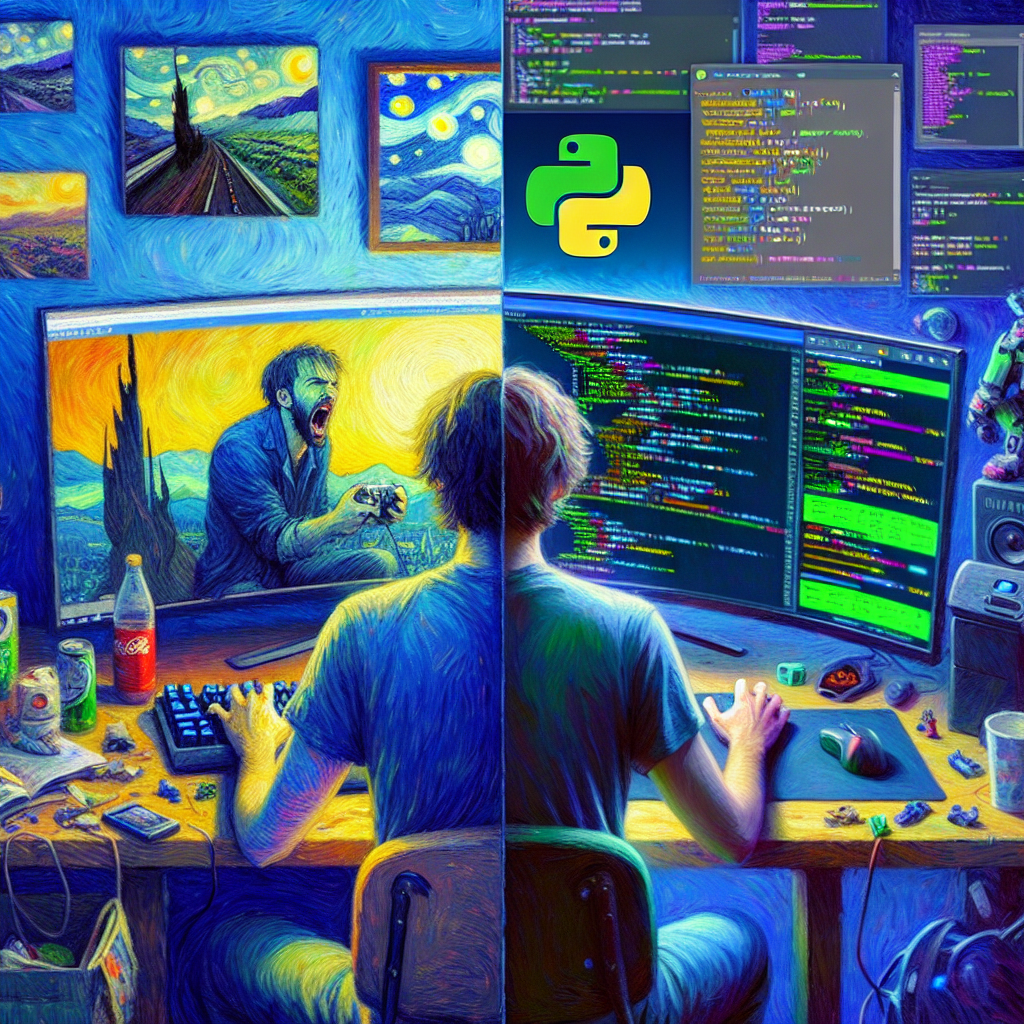
Why Do Gamers Trust Peers More Than Traditional Media In Gaming?
Why Do Gamers Trust Peers More Than Traditional Media In Gaming?
- Gamers trust peers over traditional media due to shared experiences in gaming.
- Reviews from fellow gamers hold more weight than polished press releases, offering authentic insights.
- This trust fosters a sense of belonging and community within the gaming environment.
- Peer recommendations are valued for their honesty, providing raw truths about games.
- Gamers connect on emotional levels, regardless of platform or genre differences.
- Listening to peers offers insights that reflect genuine passion and experience in gaming.
- The peer-to-peer connection emphasizes trust and shared experiences, guiding choices in gaming.

Why Do Gamers Trust Peers More Than Traditional Media In Gaming?
Conclusion
In the evolution of gaming, Generation Z has fundamentally redefined the culture surrounding it, embedding user-generated content (UGC) into the very core of this digital world. Picture a vibrant tapestry where each thread is woven by passionate players—young visionaries who have transformed gaming from a solitary pastime into a thriving community of shared experiences. Their creativity is not just about gameplay; it’s about crafting connections that resonate on emotional, rational, ethical, and social levels.
At the heart of this phenomenon is the powerful bond formed through gaming. Think of a young creator who pours their heart into developing a game mod or streaming a heartfelt gameplay session. Their work does more than entertain; it invites others into their world—a world of camaraderie where likes and shares bloom into lasting friendships. This emotional resonance provides validation and belonging, crucial for a generation often navigating feelings of isolation.
On a rational level, UGC is a wellspring of innovation for the gaming industry. Game developers are increasingly recognizing that the most groundbreaking ideas often originate from this collaborative dialogue with players. Engaging with UGC fosters skills that are indispensable in today’s job market while igniting a sense of ownership among players. They aren’t just passive consumers; they’re active contributors who shape the game’s narrative, ensuring their voices echo within gaming’s ever-expanding universe.
Ethically, the mantra of inclusivity and representation sits at the forefront of UGC. Gen Z champions a culture that amplifies diverse perspectives, creating an environment where each player feels empowered to share their unique stories. This shifts the narrative from one of competition to collaboration, fostering mutual respect and understanding among a diverse group of players.
The shared experience of gaming, bolstered by UGC, drives home an undeniable lesson: the stories told through the gaming medium can create emotional bridges that connect people across the globe. Every pixel, character design, and narrative crafted becomes a testament to the power of creativity to reflect our shared humanity.
Ultimately, Generation Z is leading a movement that celebrates collaboration and creativity in gaming—an invitation for all to join in and not just play but create. It’s a reminder that in this digital cosmos of adventure, we’re not merely players; we’re a family, forging bonds and shaping narratives that matter. Embrace your voice, get involved, and deepen those connections within this vibrant ecosystem, for together, we’re building a legacy that transcends mere entertainment, ushering in a new age of understanding and shared human experience.

Conclusion
Conclusion:
- Generation Z has redefined gaming culture by embedding user-generated content (UGC) at its core.
- Players transform gaming from a solitary activity into a community of shared experiences.
- The emotional bonds formed through gaming offer validation and belonging, particularly for those feeling isolated.
- UGC fosters innovation and collaboration, allowing players to shape narratives and contribute actively to games.
- Inclusivity and representation are central to UGC, promoting diverse perspectives and mutual respect among players.
- Gaming narratives can create emotional connections, reflecting shared humanity through creativity.
- Generation Z leads a movement celebrating collaboration and creativity, inviting everyone to contribute to the gaming legacy.
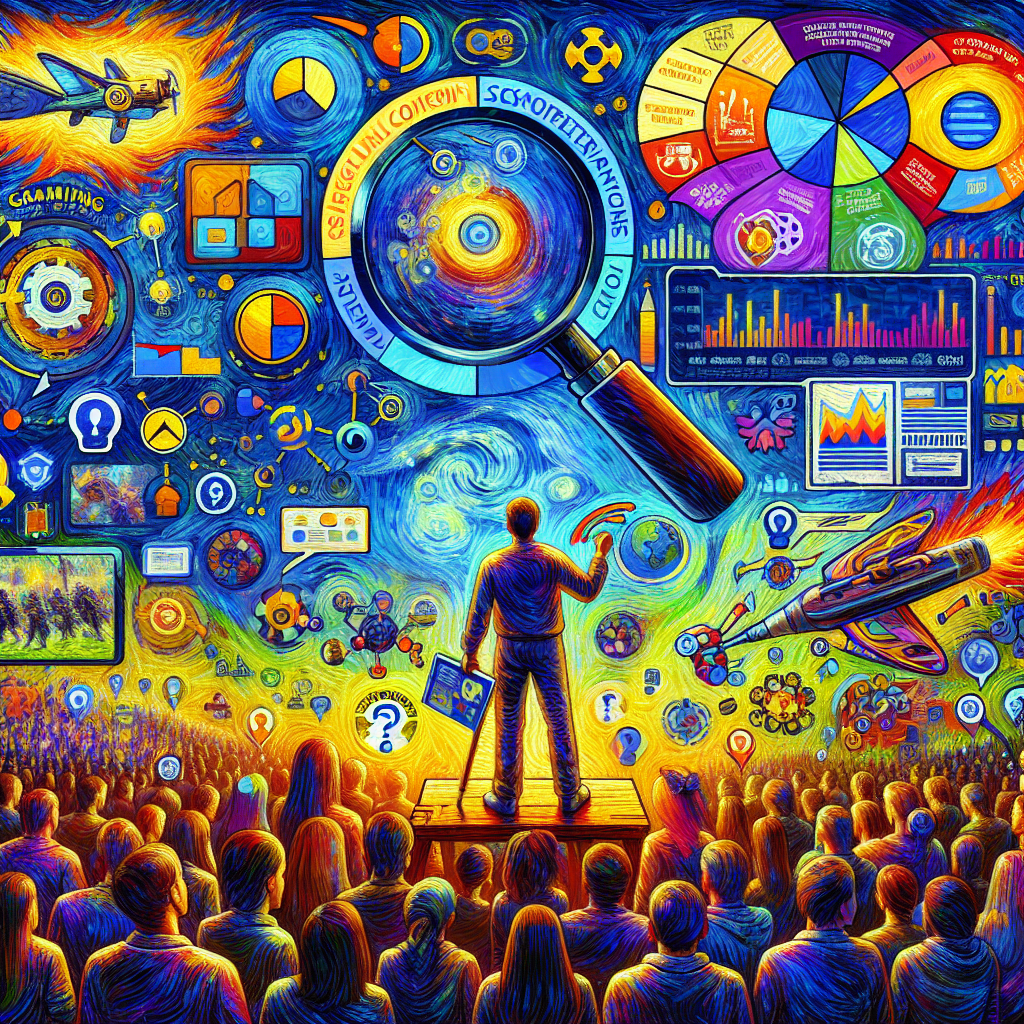
Conclusion
Other Resources

Other Resources
Here is a list of other resources you can review online to learn more:
- Twilight Imperium (Fourth Edition)
- Blood Rage
- Root: The Riverfolk Expansion
- Eagle-Gryphon Games
- Cosmic Encounter
- Hive
- Forbidden Stars
- Space Cowboys
- Brass: Birmingham
- Horrible Guild
- Dungeon Lords
- Instapaper
- Castles of Mad King Ludwig
- Queen Games
- The Voyages of Marco Polo
- Fluxx
- Great Western Trail
Use This Prompt To Get More Resources With Your Favorite Online AI Tool: Please provide me with a list of online articles with their URLs in a bulleted list that I can read regarding How Gen Z Turned UGC Into the Core Of Modern Gaming Culture

Other Resources
Glossary Terms
How Gen Z Turned UGC Into the Core Of Modern Gaming Culture – Glossary Of Terms
1. User-Generated Content (UGC): Content created by individuals rather than professional developers, often shared within gaming communities.
2. Gaming Culture: The collection of behaviors, practices, and values that shape the experiences of individuals engaged in gaming.
3. Content Creation: The process of producing and sharing materials, such as videos, artwork, and mods, primarily by gamers.
4. Social Media: Platforms where gamers and fans share UGC, connect, and engage with each other.
5. Mods: Modifications made to games by players that enhance or change gameplay, often shared with the broader community.
6. Streaming: Real-time broadcasting of gameplay through platforms like Twitch or YouTube, allowing interaction with viewers.
7. Influencers: Gamers or content creators who have large followings and can sway the opinions and behaviors of their audience.
8. Memes: Humorous images or videos often created by gamers that convey relatable experiences from gaming culture.
9. Fan Art: Artistic representations created by fans based on games, characters, or gaming-related themes.
10. Cosplay: The practice of dressing up as characters from video games, often showcased at conventions or online.
11. Community Engagement: The active participation of gamers in discussions, events, and collaborations within gaming communities.
12. Esports: Competitive gaming at a professional level, often featuring large audiences and significant prize pools.
13. Crowdsourcing: Gathering creative input or funding from a large group of people, often utilized for game development.
14. Platforms: Digital spaces where UGC is shared and interacted with, such as Reddit, Discord, and gaming forums.
15. Beta Testing: Allowing users to play and provide feedback on a game before its official release, often involving UGC.
16. Collaboration: Partnerships between content creators, allowing for shared audiences and combined UGC experiences.
17. AR (Augmented Reality): Technology that superimposes digital content onto the real world, enhancing gameplay and UGC opportunities.
18. VR (Virtual Reality): Immersive technology that creates a simulated environment for gamers, often incorporating UGC elements.
19. Narrative Building: The act of creating storylines within games, often enhanced by fan-made content and contributions.
20. In-game Events: Special occasions within games where players can participate in unique experiences or challenges, often igniting UGC.
21. Patching: Updates made to games that fix bugs, add content, or enhance gameplay, usually influenced by community feedback.
22. Engagement Metrics: Measurements used to analyze how players interact with UGC, including likes, shares, and comments.
23. Narrative Design: The process of crafting the story and context within a game, often influenced by fan interactions and content.
24. Digital Footprint: The online presence created by gamers and their interactions with UGC across various platforms.
25. Fan Communities: Groups formed by enthusiasts who discuss and create content surrounding specific games or genres.
26. Content Monetization: The process of earning income through UGC, whether through ad revenue, sponsorships, or merchandise.
27. Gameplay Mechanics: The rules and systems that govern how a game functions, which can be altered or enhanced through UGC.
28. Replayability: The quality of a game that encourages players to revisit it, often bolstered by engaging UGC.
29. Curation: The process of selecting and promoting UGC that resonates with broader audiences within gaming culture.
30. Participatory Culture: A culture where individuals play active roles in creating and sharing content, shaping the overall gaming landscape.

Glossary Of Terms
Other Questions
How Gen Z Turned UGC Into the Core Of Modern Gaming Culture – Other Questions
If you wish to explore and discover more, consider looking for answers to these questions:
- What are some examples of popular UGC projects created by Gen Z gamers?
- How does UGC impact the way games are developed by large gaming companies?
- What role do social media platforms play in the sharing of UGC within the gaming community?
- How can Gen Z ensure that UGC remains inclusive and diverse?
- What are the potential downsides of UGC in gaming?
- How do different gaming genres approach UGC differently?
- What tools and platforms are popular among Gen Z for creating UGC?
- How do peer reviews influence the creation and sharing of UGC in gaming?
- In what ways do successful UGC projects contribute to a gamer’s identity?
- How do gaming communities support new creators of UGC?

Other Questions
Haiku
How Gen Z Turned UGC Into the Core Of Modern Gaming Culture – A Haiku
Gen Z’s gaming plight,
Voices blend in shared create,
Hearts and worlds unite.

Haiku
Poem
How Gen Z Turned UGC Into the Core Of Modern Gaming Culture – A Poem
In the realm where pixels dance and dreams take flight,
Generation Z wields creativity, igniting the night.
Not just players, they inhabit each story and place,
Weaving narratives that reflect the human race.
Through user-generated magic, they intertwine,
Crafting bonds and memories, uniquely divine.
With each mod and character born from heart and mind,
A tapestry of voices, together they find.
In the digital workshop, ideas spark and swell,
Innovation rises as communities gel.
Amidst buzz of controllers, wisdom flows through the air,
Collaboration blooms, forging friendships laid bare.
Ethics guide their hands, as they lift others high,
Echoing inclusivity, they challenge the sky.
From shared struggles to laughter, through screens they connect,
Creating safe havens, where kindness is respect.
As avatars flourish, identities bloom wide,
In the worlds they construct, their truths can’t hide.
Authority isn’t about titles, but trust earned in play,
Where peers validate passions, honest words hold sway.
Each shared moment, each heartfelt expression,
Crafts a culture of empathy, a powerful lesson.
Together they rise, through triumph and trial,
In the heart of this movement, there’s unity and style.
So let us celebrate this digital age,
Where gamers are storytellers, setting the stage.
In the pulse of each game, in the laughter, the cheer,
Is a revolution of voices—together, we steer.

Poem
Checklist
How Gen Z Turned UGC Into the Core Of Modern Gaming Culture – A Checklist
Checklist for Engaging with User-Generated Content (UGC) in Gaming
Heart (Emotional Appeal)
_____ Connect Authentically: Engage with and create content that reflects your personal experiences and emotional journey.
_____ Share Your Story: Contribute a narrative that may resonate with others; understand that your story can impact someone else’s heart.
_____ Foster Empathy: Seek out and support stories that highlight diverse perspectives within the gaming community.
Head (Rational Appeal)
_____ Enhance Your Skills: Participate in forums and communities to learn new strategies and improve your gaming techniques.
_____ Embrace Creativity: Explore opportunities for creating mods, game designs, or narratives that showcase your originality.
_____ Understand the Data: Stay informed about the benefits of UGC, such as improved retention rates in games and the skills gained through collaborative efforts.
Gut (Ethical Appeal)
_____ Promote Inclusivity: Actively seek to amplify underrepresented voices and foster an environment where everyone feels welcome to share.
_____ Be a Responsible Creator: Consider the ethical implications of the narratives you craft and how they may affect the broader community.
_____ Uphold Supportive Practices: Encourage a culture of kindness, mentorship, and collaboration among peers in the gaming space.
Authority (Social Appeal)
_____ Trust Peer Recommendations: Prioritize insights from fellow gamers over traditional media, recognizing the value of shared experiences.
_____ Follow Influential Voices: Seek out and engage with reputable gamers, content creators, or community leaders who you trust for advice.
_____ Share Your Expertise: Offer guidance to newcomers by sharing knowledge gained from your gaming journey.
Narrative (Story Appeal)
_____ Craft Collective Stories: Collaborate with others to create gaming narratives that invite participation and showcase community effort.
_____ Document Your Journey: Regularly share your gaming experiences to build a relatable narrative that others can connect with.
_____ Celebrate Achievements: Highlight milestones, both big and small, as part of a larger community narrative and encourage others to do the same.
Social (Community Appeal)
_____ Join Gaming Communities: Actively participate in forums, social media groups, or local gaming events to build relationships and connect over shared interests.
_____ Coordinate Group Projects: Create or join collaborative projects, such as fan modifications, art challenges, or community game nights that encourage teamwork and creativity.
_____ Advocate for Positive Interactions: Encourage respectful dialogue and support within the gaming community, reinforcing the importance of social responsibility in UGC.

Checklist
At HowDoYouGame, we help people who love board games by collating information and news about games.
Be sure to read our other related stories at HowDoYouGame to learn more about games.