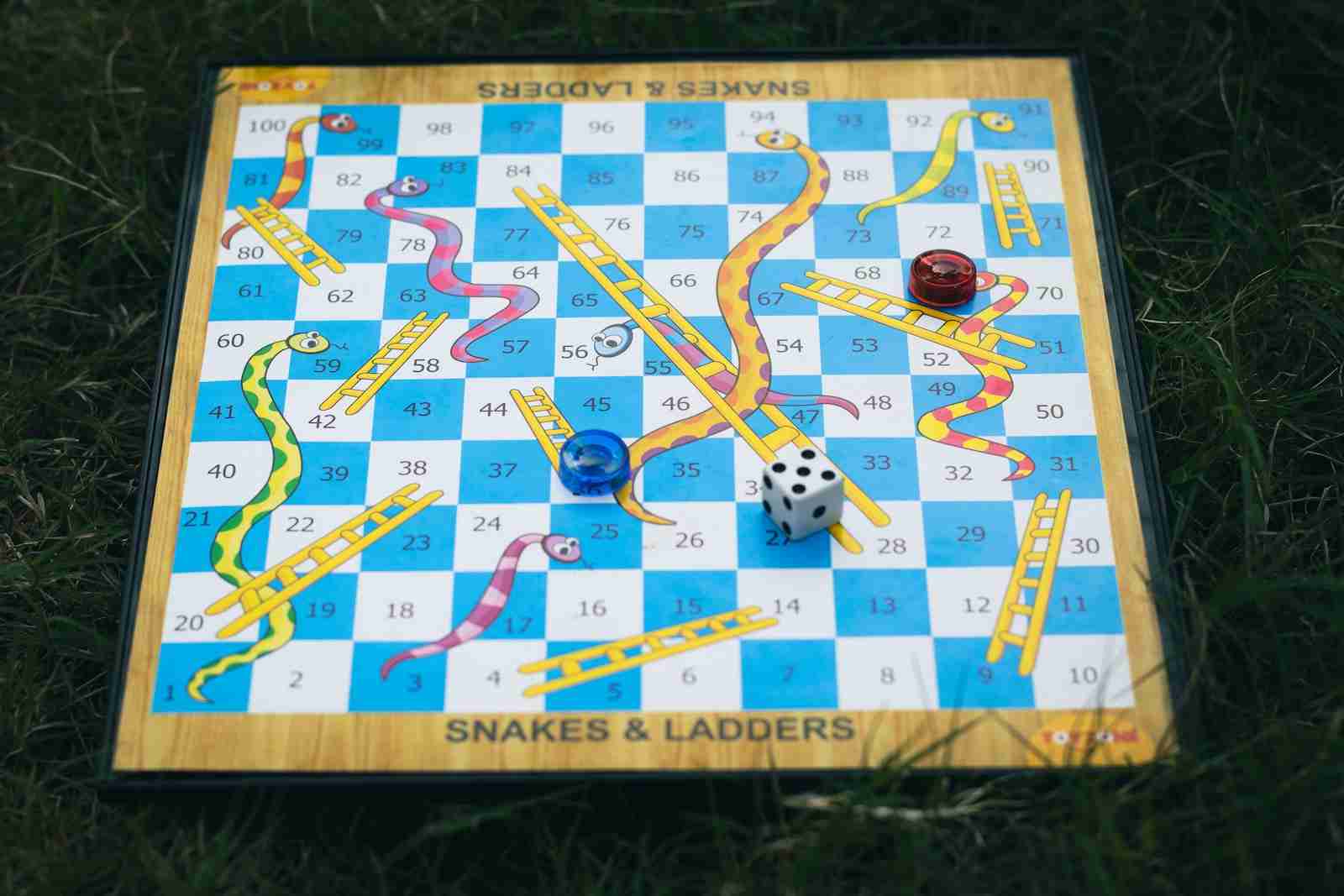
Rediscovering Gaming’s True Essence: Emotion, Logic, And Integrity
By Tom Seest
At HowDoYouGame, we help people who love board games by collating information and news about games.
Be sure to read our other related stories at HowDoYouGame to learn more about games.
The Simplicity Of Old-School Games – No Skins, No Battle Passes
There’s something profound about old-school games that transcends the pixels and soundtracks—they offer a purity that modern titles often miss. Back in the day, games were about straight-up fun, pure and uncomplicated. You picked up that joystick, and you didn’t have to navigate a labyrinth of skins, loot boxes, or battle passes. There was no need to shell out extra cash to feel like you belonged; you simply played. That simple act of engaging with the game itself created a bond with friends, a shared experience that didn’t rely on flashy upgrades or complex monetization traps.
Sure, you could argue that the gaming landscape has evolved, and in many ways, it’s impressive. Yet, here lies the irony: as graphics and mechanics have advanced, many have felt an undeniable emptiness creeping in. When you dive deep into that nostalgic sea, you find yourself captivated by the straightforwardness of it all. Donkey Kong had you risking it all for a princess. Pac-Man had you chomping pellets with reckless abandon. No convoluted storylines, no microtransactions—just you, navigating mazes, battling ghosts, and honing your skill.
We often talk about the journey we embark on when we play games. But that journey used to be defined by skill and determination, not by the latest limited-time offer. There was a sense of accomplishment in overcoming a challenging level or besting a friend without the help of digital wallets, which, let’s face it, can sometimes feel like a crutch. You felt pride as you navigated the challenges, knowing that your success was purely due to your ability and perseverance.
In this age where everything seems to shout for your attention and your wallet, there’s an undeniable allure to the simplicity of those classic games. They remind us of days spent in laughter on the living room floor, controllers in hand, competing for high scores, where friendships blossomed amid shared defeat and glorious victory alike.
Embracing the simplicity of old-school games allows us to strip away the noise. It invites us to reconnect with our passions and fosters a sense of belonging that transcends time and technology. In a world fueled by fleeting trends, there’s great comfort in remembering what gaming was truly about—a straightforward exchange of fun, community, and skill.

The Simplicity Of Old-School Games – No Skins, No Battle Passes
The Simplicity Of Old-School Games – No Skins, No Battle Passes
- Old-school games offer a purity and simplicity that modern titles often lack.
- Games from the past emphasized straightforward fun without the complications of modern monetization methods.
- Playing classic games created bonds and shared experiences among friends without needing extra purchases.
- Despite advancements in graphics and mechanics, many feel a sense of emptiness in modern gaming.
- The nostalgia of classic games reflects a time when skill and determination defined the gaming journey.
- Classic gaming moments fostered a sense of pride and accomplishment rooted in personal ability.
- Embracing old-school games encourages reconnection with passions and reinforces a sense of community.

The Simplicity Of Old-School Games – No Skins, No Battle Passes
Table Of Contents
- The Simplicity Of Old-School Games – No Skins, No Battle Passes
- What Do You Miss Most About the Simplicity Of Retro Games?
- How Did Old-School Games Foster Genuine Connections Among Players?
- Can We Find Joy In Gaming Without the Distraction Of Cosmetics?
- Do You Remember the Excitement Of Playing Without In-Game Purchases?
- How Has the Focus on Skins Changed the Way We Experience Gaming?
- What Lessons Can Modern Games Learn From the Design Of Classic Titles?
- How Do Old-School Games Promote Creativity Without the Use Of Skins?
- Conclusion
- Other Resources
- Glossary Of Terms
- Other Questions
- Haiku
- Poem
- Checklist
What Do You Miss Most About the Simplicity Of Retro Games?
There was a time when gaming wasn’t about the latest headline or the number of pixels on your screen, but rather the adventure of escaping reality. Retro games transported us to realms where a pixelated hero could defeat a pixelated villain with nothing more than skill, a console, and a pocket full of quarters. That simplicity was a tether to a different world—a world where the complexities of life faded away with each level completed and each high score achieved.
Think back to when we all gathered around the old console, laughter filling the room as we traded controllers, battling it out over who could reach the next level in a 16-bit wonderland. Those moments were rich with camaraderie, creating bonds that modern gaming often overlooks in its pursuit of glitz and glamour. The characters—Mario, Link, and the rest—were heroes not just in their stories but in our lives, each one representing resilience and courage. They taught us that perseverance could triumph over even the most challenging obstacles, a lesson that transcends the screen and takes root in our very being.
From an ethical standpoint, there was a purity in those games, a design philosophy that welcomed everyone. The accessibility meant that whether you were a child learning to navigate a joystick or an adult seeking solace from life’s complexities, the experience was inclusive. The very act of playing promised joy and challenge in equal measures, with no hidden paywalls or predatory microtransactions lurking in the shadows.
But it goes beyond gameplay and nostalgia; it’s about trusting the process and finding joy in the journey. High scores were not merely numbers; they were shared stories of effort and creativity, inviting us to measure not just performance but growth. That ethos is, quite frankly, a rarity in today’s gaming landscape, where distractions are endless and the connection to the game itself can feel diluted.
As we yearn for the simplicity of retro games, let’s reach out to one another, reminisce, and share those stories. Let’s reclaim that sense of community, reconnecting with the essence of gaming that transcends generations. We can harness the power of those cherished experiences to illuminate the path forward and remember what gaming once meant: not just competition, but connection.

What Do You Miss Most About the Simplicity Of Retro Games?
What Do You Miss Most About the Simplicity Of Retro Games?
- Gaming was once about escaping reality, not just high-definition graphics.
- Retro games provided simple adventures where skill and camaraderie prevailed.
- Characters like Mario and Link embodied resilience, teaching important life lessons.
- These games were designed for inclusivity, accessible to all ages without hidden costs.
- High scores represented shared stories of effort and creativity, not just competition.
- Today’s gaming lacks the community connection that characterized retro gaming.
- We should reminisce about our experiences and foster connections through gaming.

What Do You Miss Most About the Simplicity Of Retro Games?
How Did Old-School Games Foster Genuine Connections Among Players?
In an age dominated by virtual reality and endless online interactions, it’s easy to overlook the potent magic of old-school games and how they molded genuine connections among players. These weren’t just mere pastimes; they were communal experiences that sparked connections, laughter, and sometimes even lifelong friendships. Imagine a living room filled with the distinct clatter of controllers and the fervent cheers and groans of friends gathered around the same screen, sharing victories and defeats alike.
Playing these games was a shared experience, a living narrative where every joystick movement and well-timed jump mattered. Players weren’t isolated behind screens; instead, they participated in a vivid, collective journey that challenged their skills while deepening their bonds. Picture the camaraderie cultivated over countless games of “Street Fighter” or the hilarity of cooperative play in games like “Mario Kart.” These moments combined pure entertainment with raw emotion, revealing the heart of human interaction: connection through shared stories.
From a rational standpoint, there’s something undeniably comforting about the tactile nature of old-school games. The click of buttons, the pause as you strategize with friends – these tangible elements nurture engagement. They encourage communication and collaboration, pulling players into an intricate dance of competition and partnership. This sense of teamwork not only creates lasting memories but nurtures a sense of community. We instinctively yearn for these interactions, where the stakes might be low, but the rewards—in terms of friendships forged—are immeasurable.
Ethically, there’s a lesson here about balancing technology with face-to-face interaction. In a world that often pushes us toward isolation, these games serve as a reminder of the value of human connection. They urge us to gather our friends, step away from our screens, and relish the real-time thrill of shared gameplay. As time goes on, the nostalgia for those simpler times grows stronger, echoing through generations.
Ultimately, the story of old-school games is woven through our social fabric, speaking to our primal need for connection. Whether it was a friendly rivalry or cooperative adventures, these moments shape our identities and relationships. This is just a call to action: seek out those old-school games. Dust off the collection, invite some friends over, and witness firsthand how the beauty of interaction can transcend time and bring us closer, one game at a time.
How Did Old-School Games Foster Genuine Connections Among Players?
How Did Old-School Games Foster Genuine Connections Among Players?
- Old-school games foster genuine connections among players, offering communal experiences.
- These games create an environment filled with shared victories, defeats, laughter, and friendships.
- Gameplay is a vivid, collective journey that enhances skills and deepens bonds.
- Tactile elements of old-school games nurture engagement and encourage communication and collaboration.
- These experiences create lasting memories and foster a sense of community.
- Old-school games remind us of the importance of balancing technology with face-to-face interactions.
- This is a call to action to revisit old-school games and enjoy the beauty of real-time interaction.

How Did Old-School Games Foster Genuine Connections Among Players?
Can We Find Joy In Gaming Without the Distraction Of Cosmetics?
In the world of gaming, it’s become all too easy to lose sight of what truly brings us joy. Games, once the playgrounds of our imagination, now often come wrapped in layers of cosmetics that entice and distract us. We find ourselves captivated not by the thrill of competition or the joy of storytelling, but by the glittering appeal of shiny skins and virtual outfits. But what if we stripped away these distractions? Could we reconnect with the essence of why we play?
Imagine a community where the focus shifts from pixel-perfect attire to sheer skill and camaraderie. Take a moment to recall your own gaming memories: the friends you made, the laughter shared during late-night raids, the victories that felt hard-earned—not because of flashy gear, but because each person at the control was genuinely invested in the outcome. The joy was in the gameplay itself, not in the superficial adornments that might shine brighter but falter in meaning.
Rationally, let’s consider the implications of this shift. Without the lure of cosmetics, games can encourage players to engage more deeply with mechanics, strategy, and teamwork. This fosters a sense of accomplishment that extends beyond the screen. Wins turn into heartfelt victories, losses become lessons instead of mere statistics. Imagine the conversations at the end of a session, where players share not just what gear they flaunted, but the clever moves that turned the tide.
Ethically, we should ask ourselves: what message are we sending? Are we telling young gamers that value lies in aesthetics or in the grit and guts to innovate and collaborate? The best memories arise from triumphs and learning moments rather than wardrobe changes, and the heart of gaming should reflect that truth.
The social dynamics shift, too. When we step away from the allure of custom skins, we open the door to a more inclusive atmosphere. The richness of diversity in playstyles and strategies fosters connection. No longer do we judge each other’s worth by their bank of cosmetics, but rather by our shared experiences, fostering a community rooted in genuine interaction.
Ultimately, finding joy in gaming without the distraction of cosmetics isn’t just a call for simplicity—it’s an invitation to rediscover the heart of what it means to play, to connect, and to revel in the stories we craft together. Like a well-placed move in a game, it’s time we refocused our energies on what matters most: each other.

Can We Find Joy In Gaming Without the Distraction Of Cosmetics?
Can We Find Joy In Gaming Without the Distraction Of Cosmetics?
- Gaming has become overly focused on cosmetic elements, distracting from the core enjoyment of gameplay.
- Reconnecting with gaming joy involves emphasizing skill and camaraderie over flashy improvements.
- True gaming satisfaction is derived from shared experiences and personal investment, rather than superficial adornments.
- A shift away from cosmetics can enhance player engagement with game mechanics, strategy, and teamwork.
- Games should promote values of innovation and collaboration instead of prioritizing aesthetic appeal.
- A more inclusive gaming community arises when value is placed on shared experiences rather than cosmetic inventory.
- Rediscovering the essence of gaming invites players to focus on meaningful connections and collective storytelling.

Can We Find Joy In Gaming Without the Distraction Of Cosmetics?
Do You Remember the Excitement Of Playing Without In-Game Purchases?
Remember the days when playing games meant diving headfirst into a pixelated world of adventure, armed only with your wits and a controller? Back then, every level was an epic saga, a test of skill and patience, balanced on the edge of perseverance. You weren’t just a player; you were a hero, embarking on quests that felt significant, exhilarating, and utterly rewarding. These experiences didn’t come with the murmur of transaction fees or pop-up ads—just pure, unadulterated passion for the game.
Think about that initial thrill of unlocking a new character or discovering hidden levels through sheer determination. The endorphins flowed when you conquered a tough boss that had thwarted you time and again. There was a profound satisfaction in mastering each challenge, a connection to the game’s narrative that felt genuine, personal, and unencumbered by the itch to purchase an upgrade or buy a shortcut.
Playing without those pesky in-game purchases fostered a sense of camaraderie. You shared strategies with friends, traded tips on forum threads, and celebrated victories together, transforming a solitary pastime into a social endeavor. Each moment spent navigating treacherous landscapes was not just about winning, but about forming bonds over the struggles and triumphs of the gaming universe. The conversations? Those became part of the shared culture, a language unto itself.
With nostalgia in our hearts, we must confront the ethical implications of today’s gaming environment. In an age of relentless monetization, what has replaced that innocent joy? As we scroll through screens bombarded with purchase prompts, the essence of what made gaming a sacred escape starts to fade. Are we creating a landscape where those with deeper pockets can experience more, while others are left to trudge through on limited resources?
Let’s reclaim what once was. It’s time to advocate for a return to a gaming landscape rooted in integrity and authenticity—where challenges are met with skill and determination rather than credit card numbers. Together, we can inspire a movement towards games that celebrate the artistry, creativity, and communal spirit that originally drew us in. Let’s remind ourselves and the industry that at the heart of every great game lies a journey meant to be cherished—without the distraction of in-game purchases overshadowing the adventure.

Do You Remember the Excitement Of Playing Without In-Game Purchases?
Do You Remember the Excitement Of Playing Without In-Game Purchases?
- Gaming used to offer a pure, immersive experience focused on skill, patience, and perseverance.
- Players felt like heroes on significant quests without interruptions from transaction fees or ads.
- Unlocking characters and mastering levels brought genuine satisfaction and personal connection to the game.
- Playing without in-game purchases fostered camaraderie among friends through shared strategies and victories.
- Nostalgia prompts a reflection on the ethical implications of modern, monetized gaming environments.
- There is concern that wealthier players have advantages over those constrained by resources.
- A call to action encourages a return to authentic gaming experiences rooted in integrity and community spirit.

Do You Remember the Excitement Of Playing Without In-Game Purchases?
How Has the Focus on Skins Changed the Way We Experience Gaming?
In the sprawling universe of modern gaming, skins have become more than mere cosmetics; they are the fabric of identity woven into our digital lives. Picture this: a group of friends gathers online, their avatars decked out in dazzling skins, each color and design a reflection of personal stories, triumphs, and even struggles. This transformative focus on skins has changed how we perceive and experience games, and in many ways, it has deepened our connection to them.
At the heart of this evolution lies the emotional connection we build with our virtual avatars. When a player invests time and money into acquiring a specific skin—perhaps it embodies their favorite character or resonates with their gaming journey—it becomes a badge of honor. This emotional resonance is powerful; a well-crafted skin can evoke nostalgia, pride, or even a sense of belonging. It offers a tangible way to express individuality in a world that can often feel generic and uninspiring.
But let’s not ignore the rational side of this phenomenon. The gaming industry has witnessed a surge in investment and creativity around skins. Developers understand that unique visuals can drive engagement and player retention. Skins become a currency of status, and players know that sporting a rare skin can elevate their experience. There’s a distinct thrill in showing off your latest acquisition, not just as a display of wealth but as a reflection of the journey taken to achieve it—a testament to perseverance and skill.
Ethically, the conversation takes on more dimensions. Microtransactions often create a divide between players who can afford to invest in fancy skins and those who cannot. This shifting paradigm raises questions about equality in gaming. Here, the responsibility lies with both developers and players. We must create an environment that promotes fairness while still celebrating creativity and artistry.
Narratively, skins enrich the storytelling potential of games. Each skin tells a story, a unique chapter that enhances the universe’s lore and deepens immersion. This connection fosters community engagement, as players share tips, memes, and experiences centered around their beloved skins.
Ultimately, the focus on skins has reshaped our gaming journey. It has become a cultural phenomenon, connecting players worldwide. So next time you gear up for a match, remember that your skin isn’t just a pretty design; it’s a window into your gamer soul—an invitation to connect, compete, and celebrate the stories we create together.

How Has the Focus on Skins Changed the Way We Experience Gaming?
How Has the Focus on Skins Changed the Way We Experience Gaming?
- Skins in gaming have evolved into significant elements of identity and personal expression.
- Players forge emotional connections with avatars through skins, making them a badge of honor.
- Unique skins enhance player engagement and retention, driving creativity in game development.
- Skins serve as a currency of status, reflecting players’ journeys and achievements.
- The rise of microtransactions introduces ethical concerns regarding equality among players.
- Skins enrich game narratives, contributing to lore and fostering community interaction.
- The focus on skins has transformed gaming culture, connecting players across the globe.

How Has the Focus on Skins Changed the Way We Experience Gaming?
What Lessons Can Modern Games Learn From the Design Of Classic Titles?
In a world overflowing with high-definition graphics and intricate multiplayer systems, it’s easy to forget the raw, unfiltered joy found in the simplicity of classic games. These timeless treasures taught us lessons that remain profoundly relevant for today’s designers. As we delve into the heart of what makes a game resonate, we can draw inspiration from the pioneers of the industry who had few resources but an abundance of creativity.
Consider the emotional connection that games like “Super Mario Bros.” or “The Legend of Zelda” fostered. Their charm wasn’t just in the colorful pixels but in the stories they told. Each character, each quest, wasn’t merely a cog in a wheel but a part of a larger narrative that made us feel something deep inside. Modern games risk drowning in their own complexity, losing sight of the heartfelt experiences that hooked players in the first place. What if we leaned into narratives that tug at our heartstrings and evoked feelings of triumph, loss, and friendship? Just as the heroes of those classic games journeyed through adversity, today’s narratives should inspire players to confront their obstacles.
From a rational standpoint, simplicity can be strikingly effective. The mechanics in classics were often streamlined—easy to learn, hard to master. While the gaming world embraces convoluted systems and layered controls, modern developers could gain invaluable insights from this approach. Why not create experiences that welcome players in, encouraging them to explore and experiment, rather than leaving them drowning in tutorials?
Ethically, the gaming landscape faces the challenge of inclusivity. Classics often provided a universal appeal, welcoming anyone to the experience regardless of skill level. Learning from this, today’s games have a responsibility to foster inclusive environments where every player feels valued and empowered. An open door, rather than a gated community, can expand the player base and enrich the social aspect of gaming.
Ultimately, the authority of classic titles lies not just in their gameplay but in their ability to connect us. They remind us that games are more than just entertainment; they are a shared experience. As we dive into the future of game design, let’s remember the lessons of the past. Embrace narrative depth, prioritize emotional engagement, and ensure a welcoming environment that unites us all. In doing so, we don’t just create games; we build communities, stories, and lasting memories. That’s the real magic.

What Lessons Can Modern Games Learn From the Design Of Classic Titles?
What Lessons Can Modern Games Learn From the Design Of Classic Titles?
- Classic games offer simplicity that inspires modern game design, focusing on raw joy and creativity.
- Timeless titles like “Super Mario Bros.” and “The Legend of Zelda” foster deep emotional connections through storytelling.
- Modern games risk losing heartfelt experiences due to complexity, emphasizing the need for emotionally engaging narratives.
- Simplicity in game mechanics—easy to learn, hard to master—can create more welcoming experiences for players.
- Modern developers can learn from classic games to encourage exploration rather than overwhelm players with tutorials.
- Inclusivity is essential in gaming; classic games had universal appeal that modern titles should aim to replicate.
- Games should prioritize narrative depth, emotional engagement, and a welcoming environment to build communities and lasting memories.

What Lessons Can Modern Games Learn From the Design Of Classic Titles?
How Do Old-School Games Promote Creativity Without the Use Of Skins?
When we think back to the classic games that shaped our childhood, it’s clear that they did more than just entertain. They ignited our imagination in ways many modern games struggle to replicate. Old-school games foster creativity not through flashy skins or endless customization but through the power of pure gameplay, compelling narratives, and intriguing challenges. They invited us into worlds defined by limitations that sparked ingenuity—a pixelated landscape was a canvas, and our minds wielded the brush.
Consider the classic adventure games, where a two-dimensional sprite navigated treacherous terrain with nothing but a sword and a sense of purpose. Every leap, every puzzle solved, and every foe vanquished relied solely on our wits and problem-solving skills. The absence of ostentatious skins or accessories meant that success was rooted in strategy and creativity. The heart races as players invent new ways to conquer obstacles, crafting narratives even the developers never anticipated.
On a rational level, these games provided a crucial training ground for essential skills. They built resilience and critical thinking; when faced with a seemingly insurmountable challenge, we had no choice but to adapt. Players learned to strategize and collaborate—whether that meant teaming up with friends in multiplayer experiences or finding ingenious solo solutions to puzzles. Each victory felt earned, instilling a sense of pride and accomplishment that modern games, often reliant on microtransactions and aesthetic add-ons, can dilute.
Ethically, there’s a lesson in embracing the struggle that older games embody. They teach that creativity flourishes in the face of limitations. Instead of providing instant gratification through elaborate skins or visual flair, they ask players to roll up their sleeves and engage deeply with their surroundings. This approach nurtures a generation that values substance over spectacle, a vital trait as we navigate a world increasingly driven by superficial appearances.
Ultimately, these games promote a social fabric that resonates through nostalgia, shared experiences, and mutual respect. They remind us that it’s not about what we wear or how we look; it’s about who we are and how we play the game. So let’s celebrate those gritty, pixel-filled adventures that tug at our heartstrings while engaging our minds. In a world awash in gloss, let us find inspiration in the raw, authentic experience that only old-school games can provide.

How Do Old-School Games Promote Creativity Without the Use Of Skins?
How Do Old-School Games Promote Creativity Without the Use Of Skins?
- Classic games ignited imagination unlike many modern games, focusing on pure gameplay and compelling narratives.
- Old-school games fostered creativity through limitations, utilizing simple graphics as a canvas for player ingenuity.
- Success in classic adventure games relied on strategy and problem-solving skills rather than flashy skins and accessories.
- These games served as crucial training grounds for resilience, critical thinking, and adaptability in facing challenges.
- Players developed collaboration skills, whether in multiplayer settings or by inventing solo strategies for puzzles.
- Older games teach the value of struggling creatively, promoting substance over superficial aesthetics.
- Ultimately, these games connect players through nostalgia and shared experiences, emphasizing the essence of who we are as gamers.

How Do Old-School Games Promote Creativity Without the Use Of Skins?
Conclusion
In the heart of gaming, there resides a nostalgia that calls us back to a time when joy was uncomplicated—when the essence of our favorite pastime was distilled down to simple mechanics and shared experiences. Old-school games remind us that gaming was once about pure fun and camaraderie, not driven by microtransactions or flashy skins. Remember the thrill of inching closer to the high score, battling friends in a living room filled with laughter? Those moments were rich with connection; they weren’t just about winning but about growing together, celebrating victories, and even learning from defeats without the burden of complex monetization strategies overshadowing the experience.
As we peel back the layers of today’s gaming world, we see a landscape that, while visually stunning, has often lost sight of the integrity that once defined it. Instead of the pure exhilaration of gameplay, many modern titles seem to be entangled in a web of distractions, where every pixel is a potential advertisement for yet another purchase. The characters we once adored taught us about resilience; Mario’s journey was not just a quest for princesses but a testament to our own determination and skill. Somehow, amidst the quest for the next shiny skin or the latest upgrade, the narrative depth and emotional engagement that once captivated us have faded.
From a rational standpoint, let’s consider what made those games significant. They were accessible, simple to pick up yet challenging to master, welcoming everyone into their worlds. This inclusivity fostered a sense of belonging, allowing gamers of all ages to share stories and strategies. The triumphs felt real because they were achieved through skill, not wallet size. Ethically, these games encouraged us to connect on a deeper level, challenging us to engage face-to-face rather than retreat into digital isolation.
So, as we gaze toward the future of gaming, let’s not forget the lessons learned from those pixelated adventures. Let’s challenge the industry to embrace the magic that lies in simplicity and the power of genuine connection. Together, we can advocate for a renaissance of gaming that puts fun, community, and shared experiences at its core. We owe it to ourselves and future generations to ensure that game design continues to evoke that timeless sense of wonder, reminding us of the joy of simply playing—together. After all, at the end of the day, it’s not just about the game; it’s about who we play with and the memories we create along the way.

Conclusion
Conclusion:
- Old-school games are rooted in nostalgia, focusing on simple mechanics and shared experiences.
- The essence of gaming was about fun and camaraderie, free from microtransactions and flashy skins.
- Classic gaming moments fostered connections, celebrating victories and learning from defeats together.
- Modern games often prioritize monetization and distraction over the joy of pure gameplay.
- Significant games were accessible, easy to learn yet challenging to master, creating inclusivity.
- Gaming should encourage deeper connections and face-to-face interactions rather than digital isolation.
- Advocating for a return to the magic of simple, community-focused gaming ensures the preservation of joy and togetherness for future generations.

Conclusion
Other Resources

Other Resources
Here is a list of other resources you can review online to learn more:
- Flickr
- GAMA
- Poker
- Concordia
- Pandemic Legacy: Season 1
- Horrible Games
- BoardGameGeek
- Dominion
- Bezier Games
- Board Game Quest
- Tantrum House
- GameNight!
- A Feast for Odin
- Mastodon
- Days of Wonder
- North Star Games
Use This Prompt To Get More Resources With Your Favorite Online AI Tool: Please provide me with a list of online articles with their URLs in a bulleted list that I can read regarding The Simplicity Of Old-School Games – No Skins, No Battle Passes

Other Resources
Glossary Terms
The Simplicity Of Old-School Games – No Skins, No Battle Passes – Glossary Of Terms
1. Arcade: A gaming venue featuring coin-operated machines, often focusing on simple, engaging gameplay.
2. Pixel Art: A style of digital art where images are created using limited resolution and color palettes, reminiscent of early video games.
3. 2D Graphics: Two-dimensional visual representations used in vintage games, typically simpler than modern 3D graphics.
4. Platformer: A genre of video games characterized by jumping between platforms, often featuring side-scrolling or vertical movement.
5. Game Mechanics: The rules and systems that govern gameplay, determining how players interact with the game.
6. High Score: A record of the highest score achieved in a game, often serving as a competitive element for players.
7. Joystick: A control device used in gaming, allowing players to manipulate characters or objects on-screen with directional input.
8. Level Design: The process of creating levels in video games, focusing on challenges, pacing, and player experience.
9. Cheat Codes: Hidden commands or sequences that grant players advantages or unlock features within a game.
10. Replayability: The quality of a game that encourages players to play it multiple times, often through varied gameplay experiences.
11. Turn-Based: A gameplay style where players take turns making decisions or movements, contrasting with real-time action.
12. Game Over: A screen or notification indicating a player’s failure or the end of a game session, typically leading to a restart or reset.
13. Boss Fight: A challenging encounter with a powerful enemy that often concludes a level or chapter in a game.
14. Lives: The number of attempts a player has to complete a game, often represented by a visual indicator in the game’s UI.
15. Co-op Mode: A multiplayer mode that allows players to work together to achieve common objectives within the game.
16. Game Storyline: The narrative or plot that drives the game, providing context and motivation for players’ actions.
17. Power-Up: An item or feature that temporarily enhances a player’s abilities or gives advantages during gameplay.
18. Loot: In-game rewards, such as items or bonuses, earned through gameplay that enhance the player’s experience.
19. Difficulty Curve: The progression of challenge presented to players as they advance through a game, crucial for maintaining engagement.
20. Single-Player: A gaming mode where one player engages with the game, focusing on individual experience and challenges.
21. Control Scheme: The layout and mapping of controls used to interact with a game, affecting gameplay fluidity.
22. Spawn Point: A designated area in a game where players or enemies appear, often after being defeated or when starting.
23. HUD (Heads-Up Display): The on-screen interface that provides players with essential information such as health, score, and inventory.
24. Microtransactions: Small purchases made within a game, often for cosmetic items or additional content, typically absent in old-school games.
25. Community: A group of players who share interests in a game, often interacting online to discuss strategies, tips, or experiences.
26. Retrogaming: The hobby of playing and collecting classic video games and consoles, celebrating the history of gaming.
27. Mod: A modification made by players or fans to change or enhance a game’s content, mechanics, or graphics.
28. Challenge: An aspect of gameplay designed to test players’ skills, often leading to a sense of accomplishment upon overcoming it.
29. Soundtrack: The audio music accompanying a game, enhancing the atmosphere and emotional engagement during play.
30. Game Lore: The background information and mythology surrounding a game world, often enriching players’ experiences through storytelling.

Glossary Of Terms
Other Questions
The Simplicity Of Old-School Games – No Skins, No Battle Passes – Other Questions
If you wish to explore and discover more, consider looking for answers to these questions:
- What are some examples of classic games that exemplify simplicity and fun?
- How have modern games incorporated elements from old-school games?
- What psychological effects might the emphasis on cosmetics in gaming have on players?
- How do game mechanics differ between old-school and modern games?
- What role does nostalgia play in the attraction to old-school games?
- How can developers create games that promote genuine connections among players today?
- What are the potential downsides of prioritizing graphics over gameplay?
- How has the gaming community evolved from the era of old-school games to now?
- What specific strategies can modern gamers use to shift focus back to gameplay?
- Are there any modern games that successfully capture the essence of old-school gaming?

Other Questions
Haiku
The Simplicity Of Old-School Games – No Skins, No Battle Passes – A Haiku
Pixels flicker bright,
Joy in simple gameplay found—
Hearts connect as one.

Haiku
Poem
The Simplicity Of Old-School Games – No Skins, No Battle Passes – A Poem
In the glow of screens, we reminisce,
Of pixels past, where joy was bliss.
No skins adorned those heroes bright,
Just pure delight in the virtual fight.
With every joystick, laughter flowed,
In living rooms, friendships glowed.
A battle won with skill and flair,
Not a purchase made in digital air.
Each maze we traversed, each level we crossed,
A sense of pride, never lost.
No paywalls to cloud the game’s embrace,
Just heart and courage in this pixel race.
In old-school realms, we learned and grew,
Cooperation and competition, bonding true.
Every high score a tale, every defeat a friend,
In a world that distracted, we found a blend.
Nostalgia whispers, urging us back,
To reclaim the essence that many now lack.
For gaming was once a joy shared,
A journey of passion, where skill’s declared.
Let’s gather again, controllers in hand,
Rediscover together that vibrant land.
In the simplicity, our souls ignite,
Uniting in play, finding pure delight.
No skins to define us, no fancy attire,
Just stories of triumph that never tire.
So let’s dive deep into those classic frames,
And breathe new life into old-school games.
Poem
Checklist
The Simplicity Of Old-School Games – No Skins, No Battle Passes – A Checklist
Old-School Games Rediscovery Checklist
Emotional Appeals
_____ Recall a memorable gaming moment from your past. What made it special?
_____ Reflect on the friendships formed through shared gaming experiences.
_____ Share a story with others about a challenging level or victory that built camaraderie.
Rational Appeals
_____ Keep a list of classic games you want to revisit; note their unique mechanics or narratives.
_____ Analyze how the simplicity of old-school games enhanced your gaming skills or strategic thinking.
_____ Consider the benefits of playing without distractions like microtransactions and cosmetics.
Ethical Appeals
_____ Discuss the importance of inclusivity in gaming. How can classic games teach modern developers?
_____ Advocate for a gaming environment prioritizing integrity over superficial purchases.
_____ Write down ways you can promote fairness and accessibility in gaming experiences.
Authority Appeals
_____ Research and compile insights from game designers who prioritize narrative and gameplay over cosmetics.
_____ Follow accounts of gaming historians sharing the evolution of game design philosophy.
_____ Attend discussions or panels about the impact of classic games on modern titles.
Narrative Appeals
_____ Create a personal gaming narrative that reflects your journey through classic games.
_____ Document how certain characters or storylines from old-school games shaped your values or lessons learned.
_____ Share your experiences and insights in a blog or social media post to connect with others.
Social Appeals
_____ Organize a retro gaming night with friends or family to connect over classic titles.
_____ Join online communities focused on discussing and celebrating old-school gaming experiences.
_____ Create or participate in forums that emphasize creative strategies and teamwork in classic games.

Checklist
At HowDoYouGame, we help people who love board games by collating information and news about games.
Be sure to read our other related stories at HowDoYouGame to learn more about games.