Navigating Life Through Games: A Critical Examination
By Tom Seest
At HowDoYouGame, we help people who love board games by collating information and news about games.
Be sure to read our other related stories at HowDoYouGame to learn more about games.
Are Games Helping Kids Navigate Life Or Simply Offering Escape From Reality?
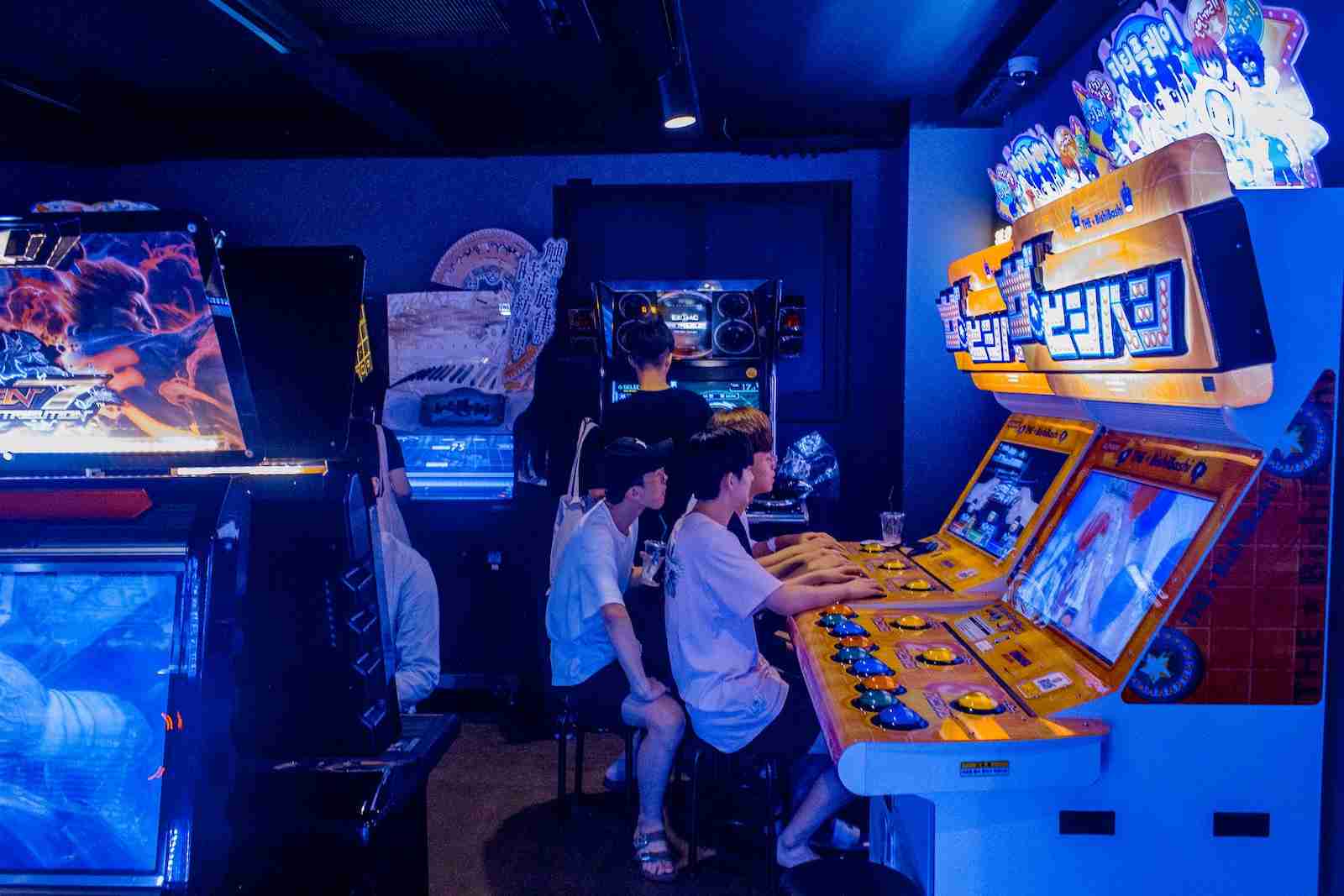
When you look at kids today, one thing becomes abundantly clear: games are more than just a way to pass the time; they’re a bridge to understanding, learning, and sometimes even surviving in a world that can feel overwhelming. We often toss around the term “gamification” as if it’s some sort of magic formula—turning everyday tasks into a high-stakes video game. But let’s dig a bit deeper into what this really means for our kids and their journey through life.
Imagine your child sitting in front of a screen, fully immersed in a game. What’s happening there isn’t just mindless entertainment. This is a space where they learn to strategize, adapt, and overcome challenges that mirror the ups and downs of real life. With every quest they embark on, they’re not just avoiding chores or homework; they’re developing problem-solving skills, resilience, and even social connections through teamwork.
Think about the last time you tackled a difficult project. Remember how satisfying it felt to level up or achieve a goal? Those same feelings of accomplishment can be found in gaming. Kid or adult, we all crave a little recognition. Through gamification, tasks that can feel mundane, like cleaning a room or studying for a test, become engaging challenges. It’s about turning the ordinary into the extraordinary. Suddenly, they’re racing against the clock to earn points, or competing with friends to achieve a high score, fostering a healthy environment of competition and collaboration.
But here’s the kicker: it’s not just about escape. Those games often present valuable life lessons tucked between the pixels and audio cues. Whether it’s learning the importance of persistence after failing a level 20 times or discovering the power of collective effort in mult-player realms, kids are untangling complex emotions and social situations in real-time, and all while having a blast.
So, are games offering kids a lifeline in the turbulent waters of growing up? Or are they just another digital distraction? The truth lies somewhere in between. As parents, educators, and guardians, it’s our responsibility to strike a balance. Embrace the educational potential of gaming and use it to guide these young adventurers not just through fantasy worlds, but also through the very real challenges they’ll face as they grow up. Let’s celebrate this unique intersection where fun meets fortitude!

Are Games Helping Kids Navigate Life Or Simply Offering Escape From Reality?
Are Games Helping Kids Navigate Life Or Simply Offering Escape From Reality?
- Games have evolved into tools for understanding, learning, and coping in a complex world.
- “Gamification” transforms everyday tasks into engaging challenges, fostering skills needed for real life.
- Children learn to strategize and problem-solve while immersed in gaming, mirroring real-life challenges.
- Accomplishments in gaming can enhance motivation for mundane tasks by making them more engaging.
- Through gaming, kids develop resilience, teamwork, and social connections while having fun.
- Games provide vital life lessons, helping children navigate emotions and social situations effectively.
- Parents and educators should embrace the educational benefits of gaming to guide children through real-life challenges.

Are Games Helping Kids Navigate Life Or Simply Offering Escape From Reality?
Table Of Contents
- Are Games Helping Kids Navigate Life Or Simply Offering Escape From Reality?
- How Can Games Teach Life Skills?
- Do Games Promote Social Interaction Among Children?
- Are There Educational Benefits To Gaming?
- Can Gaming Improve Problem-Solving Abilities?
- What Role Do Games Play In Emotional Expression?
- Are There Risks Of Gaming As An Escape Mechanism?
- Can Gaming Lead To Addiction In Children?
- Conclusion
- Other Resources
- Glossary Of Terms
- Other Questions
- Haiku
- Poem
- Checklist
How Can Games Teach Life Skills?
##
Let’s face it: the world can be a tricky place. Whether you’re grappling with adulting, facing career hurdles, or navigating relationships, life often feels like one big game. But here’s the good news: games—and yes, even the simple ones—can teach us some serious life skills along the way. How? Welcome to the world of gamification.
Look, we live in a world filled with distractions. From the ping of notifications to a never-ending supply of streaming content, our attention is pulled in a million different directions. But here’s the striking thing: when you turn that everyday life into a game, suddenly you’re engaged, you’re motivated, and you’re actually learning. Gamification takes the essence of play and applies it to practical situations. Think of it as a secret sauce that helps us dive into the most mundane tasks with the enthusiasm of a kid on Christmas morning.
Take problem-solving skills, for instance. Ever sent a character on a quest to defeat a dragon? It’s all about strategy, reconsidering your choices, and sometimes failing, only to rise up stronger in the next round. That’s pretty close to real life. We face our own dragons—like challenging projects, tricky conversations, or unexpected setbacks. The ability to analyze, adapt, and persist? Well, those are skills you sharpen while gaming.
Then there’s teamwork. Ever played a multiplayer game where communication is the key to success? That’s right! You quickly learn that collaboration can make or break your victory. In life, whether in the workplace or personal relationships, being able to communicate and work as part of a team is invaluable. It’s a lesson in camaraderie, compromise, and often, humility. These experiences come together to strengthen our interpersonal skills—an absolute necessity in today’s connected world.
Let’s not forget about perseverance. Anyone who’s ever attempted a ridiculously difficult level knows the sting of failure. But here’s the kicker: that very sting can be converted into resilience. You don’t stop after one game over, do you? No, you brush off your virtual armor and try again. It’s that spirit of not giving up that translates directly into real-world scenarios; life will throw curveballs, and instead of backing down, we learn to adapt and push through.
So, next time you pick up a controller or join a game, remember: while you’re having fun defeating foes or solving puzzles, you’re also picking up some of the most crucial life skills we need to thrive. Let’s embrace gamification—not just as a gaming mechanic, but as a powerful tool for growth. After all, life is the ultimate game, and we’ve got what it takes to win.
How Can Games Teach Life Skills?
How Can Games Teach Life Skills?
- Life can be challenging, filled with adulting, career hurdles, and relationship navigation.
- Gamification turns everyday life into a game, enhancing engagement, motivation, and learning.
- Problem-solving skills are honed through gaming, teaching strategy, adaptation, and resilience.
- Teamwork in multiplayer games emphasizes the importance of communication and collaboration.
- Gaming experiences build interpersonal skills crucial for personal and professional success.
- Perseverance is developed as players learn to overcome failure and continue trying, mirroring real-life challenges.
- Embracing gamification can foster personal growth, making life a game we can successfully navigate.
How Can Games Teach Life Skills?
Do Games Promote Social Interaction Among Children?
Let’s take a moment to step back and consider the landscape of childhood today. In a world dominated by screens and a seemingly endless array of options, it’s hard not to wonder: do games actually promote social interaction among kids? At first glance, it might appear that children’s playtime is confined to solitary pursuits—virtual realities where communication happens through thumbs, not faces. But delve deeper, and you’ll find a treasure trove of opportunities for connection waiting to be unearthed.
Enter the concept of gamification. Picture this: a group of children gathered around a table, eyes gleaming with excitement, as they navigate a game designed not only to challenge their skills but to enhance their ability to work as a team. Whether it’s a tabletop RPG or an online multiplayer game, these are environments tailored to encourage kids to strategize, collaborate, and sometimes even negotiate. In this space, dialogue flourishes—kids learn to express their thoughts, share ideas, and give feedback, all while immersed in a playful world.
And guess what? It’s not just about winning or losing. It’s about building relationships. During a cooperative game, friendships can blossom over shared victories or even shared defeats. There’s something oddly comforting about a friend giving you high-fives after overcoming a tough challenge and feeling the pride that comes from mutual accomplishment. It’s beautiful bonding through virtual adventures that translates to real-life camaraderie.
Take soccer, for instance. When kids come together on the field, they’re not just chasing a ball; they’re learning teamwork, communication, and sportsmanship. The same principle applies to digital games that promote collaboration. Kids develop skills they don’t even realize they’re honing—conflict resolution, empathy, and the joy of supporting one another.
Now, let’s not overlook the shy ones. Video games can offer a bridge for those who may find face-to-face interaction intimidating. In their virtual worlds, children can express themselves freely, forging connections that might transcend their initial timidity. They learn they’re not alone, often finding a community of fellow adventurers who share similar interests and passions.
So, the next time you see a child glued to their screen, consider giving them the benefit of the doubt. Games can serve as more than mere entertainment; they can foster important social skills and connections that lay the groundwork for lifelong relationships. Kids aren’t just playing; they’re learning how to interact in a complex world—one game at a time.

Do Games Promote Social Interaction Among Children?
Do Games Promote Social Interaction Among Children?
- Childhood today is impacted by screens and digital playtime, raising questions about social interaction through games.
- Gamification encourages teamwork, strategy, and collaboration among kids in various gaming environments.
- Games provide opportunities for kids to communicate, share ideas, and give feedback while playing.
- Participating in cooperative games fosters friendships through collective experiences and challenges.
- Physical activities like soccer teach valuable skills like teamwork and communication, similar to digital games.
- Video games can help shy children overcome social barriers and connect with peers in a comfortable space.
- Games play a crucial role in helping children develop social skills and relationships that last a lifetime.

Do Games Promote Social Interaction Among Children?
Are There Educational Benefits To Gaming?
Let’s take a moment to pull back the curtain on a topic that often stirs debate: gaming. Now, I know what you’re thinking—what could possibly be educational about a hobby often dismissed as mere distraction? But here’s a perspective worth considering, especially in a world that is rapidly evolving to meet the demands of the future.
Let’s talk about gamification, a method that’s been making its way into classrooms across the country. At its core, gamification transforms the process of learning into a more dynamic experience. You see, our brains are wired to respond to rewards. We thrive on recognition for our efforts, much like when you score a point in your favorite game. Educational gamification taps into this primal urge by introducing elements like challenges, leaderboards, and achievements. Suddenly, learning algebra or history isn’t just about memorizing facts; it’s a virtual quest filled with rewards for mastering new skills.
But don’t just take my word for it. Research shows that incorporating game-like elements in educational settings can significantly boost motivation and engagement. Imagine students racing against the clock to complete a puzzle that teaches problem-solving skills or forming teams to compete in trivia quizzes that reinforce their learning material. It’s more than just fun; it’s brain training in disguise, and it leads to a deeper understanding of subjects that traditional methods might not have reached.
And let’s not overlook the subtler lessons that gaming can impart. Collaboration and communication skills are fostered in multiplayer environments, where teamwork becomes essential to success. Players learn to strategize, adapt, and even fail—an invaluable lesson in resilience and problem-solving. These qualities are crucial not only in the classroom but in life beyond those four walls.
So, if you’re a parent or educator, consider embracing the phenomenon of gaming in your educational arsenal. It’s not about replacing traditional learning methods but enhancing them. When embraced properly, gaming can prepare individuals for real-world scenarios, equipping them with skills that textbooks simply cannot.
Let’s face it: the future demands adaptability, creativity, and critical thinking. So, why not level up the way we learn? Whether you’re a reluctant gamer or already hooked, there’s a world of educational opportunity just waiting to be explored. After all, who says learning can’t be as engaging as a video game?

Are There Educational Benefits To Gaming?
Are There Educational Benefits To Gaming?
- Gaming often dismissed as mere distraction can have educational value.
- Gamification enhances learning by making it a dynamic and engaging experience.
- Incorporates elements like challenges, leaderboards, and achievements to motivate learners.
- Research indicates that game-like elements boost student motivation and engagement.
- Encourages teamwork and communication through multiplayer gaming contexts.
- Fosters resilience and problem-solving skills essential in academics and life.
- Embracing gaming in education helps prepare individuals with vital real-world skills.

Are There Educational Benefits To Gaming?
Can Gaming Improve Problem-Solving Abilities?
Let’s take a moment to consider a phenomenon that’s woven itself into the fabric of our lives—gaming. Now, I know what you’re thinking: “Isn’t gaming just for kids, or lazy adults avoiding responsibilities?” Well, let’s flip that narrative on its head, shall we? If we dive a little deeper, we might just find some treasures lurking beneath the surface.
First up, let’s talk about gamification—a term that’s been buzzing around like a bee at a summer picnic. At its core, gamification is about taking elements from games and integrating them into everyday tasks to make things more engaging. You remember the joy of leveling up in your favorite game? That same rush can be harnessed to tackle real-world challenges. Whether it’s in education, business, or even daily problem-solving, applying game-like mechanics can transform mundane tasks into compelling quests.
Think about it—the challenges presented in video games require planning, trial and error, and creative thinking. You’re not just mindlessly blasting away bad guys; you’re often strategizing your next move, assessing risks, and adapting to unforeseen challenges. Ever faced a boss level that seemed impossible? Did you throw in the towel, or did you dig in, formulate a strategy, and come back stronger? That’s the beauty of gaming—it instills a mindset of resilience and innovation.
Now, apply that spirit to life’s puzzles. Whether it’s solving a tricky math problem, navigating workplace dynamics, or even negotiating with your kids over chores, the cognitive skills honed during those gaming marathons can be invaluable. Studies have shown that playing action and strategy games can improve cognitive flexibility—think of it as the ability to think on your feet and navigate shifting circumstances.
So, the next time you’re sitting down with a controller, remember that you’re not just playing a game; you’re training your brain and sharpening your skills. Don’t dismiss your gaming hours as mere leisure. Treat them as a workshop for your mind, a boot camp for problem-solving. Embrace the idea that gaming can be a powerful ally, helping you tackle life’s complex challenges with newfound confidence. So gear up, have fun, and let the games begin—both on-screen and off!

Can Gaming Improve Problem-Solving Abilities?
Can Gaming Improve Problem-Solving Abilities?
- Gaming is often misunderstood as being solely for kids or lazy adults, but it has deeper benefits.
- Gamification integrates game elements into everyday tasks, making them more engaging and enjoyable.
- Video games encourage planning, trial and error, and creative thinking, leading to valuable problem-solving skills.
- Gaming fosters resilience and innovation when faced with challenges, teaching players to strategize and adapt.
- Skills developed through gaming, such as cognitive flexibility, have real-world applications in various situations.
- Playing games should be viewed as a valuable training ground for mental agility and problem-solving abilities.
- Embrace gaming as a tool to enhance life skills and tackle complex challenges with confidence.

Can Gaming Improve Problem-Solving Abilities?
What Role Do Games Play In Emotional Expression?
Let’s take a moment to explore a fascinating aspect of human experience that often flies under the radar—our emotional lives—through the lens of games. You might think of games as mere diversions, things we tackle between work, chores, or that endless parade of required phone calls. But they do far more than entertain; they are crucial tools for emotional expression. Whether it’s a board game with friends or a solo adventure on a video game console, these activities can unlock a wide range of feelings, from joy to frustration, pride to empathy.
Consider how gamification—yes, that buzzword that’s infiltrated every corner of life—plays a significant role here. When you dive into a game, you’re not just playing by the rules; you’re engaging with narratives that often reflect our struggles, our triumphs, and our dreams. They give us a safe space to explore feelings we might otherwise shy away from. Imagine racing against the clock in a timed challenge; you feel that rush of adrenaline mixed with a twinge of anxiety. Each victory and setback amplifies emotional states that are all too real.
Games can act like mirrors, reflecting our emotions back to us and allowing us to process them in ways we might find difficult in “real life.” From the grief felt in a character’s farewell to the joy of achieving a long-sought goal, each moment fosters connection, whether with ourselves or with others. We find camaraderie in shared experiences—think of the late-night gaming marathons that turn into heartfelt conversations about aspirations and challenges.
Moreover, let’s not overlook the power of collaborative gameplay. When you team up with others, you’re not just strategizing; you’re building relationships and trusting one another to navigate challenges. This fosters empathy, as you witness teammates experiencing both highs and lows. It reminds us that, whether in the virtual world or the tangible one, we’re all navigating similar paths.
So the next time you pick up a controller, shuffle a deck of cards, or join an online multiplayer game, remember: it’s more than just a pastime. You’re stepping into a vibrant realm designed for emotional exploration. Engage with it fully, and who knows? You might just discover something profound about yourself and those around you.

What Role Do Games Play In Emotional Expression?
What Role Do Games Play In Emotional Expression?
- Games are essential tools for emotional expression, not just mere entertainment.
- They unlock a variety of emotions, including joy, frustration, pride, and empathy.
- Gamification allows players to engage with narratives that reflect personal struggles and dreams.
- Games serve as mirrors, helping individuals process emotions that may be difficult in real life.
- Shared gaming experiences foster connections and camaraderie among players.
- Collaborative gameplay builds relationships and nurtures empathy among teammates.
- Engaging in games can lead to profound self-discovery and insights about others.

What Role Do Games Play In Emotional Expression?
Are There Risks Of Gaming As An Escape Mechanism?
Are There Risks of Gaming as an Escape Mechanism?
Ah, video games. For many of us, they’re more than just a pastime; they’re a refuge, a haven where stress fades, and the pressures of real life seem miles away. The allure of gamification—turning everyday tasks into something engaging and rewarding—makes it easy to get swept up in the excitement. But let’s take a moment to pause and reflect, as sometimes our favorite escape can cause more trouble than we bargained for.
Picture this: you’ve had a long day at work. The deadlines are chasing you like a hungry pack of wolves, and all you want to do is kick back, log into your favorite game, and dive into a world where you’re the hero, the conqueror, the master of your destiny. It’s tempting. It’s enticing. But how often does that quick escape turn into hours lost in digital realms while your laundry piles up, phone calls go unanswered, and relationships start to fray? This is where the fine line between an immersive adventure and an unhealthy diversion begins to blur.
The risks are subtle but significant. In our quest for distraction, we may find ourselves neglecting responsibilities or important relationships. Sure, we can level up, collect rewards, and unlock achievements in a virtual space, but what about in our actual lives? Gamification adds a layer of achievement that feels satisfying, but when we rely solely on games to fill the void, it can lead to feelings of disconnection from reality—the very thing we sought to escape.
Moreover, escapism can often mask underlying issues. Are we gaming to hide from anxiety or unfulfilled dreams? It’s a comfortable shield, but comfort can be deceptive. It’s crucial to recognize that while video games can offer solace and community, they’re not a substitute for facing our problems head-on.
So, how do we navigate the waters of gaming responsibly? Start by setting boundaries. Schedule your gaming sessions as a reward for accomplishing real-life tasks. Discover the joy of balance, where gaming complements life instead of replacing it. Embrace your inner hero, but remember—there’s a whole world out there waiting for you, filled with opportunities to conquer beyond your screen. By grounding ourselves in reality, we can enjoy our digital adventures while still tackling the wonderful, messy game of life.

Are There Risks Of Gaming As An Escape Mechanism?
Are There Risks Of Gaming As An Escape Mechanism?
- Video games serve as an escape for many, providing a refuge from real-life stress.
- Gamification makes everyday tasks feel rewarding, leading to immersive experiences.
- Excessive gaming can result in neglecting responsibilities and relationships.
- Relying solely on games for satisfaction can create feelings of disconnection from reality.
- Escapism through gaming may mask underlying issues like anxiety or unfulfilled dreams.
- Setting boundaries on gaming can help maintain a healthy balance with real-life tasks.
- Embracing gaming responsibly allows enjoyment while still engaging with the realities of life.

Are There Risks Of Gaming As An Escape Mechanism?
Can Gaming Lead To Addiction In Children?
Let’s face it—gaming has charged its way into our lives like a powerhouse, lighting up screens and captivating imaginations. It’s the spark that ignites our kids’ creativity and teamwork, but as parents and caring adults, we find ourselves asking the tough questions. Can all that excitement lead to something darker? Can gaming lead to addiction in children?
First, let’s unpack what we mean when we say “addiction.” It’s a slippery word, often misused to describe anything that captures our attention for longer than we’d planned. But in the context of gaming, we’re really talking about that compulsive behavior—a desire that grows unchecked, often at the expense of other important activities. And here’s where gamification comes into play. This clever strategy uses the principles of gaming to make ordinary activities more engaging, whether it’s homework or chores. It’s what makes games so appealing—and sometimes dangerously addictive. Those shiny rewards and unlocking levels? They trigger a rush that can hook even the most disciplined among us.
Now, let’s not paint all gaming in a negative light. Many children benefit from play; they learn problem-solving skills, foster social connections, and unleash boundless creativity. The magic lies in balance. A little escapism here and there is perfectly healthy, but when children choose virtual worlds over real-life experiences—friendships, sports, or even that half-finished puzzle on the dining room table—we need to hit the brakes.
As guardians of our children’s well-being, it’s crucial to stay involved. Open lines of communication work wonders; ask them what they love about the games they play. Share in their enthusiasm and create a space where they feel heard. Establishing ground rules, like time limits or gaming licenses, can transform gaming from a solitary activity to a family affair. Play alongside them, unleash your inner warrior, and defeat those digital dragons together.
Remember, true connection grows when we engage with our kids on their turf. Knowing when to nurture their pull toward screens—and when to rein it in—will set the stage for a healthy relationship with gaming. Trust your instincts and stay vigilant. After all, every hero needs a trustworthy mentor guiding them through their adventures—both online and off.

Can Gaming Lead To Addiction In Children?
Can Gaming Lead To Addiction In Children?
- Gaming has become an integral part of modern life, promoting creativity and teamwork in children.
- Concerns arise about the potential for gaming to lead to compulsive behavior and addiction.
- Addiction in gaming refers to unchecked desire that overcomes other important activities.
- Gamification makes ordinary activities engaging, which can enhance the allure and addictive nature of games.
- While gaming has benefits, such as skill development and social connections, balance is essential.
- Parents should communicate with their children, set ground rules, and engage in gaming to foster connection.
- Establishing a healthy relationship with gaming involves knowing when to support and when to limit screen time.

Can Gaming Lead To Addiction In Children?
Conclusion
Let’s take a step back and reflect on where gaming fits into the fragile mosaic of a young person’s life. Tom Seest’s examination raises critical questions about the dual-edged nature of games: Are they aiding in the navigation of life, or merely offering a hideaway from reality? In a world where chaos often reigns, games have emerged as more than just a pastime; they have become a dynamic training ground for crucial life skills.
Picture this: kids engrossed in strategic battles, forming alliances, and facing down digital dragons, all while subtly honing skills like problem-solving, resilience, and teamwork. Each level they conquer offers not just the thrill of victory, but valuable life lessons. Where once we might have seen a simple distraction, we now recognize that gaming can mirror the complexities of real life. It becomes a platform to explore emotions, collaborate with peers, and triumph over adversity—all valuable tools as these young adventurers chart their course through life.
But here’s the kicker: while the therapeutic allure of escape is strong, we must tread cautiously. Gaming can easily tip from a healthy coping mechanism into an all-consuming obsession. The challenge lies in finding balance—a crucial equilibrium that allows gaming to be a supplement to life, rather than a substitute. Gamification can transform the mundane into the enticing, but it’s imperative to ensure that we’re not losing sight of real-world connections.
As guardians of our children’s futures, our role becomes clear. Engage in conversations about their gaming experiences; understand the virtual worlds they’ve grown to love. By setting reasonable boundaries and creating a culture of balance, we nurture not just responsible gaming habits, but also deeper familial connections.
In the end, games can provide our kids with invaluable life skills, turning ordinary tasks into enchanting quests. But like any tool, their true power lies in how we wield them. It’s about recognizing the potential within each gaming session while being mindful of the real world that awaits just beyond the screen. So, let’s embrace the challenge together, celebrating where fun meets fortitude, and guiding our young adventurers toward a future that is rich in both virtual triumphs and real-life victories.

Conclusion
Conclusion:
- Games play a critical role in the lives of young people, serving as both a tool for navigation and a potential escape from reality.
- Engaging in gaming teaches crucial life skills such as problem-solving, resilience, and teamwork through strategic play.
- Gaming can reflect real-life complexities, providing a platform for emotional exploration and peer collaboration.
- While gaming offers therapeutic escape, it risks becoming an obsession if not approached with caution.
- Finding a balance is essential to ensure gaming supplements life rather than substitutes for real-world experiences.
- Parents should engage with their children about gaming to set boundaries and create a culture of balance.
- When used mindfully, games can enrich children’s lives with valuable lessons while maintaining connections to the real world.

Conclusion
Other Resources

Other Resources
Here is a list of other resources you can review online to learn more:
- Tom Vasel’s The Dice Tower
- Flying Frog Productions
- Ticket to Ride
- Bridge
- 2F-Spiele
- Repos Production
- Cryptozoic Entertainment
- Mastodon
- Through the Ages: A New Story of Civilization
- Greater Than Games
Use This Prompt To Get More Resources With Your Favorite Online AI Tool: Please provide me with a list of online articles with their URLs in a bulleted list that I can read regarding Are Games Helping Kids Navigate Life Or Simply Offering Escape From Reality?

Other Resources
Glossary Terms
Are Games Helping Kids Navigate Life Or Simply Offering Escape From Reality? – Glossary Of Terms
1. Agency: The capacity of a child to make choices and take actions in their gaming environment, fostering decision-making skills.
2. Allegory: A story or game that has a deeper moral or political meaning, often used to convey lessons in a subtle way.
3. Avatar: A digital representation of a player, allowing kids to express themselves and explore their identities in a virtual space.
4. Coping Mechanism: Strategies or behaviors, such as playing games, used by kids to manage stress and anxiety associated with real-life challenges.
5. Critical Thinking: The ability to analyze information and make informed decisions, often enhanced by engaging with complex game narratives and strategies.
6. Emotional Regulation: The process by which children learn to manage their emotions, which can be influenced by the challenges and rewards in gaming.
7. Empathy: The ability to understand and share the feelings of others; many games encourage players to see perspectives different from their own.
8. Escapism: The tendency to seek distraction and relief from unpleasant realities, often achieved through engaging in video games.
9. Gamification: The application of game design elements in non-game contexts, used to motivate and engage children in learning and daily tasks.
10. Interpersonal Skills: Abilities needed to interact and communicate effectively with others, which can be developed through cooperative gaming experiences.
11. Intrinsic Motivation: The drive to engage in activities for their own sake, which can be facilitated by the joy and challenges presented in games.
12. Narrative: The story framework within a game, which can provide context and moral lessons that resonate with players.
13. Non-linear Gameplay: Game design that allows players to choose their own paths and make significant decisions, fostering creativity and strategic thinking.
14. Problem-Solving Skills: Abilities developed through gameplay, where kids learn to find solutions to challenges and puzzles.
15. Role-playing: Engaging in a game where players assume character roles, helping kids explore different perspectives and scenarios.
16. Simulation: A game genre that imitates real-world processes or environments, offering educational experiences in various fields.
17. Socialization: The process of interacting with others, often enhanced through multiplayer games where collaboration and competition occur.
18. Stress Relief: The reduction of tension and anxiety, which can be achieved through playful engagement in video games.
19. Transmedia Storytelling: A narrative technique that spans across multiple platforms and media, deepening engagement and understanding through different formats.
20. Virtual Reality (VR): Immersive technology that allows players to experience and interact within a 3D virtual environment, enhancing emotional and sensory engagement.
21. World Building: The creative process of constructing a fictional universe within a game, which can develop imaginative skills in players.
22. Player Agency: The degree to which a player feels empowered to make impactful choices in a game, fostering a sense of control and ownership.
23. Feedback Loop: The interaction between player actions and game responses, crucial for learning and adapting strategies in gameplay.
24. Goal Setting: The process of identifying objectives within a game, which can help kids learn to set and pursue goals in real life.
25. Collaboration: Working together with others to achieve a common goal, often found in team-based games that promote teamwork and negotiation.
26. Digital Literacy: The skills required to effectively navigate and utilize digital technologies, important for engaging with modern games.
27. Stress Testing: In gaming, the evaluation of how players respond to challenges, which can mirror their resilience in real-life situations.
28. Immersive Learning: An educational approach that involves engaging experiences, where games facilitate hands-on learning and retention of knowledge.
29. Behavioral Conditioning: A learning process where behaviors are reinforced through rewards in games, which can influence decision-making outside the game.
30. Balance: The challenge of maintaining a healthy relationship with gaming, ensuring it enhances rather than distracts from real-life skills and responsibilities.

Glossary Of Terms
Other Questions
Are Games Helping Kids Navigate Life Or Simply Offering Escape From Reality? – Other Questions
If you wish to explore and discover more, consider looking for answers to these questions:
- What specific life skills can children learn from gaming?
- How does gamification differ between video games and real-life tasks?
- What types of games are most effective for teaching problem-solving skills?
- How can parents help children balance gaming and real-life responsibilities?
- Are there particular genres of games that promote social interaction more than others?
- What signs indicate that a child may be using gaming as an escape mechanism?
- What are the long-term effects of excessive gaming on children’s emotional health?
- How can educators incorporate gaming into curricula effectively?
- What measures can be taken to prevent gaming addiction in children?
- How can gaming be utilized to enhance teamwork and collaboration skills?
- What role do online multiplayer games play in developing social skills?
- How can gaming contribute to a child’s emotional intelligence?
- Are there age-appropriate games that provide significant educational benefits?
- What impact does gaming have on cognitive development in children?

Other Questions
Haiku
Are Games Helping Kids Navigate Life Or Simply Offering Escape From Reality? – A Haiku
Games can teach skills,
Navigating life’s challenges—
Balance is the key.

Haiku
Poem
Are Games Helping Kids Navigate Life Or Simply Offering Escape From Reality? – A Poem
In a world where screens glow bright,
Children find their sacred light,
Through games, they learn to strategize,
To tackle life’s complex guise.
More than mere escape they bring,
With each new quest, they learn to swing
From failures deep to triumphs bold,
Developing skills that’ll shape their mold.
Problem-solving, teamwork, and play,
In virtual realms, they find their way.
Through multiplayer games, friendships grow,
Empathy and trust, in each victory, flow.
Gamification turns tasks to quests,
Mundane chores become thrilling tests.
With every level up they see,
That life, too, is a game—full of mystery.
Yet, caution whispers in their ears,
For the line of balance may disappear.
Addiction’s shadow lurks nearby,
As they flee from the truths that make them sigh.
So let’s join them in their quest,
Guide them gently, give our best.
To find the joy in both worlds’ art,
For gaming can teach, but life is the heart.
Embrace the lessons that they find,
Let’s celebrate the ties that bind.
Through gaming’s lens, we learn and grow,
Together, navigating life’s ebb and flow.

Poem
Checklist
Are Games Helping Kids Navigate Life Or Simply Offering Escape From Reality? – A Checklist
Checklist: Navigating Gaming’s Role in Children’s Lives
1. Understand Gamification
_____ Recognize how gamification applies to daily tasks.
_____ Identify elements of play in educational contexts.
2. Assess Life Skills Development
_____ Evaluate how gaming fosters problem-solving skills.
_____ Consider teamwork and communication benefits from multiplayer games.
_____ Reflect on the perseverance and resilience gained through challenging gameplay.
3. Encourage Social Interaction
_____ Facilitate group gaming experiences to enhance collaboration.
_____ Promote games that involve teamwork to build friendships and empathy.
_____ Recognize opportunities for shy children to connect through virtual platforms.
4. Explore Educational Benefits
_____ Investigate educational games that engage students in learning.
_____ Support teachers in implementing gamification in the classroom.
_____ Identify subjects where games can enhance comprehension and retention.
5. Monitor Emotional Expression
_____ Encourage discussions about feelings experienced during gameplay.
_____ Frame gaming as a safe outlet for emotional exploration.
_____ Promote shared gaming experiences for relationship building.
6. Be Aware of Risks
_____ Set limits on gaming time to prevent neglecting responsibilities.
_____ Watch for signs of gaming becoming an escape from real-life problems.
_____ Cultivate balance between gaming and offline activities.
7. Prevent Gaming Addiction
_____ Understand the signs of compulsive gaming behavior.
_____ Maintain open communication about gaming habits.
_____ Implement family gaming rules to balance screen time with real life.
8. Plan Engaging Alternatives
_____ Encourage participation in sports, arts, or other hobbies to diversify interests.
_____ Organize family activities that compete for screen time in enjoyable ways.
_____ Foster a variety of experiences outside of gaming to build a well-rounded lifestyle.
9. Stay Informed and Involved
_____ Stay updated on new trends in gaming and their potential impacts.
_____ Play games with your child to better understand their interests.
_____ Discuss gaming experiences regularly to promote awareness and reflection.
10. Be a Positive Role Model
_____ Model healthy gaming habits within your own media consumption.
_____ Show enthusiasm for offline activities to balance digital engagement.
_____ Share your own experiences, challenges, and successes in navigating life beyond gaming.
This checklist can serve as a practical guide for parents, educators, and guardians in understanding and harnessing the positive aspects of gaming while being mindful of its potential risks.

Checklist
At HowDoYouGame, we help people who love board games by collating information and news about games.
Be sure to read our other related stories at HowDoYouGame to learn more about games.