Boosting Seniors’ Social Bonds Through Gaming
By Tom Seest
At HowDoYouGame, we help people who love board games by collating information and news about games.
Be sure to read our other related stories at HowDoYouGame to learn more about games.
Can Playing Games Help Seniors Build Stronger Social Connections?
In a world that often feels like a hustle and bustle of chaos, finding avenues for connection can be a challenge, especially for seniors. However, gamification—yes, you read that right—has stepped in as an unexpected hero in this narrative. Picture this: a group of seniors gathered around a table, laughter echoing through the room, as they engage in a lively game of cards or a friendly round of bingo. What seems simple on the surface is, in fact, a potent catalyst for building social connections.
Games have always served as a bridge across generations. They bring people together, breaking down barriers and fostering camaraderie. For seniors, this isn’t just about passing the time or killing boredom—it’s a lifeline. As folks age, social circles can shrink, with friends moving away or sadly, passing on. Engaging in games offers not only entertainment but also the chance to forge new relationships. It’s an invitation to share stories, strategize with teammates, and revel in the kind of playful competition that keeps spirits high.
Moreover, the rise of technology has revolutionized the gaming landscape. Many seniors are embracing platforms that allow them to participate in gaming communities online, where they can interact with peers from the comfort of their homes. Whether it’s a virtual board game or a collaborative puzzle, these digital playgrounds are breaking down the walls of isolation. In this, gamification becomes more than just a trend; it evolves into a tool for connection and community-building.
The benefits are manifold. Engaging in games helps sharpen cognitive skills, boosts mood, and, most importantly, serves as the ultimate social lubricant. Imagine the energy in a room when someone lands that winning move—applause and cheers filling the air. These moments become shared memories, nurturing relationships that can last well beyond the game itself.
So, can playing games help seniors build stronger social connections? You bet. In a time when life can feel like a solitary journey, games remind us that we’re not alone. They’re not just fun; they’re meaningful rituals of companionship that can bring a spark of joy to everyday life. The next time you see a group of seniors around a game table, remember: they’re not just playing a game; they’re building bridges—one final score at a time.

Can Playing Games Help Seniors Build Stronger Social Connections?
Can Playing Games Help Seniors Build Stronger Social Connections?
- Gamification serves as a powerful tool for fostering social connections among seniors.
- Games, like cards and bingo, provide a backdrop for laughter and camaraderie in senior communities.
- Engaging in games offers seniors a lifeline to build new relationships as their social circles often diminish with age.
- Technology has expanded gaming options, allowing seniors to engage with online gaming communities from home.
- Games help sharpen cognitive skills, boost mood, and act as a social lubricant, creating shared memories.
- Playing games enriches the lives of seniors, transforming moments into meaningful rituals of companionship.
- Ultimately, gaming helps remind seniors that they are not alone and fosters a sense of connection in their daily lives.

Can Playing Games Help Seniors Build Stronger Social Connections?
Table Of Contents
- Can Playing Games Help Seniors Build Stronger Social Connections?
- What Types Of Games Are Best For Seniors?
- Can Competitive Games Enhance Friendships In Seniors?
- How Do Board Games Encourage Teamwork Among Older Adults?
- What Role Do Online Games Play In Social Connectivity For Seniors?
- Are There Specific Games That Are More Popular Among Seniors?
- How Can Family Members Facilitate Game Play For Seniors?
- What Are The Emotional Benefits Of Gaming For Older Adults?
- Conclusion
- Other Resources
- Glossary Of Terms
- Other Questions
- Haiku
- Poem
- Checklist
What Types Of Games Are Best For Seniors?
When we think about games, we often picture the fast-paced digital landscapes of high-speed online shooters or the relentless frenzy of puzzle challenges. But let’s take a step back and consider what kinds of games actually benefit seniors, both mentally and physically. It’s time to embrace a slower pace, one that focuses on connection, engagement, and genuine fun.
First off, board games are making a glorious comeback among older adults. These aren’t just relics from family game night; they offer an engaging way to stimulate the mind while enjoying the company of friends or family. Classic games like *Scrabble* or *Monopoly* encourage strategy and critical thinking. And let’s not forget card games—whether it’s poker, bridge, or a simple round of solitaire, a good card game can foster social interaction while keeping those mental gears turning.
Next up, we can’t ignore the power of puzzles, which come in many flavors. Crossword puzzles, jigsaw puzzles, and logic puzzles all engage different skills and can be tackled alone or in groups. They serve as a great mental workout, keeping cognitive functions sharp. The satisfaction that comes with piecing together a complex puzzle or solving a challenging wordplay can provide an immense sense of accomplishment.
Now, let’s talk about video games. Yes, you read that right! Not all games require a twitch reaction time; there’s a whole world out there dedicated to gamification aimed at older players. These games often emphasize storytelling, exploration, and problem-solving over speed and violence. Titles like *Animal Crossing* allow players to cultivate virtual gardens and communities at their own pace. This gentle approach can boost mood and cognitive function without the stress of competition.
And speaking of relaxation, let’s not overlook the simple joys of mobile games. Many apps are specifically designed for seniors, offering everything from light trivia games to brain-training exercises. The convenience of playing a game on a tablet or smartphone means that fun is just a click away, no matter where you are.
Lastly, engaging in games that promote physical activity, such as dance games, can contribute to health and well-being. Gentle movement encourages mobility and coordination, creating a delightful way to stay active while enjoying a fun social environment.
So, the best games for seniors blend enjoyment with mental and physical engagement. The key is to choose what resonates with the individual—because at the end of the day, it’s about having a good time while nurturing both the mind and body.

What Types Of Games Are Best For Seniors?
What Types Of Games Are Best For Seniors?
- Board games are experiencing a revival, offering mental stimulation and social interaction.
- Classic games like *Scrabble* and *Monopoly* encourage strategy and critical thinking.
- Card games, such as poker and bridge, enhance social engagement and cognitive skills.
- Puzzles (crossword, jigsaw, logic) serve as excellent mental workouts and can be enjoyed solo or in groups.
- Video games designed for older players focus on storytelling and problem-solving rather than speed.
- Mobile games for seniors provide easy access to light trivia and brain-training exercises on-the-go.
- Games promoting physical activity, like dance games, contribute to health, mobility, and social enjoyment.

What Types Of Games Are Best For Seniors?
Can Competitive Games Enhance Friendships In Seniors?
The sun filters through the window of the community center, illuminating a scene that feels cozy yet charged with energy. The shuffle of cards, the clinking of checkers, and the playful banter of friends engaging in spirited matches create an atmosphere that’s as rich as a well-brewed cup of coffee. Here, amidst laughter and competitive stakes, something profound is happening: seniors are not just passing time; they are building bridges of camaraderie that run deeper than a simple game can explain.
Welcome to the world of competitive games for seniors, where each move on the board or card drawn holds more weight than you might expect. The essence of gamification—a concept that weaves elements of game design into everyday activities to enhance engagement—is alive and thriving in this dynamic setting. It’s a place where strategy meets spontaneity, and relationships bloom beneath layers of fun and challenge.
Why does this matter? For many seniors, social interactions can dwindle over time. The rigors of life take their toll, and isolation can creep in like a thief in the night. But when games come into play, something remarkable occurs. Amidst the clamor of dice rolling and the honest assessments of “Did you really just land on my property?” friendships are reignited and nurtured. Competitive games act as a catalyst for communication, fostering connections that otherwise might remain dormant.
The beauty of competition is that it levels the playing field. In a game, age and background matter little; what counts is the drive to outsmart an opponent or collaborate on a winning strategy. Seniors who might otherwise hesitate to engage suddenly find themselves immersed, invested, and interacting with new and old friends alike. The thrill of competition breathes life into their routines, offering a fresh lens through which to view their relationships.
Moreover, the benefits extend beyond mere social interaction. Engaging in games sharpens cognitive functions, enhances problem-solving skills, and triggers bursts of creativity—after all, who doesn’t love a good twist of fate? The satisfaction of overcoming an opponent or outmaneuvering a friend can evoke feelings of accomplishment, reinforcing a sense of worth and connection.
In this vibrant hub of game-play, competitive spirit isn’t just about winning; it’s about fostering friendships and embracing life’s quirks. So, the next time you witness a gathering of seniors around a game table, remember: what you’re witnessing is more than competition. It’s a potent reminder that friendships, like fine wine, only get better with age—especially when they’re poured through the fun of gamification.

Can Competitive Games Enhance Friendships In Seniors?
Can Competitive Games Enhance Friendships In Seniors?
- The community center scene features a lively atmosphere with card shuffles, checker clinks, and playful banter among seniors.
- Seniors engage in competitive games, fostering camaraderie beyond the simple gameplay.
- Gamification enhances engagement through game design elements, intertwining strategy and spontaneity.
- Competitive games help combat the isolation many seniors face, reigniting friendships through playful interactions.
- Competition creates an equalizing environment where age and background are less significant than strategic thinking.
- Playing games sharpens cognitive skills, enhances problem-solving abilities, and sparks creativity.
- Ultimately, competitive spirit among seniors strengthens friendships and enriches life, showcasing the enduring value of social connections.

Can Competitive Games Enhance Friendships In Seniors?
How Do Board Games Encourage Teamwork Among Older Adults?
When you think about the average board game, it might just seem like a simple way to pass the time. But for older adults, these games serve as a robust platform for promoting teamwork, camaraderie, and cognitive engagement. Enter the world of gamification—a term that means applying game-like elements to non-game contexts. In the case of older adults, this game-inspired approach can help bridge the gap between isolation and connection, transforming a casual game night into an opportunity for collaboration and friendship.
Picture this: a room filled with the sounds of laughter and friendly banter, people leaning in to discuss strategies, and teammates high-fiving after a successful move. That’s the magic of playing board games. These aren’t just colorful cardboard pieces; they’re tools for connection that invite older adults to engage with one another in meaningful ways.
Board games often require players to work together to achieve a common goal, turning every round into an exercise in communication and collaboration. Whether it’s strategizing a plan in cooperative games or navigating a competitive landscape, older adults can practice vital teamwork skills that may have lain dormant for years. The thrill of accomplishing small victories alongside their peers fosters a sense of belonging that’s often missing in everyday life.
Moreover, the cognitive benefits of these games can’t be overlooked. They encourage critical thinking and creativity while requiring players to read social cues and adapt their strategies based on opponents’ moves. This type of mental stimulation is paramount in keeping minds sharp and engaged, proving that teamwork isn’t only about working together but also about boosting cognitive function in the process.
In this environment, teamwork takes on a new dimension. It’s not just about winning or losing; it’s about the stories shared, the strategies devised, and the bonds strengthened. The act of coming together around a table, sharing joy and laughter, is a powerful antidote to solitude that many older adults face.
So, the next time you find yourself pondering how to encourage teamwork among older adults, consider breaking out the board games. You’ll be surprised at how these simple activities can ignite relationships, foster teamwork, and even contribute to cognitive health. In a world that often pulls us apart, it turns out that a simple game can bring us closer together.

How Do Board Games Encourage Teamwork Among Older Adults?
How Do Board Games Encourage Teamwork Among Older Adults?
- Board games provide older adults with a platform for teamwork, camaraderie, and cognitive engagement.
- Gamification enhances connections, transforming casual game nights into opportunities for collaboration and friendship.
- Playing board games fosters communication and collaboration as players work toward common goals.
- Engaging in team victories helps create a sense of belonging often missing in older adults’ daily lives.
- Board games promote critical thinking, creativity, and adaptability by requiring players to read social cues and change strategies.
- Teamwork and interaction during games help counteract feelings of solitude among older adults.
- Using board games can effectively encourage relationships, improve teamwork, and support cognitive health.
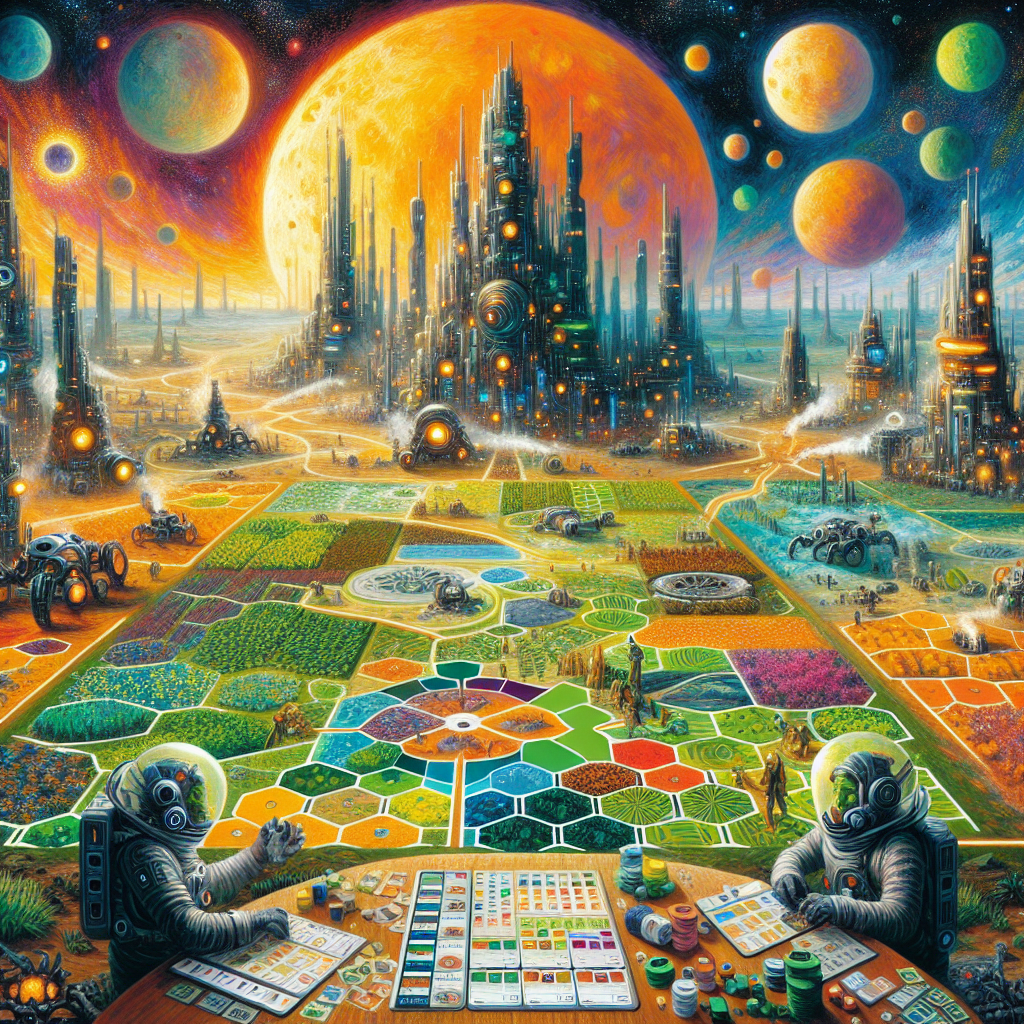
How Do Board Games Encourage Teamwork Among Older Adults?
What Role Do Online Games Play In Social Connectivity For Seniors?
In a world that often seems divided by distance, the digital realm presents an unexpected lifeline for senior citizens seeking connection. Online games, once thought of as mere diversions for the young, have emerged as a powerful tool for social engagement among older adults. You might not associate seniors with avatars, high scores, or multiplayer challenges, but the reality is that gamification—introducing game-like elements into non-game contexts—plays an essential role in their social lives today.
Imagine a retired teacher living miles away from her grandchildren. In the past, a phone call might have sufficed, but now she finds herself logging into a virtual space where they can all meet, play, and explore together. This kind of shared experience isn’t just about fun; it’s about creating lasting bonds. Online platforms often have built-in chat features, allowing players to converse while they navigate through quests or challenges, fostering a sense of community that transcends physical barriers.
The beauty of gamification for seniors lies in its adaptability. Many online games are designed with various skill levels in mind, and they can be as simple or as complex as one desires. This means that even if a senior isn’t tech-savvy, they can still join in on the fun without feeling overwhelmed. Games like bridge or poker have transitioned to online formats, drawing in players from all corners of the globe—an unexpected twist in a once-isolated pastime.
Moreover, the nature of gaming itself encourages collaboration and teamwork. Seniors participating in cooperative games find themselves forming friendships as they work towards common goals. They share successes, support each other through challenges, and sometimes even engage in a friendly rivalry. These interactions go a long way in alleviating feelings of loneliness and isolation, which can be particularly poignant for those living in assisted living facilities or who have lost partners.
So, what’s the takeaway here? Online games are not just about high scores or flashy graphics; they’re about creating a sense of belonging. Gamification has infused social connectivity into the lives of seniors, allowing them to not only engage in stimulating activities but also maintain vital relationships. These digital gatherings might be virtual, but the friendships forged within them are as real and meaningful as any that could be made in a crowded living room. In the grand tapestry of life, connections matter—and online gaming offers a thread that binds generations together, one level at a time.

What Role Do Online Games Play In Social Connectivity For Seniors?
What Role Do Online Games Play In Social Connectivity For Seniors?
- The digital realm provides a lifeline for seniors seeking connection in a divided world.
- Online games have become tools for social engagement among older adults, countering the stereotype of gaming being for the young.
- Shared virtual experiences, such as playing games with distant family members, help create lasting bonds.
- Gamification allows for various skill levels, making it accessible for seniors regardless of their tech-savviness.
- Online platforms foster collaboration and teamwork, leading to friendships and alleviating feelings of loneliness.
- Online gaming promotes social connectivity, enabling seniors to engage in enjoyable activities and maintain relationships.
- These digital gatherings forge real and meaningful friendships, connecting generations through shared experiences.

What Role Do Online Games Play In Social Connectivity For Seniors?
Are There Specific Games That Are More Popular Among Seniors?
When it comes to leisure activities for seniors, gamification is a powerful concept that’s capturing attention across the globe. Think about it: the art of transforming everyday tasks into playful, rewarding experiences makes engaging games especially appealing to older adults. But which games are leading the charge in popularity among this demographic? Let’s take a closer look.
First off, board games remain a reliable cornerstone in the world of senior entertainment. Classics like Scrabble and Monopoly can bring back fond memories while also offering stimulating competition. These games tap into the cognitive benefits of play, helping seniors keep their minds sharp while fostering social connections. In fact, there’s something almost nostalgic about gathering around a table, chuckling over a good ol’ game while sharing stories from years gone by.
Digital games are also taking center stage these days. With tablets and smartphones almost becoming extensions of ourselves, seniors have embraced technology to expand their gaming horizons. Puzzle games, like Sudoku and crosswords, have transitioned seamlessly from print to pixels, allowing for easy access and instantaneous updates. But it’s not all about solitary pastimes; multiplayer online games, especially those that revolve around trivia or wordplay, provide a modern twist on classic social interactions.
Moreover, gaming consoles, like the Nintendo Switch, have introduced interactive games specifically designed for older players. Titles like “Wii Sports” and “Just Dance” encourage movement, providing both physical and mental stimulation. It’s a win-win situation—seniors can enjoy vigorous gameplay while sneaking in a bit of exercise.
Then we have the world of brain training games, which have surged in popularity. Apps such as Lumosity offer a plethora of cognitive challenges—like memory games and logic puzzles—that promise to enhance cognitive abilities while still being fun. This is where the principles of gamification shine brightest; by integrating elements of competition and progressive difficulty, these games motivate seniors to engage their minds in ways that feel rewarding and enjoyable.
In summary, whether it’s a lively board game night, a solo puzzle challenge on a tablet, or a fun game of virtual tennis, the gaming landscape for seniors is as diverse as it is engaging. As more seniors discover the joys of gamification, we’re likely to see an increasing number of tailored offerings designed to keep this vibrant community entertained and connected.

Are There Specific Games That Are More Popular Among Seniors?
Are There Specific Games That Are More Popular Among Seniors?
- Gamification is becoming popular in leisure activities for seniors, enhancing engagement through playful experiences.
- Board games like Scrabble and Monopoly remain timeless favorites, providing both cognitive benefits and social connections.
- Digital games, particularly puzzle games such as Sudoku and crosswords, have gained traction among seniors, adapting from print to digital formats.
- Multiplayer online games focusing on trivia and wordplay offer modern social interactions for seniors.
- Gaming consoles, like the Nintendo Switch, feature interactive games designed for older players, promoting exercise and mental stimulation.
- Brain training games, such as Lumosity, are rising in popularity, offering cognitive challenges that enhance mental abilities through gamification.
- The gaming landscape for seniors is diverse and engaging, with an increasing array of tailored options emerging to entertain and connect this demographic.

Are There Specific Games That Are More Popular Among Seniors?
How Can Family Members Facilitate Game Play For Seniors?
Engaging seniors in game play is more than just tossing down a deck of cards or firing up the latest digital sensation. It’s a delightful blend of creativity, patience, and understanding—an effort that pays off in spades. When family members step in to facilitate game play, the whole experience transforms into a powerful bonding opportunity. So, how can you make this happen? Let’s break it down, shall we?
First off, embrace the concept of gamification. By turning everyday activities into something resembling a game, you can captivate a senior’s attention while encouraging them to participate actively. A simple conversation can become a trivia contest about family history. Consider transforming a mundane daily task—like sorting through old photos—into a scavenger hunt. The thrill of the chase, even in small doses, keeps the mind sharp and invigorates the spirit.
Next, tap into the power of nostalgia. Many seniors enjoy revisiting the games of their youth. Think classic board games or card games that were once staples at family gatherings. Bring out the Scrabble or Uno and watch as familiar rules spark joy and memories. These games not only provide entertainment but also act as a gentle reminder of happier times, creating a comforting atmosphere.
Now, let’s talk accessibility. Be mindful of any physical limitations—be it vision issues or mobility challenges. Choose games that accommodate these factors. Large dice for board games or specially designed playing cards can significantly enhance the experience. And if you’re diving into the digital realm, consider tablets that are user-friendly, featuring touchscreen games designed specifically for seniors.
Another crucial component is patience. It’s not always easy for seniors to grasp new concepts or keep up with the pace. So here’s the deal: slow down. Encourage them to take their time, ask questions, and relish in the learning process. Their enjoyment is far more important than the competitive edge. Remember—at the end of the day, you’re here to share laughs and make memories, not just rack up points.
Lastly, consider rotating games and inviting other family members to join in. The social aspect of gaming is crucial. Friends or family members can add layers of interaction that make the experience even richer. When you create a lively gaming environment, you’re orchestrating moments of joy and connection that resonate long after the last dice is rolled.
Game on, and let the good times flow!

How Can Family Members Facilitate Game Play For Seniors?
How Can Family Members Facilitate Game Play For Seniors?
- Engaging seniors in gameplay combines creativity, patience, and understanding, transforming it into a bonding experience.
- Embrace gamification by turning everyday activities into games, like trivia contests about family history or scavenger hunts with photos.
- Tapping into nostalgia is important; classic board games and card games can evoke joyful memories and create a comforting atmosphere.
- Ensure accessibility by considering physical limitations; use large dice or specially designed playing cards and user-friendly digital devices.
- Practice patience as seniors may take longer to grasp concepts; prioritize enjoyment and learning over competition.
- Rotate games and invite family members to enhance the social experience and create richer interactions.
- Focus on fostering joy and connection during gameplay to create lasting memories.
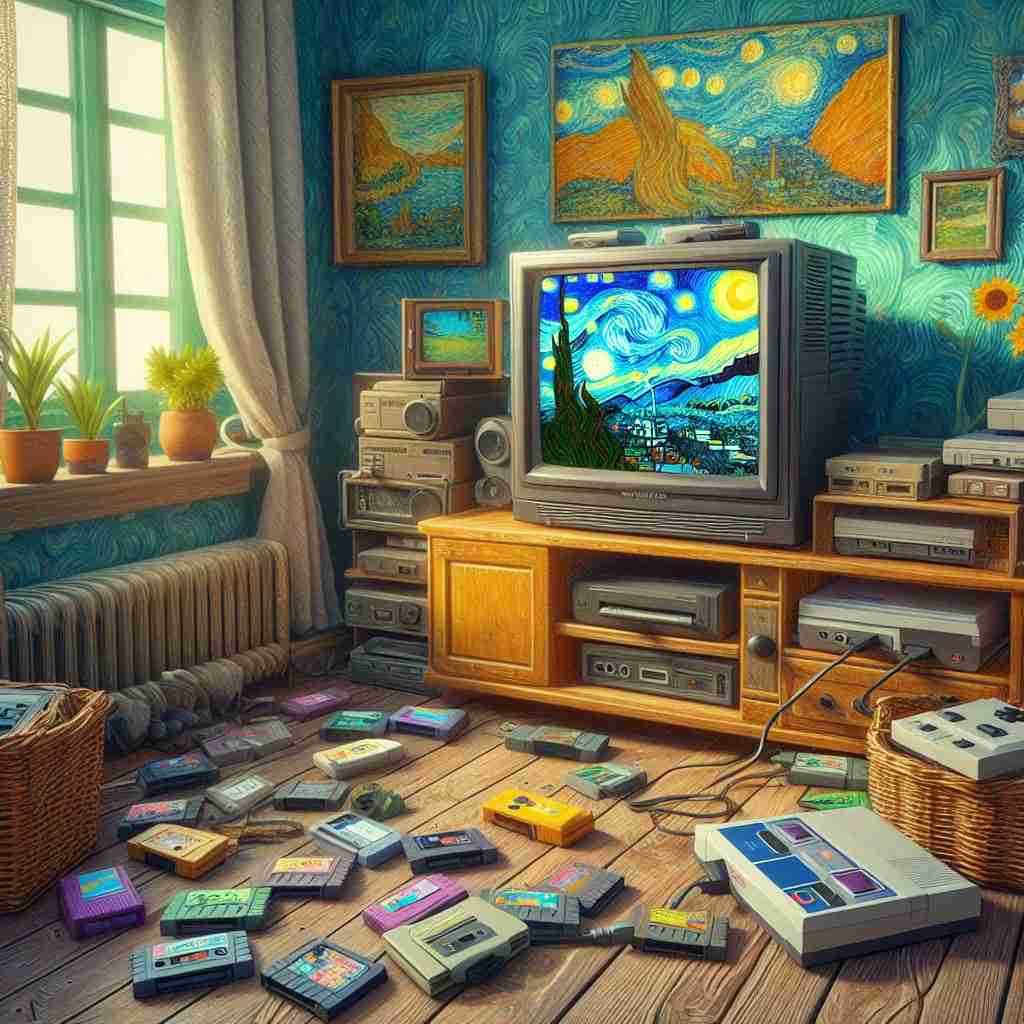
How Can Family Members Facilitate Game Play For Seniors?
What Are The Emotional Benefits Of Gaming For Older Adults?
In recent years, video games have evolved from being merely a pastime for the young to a powerful tool for enhancing emotional well-being, particularly among older adults. Imagine a world where a simple game can offer not just a distraction, but a means of connection, fulfillment, and cognitive stimulation. That’s the magic of gaming, and it’s becoming increasingly relevant in today’s society.
Let’s start with the foundation of emotional engagement: gamification. This buzzworthy term often refers to incorporating game-like elements into activities to boost motivation and engagement. For older adults, the colorful graphics and enticing challenges of video games can evoke feelings of nostalgia and excitement, rekindling a spark that may have dimmed over the years. The rewarding aspects of gaming – completing levels, achieving high scores, or mastering new skills – can lead to a sense of accomplishment, an invaluable feeling that brings a sense of purpose into daily life.
Now, let’s talk connection. Traditional activities like bridge or bingo can feel repetitive and limited. Contrast that with the vast, diverse world of gaming, which frequently includes multiplayer options. This opens the door for social interaction, allowing older adults to connect with family and friends across distances, or even forge new friendships with peers who share their interests. Engaging in cooperative games creates opportunities for shared experiences, laughter, and bonding, helping to combat feelings of loneliness and isolation that many face as they age.
Moreover, the cognitive benefit can’t be overlooked. Video games often require problem-solving skills, quick decision-making, and strategic planning. As older adults dive into engaging puzzles or immersive storylines, they’re not just passing time; they’re actively stimulating their minds in ways that traditional pastimes might not. This cognitive engagement can lead to improved memory and mental agility, all while providing a meaningful escape from the stresses of daily life.
Lastly, let’s remember the importance of fun. In a world where responsibilities and challenges can often feel overwhelming, gaming offers an emotional release and a chance to play – and play is crucial at any age. By embracing the myriad emotional benefits of gaming, older adults can rediscover joy, connection, and an enhanced sense of self. After all, isn’t that what we’re all looking for? A meaningful way to engage with life and each other, no matter where we stand on the journey of life?

What Are The Emotional Benefits Of Gaming For Older Adults?
What Are The Emotional Benefits Of Gaming For Older Adults?
- Video games have evolved into tools for enhancing emotional well-being, especially for older adults.
- Gamification boosts motivation and engagement through colorful graphics and enticing challenges.
- Gaming provides a sense of accomplishment, rekindling purpose in daily life for older adults.
- Multiplayer options in gaming promote social interaction and help combat loneliness.
- Engaging with video games enhances cognitive skills like problem-solving and decision-making.
- Video games stimulate memory and mental agility while offering an escape from daily stresses.
- Gaming provides a crucial emotional release and an opportunity for joy and connection at any age.

What Are The Emotional Benefits Of Gaming For Older Adults?
Conclusion
In wrapping up this exploration into how gaming can foster social connections among seniors, it’s clear that the world of play isn’t just for the young. Yes, you heard that right—these folks might be more familiar with checkers than checkpoint racing, but they’re embracing games with open arms and eager hearts. In a society that often sidelines our older generations, games are serving as a lifeline, bridging the gap between isolation and companionship.
Picture a room filled with laughter and lively chatter, where seniors aren’t just passing time but also launching themselves into vibrant interactions. Whether it’s a spirited game of cards, an engaging board game, or a competitive round of trivia online, these seemingly simple activities are powerful tools for building relationships and creating shared memories. It’s like a secret weapon against loneliness, and the results speak for themselves.
Now, let’s not forget the role of technology. The rise of online gaming is revolutionizing how seniors connect. No longer confined to the geographic limitations of their communities, older adults are jumping into digital realms where they can engage with family members, friends, and peers across the globe. Imagine a grandmother logging on from her living room to team up in a virtual garden with her grandchildren who live hundreds of miles away. These experiences are enriching lives and redefining connection in ways we never thought possible.
And what about the mental benefits? Gaming isn’t just about socializing; it’s about keeping those brains buzzing and active. Strategic thinking, problem-solving, and friendly competition all come into play, invigorating cognitive skills that might otherwise have taken a backseat. Plus, those small victories—a winning hand, a well-placed word, or a puzzle solved—can lead to a boost in self-esteem and emotional well-being.
So, can playing games help seniors build stronger social connections? Absolutely. It’s a bold, resounding yes! When we recognize the joy and richness that shared experiences bring to our lives, we also acknowledge that games are not merely pastimes. They are essential tools for nurturing friendships, sparking joy, and promoting a sense of belonging as we navigate this journey together. Next time you pass by a group of seniors immersed in a game, remember: they’re not just playing; they’re fortifying bonds that make life just a little bit brighter. So let the games begin—after all, companionship is the real winning score in life’s game.

Conclusion
Conclusion:
- Gaming is an effective means for seniors to foster social connections, proving that play is not just for the young.
- Games serve as a lifeline for older adults, helping to bridge the gap between isolation and companionship.
- Activities like card games, board games, and trivia can create vibrant interactions and shared memories among seniors.
- The rise of online gaming allows seniors to connect with friends and family globally, expanding their social circles.
- Gaming promotes cognitive skills through strategic thinking, problem-solving, and friendly competition.
- Small victories in games contribute to increased self-esteem and improved emotional well-being for seniors.
- Overall, games are essential tools for nurturing friendships and promoting joy and belonging in seniors’ lives.

Conclusion
Other Resources

Other Resources
Here is a list of other resources you can review online to learn more:
- Ars Technica
- Mage Wars Arena
- WordPress
- Terraforming Mars
- Dungeon Lords
- Mansions of Madness: Second Edition
- Puerto Rico (with two expansions)
- GeekWire
- Geek and Sundry
- GeekDad
Use This Prompt To Get More Resources With Your Favorite Online AI Tool: Please provide me with a list of online articles with their URLs in a bulleted list that I can read regarding Can Playing Games Help Seniors Build Stronger Social Connections?

Other Resources
Glossary Terms
Can Playing Games Help Seniors Build Stronger Social Connections? – Glossary Of Terms
1. Aging: The process of becoming older, which can affect physical, mental, and social capabilities.
2. Social Connections: Relationships or interactions between individuals that can provide emotional support and reduce feelings of isolation.
3. Cognitive Function: The mental processes involved in gaining knowledge and comprehension, including thinking, memory, and reasoning.
4. Play: Engaging in activities for enjoyment and recreation rather than a serious or practical purpose.
5. Board Games: Structured games usually played on a flat surface, designed to be enjoyed by multiple players, promoting social interaction.
6. Tabletop Games: A category of games like board games, card games, or miniatures games played on a table, fostering teamwork and communication.
7. Video Games: Digital games played on consoles or computers, which can also aid in social interaction through multiplayer modes.
8. Socialization: The process of interacting with others to develop relationships, share experiences, and engage in community life.
9. Community Activities: Events or gatherings organized within a community that encourage participation and social engagement, often including games.
10. Isolation: A state in which an individual feels disconnected from others, often leading to loneliness and mental health issues.
11. Cooperative Games: Games designed for players to work together to achieve a common goal rather than competing against each other.
12. Competitive Games: Activities where players compete against each other to win, which can create healthy interactions and rivalries.
13. Emotional Well-being: A positive state of mental health that includes feelings of happiness, contentment, and satisfaction in life.
14. Peer Support: Assistance and encouragement provided by individuals of similar age or status, fostering a sense of community.
15. Digital Literacy: The ability to effectively navigate and utilize technology, an important skill for playing online games and connecting socially.
16. Multiplayer Games: Games that allow multiple players to participate simultaneously, enhancing communication and teamwork skills.
17. Interactivity: A characteristic of games that allows players to actively engage with one another, promoting social connections.
18. Gamification: The application of game-design elements in non-game contexts, such as educational or fitness programs, to enhance engagement.
19. Health Benefits: Positive effects on physical and mental health derived from engaging in activities, including gaming and recreational play.
20. Communication Skills: The abilities required to convey information effectively, such as speaking and listening, which can be improved through social gaming.
21. Cross-Generational Interaction: Engagement and collaboration between different age groups, often facilitated by gaming activities that appeal to both young and old.
22. Social Cohesion: The bonds that bring people together, making communities more connected and supportive.
23. Fun: Enjoyment that is derived from engaging in activities, which plays a crucial role in attracting seniors to games.
24. Sociability: The tendency or ability to engage in social activities and interactions, which can be enhanced through gaming.
25. Facilitator: An individual who helps guide and support group interactions, which can enhance social activities in gaming settings.
26. Local Gaming Groups: Community-based teams or clubs where seniors gather to play games together, fostering friendships and collaborative play.
27. Nostalgia: A sentimental longing for the past, often influenced by games that seniors played in their youth.
28. Skill Development: The process of improving abilities through practice, which can occur while mastering new games or strategies.
29. Loneliness: The feeling of emptiness or isolation that can be mitigated by establishing social connections through shared interests in games.
30. Engagement: The level of participation and involvement an individual has in activities, crucial for building social relationships through gaming.

Glossary Of Terms
Other Questions
Can Playing Games Help Seniors Build Stronger Social Connections? – Other Questions
If you wish to explore and discover more, consider looking for answers to these questions:
- What are the specific cognitive benefits of playing games for seniors?
- How can caregivers encourage seniors to participate in gaming?
- Are there any safety concerns associated with seniors engaging in online gaming?
- What types of games are best for seniors with cognitive impairments?
- How do different types of games impact mood and mental health in seniors?
- What role does technology play in facilitating game play for seniors?
- How can community centers support gaming activities for seniors?
- Are there age-specific gaming groups or communities for seniors?
- Which mobile applications are popular among seniors for gaming?
- What are some success stories of seniors forming friendships through gaming?

Other Questions
Haiku
Can Playing Games Help Seniors Build Stronger Social Connections? – A Haiku
Laughter fills the room,
Seniors bond through the game,
Connections grow strong.

Haiku
Poem
Can Playing Games Help Seniors Build Stronger Social Connections? – A Poem
In a world of hustle, where silence may creep,
Lies a vibrant answer, where connections run deep.
Around a card table, laughter takes flight,
Seniors gather together, igniting the night.
Through the shuffle of cards and the roll of the dice,
Games act as lifelines—so simple, yet nice.
Not just for passing the time, but a bridge to behold,
With stories and camaraderie, memories unfold.
As friends may move on and the years start to show,
Engaging in play helps relationships grow.
From Monopoly’s strategy to Scrabble’s bright words,
Each game offers purpose, as laughter is heard.
The digital realm opens doors once forlorn,
Where avatars flourish, and old friendships can be born.
Virtual gatherings, with challenges to share,
Breaking isolation—there’s magic in the air.
Puzzles and quizzes, a mental delight,
Promote sharpness and joy, from morning till night.
Teamwork blooming over the board,
Rekindling connections that life has stored.
Through dance games and movement, they find ways to thrive,
Keeping spirits high, encouraging the drive.
In every encounter, be it near or afar,
Games weave a tapestry, twinkling like stars.
So gather your family, let nostalgia set sail,
With cards and with laughter, let the good times prevail.
For in every roll, in each playful score,
Seniors build bridges—one game, evermore.
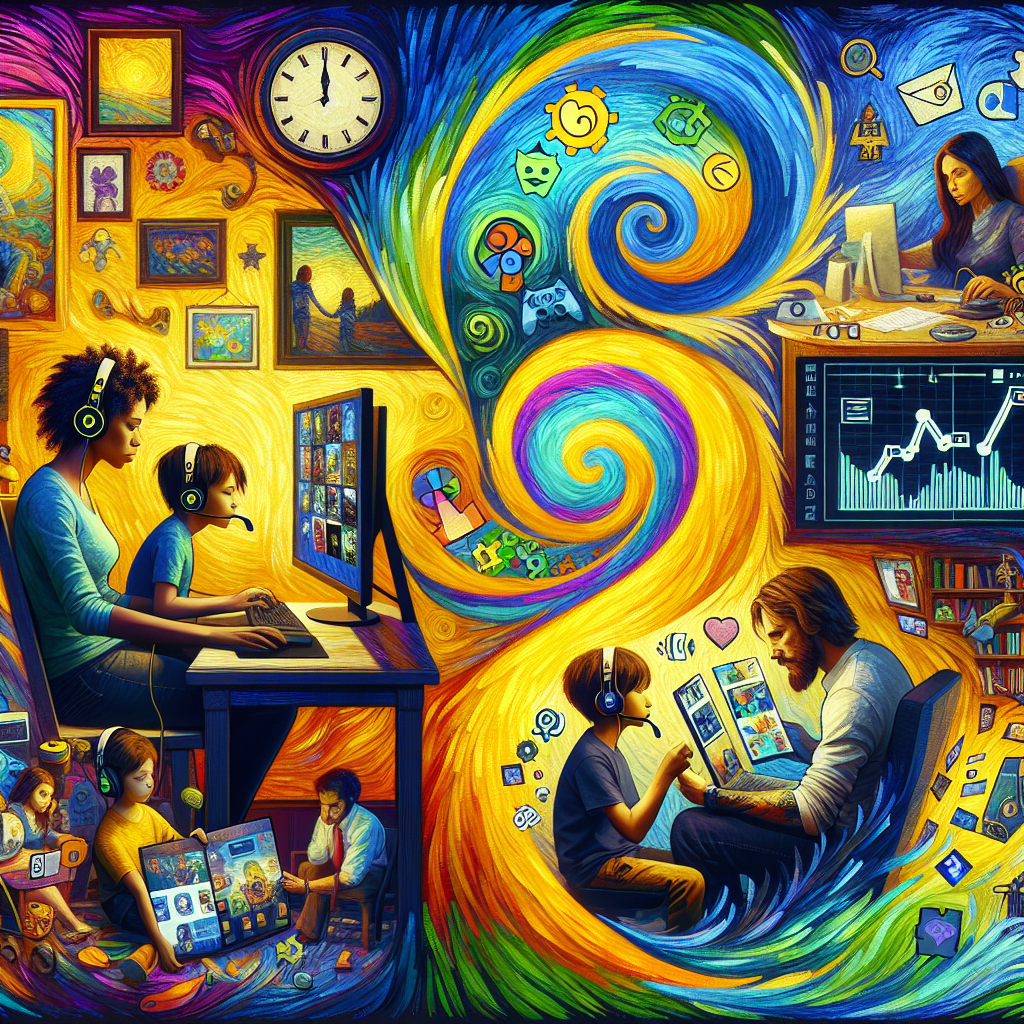
Poem
Checklist
Can Playing Games Help Seniors Build Stronger Social Connections? – A Checklist
1. Game Selection
_____ Choose Engaging Board Games:
_____ Scrabble
_____ Monopoly
_____ Rummy
_____ Incorporate Card Games:
_____ Poker
_____ Bridge
_____ Solitaires
_____ Include Puzzles:
_____ Crossword puzzles
_____ Jigsaw puzzles
_____ Logic puzzles
_____ Explore Video Games:
_____ Examples:
_____ Animal Crossing
_____ Wii Sports
_____ Just Dance
_____ Try Brain-Training Apps:
_____ Lumosity
_____ Sudoku puzzles
_____ Consider Mobile Games:
_____ Trivia games
_____ Simple brain teasers
2. Facilitate Gaming Environment
_____ Create Comfortable Spaces:
_____ Ensure ample seating and good lighting.
_____ Use larger print cards or just accessible game components.
_____ Ensure Accessibility:
_____ Select games that accommodate physical limitations.
_____ Use user-friendly devices (e. g. , tablets with senior-friendly games).
3. Foster Engagement
_____ Utilize Gamification Techniques:
_____ Make daily activities into fun games (e. g. , trivia contests).
_____ Encourage exploration and narrative-driven games.
4. Promote Social Interaction
_____ Encourage Group Play:
_____ Invite family and friends for game nights.
_____ Engage with online gaming communities.
5. Build Connection Through Competition
_____ Emphasize Friendly Competition:
_____ Aim for fun, not just winning.
_____ Share experiences and celebrate achievements together.
6. Cultivate an Atmosphere of Patience and Understanding
_____ Be Patient with Learning:
_____ Allow time for learning new games.
_____ Encourage questions and pace discussions.
7. Focus on Emotional Benefits
_____ Foster Nostalgia:
_____ Choose games that evoke memories and familiarity.
_____ Highlight Connection Opportunities:
_____ Look for games that facilitate interaction, such as multiplayer options.
8. Balance Activity with Relaxation
_____ Mix Different Game Types:
_____ Combine mental challenges with physical activities.
_____ Include opportunities for casual relaxation with less competitive games.
9. Stay Flexible
_____ Rotate Games Regularly:
_____ Keep game experiences fresh by introducing new options.
_____ Adapt Based on Feedback:
_____ Assess which games resonate most and adjust accordingly.
10. Celebrate Successes and Connections
_____ Share Feedback:
_____ Discuss experiences after games to enhance bonding.
_____ Record Memories:
_____ Take photos or create memorable moments from game nights.
Use this checklist to guide seniors and their families in creating enriching, enjoyable gaming experiences that strengthen social bonds and enhance overall well-being.

Checklist
At HowDoYouGame, we help people who love board games by collating information and news about games.
Be sure to read our other related stories at HowDoYouGame to learn more about games.