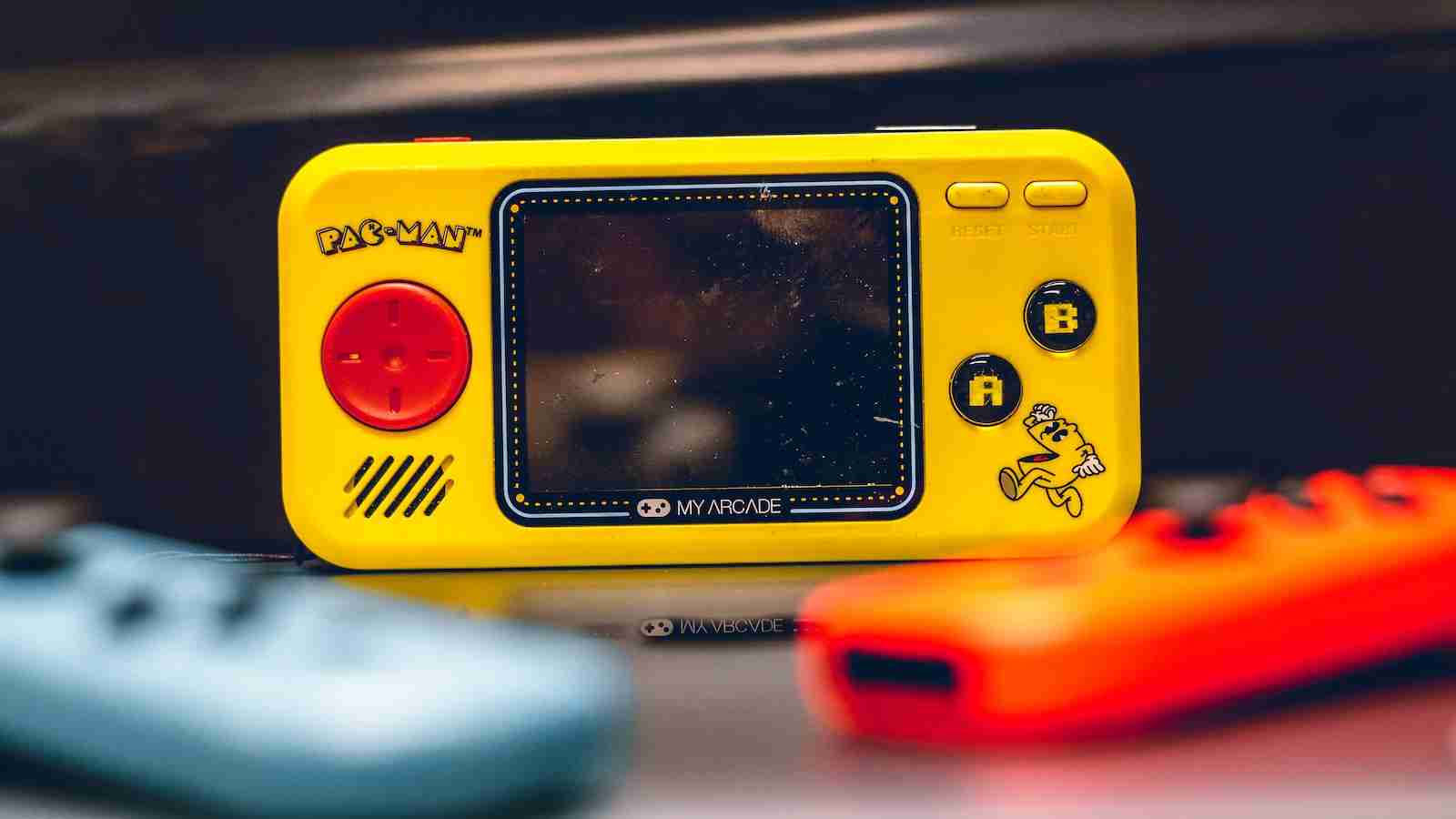
The Evolution Of Ownership: How Gen Z Gamers Are Changing The Game
By Tom Seest
At HowDoYouGame, we help people who love board games by collating information and news about games.
Be sure to read our other related stories at HowDoYouGame to learn more about games.
Why Gen Z Gamers Don’t Care About Ownership Only Access
When you sit down with a Gen Z gamer, you quickly realize that their relationship with games is less about ownership and more about access. These young seekers of digital worlds are redefining what it means to play. For them, it’s not about collecting rare physical copies of their favorite titles or hoarding every digital asset; it’s about the thrill of engagement and the joy of shared experiences.
Picture this: a bustling online space where friends congregate, trading in their individual victories for collective memories. Streaming services, game subscriptions, and cloud computing have transformed the landscape, making it possible for Gen Z to jump into new adventures without the burden of ownership. Why stash away something you may only play once when you can dive into the latest release at the click of a button? It’s the difference between collecting stamps in a dusty book and exploring an endless, vibrant gallery full of ever-changing exhibits.
But let’s get heady for a moment—consider the sheer economics of it all. With the rising cost of living, why on earth would anyone want to spend hard-earned cash on something that may become obsolete? Access over ownership isn’t just a trend; it’s a practical choice that aligns with a generation’s value system. They’re making informed decisions based on a world where flexibility reigns king. They don’t want to be tethered to a single experience when they can explore a myriad of stories across platforms.
Ethically speaking, this shift symbolizes something deeper. It promotes inclusivity and democratizes gaming. By valuing access, Gen Z opens the door wider for all kinds of players—regardless of budget—to engage on a level playing field. It’s this sense of community and connection that sparks joy, fueling the passion for gaming.
Let’s not forget the narrative woven within every game. It’s about creativity and storytelling that resonate with the heart. The power lies not in ownership but in participation, in sharing experiences that transcend the screen—where gamers become storytellers together. Whether they are teaming up for a virtual raid or cheering one another on in competitive arenas, Gen Z understands that the bonds forged in these digital realms are the true treasures of gaming.
So next time you hear someone question why Gen Z gamers prioritize access, take a moment to consider a world where playing together outweighs the weight of owning solo. It’s not just a shift in perspective; it’s an invitation to feel, connect, and belong—something we all crave, regardless of age.

Why Gen Z Gamers Don’t Care About Ownership Only Access
Why Gen Z Gamers Don’t Care About Ownership Only Access
- Gen Z gamers prioritize access over ownership in their gaming experiences.
- The focus is on engagement and shared experiences rather than collecting physical or digital assets.
- Online spaces facilitate communal gaming, where victories are traded for collective memories.
- Streaming services and cloud computing allow Gen Z to access new games easily without the burden of ownership.
- Access over ownership is a practical choice amid rising living costs, reflecting a flexible lifestyle.
- This shift promotes inclusivity and democratizes gaming, making it accessible to players on various budgets.
- Gen Z values participation and community connection, viewing shared experiences as the true treasures of gaming.

Why Gen Z Gamers Don’t Care About Ownership Only Access
Table Of Contents
- Why Gen Z Gamers Don’t Care About Ownership Only Access
- How Does Access Over Ownership Affect Gaming Experiences?
- Are Gen Z Gamers Prioritizing Community Over Individual Ownership?
- How Do Subscriptions Change the Way Gen Z Engages with Games?
- How Do Mental Health Factors Impact Gaming Preferences In Gen Z?
- How Does the Convenience Of Access Appeal to Gen Z Gamers?
- Why Do Gen Z Gamers Trust Streaming Services More Than Game Purchases?
- How Does the Fear Of Missing Out Drive Access Over Ownership?
- Conclusion
- Other Resources
- Glossary Of Terms
- Other Questions
- Haiku
- Poem
- Checklist
How Does Access Over Ownership Affect Gaming Experiences?
We find ourselves at a crossroads in the gaming world, where the allure of access is challenging the age-old tradition of ownership. In the gold rush of digital content, a colossal shift has taken place—one that reshapes the way we experience games and, ultimately, how we connect with one another.
Think about it. When you own a game, there’s a sense of pride in that tangible piece of creation. It’s yours. You can dive into its universe on a whim, no strings attached. Now, consider those subscription services that have exploded onto the scene. With a few bucks a month, you can sample a buffet of experiences. It’s tempting, isn’t it? But there’s a trade-off. In this digital landscape, where everything feels available yet fleeting, what does it mean for our passion as gamers?
On the one hand, access offers incredible possibilities. You’re not tied down by a single title; you can discover obscure indie gems or revisit nostalgic classics without breaking the bank. This democratization of games invites a diversity of voices and stories into our living rooms. It fosters a sense of community, where sharing experiences becomes the norm rather than the exception. Imagine gathering with friends, online or offline, to explore a game you never would have considered if you had to purchase it outright. These shared adventures create bonds that transcend the screen.
Yet, there’s a shadow that looms over this brave new world. The ethical dilemma of access versus ownership challenges us to think critically. If we prioritize convenience over true connection, are we erasing the very essence of what makes gaming special? When the giant corporations dictate what we can play and when, we risk becoming mere consumers rather than passionate advocates for our favorite games.
So, let’s engage with this tension. Let’s dig deep into what gaming means to us. Is it just a pastime, or is it a tapestry of shared narratives that unite us? The choice isn’t just about whether to rent or buy; it’s a call to action to cherish the experiences that bridge our hearts, heads, and guts. Recognizing the value of both access and ownership can pave the way for a richer, more fulfilling gaming landscape—one where we honor the artists behind the games and the players who brave their worlds. Choose wisely, and let your gaming journey reflect the connections that matter most.

How Does Access Over Ownership Affect Gaming Experiences?
How Does Access Over Ownership Affect Gaming Experiences?
- The gaming landscape is shifting from ownership to access, challenging traditional notions.
- Owning a game provides pride and allows for spontaneous gameplay, while subscription services offer a wide array of options.
- Access democratizes gaming, enabling discovery of indie titles and fostering community through shared experiences.
- Concerns arise over convenience overshadowing genuine connection in gaming.
- Corporate control may reduce players to consumers, diluting the passion behind gaming.
- Engaging with the complexities of gaming encourages reflection on its deeper significance.
- Balancing access and ownership can enhance the gaming experience and honor both creators and players.

How Does Access Over Ownership Affect Gaming Experiences?
Are Gen Z Gamers Prioritizing Community Over Individual Ownership?
In a world where ownership has become a marker of success, a new generation is emerging with a refreshing perspective—Gen Z gamers. For them, it’s not just about the game itself; it’s about the thriving community built around it. Picture this: a virtual arena where camaraderie reigns supreme, and victories are celebrated not just as individual triumphs, but as shared moments woven into the fabric of friendship.
These young gamers find joy in collaboration rather than competition, forming connections that transcend screens. It’s not rare to see them forgo the latest game release to dive into a multiplayer experience that allows them to team up with friends, strategize together, and create memories that last far beyond the final score. This sense of belonging is rooted deep in their values, showcasing a powerful shift from personal possession to collective experience.
When you delve into their digital arenas, you’ll discover that many of Gen Z’s most cherished memories are not tied to ownership of a game or a console, but to the quiet moments spent gathered virtually with friends, swapping stories, and sharing laughter. This is where the heart lies: in the intricate dance of communication and collaboration, where players support each other through wins and losses alike. It’s a testament to their ethical belief that together, we are stronger.
Such a commitment to community isn’t merely a trend; it’s a declaration of who they are. They have seen the divisive forces in the world and are choosing a path that emphasizes connection. With platforms that allow for social interaction, streaming, and real-time collaboration, Gen Z gamers are forging relationships that echo their desire for a more inclusive environment. They trust one another, rally around shared goals, and foster a sense of accountability that often challenges traditional gaming narratives.
This shift is a call to action for the gaming industry, for creators and developers to understand that their audience values community as much as content. As they recognize the defining role of social interaction in these shared spaces, the industry’s landscape will undoubtedly evolve, inviting everyone into a communal experience that is richer and more rewarding.
So, the next time you fire up that console or log in to a game, remember that it’s not just about what’s in your inventory. It’s about the friendships forged, the stories shared, and the laughter that binds us together in this ever-expanding universe of play.

Are Gen Z Gamers Prioritizing Community Over Individual Ownership?
Are Gen Z Gamers Prioritizing Community Over Individual Ownership?
- Gen Z gamers are redefining success through community rather than ownership.
- They prioritize collaboration over competition, creating lasting friendships and memories.
- Shared experiences and camaraderie take precedence over individual achievements in gaming.
- Many cherished memories are formed through virtual gatherings, storytelling, and laughter.
- Gen Z emphasizes connection and inclusivity, countering divisive forces in the world.
- This shift invites the gaming industry to focus more on community and social interaction.
- The gaming experience is ultimately about the relationships formed rather than just game possessions.

Are Gen Z Gamers Prioritizing Community Over Individual Ownership?
How Do Subscriptions Change the Way Gen Z Engages with Games?
In a world where convenience meets creativity, subscriptions have become the heartbeat of how Gen Z interacts with games. Imagine a young player, logged in on a rainy afternoon, a world of virtual adventures awaiting them at the tip of their fingers. It’s not just about accessing games; it’s the freedom to explore, experiment, and embrace new stories without the burden of financial commitment. These subscription models offer a buffet of gaming experiences, transforming casual players into dedicated explorers within vast digital landscapes.
Yet, there’s more than just convenience at play. It’s about connection. Games, once a solitary hobby, have evolved into shared experiences, prompting conversations that bridge gaps between friends, families, and even strangers. Picture a group of friends, each tuning in from different corners of the country, embarking on a quest together, their laughter resonating through headsets as they navigate challenges side by side. This new way of engaging carries an important ethical undercurrent; it emphasizes collaboration over competition, fostering a sense of community that transcends geographical boundaries.
This shift isn’t just reshaping how games are consumed; it’s altering the narrative of gaming itself. With compelling storylines and immersive worlds readily available, Gen Z is drawn into narratives that resonate with their lives. They’re not just playing characters; they’re living experiences that tackle meaningful issues, from mental health to cultural identity. Each game becomes a chapter in their evolving story, reflecting their struggles, hopes, and ambitions.
As subscriptions redefine access, they also empower players. With a plethora of titles at their disposal, Gen Z can choose games that challenge their perspectives and spark passion. This not only fosters an environment of informed choice but encourages them to align their gaming experiences with their personal values. They’re not merely consumers; they are curators of their own gaming journeys.
When we witness a generation fully embracing this gaming renaissance, we see an opportunity for growth and understanding. The connections they forge through games build bridges across divides, inspiring empathy and cooperation. So, as subscriptions continue to shape the gaming landscape, let’s celebrate the evolving relationship between Gen Z and games—a vibrant tapestry of creativity, connection, and courage.

How Do Subscriptions Change the Way Gen Z Engages with Games?
How Do Subscriptions Change the Way Gen Z Engages with Games?
- Subscriptions are the core of Gen Z’s gaming interactions, allowing access to virtual adventures.
- These models provide freedom to explore without financial constraints, turning casual players into dedicated explorers.
- Gaming has evolved into shared experiences, enhancing connections among friends and communities.
- Collaboration is emphasized over competition, fostering a strong sense of community across distances.
- Gen Z engages with compelling narratives that address meaningful issues such as mental health and cultural identity.
- Players curate their own gaming journeys, aligning experiences with personal values and perspectives.
- The gaming renaissance presents opportunities for growth, empathy, and understanding within diverse communities.

How Do Subscriptions Change the Way Gen Z Engages with Games?
How Do Mental Health Factors Impact Gaming Preferences In Gen Z?
In the digital playground of Gen Z, the influence of mental health factors on gaming preferences can be profound and telling. Imagine a generation where anxiety lurks like a shadow, where the pressures of performance—academic, social, and personal—compete with the allure of a vibrant virtual world. Games provide not only an escape but also a sense of control that can feel elusive in everyday life. They draw players in, offering a space where the stakes are manageable, and victories are tangible amidst the chaos of external expectations.
Consider the appeal of story-driven games, where players can immerse themselves in narratives that resonate deeply with their experiences. These aren’t just mindless distractions; for many, they become a means to process real emotions—grief, joy, anxiety—through characters and journeys that reflect their own struggles. A well-crafted tale can empower players to confront their own challenges, making the gaming experience a therapeutic exploration of the self.
Moreover, let’s explore the concept of social gaming. For a generation that navigates the complexities of connection and isolation, multiplayer environments serve as community lifeboats. Here, friendships are forged not in hallways but in the virtual expanse, and collaboration in achieving goals can foster a sense of belonging that transcends physical boundaries. The shared joy of conquering a difficult quest or the collective satisfaction of a hard-earned win can be a salve for loneliness, transforming a pastime into a lifeline.
But it’s not just personal and social gains that fuel these gaming choices—ethics also play a role. As conversations around mental health become more mainstream and leaders advocate for the importance of emotional wellness, gamers gravitate toward titles that promote mental health awareness. Developers who prioritize narratives that reflect resilience and recovery earn trust and respect from their audience. This bridge between gaming and advocating for mental health creates a synergy that speaks to a broader cultural shift, further engaging the hearts and minds of players.
In this evolving landscape, understanding the delicate interplay of mental health factors and gaming preferences invites us to reflect on what games can offer beyond mere entertainment. They are not just escapist fantasies; they are tools for connection, navigation, and growth in a complex world. Embracing this perspective can inspire us all—not just gamers—to advocate for mental wellness in all its forms, recognizing that we are, in essence, players in the greater game of life.

How Do Mental Health Factors Impact Gaming Preferences In Gen Z?
How Do Mental Health Factors Impact Gaming Preferences In Gen Z?
- Gen Z experiences significant mental health challenges, influencing their gaming preferences.
- Games provide an escape and a sense of control amid external pressures.
- Story-driven games allow players to process emotions and confront personal challenges.
- Social gaming fosters community, helping to combat feelings of isolation and loneliness.
- Collaboration in multiplayer environments enhances a sense of belonging among players.
- Ethics and mental health awareness in gaming resonate with players seeking meaningful narratives.
- Games are seen as tools for connection and growth, highlighting the importance of mental wellness.

How Do Mental Health Factors Impact Gaming Preferences In Gen Z?
How Does the Convenience Of Access Appeal to Gen Z Gamers?
In the fast-paced world of gaming, convenience of access stands as a beacon for Gen Z gamers, luring them like moths to a flame. Imagine a young player, gaming console in one hand, phone in the other, poised between the thrill of competition and the pull of social connection. The allure lies not just in the games themselves, but in the freedom and immediacy they allow. With a few swipes or clicks, these gamers can dive into vast, online universes or engage in grueling duels, all while lounging on their couch or riding the bus. It’s a lifestyle choice that resonates deep within their hearts.
The rational mind loves numbers, and the statistics are staggering. Studies show that up to 65% of Gen Z gamers favor digital gaming platforms over traditional methods. Why? Because the convenience of access means they can jump into their favorite games without the hassle of loading physical media. There’s a palpable excitement in being part of a global community, a digital village where friends and strangers come together to compete, collaborate, and conquer. It’s no longer just about individual skills or prowess; it’s about being part of a movement, a cultural phenomenon that alarms the senses and stirs the soul.
Ethically speaking, the gaming industry has started to recognize its responsibility. Inclusive gaming environments that prioritize accessibility ensure that everyone, regardless of background or ability, has a seat at the virtual table. This fosters a sense of belonging and camaraderie, creating a space where gamers can thrive without feeling limited by outdated constraints.
And let’s talk about authority. The brands that lead the charge—those that acknowledge and adapt to Gen Z’s preferences—earn trust. Companies that prioritize user-friendly interfaces and effortless access resonate with young players, solidifying their loyalty. When gamers see a brand that gets them, understands their values, and champions their needs, they don’t just buy products; they buy into a relationship.
The narrative woven around gaming today is one of triumph over obstacles, of breaking away from limitations. The heart races when a new game drops at midnight, and the thrill of exploration ignites fierce excitement. Each session transforms into a journey, rich with potential stories waiting to unfold. The social appeal is undeniable; these games are not just pastimes; they are shared experiences, lifelines to friends, and connections that matter. And remember, in a world that often feels chaotic, the simple act of hitting “play” can anchor us, a powerful reminder that in those moments, anything is possible.

How Does the Convenience Of Access Appeal to Gen Z Gamers?
How Does the Convenience Of Access Appeal to Gen Z Gamers?
- Gen Z gamers are attracted to convenient access to gaming, balancing competition and social connection.
- 65% of Gen Z gamers prefer digital platforms, valuing ease of access over traditional gaming methods.
- Being part of a global gaming community fosters excitement and a sense of belonging.
- The gaming industry is recognizing its responsibility to create inclusive environments for all players.
- Brands that adapt to Gen Z’s preferences earn trust and loyalty by prioritizing user-friendly experiences.
- The gaming narrative emphasizes triumph, exploration, and shared experiences among players.
- Gaming serves as an anchor in chaotic times, offering moments where anything feels possible.

How Does the Convenience Of Access Appeal to Gen Z Gamers?
Why Do Gen Z Gamers Trust Streaming Services More Than Game Purchases?
With every click of a controller, today’s gamers are weaving a rich tapestry of experiences, and for many in Generation Z, streaming services are the loom upon which these threads are spun. As the digital landscape evolves, so too does the relationship between gamers and their platforms. Gone are the days when a shiny new game title would bring the same thrill as unwrapping a birthday gift. Instead, a new narrative unfurls—one that leans toward convenience, accessibility, and a profound sense of community.
Let’s face it: the modern gamer craves connection. Streaming services have emerged as virtual campfires around which players gather to share stories, swap strategies, and celebrate achievements. The flexibility they provide—accessing an entire library of games from the comfort of one’s home—means breaking down the traditional barriers to entry. Why shell out $60 for a game that might end up gathering dust? That’s not just a rational choice; it’s a deep-seated need to invest wisely in games that resonate personally.
Ethically speaking, this shift toward streaming is also a breath of fresh air amid a landscape that often feels dominated by corporate giants. Gen Z-ers appreciate transparency and fairness, something that’s often lacking in the traditional gaming purchase model. Streaming services offer a buffet of options and often promote smaller indie games alongside blockbuster titles. It’s about elevating the underdog—giving a platform to creators who might otherwise remain unheard, thus fostering a culture of inclusivity and equity in gaming.
The emotional resonance of this transition cannot be overstated. Gamers today are searching for validation. They want to feel part of something bigger, something that celebrates not just who they are but also who they aspire to be. As they scroll through curated lists of games, they’re not just looking at pixels and playability—they’re seeking narratives that mirror their own experiences and aspirations.
With trusted influencers and gaming communities rallying behind these streaming platforms, authority is redefined. It’s not just about a name on the box; it’s about the voices that elevate our gaming journeys, guiding us toward choices that feel right.
So, what’ll it be? A solitary purchase or a vibrant, shared experience? For Gen Z gamers, the answer is crystal clear. The siren call of streaming services invites them to engage in a world that promises more than just entertainment—a world that builds trust, nurtures connections, and inspires authentic gaming adventures.

Why Do Gen Z Gamers Trust Streaming Services More Than Game Purchases?
Why Do Gen Z Gamers Trust Streaming Services More Than Game Purchases?
- Generation Z gamers utilize streaming services to enhance their gaming experiences.
- The relationship between gamers and platforms has shifted towards convenience, accessibility, and community.
- Streaming services act as virtual gathering places for players to connect, share stories, and celebrate achievements.
- This model reduces financial risk by allowing access to a library of games rather than investing in potentially unused titles.
- Gen Z values transparency and fairness, finding streaming options more appealing than traditional purchasing models.
- Gamers seek validation and connection through narratives that reflect their personal experiences and aspirations.
- The influence of trusted voices and communities redefines authority in gaming, favoring shared experiences over solitary purchases.

Why Do Gen Z Gamers Trust Streaming Services More Than Game Purchases?
How Does the Fear Of Missing Out Drive Access Over Ownership?
Fear of Missing Out (FOMO) is like a relentless drumbeat in the back of our minds, nudging us to chase experiences rather than possessions. It’s an emotional tether that connects us to each other, urging us to jump in the pool of life’s opportunities instead of standing on the sidelines. Think about it: when a new game drops that everybody is buzzing about, the instinct is to participate, to feel included, to share those late-night gaming sessions filled with laughter and camaraderie.
This collective yearning drives the access-over-ownership mentality. We live in an age where the promise of experience often outweighs the burden of ownership. When you can rent a stylish ride for the weekend or stream the latest blockbuster without the weight of a physical collection, you’re freeing yourself from the anchors of debt and maintenance. Rationally, it makes sense. You don’t just want a shiny new toy; you want the experiences and connections that come with it.
From an ethical standpoint, consider the sustainability angle: fewer possessions mean less waste. By embracing access, you play a role in reducing the environmental impact that consumerism often brings. It’s about being a part of something larger than yourself, making informed choices that resonate not just with individual desires but with the greater good.
Now, let’s talk authority. Influencers, celebrities, and even your friends are constantly showcasing their lifestyles, underscoring the vibrant tapestry of shared experiences—whether it’s an exciting game night or an unforgettable trip. When you see this curated shareable content, it adds pressure, yes, but it also showcases living life to the fullest. This social pull is powerful; it compels us to join in because nobody wants to be the odd one out.
Narratively, there’s a familiar story in each of us: the one where we’re at home, scrolling through photos of friends laughing at a concert or celebrating after a hard-fought round of games. A flicker of longing prompts us to join the fun, to engage rather than simply spectate.
So, as FOMO tightens its grip, we recognize that it spurs us to prioritize experiences—memories crafted in real time—over static ownership. It’s a call to action that can taste bittersweet but undeniably enriching, inviting us to dive into life with open arms and share the journey with those around us.

How Does the Fear Of Missing Out Drive Access Over Ownership?
How Does the Fear Of Missing Out Drive Access Over Ownership?
- Fear of Missing Out (FOMO) encourages chasing experiences over possessions.
- It connects individuals and motivates participation in life’s opportunities.
- Access-over-ownership mentality is driven by the desire for shared experiences.
- Renting and streaming allow freedom from debt and maintenance associated with ownership.
- Choosing access contributes to sustainability by reducing waste and consumerism’s impact.
- Influencers and friends create social pressure to join in shared experiences and activities.
- FOMO prompts prioritization of real-time memories over static ownership, enriching our lives.

How Does the Fear Of Missing Out Drive Access Over Ownership?
Conclusion
Gen Z gamers stand at the forefront of a seismic shift in the gaming landscape, redefining what it means to engage with digital entertainment. Their mantra? Access over ownership. This new generation is more interested in the excitement of participation than the pride of possession. Picture a thriving digital arena where friends unite, trading stories and strategizing over countless gaming adventures. For them, it’s less about hoarding virtual assets and rare titles and more about the joy of collective experiences.
In a world where cost-of-living concerns loom large, it’s simply pragmatic for these young gamers to favor streaming services and subscription models. Why buy a game that may only see a few hours of play when there’s a vast library of experiences available at their fingertips? The economics of access resonate deeply with their values, embracing flexibility and prudent decision-making. This shift isn’t merely a trend; it’s a thoughtful choice driven by a desire for inclusivity. By prioritizing access, Gen Z fosters a community where everyone—regardless of financial capacity—can partake in gaming adventures.
Delving deeper, we find that this transition is infused with emotional depth. For Gen Z, gaming serves as a canvas for connection. Each multiplayer session isn’t just a chance to compete; it’s a doorway to shared joy, camaraderie, and mutual support. Their values reflect a broader social movement. Amid a world often fraught with division, they’re carving paths towards collaboration and empathy. Each game becomes a chapter in their collective narrative, where victories are celebrated together and losses learned from within the secure arms of friendship.
Furthermore, the influence of mental health is keenly felt in their gaming choices. In a society that grapples with anxiety and isolation, gaming offers not just escapism but meaningful engagement. Multiplayer formats serve as vital social lifelines, creating memorable shared moments that establish bonds deeper than scores or achievements.
All these facets—economic reason, emotional connection, and ethical inclusivity—forge a complex relationship that Gen Z warriors have with gaming. The choice between access and ownership is not just about convenience; it’s an invitation to join a vibrant cultural phenomenon that prioritizes community and collaboration over solitary achievements. So, as we move forward in this digital revolution, let’s embrace the heart of what gaming truly means for this new era: a call to connect, engage, and belong. It’s not merely about the games we play but the stories we craft and the friendships we build along the way.

Conclusion
Conclusion:
- Gen Z gamers prioritize access over ownership in the gaming landscape.
- They focus on shared experiences and participation rather than accumulating virtual assets.
- Cost-effective streaming services and subscription models align with their values of flexibility and inclusivity.
- Gaming serves as a platform for connection, fostering community through multiplayer sessions.
- They emphasize collaboration and empathy, creating a narrative of shared victories and learning from losses.
- Mental health awareness influences their gaming choices, providing meaningful engagement and social connections.
- Their relationship with gaming reflects a cultural shift towards community, collaboration, and belonging.

Conclusion
Other Resources

Other Resources
Here is a list of other resources you can review online to learn more:
- Flickr
- Small World
- Fantasy Flight Games
- Scoop.It
- Thunderworks Games
- Grail Games
- Codenames
- Forbidden Stars
- The Voyages of Marco Polo
- Arkham Horror (Third Edition)
- Bezier Games
- Kotaku
- 7 Wonders Duel
- Cranio Creations
- The Castles of Burgundy
- Spirit Island: Branch & Claw Expansion
- Ars Technica
- Cardboard Republic
- Pandemic Legacy: Season 1
- Cyclades
Use This Prompt To Get More Resources With Your Favorite Online AI Tool: Please provide me with a list of online articles with their URLs in a bulleted list that I can read regarding Why Gen Z Gamers Don’t Care About Ownership Only Access

Other Resources
Glossary Terms
Why Gen Z Gamers Don’t Care About Ownership Only Access – Glossary Of Terms
1. Access: The ability to use or benefit from something, such as digital games or platforms, often prioritized over ownership by Gen Z gamers.
2. Ownership: The state of having legal rights to a product, encompassing the ability to control, modify, and transfer it.
3. Digital Distribution: The process of delivering games and media through the internet rather than physical copies, making access more convenient.
4. Subscription Model: A payment structure where users pay a recurring fee for access to a service or library of games instead of purchasing individual titles.
5. Cloud Gaming: A technology that allows games to be streamed from remote servers, enabling play without the need for high-end hardware or physical copies.
6. Microtransactions: Small purchases made within a game or app that allow players to buy virtual goods or content, influencing perceptions of ownership.
7. Game Pass: A subscription service providing access to a library of games for a flat fee, exemplifying the trend towards access over ownership.
8. FOMO (Fear of Missing Out): The anxiety of potentially missing experiences or content, which drives engagement in access-based gaming models.
9. Content Ownership: The concept of having full rights and ability to control digital content, which is often diminished in access-focused models.
10. Free-to-Play: A business model where users can access a game without initial purchase but may pay for enhancements or content.
11. Digital Rights Management (DRM): Technology used to control the use, modification, and distribution of copyrighted digital material.
12. In-Game Economy: The virtual marketplace within a game where players can buy, sell, or trade items, often influencing perspectives on ownership.
13. Curation: The process of selecting and organizing content, often implemented in subscription services to enhance user experiences.
14. Streaming: The real-time transmission of multimedia content over the internet, which can replace traditional ownership with instant access.
15. Player Agency: The degree of control and influence players have over their in-game experiences, which can impact their valuation of ownership.
16. Community Engagement: The interaction and participation of players within a gaming community, often centered around shared experiences rather than ownership.
17. Virtual Goods: Digital items that can be purchased, earned, or traded within games, exemplifying a focus on access rather than tangible ownership.
18. Social Connectivity: The ability to connect and interact with others through gaming platforms, often prioritized by Gen Z over owning games.
19. Game Monetization: Strategies used by developers and publishers to generate revenue from games, increasingly focusing on access models.
20. Augmented Reality (AR): Technology that blends digital elements with the real world, influencing gaming experiences and diminishing traditional ownership notions.
21. Esports: Competitive gaming at a professional level, encouraging participation and accessibility rather than individual ownership of game titles.
22. Play-to-Earn: A model that allows players to earn rewards, often cryptocurrency, through gaming, focusing on participation over ownership.
23. Interoperability: The ability of multiple systems and platforms to work together, enhancing access and reducing the need for exclusive ownership.
24. User-Generated Content: Content created by players rather than developers, fostering participation and access over ownership.
25. Digital Nomad: A lifestyle choice that emphasizes mobility and flexibility, favoring access to digital goods over physical ownership.
26. Platform Exclusivity: The practice where certain games are only available on specific platforms, impacting the discussion of access versus ownership.
27. Augmented Experiences: Enhanced gaming experiences that utilize external technology or media, often favoring access over ownership of individual titles.
28. Generational Shift: The change in attitudes and behaviors towards gaming and ownership, driven by the values and preferences of Gen Z.
29. Content Library: A collection of digital content available through a subscription service, emphasizing access rather than ownership.
30. Regulation: Laws and guidelines governing digital ownership and access, affecting how gamers interact with content in the modern landscape.

Glossary Of Terms
Other Questions
Why Gen Z Gamers Don’t Care About Ownership Only Access – Other Questions
If you wish to explore and discover more, consider looking for answers to these questions:
- What specific games or experiences resonate most with Gen Z gamers?
- How do social interactions in gaming environments affect mental health for Gen Z?
- What role do influencers play in shaping Gen Z’s gaming preferences?
- How do subscription services impact the financial choices of Gen Z gamers?
- What ethical concerns are present in the current gaming subscription model?
- How does exposure to indie games via streaming services change gaming culture?
- How do Gen Z gamers view traditional gaming consoles compared to digital platforms?
- In what ways do community and shared experiences enhance gameplay for Gen Z?
- What are the long-term implications of access over ownership in gaming?
- How does FOMO specifically affect the types of games Gen Z chooses to play?

Other Questions
Haiku
Why Gen Z Gamers Don’t Care About Ownership Only Access – A Haiku
Digital landscapes shift,
Access blooms where bonds are forged;
Play together, thrive.
Haiku
Poem
Why Gen Z Gamers Don’t Care About Ownership Only Access – A Poem
In a world where pixels weave new tales,
Gen Z gamers find joy in shared trails.
Not in ownership, nor in dusty shelves,
But in the vibrant lives they craft for themselves.
Together they venture, in realms unconfined,
Trading solitude for connections intertwined.
With every click, with every cheer,
A tapestry of memories, woven year by year.
Why clutch a title, when together they soar?
In multiplayer quests, they open the door,
To laughter and friendship, bonds forged in fire,
Each victory shared, an anthem inspired.
Economics shift, as streaming takes flight,
A buffet of wonders, igniting delight.
Investment in stories, not merely in things,
They dance through the offerings, what excitement it brings!
Access over ownership, a rational choice,
In an ever-evolving world, they rejoice.
Ethics entwined in the games they embrace,
An inclusive community, a welcoming space.
Yet lurking in shadows, the whispers of fear,
FOMO drives passion; they hold what is dear.
In the rush to connect, to belong to the chase,
They opt for adventures, not a solitary place.
So here lies the shift, in this new age of play,
With hearts full of hope, they shape a new way.
From comfort of couches, the world feels so vast,
In the unity found, they create a rich past.
Let us celebrate change, this narrative spun,
In the game of connection, together we’ve won.
Through laughter and trials, in digital light,
Gen Z gamers find home, where hearts take flight.

Poem
Checklist
Why Gen Z Gamers Don’t Care About Ownership Only Access – A Checklist
Checklist for Understanding Gen Z Gamers’ Preference for Access Over Ownership
Emotional Appeals
_____ Identify the Thrill
Reflect on personal experiences that prioritize engagement and community over ownership.
_____ Cultivate Connections
Think of memorable moments shared with friends in digital spaces.
Rational Appeals
_____ Assess Economic Choices
Evaluate the financial benefits of subscription services versus purchasing games.
_____ Explore Game Varieties
List a few indie games and classic titles you can access more easily through subscriptions.
Ethical Appeals
_____ Promote Inclusivity
Consider ways in which access to digital games democratizes gaming for diverse players.
_____ Reflect on Environmental Impact
Assess how choosing access over ownership reduces waste and aids sustainability efforts.
Authority Appeals
_____ Follow Influencers
Identify trusted voices or brands in gaming that prioritize user experiences and community.
_____ Research Game Narratives
Dive into game developers who focus on meaningful storytelling and character development.
Narrative Appeals
_____ Create Personal Stories
Write down your favorite gaming moments that emphasize collaboration instead of competition.
_____ Engage in Game Discussions
Share personal narratives encountered through gaming platforms or discussions with friends.
Social Appeals
_____ Participate in Community Events
Join online gaming communities or forums to enhance your shared experiences.
_____ Invite Friends to Play
Organize gaming nights that focus on multiplayer experiences to strengthen bonds with your social circle.
Take Action
_____ Recap Your Gaming Values
Reflect on what gaming means to you—ownership versus shared experiences.
_____ Encourage Discussion
Share this checklist with friends and family to engage in meaningful conversations about gaming preferences.

Checklist
At HowDoYouGame, we help people who love board games by collating information and news about games.
Be sure to read our other related stories at HowDoYouGame to learn more about games.