Empowering Gen Z: Uniting Passion And Purpose
By Tom Seest
At HowDoYouGame, we help people who love board games by collating information and news about games.
Be sure to read our other related stories at HowDoYouGame to learn more about games.
Why Gen Z Doesn’t Separate Play From Purpose
When we think about the world of work, we often envision drudgery, a daily grind that we must endure to make a living. But for Generation Z, this notion is as outdated as dial-up internet. They are stepping into a landscape where play and purpose go hand in hand, redefining what it means to engage meaningfully with life. It’s not just about clicking a mouse or clocking in hours; it’s about integrating passion into every aspect of their existence.
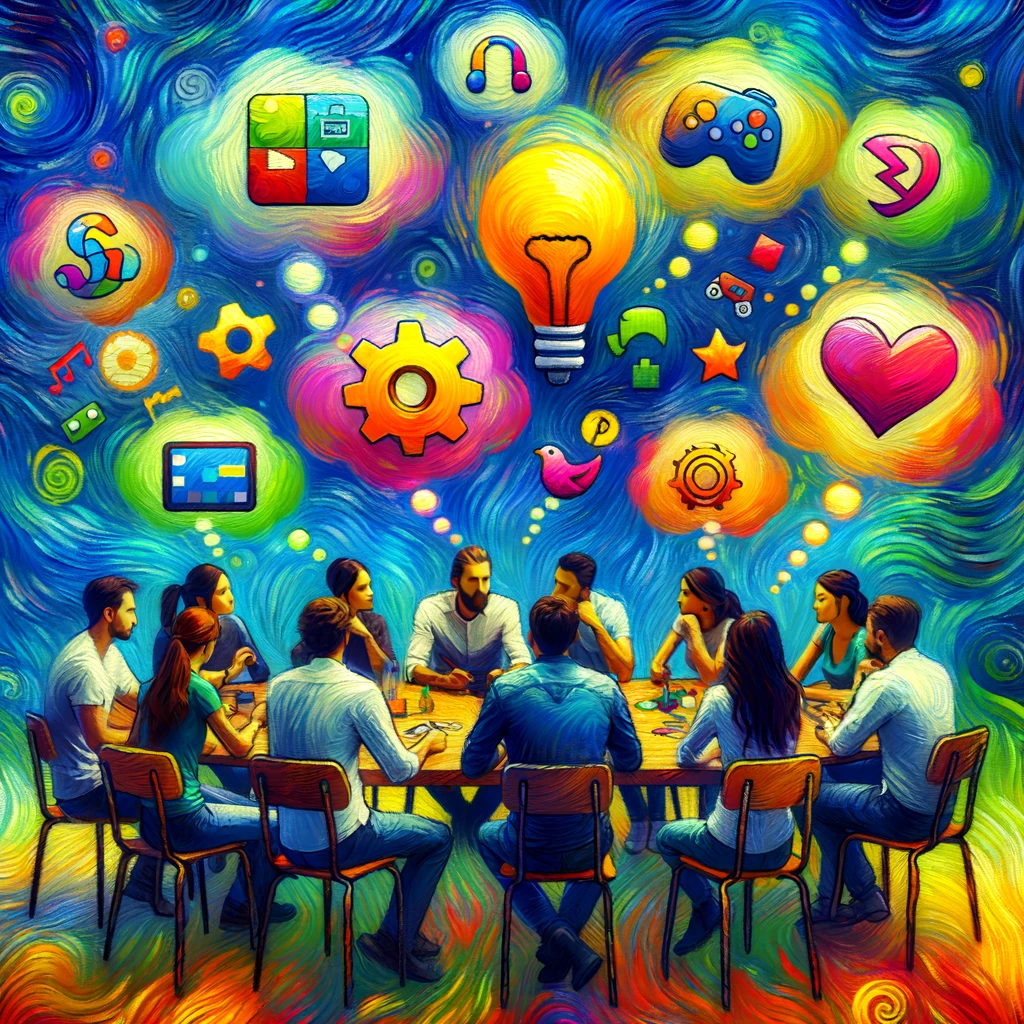
Imagine this: a group of young people gathered around a table, animatedly discussing their latest gaming exploits. Each story they tell is layered with a purpose—collaboration, creativity, problem-solving. In their narratives, games are not a distraction from reality; they are a rehearsal for it. The skills they hone in virtual worlds are infinitely translatable to real-life challenges. They learn strategy, teamwork, and the importance of resilience, all while having a blast.
Why does this matter? For Gen Z, work is no longer just a means to an end. They seek roles that resonate with their values and make an impact. It’s not enough to simply collect a paycheck; they want to leave a mark on their communities and the planet. That desire coalesces into a powerful drive where play becomes the very vehicle of purpose. They ask themselves: “How can I make a living while still doing what I love?” The answer stars back at them from the screen—their games, their projects, their passions.
But this isn’t just a young person’s whim; it’s a movement grounded in ethics. Gen Z is keenly aware of climate change, social justice, and the role businesses play in shaping tomorrow’s world. They advocate for organizations that reflect their values and have a commitment to positive change. Their purchasing decisions are influenced not only by quality but by a brand’s moral compass.
In a society often consumed by the notion of hustle, Gen Z stands out, urging us to reconsider what success looks like. They remind us that fulfillment doesn’t have to come at the expense of joy. So the next time you witness them blending their passions with careers, remember—they’re not just playing games; they’re forging a future where purpose isn’t a checkbox but an adventure. Their courage to merge play with purpose is a call to all of us: let’s step out of the grind and into the game of life, where every challenge can lead to something meaningful.

Why Gen Z Doesn’t Separate Play From Purpose
Why Gen Z Doesn’t Separate Play From Purpose
- Generation Z is redefining work, integrating play with purpose.
- They view gaming as a means to develop skills like collaboration, creativity, and resilience.
- Work is seen as a way to align with personal values and make a positive impact.
- Gen Z seeks fulfilling roles that support their passions and community engagement.
- They are driven by ethics, advocating for businesses that prioritize social and environmental responsibility.
- This generation redefines success, emphasizing joy and fulfillment over mere financial gain.
- They challenge societal norms by merging their passions with their careers, shaping a purposeful future.

Why Gen Z Doesn’t Separate Play From Purpose
Table Of Contents
- Why Gen Z Doesn’t Separate Play From Purpose
- What Drives Gen Z to Blend Play with Their Passions?
- Are We Losing the Joy Of Play In Pursuit Of Purpose?
- How Can Play Enhance Productivity for Gen Z?
- Is It Ethical to Expect Gen Z to Sacrifice Play for Work?
- Who Are the Role Models Leading Gen Z In Merging Work and Play?
- What Innovative Approaches Does Gen Z Take Towards Work and Play?
- How Does Play Influence Mental Health for Gen Z?
- Conclusion
- Other Resources
- Glossary Of Terms
- Other Questions
- Haiku
- Poem
- Checklist
What Drives Gen Z to Blend Play with Their Passions?
At first glance, it might seem like today’s youth have disregarded the traditional pathways laid out for them, opting instead for a world infused with games and playful pursuits. But peel back the layers, and you’ll discover something remarkable—Gen Z is redefining the very essence of passion, driven by a desire to blend play with purpose.
In a society where job dissatisfaction runs rampant, this generation is saying, “No more!” They’re rejecting the notion that work must be devoid of joy. For them, work doesn’t just sustain life; it’s an extension of it. Behind their screens, in collaborative gaming environments, and throughout social media platforms, they’ve found a space where they can chase their dreams while indulging their inner child. The thrill of gaming isn’t just about winning; it’s about community building, creativity, and, ultimately, self-expression.
Consider the countless streamers and digital creators who elevate their hobbies to livelihoods. They’re not merely playing games; they’re crafting narratives, fostering connections, and establishing authority in their chosen fields. Gen Z recognizes that passion can coexist with practicality. They’re finding ways to turn what was once considered frivolous into something profoundly impactful—transforming hours of play into skill-building opportunities.
From the outside looking in, it might seem like a carefree approach. But there’s a fierce determination behind those playful pursuits. This generation isn’t just chasing fun; they’re motivated by a profound sense of purpose. The ethical responsibility they feel toward their communities is palpable. They leverage their platforms for social change, creating movements driven by authenticity and collective action.
And let’s not forget the importance of relatable narratives. When they share their struggles and triumphs, it resonates. They are demystifying success, proving that blending play with passion is not just a pipe dream but a viable way forward. It invites everyone to participate, reminding us all that joy can be spun into gold.
So, as we witness Gen Z blend games with their aspirations, let’s remember to learn from their example. Let’s embrace the notion that passion and play can fuel not just personal growth, but a fire that kindles change in the world around us. In a shifting landscape, they are showing us a path—their path—and it’s one worth following.
What Drives Gen Z to Blend Play with Their Passions?
What Drives Gen Z to Blend Play with Their Passions?
- Gen Z is redefining passion, blending play with purpose in their pursuits.
- They reject the idea of work lacking joy, viewing it as an extension of life.
- Gaming provides a platform for community-building, creativity, and self-expression.
- Digital creators turn hobbies into livelihoods, crafting narratives and fostering connections.
- This generation is motivated by a sense of ethical responsibility towards their communities.
- They demonstrate that relatable narratives and shared experiences can inspire collective action.
- Gen Z’s approach invites others to see how joy can drive personal growth and societal change.

What Drives Gen Z to Blend Play with Their Passions?
Are We Losing the Joy Of Play In Pursuit Of Purpose?
In a world obsessed with the pursuit of purpose, the simple joy of play often gets cast aside like yesterday’s newspaper. Once, games were a universal language, a playground for our minds and hearts, where we traded efficiency for creativity and pressure for laughter. We engaged in these whimsical escapes alongside friends, forging connections that lingered long after the final whistle blew. Now, adulting seems to mean exchanging those vibrant moments of joy for the monochrome grind of purpose-driven plans and productivity metrics. But why have we allowed ourselves to grow so serious?
The gut reaction to this shift arises from a deep-seated sense of loss. We witness kids’ laughter fading into screens and structured schedules, where the spontaneous joy of unstructured play becomes a relic of the past. It makes you ponder: at what cost do we sacrifice the carefree exploration that fuels imagination? There’s an ethical dimension here, too, as we mold future generations. By sidelining games that teach important life skills—teamwork, strategy, resilience—we risk raising adults who know how to work, but forget how to play.
Rational thinking tells us that play isn’t just frivolous; it sharpens our problem-solving skills, fosters creative thinking, and enhances social bonds. Studies show that the happiest individuals often engage in hobbies that reignite their playful spirits. The authority of psychological research backs this—play is essential in reducing stress and improving overall well-being. So why not embrace it?
Let’s take a page from our childhood stories. Remember the exhilaration of a spontaneous game of tag, or the joy of a handmade fort? These are the experiences that foster community, connection, and creativity, inviting us all to collectively relive those joyous moments. We have a choice: we can allow the chains of purpose to tighten around us, or we can break free and invite the spirit of play back into our lives.
The heart of it all is a simple truth: play enriches the human experience. It doesn’t diminish purpose; it enhances it. We can lead by example, weaving play back into our routines, showing the younger generations that joy exists in the journey, not just in a goal. So let’s take a step back from the relentless chase and remind ourselves—life, much like the best games, is meant to be played for joy.

Are We Losing the Joy Of Play In Pursuit Of Purpose?
Are We Losing the Joy Of Play In Pursuit Of Purpose?
- The pursuit of purpose often overshadows the joy of play in today’s world.
- Games once served as a universal language, fostering creativity and connections.
- Adult life typically prioritizes productivity over playful exploration.
- The decline of unstructured playtime impacts children’s laughter and imagination.
- Play is crucial for developing life skills, including teamwork and resilience.
- Engaging in play can enhance problem-solving skills, social bonds, and overall happiness.
- Reintroducing play into our lives helps us find joy in the journey, enriching our human experience.

Are We Losing the Joy Of Play In Pursuit Of Purpose?
How Can Play Enhance Productivity for Gen Z?
In a world that constantly pulls us in a million directions, where deadlines loom larger than life and digital distractions rain from every corner, it’s easy to forget the power of play. For Generation Z, those whose formative years have been shaped by rapid technological advances and social media, play isn’t just a pastime; it’s a vital tool for enhancing productivity. Think about how games ignite passion and camaraderie. When we engage in play, our brains flourish, creativity soars, and collaboration becomes second nature.
Have you ever watched the sheer joy on someone’s face while they immerse themselves in a game? That’s not just fun—it’s a powerful emotional connection. It’s this very essence that taps into our collective human experience. When you allow yourself to play, you’re not just fostering joy; you’re unlocking a reservoir of motivation and resilience. The laughter, the challenges, the thrill of a well-earned victory—these are the moments that remind us of our shared humanity, grounding us in a way that heavy workloads can’t.
Now, let’s get rational. Studies consistently show that taking breaks to engage in playful activities can lead to better focus, improved problem-solving skills, and ultimately, higher productivity. There’s something deeply ethical about advocating for play within our work lives. It’s not just about getting things done; it’s about doing them well. It’s about ensuring that our mental well-being is prioritized alongside our professional achievements—because you know what? A burned-out mind isn’t a productive one.
As you weave play into the fabric of your daily routine, consider the authority behind sheer joy. Engage in activities that stretch your mind but leave room for laughter and levity. Whether it’s participating in team-building games at work or escaping into a world of strategic puzzles on your own, remember, it’s all part of sharpening your skills while nurturing your spirit.
Connect with others through shared experiences. When friends collaborate in a game, they nurture bonds that translate to the workplace. Those relationships become the foundation for everything you accomplish together. So, don’t shy away from play; embrace it wholeheartedly. Find your groove within a game, reconnect with what makes you tick, and watch how that renewed energy transfers into every aspect of your life. Play isn’t just a break from productivity; it’s a pathway to unleash your full potential while inviting others along for the ride.

How Can Play Enhance Productivity for Gen Z?
How Can Play Enhance Productivity for Gen Z?
- In a fast-paced world filled with distractions, the importance of play is often overlooked.
- For Generation Z, play enhances productivity, igniting passion and fostering collaboration.
- Engaging in play creates emotional connections and taps into a shared human experience.
- Play unlocks motivation and resilience, providing joy amidst heavy workloads.
- Research demonstrates that breaks for playful activities improve focus and problem-solving skills.
- Incorporating play into work promotes mental well-being and enhances professional performance.
- Shared experiences in games strengthen relationships that benefit teamwork and collaboration.

How Can Play Enhance Productivity for Gen Z?
Is It Ethical to Expect Gen Z to Sacrifice Play for Work?
When we talk about Gen Z and the pressure to trade play for work, we tread on a minefield of emotions, aspirations, and stark realities. Let’s take a moment to reflect on what’s at stake here—after all, these young individuals are navigating a world that constantly demands more while offering less.
Consider the sheer joy that comes from engaging in games. Whether it’s a simple childhood pastime or a complex digital universe, play embodies creativity, resilience, and community. It’s in those moments of joy that we find the heart of who we are. Yet, we ask a generation to sideline these precious experiences in favor of careers that seem increasingly unattainable. By forcing them to sacrifice their leisure, we threaten not just their happiness but their very identity.
Rationally speaking, the workforce demands a level of commitment that seems at odds with the thrill of play. However, this urgent call for productivity does not account for the benefits that downtime brings. Studies have shown that play fosters innovation and problem-solving skills—the very qualities employers crave. So, do we really expect a generation to forge paths in a world primed for stagnation, when their most vibrant ideas are birthed in moments of respite?
Ethically, we must grapple with our responsibilities as mentors, educators, and employers. Should we impose a harsh reality devoid of balance, or should we advocate for a world where leisure is seen as a prerequisite for creative work? The pressure to conform to a relentless grind can create a deep sense of isolation among young adults, further fueling anxiety and disillusionment.
Society often glorifies hustle culture, yet we need to start a dialogue that respects the fundamental human right to play. Let’s create environments where young people feel encouraged to pursue passions—where video game design is as valued as engineering, and where artists are celebrated alongside entrepreneurs. We must be the authority that champions the importance of both work and play, understanding that a fulfilled life cannot be forged without joy.
Ultimately, we’re not just talking about Gen Z; we’re talking about our future. Embracing the lessons of play isn’t simply an ideal; it’s a call to action that can transform workplaces and communities. Together, let’s inspire a generation to redefine success, weaving together the threads of passion and purpose, so they can thrive, not just survive.

Is It Ethical to Expect Gen Z to Sacrifice Play for Work?
Is It Ethical to Expect Gen Z to Sacrifice Play for Work?
- Gen Z faces emotional and practical challenges when pressured to prioritize work over play.
- Engaging in play fosters creativity, resilience, and community, essential aspects of identity.
- Shifting focus solely to careers at the expense of leisure threatens their happiness and identity.
- Work demands conflict with the benefits of downtime, which promotes innovation and problem-solving.
- As mentors and employers, we must advocate for a balance between work and leisure to combat isolation and anxiety.
- Society should value diverse passions, such as video game design and the arts, alongside traditional careers.
- Embracing play can redefine success and inspire a thriving, purpose-driven future for Gen Z.

Is It Ethical to Expect Gen Z to Sacrifice Play for Work?
Who Are the Role Models Leading Gen Z In Merging Work and Play?
In a world where the boundary between work and play is increasingly blurred, a new generation of role models is emerging—individuals who are redefining success by blending passion with purpose. Among them are entrepreneurs, artists, and creators who recognize that life isn’t just about the grind; it’s about finding joy in what you do, even when the stakes are high. These trendsetters are driven by the belief that work should be fulfilling, not an obligation, and they are shaking up the traditional notions of career.
Consider the creators who’ve turned their hobbies into thriving businesses. They started out making content for fun—sharing their gaming experiences, crafting tutorials, or writing stories. They’ve shown their peers that with creativity and dedication, you can turn your passion into a profession. Look at social media influencers who resonate with millions, not just because of their gaming skills or aesthetic, but due to their authenticity and vulnerability. They invite their audience behind the scenes, showing the real struggles and triumphs, making it clear that success is not just about the output but about the journey.
These role models embody a truth that many of us instinctively understand: When we inject play into our work, we ignite a spark that fuels innovation and happiness. They emphasize well-being and mental health, advocating for balance in a hyper-competitive atmosphere. This thoughtful approach is a beacon for Gen Z, a generation keenly aware that well-being should never be sacrificed at the altar of ambition. They remind us that thriving in your career doesn’t have to exclude laughter and enjoyment; rather, it can be enhanced by them.
Furthermore, these leaders understand the importance of community and collaboration. They actively engage their audience, creating spaces where everyone feels valued and heard. By fostering a sense of belonging, they inspire trust and confidence among their followers. It becomes clear that when the kids see their idols not just winning, but sharing, learning, and growing together, it galvanizes them to do the same.
In marrying work and play, these role models are not just shaping their futures—they’re transforming the narrative for their peers. They’re teaching the next generation that it’s okay to rewrite the rules, showing that a fulfilling career can indeed be a game worth playing. This is a powerful call to action: to find your passion, embrace your play, and join a community that thrives on shared aspirations.

Who Are the Role Models Leading Gen Z In Merging Work and Play?
Who Are the Role Models Leading Gen Z In Merging Work and Play?
- A new generation of role models is redefining success by combining passion and purpose.
- Entrepreneurs and creators are turning hobbies into successful businesses, demonstrating creativity and dedication.
- Social media influencers connect with audiences through authenticity and vulnerability, emphasizing the journey over mere output.
- Injecting play into work can ignite innovation and happiness, promoting well-being and mental health.
- These leaders advocate for balance in a hyper-competitive environment, especially for Gen Z.
- Community and collaboration are essential; these role models engage their audience to foster trust and belonging.
- They inspire the next generation to rewrite career rules, showing that a fulfilling career can be enjoyable and rewarding.

Who Are the Role Models Leading Gen Z In Merging Work and Play?
What Innovative Approaches Does Gen Z Take Towards Work and Play?
In today’s rapidly changing world, Generation Z is redefining what it means to blend work and play, and they are doing it with a sense of purpose that is both refreshing and inspiring. These young innovators are not simply clocking in and out; they’re crafting careers around passions and interests that hold real meaning for them. They recognize that work can no longer be just a means to an end. Instead, it is an extension of their values, desires, and yes, even their play.
Imagine a group of friends gathered not around a standard desk but in a vibrant café during a game of brainstorming. It’s not just coffee they’re sipping; it’s ambition, creativity, and collaboration. For them, games are not merely for leisure; they are thrilling tools for skill-building and team bonding. And why not? A puzzle that sparks laughter and collaboration can often lead to breakthroughs that a dull meeting room cannot inspire.
This innovative approach reflects a greater ethical commitment: the idea that work should feel fulfilling rather than burdensome. Gen Z wants to believe that their job contributes to the greater good. They seek positions in organizations that champion social causes and prioritize mental health, prompting a shift in how companies operate. With keen eyes, they scrutinize employer values—are they only paying lip service to corporate responsibility, or are they rolling up their sleeves and making a difference?
The narrative of success has evolved. It’s no longer just about climbing ladders; it’s about building bridges—connecting with like-minded individuals, fostering diversity, and sharing knowledge. Social responsiveness is a crucial part of their ethos. They understand that collaboration is king and that diverse voices create more innovative solutions. Their approach to work life champions inclusivity, leading to an empowered community rather than a mere network.
For those looking to connect with Gen Z, it’s not just about offering a paycheck; it’s about fostering environments where they can express their authentic selves. They want to see integrity in action, where words align with deeds. Their workplace should feel less like a cubicle and more like a canvas, where every brushstroke contributes to a larger masterpiece.
So the next time you consider the future of work, think of these young innovators. Embrace their passion, harness their creativity, and join them in this vibrant blend of work and play. The invitation is there—will you take it?

What Innovative Approaches Does Gen Z Take Towards Work and Play?
What Innovative Approaches Does Gen Z Take Towards Work and Play?
- Generation Z is blending work and play with a sense of purpose, crafting careers based on their passions.
- They view work as an extension of their values rather than just a means to an end.
- Social interactions in work settings, such as brainstorming in cafés, enhance creativity and collaboration.
- Work should feel fulfilling and contribute to the greater good, reflecting a commitment to ethical practices.
- The narrative of success has shifted from climbing ladders to building bridges through diversity and shared knowledge.
- Gen Z seeks authenticity from employers, desiring environments conducive to expressing their true selves.
- To engage with Gen Z, companies must embrace their passion and creativity, turning the workplace into a collaborative canvas.

What Innovative Approaches Does Gen Z Take Towards Work and Play?
How Does Play Influence Mental Health for Gen Z?
In an age brimming with digital distractions, the power of play emerges as a beacon of light for Gen Z. When you think about it, the humble act of engaging in games—be it tabletop battles with friends or digital quests on a screen—serves as a sanctuary from the chaos of modern life. This generation, often labeled as the “loneliest” despite being “connected,” finds refuge in the simplicity of play. It’s a shared space where laughter rings out, armor is donned, and everyone, for a moment, is the hero of their own story.
Let’s unpack this a bit. Mental health struggles don’t discriminate, yet they do have a heavy toll on young minds trying to navigate societal pressures. Enter games, which not only offer a much-needed escape but also provide essential skills and social connections. Through play, Gen Z learns resilience—defeating an enemy, losing a match, or solving a tricky puzzle shapes their understanding of failure and success. It’s a microcosm of life itself, where perseverance is rewarded, and teamwork springs forth from collaboration.
From a rational standpoint, the benefits are clear. Engaging in play stimulates brain function, enhances creativity, and fosters emotional regulation. When immersed in a game, players often experience a phenomenon psychologists call “flow,” where time stands still, and worries dissipate. This is more than just fun; it’s a viable strategy for alleviating anxiety and depression that many face in silence.
Moreover, the ethical dimension of play is powerful. Games often convey moral lessons and social awareness, inspiring players to reflect on community, fairness, and empathy. It’s no wonder that so many young people gravitate toward participatory forms of play, forging bonds along the way. These connections are not just virtual; they offer genuine camaraderie that counters isolation and builds resilience.
So, let’s embrace the stories we create around the game table and beyond—the moments of joy, surprise, and shared triumph. Each laugh exchanged over virtual worlds or board game nights fosters trust and genuine connection. Play is not merely a pastime; it’s an essential piece of the mental health puzzle for Gen Z. It champions creativity, nurtures relationships, and enlivens the spirit. So next time you pick up a game, remember—you’re not just passing time; you’re crafting a better future for yourself and everyone who joins in.

How Does Play Influence Mental Health for Gen Z?
How Does Play Influence Mental Health for Gen Z?
- Digital distractions make the joy of play vital for Gen Z, offering a sanctuary from chaos.
- Despite being labeled the “loneliest” generation, play provides a shared space for connection and laughter.
- Games serve as an escape from mental health struggles while teaching resilience and teamwork.
- Engaging in play enhances brain function, creativity, and emotional regulation.
- Players experience “flow,” which helps alleviate anxiety and depression.
- Games often convey ethical lessons, promoting community, fairness, and empathy among players.
- Play fosters genuine camaraderie, building resilience against isolation and fostering mental well-being.

How Does Play Influence Mental Health for Gen Z?
Conclusion
Generation Z is reshaping the world as we know it, carving out a narrative where play intertwines seamlessly with purpose. They’ve discarded the outdated notion that work must feel like a slog, infusing joy back into the grind. Picture them huddled around screens, animatedly recounting tales from their latest gaming adventures, where each victory is more than just pixels on a screen—it’s about collaboration, creativity, and resilience. To Gen Z, gaming isn’t a mere diversion; it’s training for the challenges of real life. The indomitable spirit that drives them seeks more than just a paycheck; it strives for meaningful roles that reflect their values and impact their communities.
This is a generation keenly aware of the stakes—the climate crisis, social injustice, and the urgent need for ethical business practices. They demand more from employers than promises; they seek alignment of actions with values. This quest isn’t a youthful whim; it’s a profound movement. As they navigate this complex landscape, they look to create paths that balance work and play, building lives filled with passion rather than mere existence. Through streaming, content creation, and innovative enterprises, they exemplify how play can translate into powerful connections and careers, transforming what once seemed like frivolity into platforms for real-world change.
Yet, amid this playful revolution, a troubling question emerges: are we sacrificing joy for relentless ambition? In a culture that glorifies hustle, Gen Z stands defiantly, reminding us that fulfillment and happiness should be intertwined, not considered luxuries. They call on us to let go of the seriousness that suffocates our joy, showcasing that laughter and creativity are vital to a thriving, innovative society.
As we navigate the rapidly evolving work landscape, let’s take cues from this generation of trailblazers. They show us that blending our passions with purpose doesn’t dilute our productivity—it amplifies it. Play is not merely a choice; it’s a strategy, a crucial element for mental wellness, community building, and even problem-solving. By re-embracing the joy of play, we open up avenues for collaboration, creativity, and connection that enrich both our individual experiences and our collective future.
In celebrating the union of play and purpose, let’s be catalysts for change, creating environments that empower the next generation to thrive, intertwining their joy with their aspirations, paving the way for a meaningful and impactful life where work and play are not distinct realms but rather a beautiful, blended existence. Together, we can redefine success as an adventure that celebrates both passion and purpose—an exhilarating game worth playing.

Conclusion
Conclusion:
- Generation Z is integrating play with purpose, redefining work to be more enjoyable.
- They view gaming as a significant training tool, promoting collaboration, creativity, and resilience.
- Gen Z seeks meaningful work that aligns with their values, rather than just financial gain.
- They are highly aware of global issues, including climate change and social injustice, demanding ethical business practices.
- This generation emphasizes finding joy in work, challenging the culture of relentless ambition.
- They advocate for blending passions with purpose, highlighting the benefits of play for productivity and mental wellness.
- By celebrating the fusion of play and purpose, Gen Z is paving the way for a more impactful and fulfilling life experience.

Conclusion
Other Resources
Other Resources
Here is a list of other resources you can review online to learn more:
- The Resistance: Avalon
- 999 Games
- Asmodee
- Keyflower: The Farmers Expansion
- deviantART
- Tichu
- Poker
- Portal Games
- Pandemic Legacy: Season 2
- The Board Game Family
- Munchkin
- Clans of Caledonia
- Battlestar Galactica: The Board Game
- Rahdo Runs Through
- Canasta
- Gaia Project
- Gamewright
- North Star Games
- Renegade Game Studios
Use This Prompt To Get More Resources With Your Favorite Online AI Tool: Please provide me with a list of online articles with their URLs in a bulleted list that I can read regarding Why Gen Z Doesn’t Separate Play From Purpose

Other Resources
Glossary Terms
Why Gen Z Doesn’t Separate Play From Purpose – Glossary Of Terms
1. Gen Z: The demographic cohort born roughly between 1997 and 2012, known for their digital fluency and progressive values.
2. Play: Engaging in activities for enjoyment and recreation rather than a serious or practical purpose.
3. Purpose: The reason for which something is done or created; a sense of meaning and direction in life.
4. Work-Life Balance: The equilibrium between one’s professional responsibilities and personal life, increasingly prioritized by Gen Z.
5. Wellness: A holistic approach to health that includes physical, mental, and emotional well-being, often integrated into daily activities.
6. Authenticity: The quality of being genuine and true to oneself, highly valued by Gen Z in both personal and professional contexts.
7. Social Impact: The effect an individual or organization’s actions have on the community and society, an important consideration for Gen Z when choosing careers.
8. Creativity: The ability to generate innovative ideas and solutions, often expressed through various forms of play.
9. Collaboration: Working together with others to achieve a common goal, emphasized in both play and work scenarios for Gen Z.
10. Flexibility: The ability to adapt to changing circumstances, a trait that is increasingly important in work environments that allow for mixing play and purpose.
11. Experiential Learning: Gaining knowledge through experience, rather than traditional educational methods; often embraced by Gen Z.
12. Digital Natives: Individuals who have grown up with technology and the internet, influencing their approach to work and play.
13. Mindfulness: The practice of being aware and present, which can enhance both play and purposeful activities.
14. Engagement: Active participation and involvement in activities, crucial for both play and meaningful work.
15. Gamification: The application of game-design elements in non-game contexts to enhance engagement and motivation.
16. Social Media: Online platforms that facilitate sharing and interaction, influencing how Gen Z blends play with purpose.
17. Entrepreneurship: The process of starting and operating one’s own business, often driven by passion and purpose among Gen Z.
18. Sustainability: The practice of maintaining ecological balance through responsible use of resources, often a core principle for Gen Z-focused projects.
19. Interpersonal Skills: Abilities that facilitate communication and interaction with others, fostered through collaborative play.
20. Diversity and Inclusion: The practice of recognizing and valuing differences among people, important to Gen Z in creating purpose-driven communities.
21. Networking: Building relationships for personal and professional growth; often done in informal settings that blend play and purpose.
22. Innovation: The introduction of new ideas and methods, which Gen Z often approaches through playful experimentation.
23. Emotional Intelligence: The capacity to be aware of, control, and express one’s emotions, and to handle interpersonal relationships judiciously and empathetically.
24. Passion Projects: Initiatives driven by personal interests and values, often combining play with a greater purpose.
25. Volunteerism: Engaging in charitable activities without financial gain, blending personal enjoyment with social responsibility.
26. Curation: Selecting and organizing content or experiences, often done playfully, to share with peers.
27. Skill Development: The enhancement of personal abilities through practice, often seen as a blend of fun and practical learning.
28. Curiosity: A strong desire to learn or know something, driving the exploration of both playful and purposeful activities.
29. Resilience: The ability to recover from setbacks, essential for navigating both play and challenges in a purposeful context.
30. Holistic Learning: An approach that considers the whole person, blending personal interests with educational and professional objectives.

Glossary Of Terms
Other Questions
Why Gen Z Doesn’t Separate Play From Purpose – Other Questions
If you wish to explore and discover more, consider looking for answers to these questions:
- What specific skills does Gen Z gain from integrating play into their work?
- How do different industries view the blending of work and play?
- Are there documented examples of organizations successfully implementing play into their workplace culture?
- How can employers support Gen Z in their pursuit of meaningful work that incorporates play?
- What role does technology play in facilitating the merging of play and purpose for Gen Z?
- How does societal perception of work and play differ between generations?
- What impact does this trend have on traditional educational systems?
- Are there potential downsides to the merging of play and work for Gen Z?
- How do mental health issues within Gen Z influence their approach to work and play?
- What are some examples of successful role models within Gen Z who embody this blending of play and purpose?

Other Questions
Haiku
Why Gen Z Doesn’t Separate Play From Purpose – A Haiku
Joy weaves through our work,
Playful hearts chase purpose true—
Life’s game calls us all.

Haiku
Poem
Why Gen Z Doesn’t Separate Play From Purpose – A Poem
In a world where work once wore a heavy face,
Generation Z steps forth with a vibrant embrace.
No longer just hours marked off in despair,
They blend play with purpose, a life fully aware.
Imagine a table where laughter takes flight,
As games weave connections, making futures bright.
Each story they share is a tapestry spun,
Of strategy, teamwork, and battles hard-won.
They reject the old grind, the dull, joyless chase,
For a life deeply woven with passion and grace.
They seek meaning in work, a legacy strong,
Where joy fuels their journeys and rights every wrong.
With ethical eyes open, they measure each choice,
Supporting brands that align with their voice.
They turn every challenge to something that’s fun,
Crafting a canvas where dreams can be won.
They are not mere players in a fleeting show,
But changemakers united, with fervor that grows.
Through laughter and games, they discover their might,
Transforming the darkness into radiant light.
In digital realms or around a warm hearth,
They cultivate resilience, a profound sense of worth.
For in every encounter, each battle, each game,
Lies a path to connection, a shared heart aflame.
So let us learn from their courage, their thrill,
To nurture our passions and imbibe the real.
May we weave play into work, let our spirits be free,
In the vibrant tapestry of life’s grand decree.

Poem
Checklist
Why Gen Z Doesn’t Separate Play From Purpose – A Checklist
Checklist for Merging Play and Purpose in Life
Emotional Appeals
_____ Reflect on moments of joy during play; how do they shape your mood and connections?
_____ Identify games or activities that inspire you and ignite your passion.
_____ Share your experiences about how play has enhanced your creativity and teamwork.
Rational Appeals
_____ Assess the impact of play on your productivity; how do breaks for fun improve your work?
_____ Examine studies or articles that highlight the benefits of play in fostering mental well-being and problem-solving skills.
_____ Consider introducing playful elements into your daily routine and measure any changes in focus or creativity.
Ethical Considerations
_____ Evaluate your current work-life balance; are you sacrificing too much play for the sake of productivity?
_____ Advocate for environments that support leisure in the workplace; discuss with peers or employers the importance of integrating play.
_____ Promote organizations or initiatives that prioritize mental health alongside productivity.
Authority Sources
_____ Seek out thought leaders or influencers who exemplify successful integration of play and purpose; follow their advice or engage with their content.
_____ Explore psychological research on the benefits of play and mental health to bolster your understanding and advocacy.
_____ Attend workshops or seminars led by experts on playful work environments and mental health strategies.
Narrative Reflections
_____ Tell your story about how a playful experience led to personal growth or a breakthrough in your professional life.
_____ Document instances where collaboration through playful activities led to innovative solutions or stronger relationships.
_____ Explore the narratives of others—who inspires you to merge play with passion?
Social Engagement
_____ Connect with groups or communities that celebrate playful activities; foster relationships through shared interests.
_____ Initiate gatherings or events designed to include playful elements, encouraging collective creativity and connection.
_____ Engage in discussions on social media about the importance of blending play with purpose; seek out diverse perspectives.
By following this checklist, you can actively engage in a balanced approach to life, infusing purpose into play and vice versa in a way that enhances both personal fulfillment and community connection.

Checklist
At HowDoYouGame, we help people who love board games by collating information and news about games.
Be sure to read our other related stories at HowDoYouGame to learn more about games.