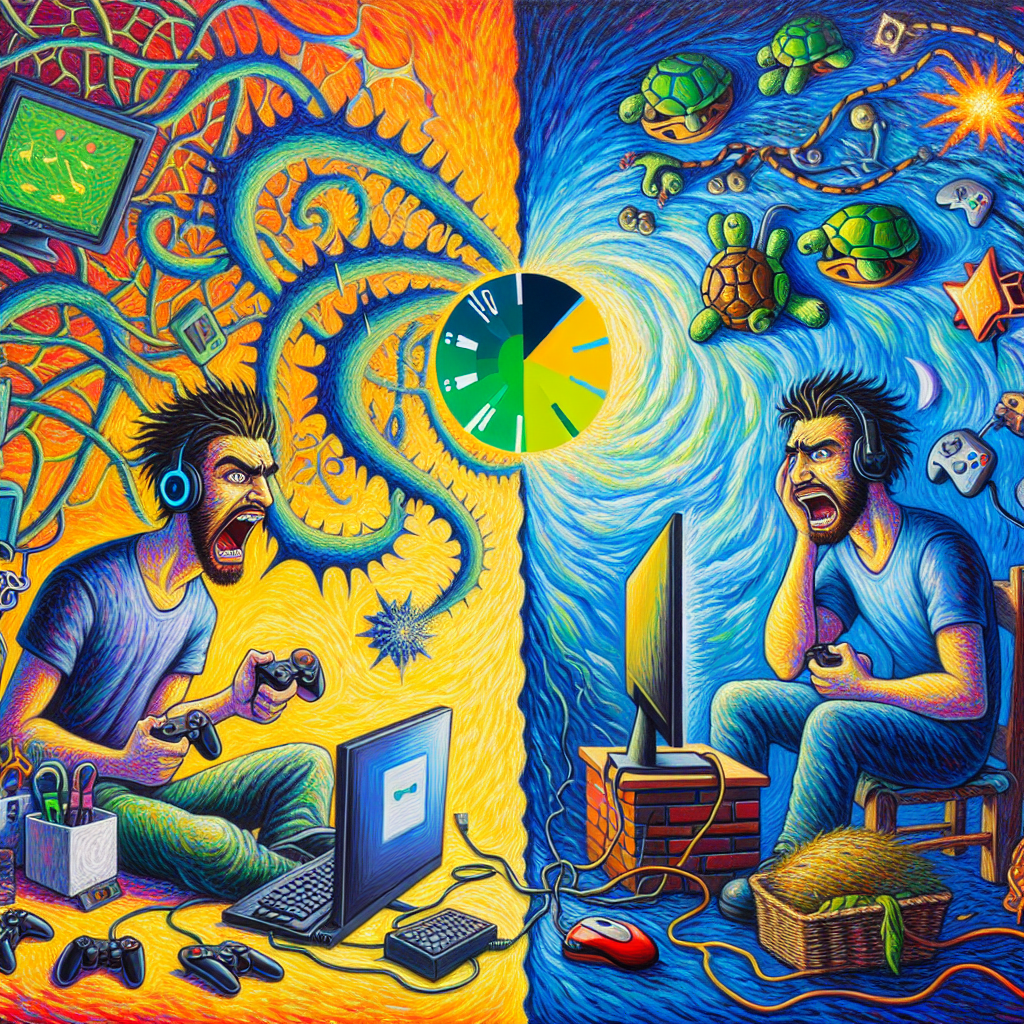
The Evolving Perspectives On Subscription Services
By Tom Seest
At HowDoYouGame, we help people who love board games by collating information and news about games.
Be sure to read our other related stories at HowDoYouGame to learn more about games.
Why Boomers See Subscriptions As Fatigue While Gen Z Sees Them As Freedom
In the kaleidoscope of human experience, we find two generations grappling with a common concept: subscriptions. For Baby Boomers, it often feels like another brick in the wall of a never-ending grind. These folks remember a time when life was simpler, when a single purchase provided a tangible, lasting item, not the fleeting thrill of a monthly fee. The weight of commitment tugs at their hearts; they see subscriptions as a burden, chaining them to unseen costs and endless scrolling, exhausting before they even get started. These relationships feel like a tug-of-war—do they want the experience, or do they want to simplify their lives? They yearn for the freedom that comes from genuine ownership rather than an ephemeral selection of digital options.
Gen Z, however, casts a different light on subscriptions. To them, these monthly fees open doors to exploration and creativity, like a key to a treasure chest of endless possibilities. The world has changed, and they’re less inclined to cling to possessions. Instead, they seek experiences—hours lost in different realms through games, music, and movies. For them, subscriptions symbolize freedom, the ability to curate their lives to suit their whims and desires. “What will I engage with today?” becomes the mantra, fuel for their curious souls. They thrive on exploration, embracing the myriad options, reveling in the thrill of discovery.
When a Gen Z-er subscribes to a streaming service or a gaming platform, they’re not merely signing up; they’re diving headfirst into the cosmos of content. It’s ethically empowering, too—supporting creators they admire, artists who deserve to thrive on their talents. They are shaping their consumption pattern into a communal sharing of interests; it’s less about ownership and more about connection, tapping into a larger cultural dialogue.
Ultimately, both perspectives stem from a deep-seated need for agency—a desire to feel in control of one’s life. Boomers yearn for simplicity and permanence while Gen Z celebrates fluidity and exploration. Perhaps it’s time to find a middle ground; a way to balance the peace of ownership with the excitement of exploration. After all, every generation has its valid truth. Engaging openly in this discourse could lead to insights that unify rather than divide, a bridge between past and future.

Why Boomers See Subscriptions As Fatigue While Gen Z Sees Them As Freedom
Why Boomers See Subscriptions As Fatigue While Gen Z Sees Them As Freedom
- Two generations—Baby Boomers and Gen Z—have differing views on subscriptions.
- Baby Boomers view subscriptions as burdens, longing for simplicity and tangible ownership.
- They feel overwhelmed by the commitment and unseen costs of monthly fees.
- Gen Z sees subscriptions as gateways to exploration and creativity, favoring experiences over possessions.
- For Gen Z, subscriptions represent freedom and the ability to curate personalized experiences.
- They also support creators and engage in a communal sharing of interests, moving away from ownership.
- Both generations seek agency and control, suggesting a need for a middle ground in the subscription dialogue.

Why Boomers See Subscriptions As Fatigue While Gen Z Sees Them As Freedom
Table Of Contents
- Why Boomers See Subscriptions As Fatigue While Gen Z Sees Them As Freedom
- Are Convenience and Flexibility the Core Values Driving Gen Z?
- Can Subscription Services Genuinely Cater to Both Boomers and Gen Z?
- Is the Sense Of Control a Primary Reason Gen Z Embraces Subscriptions?
- What Experiences Shape Your View On Subscription Services?
- How Do Subscriptions Impact Your Financial Well-Being?
- Are You Feeling Overwhelmed By The Choices In Subscriptions Today?
- How Do You Define Freedom In The Context Of Modern Living?
- Conclusion
- Other Resources
- Glossary Of Terms
- Other Questions
- Haiku
- Poem
- Checklist
Are Convenience and Flexibility the Core Values Driving Gen Z?
When you look around at the landscape we’re living in, it becomes clear that convenience and flexibility have emerged as guiding principles for Gen Z. Imagine a world where you can play your favorite games, engage with friends across continents, and explore new ideas—all from the comfort of your own space. This generation is not just adapting to the digital age; they’ve leaned into it, driven by the intrinsic value of immediate accessibility.
Consider for a moment the methodical way Gen Z approaches life. They’re not just looking for quick fixes; they’re on a quest for meaningful experiences, ones that spark joy and fuel their curiosity. Convenience isn’t merely a preference; it’s an expectation. When faced with decisions, they navigate with a blend of heart and head, choosing options that allow for ease without sacrificing their authenticity. That’s what cultivates trust—knowing that their choices align with their values and make sense in the grand tapestry of life.
Let’s dive deeper. Picture standing at the crossroads of choices. On one side, the rigid, traditional paths filled with obstacles; on the other, the open road where flexibility reigns. Here, Gen Z sees not just an opportunity but a calling. They’re wrestling with profound concerns: environmental sustainability, social justice, and mental health. With every click and swipe, their decisions ripple outwards, affecting the world around them. They’re motivated not just by personal gain but by a deep-seated ethical obligation to enact change.
Think about the power of narrative too. Each story they encounter—whether in films, social media, or art—becomes a thread that connects them. They resonate with tales of resilience, innovation, and transformation, and they spin those narratives into their own lives, crafting personal sagas driven by authenticity and connection.
And then there’s the social element. In an era where community can be just a click away, social validation becomes paramount. They are not just individual players in this game of life; they see themselves as part of a larger team, supporting their peers and lifting one another up. Each voice counts, making the search for convenience and flexibility not just a personal journey, but a communal one.
In embracing convenience and flexibility, Gen Z is shaping a new narrative—one that speaks to their core values and a future brimming with potential. It’s a life led with intention, where every choice tells a story worth telling.

Are Convenience and Flexibility the Core Values Driving Gen Z?
Are Convenience and Flexibility the Core Values Driving Gen Z?
- Gen Z prioritizes convenience and flexibility in their lives, embracing the digital age for immediate accessibility.
- They seek meaningful experiences that spark joy and curiosity, viewing convenience as an essential expectation.
- Decisions are made with a balance of emotion and reason, aligning choices with personal values to build trust.
- Gen Z is motivated by significant social concerns such as environmental sustainability, social justice, and mental health.
- The narratives they engage with, whether through media or art, help shape their identities and values.
- They consider themselves part of a larger community, valuing social validation and supporting one another.
- In embracing these principles, Gen Z is crafting a narrative centered on intention and storytelling.

Are Convenience and Flexibility the Core Values Driving Gen Z?
Can Subscription Services Genuinely Cater to Both Boomers and Gen Z?
Let’s take a moment to consider the common ground between two generations that often seem worlds apart: Baby Boomers and Gen Z. On the surface, it may seem like these two groups have little in common, each rooted in different values, technologies, and life experiences. But at the heart of it all, there lies a universal desire to belong, engage, and make their lives just a bit richer—something that subscription services have the potential to tap into.
Imagine your average Boomer coming home after a long day, plopping down on the couch, and firing up a subscription service. What draws them in? It’s not just nostalgia or reruns of familiar shows; it’s about connection—a way to relive memories or share moments with their families. Meanwhile, consider Gen Z with their thumbs deftly flying over screens, seeking new games or films that reflect their diverse worldview. They crave a space that speaks to their rapidly changing lives and offers an escape, a narrative that mirrors their dynamic reality.
Subscription services that truly aim to cater to both generations must grasp this fundamental truth: it’s not about cramming content down their throats but rather creating a rich tapestry of experiences that resonates at a deeper level. When companies curate content that respects the values of authenticity and diversity, they cater to the emotional instincts of both Boomers and Gen Z. This emotional connection establishes trust—a critical element as both generations increasingly seek transparency in their interactions with brands.
Subscriptions aren’t one-size-fits-all. When these services introduce tailored options—whether it’s nostalgia-inducing classics for Boomers or immersive, interactive experiences for Gen Z—they craft a relationship built on trust and mutual respect. Beyond mere transactions, they make room for dialogue and community on platforms where both generations can thrive. This isn’t just savvy business; it’s ethical engagement with real-world implications.
We’re not just talking about a few shows or games here; we’re talking about building bridges across generations, fostering understanding and respect. When these services understand that relationships bleed into choices—how a shared experience can spark a conversation over the dinner table—they open up a world of possibilities. Isn’t that what we all want in the end? To connect, to engage, to feel the warmth of a community—a community that honors both who we were and who we can become. The challenge is clear, but the reward is even clearer: a subscription service that resonates through shared narratives, fostering a sense of belonging for everyone involved.

Can Subscription Services Genuinely Cater to Both Boomers and Gen Z?
Can Subscription Services Genuinely Cater to Both Boomers and Gen Z?
- Baby Boomers and Gen Z appear different but share a universal desire for belonging and engagement.
- Subscription services can bridge the gap between the two generations, offering connection and shared experiences.
- Boomers seek nostalgia and memories, while Gen Z looks for new, diverse content that reflects their lives.
- Successful subscription services should create experiences that resonate on a deeper emotional level.
- Authenticity and diversity in content foster trust and transparency between brands and both generations.
- Tailored options for Boomers and Gen Z can build relationships based on trust and open dialogue.
- Ultimately, the goal is to connect across generations, fostering community and shared narratives.

Can Subscription Services Genuinely Cater to Both Boomers and Gen Z?
Is the Sense Of Control a Primary Reason Gen Z Embraces Subscriptions?
In a world where uncertainty seems to seep into every corner of life, it’s no wonder that Gen Z is drawn to subscriptions. This generation, raised amid financial crises and rapid technological changes, craves something in their grasp— a sense of control. Picture this: a young adult, scrolling through their screen, scanning countless options for everything from streaming services to meal kits. What they’re really hunting for isn’t just convenience; it’s agency.
When you think about it, subscriptions offer an irresistible deal: an opportunity to mold your own experience, like a craftsman shaping wood into a masterpiece. Consumers can dictate the terms of their own consumption, from the trending TV shows that ignite laughter to the nourishing meals that fuel their busy days. When every presidential election, climate report, and social upheaval raises worries about the future, having control over small pleasures becomes not just a comfort, but a necessity.
Let’s break this down. Gen Z stands at the intersection of nostalgia and innovation, balancing the traditional with the modern. They’ve grown up gaming and connecting through social media—worlds formed by their choices. When they subscribe to a new game or service, they’re not just gaining access; they’re wielding the power of choice. It’s a rational decision, of course; the clear benefits of value for money and tailored experiences are hard to ignore. But even more, it’s deeply emotional—a shield against the chaos outside, a way to craft moments of joy amid turbulent tides.
Ethically, subscriptions, in many cases, promote sustainability. Sharing resources through a subscription model can foster a sense of community. Think about it: opting for shared services allows Gen Z to contribute to a healthier planet while connecting with like-minded individuals. The act of subscribing becomes a stand for something bigger—an expression of shared values that resonates within their social circles.
If you listen closely, you’ll hear a narrative emerging here, one that crisscrosses the personal and the collective. As Gen Z curates their subscriptions, they’re not only customizing their individual experiences but also weaving a fabric of solidarity, empowerment, and connection. This is more than just a trend—it’s a movement. Each click, each choice, becomes a vote for the life they wish to lead, reminding us all that in this intricate tapestry of life, we hold the threads. The future isn’t merely something to endure; it’s something to create, one subscription at a time.

Is the Sense Of Control a Primary Reason Gen Z Embraces Subscriptions?
Is the Sense Of Control a Primary Reason Gen Z Embraces Subscriptions?
- Gen Z is increasingly drawn to subscriptions as a way to gain control amid global uncertainty.
- Subscribing offers a unique opportunity to customize experiences, providing a sense of agency and comfort.
- Subscriptions allow Gen Z to define their own consumption, from entertainment options to meal preparations.
- This generation balances nostalgia and innovation, making rational and emotional choices when selecting subscriptions.
- Many subscription models promote sustainability, fostering community and shared values among users.
- Curating subscriptions enables Gen Z to create connections, solidarity, and empowerment in their lives.
- The act of subscribing reflects a movement where individual choices contribute to collective aspirations for the future.

Is the Sense Of Control a Primary Reason Gen Z Embraces Subscriptions?
What Experiences Shape Your View On Subscription Services?
When you think about subscription services, what comes to mind? Is it the thrill of discovering new content at your fingertips, or is it the nagging feeling that your paycheck is being siphoned away, one streaming service at a time? Experiences shape our views on these offerings, and they could take the form of an exhilarating midnight gaming session, or the dread of added fees sneaking into your monthly bills.
Picture this: You’ve just emerged victorious from a long quest in a gripping game, your heart racing, adrenaline pumping. That moment of triumph can make a subscription feel worth every penny. You paid for access, yes, but what you really bought was joy, connection, and a shared experience with friends. The evocative narratives and immersive gameplay can spark conversations that last days. But what happens when a service starts to feel less like a gateway to adventure and more like a cage of costs?
Consider your ethics. Are you okay with a service that doesn’t treat its creators fairly, or one that hides fees in the fine print? You connect emotionally when you support something that aligns with your values. If a platform prioritizes artists and fair pay, it resonates, filling that gut instinct that says, “This is good.”
On the flip side, think about those unending email subscriptions that seem to multiply each month, like weeds in a neglected garden. They can lead to frustration, pulling at your rational mind. You weigh the pros and cons—are you truly using them enough to justify the expense? This analytical approach often leads to the daunting task of cancellation, a moment of truth that can feel like severing ties with an old friend.
Social dynamics play a significant role, too. In a world where everyone seems to have the latest streaming service, the pressure can be palpable. Everyone wants to be in on the conversation, to share in those water-cooler moments about the latest blockbuster or trending series. Yet, when the service is about quantity over quality, it creates a nagging sense of dissatisfaction.
Ultimately, it comes down to trust. If a subscription is enriching your life, igniting your passions, and helping you forge connections, it’s a worthy investment. Your choices shape a landscape that values authenticity, creativity, and community—and that’s worth fighting for.

What Experiences Shape Your View On Subscription Services?
What Experiences Shape Your View On Subscription Services?
- Subscription services evoke mixed feelings, from excitement for new content to concerns about recurring costs.
- A thrilling gaming experience can justify the cost, offering joy and connection with friends through shared adventures.
- Ethical considerations impact subscription choices, with a preference for platforms that support fair treatment of creators.
- Unmanaged email subscriptions can lead to frustration and the challenge of deciding whether to cancel them.
- Social dynamics influence subscription habits, as people often feel pressured to keep up with trends and conversations.
- Quality over quantity in services is crucial; dissatisfaction arises when offerings lack depth.
- The value of a subscription is tied to trust, enriching life and fostering community, which justifies the investment.

What Experiences Shape Your View On Subscription Services?
How Do Subscriptions Impact Your Financial Well-Being?
Subscriptions have a sneaky way of creeping into our lives, often just like that stranger who keeps borrowing your favorite tools without asking. At first, it might feel like a harmless indulgence—streaming the latest hits or diving into a library of games—that little thrill of convenience pulling at your wallet. But there’s a fine line between enjoyment and entrapment, and understanding the impact of these seemingly innocent monthly payments is critical for your financial well-being.
Imagine for a moment, nestled in your living room, half-heartedly skipping through an endless carousel of choices on multiple platforms. That subscription might promise joy, but how much value do you actually derive from it? It’s not just the money but the time—the hours that slip away like sand through your fingers. Ask yourself: Is this expenditure enhancing my life, or is it merely filling a void? By getting a grip on your subscriptions, you reclaim not just dollars but vital moments that could be spent in more fulfilling pursuits—like sharing laughter with family or finally finishing that book gathering dust on your shelf.
When we pause to reflect, subscriptions carry ethical weight. Are we contributing to a culture that prioritizes consumption over genuine connection? If every new service feels like an obligation, then what about the joy? Cultivating awareness around these choices fosters a deeper connection to your finances and the values you hold dear. You deserve to support what truly resonates with you.
And don’t forget the social aspect—a life rich in meaningful interactions elevates personal fulfillment far beyond any Netflix binge. When was the last time you gathered friends over a game night instead of staring at screens? True community thrives when we prioritize relationships over subscriptions. Engage with others; share laughs, memories, and experiences that inspire not just ourselves but also those around us.
So, let’s make a pledge: Take a good hard look at your subscriptions. Trim the excess and lift the weight off your shoulders, freeing yourself for what truly matters. It’s time to craft a life where your choices align with your goals, restoring clarity and purpose. Your financial well-being isn’t just about numbers; it’s the promise of a richer, more fulfilling life. Embrace that journey. The road awaits, and every step counts.

How Do Subscriptions Impact Your Financial Well-Being?
How Do Subscriptions Impact Your Financial Well-Being?
- Subscriptions can subtly impact our lives, similar to a stranger borrowing personal items.
- What starts as harmless enjoyment can turn into financial entrapment if not monitored.
- Evaluating the value derived from subscriptions helps reclaim both money and time.
- Pause to reflect on whether subscriptions enhance your life or merely fill a void.
- Consider the ethical implications of fostering a culture of consumption over genuine connection.
- Prioritizing meaningful social interactions over subscriptions leads to greater personal fulfillment.
- Regularly assess and trim subscriptions to align choices with personal goals for a more fulfilling life.

How Do Subscriptions Impact Your Financial Well-Being?
Are You Feeling Overwhelmed By The Choices In Subscriptions Today?
There’s a certain irony in living in an era where we’re drowning in options yet feeling starved for true satisfaction. Take a moment and think about it: streaming services that promise endless entertainment, subscription boxes delivering curated surprises right to your doorstep, and even platforms offering ways to connect over games that were once a casual pastime. They all beckon us with the allure of choice, yet, as more choices pile up, the weight of decision-making can feel like an anchor pulling us down.
It happens quietly—the initial excitement of a subscription fades into a dull complexity that fills our heads with questions. What do I really want? Am I getting my money’s worth? It’s like standing in a candy store, surrounded by vivid colors and tantalizing options, yet being unable to choose just one because of the fear that the choice could be wrong. You end up buying nothing, feeling more confused than before, and perhaps even a touch foolish about it all.
Now, imagine a scenario. One evening, you decide to try out a new game that you’ve heard about. You open the app, the graphics dazzle, and the story hooks you. Time passes differently in that immersive experience; joy fills your gut, a reprieve from life’s chaos. But later, as you browse through multiple subscriptions—each promising the next thrill—you feel that familiar overwhelm creeping back in. The question is not just about what to pick; it’s what will genuinely add to your life, not just clutter it further.
It’s human nature to want connection, to seek out experiences that resonate. Our choices resonate with our values, our need for authentic engagement, and our desire for community. The creators and curators behind these subscription options understand this need. They speak to you, they present artifacts of joy, but it’s up to you to differentiate between distractions and true nourishment.
To navigate this tempest of decisions, it’s essential to take a breath—slow down and listen to your instincts. Think critically about who you want to be in this subscription-filled world. Engage with services that resonate with your true interests and values. Share experiences with friends, talk about what resonates, and create a social fabric that helps to lighten the load. Embrace the journey of discovery—not just the frenzy of options. Trust your instincts, take the leap, and redefine what your subscriptions mean to you.

Are You Feeling Overwhelmed By The Choices In Subscriptions Today?
Are You Feeling Overwhelmed By The Choices In Subscriptions Today?
- We live in a paradoxical time of abundant choices yet lack true satisfaction.
- Streaming services and subscription boxes promise entertainment but can lead to overwhelming decision-making.
- The initial thrill of new experiences often fades, leaving us questioning their value.
- Overwhelm can prevent us from making any choice at all, leading to confusion and frustration.
- Meaningful engagement and connection are essential to evaluate the options presented to us.
- To navigate decision fatigue, it’s important to slow down and listen to personal instincts and values.
- Embrace the discovery process rather than getting lost in the abundance of choices.

Are You Feeling Overwhelmed By The Choices In Subscriptions Today?
How Do You Define Freedom In The Context Of Modern Living?
Freedom in the context of modern living is a multifaceted concept that often feels like a game we’re all playing, each of us vying for our own unique version of victory. The rules may differ, but at the heart of it all lies a deep desire for autonomy, dignity, and the ability to make choices that matter. We live in a time when the machines hum ceaselessly around us, and it’s easy to forget that true freedom isn’t found in the relentless pursuit of productivity, but rather in the moments where we connect—not just with our devices, but with each other.
Think about the everyday choices we make. We often focus on freedom in terms of financial independence, personal expression, or the right to live without constraint. However, it’s what we do with that freedom that really defines us. Are we using our liberty to uplift others? Are we seeking community in a world that pushes us towards isolation? Freedom isn’t simply about the absence of obligations; it is about the presence of responsibility. It’s about having the privilege to decide how we contribute to the greater good.
Yet, let’s not ignore the gut feelings—the anxiety that creeps in when we think about our place in this rapidly evolving society. There’s a trust that needs nurturing here, both in ourselves and in others. Each time we have a conversation, share a meal, or join forces in a shared endeavor, we solidify that trust. When we embrace vulnerability, we build bonds that give weight to our individual freedoms, creating a tapestry of shared experiences that define who we are.
And what about the role of authority in this conversation? We must ask ourselves: who shapes our understanding of freedom? Is it the influencers we follow or the leaders we elect? Perhaps, it should be each of us, fostering a collective narrative rich with diversity and experience. It’s the stories we tell and the lives we touch that sow seeds of liberation.
In this way, freedom becomes a communal effort—an ever-evolving dance between personal aspirations and social responsibilities. So, let’s take a step back from the screens and consider this question: How can we use our individual freedoms to lift each other up? Because in the end, the most profound freedoms often lie not in what we have, but in what we give.

How Do You Define Freedom In The Context Of Modern Living?
How Do You Define Freedom In The Context Of Modern Living?
- Freedom is a multifaceted concept with each person seeking their own version of victory.
- True freedom is found in connection with others, rather than in relentless productivity.
- Everyday choices reflect our freedom, which encompasses financial independence and personal expression.
- Using our liberty to uplift others and seeking community is crucial in a world that promotes isolation.
- Freedom involves the presence of responsibility and the privilege to contribute to the greater good.
- Trust is essential in building bonds, as it enriches individual freedoms through shared experiences.
- Freedom is a communal effort, balancing personal aspirations with social responsibilities and emphasizing what we can give to others.

How Do You Define Freedom In The Context Of Modern Living?
Conclusion
Two generations, Baby Boomers and Gen Z, stand at a crossroads, each with their own vision of what subscription services mean to them—and those visions couldn’t be more different. For Boomers, subscriptions often feel like a rollercoaster with all the thrills stripped away, transforming excitement into fatigue. They yearn for the simplicity of ownership, the satisfaction of tangible goods that remain steadfast through the trials of life. Every month’s bill stirs a weighty reminder of commitments, forcing them into a churn they yearn to escape. They crave a life less cluttered, where experiences aren’t shackled by the invisible costs of endless options.
Round the corner, Gen Z dances to a different beat—their lives are a symphony of choices and possibilities, with subscriptions as the conductor guiding them through creative ventures. They see the world as a canvas where each subscription unlocks a new adventure. Ownership seems irrelevant when the pursuit of experiences holds the spotlight; they ask, “What will inspire me today?” This mindset fosters fluidity and exploration, allowing them to curate vibrant lives rich with diversity and connection. They embrace subscriptions not only as a stream of content but as an ethical lifeline that supports creators and nurtures communities.
Yet, amidst their differences, both generations share an innate desire for agency. Boomers wish for uncomplicated joys, while Gen Z seeks the thrill of newness. And therein lies an opportunity—to bridge this divide. Successful subscription services must cater to the heart’s longing for connection and authenticity, skillfully weaving paths that resonate deeply across generations. Imagine a platform that celebrates the rich tapestry of narratives, offering nostalgia for Boomers while embracing Gen Z’s thirst for innovation—creating not just consumers but a community.
Ultimately, it’s about trust, a tether that both groups crave in their life journeys. Turning subscriptions into dialogues enriches lives; it shifts the perspective from mere expense to an investment in shared experiences and values. As we navigate a landscape brimming with choices, let’s encourage conversations that challenge the consumerism of our era. By collaborating across generations, embracing flexibility, and prioritizing authenticity, both Boomers and Gen Z can find rewards in the subscription world—a harmonious dance that celebrates ownership, community, and the stories we all long to tell.

Conclusion
Conclusion:
- Baby Boomers and Gen Z hold contrasting views on subscription services, reflecting their different life experiences.
- Boomers find subscriptions exhausting and crave the simplicity and permanence of ownership.
- The monthly costs of subscriptions serve as reminders of commitments, prompting a desire for less clutter.
- Gen Z views subscriptions as a means to explore creativity and adventure, prioritizing experiences over ownership.
- They see subscriptions as a way to support creators and foster community connection.
- Both generations share a longing for agency: Boomers desire uncomplicated joys while Gen Z seeks excitement.
- Opportunities exist for subscription services to bridge this gap by fostering trust, shared experiences, and authenticity across generations.

Conclusion
Other Resources

Other Resources
Here is a list of other resources you can review online to learn more:
- Blood Rage
- 7 Wonders Duel
- Mastodon
- Ars Technica
- Threads
- Memoir ’44: Pacific Theater
- IELLO
- Gamelyn Games
- Clans of Caledonia
- GeekDad
- Polygon
- Euchre
- Piatnik
- Z-Man Games
- Agricola (Revised Edition)
Use This Prompt To Get More Resources With Your Favorite Online AI Tool: Please provide me with a list of online articles with their URLs in a bulleted list that I can read regarding Why Boomers See Subscriptions As Fatigue While Gen Z Sees Them As Freedom

Other Resources
Glossary Terms
Why Boomers See Subscriptions As Fatigue While Gen Z Sees Them As Freedom – Glossary Of Terms
1. Boomers: Individuals born between 1946 and 1964 who grew up during significant social, political, and economic changes.
2. Gen Z: The demographic cohort born roughly between the late 1990s and early 2010s, characterized by their digital nativity.
3. Subscriptions: A payment model granting access to products or services over a specified period, often used in media, software, and retail.
4. Fatigue: A state of tiredness or weariness, often used to describe feelings of being overwhelmed or burdened by repeated demands.
5. Freedom: The power or right to act, speak, or think as one wants without hindrance; often associated with flexibility and choice.
6. Consumerism: The societal trend focusing on acquiring goods and services, influencing purchasing behaviors and lifestyle choices.
7. Commitment: The state or quality of being dedicated to a cause or activity, often seen as a potential drawback of subscription models for some consumers.
8. Digital Natives: Individuals who have grown up with technology and the internet, typically referring to younger generations like Gen Z.
9. Streaming Services: Platforms that deliver media content, such as music and video, directly over the internet, often via subscription.
10. Economic Pressure: Financial burdens faced by consumers, influencing their spending habits and attitudes towards subscriptions.
11. Flexibility: The quality of being adaptable or variable; in subscriptions, this refers to options for pausing or canceling services easily.
12. Overhead: The ongoing costs associated with running a business or service, which can contribute to subscription pricing.
13. Accessibility: The ease with which consumers can obtain and use products or services, often enhanced by subscription models.
14. Lifestyle Changes: Shifts in personal habits and preferences that influence how different demographics engage with subscriptions.
15. Value Proposition: The promise of value to be delivered to a consumer, which varies among different subscription services.
16. Curation: The process of selecting and organizing content or products for consumers, often used by subscription services to enhance user experience.
17. Consumer Choice: The range of options available to consumers, which impacts their perception of subscriptions as a positive or negative experience.
18. Burnout: A state of emotional, physical, and mental exhaustion caused by prolonged stress, which can arise from overwhelming subscription choices.
19. Cancellation: The process of discontinuing a subscription, which can be viewed negatively or positively depending on the user’s experience.
20. Entitlement: A belief in having a right to certain privileges, which can influence how different generations view subscription services.
21. Novelty: The quality of being new, original, or unusual; subscriptions can provide access to new experiences or products that appeal to consumers.
22. Monotony: Lack of variety and interest; some consumers may perceive traditional subscriptions as boring or repetitive.
23. Personalization: Tailoring services or products to individual preferences, which can enhance the appeal of subscriptions, especially for Gen Z.
24. Adolescence: The transitional stage from childhood to adulthood; Gen Z’s experiences in this phase shape their views on freedom and choice.
25. Spending Habits: Patterns in how consumers allocate their finances, which can differ greatly between Boomers and Gen Z.
26. Social Influence: The impact that society and peer groups have on individual behaviors and preferences, particularly among younger generations.
27. Long-term Value: The perceived benefits of a subscription over time versus short-term costs, influencing consumer decisions.
28. Cultural Shift: Changes in societal attitudes and behaviors that affect consumer expectations regarding subscriptions.
29. Convenience: The quality of being easy and efficient; subscriptions often provide an effortless way to access products and services.
30. Influencer Marketing: A form of marketing that leverages influencers to promote subscriptions, particularly effective among Gen Z audiences.

Glossary Of Terms
Other Questions
Why Boomers See Subscriptions As Fatigue While Gen Z Sees Them As Freedom – Other Questions
If you wish to explore and discover more, consider looking for answers to these questions:
- What are the key differences in how Boomers and Gen Z perceive subscription services?
- What specific examples illustrate Boomers’ feelings of subscription fatigue?
- How do subscription services impact mental health and well-being for both generations?
- What strategies can subscription services implement to appeal to both Boomers and Gen Z?
- How does the convenience of subscriptions shape the daily lives of Gen Z?
- In what ways do subscriptions provide a sense of control for Gen Z?
- How do financial implications of subscriptions differ for Boomers and Gen Z?
- What role do ethical considerations play in subscription choices for both generations?
- How can individuals determine which subscriptions are worth their investment?
- What psychological effects might excessive choices in subscriptions have on consumers?
- How do experiences with subscription services shape consumer loyalty over time?
- What is the relationship between subscription services and social community building?
- How can subscription services foster intergenerational communication and connection?
- What alternatives to subscriptions exist for consumers seeking ownership?
- How can consumers navigate the overwhelming array of subscription options effectively?

Other Questions
Haiku
Why Boomers See Subscriptions As Fatigue While Gen Z Sees Them As Freedom – A Haiku
Boomers see burdens,
Gen Z finds freedom’s embrace—
Choice ignites the heart.

Haiku
Poem
Why Boomers See Subscriptions As Fatigue While Gen Z Sees Them As Freedom – A Poem
In the quiet clash of hearts and minds,
Two generations seek, each in their finds.
Boomers, worn by the weight of the grind,
See subscriptions as burdens, freedom confined.
In simpler days, they found joy in the hold,
A tangible life, where stories were told.
Now faced with a maze of endless feeds,
A burden of choice, and a tug at their needs.
But Gen Z basks in the glow of the screen,
Where bills are just keys to explore realms unseen.
Every click is a dance, a chance to create,
A tapestry woven with threads that resonate.
Freedom, they chant, in experiences found,
In playful adventures, where possibilities abound.
Supporting creators and sharing their art,
Building connections, where ideas take heart.
Yet beneath this divide, a truth intertwines,
Both crave connection, where purpose aligns.
Boomers seek solace in memories shared,
While Gen Z crafts stories, with passions laid bare.
Together they stand, at the crossroads of choice,
Bridging the gap, they reclaim their voice.
Subscriptions that honor both presence and past,
Can light up a future where joys hold steadfast.
The tug-of-war shifts, toward a dance of embrace,
Where freedom is found in a diverse space.
To navigate choices and clear out the clutter,
We find that connection makes hearts softly flutter.
For freedom is woven not just into what’s bought,
But in laughter shared, and in moments caught.
So let’s gather our stories beneath the same sky,
And craft a new future, hand in hand, you and I.

Poem
Checklist
Why Boomers See Subscriptions As Fatigue While Gen Z Sees Them As Freedom – A Checklist
Subscription Services Perspective Checklist
Emotional Appeals
_____ Reflect on your feelings: Do you view subscriptions as burdens or opportunities?
_____ Identify moments when a subscription brought you joy or connection.
_____ Consider the emotional weight of canceling a subscription—what does it mean to you?
Rational Appeals
_____ Assess the value: Are your subscriptions enhancing your life or merely adding costs?
_____ Analyze time spent on subscriptions versus time spent on fulfilling activities.
_____ Create a list of subscriptions and evaluate their cost versus enjoyment ratio.
Ethical Appeals
_____ Examine the ethics of your subscriptions: Do they support fair practices and creators?
_____ Consider the impact of your choices on sustainability and social justice.
_____ Make a pledge to support services that align with your values.
Authority Appeals
_____ Research companies behind your subscriptions: Are they transparent about their practices?
_____ Seek recommendations from trusted sources or friends regarding valuable subscriptions.
_____ Stay informed about industry trends that affect subscription services and consumer rights.
Narrative Appeals
_____ Reflect on personal experiences: How have subscriptions shaped your life narrative?
_____ Share your stories: Engage with friends about their subscription experiences.
_____ Cultivate a narrative that embraces community and shared experiences over material ownership.
Social Appeals
_____ Identify the social pressure to subscribe: Are you influenced by peers or trends?
_____ Discuss subscription choices with friends and family to foster connection and clarity.
_____ Create a support group or forum to share experiences and recommendations on subscriptions.
Practical Action Items
_____ Create a subscription inventory: List all current subscriptions and categorize them.
_____ Set a monthly budget for subscriptions and adherence review to avoid overspending.
_____ Schedule regular evaluations: Reassess subscriptions quarterly to ensure they meet your needs.

Checklist
At HowDoYouGame, we help people who love board games by collating information and news about games.
Be sure to read our other related stories at HowDoYouGame to learn more about games.