Boost Senior Engagement With Diy Games
By Tom Seest
At HowDoYouGame, we help people who love board games by collating information and news about games.
Be sure to read our other related stories at HowDoYouGame to learn more about games.
What Diy Games Can You Craft to Enhance Daily Senior Engagement?
Engaging seniors through thoughtfully crafted DIY games isn’t just a creative endeavor; it’s a pathway to fulfillment and connection. In a world increasingly disconnected by screens, gamification can breathe life back into daily routines and foster meaningful interactions among seniors. Here’s how you can harness your ingenuity to craft games that captivate and enrich.
First, consider the timeless classic of card games. A simple deck of cards can be transformed into an interactive activity by designing personalized playing cards that showcase family photos or memorable moments. This not only sparks nostalgia but also encourages storytelling and reminiscing, allowing seniors to share their histories in a fun and engaging manner. Add a twist by integrating challenges or quizzes about the photos, turning each game session into a delightful exploration of their past.
Next, Bingo is a favorite that never goes out of style. Why not elevate this beloved pastime by designing themed Bingo cards? For example, you could create a card featuring local landmarks or cultural references from the era when your seniors were young. Not only does this reinforce their memory and recognition, but the gamification aspect encourages healthy competition, making the experience all the more enjoyable. Add interesting small prizes, like a cozy blanket or a handmade treat, for winners to keep the stakes lively.
Another captivating option is a scavenger hunt tailored for indoor or outdoor settings. Create clues that lead participants to significant objects or landmarks within their environment. This activates their critical thinking and enhances physical movement—essential for both mental and physical health. You can even incorporate a storytelling aspect by having participants share the significance of the items they find, resulting in a rich tapestry of shared experiences and laughter.
Lastly, try handcrafting memory jars filled with prompts. Each jar can have topics like “favorite childhood memory” or “best vacation.” Each day, a senior can draw a prompt and share their response. This practice not only enriches communication but also provides insight into their lives, fostering deep connections.
Incorporating these DIY games into daily routines helps counter feelings of isolation and boredom. By engaging seniors through creatively crafted activities, we create a bridge that spans generations, bringing joy and laughter into their world, one game at a time.

What Diy Games Can You Craft to Enhance Daily Senior Engagement?
What Diy Games Can You Craft to Enhance Daily Senior Engagement?
- DIY games provide a pathway for fulfillment and connection among seniors.
- Personalized playing cards can evoke nostalgia and encourage storytelling.
- Themed Bingo cards can reinforce memory and foster healthy competition.
- Scavenger hunts enhance critical thinking and physical movement.
- Storytelling aspects during scavenger hunts enrich shared experiences.
- Memory jars with prompts enhance communication and foster deep connections.
- Creative activities help alleviate feelings of isolation and boredom.

What Diy Games Can You Craft to Enhance Daily Senior Engagement?
Table Of Contents
- What Diy Games Can You Craft to Enhance Daily Senior Engagement?
- What Are The Best Diy Games For Seniors?
- How Can Crafts Improve Mental Agility?
- What Materials Do I Need For Diy Game Creation?
- Are There Easy Games For Varying Mobility Levels?
- How Can I Incorporate Memory Games Into Daily Routines?
- What Sensory Games Can Engage Seniors With Dementia?
- How Do I Adapt Traditional Games For Seniors?
- Conclusion
- Other Resources
- Glossary Of Terms
- Other Questions
- Haiku
- Poem
- Checklist
What Are The Best Diy Games For Seniors?
When it comes to keeping our cherished seniors engaged, the world of DIY games offers a treasure trove of options that stimulate the mind, ignite creativity, and foster connection. Let’s dive into a few favorites that leverage the power of gamification to enhance enjoyment and learning.
First up is the classic bingo—everyone enjoys a good game that gets the competitive juices flowing while encouraging social interaction. You can easily take this classic and give it a personal touch by creating custom bingo cards filled with family members’ names, favorite activities, or memorable events. This DIY game keeps seniors in the loop with shared family stories, providing playful nostalgia that brightens their day.
Next on the list is a homemade memory game, perfect for sharpening those cognitive skills that sometimes need a little exercise. Simply print out photos of family members, pets, or significant life moments, and glue them to squares of sturdy cardboard. Mix up the cards face down and let the fun ensue! The thrill of flipping cards and matching images not only fires up the mind with a dose of memory recall but also invites laughter and lightheartedness.
Let’s not forget about scavenger hunts—these can be tailored specifically for seniors. Design a simple scavenger hunt around the house or yard, complete with clues that resonate with their history and interests. Scavenger hunts can be exceptionally beneficial, as they encourage movement, stimulate the senses, and even spark joy with a bit of adventure.
For those who thrive on creativity, crafting games found in nature can be incredibly fulfilling. Create nature-inspired art using leaves, flowers, or stones, and set up a friendly competition to see who can create the best art piece. It’s a relaxing and gratifying way for seniors to connect with the environment while fostering artistic expression.
Lastly, consider the improbably entertaining world of trivia games. Write down questions about historical events, classic films, or popular songs from their youth. You can play one-on-one or in groups, making it both a learning experience and a delightful trip down memory lane.
In weaving these games together through the thread of gamification, you’re enriching seniors’ lives with joy and camaraderie. So gather some supplies, harness creativity, and watch as the world of DIY gaming unfolds some cherished moments!

What Are The Best Diy Games For Seniors?
What Are The Best Diy Games For Seniors?
- DIY games for seniors enhance engagement, creativity, and social connection.
- Bingo can be personalized with custom cards featuring family names and events.
- A homemade memory game helps sharpen cognitive skills using family photos and memorable moments.
- Scavenger hunts can be designed around the home, encouraging movement and mental stimulation.
- Nature-inspired crafting games foster creativity and connect seniors to their environment.
- Trivia games provide learning opportunities and nostalgic experiences through questions from their youth.
- These DIY games enrich seniors’ lives with joy and camaraderie through gamification.

What Are The Best Diy Games For Seniors?
How Can Crafts Improve Mental Agility?
Crafting isn’t just about glue and glitter; it’s a gateway to a sharper, more agile mind. When you embark on a project, whether it’s knitting a cozy scarf or woodworking a birdhouse, you’re engaging in a kind of mental gymnastics that can elevate your cognitive abilities in ways you might not even realize.
First off, let’s face it: crafting can be fun. It’s the ultimate example of gamification in real life. Think about it—when you tackle a project, you’re not just following instructions; you’re participating in a game. There are levels to complete, challenges to overcome, and rewards waiting on the other side. That sense of achievement, as you master a new skill or finish a project, boosts your mental well-being and makes you feel like a champion.
As you create, your brain gets a workout. The intricate patterns you follow challenge your spatial awareness and enhance your problem-solving skills. You’re not just mindlessly dabbing paint on a canvas; you’re strategizing how to balance colors, textures, and forms to create something visually pleasing. Each decision you make engages your critical thinking faculties, honing your ability to think on your feet.
Moreover, crafting fosters neuroplasticity—the brain’s ability to reorganize itself by forming new neural connections. When you try new techniques or materials, you’re pushing the old gray matter in your noggin to adapt and evolve. This is not mere fluff; it’s hard science that shows that engaging in creative activities can lead to cognitive benefits such as improved memory and quicker reasoning.
Let’s not forget about the added benefit of focus. In our fast-paced world, the act of concentrating on a craft can serve as a welcome reprieve from the incessant distractions around us. This focused attention helps to improve your ability to concentrate on other tasks, ultimately enhancing your mental agility in everyday life.
Finally, engaging in crafts can foster a sense of community. When you share your creations with others or join a craft group, you’re not just making items; you’re making connections. Social interactions are key to maintaining mental agility, as they stimulate conversation and the exchange of ideas.
In short, picking up a craft isn’t merely a weekend pastime; it’s a full-fledged workout for your brain. So next time you think about diving into a project, remember that it’s more than just a craft—it’s a way to sharpen your mind and build a healthy mental toolkit.

How Can Crafts Improve Mental Agility?
How Can Crafts Improve Mental Agility?
- Crafting enhances cognitive abilities and promotes mental agility.
- Engaging in crafts can be fun and gamifies the process of creating.
- Crafting challenges spatial awareness and improves problem-solving skills.
- It fosters neuroplasticity, allowing the brain to form new neural connections.
- Concentration during crafting serves as a respite from distractions, enhancing focus.
- Participating in crafts fosters a sense of community through social interactions.
- Crafting is not just a hobby; it’s a comprehensive workout for the brain.

How Can Crafts Improve Mental Agility?
What Materials Do I Need For Diy Game Creation?
When embarking on the journey of DIY game creation, gathering the right materials can make the difference between an average experience and a remarkable one. You don’t need to be a tech whiz or a professional designer to get started; you just need to roll up your sleeves and know what you’re working with. Let’s break it down into the essentials, and trust me, you’ll be on your way to gamification in no time.
First things first, you need a solid foundation. If you’re crafting a board game, you’ll want sturdy components. Cardstock is your best friend for cards and tokens, providing durability and a professional feel. Advanced thinkers may even want to consider acrylic sheets or wooden pieces for an elevated gameplay experience. Just remember, quality matters. You wouldn’t want your players flipping the game board in frustration because a flimsy card tore at a pivotal moment.
Next, let’s talk about the tech side. If your game involves a digital aspect, you should invest in software tools suited for game development. Programs like Unity or Unreal Engine can help you map out complex gameplay mechanics without requiring a PhD in coding. Even simpler programs like Twine can assist those of us who prefer text-based adventures. The goal here is to let your creativity shine; after all, gamification thrives on engaging content that keeps players coming back for more.
A crucial element often overlooked is your playtesting resources. Gather a diverse group of friends or family members to try out your game. Take notes on their interactions, reactions, and suggestions. Your original idea might undergo numerous modifications, and that’s completely normal. It’s all part of the process, and it’s how a good game turns into a great one.
Don’t forget supplies for prototyping. Scissors, glue, and markers can help you physically manifest your ideas. You can create rough drafts of game boards or player aids that can evolve into polished products. Sure, it might get messy, but as anyone who’s ever built anything knows, a little chaos is often a part of crafting something truly special.
Lastly, if you really want to deepen your dive into DIY game creation, consider online resources or local workshops. Tutorials, forums, and community events can provide invaluable support. So gear up, gather your materials, and get ready to unleash your inner game creator. Gamification is just around the corner, and it promises to be an exciting ride!

What Materials Do I Need For Diy Game Creation?
What Materials Do I Need For Diy Game Creation?
- Gather the right materials for DIY game creation to enhance the experience.
- Start with a solid foundation using sturdy components like cardstock or advanced materials like acrylic sheets and wooden pieces.
- Invest in game development software such as Unity, Unreal Engine, or Twine for digital aspects of your game.
- Organize playtesting sessions with diverse players to gather feedback and improve your game.
- Utilize prototyping supplies such as scissors, glue, and markers to create drafts of your game components.
- Explore online resources and local workshops for tutorials and community support in game creation.
- Prepare to unleash your creativity and enjoy the journey of gamification!

What Materials Do I Need For Diy Game Creation?
Are There Easy Games For Varying Mobility Levels?
When it comes to gaming, one of the greatest joys of our age is the sheer number of options available. But the question arises: are there easy games for people with varying mobility levels? You bet there are! And they’re not just a bunch of throwaway distractions—they’re well-crafted, engaging pieces of entertainment that everyone can enjoy.
First, let’s talk about gamification. This technique doesn’t just apply to education or training; it’s a powerful tool that transforms play into something truly inclusive. Imagine a world where both seasoned gamers and those who might find traditional controls a bit tricky can come together. Games today are designed with accessibility in mind, featuring customizable controls and settings that allow players to tailor their experience. For instance, adaptive controllers have revolutionized the way many engage with video games, allowing individuals with limited mobility to participate fully.
Then there’s the game design aspect. Many developers are stepping up to the plate, integrating features like one-handed controls or options to slow down gameplay. These are not just respectful nods to inclusivity; they’re smart business moves that open up a treasure trove of opportunities for everyone. Titles like “Journey” or “Stardew Valley” offer simple mechanics that are easily understandable and can be enjoyed at varying speeds, allowing players to immerse themselves without feeling overwhelmed.
Let’s not forget about the wide array of genres available. From puzzle games that challenge your brain to casual mobile games perfect for a quick round, there’s something for every taste. These games allow players of any mobility level to dive in and enjoy. Cooperative multiplayer games introduce a social element that can be incredibly rewarding, as friends can join forces or compete against one another, leveling the playing field.
Inclusion in gaming isn’t merely a trend; it’s a necessity. Society is recognizing that everyone deserves a chance to gamify their leisure time, contributing to a larger community of gamers. So whether you’re rolling the dice in a tabletop game with friends or exploring the lush landscapes of a digital world, there are countless options tailored for all mobility levels. The future looks bright, welcomes all, and is ready to engage everyone in the fun.

Are There Easy Games For Varying Mobility Levels?
Are There Easy Games For Varying Mobility Levels?
- There are easy games available for people with varying mobility levels, offering engaging entertainment for all.
- Gamification helps create an inclusive environment where seasoned gamers and newcomers can enjoy play together.
- Modern games provide customizable controls and settings for tailored experiences, promoting accessibility.
- Adaptive controllers allow individuals with limited mobility to fully engage with video games.
- Game design includes features like one-handed controls and adjustable gameplay speed to enhance inclusivity.
- A variety of genres, such as puzzle and casual mobile games, cater to diverse preferences and mobility levels.
- Inclusion in gaming is seen as a necessity, allowing everyone to participate and enjoy gaming as a leisure activity.

Are There Easy Games For Varying Mobility Levels?
How Can I Incorporate Memory Games Into Daily Routines?
Let’s face it, our brains could use a workout just as much as our muscles. Memory games are an engaging way to keep those neurons firing and can be seamlessly folded into our everyday hustle. But don’t think of it as “more work”; think of it as gamification—turning mundane tasks into fun challenges that stimulate and strengthen our mental faculties.
Start small. Take the three items you buy on your grocery run: milk, eggs, and bread. Instead of just jotting them down, make a game out of it. Visualize these items like characters in a story. Picture a *milky cow* sitting on a *big egg* while surrounded by a flock of *loafing ducks*. Every time you step into the store, engage that imagination and recite your story. Suddenly, grocery shopping becomes less of a chore and more of a whimsical adventure, while your brain gets a nice little warm-up.
Now, let’s step it up. You can easily incorporate memory games during your mundane commute. Instead of scrolling through the same old social media feeds, challenge yourself to remember ten things you see on your way to work. Focus on the colors of cars or the names of local businesses. Keep a continuous mental tally, and by the time you get there, you’ll also have a greater awareness of your surroundings. That’s two birds with one stone: you sharpen your memory and stay engaged in the world around you.
Dinner time? Make it a memory game as well. As you cook, try to remember the next three spices you intend to use, then describe them or their origins while you work. Conversing like this not only spices up meal prep but also reinforces memory through storytelling.
Finally, bedrock your day with a nightly routine. Before you crash, think of three things you learned during the day. They can be anything—a fact, a technique, or simply a funny moment. Write them down or share them with a partner. This nightly ritual solidifies your recall and makes those lessons reverberate in your mind long after the day ends.
Incorporating memory games into daily routines doesn’t have to feel forced or academic. With a sprinkle of creativity and a dash of playfulness, you’ll soon find that enhancing your memory can be as enjoyable as it is rewarding. So go ahead, make your memory the star of the show, and watch how it transforms your daily grind into an empowering journey.

How Can I Incorporate Memory Games Into Daily Routines?
How Can I Incorporate Memory Games Into Daily Routines?
- Memory games can help improve brain function and are easily integrated into daily routines.
- Think of memory exercises as gamification, turning boring tasks into engaging challenges.
- Start small by visualizing grocery items as characters in a story to enhance recall.
- Incorporate memory games during commutes by remembering cars’ colors or local businesses.
- During meal prep, recall and describe spices to combine cooking with memory reinforcement.
- End the day with a routine of recalling three new things learned to solidify memory.
- Making memory improvement fun leads to a rewarding and empowering daily experience.

How Can I Incorporate Memory Games Into Daily Routines?
What Sensory Games Can Engage Seniors With Dementia?
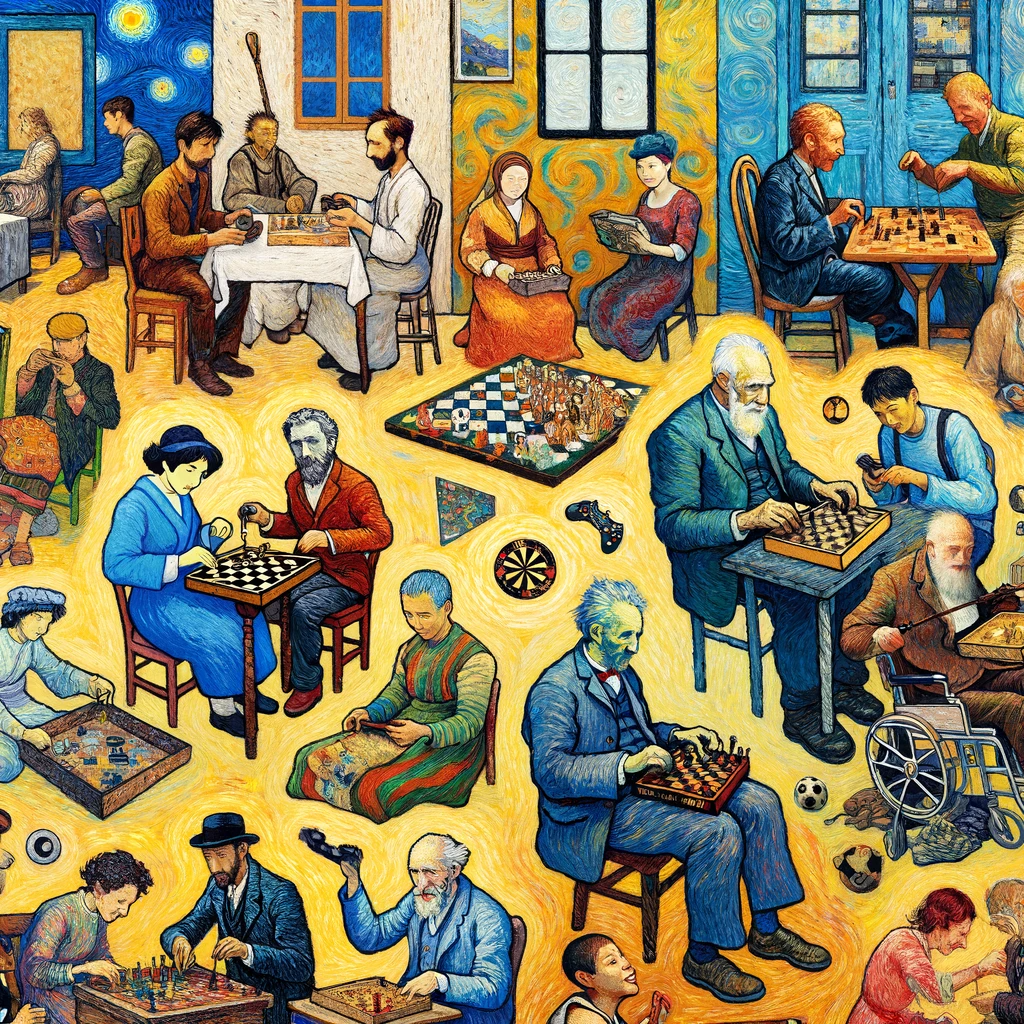
When it comes to engaging seniors with dementia, sensory games are like a breath of fresh air in a stuffy room. These activities not only serve as vital mental stimulation but also provide opportunities for joy and connection. Let’s dig in and explore how we can harness the power of sensory experiences—turning mundane moments into meaningful interactions.
First off, let’s talk about the core of sensory games: the senses themselves. Most sensory games revolve around touch, sight, sound, taste, and smell. A simple, tactile activity like playing with textured items—think soft fabrics, rough sandpaper, or squishy stress balls—can work wonders. These items can evoke memories and emotions, creating a bridge to the past. When you sit with a loved one practicing these activities, you’re not just filling time; you’re gamifying the experience to encourage participation, laughter, and maybe even a few stories shared.
Speaking of gamification, let’s look at how we can take a classic memory game and give it a sensory twist. Lay out a variety of old photographs of family members, pets, or favorite places. Ask the participant to sort them based on feelings they elicit. “Which photo makes you feel happy?” This isn’t just a game; it’s a treasure hunt for memories that can spark joy and encourage conversation. And trust me, when they touch that faded picture from decades ago, you can see the light go on in their eyes.
Another idea is creating a sensory box filled with items from nature, like pine cones, dried flowers, or smooth stones. Each item can elicit different tactile responses and aromas. Encourage them to close their eyes and guess what’s in the box; the element of surprise adds a layer of fun. This kind of sensory engagement can be a robust tool for improving mood and reducing anxiety.
Don’t overlook the importance of sound! Music is a powerful emotion catalyst. Playing tunes from their youth can transport them back in time, grounding them in a world they once knew. Pair a sing-along with simple hand movements or rhythmic clapping, and you have a sensory dance party right in your living room.
In the realm of dementia care, sensory games remind us that connection transcends words. It’s about experience, emotion, and interaction. By gamifying these moments, we open doors to laughter and engagement, enriching both lives in the process.
What Sensory Games Can Engage Seniors With Dementia?
What Sensory Games Can Engage Seniors With Dementia?
- Sensory games provide vital mental stimulation for seniors with dementia, fostering joy and connection.
- Core senses involved in sensory games include touch, sight, sound, taste, and smell, aiding in memory recall.
- Tactile activities, like playing with textured items, can evoke memories and emotions from the past.
- A sensory twist on classic memory games involves sorting old photographs by the feelings they evoke.
- Creating a sensory box with natural items encourages tactile engagement and can improve mood and reduce anxiety.
- Music serves as a powerful emotional catalyst, helping seniors connect with their past through familiar tunes.
- Sensory games enhance connection, experience, and interaction, enriching the lives of both caregivers and seniors.

What Sensory Games Can Engage Seniors With Dementia?
How Do I Adapt Traditional Games For Seniors?
When it comes to adapting traditional games for seniors, the key is to harness the spirit of fun while ensuring comfort and accessibility. It’s a balancing act that requires a sprinkle of creativity and a healthy dose of patience. Think of it as a blend of nostalgia and innovation—a recipe for good times without the friction of traditional setups.
First off, let’s talk about the essence of traditional games. They often come laden with rules, intricate strategies, and sometimes, a hefty physical demand. To make them more palatable for seniors, consider simplifying the rules. Why not pare down a game like Monopoly to just the essential elements? Focus on key moves and let the dice be friends instead of adversaries. Every roll should feel jubilant, not intimidating. This kind of gamification—turning a game into an engaging, fun experience—can foster interaction without the pressure of high stakes.
Next, think about the physical aspect. Keep the action flowing but take it down a notch. Instead of a fast-paced round of charades requiring rapid movement, why not introduce seated versions of classic games? Flash cards or simple puzzles can elicit the same enjoyment without putting undue strain on joints. And remember, laughter is the best medicine; the act of being together and sharing simple moments can matter more than the game itself.
Technology can also play a role. Digital platforms can offer games designed for seniors, complete with adjustable difficulty levels. These can provide a fresh twist on favorites while catering to varying cognitive capabilities. Just be sure to usher in tech at an approachable pace. Introduce an easy-to-use tablet game before diving headfirst into a digital age gaming frenzy.
Social interaction matters too. Games are at their best when they foster connection, be it through friendly competition or cooperative play. Encourage communication and even storytelling—let the tales of yesteryears flow freely. Pairing games with narratives can evoke cherished memories, adding a rich layer to the experience.
Lastly, always include choices. Present various options to the group, allowing individuals to pick what resonates most with them. Whether it’s bingo, cards, or a simple word game, autonomy fuels enjoyment. The goal is to create an inviting atmosphere where everyone—regardless of age—can feel the thrill of the game, all while reveling in the joyful company of friends and family. When you get it right, the result is a delightful blend of laughter, camaraderie, and endless fun.

How Do I Adapt Traditional Games For Seniors?
How Do I Adapt Traditional Games For Seniors?
- Adapting traditional games for seniors involves ensuring comfort and accessibility while maintaining the spirit of fun.
- Simplifying rules can make games like Monopoly more enjoyable by focusing on key moves and reducing intimidation.
- Introduce seated versions of classic games to reduce physical strain while still keeping the enjoyment intact.
- Utilize technology with digital games designed for seniors that have adjustable difficulty levels.
- Encourage social interaction through friendly competition, storytelling, and fostering communication during games.
- Always provide choices to individuals, allowing them to select games that they enjoy the most.
- By creating an inviting atmosphere, seniors can experience laughter, camaraderie, and endless fun through adapted games.

How Do I Adapt Traditional Games For Seniors?
Conclusion
In wrapping up our exploration of DIY games for seniors, let’s take a moment to appreciate the simple yet profound impact these activities can have on their lives. We live in a world bombarded by screens and distractions, yet here we are, rediscovering the joy of human connection through playful engagement. Crafting games isn’t merely an arts-and-crafts project; it transforms mundane moments into cherished memories and enriches the fabric of everyday life.
At the heart of these DIY games lies the power of nostalgia. Classic card games, custom Bingo filled with familiar landmarks, and delightful scavenger hunts bring back the warmth of shared experiences. They serve not only as entertainment but as gateways for storytelling and reminiscence. Every shuffled deck of personalized cards isn’t just a game; it’s a bridge to the past, filled with family photos and shared laughs. Bingo becomes a lively competition, not only for prizes but to reinforce recognition and memory. And let’s not underestimate the joy of a scavenger hunt—what could be more invigorating than a quest for meaningful objects that trigger laughter and shared histories?
But the benefits of these games reach beyond mere entertainment; they foster mental vitality and enhance cognitive skills. Each flip of a card or turn on a game board sharpens memory, encourages problem-solving, and provides the mental gymnastics our brains crave. And let’s face it, seniors often feel isolated. By integrating these engaging activities into their day-to-day lives, we combat the shadows of loneliness and boredom, cultivating a vibrant community spirit.
And don’t overlook the adaptability of these games. With a dash of ingenuity, traditional pastimes can be modified to meet varying mobility levels, ensuring everyone can join in on the fun. Whether you’re playing a seated version of charades or opting for simple word games, the goal is to create an inclusive environment where companionship and laughter reign supreme.
So gather those supplies and let your creativity flow. Together, through the lens of gamification, we can unlock the potential for joy and connection in the lives of our cherished seniors. Each moment spent crafting these interactions engages our hearts and minds and ultimately builds a legacy of love and laughter that makes life a bit brighter. Let’s get to crafting those unforgettable moments!

Conclusion
Conclusion:
- DIY games for seniors provide simple yet profound benefits, enhancing their quality of life.
- Games foster human connection, transforming routine moments into cherished memories.
- Nostalgia is a key aspect of DIY games, evoking warmth through familiar classics like card games and Bingo.
- These activities promote storytelling and reminiscence, strengthening bonds through shared experiences.
- DIY games boost mental vitality and cognitive skills, combating isolation and boredom among seniors.
- Adaptable games fit varying mobility levels, ensuring inclusivity and allowing everyone to participate.
- Engaging in these creative pursuits builds a legacy of love and laughter, enriching the lives of seniors.

Conclusion
Other Resources

Other Resources
Here is a list of other resources you can review online to learn more:
- Discord
- Bezier Games
- Spades
- Gloom
- Arkham Horror: The Card Game – The Dunwich Legacy Expansion
- The Game Boy Geek
- Tumblr
- Terra Mystica
Use This Prompt To Get More Resources With Your Favorite Online AI Tool: Please provide me with a list of online articles with their URLs in a bulleted list that I can read regarding What Diy Games Can You Craft to Enhance Daily Senior Engagement?

Other Resources
Glossary Terms
What Diy Games Can You Craft to Enhance Daily Senior Engagement? – Glossary Of Terms
1. DIY (Do It Yourself): Activities that involve creating, building, or crafting something on your own, often using readily available materials.
2. Cognitive Stimulation: Activities designed to enhance memory, attention, and problem-solving skills, often beneficial for seniors.
3. Social Interaction: Engagement with others to foster relationships, encourage communication, and reduce feelings of isolation.
4. Fine Motor Skills: Small movements involving the hands and fingers that are engaged when playing games or crafting.
5. Memory Games: Activities designed to test and improve memory, often using cards or matching elements to enhance recall.
6. Brain Teaser: A puzzling or perplexing question or problem that encourages critical thinking and mental exercise.
7. Sensory Activities: Tasks that engage the senses (sight, sound, touch) to enhance sensory stimulation and cognitive function.
8. Crafting Supplies: Materials used for creating DIY games, such as paper, scissors, glue, markers, and recycled items.
9. Team Games: Games that require collaboration among participants, fostering teamwork and social bonds.
10. Coordination Games: Activities that involve physical movement and hand-eye coordination, beneficial for maintaining motor skills.
11. Word Searches: A puzzle consisting of words hidden in a grid, encouraging visual scanning and vocabulary recall.
12. Pictionary: A drawing game where players attempt to convey a word or phrase through sketches, enhancing creativity and communication.
13. Bingo: A game that involves marking off numbers on cards as they are called out, promoting social interaction and excitement.
14. Trivia Games: Quizzes or games that test knowledge in various subjects, encouraging cognitive recall and learning.
15. Interactive Storytelling: A cooperative activity where participants create stories together, enhancing creativity and verbal skills.
16. Scavenger Hunt: An engaging activity where participants search for specific items, encouraging physical movement and problem-solving.
17. Craft Kits: Pre-packaged collections of materials and instructions for creating DIY projects, promoting creativity and hands-on engagement.
18. Challenge Cards: Cards with activities or challenges that encourage seniors to participate in various games or tasks.
19. Dominoes: A classic game involving matching tiles, beneficial for cognitive skills and fine motor development.
20. Art Therapy: The use of creative processes to support mental health and emotional expression among seniors.
21. Puzzle Games: Activities that involve assembling jigsaw puzzles or solving riddles to improve cognitive function and patience.
22. Group Activities: Cooperative games or tasks that promote camaraderie and reduce feelings of loneliness.
23. Outdoor Games: Activities conducted outside, such as lawn bowling or ring toss, which encourage physical activity and fresh air.
24. Musical Games: Activities that involve music, such as singing or rhythm games, to encourage movement and socialization.
25. Role-playing Games: Interactive games where participants assume roles and act out scenarios, fostering imagination and social skills.
26. Card Games: Games played with a standard deck of cards, suitable for a wide range of participants and skill levels.
27. Memory Lane: A game or activity that prompts seniors to share memories or stories from their past, enhancing emotional connections.
28. Sensory Bins: Containers filled with various tactile materials (like rice or beans) where participants can explore textures while engaging in play.
29. Life Skills Games: Activities designed to teach or reinforce practical skills and daily living activities, fostering independence.
30. Mindfulness Activities: Games or exercises that promote awareness and focus, helping participants become more present and engaged.

Glossary Of Terms
Other Questions
What Diy Games Can You Craft to Enhance Daily Senior Engagement? – Other Questions
If you wish to explore and discover more, consider looking for answers to these questions:
- What are some additional DIY games for seniors?
- How can I tailor DIY games for seniors with cognitive impairments?
- What types of materials are best for creating DIY games?
- How can I ensure the DIY games are safe and accessible for seniors?
- Are there any online resources for DIY game ideas?
- What are the benefits of engaging seniors in memory games?
- How can I incorporate physical activity into DIY games for seniors?
- What role do sensory games play in engaging seniors with dementia?
- How do I evaluate the effectiveness of the DIY games?
- Can DIY games be used for group settings or only for one-on-one interactions?
- What are some low-cost DIY game options to consider?
- How can technology enhance DIY games for seniors?

Other Questions
Haiku
What Diy Games Can You Craft to Enhance Daily Senior Engagement? – A Haiku
Crafting joy for all,
Games that spark old memories,
Hearts and minds engage.

Haiku
Poem
What Diy Games Can You Craft to Enhance Daily Senior Engagement? – A Poem
In a world of screens and silent days,
Craft your games in heartfelt ways.
For seniors who seek engagement bright,
DIY games bring joy and light.
Decks of cards, with faces dear,
Spark stories, laughter, and cheer.
Bingo cards of memories spun,
With local lore, the game’s begun.
Scavenger hunts, both near and far,
Ignite their minds, like a guiding star.
Each clue a whisper from days gone by,
Moving their hearts and spirits high.
Memory jars, with prompts so sweet,
Reveal the past where joy and stories meet.
“Share a childhood wish or a vacation’s delight,”
Each drawn prompt turns moments to bright.
Crafting not just shines, it strengthens the mind,
In stitching and shaping, connections unwind.
Games create not just fun but bonds profound,
Bringing generations together, joy abound.
Sensory games wrap hearts in care,
Textures and sounds in a dance so rare.
Old photographs, touch and see,
A bridge to the past, where memories roam free.
Adapting classics brings smiles anew,
Simplified rules, a game for every view.
Seated and laughing, stories to unfold,
In shared moments, life’s riches are told.
So gather your craft, your heart, and your cheer,
For DIY games draw loved ones near.
In laughter and play, let joy be the aim,
Enhancing their days, it’s all just a game.

Poem
Checklist
What Diy Games Can You Craft to Enhance Daily Senior Engagement? – A Checklist
1. Card Games
✅ Create personalized playing cards using family photos.
✅ Integrate challenges or quizzes related to the photos.
2. Bingo Variations
✅ Design themed Bingo cards (e. g. , local landmarks or family members’ names).
✅ Include small prizes for winners.
3. Scavenger Hunts
✅ Tailor scavenger hunts to indoor/outdoor settings.
✅ Create clues that resonate with seniors’ interests or histories.
4. Memory Jars
✅ Handcraft memory jars with prompts (e. g. , favorite vacations or childhood memories).
✅ Encourage sharing responses to foster communication.
5. Homemade Memory Games
✅ Use printed photos on cardboard for matching games.
✅ Focus on significant moments or family pets.
6. Nature-Inspired Art Competitions
✅ Gather natural materials for creative art projects.
✅ Host friendly competitions to showcase creations.
7. Trivia Games
✅ Write trivia questions from seniors’ youth (e. g. , historical events, classic films).
✅ Allow for group play or one-on-one sessions.
Material Gathering
8. Gaming Components
✅ Acquire cardstock, glue, scissors, and markers.
✅ Consider durable alternatives such as acrylic or wooden pieces.
9. Digital Tools
✅ Research software tools for game development (e. g. , Unity, Twine).
✅ Gather playtesting resources and feedback forms.
Incorporating Memory and Sensory Games
10. Daily Memory Game Integration
✅ Create memory games around daily routines (e. g. , grocery shopping stories).
✅ Encourage memory challenges during commutes or meals.
11. Sensory Activities for Dementia
✅ Develop a sensory box with nature items for tactile games.
✅ Play music from their past to spark memories and engagement.
Adapting Traditional Games
12. Simplify Rules
✅ Pare down complex games (e. g. , Monopoly) to essential elements.
✅ Foster a relaxed atmosphere to enhance enjoyment.
13. Adjust Physical Activities
✅ Introduce seated versions of active games.
✅ Create lower intensity options that still allow for fun.
14. Encourage Social Interaction
✅ Foster storytelling during gameplay.
✅ Emphasize the social aspects of games to build connection.
15. Offer Choices
✅ Present various game options for seniors to choose from.
✅ Ensure autonomy in selections to maintain interest.
By utilizing this checklist, caregivers and family members can create engaging, enjoyable experiences for seniors that promote mental agility, connection, and fun through DIY games.

Checklist
At HowDoYouGame, we help people who love board games by collating information and news about games.
Be sure to read our other related stories at HowDoYouGame to learn more about games.