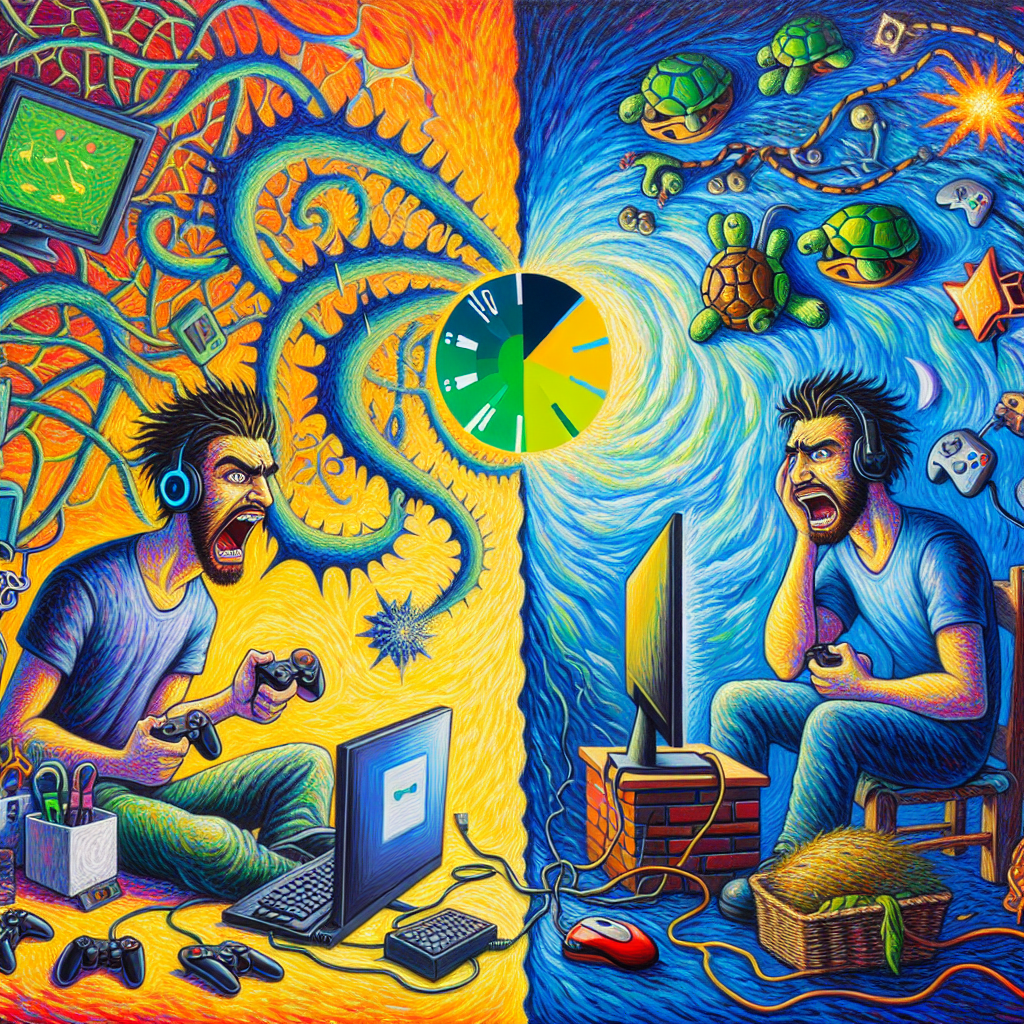
Transforming Lives Through Senior Gaming Communities
By Tom Seest
At HowDoYouGame, we help people who love board games by collating information and news about games.
Be sure to read our other related stories at HowDoYouGame to learn more about games.
The Surprising Growth Of Senior Gaming Communities
In a world increasingly dominated by screens and pixels, the idea that senior citizens are diving headfirst into the vibrant arena of gaming may come as a surprise. Yet, the truth is that games have forged connections and communities for older adults that many of us could only dream of. Just think about it: an 80-year-old grandmother teaming up with her teenage grandson to battle virtual monsters opens the door not just to fun, but to shared experiences that transcend generations.
At the heart of this growth lies an undeniable human need for connection. As life progresses, many seniors find themselves grappling with isolation. Traditional social circles can shrink, and loneliness begins to cast a long shadow. Enter gaming communities—virtual spaces where people of all ages can gather, share stories, and support each other. These games are more than just entertainment; they are lifelines, platforms for dialogue, sharing laughter and triumphs, and forging friendships across miles.
Rationally speaking, the benefits don’t stop at the social. Research indicates that engaged minds, regardless of age, can ward off cognitive decline. Puzzle games sharpen problem-solving skills, while strategy games bolster critical thinking. It’s not just fun; it’s an essential workout for the brain, one that promotes mental agility and resilience. So, if that passionate debate over the best gaming strategy sparks a flame of excitement, it serves as a reminder: staying sharp has never been so enjoyable.
Then there’s the ethical aspect. We live in a world that often sidelines the voices of seniors, deeming them obsolete in a youth-centric culture. But the rise of senior gaming communities stands as a testament to their vitality. It’s empowering to see a generation that once held the reins of innovation now embracing a digital playground, reminding society that age doesn’t define capability or enthusiasm.
The stories are endless. Picture the elderly war veteran bonding with young gamers over shared interests, or a retiree discovering that they can still be competitive, all while sipping coffee in their living rooms. Gaming, once considered a pastime of youth, is now a communal tapestry interwoven with life experiences, laughter, and resilience.
As we lean into this shift, let us celebrate the surprising growth of these senior gaming communities. They serve as powerful reminders that it’s never too late to belong, to learn, and to embrace the thrill of a new adventure. After all, in this interconnected world, every player has a role to play.

The Surprising Growth Of Senior Gaming Communities
The Surprising Growth Of Senior Gaming Communities
- Senior citizens are increasingly engaging in gaming, surprising many who associate gaming primarily with youth.
- Games foster connections and communities for older adults, offering shared experiences that bridge generational gaps.
- Gaming provides a vital outlet for social interaction, reducing feelings of isolation and loneliness among seniors.
- Research shows that gaming can help combat cognitive decline, enhancing problem-solving and critical thinking skills.
- The rise of senior gaming communities challenges the perception of seniors as obsolete, showcasing their vitality and enthusiasm.
- Stories abound of seniors bonding with younger gamers, discovering competitiveness, and sharing life experiences through gaming.
- The growth of senior gaming communities highlights that it’s never too late to belong, learn, and embark on new adventures.

The Surprising Growth Of Senior Gaming Communities
Table Of Contents
- The Surprising Growth Of Senior Gaming Communities
- How Can Gaming Improve Social Connections Among Older Adults?
- What Ethical Concerns Arise From Targeting Seniors In Gaming?
- How Do Successful Gaming Stories Inspire Seniors to Engage More?
- How Can We Ensure Gaming Is Accessible for All Seniors?
- How Does Gaming Challenge Stereotypes About Older Adults?
- What Narratives From Seniors Showcase the Joy Of Gaming?
- How Can Gaming Foster a Sense Of Belonging Among Seniors?
- Conclusion
- Other Resources
- Glossary Of Terms
- Other Questions
- Haiku
- Poem
- Checklist
How Can Gaming Improve Social Connections Among Older Adults?
As we wander through the maze of life, the pursuit of connection often feels like a treasure hunt with fewer maps and more dead ends, especially for older adults. Gaming emerges as a surprising beacon of hope—a world where laughter and camaraderie intersect with the simple click of a button. These aren’t just games; they’re lifelines, bridges that span the gaps created by distance and time.
Imagine this: a retired teacher, long accustomed to the familiar chatter of a busy classroom, now finds solace in an online multiplayer game. With each session, she joins friends from across the globe, engaging in a shared adventure that makes her heart race and spirit soar. The conversations flow as freely as the gameplay, nourishing her social hunger in a way that a solitary afternoon never could. Studies have shown that such interactions can reduce feelings of loneliness, proving that joy truly knows no age.
Playing games also stirs the pot of cognitive stimulation. Older adults wielding a controller are not just navigating new worlds; they’re sharpening their minds, enhancing memory, and honing problem-solving skills—all while forming bonds effortlessly. This blend of mental workout and social engagement is a powerful duo that keeps the brain agile and the heart light. It’s about more than pixels on a screen; it’s about building relationships that matter—relationships rooted in mutual interests and collective experiences.
Ethically speaking, fostering these connections makes us better as a society. When older adults can engage and share their lives through gaming, we combat ageism and dismantle stereotypes, reminding ourselves that everyone has a unique story to tell, regardless of age. It’s a narrative that empowers, inviting all of us to recognize the value of the wisdom and joy older adults bring to the table.
In this digital playground, we find a vibrant community where stories unfold, challenges are met, and laughter is shared. This is not just a pastime; it’s an invitation to connect, to laugh, to learn, and to grow—together. As we open our hearts to the possibilities video games provide, we create a tapestry of relationships that enriches lives, fortifying the bonds we form in the most unexpected of places. So, whether it’s a tabletop strategy game or an adventurous online quest, let’s embrace games for the connection they bring; together, we can rewrite what it means to age in today’s world.

How Can Gaming Improve Social Connections Among Older Adults?
How Can Gaming Improve Social Connections Among Older Adults?
- The pursuit of connection can be challenging for older adults, often feeling like a treasure hunt with dead ends.
- Gaming serves as a beacon of hope, providing laughter and camaraderie through simple interactions.
- Online multiplayer games allow retired individuals to engage with friends globally, alleviating loneliness.
- Games enhance cognitive skills, including memory and problem-solving, while promoting social engagement.
- Fostering connections through gaming combats ageism and challenges stereotypes about older adults.
- This digital environment nurtures a vibrant community, encouraging storytelling, shared challenges, and laughter.
- Embracing games enriches lives and strengthens relationships, redefining aging in the contemporary world.

How Can Gaming Improve Social Connections Among Older Adults?
What Ethical Concerns Arise From Targeting Seniors In Gaming?
When it comes to targeting seniors in the gaming industry, we must pause and reflect on the ethical implications woven into this digital tapestry. The allure of Games that promise joy, connection, and cognitive engagement can be inviting, but there lurk shadows beneath the surface. Our elders deserve the same respect and dignity we expect for ourselves, and exploiting their vulnerabilities for profit is a slippery slope.
Imagine a world where a senior, perhaps a widowed grandparent, finds comfort in an online game, fostering a sense of belonging in a rapidly changing landscape. It’s a tempting vision, but with it comes the potential for exploitation. Companies often tap into emotional stories, capitalizing on loneliness and nostalgia, leading to a delicate dance of sentiment and sales. Are we using compassion as a convenient marketing strategy? Shouldn’t our motive be preserving dignity instead?
Rationally speaking, the senior demographic is one of the fastest-growing segments in the gaming world. With their disposable income and willingness to engage, developers see a lucrative audience. But as the old adage goes, just because you can, doesn’t mean you should. The explosion in in-game purchases and paywalls can result in a digital minefield for older players, who might not fully grasp the implications of clicking “yes” to “just one more power-up.” The ethical responsibility falls squarely on game creators—how can they ensure that engagement doesn’t lead to exploitation?
Furthermore, let’s not overlook the narrative we’re constructing. If we portray seniors as mere pawns in a marketplace game, we risk perpetuating stereotypes that diminish their potential. What if, instead, we crafted narratives that celebrate their wisdom, emphasizing their role as mentors who can guide the gaming experience for younger generations? Such an approach wouldn’t just foster respect; it could galvanize a sense of community that transcends the digital divide.
Socially, we must engage in conversations that elevate the voices of seniors in the decision-making process. By forming inclusive panels that involve older adults, we can actively listen to their concerns and empower them to shape the gaming landscape. This approach fosters trust and opens new pathways for innovation, ensuring that when we design Games for seniors, we create an experience that nourishes—not manipulates.
Let’s challenge ourselves to be guardians of integrity in this vibrant realm. By prioritizing ethics, we can create a gaming world that values every player, turning entertainment into a genuine source of connection and joy, with dignity at its core.

What Ethical Concerns Arise From Targeting Seniors In Gaming?
What Ethical Concerns Arise From Targeting Seniors In Gaming?
- Targeting seniors in the gaming industry raises important ethical considerations.
- Games can offer joy and connection to seniors, but risks of exploitation exist.
- Companies often exploit seniors’ loneliness and nostalgia for profit.
- The senior demographic is growing in gaming, presenting both opportunities and ethical challenges.
- In-game purchases can lead to exploitation of older players who may not understand them.
- Narratives should celebrate seniors’ wisdom and potential, not diminish them.
- Engaging seniors in game design fosters trust and creates a more nourishing gaming experience.

What Ethical Concerns Arise From Targeting Seniors In Gaming?
How Do Successful Gaming Stories Inspire Seniors to Engage More?
When we think about games, our minds often drift to quick reflexes, fast fingers, and intense competition. But beneath the flashy graphics and frenetic energy lies something much deeper—stories that resonate with our very humanity. Successful gaming narratives are not just for the young; they hold transformative power for seniors, too. Imagine stepping into the shoes of a hero who overcomes adversity, unites communities, or even finds love against all odds. These tales are not only engaging; they mirror the struggles and triumphs that many seniors face in real life.
At the heart of these stories is a profound sense of connection. As seniors step into these virtual worlds, they find characters who reflect their own experiences, embodying the resilience we all admire. Have you ever noticed how a character facing challenges can stir something deep within? This emotional pull encourages seniors to engage—not just with the game but with each other. Conversations about plot twists or heroic deeds become shared experiences, fostering social bonds that counteract the isolation that can come in later life.
From a rational perspective, research shows that engaging with stories improves cognitive functions, stimulating the brain and enhancing memory. Games provide an interactive platform for cognitive engagement, requiring players to strategize and work through complex narratives. So, not only are they an escape, but they also serve as a mental workout. This juxtaposition helps seniors maintain sharp minds while navigating a world that can sometimes feel out of grasp.
Ethically, we must consider the impact of these games. They provide inclusive spaces for seniors to feel empowered and valued. In a society that often sidelines aging voices, gaming narratives offer a spotlight, demonstrating that every person, regardless of age, has a story worth sharing. These tales can even inspire seniors to create their own narratives, finding ways to embrace new journeys in their lives.
As we weave these stories into our conversations, let’s remember the purpose they serve: inspiring trust, confidence, and action. Whether it’s joining a gaming community or gathering around a console with family, the invitation to engage is clear. These gaming stories are a bridge, connecting generations, and transforming loneliness into camaraderie. So let’s celebrate how these experiences allow us to engage more fully with life—after all, every game played is another story shared.

How Do Successful Gaming Stories Inspire Seniors to Engage More?
How Do Successful Gaming Stories Inspire Seniors to Engage More?
- Games often encompass quick reflexes, competition, and deeper narratives that resonate with humanity.
- Successful gaming stories have transformative power for seniors, mirroring their real-life struggles and triumphs.
- Seniors find connection through characters in games, reflecting their own experiences and resilience.
- Shared gaming experiences foster social bonds and counteract isolation in later life.
- Engaging with stories in games improves cognitive functions, enhancing memory and mental engagement.
- Gaming narratives provide inclusive spaces for seniors, highlighting their value and empowering their voices.
- These experiences bridge generations, promoting engagement and transforming loneliness into camaraderie.

How Do Successful Gaming Stories Inspire Seniors to Engage More?
How Can We Ensure Gaming Is Accessible for All Seniors?
Imagine a world where seniors, rich with experience and stories, can connect through the vibrant universe of gaming. It’s not just about pushing buttons or leveling up; it’s about weaving bonds, sharing laughs, and kicking back with friends, old and new. Games have the power to ignite this kind of joy, to foster relationships that transcend age and distance. But how do we ensure that every senior feels welcomed in this digital playground?
First, let’s turn our heads toward the obstacles. Many seniors face physical challenges like diminished eyesight or dexterity. This isn’t a minor inconvenience; it’s a wall that can keep them from engaging in something that could bring happiness and community. Game developers and designers need to step up their game to create accessible options—buttons that are easier to press, fonts that are larger and clearer, and interfaces that are intuitive, keeping in mind the unique needs of this demographic. The expertise of occupational therapists could play a pivotal role here. By collaborating, we can build experiences that are not only enjoyable but truly inclusive.
Now, let’s engage the heart. Picture Mrs. Henderson, an 82-year-old with memories of a lively youth, sitting in her living room. Her grandchildren play games on the living room couch, laughter echoing around her. She can’t keep up and feels isolated, a spectator in her own home. What if we created games that allowed her to join in, to share that laughter with her loved ones? Imagine the pride she’d feel as she navigated the world of gaming, a world that once felt distant and foreign now bursting with life right at her fingertips.
And ethically, how can we ignore the voices of an entire generation? The gaming community often prides itself on inclusivity, yet seniors are too frequently left behind. It’s time to broaden our scope and embrace every player. We have a responsibility to ensure that games don’t just entertain, but enrich lives, to remind ourselves that behind every screen is a story waiting to be told. The stories shared during a cooperative game session can foster understanding, compassion, and connection.
So let’s rally together—developers, players, and families alike—with the determination to craft experiences that everyone can enjoy. By championing accessibility, we can make sure that gaming is a space where all seniors, regardless of their challenges, can find joy and connection. Let’s invite them into the fold, ensuring they know they’re valued, heard, and most importantly, included.

How Can We Ensure Gaming Is Accessible for All Seniors?
How Can We Ensure Gaming Is Accessible for All Seniors?
- Gaming offers seniors a way to connect, share experiences, and build relationships beyond age and distance.
- Seniors face physical challenges like reduced eyesight and dexterity that hinder their engagement in gaming.
- Game developers should create more accessible designs with larger fonts, easier-to-press buttons, and user-friendly interfaces.
- Collaboration with occupational therapists can enhance game accessibility for seniors.
- Games should enable seniors, like Mrs. Henderson, to participate and enjoy shared experiences with family, bridging generational gaps.
- The gaming community should prioritize inclusivity and ensure seniors are a valued part of the experience.
- By embracing accessibility, we can enrich seniors’ lives through gaming and create a space where they feel valued and included.

How Can We Ensure Gaming Is Accessible for All Seniors?
How Does Gaming Challenge Stereotypes About Older Adults?
When you think about gaming, the first thing that likely comes to mind isn’t Grandma sitting in the living room, headset on, battling dragons alongside teenagers online. But therein lies the beauty of how gaming challenges stereotypes about older adults. Believe it or not, those virtual worlds are becoming vibrant meeting grounds for intergenerational connection.
Picture this: an 80-year-old woman, once hesitant to embrace technology, now navigating the intricacies of a multiplayer game, handily strategizing with her teammates. She’s no longer just a passive observer of the digital age; she’s an active participant, embracing challenges that once seemed daunting. This shift isn’t just about games; it’s about shifting our entire perception of older adults. By immersing themselves in gaming, they tear down the walls of isolation and challenge ageist notions that diminish their capabilities.
Here’s where your head kicks in. Dive into the statistics, and you’ll find that more than half of older adults report feeling lonely. But gaming provides a remedy, allowing them to forge friendships, enjoy teamwork, and vent frustrations in a healthy environment. In this digital landscape, they’re not just players; they’re tacticians, collaborators, and sometimes, even mentors. Logic tells us that mental engagement and social interaction can bolster cognitive health—a fact even supported by scientific studies.
Let’s dig a little deeper. Ethically, should we not celebrate these shifts? It’s time to acknowledge that older adults have a wealth of experience and wisdom to share, and gaming platforms give them a voice. Whereas traditional views may have cast them as irrelevant or incapable, these modern spaces highlight their skills and insights, offering respect and recognition.
Imagine a narrative where older adults aren’t sidelined, but empowered. Picture family game nights where the youngest and oldest share laughter, strategize, and forge bonds. Think about how many stereotypes can tumble down when we embrace a broader perspective.
So why do we care? Because fostering a society that values all ages enriches our communities and reinforces interconnectedness. By inviting older adults into the gaming world, we open doors to understanding and compassion. Their stories intertwine with ours, creating a tapestry of shared gaming experiences. Let’s champion this shift and shift the conversation. After all, who’s to say age has a monopoly on fun or capability? Let’s provide older adults the platform they deserve—one game at a time.

How Does Gaming Challenge Stereotypes About Older Adults?
How Does Gaming Challenge Stereotypes About Older Adults?
- Gaming challenges stereotypes about older adults, fostering intergenerational connections.
- Older adults, such as an 80-year-old woman, actively engage in multiplayer games, breaking down isolation.
- More than half of older adults report feelings of loneliness, which gaming helps alleviate by facilitating friendships and teamwork.
- Gaming enhances mental engagement and social interaction, supporting cognitive health.
- Gaming platforms empower older adults, showcasing their experience and insights rather than diminishing their relevance.
- Family game nights can unite generations, creating laughter and camaraderie among young and old.
- Encouraging older adults in gaming fosters a society that values all ages, enhancing understanding and compassion.

How Does Gaming Challenge Stereotypes About Older Adults?
What Narratives From Seniors Showcase the Joy Of Gaming?
What Narratives From Seniors Showcase the Joy of Gaming?
Picture this: an octogenarian, perhaps a grandmother or grandfather, sinking into a well-worn recliner, the soft hum of their favorite console enveloping them. It’s not just a pastime; it’s a gateway—a portal to worlds where they can be heroes, strategists, and explorers. When seniors share their stories about gaming, it’s like peeking through a window into their joy-filled lives, where games become more than entertainment—they become connections.
Consider Linda, a spirited 72-year-old who spent decades navigating the challenges of raising a family and managing a career. After her retirement, she discovered the enchanting universe of puzzle games. Night after night, she eagerly challenges herself, every match igniting a spark of exhilaration. The mental agility required to solve those puzzles keeps her mind sharp, steering her away from the lonely evenings that once crept in. And here’s the kicker: the sense of achievement she feels mirrors the satisfaction she once felt while managing her professional projects. In the realm of gaming, she is alive, vibrant, and unstoppable.
Contrast this with George, a 76-year-old veteran. His stories echo through gaming chat rooms where he teams up with friends from both near and far to conquer virtual missions. The camaraderie he finds in gaming is reminiscent of the brotherhood he experienced in service, where bonds forged in the face of adversity shine the brightest. For him, playing games is not just about victory; it’s about connection, a reminder that joy is everlasting—no matter the years that go by.
The narratives don’t stop at mere enjoyment; they reflect a larger truth that gaming offers mental resilience and social interactions crucial as we age. For many seniors, gaming presents a welcomed sense of purpose, an avenue to say, “Yes, I have something to contribute.” It breaks down barriers, triggering conversations with family as they dive into multiplayer games together. Gaming transcends the generations, bridging gaps that sometimes feel insurmountable by simply sharing a digital adventure.
When we hear these stories, they don’t just tug at our heartstrings; they ignite a fire in our souls. They assert that joy isn’t confined to youth; it’ll never fade away. This is the essence of gaming—a layered tapestry of happiness, challenge, and togetherness. And each narrative reinforces the simple yet profound truth: joy knows no age.

What Narratives From Seniors Showcase the Joy Of Gaming?
What Narratives From Seniors Showcase the Joy Of Gaming?
- Gaming serves as a gateway for seniors, allowing them to immerse themselves in vibrant worlds as heroes and explorers.
- Linda, a 72-year-old, finds joy and mental stimulation in puzzle games, which keep her engaged and connected post-retirement.
- George, a 76-year-old veteran, experiences camaraderie in online gaming, reminiscent of the bonds formed during his service.
- For many seniors, gaming fosters mental resilience and social interactions, providing a sense of purpose and contribution.
- Multiplayer games help bridge generational gaps, encouraging family conversations and shared experiences.
- The narratives from seniors show that joy from gaming is timeless and transcends age boundaries.
- Overall, gaming represents a tapestry of happiness, challenge, and togetherness, reinforcing that joy knows no age.

What Narratives From Seniors Showcase the Joy Of Gaming?
How Can Gaming Foster a Sense Of Belonging Among Seniors?
Games have a remarkable way of bridging gaps, creating connections that many of us often overlook. For seniors, who may find themselves isolated—physically and emotionally—the digital landscape of gaming provides an amazing remedy. Picture this: a vibrant community of players, some of whom may look like your grandparents but can wield swords, solve puzzles, or embark on intergalactic adventures with the spirit and enthusiasm of a child. It’s here, in this virtual realm, that friendships blossom against the backdrop of shared quests and challenges.
The heart of the matter lies in the power of engagement. Games offer something extraordinary: a shared experience that fosters belonging. Imagine elderly citizens gathering around their screens, laughter filling the room as they strategize together or celebrate victories, no matter how small. Each match is an opportunity, not just to play, but to connect. In a world where loneliness can creep in like an unwelcome guest, these virtual interactions provide warmth and camaraderie that defy physical barriers.
Now, consider the rational side. Gaming is no longer solely the domain of the young. Studies reveal that cognitive benefits are real—improved memory, sharper problem-solving skills, and even a boost in emotional resilience. When seniors immerse themselves in strategic games, they are not just passing time; they are engaging their minds and reinforcing their sense of self-worth. The act of mastering a game can instill confidence, reminding them that they are not just spectators in life but active participants capable of growth and achievement.
Ethically, we must recognize the value of inclusivity. The gaming community is often a judgment-free zone, an open door that welcomes individuals regardless of age, background, or ability. In embracing this digital culture, we’re not just fostering skills but also a newfound respect for the experiences and wisdom seniors bring to the table. It’s a two-way street—the older generation offers storytelling and patience, while the younger ones provide tech support and camaraderie, enriching the experience for both sides.
So, whether it’s rallying together for an epic multiplayer adventure or simply enjoying a quiet game of cards on a tablet, let’s encourage our seniors to pick up those controllers. By doing so, we’re not just offering them a pastime; we’re inviting them into a vibrant world filled with connections, challenges, and most importantly, a profound sense of belonging.

How Can Gaming Foster a Sense Of Belonging Among Seniors?
How Can Gaming Foster a Sense Of Belonging Among Seniors?
- Games serve as a bridge, creating connections for isolated seniors.
- A vibrant gaming community allows seniors to engage in adventures and foster friendships.
- Engagement in games promotes a sense of belonging through shared experiences.
- Seniors can enjoy laughter and camaraderie while strategizing and celebrating victories.
- Cognitive benefits of gaming include improved memory, problem-solving skills, and emotional resilience.
- The gaming community values inclusivity, welcoming all individuals regardless of age or ability.
- Encouraging seniors to play games fosters connections and provides a sense of belonging.
How Can Gaming Foster a Sense Of Belonging Among Seniors?
Conclusion
In an age dominated by screens, the embrace of gaming by seniors sheds light on something profoundly human—the deep yearning for connection and belonging. Games are no longer just the domain of youngsters; they’re vibrant platforms where generations collide, creating bonds that transcend age. Visualize a grandmother and her grandchild banding together against digital foes—this isn’t just play; it’s a gateway to shared experiences that fortify family ties and create lasting memories.
At the core of this gaming phenomenon is a simple yet powerful truth: isolation can be a heavy burden for many older adults. Traditional social networks can dwindle, leaving a silence that echoes through empty rooms. In this context, gaming communities emerge as lively hubs of interaction, allowing seniors to step out of those shadows of loneliness. These games are lifelines, transforming solitary practices into opportunities for engagement and laughter, stitching together friendship across distances. Think of a retired teacher finding joy by bonding with friends in a multiplayer adventure, or a war veteran reuniting with camaraderie through shared challenges and laughs.
But the benefits extend beyond social connections. Extra mental stimulation is essential as we thrive in life. Research suggests that games can serve as cognitive workouts, enhancing problem-solving skills and sharpening critical thinking—a hall of mirrors reflecting the adventurous quests of life. It’s about empowerment, the realization that fun and learning can coexist beautifully, defying the notion that age limits our abilities.
Ethically, we must celebrate the vibrancy of senior gaming communities. They highlight a critical narrative: seniors possess invaluable stories and wisdom, which have now found a canvas for expression. It’s a call to dismantle ageist stereotypes, revealing an active, capable community eager to participate, teach, and learn from younger generations.
Let’s also confront the shadows lurking within this digital landscape. As the industry lures seniors into its realms, it must do so with integrity, safeguarding their dignity and ensuring that profit doesn’t overshadow purpose. Game developers are urged to create accessible, inclusive spaces that respect the unique experiences of older players—because every player’s story deserves to be celebrated.
Embracing gaming as a culture means acknowledging that we all have an essential role to play in this interconnected world. This isn’t just about gaming; it’s about rewriting the narratives around aging and connection. So let’s pick up those controllers—whether we’re newcomers or seasoned players—because in this digital playground, every click brings us together, forging relationships filled with laughter, adventure, and, above all, belonging.

Conclusion
Conclusion:
- Gaming provides seniors with a platform for connection and belonging, transcending age barriers.
- Inter-generational gaming fosters shared experiences that strengthen family ties and create lasting memories.
- Gaming communities serve as lively hubs for seniors, alleviating feelings of isolation and loneliness.
- Engaging in games offers mental stimulation and enhances cognitive abilities, such as problem-solving and critical thinking.
- Seniors can express their invaluable stories and wisdom through gaming, contributing to dismantling ageist stereotypes.
- Game developers are called to create inclusive and accessible environments that respect the dignity of older players.
- Embracing gaming redefines narratives around aging, highlighting the interconnectedness of all generations in creative spaces.

Conclusion
Other Resources

Other Resources
Here is a list of other resources you can review online to learn more:
- Eurogamer
- Atlas Games
- Repos Production
- Mindclash Games
- White Goblin Games
- Threads
- Lookout Games
- Small World
- Blogger
- Fluxx
- Blood Rage
- GAMA
- Board to Death TV
- Imperial Settlers
- WordPress
- The Board Game Family
- GameNight!
- AEG (Alderac Entertainment Group)
Use This Prompt To Get More Resources With Your Favorite Online AI Tool: Please provide me with a list of online articles with their URLs in a bulleted list that I can read regarding The Surprising Growth Of Senior Gaming Communities

Other Resources
Glossary Terms
The Surprising Growth Of Senior Gaming Communities – Glossary Of Terms
1. Adult Gaming: Video games played primarily by adults, particularly those aged 50 and older, focusing on entertainment and social interaction.
2. Community: A group of individuals who share common interests in gaming, fostering connections and support among senior players.
3. Elder Gamers: Individuals, typically aged 55 and above, who engage in video games, often seeking social engagement and mental stimulation.
4. Gamification: The application of game elements in non-game contexts, promoting engagement and interaction among seniors.
5. Mentorship: The relationship where experienced gamers guide newcomers, enhancing skills and fostering inclusivity within gaming communities.
6. Multiplayer Games: Online games that allow multiple players to interact and compete or collaborate in a shared virtual environment.
7. Streaming: The live broadcast of gameplay via platforms such as Twitch or YouTube, enabling seniors to share experiences and connect with audiences.
8. Virtual Reality (VR): Immersive gaming technology that allows players to experience environments and games in a lifelike manner, increasingly appealing to seniors.
9. Accessibility: The design of games that accommodate players with varying abilities, ensuring that seniors can participate fully.
10. Cognitive Benefits: Mental improvements such as enhanced memory, problem-solving skills, and social interaction derived from playing video games.
11. Social Connection: The bonds formed between players in gaming communities, providing a sense of belonging and combating loneliness among seniors.
12. Retirement Communities: Housing establishments that include gaming programs to encourage recreation and community engagement among older residents.
13. Mobile Gaming: Video games designed for smartphones and tablets, offering seniors easy access to gaming on-the-go.
14. DIY Gaming: The practice of creating custom games or modifications, appealing to seniors who enjoy creativity and personalization.
15. Game Design: The process of creating video games, involving elements like storytelling, mechanics, and aesthetics, often integrating senior preferences.
16. E-sports: Competitive video gaming at a professional level, increasingly attracting older participants and audiences.
17. Online Forums: Digital discussion platforms where senior gamers can share experiences, tips, and support.
18. Game Mechanics: The rules and systems that govern gameplay, important for designing engaging experiences for seniors.
19. Seniors’ Digital Literacy: The ability of older adults to navigate technology and digital platforms, enhancing their gaming participation.
20. Co-op Games: Cooperative games that require players to work together, promoting teamwork and social engagement among seniors.
21. Tournaments: Competitive events where players participate in various games, providing seniors opportunities to showcase skills and socialize.
22. Health Benefits: Physical and psychological advantages gained from gaming, including improved hand-eye coordination and reduced anxiety.
23. Nostalgia Gaming: Games that evoke past experiences and memories, resonating with older players who seek familiarity.
24. Game Genres: Different categories of games, such as puzzle, adventure, or simulation, each attracting various interests among seniors.
25. Inclusive Design: The creation of games considering diverse age ranges and abilities, promoting broader participation.
26. Interactive Storytelling: A narrative-driven approach in gaming that allows players to influence the story, appealing to seniors’ interest in storytelling.
27. Achievements: Rewards or recognition gained from completing tasks in games, motivating and engaging senior players.
28. Playtesting: The process of testing games by players to provide feedback, crucial for tailoring experiences to senior preferences.
29. Digital Communities: Online spaces where senior gamers connect, share experiences, and form friendships, often through social media or gaming platforms.
30. Fun Factor: The enjoyment and entertainment value derived from gaming, a primary reason for its appeal among seniors.

Glossary Of Terms
Other Questions
The Surprising Growth Of Senior Gaming Communities – Other Questions
If you wish to explore and discover more, consider looking for answers to these questions:
- What types of games are most popular among seniors?
- How can families get seniors involved in gaming?
- What are some successful senior gaming communities?
- What benefits do seniors experience from gaming beyond social connections?
- How can game developers make their products more appealing to older adults?
- What role do family members play in supporting seniors’ gaming experiences?
- How do gaming platforms address accessibility issues for seniors?
- What are the potential downsides or risks associated with seniors gaming?
- Are there specific genres of games that are more beneficial for cognitive health in seniors?
- How can we measure the impact of gaming on seniors’ mental health and well-being?
- What initiatives exist to promote ethical practices in the gaming industry regarding seniors?
- How do partnerships between gaming companies and senior advocates enhance the gaming experience?
- What stories do seniors wish to share about their gaming experiences?
- How does gaming influence intergenerational relationships?

Other Questions
Haiku
The Surprising Growth Of Senior Gaming Communities – A Haiku
Elder gamers unite,
Pixels paint vibrant pathways,
Hearts connect through play.

Haiku
Poem
The Surprising Growth Of Senior Gaming Communities – A Poem
In a world aglow with screens and delight,
Seniors rise, casting shadows from the night.
With controllers in hand, they embark on a quest,
Finding joy and connection, their spirits anew blessed.
Eighty-year-old gamers, in battles they find,
Bridging generations, with hearts intertwined.
Virtual monsters loom, but laughter does soar,
Shared adventures await, as isolation finds no door.
Cognitive sparks ignite in the mind’s vast expanse,
Puzzle pieces fit, as they take a bold chance.
It’s a mental workout wrapped in playful embrace,
Where strategies flourish, and the heart finds its place.
Yet, ethical questions weave through the frame,
As voices of wisdom refuse to be tamed.
No longer sidelined, but cherished and wise,
Seniors reclaiming their narrative, a wondrous reprise.
Picture Grandma, beaming with pride,
As laughter erupts, her family by her side.
With each game, stereotypes crumble to dust,
In this digital tapestry, we learn to trust.
For every narrative shared, a story unfolds,
Of joy and belonging, more precious than gold.
With hearts open wide, they embrace every chance,
To connect, to create, to join in the dance.
Let’s craft a realm where all can partake,
Where stories entwine, and smiles never break.
For gaming is more than mere pixels on screen,
It’s a lifeline of laughter, a vibrant dream.
So here’s to the gamers, both young and the wise,
In this beautiful journey, let our spirits rise.
In worlds of adventure, together we’ll play,
Transforming the night into the bright light of day.

Poem
Checklist
The Surprising Growth Of Senior Gaming Communities – A Checklist
Checklist for Harnessing the Power of Senior Gaming Communities
Emotional Appeals
_____ Connection Focus: Reflect on personal stories of belonging and connection through gaming.
_____ Joyful Experiences: Share anecdotes that celebrate moments of joy and achievement in gameplay.
_____ Empathy Building: Engage in conversations that allow seniors to share their feelings about loneliness and how gaming can address it.
Rational Appeals
_____ Cognitive Benefits: Research and highlight studies that show how gaming can enhance memory, problem-solving, and cognitive skills in seniors.
_____ Accessibility Assessment: Identify potential barriers to entry in gaming for seniors and propose solutions (e. g. , larger fonts, user-friendly interfaces).
_____ Clear Communication: Create materials that explain the mechanics of games simply to avoid overwhelming new players.
Ethical Appeals
_____ Respect and Dignity: Encourage the development of games that respect seniors, avoiding exploitative practices that take advantage of their vulnerabilities.
_____ Involvement in Game Design: Advocate for the inclusion of seniors in the gaming design process to ensure their needs and perspectives are represented.
_____ Countering Ageism: Promote narratives that celebrate the contributions and capabilities of older adults in the gaming community.
Authority Appeals
_____ Expert Collaboration: Seek partnerships with occupational therapists and gerontologists to design games suitable for seniors.
_____ Share Success Stories: Highlight testimonials from senior gamers who have benefited from gaming as a tool for connection and mental agility.
_____ Research Evidence: Reference credible studies that support the positive impact of gaming on senior well-being.
Narrative Appeals
_____ Story Sharing: Encourage seniors to share their gaming journeys, emphasizing overcoming challenges and finding new friendships.
_____ Game-Based Narratives: Create engaging stories within games that reflect the life experiences of seniors, fostering relatability.
_____ Family Involvement: Develop narratives that showcase intergenerational gaming experiences, building bridges between age groups.
Social Appeals
_____ Community Building: Promote online gaming communities for seniors where they can interact, share, and support each other.
_____ Organized Game Sessions: Suggest regular meet-ups or game nights that encourage social interaction among seniors.
_____ Encouragement from Family: Advocate for family members to join in gaming activities with seniors to strengthen bonds and create shared experiences.
With this checklist, you can empower seniors to embrace gaming not just as a hobby, but as a vital avenue for connection, growth, and joy.

Checklist
At HowDoYouGame, we help people who love board games by collating information and news about games.
Be sure to read our other related stories at HowDoYouGame to learn more about games.