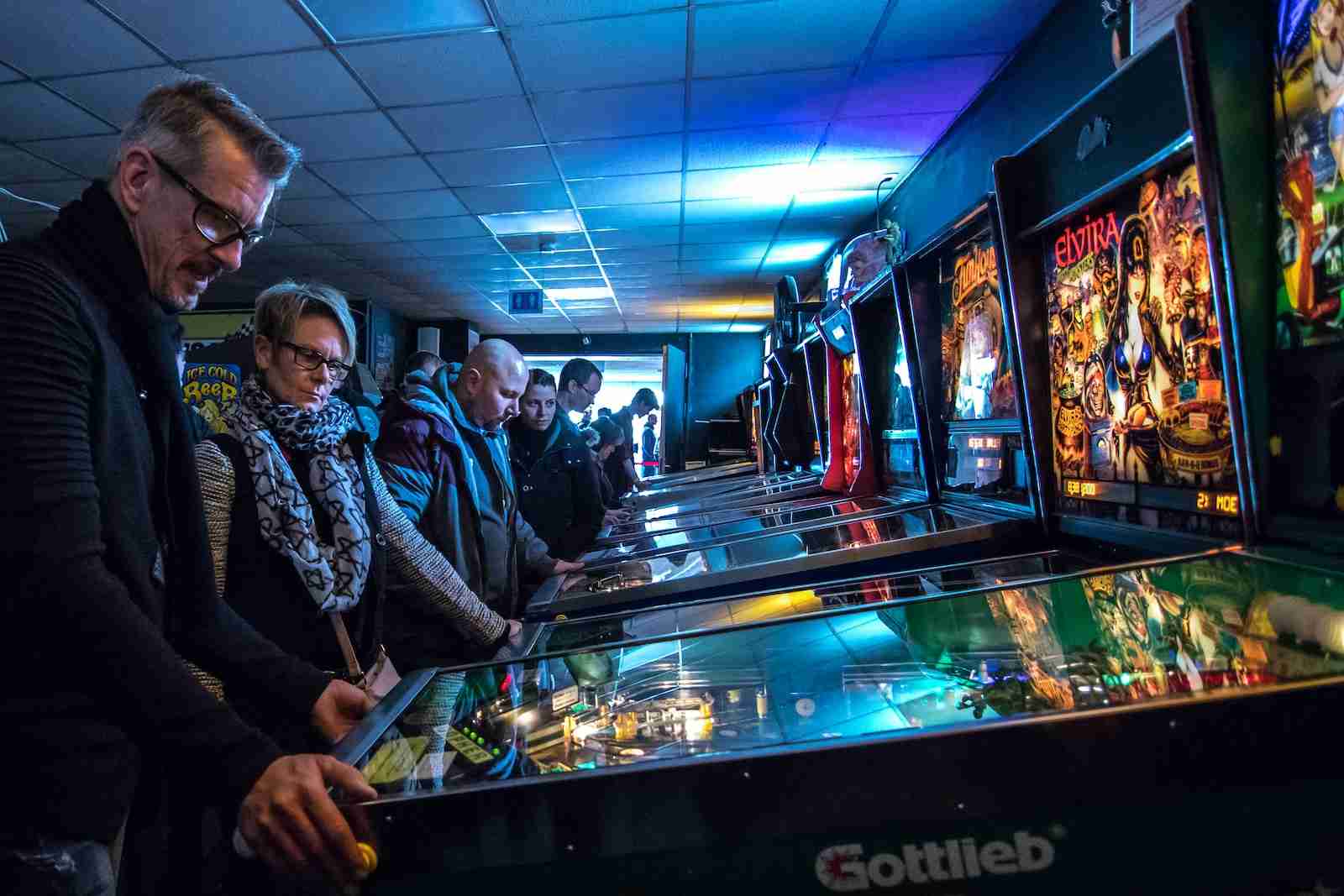
Unlocking Life’s Mysteries: Kids And Gaming
By Tom Seest
At HowDoYouGame, we help people who love board games by collating information and news about games.
Be sure to read our other related stories at HowDoYouGame to learn more about games.
Is The Complexity Of Life Lost on Kids Seeking Answers Through Gaming?
In today’s hyper-connected world, it seems like everyone is looking for answers. Kids, in particular, are navigating the vast complexities of life with the help of gaming. While video games can offer thrilling adventures and immersive worlds, it’s crucial to ask: Are they also a crutch that obscures the deeper nuances of reality?
Let’s face it. The digital landscapes of gaming are enticing. With their vibrant colors, synchronized challenges, and instant rewards, they draw in players like moths to a flame. This phenomenon, known as gamification, breaks down tasks into bite-sized pieces and turns mundane activities into exhilarating quests. Who wouldn’t want to level up their day-to-day routines and earn virtual rewards? However, the artistry of those games does nothing to quell the fundamental, age-old questions that still require thoughtful reflection.
While gaming can provide a compelling escape, it’s important that children don’t lose sight of the richness that life itself offers. The questions they seek to answer—about relationships, morality, and even their own identity—are rarely presented in the pixelated perfection of their virtual worlds. Instead, these profound inquiries often unfold in real life through experiences that can’t be respawned or undone.
Think back to your own childhood. Remember the messy, unpredictable world around you? Those poorly planned outings or awkward conversations with friends were the forges in which character is shaped. Life wasn’t about beating the next level. It was about connections: finding the courage to fail, to laugh, to grow. And that’s a journey best taken face-to-face, without a headset separating us from genuine interaction.
For parents, it’s time to strike a balance. Encourage kids to put down the controllers once in a while and step into an unfiltered world where the stakes are real. Let’s inspire them to engage in conversations, explore the great outdoors, or even wrestle with the big questions we often take for granted.
In this age of rapid digital advancement, let’s not allow the richness of life’s complexities to fade into the background. Instead, let’s harness the allure of gaming as a stepping stone—a way to draw kids out of their online realms and into the vibrant tapestry of life itself, where the answers may not always come easy, but the joy of discovery is irreplaceable.
Is The Complexity Of Life Lost on Kids Seeking Answers Through Gaming?
Is The Complexity Of Life Lost on Kids Seeking Answers Through Gaming?
- In a hyper-connected world, people, especially kids, seek answers through gaming.
- Video games offer exciting experiences but may also obscure deeper life questions.
- Gamification transforms mundane tasks into engaging quests with instant rewards.
- Children should not lose sight of the richness of real-life experiences beyond gaming.
- Character development occurs through real-world interactions, not just virtual achievements.
- Parents should encourage kids to engage in real-life conversations and activities.
- Gaming can be a bridge to real-life engagement, fostering a joy of discovery.

Is The Complexity Of Life Lost on Kids Seeking Answers Through Gaming?
Table Of Contents
- Is The Complexity Of Life Lost on Kids Seeking Answers Through Gaming?
- Are Kids Relying Too Much On Gaming For Life Lessons?
- Can Video Games Replace Real-World Experiences For Kids?
- What Are The Cognitive Benefits Of Gaming For Children?
- Are Educational Games Effective In Teaching Complex Concepts?
- How Can Gaming Encourage Critical Thinking In Youth?
- What Challenges Do Parents Face In Managing Gaming Habits?
- Is There A Balance Between Gaming And Outdoor Play For Kids?
- Conclusion
- Other Resources
- Glossary Of Terms
- Other Questions
- Haiku
- Poem
- Checklist
Are Kids Relying Too Much On Gaming For Life Lessons?
Let’s face it—gaming has become a cornerstone of childhood in the 21st century. From pixelated avatars to sprawling virtual worlds, kids are diving headfirst into experiences that are, in many ways, more intense and engaging than the real world. But while this new form of entertainment can serve as an adventure, one has to wonder: are we beginning to depend on these digital escapades to teach our children essential life lessons?
Take a moment to think about gamification. It’s a buzzword we hear frequently, especially in educational circles. The basic idea is simple: incorporating game-like elements into learning can stimulate enthusiasm and improve engagement. If you think about it, this concept is not lost on our kids. From crafting impressive structures in a sandbox game to strategizing a win in a team battle, they’re learning—right? They develop problem-solving skills and the ability to work collaboratively. There’s value in that, for sure. But let’s not forget what’s inherently two-dimensional about these life lessons.
The danger lies in the allure of virtual achievements overshadowing the weight of real-world experiences. After all, there’s no substitute for facing life’s inevitable challenges—be it dealing with a difficult classmate or navigating setbacks. The lessons learned in the vibrant glow of the screen can only take you so far. When faced with real-life dilemmas, the skills acquired in a game may not translate as seamlessly as we hope.
Consider that moment when a child brushes against failure in a game; they simply reboot or restart a level. But in life, there are stakes, moments that don’t come with a “reset” button. By relying heavily on gaming for these lessons, are we inadvertently shortchanging their opportunity to embrace resilience, adaptability, and empathy?
So where do we strike the balance? If your child is engrossed in gaming, channel that energy and curiosity into real-life applications. Encourage them to engage in team sports or join clubs where collaboration is key. Encourage them to get outside and play with friends, where they can apply those gaming strategies in the messy, unpredictable realm of reality.
Sometimes, the greatest rewards come not from the next high score, but from the lessons learned through the sweet, messy tangles of everyday life—ones that can’t be unlocked but must be earned. As guardians of these young minds, it’s our mission to guide them to explore both the virtual landscape and the rich terrain of real-world experiences head-on.

Are Kids Relying Too Much On Gaming For Life Lessons?
Are Kids Relying Too Much On Gaming For Life Lessons?
- Gaming has become a significant part of childhood in the 21st century, often providing intense and engaging experiences.
- Gamification in education aims to enhance enthusiasm and engagement by incorporating game-like elements into learning.
- While gaming can develop problem-solving and teamwork skills, it offers inherently two-dimensional life lessons.
- The allure of virtual achievements risks overshadowing the importance of real-world experiences and challenges.
- Real-life situations lack a “reset” button, making it crucial for children to develop resilience, adaptability, and empathy.
- To strike a balance, children should be encouraged to apply gaming strategies in real-life environments, such as team sports or clubs.
- Life’s most valuable lessons often come from real-world experiences rather than virtual successes, requiring guidance from caregivers.

Are Kids Relying Too Much On Gaming For Life Lessons?
Can Video Games Replace Real-World Experiences For Kids?
Can Video Games Replace Real-World Experiences for Kids?
Picture this: a young kid, headset snug on their head, surrounded by vibrant graphics and the hum of adventure. They’re not just pressing buttons; they’re embarking on epic quests, solving puzzles, and teaming up with friends from all corners of the globe. This is the allure of digital play—a universe crafted by design that captivates and challenges. It’s called gamification, and for many kids, the thrilling rush of leveling up can feel as rewarding as conquering the playground. But here’s the crux of the matter: Is this virtual landscape a worthy substitute for real-life experiences?
Now, before we dive deeper, let’s take a moment to reflect on that essential human element—the connection with the world and the people within it. Sure, a 12-year-old can slay dragons in a fantasy realm, but what about the moments that define who we are? The unfiltered laughter at a birthday party, the cautious yet thrilling experience of climbing a tree, or the quiet satisfaction of mastering a new skill in the real world—they all hold a certain magic that no pixelated adventure can replicate.
It’s easy to be dazzled by the glint of screens, and yes, video games can foster creativity, strategic thinking, and even teamwork. They can introduce complex problem-solving in a format that’s engaging and approachable. Yet, it’s important to remember that while gamification can enhance certain skillsets, it’s only one piece of the developmental puzzle.
Think about it: when was the last time a glowing screen taught a kid how to ride a bike or made them feel the sun on their skin? Real-world experiences are irreplaceable teachers—they build resilience and perspective that no virtual world can mimic. Each scrape from a fall and every exhilarating rush of wind through their hair reinforces essential life lessons: persistence, courage, and, most importantly, the beauty of connection.
As we navigate this digital age, let’s strike a balance. Embrace the advantages of gamification, but don’t forget to encourage stepping outside. The world is filled with rich, textured experiences waiting to be discovered. So, let’s inspire our kids to not just level up in games, but to level up in life, where the ultimate rewards are found in shared experiences and memories that last a lifetime. After all, there’s nothing quite like the feeling of conquering both a video game and the great outdoors.

Can Video Games Replace Real-World Experiences For Kids?
Can Video Games Replace Real-World Experiences For Kids?
- Video games attract kids by immersing them in adventurous, vibrant digital landscapes.
- Gamification offers rewards similar to real-life achievements, like conquering a playground.
- Real-world experiences provide unique connections and personal growth that virtual experiences cannot replicate.
- While video games can enhance creativity, strategic thinking, and teamwork, they are not a replacement for real-life lessons.
- Real-world activities teach resilience and perspective, reinforcing important life lessons.
- Finding a balance between digital play and outdoor experiences is essential for children’s development.
- Inspiring kids to explore both video games and the real world enriches their lives with lasting memories.

Can Video Games Replace Real-World Experiences For Kids?
What Are The Cognitive Benefits Of Gaming For Children?
Picture this: a child, eyes wide, fingers flying over a controller, immersed in a virtual universe where every level conquered feels like a small victory. While many of us grew up hearing that video games were a gatekeeper to procrastination and wasted hours, recent research invites us to reconsider that narrative. What if I told you that the same pixels and sounds that entertain could also serve as powerful tools for cognitive development?
Let’s dive into the world of gaming and its unexpected benefits. First off, gaming is an excellent example of gamification—a concept that takes elements from game design and applies them to the real world. Think about it: in those colorful digital landscapes, children are tasked with solving problems and overcoming challenges, often in situations that require quick thinking and strategy. This immersive experience boosts cognitive skills like critical thinking, decision-making, and spatial awareness. After all, navigating complex mazes or strategizing victories in a digital universe requires a mental agility that can translate to real-life situations.
Moreover, many games foster teamwork and communication. Multiplayer environments create a unique opportunity for kids to collaborate, exchanging ideas, and devising plans. Imagine a group of young explorers banding together to conquer a tough level—those lessons in teamwork carry over to the school playground and beyond. They’re learning to listen, to share, and to negotiate—skills that will serve them well in life.
There’s also the undeniable boost in hand-eye coordination and dexterity that comes from gaming. Those quick reflexes developed while dodging digital obstacles aren’t just for show; they can contribute to improved physical coordination in activities like sports or playing a musical instrument. The connections continue to multiply!
Furthermore, let’s not ignore the emotional landscape of gaming. The thrill of accomplishment felt after overcoming a difficult challenge builds resilience and confidence. Children learn that perseverance matters. They encounter setbacks, but they also discover the joy of bouncing back and trying again, ultimately gaining a sense of achievement from their efforts.
So, the next time you catch your child deep in the digital realm, consider the cognitive benefits at play. Embrace the opportunity to discuss, guide, and engage with them in this dynamic experience. After all, every game is more than just a game; it’s a chance for skill-building and growth. Isn’t it time we recognize the unique advantages nestled within those screens?

What Are The Cognitive Benefits Of Gaming For Children?
What Are The Cognitive Benefits Of Gaming For Children?
- Video games can contribute to cognitive development, challenging the perception that they are merely distractions.
- Gaming exemplifies gamification, encouraging problem-solving and strategic thinking in immersive environments.
- Video games enhance critical thinking, decision-making, and spatial awareness skills.
- Multiplayer games promote teamwork and communication among players, teaching collaboration and negotiation.
- Gaming improves hand-eye coordination and dexterity, benefiting physical activities such as sports and music.
- Overcoming game challenges builds resilience and confidence in children, teaching them the value of perseverance.
- Engaging with children in their gaming experiences can foster skill-building and growth beyond the screen.

What Are The Cognitive Benefits Of Gaming For Children?
Are Educational Games Effective In Teaching Complex Concepts?
When we think about education, especially in our fast-paced, technology-soaked world, it’s hard not to wonder: can games really teach us complex concepts? Let’s dive in. Picture this: you’re sitting in a classroom, and your teacher is explaining a complicated theory. Your mind wanders to what you’ll have for lunch or, worse, the ever-looming homework assignments. Now switch that scene to a vibrant gaming environment, filled with challenges and rewards. Each task you complete earns you points, and each level you conquer makes you feel a little bit smarter. This is the essence of gamification, and it’s changing the way we learn.
Gamification transforms mundane lessons into dynamic challenges. It taps into our natural instincts for competition and achievement, making even the most intricate subjects feel achievable. Think about it—games often require strategic thinking, problem-solving, and decision-making skills, all while keeping you on your toes. In a well-designed educational game, the complexity of a concept is distilled into engaging puzzles and scenarios, where learners can experiment and explore at their own pace.
One of the most powerful aspects of gamification is that it allows learners to make mistakes in a safe environment. In traditional settings, the fear of failure can stifle exploration. But in a game? Mistakes are just part of the journey. You lose a life, reset, and try again. This process not only builds resilience but also deepens understanding. You’re not just memorizing facts; you’re interacting with the material.
Education through gaming also fosters collaboration. Many games require teamwork to solve challenges, allowing learners to communicate and share ideas. This interaction not only enhances social skills but also promotes critical thinking as players discuss different strategies and viewpoints.
Moreover, as we embrace an increasingly digital world, the relevance of these tools cannot be overstated. Young minds are naturally inclined towards technology, making gamified learning a bridge to connect with youth culture. The benefits are clear: heightened engagement, improved retention of complex ideas, and the building of a community of learners.
So, if you’ve ever questioned the effectiveness of educational games in teaching complex concepts, think of them not just as games, but as gateways. They engage, inspire, and equip us for the complex challenges ahead. It’s time to embrace this innovative approach and see where it can take us. Let’s jump in—the game is only just beginning!

Are Educational Games Effective In Teaching Complex Concepts?
Are Educational Games Effective In Teaching Complex Concepts?
- Gamification transforms traditional education by turning lessons into engaging challenges.
- It stimulates competition and achievement, making complex subjects more accessible.
- Games promote strategic thinking, problem-solving, and decision-making skills.
- They provide a safe space for making mistakes, fostering resilience and deeper understanding.
- Educational gaming encourages collaboration and enhances social skills among learners.
- These tools resonate with young minds, bridging the gap between technology and youth culture.
- Gamified learning leads to increased engagement, better retention of ideas, and community building.

Are Educational Games Effective In Teaching Complex Concepts?
How Can Gaming Encourage Critical Thinking In Youth?
Imagine gathering a group of bright-eyed kids, each with a controller in hand and a world of wonder at their fingertips. You might think they’re just playing games, but what’s really happening here is a brilliant exercise in critical thinking. Yes, video games—those colorful, interactive adventures—have much more to offer than simple entertainment. They can be an inviting gateway into a world where strategic thinking and problem-solving flourish.
At its core, gaming often employs a concept known as gamification. It’s a fancy word, but let’s break it down: gamification is about applying gaming principles to real-life scenarios to motivate and engage players. You see, when kids dive into a game that challenges them to think outside the box, to solve puzzles, or to outsmart an opponent, they’re not just passing time; they’re honing skills that will serve them well throughout life.
Consider a popular strategy game where players must build civilizations. The young gamer isn’t merely stacking buildings; they’re weighing resources, planning for the future, anticipating the moves of others, and learning to adapt to unexpected challenges. These aren’t just digital skills; they translate into the real world, where similar planning and adaptability can mean the difference between success and failure.
Moreover, the multiplayer experiences that many games offer foster collaboration and communication. Here, kids must strategize as a team, considering different perspectives and navigating diverse opinions. This isn’t just playing; it’s a masterclass in negotiation and compromise. They learn to articulate their ideas clearly, listen actively to their peers, and pivot when plans go awry.
As parents and mentors, it’s essential to recognize that gaming doesn’t have to be demonized. Instead, let’s embrace it as a tool. The key is to encourage balanced playtime while providing guidance. By engaging with youth in their gaming ventures—whether that means playing alongside them or discussing the strategies they employ—you can make their gaming experience an enriching one, transitioning seamlessly from the screen to the skills they’ll carry into the real world.
It’s not just about defeating a boss or leveling up; it’s about forging critical thinkers ready to tackle the complexities of the world. So, let’s take a moment to appreciate the joy of gaming—not just for its entertainment but for the powerful potential it holds. After all, those pixels on the screen could very well be nurturing the leaders of tomorrow.

How Can Gaming Encourage Critical Thinking In Youth?
How Can Gaming Encourage Critical Thinking In Youth?
- Video games serve as an engaging exercise in critical thinking for kids.
- Gamification applies gaming principles to real-life scenarios, motivating and engaging players.
- Games challenge players to think creatively, solve problems, and develop strategic thinking skills.
- Multiplayer experiences foster collaboration, communication, and negotiation among players.
- Parents and mentors should recognize gaming as a valuable tool when balanced with guidance.
- Engaging with youth in their gaming experiences can transition lessons learned from the game to real-world skills.
- Gaming has the potential to nurture critical thinkers and future leaders, beyond mere entertainment.

How Can Gaming Encourage Critical Thinking In Youth?
What Challenges Do Parents Face In Managing Gaming Habits?
When it comes to parenting in the digital age, few topics ignite heated conversations quite like gaming. There’s a whole world out there, wrapped in a pixelated bow, brimming with excitement and creativity. But for parents, the challenge lies in striking that delicate balance between allowing their children to explore this new frontier and keeping them anchored to reality. Yep, that’s where things can get tricky.
Firstly, let’s talk about the allure of games. The minute you step into your child’s gaming universe, you’ll notice the undeniable pull of gamification. It’s a clever concept, designed to turn ordinary tasks into engaging challenges, and wow, does it work! Your kids might be motivated to level up, earn achievements, and conquer the next boss battle, all while neglecting homework or chores. Who can blame them? The thrill of victory has a way of overshadowing responsibilities.
Next, let’s face the fact that gaming isn’t going anywhere. This isn’t just a phase, folks. It’s a cultural phenomenon that has taken hold of an entire generation. Parents often find themselves caught in a web of guilt and frustration, flip-flopping between allowing screen time and imposing strict limits. After all, nobody wants to be the “bad guy” who pulls the power plug. It’s a struggle to find a middle ground that respects their passions while promoting healthy habits.
And let’s not forget the social dimension of gaming. Multiplayer experiences can foster friendships and forge connections, but they can also lead to a sense of isolation when kids substitute virtual interactions for real-life connections. As parents, it’s essential to keep the lines of communication open. Ask questions, engage in conversations, and, dare I say, jump into a game or two yourself. Understanding their world can help pave the way for discussions on moderation and balance.
Finally, consider setting boundaries together. Involving your kids in crafting gaming guidelines can empower them to take ownership of their habits. Collaborate on how much time is reasonable, or make a game of it—after all, turning boundaries into a fun challenge might just lead to greater compliance.
In the grand scheme of things, the goal isn’t to eliminate gaming but to embrace it as a valuable part of life. With some savvy, a dash of flexibility, and a whole lot of love, parents can guide their children toward a balanced relationship with the gaming world, allowing them to enjoy both digital adventures and real-life experiences.

What Challenges Do Parents Face In Managing Gaming Habits?
What Challenges Do Parents Face In Managing Gaming Habits?
- Gaming ignites conversations among parents about balancing exploration and reality.
- Gamification motivates children through engaging challenges, potentially neglecting responsibilities.
- Gaming is a lasting cultural phenomenon affecting an entire generation.
- Parents struggle to find a middle ground between allowing screen time and imposing limits.
- Multiplayer gaming fosters friendships but can lead to isolation if it replaces real-life interactions.
- Open communication and involvement in gaming can help parents discuss moderation and balance.
- Setting boundaries together empowers children and promotes a healthy relationship with gaming.

What Challenges Do Parents Face In Managing Gaming Habits?
Is There A Balance Between Gaming And Outdoor Play For Kids?
In today’s fast-paced world, it’s hard to ignore the digital siren call of video games that beckon our kids like moths to a flame. But here’s the kicker: the great outdoors still offers a playground all its own—one where boundaries aren’t defined by pixels and points but by the limitless expanse of nature. The question on every parent’s mind is: how do we find a balance between the two?
Let’s face it; gaming has morphed—as we say—into a well-crafted form of gamification. It’s a fun, interactive way to develop skills and engage kids in a frantic quest for achievement. And while there’s a place for that competitive spirit (seriously, have you ever witnessed a ten-year-old conquer a final boss? It’s a thing of glory), it’s just as crucial to weave in the kind of adventures that unroll outside.
Imagine this: a child racing across the yard, wind in their hair, arms outstretched like an airplane—those moments can instill a sense of freedom and creativity that a screen just can’t replicate. Outdoor activities don’t just promote physical health; they nurture mental resilience, social skills, and a genuine connection to the world around us. Who knew that the humble act of climbing a tree could teach risk assessment and problem-solving?
Now, this isn’t a call to arms against the lure of gaming. Rather, think of it as a symphony where gaming plays a section but doesn’t overshadow the beautiful woodwinds of outdoor play. It’s about striking that delicate chord—set aside some time for gaming, but let that not eclipse the adventures that await outside. Encourage your kiddos to embark on treasure hunts that merge the thrill of gaming with the great outdoors, or create challenges that blend both worlds. You might be amazed at the creative sparks that fly when they blend augmented reality games with scavenger hunts at the park.
Ultimately, balance is key. Invite your children to explore both realms, laugh at the occasional face-plant while learning from the virtual victories. The goal isn’t to eliminate gaming; it’s about fostering a holistic, well-rounded approach to play that prepares them for the challenges ahead—be it in the realm of fantasy or the great outdoors. So, let’s encourage our little adventurers to put down the controllers, head outside, and make some memories that don’t just exist in the cloud.

Is There A Balance Between Gaming And Outdoor Play For Kids?
Is There A Balance Between Gaming And Outdoor Play For Kids?
- Video games attract kids strongly, but the outdoors offers unique experiences beyond screens.
- Gaming serves as a form of gamification, helping kids develop skills through interactive play.
- Outdoor activities foster essential traits like physical health, mental resilience, and social skills.
- Experiences in nature, such as climbing trees, can teach valuable lessons like risk assessment.
- Striking a balance between gaming and outdoor play is crucial for child development.
- Encourage activities that combine gaming with outdoor adventures for creative exploration.
- The goal is to create a well-rounded play experience that prepares children for future challenges.

Is There A Balance Between Gaming And Outdoor Play For Kids?
Conclusion
Conclusion: Embracing the Best of Both Worlds
Let’s take a step back and consider what’s at stake in this rapid-fire digital landscape we call childhood today. Video games, as alluring as they are, can act like a double-edged sword, slicing through our kids’ days with excitement and escapism while simultaneously erecting walls between them and the messy, beautiful complexity of real life. As we embrace the incredible cognitive benefits these games can provide—like critical thinking, problem-solving, and teamwork—it’s critical to ensure they don’t become a short circuit for the multifaceted lessons life has to offer.
Remember when we were kids, navigating the unpredictable terrain of friendships, failures, and triumphs without a “reset” button? Those experiences shaped who we are today. Whether we were falling off our bikes or awkwardly trying to connect with classmates, those moments of real-life struggle offered lessons that can’t be replicated in a digital realm. They built resilience, taught empathy, and fostered connections that went deeper than any online multiplayer experience.
So here’s the challenge for today’s parents: let’s not demonize the world of gaming, but instead leverage it as a stepping stone towards richer experiences. Balance is everything. Encourage your kids to unplug every once in a while—invite them outside for adventures that spur creativity and healthy growth. Whether it’s climbing trees, joining a sports team, or simply tossing a Frisbee, remind them that the rewards of life often lie beyond a screen.
And while they’re sitting in front of those bright, colorful pixels, don’t forget to engage with them on their level. Ask about their favorite games and the strategies they use—turning their gaming into a springboard for deeper conversations about real-world applications. It’s all about merging the two worlds: guiding them to see that while leveling up in a game may feel rewarding, nothing compares to the thrill of conquering a challenge in the tangible world.
In this age of gaming and screens, let’s cultivate a generation that appreciates both virtual victories and the unforgettable richness of real-life experiences, making memories that aren’t just saved to the console, but stored in the heart. Embrace the marvels of technology while nurturing the beautifully chaotic tapestry of life—where the true adventures lie waiting just outside the door. Now that’s the kind of game worth playing.

Conclusion
Conclusion:
- Video games provide cognitive benefits like critical thinking and teamwork but can isolate kids from real-life experiences.
- Real-life challenges, such as navigating friendships and failures, teach resilience and empathy in ways digital experiences cannot.
- Parents should view gaming as a positive tool and encourage a balance with real-life activities.
- Promote outdoor adventures that foster creativity and personal growth, away from screens.
- Engage with children about their gaming experiences to inspire deeper conversations about real-world implications.
- Encourage kids to value both virtual achievements and real-life challenges for a well-rounded experience.
- Aim to cultivate a generation that cherishes both the digital world and the richness of real-life memories.

Conclusion
Other Resources

Other Resources
Here is a list of other resources you can review online to learn more:
- No Pun Included
- Miniature Market
- Star Wars: Rebellion
- Mastodon
- Exploding Kittens
- Wizards of the Coast
- The Mind
- What’s Your Game?
Use This Prompt To Get More Resources With Your Favorite Online AI Tool: Please provide me with a list of online articles with their URLs in a bulleted list that I can read regarding Is The Complexity Of Life Lost on Kids Seeking Answers Through Gaming?
Other Resources
Glossary Terms
Is The Complexity Of Life Lost on Kids Seeking Answers Through Gaming? – Glossary Of Terms
1. Gaming Culture: The community and practices surrounding video games, encompassing social interactions and shared experiences among players.
2. Interactivity: The quality of engaging with a game in a way that allows players to influence outcomes and explore different paths.
3. Escapism: A psychological phenomenon where individuals engage in gaming to escape reality, often seeking relief from stress or emotional pain.
4. Virtual Reality (VR): A simulated environment created by computer technology where users can immerse themselves in experiences that feel real.
5. Augmented Reality (AR): A technology that overlays digital content onto the real world, enhancing the user’s real-life experience.
6. Narrative Complexity: The intricate storylines and character development in games that can challenge players’ understanding of real-life values and moral dilemmas.
7. Critical Thinking: The ability to analyze information and form a reasoned judgment, a skill that may be underdeveloped if relied solely on gaming for answers.
8. Cognitive Development: The process by which children learn to think, explore, and understand their world, potentially influenced by their gaming experiences.
9. Online Communities: Groups of players who connect through the internet to share experiences, strategies, and support, often forming lasting friendships.
10. Game Mechanics: The rules and systems that govern gameplay, which can shape players’ understanding of strategies and consequences.
11. Goal Orientation: The emphasis on achieving specific outcomes within games, which may default to immediate gratification rather than long-term successes in life.
12. Empathy through Gameplay: The ability of games to foster understanding of others’ emotions and perspectives, often through story-driven experiences.
13. Sensory Overload: An overwhelming amount of stimuli that can occur during intense gaming sessions, potentially impacting attention spans and information retention.
14. Digital Citizenship: The norms of appropriate, responsible behavior in the digital world, crucial for guiding children in their online interactions.
15. Emotion Regulation: The methods by which individuals manage their feelings, which can be heavily influenced by the rewarding aspects of gaming.
16. Skill Acquisition: The process through which players learn and master various abilities within games, which can translate to real-life skills.
17. Simulation Games: A genre of games that replicate real-world activities, allowing players to engage in complex problem-solving and decision-making scenarios.
18. Feedback Loops: The systems in games that provide players with immediate responses to their actions, fostering a sense of accomplishment or frustration.
19. Socialization: The process through which children learn to interact and communicate with others, often facilitated by multiplayer gaming environments.
20. Transmedia Storytelling: A narrative technique where a single story is told across multiple platforms and mediums, enhancing engagement with the complexities of life.
21. Game-Based Learning: A teaching method that uses games to facilitate learning, helping to illustrate complex concepts in a more engaging manner.
22. Resilience: The capacity to recover from difficulties, a trait that can be strengthened through in-game challenges and setbacks.
23. Multiplayer Dynamics: The interactions among players in online games, which can reflect real-life social complexities.
24. Behavioral Conditioning: A learning process through which behaviors are influenced by rewards and punishments in gaming, potentially affecting real-life decision-making.
25. Mindfulness: The practice of being aware of one’s thoughts and feelings in the moment, which can be overshadowed by the fast pace of gaming.
26. Mental Health: The emotional, psychological, and social well-being that could be affected positively or negatively by gaming habits.
27. World-Building: The creative process of constructing an entire fictional universe within a game, often reflecting real-world complexities.
28. Ethical Dilemmas: Scenarios presented in games requiring players to make difficult moral choices, fostering introspection about right and wrong.
29. User Experience (UX): The overall experience a player has when interacting with a game, crucial in determining how engaged and satisfied they feel.
30. Digital Literacy: The ability to navigate, analyze, and create information using digital technologies, essential for understanding and evaluating gaming content.

Glossary Of Terms
Other Questions
Is The Complexity Of Life Lost on Kids Seeking Answers Through Gaming? – Other Questions
If you wish to explore and discover more, consider looking for answers to these questions:
- How do video games influence children’s social interactions?
- What strategies can parents use to manage gaming time effectively?
- Are there any age-appropriate games that promote learning and development?
- How can parents identify when gaming becomes excessive?
- What role does gaming play in child development compared to other forms of entertainment?
- How can gaming be integrated into educational settings to enhance learning?
- Are there specific genres of games that provide more educational value?
- How can parents encourage their children to transition from gaming to real-life activities?
- What are the potential long-term effects of excessive gaming on children?
- How can gaming help develop emotional intelligence in children?
- What precautions should be taken when children play online games?
- How do cultural attitudes towards gaming vary around the world?
- What are the signs that a child may be using gaming as an escape from reality?
- How can parents discuss the themes of their children’s games with them?
- What are the platforms that provide the best educational games for children?

Other Questions
Haiku
Is The Complexity Of Life Lost on Kids Seeking Answers Through Gaming? – A Haiku
Digital realms entice,
Yet life’s truths lie beyond screens—
Balance worlds to thrive.
Haiku
Poem
Is The Complexity Of Life Lost on Kids Seeking Answers Through Gaming? – A Poem
A Balance of Worlds: A Playful Mind’s Quest
In vibrant realms where pixels gleam,
Young adventurers chase their dreams,
With controllers gripped in eager hands,
They traverse the quests of virtual lands.
Yet whispers of life, so rich and vast,
Ask if these journeys hold fast,
For behind glowing screens, the lessons lie,
In messier worlds, where hearts learn to fly.
The challenges faced in games can teach,
Critical thinking and teamwork reach,
But can a reset button truly convey
The weight of choices we face every day?
Through laughter and falls in the sunlit chase,
Kids forge connections, discover their place,
Each scrape on the ground, a tale to tell,
In nature’s embrace, they learn to be well.
So, let’s guide their hands to both realms, entwined,
Encouraging balance, where heart and mind find—
The thrills of a game and the joys of the air,
Adventures abound, if we nurture with care.
With open eyes and hearts wide awake,
Let’s celebrate both worlds for growth’s sweet sake,
For life’s greatest treasures, both big and small,
Are cherished in moments where we’re present for all.

Poem
Checklist
Is The Complexity Of Life Lost on Kids Seeking Answers Through Gaming? – A Checklist
Checklist: Finding Balance Between Gaming and Real-Life Experiences for Kids
Use this checklist to help your child navigate their gaming habits while ensuring they also engage with the complexities of real life.
Understanding Gaming
_____ Educate Yourself: Learn about the benefits of gaming, including cognitive skills and critical thinking development.
_____ Discuss Gamification: Talk to your child about how gaming can be both a fun escape and a learning tool.
Setting Boundaries
_____ Establish Gaming Limits: Set clear and reasonable limits on daily and weekly gaming time.
_____ Co-create Rules: Involve your child in creating gaming guidelines to encourage ownership and responsibility.
Encouraging Real-Life Experiences
_____ Schedule Outdoor Activities: Plan regular outdoor playdates or family activities to promote physical health and social skills.
_____ Create Mixed Adventures: Organize treasure hunts or nature scavenger hunts that incorporate gaming elements for a blend of experiences.
Engaging in Conversations
_____ Discuss Game Content: Talk about the games your child is playing. Ask about the stories, challenges, and strategies.
_____ Encourage Reflection: Prompt your child to think about what they learn from gaming and how it applies to real-life situations.
Promoting Social Interaction
_____ Encourage Team Activities: Recommend team sports, clubs, or group activities that foster collaboration and communication.
_____ Model Social Engagement: Participate in social activities with your child to demonstrate the importance of real-world connections.
Building Resilience and Critical Thinking
_____ Talk About Failure: Discuss moments of failure in games and how those lessons can apply to real-life setbacks.
_____ Promote Critical Thinking: Encourage your child to strategize and articulate their thinking processes in both gaming and everyday scenarios.
Setting a Positive Example
_____ Be a Role Model: Demonstrate a balanced approach to gaming and outdoor play in your own habits.
_____ Engage Together: Play games with your child or join them in outdoor activities to create shared experiences.
Foster a Holistic Approach to Play
_____ Balance Screen Time: Ensure that gaming is just one part of a varied daily routine that includes physical activity, socializing, and downtime.
_____ Evaluate Progress: Regularly check in with your child about their gaming habits and the balance between gaming and real-life experiences.
Use this checklist as a guide to help foster a healthy relationship between your child and both gaming and real-world experiences, promoting a well-rounded childhood filled with learning and discovery!

Checklist
At HowDoYouGame, we help people who love board games by collating information and news about games.
Be sure to read our other related stories at HowDoYouGame to learn more about games.