Senior Mental Health: The Impact Of Competitive Gaming
By Tom Seest
At HowDoYouGame, we help people who love board games by collating information and news about games.
Be sure to read our other related stories at HowDoYouGame to learn more about games.
Is Competition In Games Undermining Mental Well-Being for Seniors?
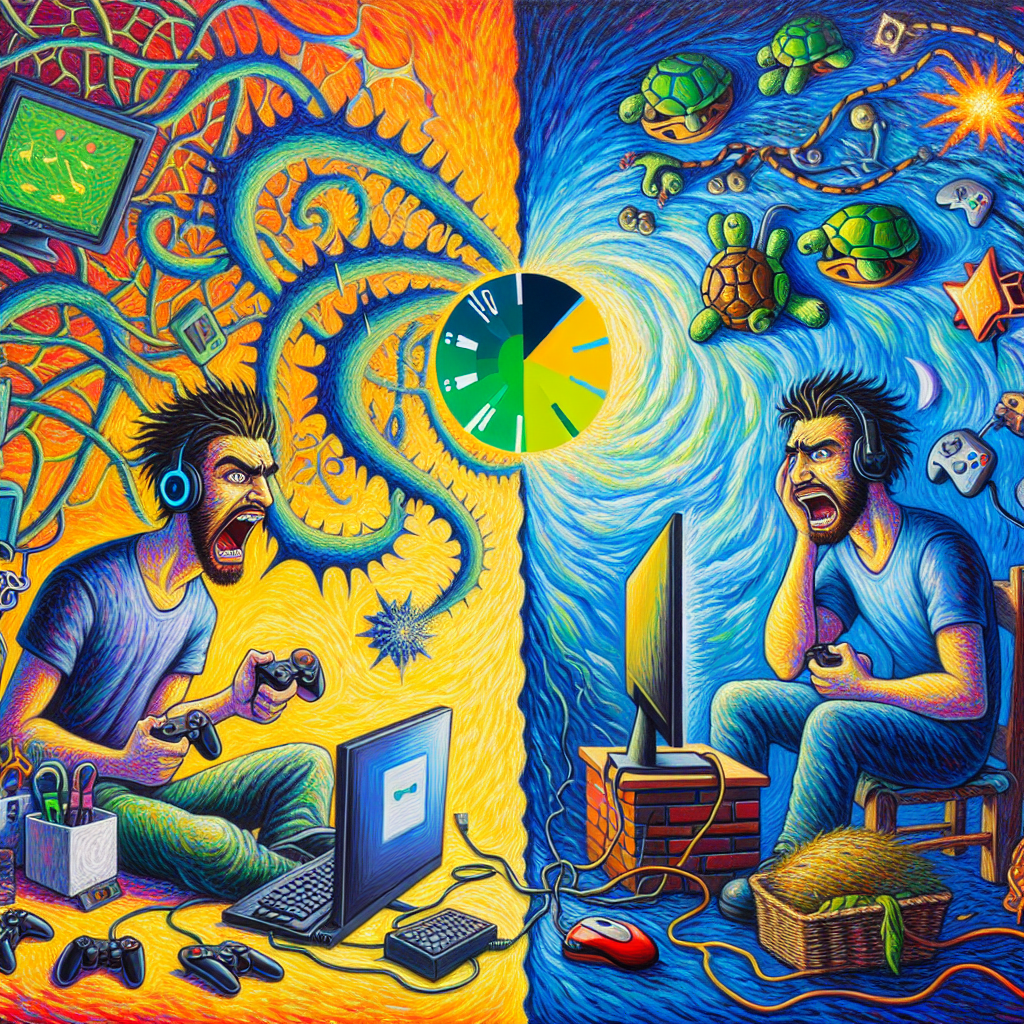
The landscape of gaming has shifted dramatically over the past few decades. For many, what started as a simple pastime has morphed into a complex arena where competition reigns supreme. Yes, I’m talking about that buzzing world of pixels, points, and leaderboard nonsense. But let’s pause for a moment and ask an important question: Is this competition helping or hindering our senior population’s mental well-being?
Enter the concept of gamification. At its core, gamification involves applying game-like elements to non-game contexts, making tasks more engaging and fun. For seniors, it can mean turning the mundane—like remembering to take medication—into a friendly challenge. But here’s the kicker: when that “friendly challenge” morphs into cut-throat competition, it risks overshadowing the original intent and purpose.
Picture this: an octogenarian, once vibrant and full of stories, suddenly finds himself behind a screen, frantically trying to keep up in an online battle royale or a fast-paced trivia game. In those moments, the joy of gaming can devolve into a relentless pressure cooker. The stakes are real, the scoreboard flashing in their eyes like an unforgiving clock. And instead of feeling accomplished, they might walk away feeling more isolated and anxious than they did before.
It’s important to reflect on the motivations behind this competitive nature. Seniors today are bombarded with messages about staying sharp, engaged, and active, often equating competition with mental acuity. While a little challenge can spark interest, going too far can lead to discouragement and diminished self-worth.
We can’t overlook the social component either. Many seniors engage in gaming as a way to reach out, connect, and share laughs with friends and family. Yet, when gaming devolves into a battleground for supremacy, those precious communal moments may transform into a source of stress instead of joy. The irony is palpable: an activity meant to connect can sometimes push us apart, fostering feelings of inadequacy and competition where camaraderie once flourished.
So, as we navigate the intricate world of senior gaming, let’s not forget the essence of play. It shouldn’t merely be about winning; it should rekindle that spark of joy, connection, and mental well-being. Remember, it’s not always about fruits of labor marked by a win-lose scenario. Sometimes, it’s the journey that truly matters.

Is Competition In Games Undermining Mental Well-Being for Seniors?
Is Competition In Games Undermining Mental Well-Being for Seniors?
- The gaming landscape has evolved from a simple pastime to a competitive arena over the decades.
- Gamification involves applying game-like elements to make tasks more engaging for seniors, such as remembering to take medication.
- Competition can transform friendly challenges into high-pressure situations, potentially harming seniors’ mental well-being.
- Seniors may feel isolated and anxious from the relentless pressure of competitive gaming.
- Messaging focused on competition can lead seniors to equate it with mental sharpness, potentially harming self-worth.
- Gaming is often a social activity for seniors, but competition can diminish camaraderie and increase stress.
- The essence of play for seniors should focus on joy and connection rather than just winning.

Is Competition In Games Undermining Mental Well-Being for Seniors?
Table Of Contents
- Is Competition In Games Undermining Mental Well-Being for Seniors?
- How Does Competition Impact Social Interactions Among Seniors?
- What Types Of Games Are Most Popular Among Seniors Today?
- Are Collaborative Games A Better Alternative For Seniors?
- How Can Competition In Games Lead To Stress For Older Adults?
- What Role Do Cognitive Benefits Play In Gaming For Seniors?
- How Do Seniors Perceive Competition In Gaming Environments?
- Are There Specific Age-Related Challenges In Competitive Gaming?
- Conclusion
- Other Resources
- Glossary Of Terms
- Other Questions
- Haiku
- Poem
- Checklist
How Does Competition Impact Social Interactions Among Seniors?
When we think about seniors and social interactions, the last image that might come to mind is a fierce competition. Yet, when you peel back the layers of social dynamics, you’ll find that a little competition can go a long way in energizing relationships and enhancing social engagement among our older generations. It’s not about cutthroat rivalry, but rather a phenomenon often referred to as *gamification*. This approach involves integrating game-like elements into activities, making even the simplest of interactions feel rewarding and fun.
Picture this: a group of seniors gathered in a community center, shuffling game pieces, sharing laughs, and competing over a game of Bingo or shuffleboard. Here, competition serves as a catalyst for communication, bringing people together through shared joy and playful rivalry. With every game played, friendships evolve, stories are exchanged, and bonds are strengthened. It’s not just about winning; it’s about the camaraderie that forms, the excitement that brews, and the memories created—all of which bolster their social networks.
Research indicates that engaging in competitive activities can spark motivation. Seniors who might otherwise shy away from social settings can find themselves drawn out of their shells when there’s a little prize or an element of competition on the line. The stakes don’t have to be high—a simple token or a round of applause as recognition can transform how individuals interact. Gamification also teaches valuable lessons about resilience and cooperation. When competitions are friendly, they can lead to increased mutual respect and understanding.
Furthermore, competition among seniors fosters an environment of learning and creativity. As they compete, they share strategies and tips, breaking down barriers and encouraging collaboration. This exchange of knowledge not only enhances their skills in various activities but also keeps their minds sharp—a crucial ingredient for healthy aging. When learning is paired with a sense of competition, the experience becomes memorable, and the social bonds deepen.
Lastly, let’s not overlook the health benefits. Competing can stimulate laughter and excitement, which can have a positive effect on mental and emotional well-being. These spirited interactions help combat feelings of loneliness and isolation that many seniors face, and as they engage more with one another, they pave the way for a lifestyle filled with connection, enthusiasm, and vibrancy.
So next time you see seniors gathered for a game, know that beneath the surface, there’s a world of connection being forged—one spirited challenge at a time.

How Does Competition Impact Social Interactions Among Seniors?
How Does Competition Impact Social Interactions Among Seniors?
- Competition can enhance social interactions among seniors, fostering engagement rather than rivalry.
- Gamification involves adding game-like elements to activities, making interactions more enjoyable.
- Group activities, such as Bingo or shuffleboard, stimulate communication and camaraderie among seniors.
- Engaging in competitive activities can increase motivation and encourage socially withdrawn individuals to participate.
- Friendly competition fosters mutual respect, understanding, and valuable lessons on resilience and cooperation.
- Competition promotes learning and creativity, allowing seniors to share strategies and sharpen their skills.
- Participating in competitive games can improve mental and emotional well-being, reducing feelings of loneliness and isolation.

How Does Competition Impact Social Interactions Among Seniors?
What Types Of Games Are Most Popular Among Seniors Today?
When you think of gaming, you might picture the latest console or a high-octane digital battle. But let’s take a step back from that competitive frenzy and focus on a demographic that’s redefining what it means to play: seniors. The gaming landscape is as varied as a buffet line, and today’s seniors are serving up some interesting choices, blending nostalgia with new technology in a way that’s both joyful and engaging.
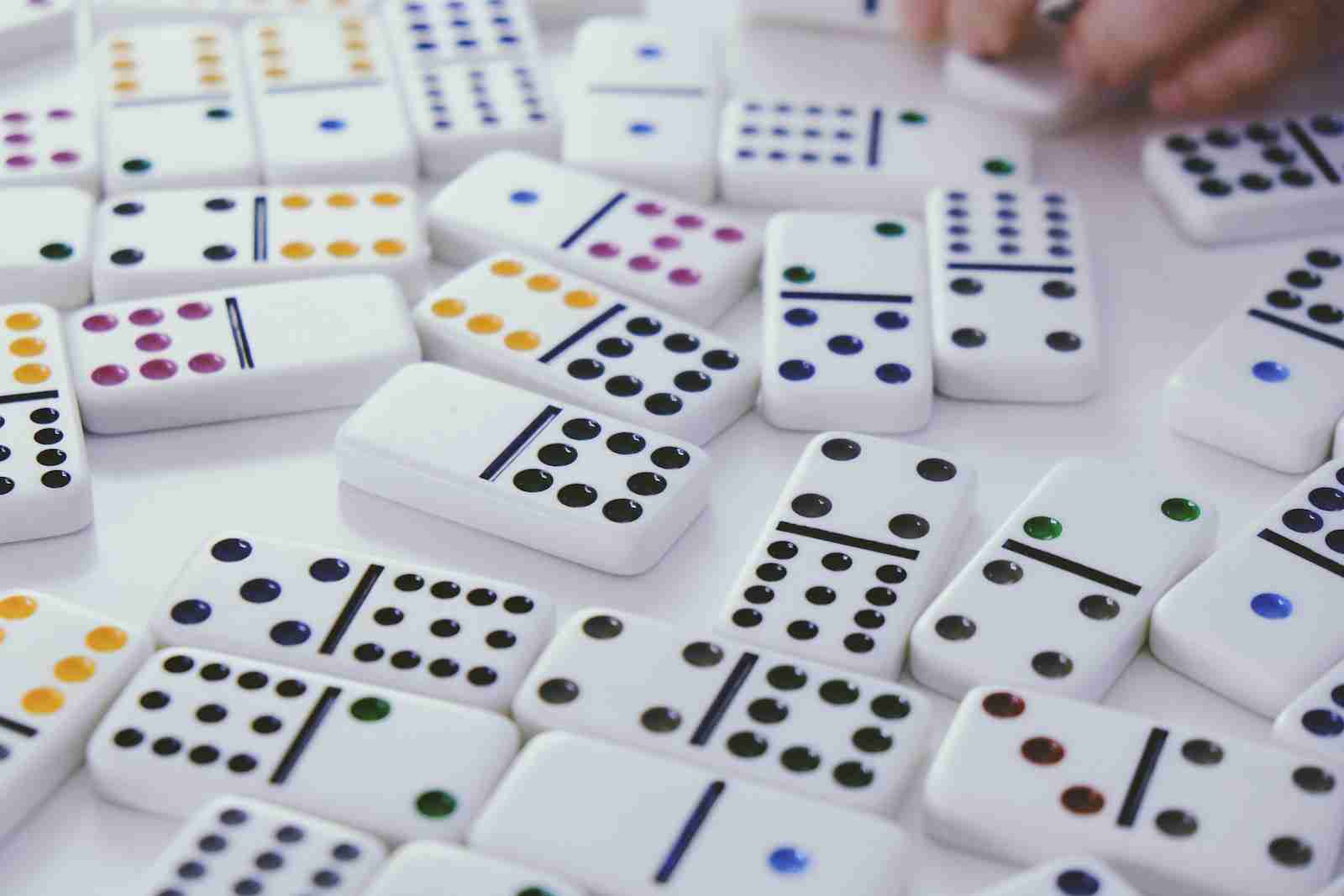
First up on the platter are traditional board games—those beloved classics that have stood the test of time. Scrabble, Chess, and Bridge have made a comeback, not just for their ability to spark friendly rivalry but also for their mental engagement. These games often encourage social interaction, allowing seniors to gather with friends or family for a few rounds. But let’s face it; playing with a physical board can lead to specific challenges, especially with mobility. That’s where the digital versions come in, seamlessly marrying technology with tradition.
And then there’s the rise of what the industry calls *gamification*. This buzzword refers to the integration of game-like elements into everyday activities to boost engagement and enjoyment. Many apps designed for seniors now incorporate gamification to make things like exercise or memory exercises feel less like a chore and more like a game. Picture this: a daily walk logged into an app that rewards points for steps taken, making the mundane feel like an achievement. It’s clever, it’s engaging, and most importantly, it adds a sprinkle of motivation to day-to-day activities.
Now, let’s not overlook the allure of trivia games, which are becoming increasingly popular among seniors. Games like Bingo have evolved into vibrant digital versions packed with fun facts or themes that keep the mind sharp while tapping into that competitive spirit—without the worry of losing your lucky dauber. They offer a fantastic way to glean knowledge while having a blast, proving that learning can be as enjoyable as it is enlightening.
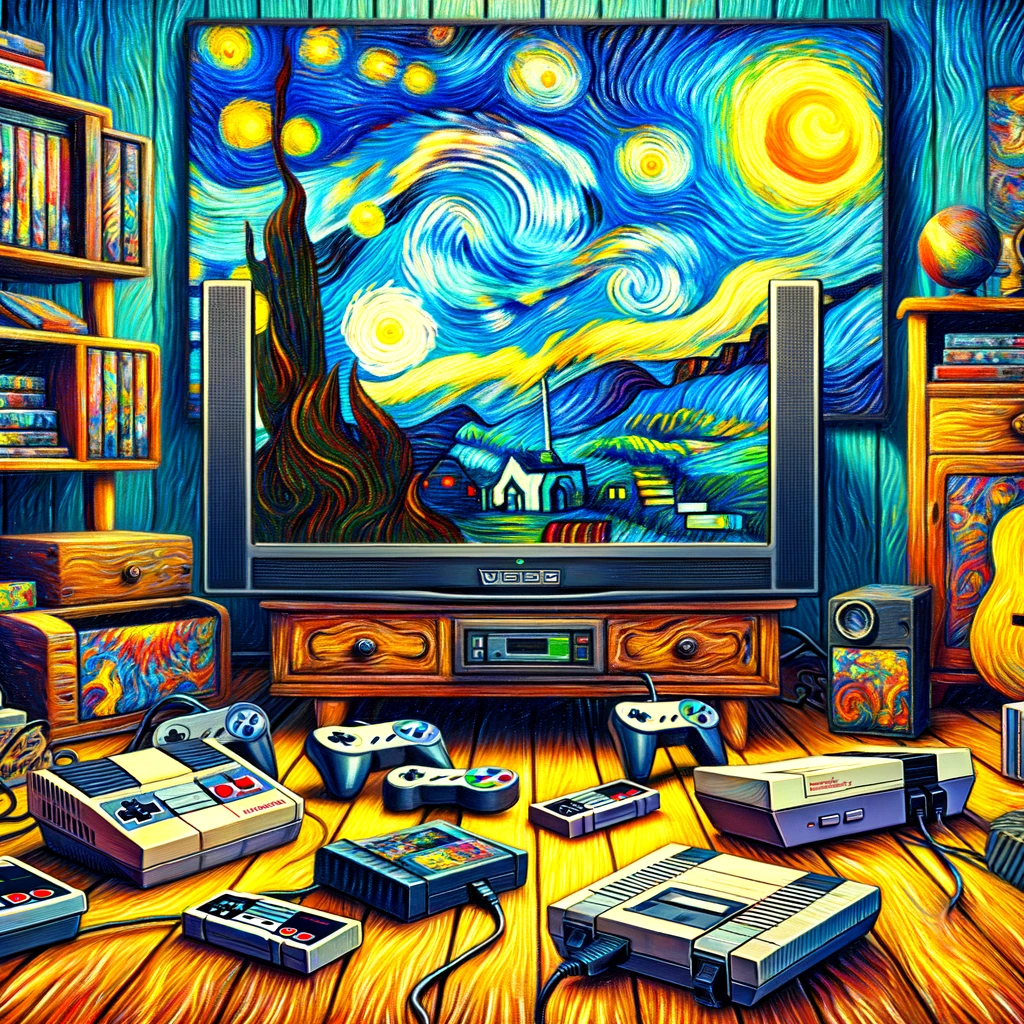
Lastly, video gaming has not been sidelined. Many seniors are diving into platforms like Nintendo Switch, where titles like *Animal Crossing* provide a stress-free environment for relaxation and creativity. The gentle graphics and low-pressure gameplay are refreshing, proving that gaming isn’t solely for the young.
As we navigate this exciting terrain, one thing’s clear: gaming for seniors isn’t about escaping reality; it’s about enhancing it, forging connections, and keeping the mind alive in ways that are as fulfilling as they are fun.

What Types Of Games Are Most Popular Among Seniors Today?
What Types Of Games Are Most Popular Among Seniors Today?
- Seniors are redefining gaming, moving beyond traditional competitive gaming to include engaging and nostalgic options.
- Traditional board games like Scrabble, Chess, and Bridge are making a comeback, encouraging social interaction and mental engagement.
- Digital versions of board games help address mobility challenges for seniors.
- Gamification incorporates game-like elements into everyday activities, making tasks like exercise more engaging.
- Trivia games, such as themed digital Bingo, are popular among seniors and offer a fun way to stay mentally active.
- Video gaming is also embraced, with platforms like Nintendo Switch providing relaxing and creative experiences through titles like *Animal Crossing*.
- The focus of gaming for seniors is on enhancing reality, fostering connections, and promoting mental vitality.

What Types Of Games Are Most Popular Among Seniors Today?
Are Collaborative Games A Better Alternative For Seniors?
In today’s fast-paced world, where every click and swipe is motivated by instant gratification, there’s an interesting question on the table: Are collaborative games a better alternative for seniors? It’s a rather complicated inquiry, but one that calls for a dose of practicality mixed with a hearty helping of heart.
First, let’s face it—senior citizens have a wealth of experience. They’ve lived through quite a bit, and their wisdom is often overshadowed by stereotypes that paint them as out-of-touch or incapable of grasping modern technology. But here’s the kicker: when you integrate gamification into their routines, it opens a Pandora’s box of possibilities that could keep their minds sharp, their spirits high, and their hearts engaged.
Collaborative games, in particular, offer a unique entry point. Unlike the dog-eat-dog, cut-throat competitions that can leave participants feeling drained, these games prioritize teamwork. Seniors can lean on one another, share stories, and bounce ideas around like ping-pong balls at a county fair. This camaraderie not only sparks joy but also fuels their cognitive functions—working together activates various brain regions that decline with age.
Now, you might wonder how this connects with the world of gamification. The magic lies in the mechanics of play. By introducing elements like point scoring, achievements, and feedback—hallmarks of gamification—we can turn mundane activities into engaging challenges that make learning and socializing delightful. When seniors participate in activities that incorporate these elements, it fosters a sense of accomplishment, regardless of the outcome.
Moreover, collaborative games can combat feelings of isolation. Let’s be honest: many seniors often feel disconnected from society, especially after significant life changes or loss. A simple game can become a lifeline, pulling them into a vibrant community while staving off loneliness. Who knew that a few rounds of Scrabble or a cooperative puzzle could spark friendships and build social networks?
The blend of collaborative games and gamification isn’t merely a trend; it’s a potential lifeline for our senior population. It challenges the traditional narratives, encouraging engagement and connection. As we explore whether these games are indeed better alternatives for seniors, one thing is clear: they just might offer the keys to unlock a more enriching and engaged life—a simple answer to a profound question.

Are Collaborative Games A Better Alternative For Seniors?
Are Collaborative Games A Better Alternative For Seniors?
- Collaborative games may provide a better alternative for seniors in today’s fast-paced, instant gratification-focused world.
- Seniors possess valuable life experience and wisdom that is often underestimated due to stereotypes about their technological abilities.
- Gamification in daily routines can enhance cognitive sharpness, emotional well-being, and engagement for seniors.
- Collaborative games foster teamwork and camaraderie, promoting joy and cognitive function through social interaction.
- Incorporating gamification elements like point scoring and achievements turns mundane activities into engaging and rewarding challenges.
- These games can help alleviate feelings of isolation among seniors, creating opportunities for friendship and community involvement.
- The combination of collaborative games and gamification can lead to a more enriching life for seniors, challenging traditional narratives of aging.
Are Collaborative Games A Better Alternative For Seniors?
How Can Competition In Games Lead To Stress For Older Adults?
When you think about games, you might envision fun, relaxation, and perhaps a bit of friendly banter. But for many older adults, competitive gaming can morph into a source of stress, whispering away the joy and leaving behind a tangled mess of anxiety and pressure. Let’s unpack this perplexing phenomenon, particularly through the lens of gamification—the integration of game mechanics in non-game contexts.
The essence of gamification often involves engaging, goal-oriented tasks structured to motivate and reward participants. Sounds innocent enough, right? Yet, for older adults who have grown accustomed to a more leisurely pace of life, the sudden spike in competitive intensity can feel like an unwelcome shock to the system. In the process of trying to earn points, levels, or badges, they might experience a slew of emotions ranging from frustration to despair. The once leisurely evening spent playing cards or checkers with friends can turn into a high-stakes showdown, triggering stress hormones instead of laughter.
Imagine a typical game night: the laughter, the camaraderie, and the friendly rivalries all hold charm. But when you introduce a leaderboard or time restrictions to “level up,” the atmosphere shifts dramatically. Instead of encouraging social interaction, the competition becomes a stark reminder of age-related cognitive changes. Juggling strategy and quick decision-making may not come as easily as it once did. Those daily annoyances of memory slips or slower reflexes can transform a fun challenge into a sense of inferiority, which can be deeply disheartening.
Moreover, many older adults may feel societal pressure to keep pace with younger counterparts—whether it’s family members or broader gaming communities. The stakes, albeit self-imposed, become monumentally higher, leading to an emotional avalanche. Battles over pride can overshadow the joy of gaming itself, fostering isolation rather than connection. This is not to mention how timing, performance, and even tech-savvy skills weigh on their minds.
In a nutshell, while competition can be the spice of life for some, for older adults, it may just be the recipe for stress. It’s crucial to find that delicate balance—embracing the fun and enjoyment of games, but leaving behind the harsh realities of competition. After all, gaming should be about enjoyment, not a stark reminder of our limitations. The joy of the game should reign supreme, transforming potential stressors into delightful experiences rather than burdens.

How Can Competition In Games Lead To Stress For Older Adults?
How Can Competition In Games Lead To Stress For Older Adults?
- Competitive gaming can become a source of stress for older adults, overshadowing enjoyment.
- Gamification involves engaging, goal-oriented tasks that can create pressure to perform.
- Older adults may find competitive intensity jarring, leading to frustration instead of fun.
- Adding leaderboards and time restrictions alters the social dynamics of game nights.
- Age-related cognitive changes can make competition feel discouraging and inferior.
- Societal pressure to compete with younger players enhances feelings of inadequacy.
- The focus should be on enjoyment and connection rather than on competition and stress.

How Can Competition In Games Lead To Stress For Older Adults?
What Role Do Cognitive Benefits Play In Gaming For Seniors?
When we think about gaming, it often conjures images of teenagers glued to their screens, fingers flying over controllers, immersed in fantastical worlds. But there’s a different demographic that’s tapping into this technology with surprising gusto—seniors. As it turns out, gaming isn’t just a pastime reserved for the young. It has a compelling role in enhancing cognitive skills for older adults, and the benefits are as diverse as the games themselves.
First and foremost, let’s talk about the concept of gamification. This isn’t just a buzzword thrown around in tech circles; it captures the essence of making activities more engaging through game-like elements. For seniors, integrating gamification into everyday tasks can be a game changer—pun intended. By turning mundane activities into challenges, seniors can experience a boost in motivation and enthusiasm. Whether it’s a crossword puzzle or a brain teaser app on a tablet, the act of “playing” sparks curiosity and keeps the mind sharp.
Now, let’s get into the nitty-gritty of cognitive benefits. The brain is like a muscle—the more you use it, the stronger it gets. For many seniors, memory retention, reaction time, and problem-solving can often feel like a foggy day. This is where gaming swoops in like a superhero, offering a fun way to tackle those challenges head-on. Strategy games, logic puzzles, and even role-playing adventures require players to think critically, adapt quickly, and draw upon past experiences. These tasks can translate into real-world benefits, improving cognitive function and enhancing daily decision-making skills.
Additionally, the social aspect of gaming shouldn’t be overlooked. Many seniors are finding camaraderie in online platforms, where they can engage with others in friendly competition or collaboration. This social interaction is vital, as it helps combat feelings of isolation and loneliness that are unfortunately prevalent in this demographic. It’s not just about keeping the brain active; it’s about nurturing a sense of community and belonging through shared experiences.
Finally, let’s not forget the sheer enjoyment factor. Gaming can be an avenue for humor, creativity, and adventure, all while promoting mental agility. So why should we dismiss it as child’s play? For seniors, gaming is far more than just a pastime—it’s a potent tool that combines fun with cognitive enhancement. Who would’ve thought that diving into a digital world could lead to a sharper mind and a fuller life? In the grand scheme of things, it just might be the keys to cognitive vitality buried within those virtual realms.

What Role Do Cognitive Benefits Play In Gaming For Seniors?
What Role Do Cognitive Benefits Play In Gaming For Seniors?
- Gaming is increasingly popular among seniors, offering cognitive benefits beyond mere entertainment.
- Gamification transforms mundane tasks into engaging challenges that enhance motivation for older adults.
- Engaging in games can improve cognitive functions such as memory retention, reaction time, and problem-solving skills.
- Strategy games and logic puzzles encourage critical thinking and adaptation, leading to real-world cognitive improvements.
- Seniors benefit from social interactions through gaming, helping to reduce feelings of isolation and loneliness.
- The enjoyment of gaming fosters creativity and humor while promoting mental agility for older adults.
- Gaming serves as a powerful tool for cognitive enhancement, proving to be more than just a pastime for seniors.

What Role Do Cognitive Benefits Play In Gaming For Seniors?
How Do Seniors Perceive Competition In Gaming Environments?
When it comes to the world of gaming, the perception of competition among seniors is a fascinating topic. You see, for many older adults, the term “gaming” doesn’t just conjure up images of high-speed chases and fantastical worlds—it signifies an opportunity for connection, engagement, and even a touch of nostalgia. So how do seniors perceive competition in these digital playgrounds? Let’s dig a little deeper.
At its core, competition in gaming environments can often be exhilarating. But, for some seniors, it can be daunting. They might approach the concept of competition with a healthy dose of skepticism. “Am I too old for this?” they might ask. This concern is valid, but it often overshadows a more profound truth: gamification—the integration of game design elements into non-game contexts—can transform these experiences from intimidating to inviting.
In many cases, seniors are looking for gameplay that encourages social interaction rather than fierce rivalry. Unlike younger gamers who might thrive on cutthroat competitiveness, older players often seek a sense of community. When the game emphasizes collective goals or cooperative challenges, it can create a more enjoyable and supportive environment. The senior demographic may find joy in casual contests, where the stakes are not about winning or losing but rather about bonding and sharing moments with friends and family.
For seniors, the benefits of participation often outweigh the pressures of competition. It’s not just about victory; it’s about the journey. The process of problem-solving, the joy of learning new skills, and the thrill of a shared experience can be far more impactful than any leaderboards or trophies. With the right gamification strategies, developers can create settings that foster inclusivity, encouraging older adults to join in and engage without the fear of being squashed by some young whippersnapper.
Additionally, many seniors have rich life experiences that give them unique perspectives on competition. They’ve weathered various storms—career challenges, family dynamics, and even health issues—so when they dive into a game, it’s not just about beating the odds; it’s about enjoying the ride and finding laughter in the small victories.
In sum, competition among seniors in gaming is less about the scoreboard and more about the connections forged along the way. As they embrace gamification, they find a pathway to engage their minds, socialize, and yes, even compete—not just against rivals, but together with friends in a shared adventure. That’s where the real magic happens.

How Do Seniors Perceive Competition In Gaming Environments?
How Do Seniors Perceive Competition In Gaming Environments?
- For many seniors, gaming represents connection, engagement, and nostalgia rather than just competition.
- Competition in gaming can be exhilarating yet daunting for older adults, often leading to self-doubt about their suitability for gaming.
- Gamification can make gaming experiences more inviting for seniors, easing competitive fears.
- Seniors typically prefer gameplay that fosters social interaction and a sense of community over cutthroat rivalry.
- Casual contests among seniors emphasize enjoyment and bonding rather than winning or losing.
- The focus for seniors is often on the journey of learning and sharing experiences rather than achieving high scores.
- Seniors bring rich life experiences to gaming, which enhances their enjoyment of competition through laughter and shared victories.
How Do Seniors Perceive Competition In Gaming Environments?
Are There Specific Age-Related Challenges In Competitive Gaming?
Competitive gaming, often thought of as a young person’s domain, actually carries its own set of unique challenges as players age. Sure, the fast-paced world of esports might seem like an eternal playground for the young and spry, but as players grow older, they often encounter hurdles that can make the gamer’s path a bit rockier.
First off, let’s talk about reaction times. It’s a well-established fact that as we age, our reaction times tend to slow down. While a twenty-something might effortlessly dodge a virtual grenade, a seasoned player in their thirties might need to rely a bit more on strategy than reflexes. It’s akin to trading in an all-wheel-drive sports car for a reliable, yet slower, old reliable sedan. The key is to adapt; players often shift their gaming style and dot their tactics with thoughtful decisions and experience. In this case, their years on the digital battlefield can serve as a form of gamification—using the very essence of games to keep themselves engaged and competitive despite physical limitations.
Then there’s the issue of endurance. Competitive gaming isn’t just about quick reflexes and sharp thinking; it’s also a test of mental stamina. Longer tournaments demand that players maintain not only peak performance but a level-headed focus that can be hard to come by after a long day or week. Fatigue can creep into the picture, clouding judgment and hampering performance. While younger players often bounce back quickly from late-night grind sessions, older gamers might find such marathon gaming sessions take a toll.
Social dynamics also shift with age. Younger players may bond over shared memes and viral moments, while older players might find common ground in nostalgic references to games that defined their early years. However, this generational gap can sometimes lead to feelings of exclusion or misunderstanding, particularly in team settings.
Ultimately, while age brings its set of challenges in competitive gaming, it also imparts invaluable experience. Older gamers learn to leverage their knowledge and hone their skills, proving that, with the right mindset, age is just a number in an ever-evolving digital arena. They adapt, they evolve, and they continue to compete, reminding everyone that passion, strategy, and camaraderie can transcend age.

Are There Specific Age-Related Challenges In Competitive Gaming?
Are There Specific Age-Related Challenges In Competitive Gaming?
- Competitive gaming faces unique challenges as players age, despite perceptions of it being for the young.
- Reaction times generally slow with age, leading older players to rely more on strategy than on reflexes.
- Older gamers adapt their styles by incorporating thoughtful tactics and experience into their gameplay.
- Mental stamina is crucial, as longer tournaments can exacerbate fatigue and impact performance.
- Social dynamics evolve, with younger players bonding over modern memes and older players sharing nostalgic gaming references.
- This generational gap can create feelings of exclusion in team settings.
- Experience allows older gamers to adapt and compete, showing that passion and strategy can overcome age-related challenges.

Are There Specific Age-Related Challenges In Competitive Gaming?
Conclusion
Alright folks, let’s wrap this up with a little perspective on the tug-of-war between competition and camaraderie in the gaming world for seniors. Now, I get it—when you think about gaming, images of neon lights, rapid clickety-clicks, and leaderboard drama might come to mind. But here’s where the narrative takes a twist: it’s not just about competing; it’s about connecting.
As we’ve journeyed through the gaming landscape, particularly for our seniors, we’ve uncovered something vital. Sure, a bit of friendly competition can juice up interactions and keep folks engaged. It lightens the mood and gets the wheels turning—perfect for fending off those pesky feelings of isolation. Think about your favorite game night: laughter, strategy, memories—these are the things that matter.
However, let’s not lose sight of the other side of the coin, where the competitive edge can put pressure on our older players. When gaming morphs from fun to cutthroat, we’re risking something far too precious for our seniors—their mental well-being. The stakes should not overshadow the social links we forge through play. Forget the scoreboard; the joy of coming together is the real win here!
Oh, and let’s talk about those old-school classics getting a techy makeover through gamification; that’s a key player in this game. Whether it’s classic board games or modern apps that reward you for daily walks, the idea is to make engagement feel less like a chore and more like play. For seniors, this kind of mental stimulation can keep their cognitive skills sharp and lives enriched.
So, how do we strike that delicate balance? Well, collaborative games might hold the golden ticket. They cultivate teamwork over rivalry and encourage shared victories. It’s a chance for seniors to shine together, support one another, and create those all-important connections.
In the end, gaming for our seniors should encapsulate the essence of play—an arena where age doesn’t define ability. It’s about the stories shared, the laughter echoing around the room, and the connections made along the way. Life, after all, is about the journey, not just the destination. So let’s keep gaming fun, enriching, and above all, a source of joy for our senior community. After all, we all deserve a little fun, no matter our age.

Conclusion
Conclusion:
- The gaming landscape for seniors emphasizes connection over competition.
- Friendly competition enhances interactions and alleviates feelings of isolation.
- Competitive gaming can jeopardize the mental well-being of older players.
- Winning should not overshadow the social connections formed through gaming.
- Gamification of old-school games makes engagement enjoyable and beneficial.
- Collaborative games promote teamwork and shared victories among seniors.
- Gaming for seniors should focus on creating joy and meaningful connections.

Conclusion
Other Resources

Other Resources
Here is a list of other resources you can review online to learn more:
- Dominion: Seaside (Second Edition)
- YouTube
- Wingspan
- Thunderworks Games
- A Feast for Odin
- Arkham Horror (Third Edition)
- Mage Wars Arena
- Odnoklassniki
- Google My Business
- The Gallerist
Use This Prompt To Get More Resources With Your Favorite Online AI Tool: Please provide me with a list of online articles with their URLs in a bulleted list that I can read regarding Is Competition In Games Undermining Mental Well-Being for Seniors?

Other Resources
Glossary Terms
Is Competition In Games Undermining Mental Well-Being for Seniors? – Glossary Of Terms
1. Competition: The act of competing against others, which can stimulate engagement but may also lead to stress.
2. Mental Well-Being: A state of emotional health where individuals feel positive and fulfilled, encompassing happiness, life satisfaction, and effective coping.
3. Cognitive Functioning: The mental processes involved in gaining knowledge and comprehension, including thinking, reasoning, and memory.
4. Social Interaction: The process of engaging with others, which can enhance social support and mitigate feelings of loneliness among seniors.
5. Stress: A state of mental or emotional strain resulting from challenging or adverse circumstances, which can be exacerbated in competitive situations.
6. Anxiety: A feeling of worry or nervousness, often heightened in competitive environments, which can impact overall mental health.
7. Games: Structured forms of play or competitive activities designed to entertain or challenge players, often with specific rules and objectives.
8. Cooperative Gameplay: A gaming format where players work together towards a common goal, potentially fostering better mental well-being among seniors.
9. Isolation: A state of being separated from others, which can be detrimental to mental health, particularly for seniors who may already feel lonely.
10. Resilience: The ability to recover from difficulties, which can be influenced by how competition is perceived and experienced by individuals.
11. Engagement: The level of participation and involvement in activities, which can be beneficial for seniors when balanced with their abilities and preferences.
12. Intrinsic Motivation: The drive to engage in activities for their own sake, which can lead to positive experiences and well-being.
13. Extrinsic Motivation: Performing an activity to earn rewards or avoid negative outcomes, which can lead to pressure and anxiety in competitive settings.
14. Game Design: The creative process of developing the rules, structure, and mechanics of a game that can influence player experiences.
15. Mental Health: A state of well-being where individuals can manage stress, relate to others, and make decisions, often challenged by competitive pressures.
16. Group Dynamics: The behavioral and psychological processes that occur within social groups, impacting seniors’ experiences in competition.
17. Emotional Regulation: The ability to manage and respond to emotional experiences, which can be crucial in competitive gaming contexts.
18. Player Types: Different categories of gamers based on their motivations and preferred styles, which can affect their experience of competition.
19. Peer Support: Emotional and social assistance from others in similar age groups, which can help counteract negative effects of competition.
20. Social Comparison: The process of evaluating oneself against others, often resulting in feelings of inadequacy or superiority in competitive scenarios.
21. Mental Fatigue: A state of tiredness that results from prolonged cognitive activity, potentially exacerbated by competitive pressures.
22. Adaptive Strategies: Techniques or approaches that help individuals effectively cope with competitive situations and maintain mental well-being.
23. Wellness Programs: Organized activities aimed at improving mental and physical health, often incorporating games and social engagement.
24. Positive Reinforcement: Providing rewards or praise to encourage desired behaviors, which can enhance enjoyment in gaming rather than exacerbate stress.
25. Empathy: The ability to understand and share the feelings of others, which can play a role in collaborative versus competitive gaming dynamics.
26. Playfulness: An attitude of lightheartedness and fun that can enhance the enjoyment of games and reduce stress associated with competition.
27. Burnout: A state of physical and emotional exhaustion, which can occur in seniors who engage in overly competitive gaming environments.
28. Self-Esteem: One’s sense of self-worth, which can be influenced by competitive outcomes and social comparisons in games.
29. Chronic Illness: Long-term health conditions that may affect cognitive and emotional capacity, influencing how seniors engage with competition in games.
30. Outcome Expectancy: The belief about the likelihood of success in competition, which can impact motivation and emotional well-being in seniors.

Glossary Of Terms
Other Questions
Is Competition In Games Undermining Mental Well-Being for Seniors? – Other Questions
If you wish to explore and discover more, consider looking for answers to these questions:
- What are the psychological effects of competitive gaming on seniors?
- How can seniors find a balance between competitiveness and enjoyment in gaming?
- What are the long-term impacts of competitive gaming on seniors’ mental health?
- Are there specific types of competitive games that are more suitable for seniors?
- How can caregivers support seniors who struggle with competitive gaming?
- What precautions can seniors take to avoid stress while gaming competitively?
- How do different gaming platforms affect senior gamers’ experiences?
- What role does technology play in enhancing the gaming experience for seniors?
- Are there community resources available for seniors interested in gaming?
- What are the best practices for creating a friendly gaming environment for seniors?

Other Questions
Haiku
Is Competition In Games Undermining Mental Well-Being for Seniors? – A Haiku
Gaming’s joy unfolds,
Moments shared, stress controlled—
Age thrives through the play.

Haiku
Poem
Is Competition In Games Undermining Mental Well-Being for Seniors? – A Poem
In the realm where pixels dance and leaders rise,
A question blooms beneath the azure skies:
Is competition, fierce and bright,
A muse for joy, or a thief of light?
For seniors, gaming holds a vibrant sway,
A blend of past delights in modern play.
From Scrabble boards to digital quests,
In laughter and connection, their spirit rests.
Yet, as the stakes begin to soar so high,
The urge to win can pierce the playful sky.
What was once a jovial card’s embrace
Might morph into a frantic race.
The joy of gaming dims in heated strife,
As pressure shadows the essence of life.
Camaraderie strained by rankings and score,
Turns joy-filled gatherings to silent chore.
But here blooms gamification’s flower,
Turning tasks mundane into moments of power.
Cooperative souls, together they’ll thrive,
Finding strength in each other, keeping minds alive.
Though the pace may wither, reactions slow,
With wisdom and strategy, their spirits grow.
The laughter that binds, the stories they share,
Transcend every challenge, lightening despair.
So let’s reflect on a balance so fine,
Where competition exists but doesn’t confine.
In the game of life, let the heart take the lead,
For joy and connection are all that we need.
As seniors engage, let them find delight,
In the dance of the game, in day turning night.
For it’s not just the win, but together we play,
In this vibrant tapestry, we find our way.

Poem
Checklist
Is Competition In Games Undermining Mental Well-Being for Seniors? – A Checklist
Understanding Competition in Gaming
1. Assess Personal Motivations
_____ Reflect on why you play games. Is it for fun, socialization, or competition?
2. Recognize Competitive Stress
_____ Acknowledge feelings of anxiety or pressure while playing competitive games.
3. Find Balance
_____ Strive for a healthy balance between competitive and non-competitive games.
Game Selection Criteria
4. Choose Enjoyable Games
_____ Opt for games that you find enjoyable and engaging rather than solely competitive.
5. Prioritize Social Interaction
_____ Select games that encourage group play and social interaction.
6. Explore Collaborative Games
_____ Consider playing games that focus on teamwork rather than competition.
Gamification and Engagement
7. Integrate Gamification
_____ Incorporate game-like elements into daily routines to make them more engaging (e. g. , using apps with rewards for completing tasks).
8. Set Personal Goals
_____ Create specific goals for gameplay that focus on personal achievements rather than competition with others.
Foster Community Connections
9. Engage with Others
_____ Invite friends or family to join in gaming sessions to enhance social bonds.
10. Participate in Local Gaming Communities
_____ Join local clubs or groups that focus on cooperative gaming experiences.
Reflection and Growth
11. Self-Reflect After Gameplay
_____ Take time to reflect on your gaming experience and its impact on your mood and mental well-being.
12. Adjust Based on Feedback
_____ Be open to changing your gaming habits based on how you feel after playing.
Mental Health Awareness
13. Recognize Signs of Distress
_____ Be mindful of signs of stress or isolation. Consider speaking to a professional if gaming leads to negative emotions.
14. Seek Support Networks
_____ Join support groups focused on mental well-being and gaming among seniors.
Fun and Enjoyment
15. Prioritize Fun Over Winning
_____ Remember that the ultimate goal of gaming is enjoyment and connection, not victory.
16. Celebrate Small Achievements
_____ Take time to celebrate your improvements and small achievements in games, regardless of competition outcomes.
Health Considerations
17. Stay Physically Active
_____ Balance gaming with regular physical activity to support overall mental and physical health.
18. Monitor Screen Time
_____ Keep track of your time spent gaming to ensure it remains a joyful part of your routine, not a source of stress.
Feel free to print this checklist to accompany your article and help seniors navigate their gaming experiences positively!

Checklist
At HowDoYouGame, we help people who love board games by collating information and news about games.
Be sure to read our other related stories at HowDoYouGame to learn more about games.