Motivating Seniors: Fun Daily Goals & Rewards
By Tom Seest
At HowDoYouGame, we help people who love board games by collating information and news about games.
Be sure to read our other related stories at HowDoYouGame to learn more about games.
How Can You Create Daily Goals with Fun Rewards for Seniors?
Creating daily goals for seniors doesn’t have to be a solemn affair; in fact, it can be a downright enjoyable experience. How? By embracing the concept of gamification. You see, gamification isn’t just a buzzword thrown around in the tech world; it’s a proven method to make everyday tasks more engaging. When you add an element of play, suddenly, chores transformed into challenges and achievements come with their own set of rewards.
Let’s start by establishing what goals are worth pursuing. For seniors, goals can range from physical activities, like taking a walk or stretching, to more cognitive pursuits, such as finishing a puzzle or reading a book. The key is to tailor these goals to individual interests and abilities, keeping them both challenging and achievable. It’s all about striking that fine balance—like walking on a tightrope—between pushing oneself and staying within a comfortable zone.
Once you have a list of daily objectives, it’s time to spice things up with some fun rewards. Rewards don’t have to be extravagant; they can be small yet meaningful. Perhaps treat yourself to a favorite snack after completing a task or indulge in an episode of a beloved TV show. The point is to create incentives that resonate personally, so that every completed goal feels like a victory.
Now here’s where gamification really shines. Turn these daily goals into a game by creating a simple scorecard. For instance, assign points for each task completed during the day. Not only does this encourage seniors to stay motivated, but it also fosters a sense of accomplishment. At the end of the week, tally up those points and celebrate! Maybe score enough to earn a small treat or a planned outing. The excitement of point accumulation can elevate mundane tasks into thrilling competitions—against oneself, that is.
It can also be helpful to involve family and friends. Consider creating a communal goal where everyone collectively works towards a shared challenge. For example, How about aiming for a certain number of steps per week as a group? Add a little friendly competition, and watch the motivation soar.
It’s all about fostering a sense of purpose and enjoyment in daily routines. With some creativity and a sprinkle of gamification, seniors can create daily goals that not only keep them active and engaged but also make the journey downright fun!

How Can You Create Daily Goals with Fun Rewards for Seniors?
How Can You Create Daily Goals with Fun Rewards for Seniors?
- Creating daily goals for seniors can be enjoyable by using gamification.
- Gamification makes everyday tasks more engaging by adding elements of play.
- Goals for seniors can include physical activities and cognitive pursuits, tailored to individual interests.
- It’s important to balance pushing oneself with staying within a comfortable zone.
- Introduce fun rewards for completing tasks, such as snacks or TV episodes, to create personal incentives.
- Use a scorecard system to assign points for completed tasks, fostering motivation and a sense of accomplishment.
- Involve family and friends in communal goals to increase motivation and enjoyment in daily routines.

How Can You Create Daily Goals with Fun Rewards for Seniors?
Table Of Contents
- How Can You Create Daily Goals with Fun Rewards for Seniors?
- How Can Seniors Set Realistic Daily Goals?
- What Types Of Rewards Are Effective?
- How Can Fun Rewards Motivate Seniors?
- What Daily Activities Are Suitable For Seniors?
- How Can Social Interaction Enhance Goal Setting?
- How To Track Daily Goal Completion For Seniors?
- What Role Does Consistency Play In Daily Goals?
- Conclusion
- Other Resources
- Glossary Of Terms
- Other Questions
- Haiku
- Poem
- Checklist
How Can Seniors Set Realistic Daily Goals?
Setting realistic daily goals can feel daunting, especially for seniors. But with the right mindset and a sprinkle of creativity, making those goals both achievable and enjoyable is well within reach. It’s about redefining what a “goal” means to you and shoring it up with some practical steps that can actually put a pep in your step. So, let’s dive into how we can make this journey not just manageable, but even a bit fun.
First off, let’s acknowledge that not every goal has to be monumental. Instead of aiming to run a marathon, perhaps your goal could be a brisk walk around the neighborhood. Focus on the small wins rather than the endgame. Set yourself a daily target of 10-15 minutes of brisk walking, and when you hit that mark, celebrate it! There’s something incredibly rewarding about checking a box, and acknowledging those victories can become the fuel that drives you forward.
Now, here’s where we can spice things up a bit: Gamification. Take that simple daily walk and turn it into a game. How about setting a challenge for yourself to explore new routes each week? You could keep track of your progress, noting how many steps you take or how many new paths you explore. Maybe even reward yourself with something small—a treat—when you hit certain milestones. By transforming mundane tasks into games, you rejuvenate a sense of purpose while also making them more enjoyable.
Another effective strategy is to incorporate social interaction into your goals. A walking buddy can add motivation and keep you accountable. Plus, socializing itself is a goal worth pursuing! Consider joining a local fitness group or class tailored for seniors. Not only will you be working towards your physical health, but you’ll also be building relationships and memories along the way.
Break your goals down into bite-sized pieces. Instead of saying, “I’ll exercise for an hour today,” reframe it as, “I’ll do 15 minutes of stretching followed by a 20-minute walk.” This approach makes the whole endeavor feel much less overwhelming while still keeping you on track.
Lastly, be flexible and patient with yourself. Life happens, and some days you might not hit your targets. That doesn’t mean you’ve failed. Reflect, adjust, and keep going. Every small step counts, and sometimes, it’s those little victories that make all the difference. So, grab your walking shoes and get out there—let’s turn those realistic goals into a rewarding adventure!

How Can Seniors Set Realistic Daily Goals?
How Can Seniors Set Realistic Daily Goals?
- Setting realistic daily goals is important for seniors and can be achieved with a positive mindset and creativity.
- Not every goal needs to be monumental; focus on small, achievable wins, like a 10-15 minute brisk walk.
- Celebrate your accomplishments to boost motivation and recognize progress.
- Gamify your daily walks by setting challenges and tracking your progress, rewarding yourself when you reach milestones.
- Incorporate social interaction by finding a walking buddy or joining a seniors’ fitness group for added motivation and accountability.
- Break goals into smaller, manageable tasks to reduce overwhelm, such as combining stretching with walking.
- Be flexible and patient; adjust your goals when needed, and remember that every small step counts towards your overall journey.

How Can Seniors Set Realistic Daily Goals?
What Types Of Rewards Are Effective?
When we think about motivation, the age-old question looms large: what really drives people to act? Whether it’s in the workplace, the classroom, or even at home, the allure of rewards can be a powerful catalyst. But not all rewards are created equal. Understanding the various types of rewards and how they can be effectively used is key to unlocking potential and boosting engagement.
Let’s dive into this concept through the lens of gamification. Imagine transforming mundane tasks into enjoyable challenges, complete with points, badges, and leaderboards. That’s gamification in action. It’s about leveraging game-like elements in non-game settings, making the process of achieving goals both fun and rewarding. By incorporating elements of competition and achievement, organizations can spark interest and drive performance like never before.
First up, we have tangible rewards, those physical items that recognize effort and achievement. A gift card, a trophy, or even company swag can create a sense of accomplishment. When people can hold something in their hands that symbolizes their hard work, it creates a tangible connection to their efforts. However, tangible rewards come with their own set of challenges. They can sometimes foster a culture of competition that overshadows collaboration, leading to resentment rather than camaraderie.
Next, let’s talk about recognition—a reward that’s often overlooked but immensely powerful. A simple thank you or acknowledgment can go a long way. Recognizing someone’s effort publicly can boost morale and encourage further engagement. It fuels a sense of belonging and motivates others to strive for excellence. After all, who doesn’t like to be appreciated?
Then there are experiential rewards, which offer unique opportunities that money can’t buy. Think exclusive training, mentorship sessions, or even behind-the-scenes tours. These rewards tap into personal growth and learning, often resulting in a more meaningful impact than material items.
Finally, consider intrinsic rewards, those internal satisfactions that come from doing a job well. When individuals take pride in their work and experience a sense of purpose, they become more engaged and driven. Encouraging this mindset can be one of the most effective techniques for lasting motivation.
In a nutshell, the most effective rewards often combine elements of gamification, recognition, tangible rewards, experiential insights, and intrinsic satisfaction. By harmonizing these approaches, you can create a motivational ecosystem that fosters engagement and peaks performance. Now, that’s a winning formula!

What Types Of Rewards Are Effective?
What Types Of Rewards Are Effective?
- The age-old question of motivation revolves around what drives people to act in various settings, such as workplaces and classrooms.
- Rewards play a significant role in motivation; however, not all rewards are equal, and understanding their types is essential for boosting engagement.
- Gamification transforms mundane tasks into enjoyable challenges, incorporating elements like points, badges, and leaderboards to make achieving goals fun.
- Tangible rewards, such as gift cards and trophies, provide a sense of accomplishment but may foster competition over collaboration.
- Recognition is a powerful yet often overlooked reward; public acknowledgment can boost morale and encourage further engagement.
- Experiential rewards offer unique opportunities that promote personal growth and learning, often having a deeper impact than material rewards.
- Intrinsic rewards derive from internal satisfaction and pride in one’s work, leading to increased engagement and motivation; combining these various reward types creates an effective motivational ecosystem.

What Types Of Rewards Are Effective?
How Can Fun Rewards Motivate Seniors?
Let’s face it: life can sometimes feel like an uphill climb, even for the most spry of seniors. Between juggling doctor appointments, social activities, and perhaps a few grandkids to keep in line, it can be easy to feel a little unenthusiastic about engaging with new tasks or challenges. But what if we added a sprinkle of fun into the mix? Enter the concept of gamification—a fancy way to say, “let’s make things a bit more playful.”
Imagine, if you will, a scenario where daily activities become quests, complete with gold stars and maybe even some lighthearted competition. This isn’t just a wild idea; it’s a genuine approach to motivate seniors to tackle their day-to-day tasks. Think of the routine chores like taking medication, exercising, or even remembering to hydrate. Now, let’s elevate these mundane activities into a gaming framework where rewards await those who engage. It’s the perfect recipe for transformation.
When seniors take part in gamified activities, they don’t just check off boxes on a to-do list; they embark on a journey filled with incentives. Maybe they earn points for every workout completed, which can be redeemed for fun rewards like a favorite snack or an outing with friends. Or perhaps they unlock a “level up” for socializing, leading to tickets for a local show or a fancy dinner. The allure of rewards brings a new level of excitement to tasks that might otherwise feel dull or laborious.
Not only does this make everyday responsibilities more enticing, but it can also foster a sense of community. When seniors engage in gamified challenges together—competing for the top of the leaderboard or collaborating on a group project—they build lasting social connections. It’s these interactions that can enrich their lives and combat feelings of isolation.
Moreover, incorporating fun rewards taps into the fundamental human desire for achievement. Seniors, like all of us, thrive on recognition, and when they’re rewarded for their efforts—no matter how small—it boosts their morale and encourages them to keep going. They rediscover a sense of purpose, enthusiasm, and a reminder that life’s journey can be enjoyable at any age.
So, let’s embrace this adventurous spirit. By introducing gamification and fun rewards into the daily lives of seniors, we can give them not just motivation, but joy—a precious gift that never goes out of style.

How Can Fun Rewards Motivate Seniors?
How Can Fun Rewards Motivate Seniors?
- Life can feel challenging for seniors with numerous responsibilities, leading to a lack of enthusiasm.
- Gamification introduces a playful approach to everyday tasks, transforming them into engaging activities.
- Seniors can participate in gamified activities, earning rewards for completing tasks like exercising or taking medications.
- Rewards can include points redeemable for snacks, outings, or special events, adding excitement to daily routines.
- Participating in gamified challenges fosters community, promoting social connections and reducing feelings of isolation.
- The incorporation of rewards satisfies the human desire for achievement, boosting seniors’ morale and sense of purpose.
- Gamification not only motivates seniors but also brings joy, enhancing their overall quality of life.

How Can Fun Rewards Motivate Seniors?
What Daily Activities Are Suitable For Seniors?
When it comes to daily activities for seniors, the key is to strike that perfect balance between keeping the body moving and engaging the mind. A well-rounded approach isn’t just about staying active; it’s also about making those activities enjoyable and meaningful. Enter the world of gamification—a clever tool that transforms mundane tasks into appealing challenges.
First up, let’s talk about physical movement. Gentle exercises like walking, swimming, or yoga can do wonders for seniors. These activities promote flexibility, improve balance, and enhance overall well-being. To add a sprinkle of fun, consider incorporating a friendly competition aspect. Pairing up with a friend for daily walks and using fitness trackers to monitor steps can turn routine strolls into a mini Olympic event. Sure, they might not be sprinting down the track, but every step counts—and having someone to share that journey with makes it all the more enjoyable.
Now, what about mental stimulation? Puzzles, chess, and card games offer fantastic opportunities to keep the brain sharp. But why stop at simple games? Introduce a gamified twist! Set up a game night with family or friends and keep score. You can even create a fun leaderboard and celebrate small victories. Whether it’s finishing a challenging crossword or outsmarting an opponent in dominoes, those small wins help keep spirits high and the mind engaged.
Gardening is another splendid option. Beyond being therapeutic, it encourages seniors to get their hands dirty (literally). Gamify this activity by starting a friendly competition—the best vegetable grower on the block! With some friendly rivalry, seniors can engage their competitive spirit while nurturing lively plants. Plus, nothing beats the taste of fresh produce harvested from your own backyard.
Lastly, don’t overlook creative activities like painting, knitting, or writing. These endeavors are excellent for self-expression and cognitive stimulation. Take it a step further by organizing art contests or writing challenges. What starts as a simple pastime can turn into something much greater when there are prizes to win or community recognition at stake.
Daily activities for seniors should be both engaging and enriching. By incorporating elements of gamification, we can turn everyday tasks into rewarding experiences. So, whether it’s stepping out for a walk, diving into a puzzle, tending to a garden, or unleashing creativity, the focus should always be on enjoyment and connection. It’s never too late to embrace the spirit of play!

What Daily Activities Are Suitable For Seniors?
What Daily Activities Are Suitable For Seniors?
- Striking a balance between physical activity and mental engagement is essential for seniors.
- Gentle exercises like walking, swimming, or yoga promote flexibility and overall well-being.
- Incorporating friendly competition into activities, like walking with a friend, enhances enjoyment.
- Puzzles, chess, and card games are excellent for mental stimulation; adding gamified elements can increase engagement.
- Gardening offers therapeutic benefits and can be gamified through competitions like ‘best vegetable grower.’.
- Creative activities such as painting, knitting, and writing serve as outlets for self-expression and cognitive stimulation.
- Gamification transforms daily tasks into rewarding experiences, emphasizing enjoyment and connection.

What Daily Activities Are Suitable For Seniors?
How Can Social Interaction Enhance Goal Setting?
In the world of goal setting, there’s a secret ingredient that often gets overlooked, and that’s the power of social interaction. You could have a perfectly crafted set of personal objectives, but without the flavor of collaboration and camaraderie, you might find yourself feeling a little flat. Think of it like adding a splash of spice to a well-cooked meal—it takes things to a whole new level.
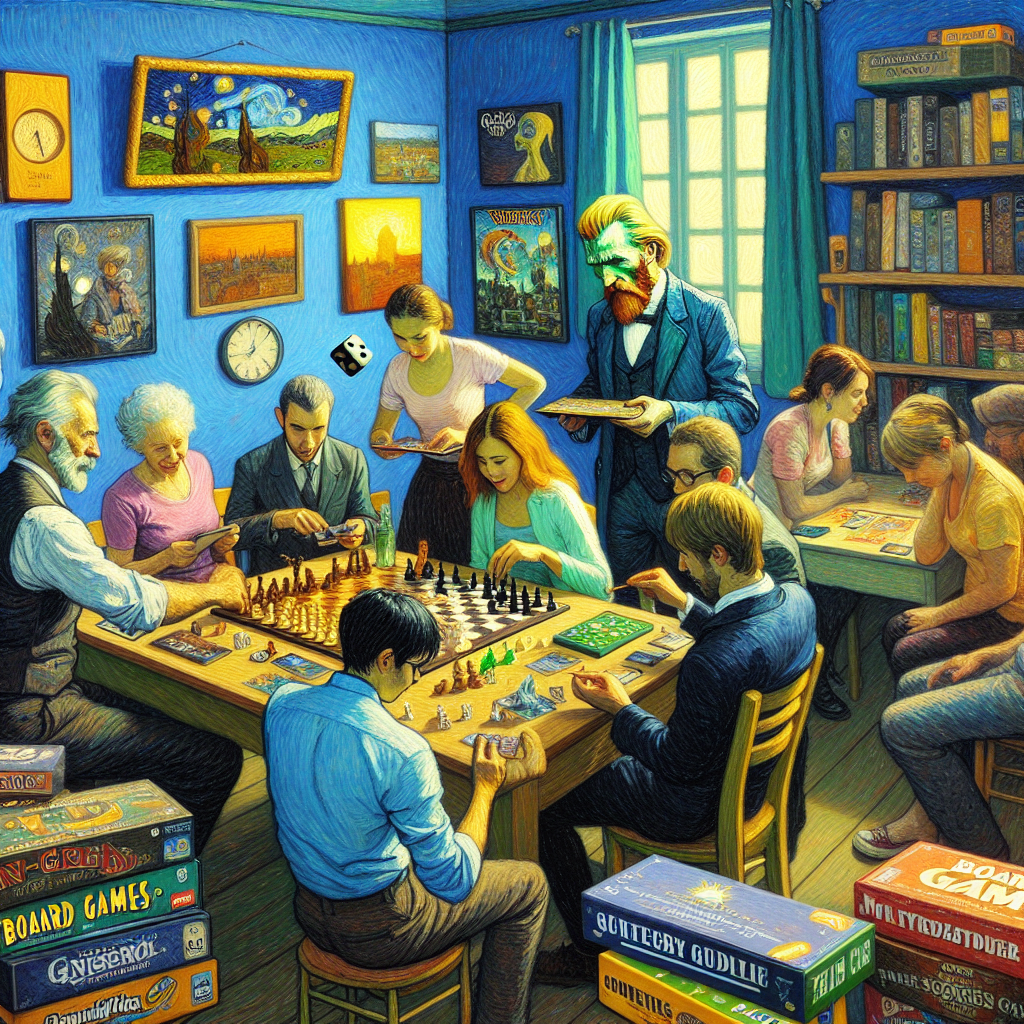
When we engage with others, we open up a treasure trove of motivation and support. Consider the concept of gamification. By introducing game-like elements into your goal-setting process, you can transform the mundane into something thrilling. Picture this: a group of friends gets together, each with their own set of challenges. They create a points system, award badges for milestones, and even challenge each other to reach higher. It turns the whole endeavor into a communal game where everyone thrives. This kind of friendly competition not only drives individuals to achieve more but also strengthens the bonds within the group.
But wait, it’s not just about competition. Social interaction fosters accountability. Telling someone your goals—that’s a commitment. It’s like signing a contract in front of an entire stadium. The stakes feel higher when you know your peers are invested in your progress. If you stumble, they’re right there, ready to offer encouragement or a shove in the right direction. This dynamic can be incredibly powerful, keeping you on track when your own motivation wanes. Each success is celebrated together, making every step forward feel like a victory for the entire team.
Moreover, collaboration opens doors to diverse perspectives. Listening to other people share their goals can spark inspiration. You might discover new strategies or resources you hadn’t even considered, enriching your own approach in ways you never thought possible. This exchange of ideas can lead to breakthroughs that would likely stay buried if you were going at it alone.
So, gather your friends, family, or coworkers and turn your goal-setting journey into a collective adventure. With social interaction as your foundation and a sprinkle of gamification on top, you can tackle your objectives in a way that’s not only more effective but also a whole lot more enjoyable. In teamwork, there’s power, and in that power, there’s success waiting just around the corner.

How Can Social Interaction Enhance Goal Setting?
How Can Social Interaction Enhance Goal Setting?
- Social interaction enhances goal setting, adding motivation and support to personal objectives.
- Gamification introduces game-like elements, making the goal-setting process engaging and fun.
- Friendly competition among peers drives individuals to achieve more and strengthens group bonds.
- Sharing goals fosters accountability, creating a commitment that encourages progress.
- Peer support helps maintain motivation and celebrates collective successes, making progress feel like a team effort.
- Collaboration provides diverse perspectives, sparking inspiration and uncovering new strategies.
- Transform goal-setting into a collective journey with friends, family, or coworkers for a more effective and enjoyable experience.
How Can Social Interaction Enhance Goal Setting?
How To Track Daily Goal Completion For Seniors?
Tracking daily goal completion for seniors can be a game-changer, transforming the mundane into the extraordinary. Now, I know what you might be thinking: “How does one track a daily goal and turn it into something engaging at the same time?” It’s a fair question, and the answer lies in a concept that’s all but taken the world by storm: gamification.
Let’s dive in and break this down. You see, gamification is not just for kids with smartphones or young adults glued to their screens—it’s a powerful tool for seniors too. The premise is straightforward: we can take everyday tasks and infuse them with a sense of challenge, achievement, and fun! By setting goals that are meaningful, manageable, and measurable, we tap into that familiar spirit of competition, even if it’s just with ourselves.
Imagine this: A senior decides they want to walk a mile every day. Instead of just noting it down in a planner, they create a simple chart colorful enough to catch the eye. Each completed mile earns a star, and after completing five miles, they reward themselves with a small treat. This tangible representation of progress not only keeps the motivation alive but allows them to enjoy the satisfaction of completion. This approach ties in beautifully with two key elements of gamification: achievement and reward.
Another idea is to form a goal-tracking group, perhaps with neighbors or friends. By sharing goals, everyone can offer support, join in the fun, and even make a little friendly competition. Whether it’s who can read more books in a month or cook the most new recipes, the camaraderie makes the journey enjoyable, and the shared progress adds a layer of accountability.
Digital tools can also be viable allies in this endeavor. From smartphone apps to websites designed for tracking progress, these platforms can provide gentle reminders, keep that competitive spirit alive, and even visualize achievements over time. It’s like having an entire cheering squad right in your pocket!
So, as we reflect on how to track daily goal completion for seniors, remember: it doesn’t have to be a chore. With a sprinkle of gamification, you can convert tasks into triumphs, making each day an opportunity for growth and joy. Let’s celebrate those victories, big and small, one step, one star, and one smile at a time!

How To Track Daily Goal Completion For Seniors?
How To Track Daily Goal Completion For Seniors?
- Tracking daily goal completion for seniors can transform mundane tasks into engaging activities.
- Gamification offers a way to make goal tracking enjoyable and motivating.
- Setting meaningful, manageable, and measurable goals taps into the spirit of competition.
- Visual progress tracking, like charts and rewards, enhances motivation and satisfaction.
- Goal-tracking groups can foster support, camaraderie, and friendly competition among peers.
- Digital tools, including apps and websites, can aid in tracking progress and keeping seniors motivated.
- Gamification allows for daily opportunities for growth and joy in goal completion.

How To Track Daily Goal Completion For Seniors?
What Role Does Consistency Play In Daily Goals?
When it comes to daily goals, consistency is the secret sauce that glues everything together. It’s not just about setting those ambitious targets; it’s about showing up day in and day out, rain or shine. You see, the thrill of achievement can be intoxicating, and many attempt to ride that high by gamifying their lives, layering on fun challenges and rewards to sweeten the deal. But here’s the kicker: without consistency, all that gamification is merely a facade, a fleeting joy that quickly dissipates.
Picture this: you’ve created a tracking app filled with engaging icons for each day you complete your tasks. It’s great, and you’re pumped up at first. But then life happens — we know it will! Maybe you overcommit or get derailed by unforeseen circumstances. Suddenly, that daily commitment feels a little heavier. The visual progress you were so excited about starts to falter, and you’re left staring at last week’s glory instead of pushing forward to tomorrow’s victory.
Consistency transcends the joy of gamified systems. It binds your daily goals to your larger vision, creating an ecosystem where every minute effort counts. It’s akin to chiseling away at a block of marble. Each hit of the chisel — each consistent action taken towards a goal — may seem small on its own, but over time, those seemingly insignificant efforts carve out a masterpiece. When you approach your daily goals with a mindset of steadfastness, you equip yourself to weather life’s storms. You build resilience. You develop a rhythm.
So, how do you cultivate consistency? Start small. Create daily rituals, ones that become ingrained in your routine. Maybe it’s spending ten minutes each morning sketching out your objectives or setting aside a chunk of time each evening to reflect on what you accomplished. The key is to establish a steadfast commitment — a promise to persevere through the mundane.
Gamification is a fun tool to spark interest and engagement, but it’s consistency that ultimately transforms those daily goals from mere aspirations into tangible realities. Embrace the grind, relish the daily commitment, and remember that the path to achievement isn’t about the flashy rewards; it’s about laying down brick after brick, one deliberate, consistent step at a time.

What Role Does Consistency Play In Daily Goals?
What Role Does Consistency Play In Daily Goals?
- Consistency is essential for achieving daily goals, binding them to a larger vision.
- Setting ambitious targets is important, but showing up consistently is crucial.
- Gamification can enhance motivation, but without consistency, it’s not sustainable.
- Life can derail efforts, making daily commitments feel heavy without a consistent approach.
- Consistent actions, no matter how small, gradually lead to significant achievements.
- Start small with daily rituals to cultivate consistency in your routine.
- True transformation of daily goals comes from perseverance, not from flashy rewards.

What Role Does Consistency Play In Daily Goals?
Conclusion
Alright, folks, let’s wrap this up with a bit of insight into how we can turn the daily grind into something a bit more delightful for our seniors. You see, creating daily goals doesn’t have to resemble a tedious tick-off-the-list exercise; it can be infused with fun, akin to a well-played game. That’s where our old buddy gamification comes in, and trust me, it’s not just for the kids—it’s a tool that can really spice things up for seniors too!
First off, let’s rethink what these goals should look like. Whether it’s taking a brisk walk, completing a crossword, or even planting a few flowers, the key is to make these objectives personalized and manageable. We’re not aiming for marathons; just a few brisk steps towards bettering our day. And when we hit those targets? Why not reward ourselves! A small treat, a favorite song, or a chat with a friend can do wonders for motivation.
Now, how do we keep that fire burning? Enter the world of points, badges, and maybe even a scoreboard! When seniors can see their progress visualized, it transforms the mundane into an exciting challenge. They’re not merely doing tasks—they’re embarking on quests! Maybe you’d even want to involve family and friends, creating group challenges that foster not just competitiveness but true connections. It’s not just about keeping busy; it’s about instilling a sense of purpose and belonging.
And let’s not overlook the importance of social interaction. When you gather a group of motivated friends or family, you open the door to shared experiences and mutual encouragement. It’s like being part of a sports team—cheering each other on, tackling challenges collectively, and celebrating those small victories together.
Lastly, consistency is the silent hero in this story. Establishing daily habits is key to moving from intention to achievement. Start small, build a routine, and celebrate each step as if it’s the championship game. Because, at the end of the day, it’s all about finding joy in the journey and unveiling the potential to make every day fulfilling.
So let’s lace up those shoes, grab those goal cards, and make the ordinary into the extraordinary. With a splash of creativity and a hearty dose of gamification, we can transform daily life into a prize-winning adventure! After all, life’s not just meant to be lived—it should be played!

Conclusion
Conclusion:
- Transform daily goals for seniors into enjoyable activities through gamification.
- Personalize manageable objectives like walking, puzzles, or gardening to make them engaging.
- Incentivize goal completion with small rewards such as treats, favorite songs, or social interactions.
- Utilize points, badges, and scoreboards to visualize progress and create a sense of challenge.
- Encourage family and friends to participate in group challenges to foster connection and motivation.
- Promote social interaction among seniors to share experiences and celebrate achievements.
- Emphasize the importance of consistency and routine for transforming intentions into achievements.

Conclusion
Other Resources

Other Resources
Here is a list of other resources you can review online to learn more:
- 7 Wonders Duel
- Root
- Memoir ’44: Pacific Theater
- Keyforge
- Polygon
- Cephalofair Games
- Gamewright
- Imperial Settlers
Use This Prompt To Get More Resources With Your Favorite Online AI Tool: Please provide me with a list of online articles with their URLs in a bulleted list that I can read regarding How Can You Create Daily Goals with Fun Rewards for Seniors?

Other Resources
Glossary Terms
How Can You Create Daily Goals with Fun Rewards for Seniors? – Glossary Of Terms
1. Goals: Specific, measurable objectives that individuals aim to achieve within a set period, often used for motivation and personal growth.
2. Daily Goals: Short-term objectives that can be accomplished within a day, helping to provide structure and purpose.
3. Fun Rewards: Enjoyable incentives given upon achieving goals, designed to enhance motivation and create positive experiences.
4. Motivation: The internal or external drive that encourages individuals to take action towards achieving their goals.
5. Accountability: A sense of responsibility to achieve one’s goals, often reinforced through sharing goals with friends or family.
6. Task Breakdown: The process of dividing larger goals into smaller, manageable tasks, making them easier to accomplish.
7. Activity Planner: A tool or system used to organize daily goals and associated activities, ensuring they are clear and attainable.
8. Progress Tracking: The method of monitoring advancement towards goals, helping to provide feedback and stay inspired.
9. Theme Days: Designated days focused on specific activities or goals (e. g. , “Movement Monday” for physical activities), adding variety and excitement.
10. Positive Reinforcement: The practice of rewarding positive behavior as a way to encourage its repetition and strengthen motivation.
11. Social Engagement: Activities that involve interacting with others, fostering community and connection, which can serve as a goal and reward.
12. Creative Hobbies: Activities that engage creativity, such as painting or crafting, offering a fulfilling way to relax and achieve personal goals.
13. Physical Activities: Exercises or movement-based tasks that promote health and mobility, often set as daily goals for seniors.
14. Cognitive Challenges: Mental activities or games designed to stimulate the mind, such as puzzles or trivia, often serving both as goals and rewards.
15. Mindfulness: The practice of being present in the moment, which can be incorporated into daily goals to enhance well-being and enjoyment.
16. Routine: A regular schedule or series of activities that structure one’s day, making it easier to incorporate goals.
17. Checklists: Tools for organizing tasks and goals that provide a visual representation of accomplishments and outstanding items.
18. Peer Support: The encouragement and assistance from friends or community members, playing a significant role in achieving goals.
19. Celebration: Acknowledging accomplishments through small parties, gatherings or recognition, reinforcing the joy of achieving goals.
20. Variety: The inclusion of diverse activities in daily goals to maintain interest and prevent monotony.
21. Gardening: A rewarding activity that can serve both as a daily goal and a source of enjoyment through nurturing plants.
22. Volunteering: Engaging in community service as a way to set goals while providing meaningful contributions and social interaction.
23. Learning New Skills: Setting a goal to acquire a new skill, whether through classes or self-study; can be a rewarding lifelong endeavor.
24. Self-Care: Activities focused on personal well-being, which can be incorporated as daily goals that promote health and happiness.
25. Digital Engagement: Utilizing technology (like apps or online classes) to set and track goals, offering avenues for learning and social interaction.
26. Mindset: The mental attitude influencing how individuals approach and achieve their goals, critical for maintaining positivity.
27. Gratitude Journaling: A practice of recording things one is thankful for, promoting a positive outlook and reinforcing goal achievement.
28. Goal Visualization: The technique of picturing the end result of reaching a goal, helping increase motivation and commitment.
29. Short-term Rewards: Immediate incentives that are given upon achieving smaller daily goals, sustaining motivation throughout the process.
30. Reflection: Taking time to assess achievements and experiences at the end of the day to reinforce learning and growth, enhancing future goal setting.

Glossary Of Terms
Other Questions
How Can You Create Daily Goals with Fun Rewards for Seniors? – Other Questions
If you wish to explore and discover more, consider looking for answers to these questions:
- What are some specific examples of daily goals seniors can set?
- How can family members support seniors in achieving their daily goals?
- What types of group activities can be used to gamify goal-setting for seniors?
- How can technology assist seniors in tracking their daily goals?
- What are the best methods for seniors to measure their progress towards goals?
- What challenges might seniors face when creating or achieving daily goals?
- How can rewards be tailored to different interests of seniors?
- What role do professional caregivers play in helping seniors set and achieve goals?
- How can creating a structured routine with goals benefit seniors’ mental health?
- Are there any specific resources or tools recommended for seniors to use for goal setting?

Other Questions
Haiku
How Can You Create Daily Goals with Fun Rewards for Seniors? – A Haiku
Daily goals for joy,
Fun rewards spark bright spirits,
Engage, achieve, thrive.

Haiku
Poem
How Can You Create Daily Goals with Fun Rewards for Seniors? – A Poem
In twilight years, where time flows slow,
New paths await, for hearts to grow.
Not just with tasks that draw a frown,
But goals that lift and never drown.
With each new dawn, the sun does rise,
Inviting dreams to touch the skies.
From gentle walks to puzzles’ tease,
Daily goals become a breeze.
Gamification, a whimsical dance,
Turns routine chores into a chance.
Points and stars for each small feat,
Rewards like snacks make life a treat.
Let’s walk with friends, share laughs and cheer,
In this vibrant journey, bring them near.
Together we’ll chase those golden dreams,
Through laughter, chatter, and joyful beams.
Recognition, oh, how it fuels the soul,
A simple “Well done!” makes spirits whole.
For every check, a shout of glee,
With shared successes, it’s victory.
From stretching limbs to crafts that inspire,
Finding joy in each task, our hearts catch fire.
A sprinkle of play in our daily grind,
With love and laughter, we redefine.
So grab your shoes, step outside the door,
The world awaits, with wonders in store.
With goals in sight and friends by your side,
Embrace this journey, let joy be your guide.

Poem
Checklist
How Can You Create Daily Goals with Fun Rewards for Seniors? – A Checklist
1. Identify Individual Interests
_____ List personal interests and hobbies.
_____ Discuss preferences with the senior to understand what activities excite them.
2. Set Realistic Daily Goals
_____ Choose achievable physical activities (e. g. , 10-15 minutes of walking, stretching).
_____ Include cognitive goals (e. g. , completing a puzzle, reading a chapter).
_____ Break larger goals into smaller, manageable tasks.
3. Incorporate Gamification
_____ Create a simple scorecard for tracking completed tasks.
_____ Assign points for each goal achieved throughout the week.
_____ Employ challenges with friends or family for added motivation.
4. Plan Fun Rewards
_____ Identify small, meaningful rewards (e. g. , favorite snacks, watching a show).
_____ Decide on group rewards for achieving collective goals (e. g. , outings, special treats).
5. Foster Social Interaction
_____ Involve family or friends in goal-setting sessions.
_____ Consider joining local fitness or activity groups for shared goals.
_____ Plan regular game nights or craft sessions to keep social engagement high.
6. Track Progress
_____ Use a visual chart or app to mark daily progress.
_____ Celebrate achievements with family or friends to foster accountability.
_____ Reflect weekly on progress and adjust goals as necessary.
7. Encourage Consistency
_____ Establish a daily routine or ritual around achieving goals.
_____ Be flexible and patient, allowing for changes without feeling discouraged.
_____ Remind seniors that small, consistent efforts lead to larger achievements over time.
8. Evaluate and Adapt
_____ Periodically review goals to ensure they remain relevant and engaging.
_____ Adjust rewards based on interest levels and changes in activity.
_____ Encourage seniors to share feedback on what’s working and what isn’t for continuous improvement.
9. Celebrate Seasons of Achievement
_____ Schedule time for weekly check-ins to celebrate accomplishments.
_____ Consider monthly outings or gatherings to recognize effort and maintain motivation.
10. Continue the Journey
_____ Encourage exploration of new activities or hobbies to keep things fresh.
_____ Remind them that the goal is to make daily routines enjoyable, not burdensome.
By following this checklist, seniors can engage in daily goal setting that is motivating, fun, and tailored to their unique needs and preferences.

Checklist
At HowDoYouGame, we help people who love board games by collating information and news about games.
Be sure to read our other related stories at HowDoYouGame to learn more about games.