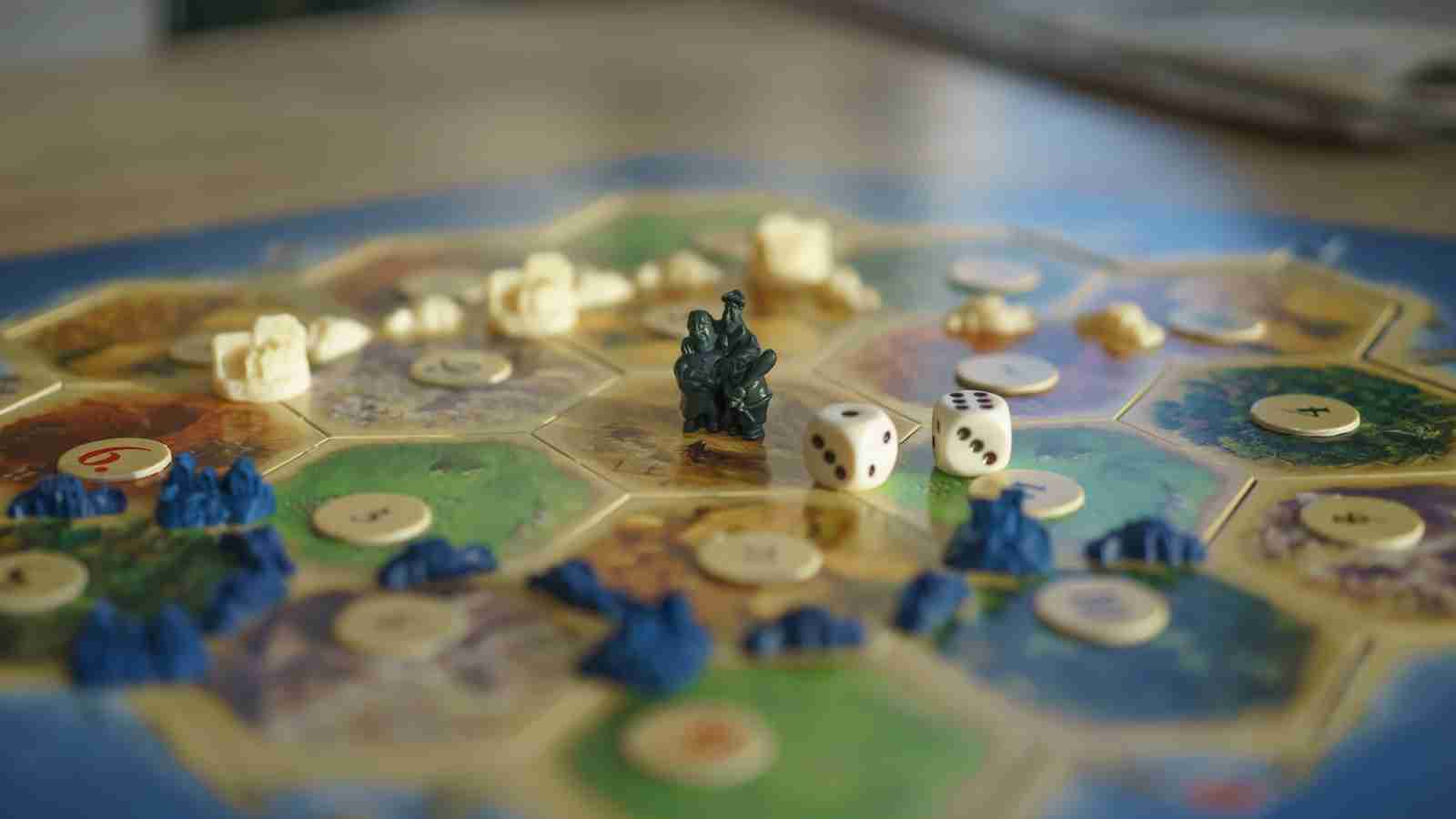

Promoting Healthy Aging Through Community Games
By Tom Seest
At HowDoYouGame, we help people who love board games by collating information and news about games.
Be sure to read our other related stories at HowDoYouGame to learn more about games.
How Can Community Games Support Active Aging for Seniors?
When you think of community games, the first image that might come to mind is a group of people—families, friends, and neighbors—gathering to share laughter over board games or team sports. But community games can be far more than just a way to pass the time. For seniors, they represent a golden opportunity to embrace active aging, and there’s a delightful twist to it—gamification!
Now, let’s not rush past that word. Gamification isn’t just a fancy term for adding points to your bingo card. It’s about bringing the fun, the competition, and the camaraderie that games naturally inspire into the very fabric of our lives. Imagine this: a local community center starts hosting weekly tournaments in everything from bocce ball to trivia nights, all infused with a sprinkle of gamification. Leaders are selected, teams are formed, and before you know it, seniors are engaging in friendly competition while fostering relationships. This isn’t merely play; it’s a social lifeline.
Why does this matter, particularly for seniors? Well, aging can sometimes bring isolation, but community games turn that notion on its head. When seniors participate in these activities, they not only stimulate their minds through strategic thinking and problem-solving but also get their bodies moving, whether it’s rolling a bowling ball or darting after a frisbee on a warm summer day. With gamification, there’s a built-in motivation. The thrill of trying to climb to the top of the leaderboard or earn accolades for team spirit keeps seniors returning week after week.
What’s more, these games can cater to varying levels of physical ability. The adaptability of community games means that everyone can find their niche, whether it’s a leisurely game of shuffleboard or an invigorating match of pickleball. No one gets left behind. There’s something beautifully democratic about gathering together for a common goal, where age is merely a number and where every laugh shared strengthens the community bond.
In a world increasingly focused on digital interactions, community games serve as an antidote. By engaging with their peers and enjoying gamified experiences, seniors nurture their mental health, enhance their social connections, and promote physical activity—all critical components of active aging. When you blend fun with friendship and throw in a little competition, you’re not just creating a game; you’re crafting a recipe for a vibrant, fulfilling life. So, roll the dice, gather the cards, and let’s play!

How Can Community Games Support Active Aging for Seniors?
How Can Community Games Support Active Aging for Seniors?
- Community games foster connection among families, friends, and neighbors.
- They offer seniors a chance to embrace active aging through gamification.
- Gamification brings fun, competition, and camaraderie into community life.
- Weekly tournaments in various games promote friendly competition and relationship-building.
- Community games help combat isolation by stimulating minds and promoting physical movement.
- These games are adaptable to various physical abilities, ensuring inclusivity for all seniors.
- Engaging in community games supports mental health, social connections, and physical activity for active aging.
How Can Community Games Support Active Aging for Seniors?
Table Of Contents
- How Can Community Games Support Active Aging for Seniors?
- How Can Community Games Enhance Social Engagement For Seniors?
- What Types Of Community Games Are Most Beneficial For Older Adults?
- How Do Community Games Promote Physical Activity Among Seniors?
- What Role Do Community Games Play In Mental Health For Older Adults?
- How Can Seniors Find Community Games In Their Area?
- What Are The Barriers To Senior Participation In Community Games?
- How Can Family Members Encourage Seniors To Join Community Games?
- Conclusion
- Other Resources
- Glossary Of Terms
- Other Questions
- Haiku
- Poem
- Checklist
How Can Community Games Enhance Social Engagement For Seniors?
When you think about community games, you might envision kids running around, playing tag or dodgeball, not the delightful scene of seniors bonding over a spirited round of bingo or a competitive game of shuffleboard. Yet, the benefits of these activities extend far beyond mere entertainment; they serve as a powerful tool for social engagement among seniors, fostering connections that can transform lives.
At the heart of this social renaissance sits gamification—a method that takes the elements of games, like points, challenges, and rewards, and applies them to everyday activities. This approach taps into the natural human desire for interaction and achievement, making even simple tasks feel like engaging challenges. For seniors, gamification in community games can manifest in myriad forms, from chair yoga competitions to trivia nights, all designed to encourage participation and interaction.
By integrating gamification principles, community games break down barriers of isolation that many seniors face. Picture this: a local center hosting a friendly competition where participants earn points for teamwork, sharing stories, or just showing up regularly. Suddenly, a routine activity transforms into a chance to compete and connect, giving seniors something to look forward to—a positive incentive that draws them out of their homes. It’s more than just competition; it’s a step towards companionship and camaraderie.
Moreover, community games create opportunities for seniors to not only engage with their peers but to forge relationships with younger generations. Imagine a group of children and older adults collaborating in a scavenger hunt or a community fair race. These interactions can foster understanding, respect, and even mentorship across ages, bridging the gap that time often creates.
The sense of accomplishment that arises from participating in these games should not be underestimated. Winning a game, achieving a personal best, or simply being part of a team can boost self-esteem and happiness, enhancing overall well-being. In a world increasingly defined by isolation, community games serve as a vibrant reminder of what it means to connect, compete, and collaborate.
In sum, through the lens of gamification, community games for seniors emerge as more than just an activity; they are a lifeline. They enhance social engagement, combat loneliness, and ignite a sense of purpose, proving that it’s never too late to come together. Whether it’s tossing beanbags at a cornhole game or strategizing on a bocce ball court, the magic of these games lies not just in the competition, but in the connections forged through shared experiences.

How Can Community Games Enhance Social Engagement For Seniors?
How Can Community Games Enhance Social Engagement For Seniors?
- Community games for seniors foster social engagement and meaningful connections.
- Gamification incorporates game elements like points and challenges into everyday activities.
- Activities such as chair yoga competitions and trivia nights encourage participation and interaction.
- Community games help break down isolation by providing opportunities for friendly competition and camaraderie.
- These games promote intergenerational relationships, allowing seniors and younger generations to collaborate.
- Participating in community games boosts self-esteem and overall well-being.
- Ultimately, community games serve as a lifeline for seniors, enhancing purpose and connection.

How Can Community Games Enhance Social Engagement For Seniors?
What Types Of Community Games Are Most Beneficial For Older Adults?
When it comes to enriching the lives of older adults, community games are more than mere pastimes; they’re a lifeline to connection, cognitive stimulation, and physical activity. So, let’s dive into what types of community games can truly make a difference for our seasoned citizens.
First up, we’ve got team-based sports. Think of basketball, soccer, or even bowling leagues. These games not only promote physical fitness but also foster camaraderie. Local community centers often host events that encourage older adults to join teams or participate in informal tournaments. The sense of belonging that comes with being part of a team can uplift spirits and combat feelings of isolation.
Next, let’s discuss board games and card games. These classics never go out of style, and they keep mental faculties sharp. Games like bridge, chess, or even scrabble can be both competitive and cooperative. They are ideal for stimulating cognitive function while also providing opportunities for social interaction. And let’s face it, nothing’s more satisfying than a good-natured challenge over a game of rummy.
We can’t overlook the trend of outdoor activities, either. Games like lawn bowling, pickleball, and cornhole are gaining traction. These activities are designed with low impact in mind, making them accessible for older adults who may not be as physically spry as they once were. Plus, the sunshine and fresh air work wonders for everyone’s mood.
Incorporating gamification into community activities is another innovative approach. Think of it as adding a layer of excitement and a sprinkle of competition through points, rewards, and fun challenges to standard games. Programs that implement gamification encourage participation by making even the simplest tasks feel like a thrilling quest.
And speaking of innovation, technology has introduced video games that cater specifically to older adults. Motion-based gaming systems allow for a form of exercise that’s as entertaining as it is beneficial. Games that involve dancing or virtual sports can provide a fun way for seniors to stay active without feeling like they’re working out.
Finally, consider intergenerational games, which bridge the gap between young and old. These joint activities encourage dialogue and relationship-building while gaming, showing that age is merely a number. Whether they are playing tag or collaborating in trivia games, the interactions foster mutual respect and understanding.
In summary, the ideal community games for older adults are those that balance fun, engagement, cognitive enrichment, and physical activity, all while nurturing connections and joy. Because at the end of the day, it’s not just about the game; it’s about the people who play it.

What Types Of Community Games Are Most Beneficial For Older Adults?
What Types Of Community Games Are Most Beneficial For Older Adults?
- Community games enrich the lives of older adults through connection, cognitive stimulation, and physical activity.
- Team-based sports like basketball and bowling leagues promote fitness and camaraderie.
- Board and card games such as bridge, chess, and scrabble enhance cognitive function and encourage social interaction.
- Outdoor activities like lawn bowling and pickleball offer low-impact options that boost mood and accessibility.
- Gamification in community activities introduces excitement and competition, encouraging participation.
- Technology has brought about video games tailored for seniors, combining entertainment with exercise.
- Intergenerational games foster communication and understanding between young and old while providing mutual enjoyment.

What Types Of Community Games Are Most Beneficial For Older Adults?
How Do Community Games Promote Physical Activity Among Seniors?
Community games are more than just a fun way to spend an afternoon—they’re a strategic assault on the sedentary lifestyle that creeps up on so many seniors. Think about it for a moment: the moment you introduce an element of gamification into the mix, even the most reluctant participants begin to stir. It’s like flipping a switch. Suddenly, physical activity becomes less about grinding through exercise and more about engaging in a spirited competition or collaboration with friends and neighbors.
At the core of this transformation is the social aspect. Community games bring people together, and let’s face it, there’s nothing quite like the thrill of competition to get the heart pumping and the blood flowing. Whether it’s a game of bocce ball, a friendly round of toss, or a community walk-a-thon, these activities combine physical movement with social interaction, which is a vital ingredient for overall well-being. For many seniors, the camaraderie of shared challenges and victories can reignite a sense of purpose that might have faded with time.
When we talk about gamification, we’re really talking about making physical activity fun and worthwhile. Adding scores, levels, or even light-hearted rewards for participation can transform an ordinary gathering into an exhilarating event. For example, when seniors are engaged in a game that requires movement—be it dancing, walking, or tossing a ball—they often don’t realize they’re breaking a sweat. The competitive spirit or the desire to contribute to a team easily overshadows any reluctance they might feel towards exercise.
Moreover, community games can cater to varying levels of mobility, which makes them inclusive. There’s no one-size-fits-all approach here; games can be tailored to fit everyone’s abilities while still promoting movement. Offering multiple options means that older adults can participate at their own pace, fostering confidence and reducing the intimidation that comes with traditional exercise routines.
The benefits extend beyond just the physical. Increased activity through community games can lead to improved balance, coordination, and flexibility—all critical factors in maintaining independence as one ages. With every toss, kick, or stride, seniors are not only having a good time—they’re actively reinforcing their physical and mental health.
In a nutshell, community games serve as a gateway to cultivating a more active lifestyle among seniors. They take something as necessary as physical activity and dress it up in the attire of fun, competition, and connection. So, gather your friends, lace up your sneakers, and get ready to play—because every game is another step toward a healthier, happier you.

How Do Community Games Promote Physical Activity Among Seniors?
How Do Community Games Promote Physical Activity Among Seniors?
- Community games combat sedentary lifestyles in seniors by introducing gamification to physical activity.
- The social aspect of these games encourages participation and enhances the enjoyment of competition and collaboration.
- Activities like bocce ball, tossing games, and walk-a-thons combine physical movement with social interaction, vital for well-being.
- Gamifying physical activity by adding scores and rewards makes participation fun and engaging, often unnoticed by participants.
- Community games are inclusive, with adaptable options for varying mobility levels, allowing seniors to participate at their own pace.
- Increased activity from community games improves balance, coordination, and flexibility, contributing to maintaining independence.
- Ultimately, community games foster an active lifestyle, promoting health and happiness in a fun and connected environment.

How Do Community Games Promote Physical Activity Among Seniors?
What Role Do Community Games Play In Mental Health For Older Adults?
In a world that often overlooks the value of connection, the role of community games emerges as a shining beacon for older adults seeking both engagement and mental well-being. When we talk about community games, we’re not just discussing a way to pass time; we’re diving into an intricate system where socialization and mental stimulation collide, creating a vibrant atmosphere that fosters happiness and cognitive growth.
At the heart of these community games lies the concept of gamification. This isn’t merely a flashy term for some tech gadget or app; it’s about harnessing the essence of play to enhance life experience. Think about it—when older adults participate in a game, they’re not just competing for a prize or bragging rights; they’re actively engaging in a context that ignites memories, fuels friendly rivalry, and stirs up excitement. In this setting, each roll of the dice or shuffle of the cards comes with a dose of laughter and banter, which can be as therapeutic as a warm cup of tea on a cold day.
Community games encourage older adults to step outside their homes and into the company of peers, combatting a feeling of isolation that often creeps in during their golden years. With a simple game of bingo or trivia, participants aren’t just keeping their minds sharp; they’re building a network of camaraderie where support and laughter flow freely. This social engagement satisfies a fundamental human need—connection. Gamification plays a crucial role here, as it transforms ordinary interactions into memorable experiences. It fosters a sense of accomplishment and belonging that resonates deeply with individuals who may feel diminished by the passing years.
Moreover, the mental stimulation that comes from strategizing and critical thinking during these games can sharpen cognitive functions. Research has shown that engaging in mentally challenging activities can help delay the onset of cognitive decline. Whether it’s a puzzle, a card game, or wordplay, each mental challenge acts as a gym for the brain, providing an exhilarating workout that keeps neurons firing.
In summary, community games are not just about scores and winners; they are lifelines that connect older adults to joy, friendship, and a renewed sense of purpose. Through gamification, these activities create environments where mental health flourishes, cementing the idea that a little friendly competition can go a long way in enriching the lives of our cherished seniors.

What Role Do Community Games Play In Mental Health For Older Adults?
What Role Do Community Games Play In Mental Health For Older Adults?
- Community games play a vital role in enhancing engagement and mental well-being for older adults.
- These games create a vibrant atmosphere for socialization and cognitive growth.
- Gamification harnesses the essence of play, enriching life experiences for participants.
- Games evoke memories and friendly rivalry, providing therapeutic enjoyment.
- Participation combats feelings of isolation by encouraging social interaction among peers.
- Mental challenges involved in community games can help delay cognitive decline.
- Overall, community games foster joy, friendship, and a renewed sense of purpose for older adults.

What Role Do Community Games Play In Mental Health For Older Adults?
How Can Seniors Find Community Games In Their Area?
Finding community games as a senior isn’t just about playing; it’s a chance to connect, laugh, and, dare I say, embrace the art of gamification in everyday life. Let’s face it, when you’re trying to break down the barriers of age and isolation, a little competition can go a long way towards sparking some joy.
First things first: local communities are rife with opportunities to suit all interests and abilities. Whether it’s bingo at the community center or a weekly bridge club, seniors can kick off their search by tapping into resources like local government websites or bulletin boards at libraries and supermarkets. These venues often broadcast upcoming events that cater to seniors, making them prime hunting grounds for community games.
Next, don’t underestimate the power of social media. Platforms like Facebook have local groups dedicated to all sorts of activities. Search for terms like “senior games” or “community activities” in your area, and consider joining these groups. It’s a place where everyone can share their experiences, talk about events, and, yes, engage in a bit of gamification by organizing tournaments and friendly competitions. Remember, there’s nothing wrong with a little healthy rivalry when it comes to camaraderie!
Another great resource is the local senior center. These centers are the bustling heart of senior activity; they offer everything from exercise classes to card games, often with built-in opportunities for socializing. Take a stroll through one of these hubs, chat with staff and fellow seniors, and see what’s on the calendar. Chances are, you’ll find something that piques your interest—something that’s not just about competition but about building friendships.
You might also want to consider volunteering. Many organizations seek out senior volunteers to run or assist in their community games or events. You’ll not only stay active, but you’ll also get to meet like-minded individuals, spreading the joy of gamification as you work together to create something special.
So, the next time you’re looking for a way to escape the solitude, just remember—community games are out there waiting for you. Embrace the challenge, the friends, and yes, even the occasional victory dance. There’s no age limit on having fun and connecting with others, so gear up for some gaming in your golden years. You’ll be glad you did!

How Can Seniors Find Community Games In Their Area?
How Can Seniors Find Community Games In Their Area?
- Community games provide opportunities for seniors to connect, laugh, and combat isolation.
- Local communities offer a variety of games and activities, such as bingo and bridge clubs.
- Seniors can find events through local government websites and bulletin boards in libraries and supermarkets.
- Social media platforms like Facebook have local groups for seniors to share experiences and organize competitions.
- Local senior centers are great resources for activities that also promote socialization.
- Volunteering for community games allows seniors to stay active and meet like-minded individuals.
- Embracing community games can lead to fun, friendships, and a sense of belonging in later years.

How Can Seniors Find Community Games In Their Area?
What Are The Barriers To Senior Participation In Community Games?
You might think the headline reads like an invitation to pull up a chair and enjoy a game of bingo with grandma, but hold on a second. The world has shifted, and community games now often come equipped with not just fun, but also a hefty dose of competition and—wait for it—gamification. That’s right. Whether it’s a digital leaderboard or an award badge for participation, the game has leveled up. But for many seniors, this brave new world feels a bit like trying to connect a VCR to a smart TV: complicated and utterly baffling.
First up, let’s talk about accessibility. Imagine you’re a retiree who can barely keep up with your grandkids in a digital world that seems to change faster than a split-second decision in a game of charades. Many community games are designed with younger, tech-savvy players in mind, leaving our silver-haired friends feeling like they’ve wandered into a LAN party when all they wanted was a friendly round of canasta. The barriers of technology can feel insurmountable, transforming what could be a fun outing into an intimidating venture into the unknown.
Now, let’s not ignore the physical barriers. Community games, at their core, are about participation and engagement. But if the terrain is uneven, or if the schedule doesn’t account for those pesky joint pains that creep in with age, even the most enthusiastic senior might find themselves sidelined. These games should be designed for all ages and abilities, but too often they aren’t, effectively putting a barrier between seniors and the fun.
And don’t forget the social aspect. For many older adults, the concept of community has shifted. What was once a fabric woven with neighborly interactions has morphed into a tapestry dominated by social media and transient relationships. The fear of isolation can be a significant barrier, preventing seniors from stepping out of their comfort zones to join a new activity or meet new people.
Finally, let’s address the stigmas. Society sometimes places bracelets made of assumptions on our seniors, labeling them as less capable or even uninterested. But that couldn’t be further from the truth. Many older adults crave connection, joy, and competition just as much as anyone else. It’s time we break down those barriers and make community games as inviting as a Sunday afternoon barbecue. Our seniors deserve that chance to play, compete, and—most importantly—connect.
What Are The Barriers To Senior Participation In Community Games?
What Are The Barriers To Senior Participation In Community Games?
- Community games have evolved to include competition and gamification, appealing to younger, tech-savvy players.
- Seniors often struggle with technology, making it challenging for them to engage in these modern games.
- Physical barriers, such as uneven terrain and scheduling conflicts, can hinder seniors’ participation in community games.
- The shift from neighborly interactions to transient social media relationships can leave older adults feeling isolated.
- Social stigmas often portray seniors as less capable or uninterested in competitive activities, which is not accurate.
- Many older adults desire connection and competition, similar to younger players.
- It is essential to break down barriers to make community games more accessible and inviting for seniors.

What Are The Barriers To Senior Participation In Community Games?
How Can Family Members Encourage Seniors To Join Community Games?
Getting seniors involved in community games can seem like a hefty challenge, but when framed correctly, it can unleash a whole world of fun and creativity. Family members play a crucial role in this endeavor. Here’s how they can sprinkle a little motivation into the mix.
First off, approach the idea of community games with a sense of excitement. When you mention it, don’t just say, “Hey, there’s a game event!” Instead, light up the conversation. Talk about it like a treasure hunt, where every game is a new adventure waiting to unfold. By applying the principles of gamification, you transform the mundane into the thrilling. This could mean framing the experience as an opportunity to earn badges, compete for silly awards, or build community with neighbors in a fun, engaging way.
Once you’ve piqued their interest, leverage nostalgia. Many seniors grew up playing games that sparked joy and fellowship. Remind them of those days filled with laughter, camaraderie, and friendly competition. Share stories of how you played games together in the past. This creates a mental picture that can draw them in, making the experience feel like a continuation of their rich, vibrant lives rather than a disjointed new chore.
Social connections are vital, especially as we age. Highlight the social aspects of community games—emphasizing opportunities to meet new friends or reconnect with old ones. Family members can organize groups, perhaps involving friends or neighbors to create a buddy system for the games. The power of companionship can be the nudge they need to participate.
Another effective tactic is to offer to join them for the first few games. Nothing breaks down barriers like the comfort of familiarity. By being there, you show that it’s not just about the games but also about creating shared memories. Plus, they’ll have someone they trust by their side, which may alleviate any hesitation.
Lastly, celebrate the little wins, no matter how small. Whether they score a point or just show up, acknowledging their participation turns the experience into a positive reinforcement loop, further fueling their desire to engage.
Encouraging seniors to join community games doesn’t have to be an uphill battle. With the right attitude, nostalgia, social connections, and a sprinkle of celebration, you can create an environment where seniors not only join but thrive!

How Can Family Members Encourage Seniors To Join Community Games?
How Can Family Members Encourage Seniors To Join Community Games?
- Framing community games as exciting adventures can motivate seniors to participate.
- Use gamification principles, such as earning badges and competing for silly awards, to make the experience engaging.
- Leverage nostalgia by sharing joyful memories of past games, connecting seniors to their vibrant histories.
- Emphasize the social aspects of community games to highlight opportunities for new friendships and reconnections.
- Organize groups or a buddy system involving friends or neighbors to encourage participation.
- Offer to accompany seniors to the first few games to alleviate hesitations and create shared memories.
- Celebrate small wins to provide positive reinforcement and foster enthusiasm for continued engagement.

How Can Family Members Encourage Seniors To Join Community Games?
Conclusion
Alright folks, let’s wrap up this journey through the colorful world of community games and the vital role they play in supporting active aging for our beloved seniors. Now, when you think of community games, you might picture something laid-back—maybe a leisurely round of bingo or a Sunday shuffleboard game sprinkled with a bit of light-hearted competition. But hold onto your hats, because these activities are not just pastimes; they’ve become vibrant arenas that challenge isolation, boost mental stimulation, and stir physical activity—all necessary ingredients for maintaining a healthy, fulfilling life in our later years.
Here’s the kicker: as we age, many folks may find themselves feeling a bit disconnected from the vibrant game of life. Enter community games, the antidote to loneliness, boredom, and that pesky sedentary lifestyle. They provide a unique way for seniors to stay engaged, making socializing feel less like a chore and more like a joyful gathering of friends. Gamification—yes, that buzzword we tossed around earlier—turns the mundane into excitement, injecting a sense of purpose into everyday activities. Think scoreboards, friendly competitions, and even the occasional award for team spirit.
Now let’s not overlook the physical benefits. Community games encourage seniors to move, to engage their bodies in ways that even structured exercise programs may not. Whether they’re tossing a frisbee with friends or stirring up a bit of competition over a board game, they’re not just having fun; they’re fortifying their physical and mental health. Those laughs, cheers, and games spark connection and camaraderie—a crucial lifeline as we navigate the often tricky waters of aging.
And remember, building that bridge between generations is a beautiful side effect of community games. Picture the joyful chaos of kids teaming up with their grandparents for a treasure hunt—creating memories and nostalgia while teaching the younger ones that age is merely a number.
In conclusion, community games are not just about scoring points or snagging victories; they’re about fostering friendships, igniting joy, and maintaining our cherished seniors’ vitality. So let’s roll the dice, shuffle those cards, and embrace the collective fun of gaming together—because every match played may well be another investment in a richer, more connected life. Here’s to playing hard, laughing harder, and, most importantly, living the fullest life we can, at any age!
Conclusion
Conclusion:
- Community games enhance active aging for seniors through engagement and social interaction.
- Activities like bingo and shuffleboard combat loneliness and promote mental stimulation.
- These games transform socializing into enjoyable gatherings, making it a vibrant part of life.
- Gamification adds excitement, injecting purpose into everyday activities through friendly competition.
- Community games encourage physical movement, benefiting both physical and mental health.
- Intergenerational activities foster connections between children and grandparents, creating lasting memories.
- Ultimately, community games are about building friendships, igniting joy, and enriching life for seniors.

Conclusion
Other Resources

Other Resources
Here is a list of other resources you can review online to learn more:
- Mastodon
- Santorini
- Telegram
- Discord
- Board Game Quest
- LiveJournal
- Clans of Caledonia
- Betrayal Legacy
- Cephalofair Games
- Eclipse
Use This Prompt To Get More Resources With Your Favorite Online AI Tool: Please provide me with a list of online articles with their URLs in a bulleted list that I can read regarding How Can Community Games Support Active Aging for Seniors?

Other Resources
Glossary Terms
How Can Community Games Support Active Aging for Seniors? – Glossary Of Terms
1. Active Aging: A holistic approach to health that promotes physical, mental, and social well-being in older adults.
2. Community Games: Organized recreational activities designed to encourage social interaction and physical activity among community members.
3. Social Engagement: The relationships and interactions that individuals have with their community, vital for mental health and well-being.
4. Cognitive Engagement: Activities that stimulate mental processes, such as problem-solving and memory, to maintain brain health in seniors.
5. Physical Activity: Any form of movement that enhances physical fitness, contributing to overall health and vitality in seniors.
6. Intergenerational Activities: Programs that involve participants from different age groups, fostering mutual understanding and shared experiences.
7. Team Sports: Competitive games played by organized groups, encouraging cooperation and teamwork among participants.
8. Mentorship: A supportive relationship where a more experienced individual guides and encourages another, promoting learning and interaction.
9. Wellness Programs: Initiatives aimed at improving health outcomes, including nutritional advice, fitness sessions, and health screenings.
10. Inclusivity: Designing activities to accommodate diverse abilities and interests, ensuring that all seniors can participate.
11. Adapted Games: Modifications of traditional games tailored to be accessible for seniors, considering their physical and cognitive abilities.
12. Friendship: Social bonds that provide emotional support and a sense of belonging, essential for well-being in seniors.
13. Community Engagement: The process of actively involving seniors in local events and initiatives, enhancing their connection to the community.
14. Resilience: The capacity of individuals to respond positively to challenges and adversity, often strengthened through social connections.
15. Fun: The enjoyment derived from participation in games and activities, crucial for motivation and mental health.
16. Volunteerism: Participation in activities without pay, allowing seniors to give back to the community and maintain social ties.
17. Physical Literacy: The skills and confidence to engage in physical activities, essential for older adults to remain active.
18. Health Benefits: Positive outcomes from physical activity, including lower risk of chronic diseases and improved mental health.
19. Lifelong Learning: Continuous engagement in educational activities, fostering cognitive health and personal growth in seniors.
20. Motivation: The internal or external drive that encourages individuals to engage in activities, crucial for sustaining participation over time.
21. Safe Environment: A space designed to minimize risks and hazards, ensuring that seniors can participate in community games without fear of injury.
22. Peer Support: The encouragement and understanding that seniors receive from others in their age group, enhancing social ties.
23. Goal Setting: The process of defining objectives for participation in games, contributing to a sense of purpose and achievement.
24. Routine: The establishment of regular activity schedules, providing structure and encouraging consistency in participation.
25. Fun Fitness: Activities that combine physical exercise with enjoyment, appealing to seniors who may be reluctant to engage in traditional workouts.
26. Creativity: The use of imagination in designing games and activities that engage seniors in unique and enjoyable ways.
27. Technology Integration: The use of digital tools and platforms to enhance participation in games and maintain social connections.
28. Health Education: Providing information about healthy living and wellness that empowers seniors to make informed decisions about their health.
29. Chronic Disease Management: Activities and programs aimed at helping seniors manage long-term health conditions effectively through community support.
30. Cultural Competence: Awareness and respect for diverse cultural backgrounds in designing community games, ensuring inclusivity and engagement for all participants.

Glossary Of Terms
Other Questions
How Can Community Games Support Active Aging for Seniors? – Other Questions
If you wish to explore and discover more, consider looking for answers to these questions:
- What are some specific community games available for seniors in my area?
- How can I find community centers or organizations that host games for seniors?
- What types of community games cater specifically to seniors with limited mobility?
- Are there any costs associated with joining community games for seniors?
- How can I get my local community involved in creating more games for seniors?
- What benefits have studies shown regarding community games and seniors’ mental health?
- How do community games help in reducing feelings of loneliness and isolation among seniors?
- Can younger family members participate in community games alongside seniors?
- What are the best practices for organizing community games aimed at seniors?
- How can gamification be effectively applied in community games for seniors?
- What challenges do seniors face when trying to participate in community games?
- How can technology be incorporated into community games for seniors?
- Are there any success stories of seniors who have benefitted from community games?
- What role does volunteering play in enhancing community games for seniors?

Other Questions
Haiku
How Can Community Games Support Active Aging for Seniors? – A Haiku
Games bring us closer,
Seniors thrive in the fun,
Connection through play.

Haiku
Poem
How Can Community Games Support Active Aging for Seniors? – A Poem
In gatherings bright, where laughter sings,
A world unfolds, a joy that brings,
For cherished elders, a chance to rise,
In community games, under sunlit skies.
With bingo cards or frisbees in hand,
They venture forth, a lively band,
No longer bound by solitude’s chain,
In playful battles, true friendships gain.
Gamification, the spark divine,
Turns simple moments to joys that shine,
Points and badges, friendly competition,
Ignite the spirit, fuel ambition.
From bocce’s roll to trivia’s quiz,
Each game becomes a cherished whiz,
A strategic dance, a thoughtful play,
Stitching hearts closer, day by day.
Yet barriers linger, dark clouds overhead,
Accessibility falters; doubts are bred,
But with family’s nudge, the fears take flight,
Transforming the mundane into sheer delight.
So gather your friends, shine bright as the sun,
In the tapestry woven, all ages are one,
For it’s never too late; let’s roll the dice,
In the game of life, where joy is the prize.
A vibrant world, where spirits engage,
In every senior, a youthful stage,
Let laughter echo, as they find their role,
Through community games, we nurture the soul.

Poem
Checklist
How Can Community Games Support Active Aging for Seniors? – A Checklist
1. Explore Local Opportunities
_____ Check local government websites for community events.
_____ Visit bulletin boards at libraries and supermarkets for announcements.
_____ Inquire at local senior centers about game nights and classes.
_____ Search community calendars for upcoming tournaments or game nights.
2. Utilize Social Media
_____ Join local community groups on platforms like Facebook dedicated to senior activities.
_____ Post in these groups to find others interested in joining community games.
_____ Share photos or experiences from past games to encourage participation.
3. Offer Emotional Support
_____ Introduce the idea of community games with enthusiasm and excitement.
_____ Use gamification concepts to make participation sound adventurous.
_____ Share nostalgic stories about past games to create positive associations.
4. Provide Invitations and Companionship
_____ Invite seniors to join you for their first few games together.
_____ Create a buddy system with friends or other family members to attend together.
_____ Encourage them to reconnect with old friends or make new ones through games.
5. Celebrate Participation
_____ Recognize and celebrate their involvement, no matter how small the achievement.
_____ Provide positive reinforcement after attending or participating in games.
_____ Create exciting rituals or traditions around game nights or events.
6. Address Potential Barriers
_____ Discuss any fears or concerns they may have about participation.
_____ Offer assistance with transportation if needed.
_____ Help them navigate any technology barriers related to registration or information about games.
7. Promote the Benefits
_____ Highlight the mental, physical, and social benefits of participating in community games.
_____ Share testimonials or stories from peers about their positive experiences.
_____ Remind seniors that there’s no age limit on fun and connection.
8. Explore Varied Game Types
_____ Introduce them to different types of community games that match their interests (e. g. , board games, sports, outdoor activities).
_____ Encourage experimentation with gamified exercises or activities that promote movement.
By following this checklist, you can help create an engaging, supportive environment for seniors to discover the numerous benefits of community games, enhancing their active aging experience.

Checklist
At HowDoYouGame, we help people who love board games by collating information and news about games.
Be sure to read our other related stories at HowDoYouGame to learn more about games.