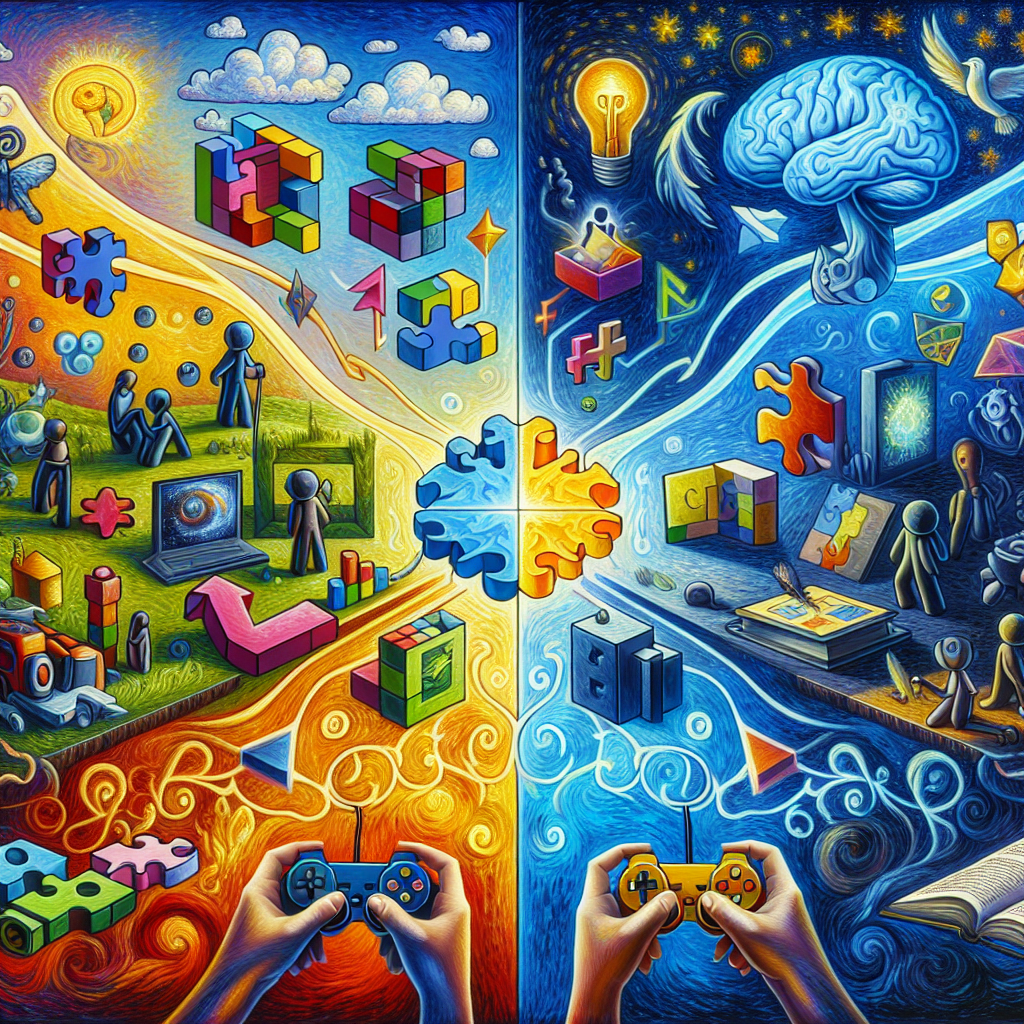

The Evolution Of User-Generated Content: A Multigenerational Journey
By Tom Seest
At HowDoYouGame, we help people who love board games by collating information and news about games.
Be sure to read our other related stories at HowDoYouGame to learn more about games.
From Napster to TikTok – How Gen X and Millennials Paved the Way for Gen Z’s UGC Boom
In the sprawling landscape of digital innovation, where the echoes of dial-up connections once shaped an entire generation’s evening routines, we find a thread weaving through the fabric of time—one that binds the heart of Gen X and Millennials to the burgeoning world of Gen Z’s user-generated content (UGC). It’s a heartfelt saga of ingenuity sparked in the ’90s, during a time when file sharing was a revolution cloaked in the thrill of rebellion. Those early days of Napster heralded a shift, igniting a fire in young minds that yearned for creativity, collaboration, and, yes, a bit of chaos.
These pioneers, often dubbed the “MTV generation,” were not just engaging with technology; they were wrestling with the very concept of ownership and artistry. They understood that these new digital canvases were not merely tools but avenues for connection, expression, and authenticity. Fast forward to today, and we see their children, the Gen Zs, standing on the shoulders of giants. With every TikTok dance and viral meme, they unleash their creativity as if it were a birthright, echoing the passion and rebellion that defined the early internet.
But beyond just the clicks and likes lies a profound narrative—one that speaks to the gut. The need for connection, the desire to share stories, and the quest for community are universal truths, transcending generations. As the world turned its gaze toward social media, it became abundantly clear: each view, each follower, and each share represents a longing to belong. With every piece of content crafted, every game driven to viral status by gamers and creators alike, there exists an unspoken code of trust and camaraderie that binds these creators to their audience. This is more than mere entertainment; it’s solidarity in a digital age that can at times feel isolating.
And here comes the ethical core of this journey. The UGC boom is a testament to the power of voices unfiltered and the stories told without censorship. This future belongs to those willing to share their truths in a raw, unvarnished way, crafting an authority that’s deeply rooted in shared experience rather than corporate directive. Each generation has its battles; some fought with banners held high, others with smartphones and hashtags. What the Gen Zs create today isn’t just content; it’s legacy, and through it, we witness the pulsing heart of humanity—a heartbeat that beats boldly for all to see.

From Napster to TikTok – How Gen X and Millennials Paved the Way for Gen Z’s UGC Boom
From Napster to TikTok – How Gen X and Millennials Paved the Way for Gen Z’s UGC Boom
- The digital landscape connects Gen X, Millennials, and Gen Z through user-generated content (UGC).
- Gen X and Millennials sparked creativity and collaboration in the ’90s with revolutionary file-sharing platforms like Napster.
- The early users of technology wrestled with concepts of ownership and artistry, viewing digital tools as avenues for expression.
- Gen Z, building on the foundations laid by previous generations, uses platforms like TikTok to express creativity and rebellion.
- The need for connection and community is a shared narrative across generations, highlighted in social media interactions.
- UGC represents voices unfiltered, fostering a sense of solidarity in a digital age marked by isolation.
- What Gen Z produces isn’t just content, but a legacy that reflects the essence of humanity and shared experiences.

From Napster to TikTok – How Gen X and Millennials Paved the Way for Gen Z’s UGC Boom
Table Of Contents
- From Napster to TikTok – How Gen X and Millennials Paved the Way for Gen Z’s UGC Boom
- How Did Gen X and Millennials Influence Online Creativity?
- What Role Does Peer Validation Play In UGC for Gen Z?
- How Do Personal Stories Resonate with Audiences In UGC?
- Why Is User-Generated Content Vital for Gen Z Brands?
- How Can Ethical Concerns Shape the Future Of UGC Platforms?
- What Lessons Have We Learned From the Evolution Of Online Sharing?
- How Do Cultural Shifts Drive the Demand for UGC Today?
- Conclusion
- Other Resources
- Glossary Of Terms
- Other Questions
- Haiku
- Poem
- Checklist
How Did Gen X and Millennials Influence Online Creativity?
When we look at the landscapes shaped by Gen X and Millennials, it’s hard not to sense that these two generations have redefined creativity online in ways that resonate deeply. From the first flickering pixels of video games to the vibrant streams of social media, each generation contributed a brushstroke to the artistic tapestry we now admire.
Think back to the late ‘80s and early ‘90s when video games first caught fire. Gen X, the DIY generation, learned to code, modify, and create their own levels, pioneering experiences that were, quite literally, uncharted territory. They weren’t just passively consuming media; they were crafting it, often from the comfort of a basement. It was a reclaiming of creativity — a protest against the mere spectatorship that traditional media perpetuated. Their ingenuity birthed communities, shaped genres, and crossed the lines between player and creator.
Fast forward a couple of decades, and you see Millennials roaring onto the digital stage. Armed with smartphones and an ever-looming desire for connection, they wove their creative energy into a whole new narrative. They tapped into the algorithms, turning personal expression into an art form, whether through viral dance challenges or heartfelt vlogs. But it goes beyond individualism; it’s about community, the gathering of like-minded souls who celebrate creativity in all its forms. When they post, when they share, they’re inviting you to sit at the table and take part in a conversation that matters.
Statistically, this fusion of youth creativity doesn’t just influence entertainment; it impacts industries, changing the very fabric of how we communicate, sell, and connect. The ethical questions of who gets to create, who gets a seat at the table, and who benefits from that creativity echo through digital discussions. As these generations lean into social consciousness and sustainability, they’re convincing brands and businesses to prioritize transparency and genuine engagement, breathing life into new creative ventures.
It’s about more than just artistic expression; it’s a call to action — a reminder that we all possess the tools to contribute to a larger narrative. As Gen X and Millennials continue to mold and influence online creativity, it’s vital for each of us to step up, engage with our communities, and perhaps even push boundaries a little further. Because at the core of creativity is the human experience, an invitation to connect, reflect, and imagine a brighter future together.

How Did Gen X and Millennials Influence Online Creativity?
How Did Gen X and Millennials Influence Online Creativity?
- Generations X and Millennials have redefined online creativity, contributing unique influences over time.
- Gen X pioneered DIY gaming in the late ’80s and early ’90s, creating original content and fostering active communities.
- This generation challenged traditional media consumption and transformed players into creators.
- Millennials utilized smartphones to create a new narrative, focusing on connection and community through digital expression.
- They harnessed algorithms for viral content, emphasizing inclusivity and shared experiences in their creative endeavors.
- This blend of creative expression impacts various industries and raises ethical questions about who creates and benefits from collective creativity.
- Both generations encourage active participation and community engagement, inviting individuals to contribute to a shared narrative of human experience.

How Did Gen X and Millennials Influence Online Creativity?
What Role Does Peer Validation Play In UGC for Gen Z?
In the vibrant world of user-generated content (UGC), peer validation emerges as a beacon for Gen Z, influencing not just what they consume but how they express themselves. It’s not just about likes and shares; it’s about finding a sense of belonging in a chaotic digital landscape. When your peers resonate with your thoughts, it feels like a validation of your very existence. It fuels the creative spirit, turning the act of sharing into a communal experience that can echo through the lives of many.
Picture this: a young artist pours their heart into a painting and shares it online. The immediate response from their friends—comments, emojis, maybe even constructive criticism—goes beyond mere numbers. It’s an ethical contract of trust and support. When peers uplift and affirm each other, it creates an environment where authenticity thrives. That same artist might inspire another to pick up their brush, leading to a ripple effect of creativity and courage. Games of validation often unfold not just in competitive spirit but in shared vulnerability.
Now, let’s sharpen our focus. We live in a time when the noise can drown out the voice of reason. Gen Z, with its sharp radar for authenticity, relies on peer validation as both compass and map. When they see someone like them succeed, it’s a gut-punch of motivation. It’s relatable, tangible, and feels like an attainable dream. Each share and each comment becomes a thread weaving a tapestry of shared experiences, connecting disparate individuals across vast distances. This connection does more than affirm an idea; it crafts a narrative, a story that shapes the communal identity of a generation.
Think about the power of that connection. For Gen Z, peer validation speaks volumes about integrity and purpose. They crave a space where their message is not only heard but celebrated. This is where trust builds, where ideas flourish, and where the community stands as the ultimate authority. And with every post, they’re inviting others to join the conversation, to lend their voice, and to contribute to the dialogue.
In a world that often feels divided, peer validation becomes an essential thread, stitching together the fabric of Gen Z’s digital life. So, when you hit “post,” know that you’re not just putting your thoughts out there; you’re laying down the very foundation of a community eager to engage, uplift, and transform together. Embrace that power, and watch as the world responds.

What Role Does Peer Validation Play In UGC for Gen Z?
What Role Does Peer Validation Play In UGC for Gen Z?
- Peer validation is crucial for Gen Z, shaping their consumption and self-expression in user-generated content (UGC).
- It provides a sense of belonging amidst the chaos of the digital landscape, validating individuals’ thoughts and feelings.
- The interaction between peers fosters creativity, transforming sharing into a communal and supportive experience.
- Peer interactions create an ethical contract of trust, encouraging authenticity and inspiring others.
- Gen Z uses peer validation as a tool for motivation, making success feel relatable and attainable.
- This validation weaves a narrative that forms a collective identity, connecting individuals across distances.
- In a divided world, peer validation is vital for building community, inviting dialogue, and promoting engagement.

What Role Does Peer Validation Play In UGC for Gen Z?
How Do Personal Stories Resonate with Audiences In UGC?
When it comes to User-Generated Content (UGC), personal stories are the lifeblood that keeps the conversation flowing. They strike a deep chord within their audience, bridging the gap between anonymity and authenticity. Imagine scrolling through your feed, your thumb hovering over a post about someone’s struggle, triumph, or transformation. Each word resonates; it’s not just a story—it’s a mirror reflecting our own lives and experiences.
Consider the power of vulnerability. When individuals open up about their challenges, they present a rawness that is undeniably relatable. It’s as if they’re inviting us to sit around a campfire, sharing tales of what it means to be human. These stories aren’t just for entertainment; they provoke thought and stir emotion, inviting us to examine our values and experiences. They speak to our hearts, urging us to connect with the storyteller on a fundamental level that transcends the screen.
On a rational level, personal narratives can also provide insight into the complexities of everyday life. They serve as navigation tools, offering guidance through the twists and turns that we all face. For instance, when someone shares how they bravely tackled a daunting new project—perhaps even in the realm of games—we start to feel a spark of confidence ourselves; their victory becomes a blueprint for our potential. This is where authority comes into play—those who share their stories typically have learned from their trials, and in turn, they provide us with wisdom steeped in real experience.
Ethically, sharing personal stories creates a ripple effect, encouraging others to step forward and voice their own journeys. There’s strength in numbers; when people see others comfortably sharing, they often feel a calling to do the same. That shared humanity opens channels of connection, transforming solitary struggles into collective battles—turning “me” into “we.”
The gut-wrenching details of personal stories can ignite a sense of urgency too—motivating us to act, reflect, or even volunteer. When someone recounts their involvement in a charitable endeavor, their passion becomes contagious. We’re inspired to soak in their narrative and respond with our own actions, propelled by the desire to contribute positively to our world.
These stories shape not just our understanding of each other, but our own identity. They remind us that we’re all players in this great game of life, sharing the stage, learning from one another as we move forward together.

How Do Personal Stories Resonate with Audiences In UGC?
How Do Personal Stories Resonate with Audiences In UGC?
- User-Generated Content (UGC) thrives on personal stories that engage audiences authentically.
- Vulnerability in storytelling fosters a deep emotional connection and invites reflection on shared human experiences.
- Personal narratives offer insights and guidance through life’s complexities, inspiring confidence and potential.
- Storytellers often possess learned wisdom from their trials, enhancing their authority and relatability.
- Sharing personal stories encourages communal connections, transforming individual struggles into collective experiences.
- Compelling narratives can inspire urgency and motivate actions, such as volunteering for charitable causes.
- These stories shape our understanding of ourselves and others, highlighting our shared journey in life.

How Do Personal Stories Resonate with Audiences In UGC?
Why Is User-Generated Content Vital for Gen Z Brands?
In the vibrant world of Gen Z, where self-expression reigns and authenticity is king, user-generated content (UGC) isn’t just a marketing tool; it’s a lifeline. This generation, shaped by the rapid evolution of technology and constant social connectivity, craves genuine experiences. They want to know that brands see them—not as consumers, but as individuals. When they engage with content created by their peers, it’s as if they’re standing shoulder to shoulder in a crowded marketplace filled with voices they trust, opinions that resonate, and stories that inspire.
Let’s face it: who wants to hear from a brand that feels manufactured or rehearsed? Gen Z is savvy; they can smell inauthenticity from a mile away. User-generated content cuts through the noise, offering a raw, unfiltered lens into real lives and real stories. When they see their friends or favorite influencers celebrating a product or sharing a relatable experience, it hits home. It inspires trust and confidence—a powerful thing when you’re trying to build brand loyalty among a generation that values transparency more than shiny marketing gimmicks.
The emotional connection generated through UGC transcends mere marketing; it stirs the heart. It’s the remarkable human stories shared through photos, videos, and testimonials that resonate with this generation’s collective conscience. Consider an image of a group of friends gathered around a game, laughter echoing as they connect over shared experiences. That scene becomes a narrative, a moment frozen in time that invites others to step into it, igniting curiosity and excitement. It beckons them to part with their hard-earned cash, knowing they are investing in community and connection.
From a rational standpoint, brands that harness the power of UGC tap into something bigger—social proof. They empower consumers by giving them the microphone, allowing their voices to shape brand narratives. Statistics suggest that over 79% of young people say user-generated content highly impacts their purchasing decisions. When a peer shares their experience, it communicates a sense of authority that traditional advertising simply can’t muster. It’s a collaborative space where authenticity and engagement flourish, building a community that feels like home.
In a world where connection is often fleeting, user-generated content fosters genuine relationships, bridging the gap between brands and consumers. So, if you want to resonate with Gen Z, don’t just market to them—invite them in, let their voices be heard, and watch your brand transform into a trusted ally in the journey of their lives.

Why Is User-Generated Content Vital for Gen Z Brands?
Why Is User-Generated Content Vital for Gen Z Brands?
- Gen Z prioritizes self-expression and authenticity, viewing user-generated content (UGC) as essential rather than just a marketing tool.
- This generation values genuine connections with brands, seeking recognition as individuals rather than just consumers.
- Peer-created content resonates more than traditional marketing, providing a trustworthy and relatable perspective for Gen Z.
- UGC generates emotional connections through real stories, creating an inviting narrative that encourages community and shared experiences.
- Brands utilizing UGC benefit from social proof, influencing purchasing decisions through authentic consumer voices.
- Statistics show over 79% of young people find UGC significantly impacts their buying choices, enhancing brand credibility.
- To connect with Gen Z, brands should engage them actively and incorporate their experiences, fostering a sense of community and trust.

Why Is User-Generated Content Vital for Gen Z Brands?
How Can Ethical Concerns Shape the Future Of UGC Platforms?
Let’s take a moment to think about the landscape ahead of us. User-generated content (UGC) platforms—those digital arenas where anyone with a smartphone can share their voice—hold immense promise, but they aren’t without their ethical pitfalls. Imagine a world where creativity flourishes alongside a steadfast commitment to doing what’s right. That’s the future we ought to aspire to.
Many of us engage with these platforms to foster connection, share stories, or, yes, even play games that reflect our passions. Yet, what happens when those passions collide with ethical dilemmas? When a quick upload garners likes but overlooks the deeper implications of misinformation or toxic environments, we must pause. Engagement can’t come at the expense of integrity. Ultimately, we have the power to shape our online communities, not just as users but as caretakers of a collective digital conscience.
Think about the stories behind the content we consume. Inspirational narratives can emerge from the most ordinary moments. However, when those stories are distorted by short-sightedness or a lack of accountability, we strip away the authenticity that fuels connections. Content creators, whether they’re seasoned pros or enthusiastic newbies, need to embrace their roles as storytellers with responsibility. They wield tremendous influence, and with that power comes a duty to act ethically.
Imagine taking a step back, realizing the impact of our clicks and shares. People may not see themselves as gatekeepers, but in many ways, we all are. We hold the ability to promote substance over sensationalism, depth over distraction. Together, we can reject practices that prioritize profit over people, encouraging platforms to enhance their policies and cultivate environments that respect diverse voices.
Here’s the call to action: let’s champion the creators who prioritize integrity. Support the platforms that value ethics. Engage with content that not only entertains but educates, inspires, and uplifts. The changes we demand aren’t just about numbers; they reflect our collective ethos. Each click, every like, contributes to a cultural narrative that fosters community and trust.
So let’s rise to the occasion, not just as consumers of content but as stewards of a more ethical future on UGC platforms. The choice is ours, and the time to act is now. Together, we can forge an online landscape that reflects our values, fostering a digital world where creativity and ethics go hand in hand.

How Can Ethical Concerns Shape the Future Of UGC Platforms?
How Can Ethical Concerns Shape the Future Of UGC Platforms?
- User-generated content (UGC) platforms offer a space for creativity but present ethical challenges.
- Engagement on these platforms should not compromise integrity, highlighting the need for mindfulness.
- Stories behind shared content can inspire, but distortion can lead to a loss of authenticity.
- Content creators must act responsibly, recognizing their influence and ethical duties.
- Users can promote meaningful content, advocating for depth over sensationalism in their engagements.
- Supporting ethical creators and platforms is essential for fostering a cultural narrative of trust and community.
- The collective choice to be stewards of ethical online spaces can reshape UGC for the better.

How Can Ethical Concerns Shape the Future Of UGC Platforms?
What Lessons Have We Learned From the Evolution Of Online Sharing?
The journey of online sharing is like a winding trail through the heart and soul of our digital existence. As we’ve evolved in the way we connect, engage, and communicate, we’ve also learned some profound lessons about ourselves and the world around us.
Consider for a moment how sharing has transformed from a simple act of sending a message to a complex dance involving vulnerability, empathy, and, occasionally, chaos. There’s a certain magic in online platforms where ideas and stories can spring forth like fireworks, illuminating our shared humanity. With every click, post, and comment, we find ourselves navigating a landscape that can feel as exhilarating as it is daunting. We’re drawn into a game—but unlike the games we played as children, this one involves real stakes, real people, and often, real consequences.
Through candid storytelling and heartfelt illustrations, we’ve seen that vulnerability can build bridges—even across vast chasms. When someone shares their struggles or triumphs, it’s as if they’re inviting you into their world, making you part of their journey. It’s easy to dismiss the countless posts and updates as mere noise, but in this cacophony lies an opportunity for genuine connection. It’s a call to action that whispers: “You’re not alone.” And when we respond, we foster a sense of community that rivals even the strongest family bonds.
Yet, with great power comes great responsibility. The lessons of online sharing remind us that our words have weight; they can uplift or tear down. This knowledge urges us to approach our interactions with ethical consideration. When we click “share,” we should pause for a moment and reflect: Is this uplifting? Is this true? An authentic approach not only strengthens our personal integrity but reinforces trust within our communities.
Embracing the evolution of online sharing means we are evolving too. We’re learning to respect the lines between sharing and oversharing, the power of narrative, and the strength of empathy. As we continue on this path, let’s remember that every interaction is an opportunity—not just to communicate, but to connect. Let’s choose to uplift one another, to celebrate our differences, and to honor our shared experiences. Because in the end, it’s not just about what we share; it’s about the connections we forge and the impact we make together.

What Lessons Have We Learned From the Evolution Of Online Sharing?
What Lessons Have We Learned From the Evolution Of Online Sharing?
- The evolution of online sharing reflects our journey through digital communication and connection.
- Sharing has transformed from a simple act to a complex interplay of vulnerability, empathy, and chaos.
- Online platforms provide an opportunity for connections that highlight our shared humanity.
- Candid storytelling fosters genuine connections by inviting others into our personal experiences.
- Words have weight and responsibility; our online interactions can uplift or harm others.
- Authenticity in sharing strengthens our personal integrity and builds trust within communities.
- Every interaction is a chance to connect, uplift, and celebrate our shared experiences and differences.

What Lessons Have We Learned From the Evolution Of Online Sharing?
How Do Cultural Shifts Drive the Demand for UGC Today?
Let’s get real for a moment. We are living in an age where cultural shifts are reshaping the way we connect with one another every single day. With the rise of user-generated content (UGC), the demand isn’t just about getting attention; it’s about authenticity, connection, and finding our collective voice. It’s an era where everyone’s creative expression matters, and they’re not just shouting into the void—they’re screaming from the rooftops, and we’re all listening.
Think for a second about the games the world plays. From social media to community forums, everyone’s contributing to an ongoing narrative that reflects who we are at our core. This isn’t just a transaction; it’s a dialogue. People are craving real stories from real people. They want to see that their peers have the same struggles, triumphs, and dreams. And the beauty of UGC is that it fulfills this deep-rooted human desire to belong and be heard.
But let’s not kid ourselves; it’s not just about feelings. There’s a rational side to this shift. Brands are starting to realize that traditional marketing tactics pale in comparison to the raw power of UGC. Research shows that consumers are more likely to trust recommendations from peers than polished ads. When a friend shares a genuine experience, it hits differently than a well-rehearsed pitch on TV. It’s an ethical way of engaging with the audience—placing the power back in the hands of the people.
The ripple effects of this cultural shift extend into every corner of our lives. Businesses see the authority that comes from user-generated content; it’s the people’s endorsement that legitimizes them in a crowded marketplace. But beyond profits and metrics, it speaks to a deeper connection we all share. We want to relate, to empathize, and ultimately, to uplift one another.
As we continue to embrace these changes, we have a choice to make: either stand back and watch from the sidelines or dive in and be part of something bigger than ourselves. By contributing, creating, and sharing our unique perspectives, we’re not just participating in a trend—we’re shaping the future. So let’s roll up our sleeves and grab that camera, that pen, that microphone. Because when we share our stories, we spark change, inspire others, and remind ourselves that in this vast world, we’re all a little less alone.

How Do Cultural Shifts Drive the Demand for UGC Today?
How Do Cultural Shifts Drive the Demand for UGC Today?
- Cultural shifts are transforming how we connect daily, emphasizing authenticity and collective voice.
- User-generated content (UGC) allows for everyone’s creative expression and fosters real connections.
- People are looking for genuine stories from peers, enhancing a shared sense of belonging.
- Brands recognize that UGC is more effective than traditional marketing tactics, as consumers trust peer recommendations more.
- UGC creates a deeper consumer connection, with people endorsing brands and services they believe in.
- This movement invites individuals to actively participate, contribute, and share their unique viewpoints.
- Sharing personal stories can spark change and inspire others, reminding us of our shared humanity.

How Do Cultural Shifts Drive the Demand for UGC Today?
Conclusion
In the intricate tapestry of digital culture, where each thread represents a different generation, we find ourselves at a crossroads shaped by creativity, connection, and community. The evolution of user-generated content (UGC) has transformed not just our online landscapes but also the very essence of how we relate to one another. When Gen X and Millennials embraced technology, they ignited a creative rebellion that beckoned authenticity and self-expression. The cultural undercurrents of Napster paved the way for today’s digital playgrounds, reminding us that every click, share, and post reflects our collective desire to belong.
With Gen Z now taking the reins—armed with smartphones and unfiltered voices—the way we perceive content has changed from passive consumption to active participation. Each TikTok video or Instagram story isn’t just a moment captured; it’s a declaration, an invitation to connect. They understand the weight of their voices, and in their shared experiences, we see the beginnings of a powerful dialogue that transcends age, geography, and circumstance. This narrative isn’t merely entertainment; it’s an emotional bond that unites us all. The authenticity inherent in UGC serves as a stark contrast to the sterile world of traditional advertising, creating a dynamic where trust flourishes.
Ethically, this shift challenges us to be responsible stewards of our shared digital spaces. Each post carries the potential to uplift or devastate, reminding us that our actions bear weight. As content creators, we wield influence—our stories echo through the lives of others. The act of sharing personal narratives fosters resilience and empathy, cultivating connections that resonate deeply.
Moreover, from a rational perspective, brands are smart to recognize that they must engage with authenticity rather than flashy gimmicks. Peer-generated content creates community and social proof, transforming consumers into advocates. This metamorphosis underscores the need for brands to align themselves with the values that resonate with younger audiences, paving the way for partnerships grounded in authenticity and trust.
Ultimately, the evolution of online sharing teaches us invaluable lessons about vulnerability, responsibility, and the power of connection. Today, every engagement is an opportunity—not just to share a message but to participate in a rich conversation that shapes our collective future. So as we navigate this brave new world of UGC, let’s remember: when we share, we build bridges; when we connect, we foster community; and when we uplift each other, we redefine what it means to be truly human in this interconnected digital age.

Conclusion
Conclusion:
- The digital culture landscape is shaped by creativity, connection, and community across generations.
- User-generated content (UGC) has transformed online interaction and personal relationships.
- Gen X and Millennials initiated a creative rebellion emphasizing authenticity and self-expression.
- Gen Z’s active participation shifts content perception from passive consumption to community engagement.
- UGC fosters emotional bonds and contrasts with traditional advertising, enhancing trust.
- Ethical considerations demand responsible use of digital platforms, as every post influences others.
- Brands must engage authentically with audiences, aligning their values to build community and trust.

Conclusion
Other Resources

Other Resources
Here is a list of other resources you can review online to learn more:
- Goliath Games
- Roll for the Galaxy
- Arcane Wonders
- Stonemaier Games
- Nemesis
- Miniature Market
- Huch!
- Mage Knight Board Game
- Plurk
- Pegasus Spiele
- Tumblr
- Wizards of the Coast
- PC Gamer
- The Dice Tower Podcast
- The Dice Tower
- Hive
- Mansions of Madness: Second Edition
- Brass: Birmingham
- Pandemic
Use This Prompt To Get More Resources With Your Favorite Online AI Tool: Please provide me with a list of online articles with their URLs in a bulleted list that I can read regarding From Napster to TikTok – How Gen X and Millennials Paved the Way for Gen Z’s UGC Boom

Other Resources
Glossary Terms
From Napster to TikTok – How Gen X and Millennials Paved the Way for Gen Z’s UGC Boom – Glossary Of Terms
1. User-Generated Content (UGC): Content created by individuals rather than brands, often shared on social media platforms.
2. Generation X: The demographic cohort born approximately between 1965 and 1980, known for witnessing the rise of the internet.
3. Millennials: Individuals born between 1981 and 1996, characterized by their adaptability to technology and digital platforms.
4. Generation Z: The cohort born from 1997 onward, known for their digital fluency and preference for creative self-expression online.
5. Napster: A pioneering peer-to-peer file-sharing service that allowed users to share music, influencing how media is consumed.
6. Social Media Platform: Online platforms that enable users to create, share, and engage with content, such as Facebook, Twitter, and Instagram.
7. Viral Content: Content that rapidly gains popularity and spreads quickly across social networks, often through shares and likes.
8. TikTok: A popular video-sharing app that allows users to create and share short-form videos, known for its creative trends.
9. Influencer: An individual with the power to affect purchasing decisions and trends through their online presence and content.
10. Copyright: Legal protection that gives the creator exclusive rights to use and distribute their original works.
11. Streaming Services: Platforms that deliver media content via the internet, changing how users access films, music, and shows.
12. Collaborative Consumption: The sharing of resources among individuals, often facilitated by online platforms.
13. Digital Nomad: A person who uses technology to work remotely while traveling and living a location-independent lifestyle.
14. Content Creation: The process of producing and publishing content, including articles, videos, and graphics, usually for specific audiences.
15. Engagement Metrics: Measurements that gauge audience interaction with content, including likes, shares, and comments.
16. Hashtag: A keyword or phrase preceded by the # symbol, used to categorize content and facilitate searches on social media.
17. Algorithm: A set of rules or calculations used by platforms to determine content visibility and ranking based on user interactions.
18. Brand Authenticity: The perception of a brand as genuine and trustworthy, often achieved through transparent communication with consumers.
19. Digital Footprint: The trail of data generated by users’ online activities, influencing privacy and targeted marketing.
20. Memes: Humorous images, videos, or text that are rapidly shared and adapted across social media platforms.
21. Content Curation: The act of gathering and organizing content from various sources to share with an audience.
22. Livestreaming: Broadcasting live video content in real-time, allowing for immediate audience interaction.
23. Fandom: A community of fans who actively engage with and create content related to particular interests or media properties.
24. Peer-to-Peer (P2P): Direct sharing of files or data between individuals without intermediaries, prominent in early file-sharing platforms.
25. Augmented Reality (AR): An interactive experience that overlays digital information onto the real world, increasingly used in social media filters.
26. Virtual Reality (VR): A simulated experience that can replicate real or imagined environments, utilized in gaming and social interactions.
27. Micro-Influencers: Influencers with smaller but highly engaged audiences, often seen as more relatable and trustworthy.
28. Social Listening: Monitoring social media platforms for mentions and conversations around specific topics, brands, or keywords.
29. Content Monetization: The process of turning content creation into a source of income through ads, sponsorships, or subscriptions.
30. Digital Marketing: The use of digital channels to promote products or services, evolving with technological advancements and consumer behavior.

Glossary Of Terms
Other Questions
From Napster to TikTok – How Gen X and Millennials Paved the Way for Gen Z’s UGC Boom – Other Questions
If you wish to explore and discover more, consider looking for answers to these questions:
- What specific contributions did Gen X make to the early internet and digital culture?
- How have Millennials influenced the rise of social media platforms?
- What characteristics define Gen Z’s approach to user-generated content?
- How does peer validation affect mental health among Gen Z users?
- What types of personal stories resonate most with audiences today?
- How do brands effectively use user-generated content to build loyalty among Gen Z?
- What ethical dilemmas do UGC platforms currently face?
- In what ways has online sharing evolved with technological advancements?
- How do cultural trends influence the type of UGC that gains popularity?
- What role does social consciousness play in the content created by younger generations?

Other Questions
Haiku
From Napster to TikTok – How Gen X and Millennials Paved the Way for Gen Z’s UGC Boom – A Haiku
Generations converge,
Voices weave a rich tapestry—
Stories unite us.

Haiku
Poem
From Napster to TikTok – How Gen X and Millennials Paved the Way for Gen Z’s UGC Boom – A Poem
In the glow of screens, where stories intertwine,
From Napster’s rebel heart to TikTok’s vibrant line,
Generations weave a tapestry bright,
Creativity flows like a beacon of light.
Gen X dared to share, crafting worlds from their rooms,
Millennials followed, filling air with their tunes,
Together they ventured, igniting a flame,
A legacy born, not just seeking fame.
With TikTok and memes, Gen Z takes the stage,
A voice for the youth, breaking free from the cage,
In every creation, a longing to connect,
A dance of souls, with emotions direct.
Peer validation becomes their guiding star,
In a universe vast, where identities spar,
Support and uplift, they foster a space,
Where authenticity blooms, each share leaves a trace.
Personal stories emerge, raw and sincere,
Tales of triumph and struggle, inviting us near,
A tapestry woven of courage and heart,
In vulnerability, the healing can start.
Brands take heed of this powerful wave,
For connection and trust are the bonds that they crave,
Gone are the days of a polished facade,
Gen Z seeks the real, in a world often flawed.
Ethics emerge as a guiding refrain,
A call for integrity in the digital domain,
As we share, let’s remember the weight of our words,
For empathy thrives when respect is conferred.
So dive into this journey, embrace what we find,
In the art of sharing, let’s be purposefully kind,
For each click, each story, is a chance to ignite,
A future of hope, where our voices unite.

Poem
Checklist
From Napster to TikTok – How Gen X and Millennials Paved the Way for Gen Z’s UGC Boom – A Checklist
Checklist: Engaging with User-Generated Content (UGC)
Heart Appeals
_____ Share Your Story: Reflect on a personal experience that resonates with your values. Consider how sharing would affect others.
_____ Express Vulnerability: Invite openness in discussions by sharing a challenge you’ve faced, fostering an environment of trust.
_____ Celebrate Community: Engage with content that uplifts and connects. Acknowledge the impact of shared stories.
Head Appeals
_____ Analyze Engagement: Consider metrics like likes, shares, and comments. What do they tell you about content resonance?
_____ Research Ethical Impact: Investigate how UGC contributes to the conversation around transparency and social responsibility.
_____ Identify Trends: Stay informed about emerging UGC trends influencing brand strategies and consumer behavior.
Gut Appeals
_____ Trust Your Instincts: Reflect on your reactions to UGC—do you feel a sense of belonging or community when engaging with it?
_____ Seek Authenticity: Recognize red flags in content. Does it feel genuine, or manufactured?
_____ Act on Inspiration: When a piece of UGC stirs strong emotions, consider how you can contribute or respond to that message.
Ethical Considerations
_____ Commit to Integrity: Evaluate the ethical implications of the content you support. Choose creators prioritizing responsibility.
_____ Encourage Accountability: Support platforms that uphold standards for quality and integrity in UGC.
_____ Champion Diverse Voices: Engage with work that amplifies underrepresented perspectives and stories.
Authority and Influence
_____ Learn from Creators: Follow influential content creators and analyze their impact on their audiences.
_____ Engage with Experts: Seek insight from thought leaders discussing UGC and its evolution. Implement their ideas in your approach.
_____ Support Good Practices: Share or promote content that demonstrates best practices in UGC creation.
Narrative Foundations
_____ Craft Your Narrative: Think about your personal brand story and how UGC can help articulate it.
_____ Build Community Stories: Work with others to create collaborative content representing shared experiences.
_____ Reflect on Lessons Learned: Regularly assess what you gain from engaging with UGC. Share these insights to encourage others.
Social Responsibility
_____ Contribute Positively: Be mindful of how your contributions impact the digital landscape. Aim for uplifting exchanges.
_____ Foster Dialogue: Create spaces for discussion around important issues raised in UGC, enhancing community engagement.
_____ Promote Ethical UGC Practices: Advocate for transparency and support creators who uphold moral standards in their content.
Engaging with this checklist can deepen your understanding and participation in the dynamic landscape of user-generated content.

Checklist
At HowDoYouGame, we help people who love board games by collating information and news about games.
Be sure to read our other related stories at HowDoYouGame to learn more about games.