
Embracing Change: Gen X’s Impact On Modern Communities
By Tom Seest
At HowDoYouGame, we help people who love board games by collating information and news about games.
Be sure to read our other related stories at HowDoYouGame to learn more about games.
From Arcade Kids to Diverse Communities – Gen X Sees the Shift
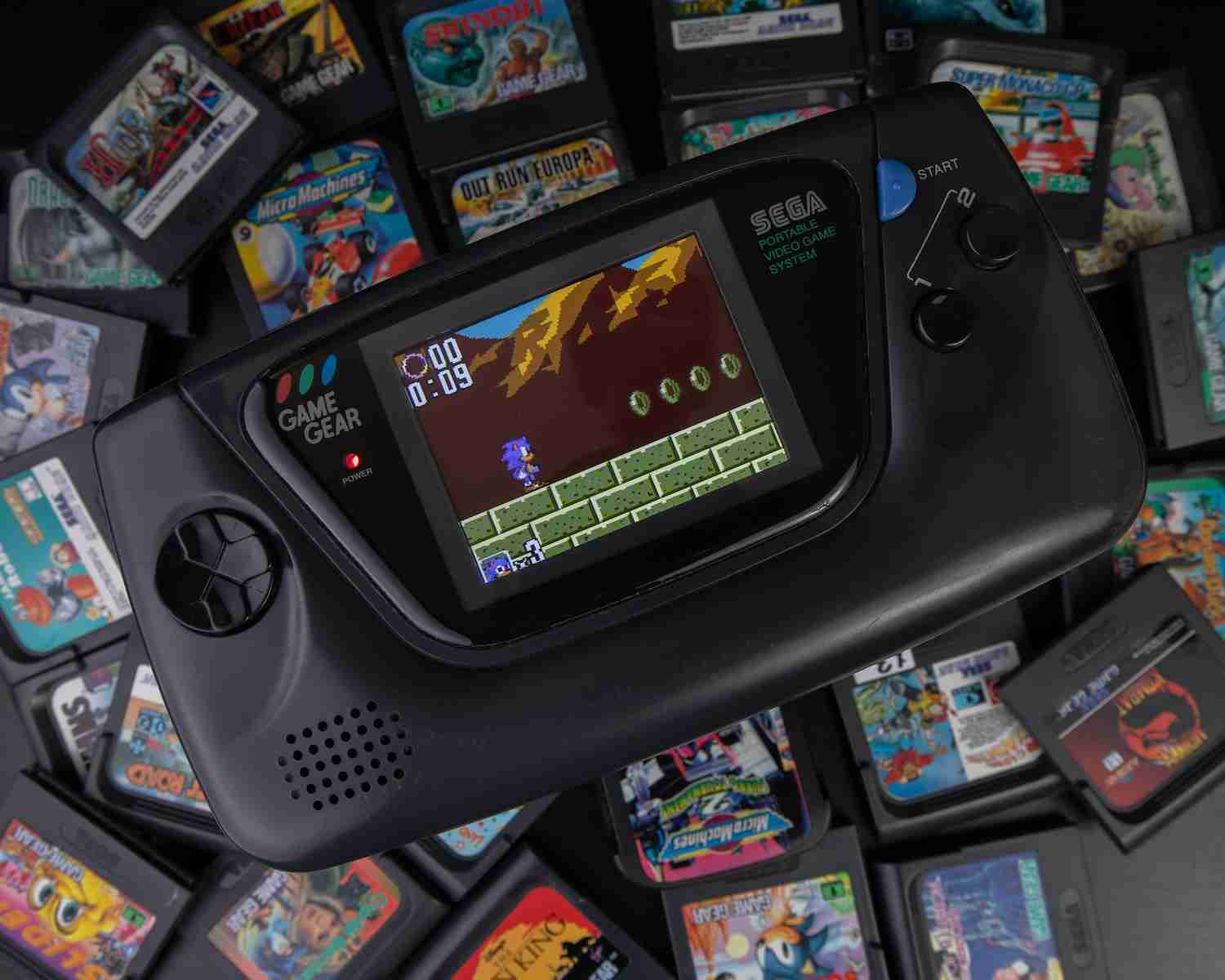
From the neon glow of arcade cabinets to today’s rich tapestry of diverse communities, Generation X has witnessed a profound transformation that transcends mere pixels on a screen. Growing up in a world where games were played in crowded arcades, we honed skills through competition and camaraderie. Each quarter spent on that joystick taught us valuable lessons in resilience, strategy, and the sheer joy of connection. But as the technology evolved, so too did the players and the playgrounds they inhabited.
The shift from those bustling corners of nostalgia to expansive online realms reflects a broader story of inclusivity. What began as a niche hobby has sprung into a cultural phenomenon where anyone, regardless of background, can find a seat at the table—or the virtual gaming screen, if you will. When we think about those formative years, they hold a bittersweet magic, don’t they? The adrenaline of scores, the laughter echoing off the walls, and the pride in bagging the highest score were moments that knitted us together as a community. Today, that same ethos fuels a global network of gamers embracing diversity.
Rationally speaking, this new era is an invitation to acknowledge that every voice, every identity adds richness to our shared narrative. The skills we developed as kids—problem-solving, teamwork, and creative thinking—are just as relevant today, finding new expression across societal landscapes. From working in tech to shaping policies around inclusion, Gen X carries the weight of our experiences, creating pathways for others to follow.
Ethically, we stand at a crossroads where the values of respect, acceptance, and understanding can guide younger generations. We must teach them that gaming isn’t just about winning or losing; it’s about building connections, facing challenges together, and celebrating differences. And when we hear stories of young gamers forming friendships across continents, fueled by a mutual love for gaming, how can we not feel a swell of pride?
As we reflect on this journey, let’s take action. Let’s support initiatives that champion diversity in gaming and foster environments where everyone can belong. The community we create can leave lasting impacts, reminding us that from arcade kids to a vibrant globe of gamers, our greatest achievements come not just from conquering the game, but from opening our hearts to each other’s stories.

From Arcade Kids to Diverse Communities – Gen X Sees the Shift
From Arcade Kids to Diverse Communities – Gen X Sees the Shift
- Generation X has experienced a significant transformation in gaming from crowded arcades to diverse online communities.
- Early arcade experiences fostered skills in resilience, strategy, and camaraderie among players.
- The evolution of gaming has broadened inclusivity, allowing individuals from all backgrounds to participate.
- Memories of competitive gameplay created a sense of community, defined by both shared joy and achievement.
- The skills learned in gaming—such as problem-solving and teamwork—are relevant in various modern societal roles.
- Older generations are tasked with guiding younger players to understand the deeper values of gaming beyond winning and losing.
- Support for diversity in gaming is essential for creating environments where everyone feels they belong.

From Arcade Kids to Diverse Communities – Gen X Sees the Shift
Table Of Contents
- From Arcade Kids to Diverse Communities – Gen X Sees the Shift
- What Made Your Childhood In Arcades So Memorable and Impactful?
- How Has Technology Changed the Way We Connect As Communities?
- How Do Diverse Communities Enhance the Gaming Experience for Everyone?
- What Challenges Do You Face When Navigating These Cultural Shifts?
- Why Is It Essential for Gen X to Embrace Diverse Voices In Gaming?
- How Can We Foster Inclusivity While Preserving Gaming Traditions?
- How Do You Think the Arcade Culture Influenced Your Social Skills?
- Conclusion
- Other Resources
- Glossary Of Terms
- Other Questions
- Haiku
- Poem
- Checklist
What Made Your Childhood In Arcades So Memorable and Impactful?
There was something almost sacred about stepping into an arcade, wasn’t there? The moment the doors swung open, the world outside receded, replaced by a emporium of blinking lights, beeping machines, and the palpable thrill of competition. The air buzzed with excitement that wasn’t just about games; it was about connection, community, and the pulse of youth.
You spent your quarters like they were gold, savoring every moment filled with challenges and triumphs. Your heart raced as you watched your favorite characters leap across pixelated platforms. Those games offered not just entertainment; they crafted stories that stayed with you long after you walked out the door. Each victory and defeat left an imprint, a miniature saga that added depth to your childhood. They taught perseverance and grit, concepts we’re all grappling with as adults.
But there was an ethical dimension too. The arcade was a level playing field. It didn’t matter if you were a star athlete or a shy kid in the corner; everyone was there for the love of the game. Strangers would become friends over shared accomplishments and rivalries, each high score celebrated with cheers that echoed off the walls. Those moments forged bonds that sometimes lasted a lifetime. You learned the value of teamwork and respect, skills that extend far beyond mere entertainment.
As you navigated the sea of arcade cabinets, a unique authority emerged. The regulars who had mastered their crafts became mentors; they imparted wisdom through casual conversation and friendly competition. You absorbed not just how to play but how to be a part of something larger than yourself. That shared experience of learning and growing together was an integral part of the fabric of your youth.
In reflection, it’s clear why those memories linger so beautifully in our hearts. The arcade was a magical microcosm of life itself—full of successes, setbacks, friendships, and rivalries. It was every bit a classroom, where lessons weren’t delivered with chalk on a board but through the vibrant screens of your favorite games. It calls to mind the thrill we used to chase—reminding us that those simpler moments still matter, that the essence of play fosters a connection we all long to reclaim. So perhaps it’s time to rediscover those feelings, to seek out the games, laugh with friends, and remember the joy found in every quarter spent.

What Made Your Childhood In Arcades So Memorable and Impactful?
What Made Your Childhood In Arcades So Memorable and Impactful?
- Entering an arcade creates a sense of connection and community amidst the excitement of games.
- The experience revolves around spending quarters, cherishing moments of challenges and triumphs.
- Arcade games crafted memorable stories that impacted childhood experiences, teaching perseverance and grit.
- The arcade provided a level playing field, uniting people from various backgrounds through a shared love of gaming.
- Friendships and rivalries formed through shared accomplishments, with high scores celebrated collectively.
- Regular players acted as mentors, fostering growth and a sense of belonging within the arcade community.
- The arcade was a vibrant microcosm of life, teaching valuable lessons through playful interactions and experiences.

What Made Your Childhood In Arcades So Memorable and Impactful?
How Has Technology Changed the Way We Connect As Communities?
In this fast-paced world, where a hundred messages flash across our screens before breakfast, it can feel easy to forget one fundamental truth: at the heart of every connection lies a longing for genuine community. Technology, in all its complexity, has gifted us both a bridge and a barrier; it has the power to unite, yet it can just as easily isolate. And so, we find ourselves navigating this paradox every day, often without realizing the vast potential that lies beneath the surface.
Take a moment to visualize children gathered on a playground, laughing and chasing each other, all while their parents connect through casual conversation—an age-old scene tempered by modern realities. Today, those kids are just as likely to engage in elaborate online games, spending hours strategizing and forging alliances, connecting with peers (“friends” we might say) from across the globe. Alongside this, their parents might be on social media, seeking connection through shared photos and life updates, often feeling both closer and lonelier than ever.
Here’s where the real beauty of technology reveals itself. It has the ability to spark conversations that transcend geographical boundaries. Whether you’re attending virtual town halls, joining Facebook groups focused on local issues, or participating in movements that matter, it’s undeniable that technology has collapsed time and space, bringing together diverse voices. It encourages a wider dialogue—sometimes heated, often profound—that invites everyone to the table, where we can share our stories, our challenges, and our hopes.
However, this digital connection isn’t without its ethical dilemmas. The anonymity of online interaction sometimes fuels disconnection through negative discourse, allowing misunderstandings and mistrust to fester within communities. This begs a reflection on how we engage with one another, where our words weigh just as heavily as our actions. It’s on us to uphold the responsibility of nurturing our neighborhoods—both online and offline—by choosing empathy over derision, community over solitude.
When we meet others in their struggles, we build the backbone of an authentic society. New friendships forged through shared experiences create a tapestry of support that can weather any storm. Remember, no matter how vast the digital landscape, a simple message of understanding or a willingness to listen can bridge any divide. If we harness technology with intention and heart, we have a powerful opportunity to build thriving communities, where human connection thrives, and every voice counts.

How Has Technology Changed the Way We Connect As Communities?
How Has Technology Changed the Way We Connect As Communities?
- The modern world offers constant communication but emphasizes the need for genuine community connections.
- Technology acts as both a bridge to unite and a barrier that can lead to isolation.
- Children today engage in online games and social media, seeking connection while navigating loneliness.
- Technology fosters global conversations and community engagement, breaking down geographical barriers.
- Online interactions pose ethical challenges, such as negativity and misunderstandings within communities.
- Empathy and community building are essential for nurturing both online and offline neighborhoods.
- Intentional use of technology can create supportive communities that value every voice and story.

How Has Technology Changed the Way We Connect As Communities?
How Do Diverse Communities Enhance the Gaming Experience for Everyone?
In the sprawling universe of gaming, where pixels and possibilities intersect, the heartbeat of diverse communities resonates louder than any high score. It’s a kaleidoscope of cultures and perspectives that enriches our experiences, making every quest, challenge, and collaboration think deeper and feel stronger. Imagine this: you’re navigating a virtual battlefield, and your team consists of voices from every corner of the globe, each bringing a unique strategy, a different approach to problem-solving. Together, you’re not just players; you’re a blend of life stories, united by a shared passion for adventure.
Diverse communities in games make a tangible difference, stretching beyond mere aesthetics or representation. They offer a tapestry of narratives that expand our understanding of the world. When you step into a character born from another culture, you’re not just experiencing an exotic landscape; you’re opening a window into someone else’s reality. This isn’t just game design; it’s empathy in action. It challenges you to walk a mile in someone else’s shoes—albeit virtually—and it’s a persuasive experience, cementing the idea that we are all part of this grand narrative.
Consider teamwork, the foundation of so many fantastic games. A group of players with diverse backgrounds often brings varied insights, fostering innovative solutions and strategies. It’s not just the advantage of varied skills; it’s the beauty of diverse thought. When someone suggests an unconventional way to tackle a raid or negotiate peace, it’s a testament to the power of collective voices. Each member of the community enriches the strategy, inspiring confidence that every player’s input is not just welcomed but pivotal.
Ethically, inclusivity in gaming creates a more equitable space for everyone. This extends beyond the virtual realm into our real lives. Supporting diverse creators and narratives fosters an environment where representation flourishes, encouraging others to step into the virtual light. This cultivated trust is vital for a thriving community.
At the gut level, experiencing diversity in gaming feels right. It feels like family—where everyone belongs, and where countless stories share the screen and our hearts. So, let’s team up and build these spaces together, ensuring that every gamer, regardless of their background, is not just seen but celebrated. After all, in unity, there’s strength; and in diversity, there’s the true essence of adventure.

How Do Diverse Communities Enhance the Gaming Experience for Everyone?
How Do Diverse Communities Enhance the Gaming Experience for Everyone?
- The gaming universe’s diverse communities enrich experiences beyond mere gameplay.
- Players from various cultures contribute unique strategies and perspectives in virtual environments.
- Diverse narratives enhance empathy and understanding of different realities through gaming.
- Teamwork in games is strengthened by varied insights from players with diverse backgrounds.
- Inclusivity in gaming promotes ethical representation, impacting both virtual and real-life communities.
- Experiencing diversity in gaming fosters a sense of belonging and family among players.
- Unity and diversity are essential for creating a celebrated and thriving gaming community.

How Do Diverse Communities Enhance the Gaming Experience for Everyone?
What Challenges Do You Face When Navigating These Cultural Shifts?
Life is a series of games, and every level presents new challenges. The cultural shifts we’re experiencing today can feel overwhelming—like traversing an obstacle course where the rules are constantly changing. You might wake up one day, excited to play your part in the grand narrative of humanity, only to find that your instincts are suddenly “so yesterday.” These shifts can tug at your heartstrings, fiddle with your mind, and jolt your gut all at once. What’s a well-intentioned player to do?
Let’s look deeper. Emotionally, the dissonance can feel like a betrayal. Remember a time when connections were simple and faces familiar? Today, navigating social norms seems to require an advanced playbook. The values we once held dear often clash with new perspectives, leaving many feeling alienated, lost, or even frustrated. That’s the heart of it, isn’t it? How do you find your way in a world where you feel your role is diminishing, or worse yet, irrelevant?
Rationally, consider the stakes. Ignoring these shifts can make you obsolete—not just in your work, but in your relationships and community. The dialogue is changing; the conversation is evolving. To bypass these changes is to play a losing game. So, harness your ethical intuition—understand that engaging with different viewpoints isn’t just noble; it’s necessary for progress and growth. Every new perspective is simply another piece of the puzzle. We’re all in this together, after all.
Logically, you recognize the voices of authority—thought leaders, influencers, and those passionate individuals creating waves. They encourage us to embrace change rather than shun it. And perhaps there’s a narrative here, a story we can all be part of. Picture a collective tapestry woven from myriad experiences and ideas, rich and vibrant.
On social media, these cultural shifts manifest in our feeds, where likes and comments become a virtual currency. It’s essential to engage, to foster conversations, to challenge the status quo, and to listen. You aren’t alone in this maze. The struggles, the doubts, the fears—these are shared by countless others navigating their own paths.
So, as you find your footing in this evolving landscape, lean in. Be curious. Trust in the process. After all, the most impactful games are those that keep you on your toes, challenge your beliefs, and, ultimately, bring you closer to understanding—not just yourself, but the world around you. It’s time to step up, play your best, and become a part of the solution.

What Challenges Do You Face When Navigating These Cultural Shifts?
What Challenges Do You Face When Navigating These Cultural Shifts?
- Life is a game with evolving challenges and changing rules.
- Cultural shifts can create emotional dissonance, leaving many feeling lost and frustrated.
- Ignoring these shifts risks obsolescence in both work and personal relationships.
- Engaging with diverse viewpoints is necessary for personal and social growth.
- Thought leaders advocate for embracing change as a way to contribute to the collective narrative.
- Social media reflects cultural shifts, and engaging in conversations online is crucial.
- Stay curious, trust the process, and become an active participant in finding solutions.

What Challenges Do You Face When Navigating These Cultural Shifts?
Why Is It Essential for Gen X to Embrace Diverse Voices In Gaming?
In a world that’s constantly evolving, the realm of games has become more than just a pastime; it’s a reflection of our society. Generation X, having navigated the radical shifts of technology and culture, holds a unique position. It’s time to recognize the profound impact that embracing diverse voices in gaming can have—not just on the industry, but on our very selves.
Consider the emotional landscape we’ve traversed. From the analog days spent with friends around a console to the digital expanse of online gaming communities, we’ve seen how stories unite us. But if we only hear one perspective, we risk missing the multitude of experiences that enrich our understanding of the world. Games can bond people across races, backgrounds, and beliefs, weaving a tapestry that draws us closer together, rather than pushing us apart.
Rationally speaking, the gaming industry is a formidable economic force. It thrives on innovation, and innovation is fueled by diversity. Studies have shown that teams with varied backgrounds produce better results—this isn’t just theoretical. When we embrace perspectives from different cultures and identities, we open the door to a whole new array of stories and experiences. Simply put, more voices mean more creativity, and more creativity means more engaging games.
Moreover, there’s an ethical dimension. As players, we have a moral obligation to elevate those who have historically been marginalized within the gaming community. Supporting diverse creators sends a clear message: gaming is for everyone. It challenges archaic notions that have lingered like shadows in the corner of the screen.
When we think about authority in this space, it’s crucial to acknowledge that representation matters. Icons of gaming are often those who tell authentic stories about their lives and struggles. These creators become beacons of hope and change, inspiring others to share their narratives and contribute to a richer gaming culture.
On a social level, the bonds we forge through diverse gaming experiences have the power to bridge divides. Imagine sitting down with friends from different walks of life, both in-game and outside of it, and recognizing the shared humanity in our differences. That’s not just fun; it’s essential.
So let’s rally together, Gen X. Let’s champion diverse voices in gaming. By doing so, we honor the past, embrace the present, and carve out a future where everyone has a seat at the table—because games have the power to change lives, one story at a time.

Why Is It Essential for Gen X to Embrace Diverse Voices In Gaming?
Why Is It Essential for Gen X to Embrace Diverse Voices In Gaming?
- The gaming industry reflects society and has evolved into more than just a pastime for Generation X.
- Embracing diverse voices in gaming can enrich the industry and enhance personal experiences.
- Games foster unity among people from different races, backgrounds, and beliefs through shared narratives.
- Diversity drives innovation in gaming, leading to more creativity and better results in game development.
- There is a moral obligation to elevate marginalized voices within the gaming community, promoting inclusivity.
- Representation matters; authentic storytelling from diverse creators can inspire change and enrich gaming culture.
- Building bonds through diverse gaming experiences helps bridge societal divides and promotes shared humanity.
Why Is It Essential for Gen X to Embrace Diverse Voices In Gaming?
How Can We Foster Inclusivity While Preserving Gaming Traditions?
Inclusivity in gaming isn’t just a trend; it’s a heartfelt call to action. In our quest to foster an environment where everyone feels at home, we must reflect on the games that built our foundations. What makes us cherish those late nights, huddled around screens, sharing victories and defeats? It’s about community, about stories that resonate. These games have shaped not only our personal histories but also the very fabric of culture that binds us together.
Imagine a world where a young gamer—perhaps someone who didn’t see themselves represented in the characters they played—sits down to find a space built just for them. That transformation doesn’t diminish the lore of classic titles but amplifies it, adding new chapters to an ever-growing narrative tapestry. When we embrace diverse voices and experiences, we are continuing the sacred tradition of storytelling that has thrived through generations. Yet, it’s crucial to approach this with both head and heart.
The rational mind recognizes that a broader range of perspectives sparks creativity, leading to innovative gameplay and richer experiences. Developers who embrace inclusivity often witness their games become more popular and beloved, resonating with a wider audience. From indie treasures to blockbuster hits, a game that welcomes all certainly stands out in our crowded marketplace. Those who champion inclusivity can lead the way, becoming exemplars in a community where everyone—regardless of their background—can find common ground.
Ethically, we owe it to our fellow gamers to dismantle barriers. Recognizing the power of inclusive spaces fosters a culture of kindness and respect. It serves as a reminder that our gaming experiences should not exclude but include. The struggle for representation in gaming mirrors larger societal issues; thus, fostering inclusivity isn’t just a gaming concern—it’s a moral imperative.
As we think about our gaming future, let’s take note from those who came before us—the pioneers who explored vast realms, overcame fierce challenges, and brought people together through their love of play. Each moment spent in a game becomes an opportunity for connection, conversation, and community. So, grab a controller, rally your friends, and ensure that no one feels marginalized—you might just spark a revolution in how we play together.

How Can We Foster Inclusivity While Preserving Gaming Traditions?
How Can We Foster Inclusivity While Preserving Gaming Traditions?
- Inclusivity in gaming is a heartfelt call to action, not just a trend.
- Games that we cherish reflect community and storytelling that resonate deeply.
- A diverse gaming environment allows young gamers to find spaces that represent them.
- Embracing inclusivity amplifies existing narratives and adds new chapters to gaming culture.
- Inclusive games foster creativity, leading to richer gameplay and greater popularity.
- Championing inclusivity dismantles barriers and promotes kindness and respect among gamers.
- Each gaming moment presents an opportunity for connection, encouraging collective play and community building.

How Can We Foster Inclusivity While Preserving Gaming Traditions?
How Do You Think the Arcade Culture Influenced Your Social Skills?
Arcade culture—remember those days? The vibrant lights flickering against your skin, the cacophony of sounds washing over you like a wave. It wasn’t just about playing games; it was about gathering around those machines, earning bragging rights, and forming bonds deeper than any pixelated score could represent. When you think about how that space shaped your social skills, it becomes clear that it was a universe all its own, one that demanded interaction and fostered connection.
In those bustling arcades, cooperation and competition danced a fine line. There was a unique social contract at play. You had to communicate, strategize, and often negotiate your way through the levels, not just in your games but in real, flesh-and-blood relationships. Picture the kid who never quite mastered that combo. Instead of fading into the shadows, he learned to ask for help. That simple act of reaching out was a stepping stone toward building trust. The exchange wasn’t merely about winning; it provided an avenue for teamwork, empathy, and camaraderie.
Think of those moments of defeat—where you’d slam the buttons in sheer frustration. In the arcade, failure was a given, a stepping stone rather than an end. The real lesson? Resilience. You had a choice: sulk or try again. And in coming back for more, you were developing the grit needed to face not just games but the realities of life itself. How often do we stumble in social interactions? Whether it’s discussing a new idea at work or navigating friendships, those arcade moments taught us to embrace vulnerability, to share, and to connect.
Moreover, let’s not forget the diverse tapestry of humanity found in those buzzing halls. You encountered people from different walks of life, all united by a single passion: games. Such exposure builds emotional intelligence, a vital skill that transcends the arcade. Recognizing others’ emotions makes us more relatable, more understanding, and ultimately more effective in our interactions.
Arcade culture is often romanticized, yet it holds threads of truth about human connection. It shaped our ability to engage, to empathize, and to persevere, laying the foundation for our social skills in a world that thrives on interaction. Next time you see a joystick, remember: it’s more than just a game; it’s a reminder of the power of community and the art of fostering connections that last a lifetime.

How Do You Think the Arcade Culture Influenced Your Social Skills?
How Do You Think the Arcade Culture Influenced Your Social Skills?
- Arcades provided a vibrant, interactive environment that fostered social connections beyond just gaming.
- Players engaged in cooperation and competition, developing essential communication and negotiation skills.
- Asking for help in-game was a fundamental way to build trust and camaraderie among players.
- Experiencing failure in games taught resilience, encouraging players to try again and face life’s challenges.
- Arcade culture encouraged vulnerability and connection, which translates to real-life social interactions.
- Arcades brought together diverse individuals, enhancing emotional intelligence through shared experiences.
- Overall, arcade culture shaped essential social skills and highlighted the importance of community in human connections.

How Do You Think the Arcade Culture Influenced Your Social Skills?
Conclusion
Generation X stands as a pivotal bridge in the evolution of community and connection—transforming from the vibrant pulse of arcades to today’s diverse, online realms. Those early days spent winning (or losing) in the arcade weren’t just about chasing scores or perfecting high scores; they were about forging bonds and finding a sense of belonging. The arcade served as a melting pot, a space where kids of all backgrounds came together, sifting through competition and camaraderie to create connections that would last a lifetime.
As technology evolved, so too did the playgrounds for this interactivity. The shift from arcade camaraderie to global gaming networks has not only expanded our universes but also enriched them with diverse voices and perspectives. Emotional connections forged in those bustling arcades resonate today as we navigate the vast landscapes of online gaming, where each player adds a unique chapter to our shared narrative. This rich tapestry of experiences reveals the need to celebrate diversity, as every voice contributes depth and empathy to the fabric of our gaming culture.
Rationally, it’s clear that this shift is more than just a technological advancement; it’s a call to action. Each interaction fosters the problem-solving, teamwork, and critical thinking skills that are essential in modern settings—be it in tech, policy-making, or social engagement. Ethically, promoting inclusivity in gaming spaces transcends mere representation; it’s a commitment to creating environments where everyone belongs, where all narratives are valued and heard.
Let’s reflect on what it means to connect in this context. The future lies in our ability to foster inclusivity while honoring gaming traditions. It requires a conscious effort to cultivate spaces that embrace not just the past but the potential for meaningful dialogue about identity, respect, and shared experiences.
Gen X’s journey from arcade kids to advocates for diversity provides a foundation for younger generations. Each new friendship across the globe, every shared victory in a game, speaks to the heart of what we’ve learned: that humanity thrives not through isolation but through connection and understanding. As we navigate this changing landscape together, let’s remain committed to building communities—both offline and online—where everyone has a voice, a seat at the table, and a chance to rewrite the narrative. After all, the game isn’t just about winning; it’s about opening our hearts to one another’s stories, recognizing that the most profound achievements come from collaboration and compassion.

Conclusion
Conclusion:
- Generation X acts as a crucial link in the evolution of community and connection, shifting from arcades to online gaming.
- Arcades were more than just places to compete; they fostered bonds and a sense of belonging among diverse groups of youth.
- Transition from arcade interactivity to global gaming networks has enriched the gaming experience with diverse voices and perspectives.
- Emotional connections made in arcades resonate today, highlighting the importance of diversity in gaming culture.
- The shift represents a call to action, emphasizing skills like problem-solving and teamwork needed in modern environments.
- Promoting inclusivity in gaming transcends representation, aiming to create spaces where every narrative is valued.
- Gen X’s experiences provide a foundation for future generations to foster connections and build inclusive communities.

Conclusion
Other Resources

Other Resources
Here is a list of other resources you can review online to learn more:
- The Guardian
- 7 Wonders Duel
- Arcane Wonders
- Cosmic Encounter
- Forbidden Stars
- Brass: Birmingham
- 7 Wonders Duel
- Caverna: The Cave Farmers
- DriveThruRPG
- Rummy
- The Gallerist
- Gloomhaven
- Battlestar Galactica: The Board Game
- Gaming Rules!
- Spirit Island
- Kosmos
- Rising Sun
Use This Prompt To Get More Resources With Your Favorite Online AI Tool: Please provide me with a list of online articles with their URLs in a bulleted list that I can read regarding From Arcade Kids to Diverse Communities – Gen X Sees the Shift
Other Resources
Glossary Terms
From Arcade Kids to Diverse Communities – Gen X Sees the Shift – Glossary Of Terms
1. Arcade: A venue filled with various coin-operated games, popular in the 1980s and early 1990s, where gamers would gather to play.
2. Gen X: The generation born approximately between 1965 and 1980, known for experiencing the transition from analog to digital technology.
3. Diverse Communities: Groups of people characterized by varying cultural, racial, and socioeconomic backgrounds, often fostering inclusive environments.
4. Nostalgia: A sentimental longing for the past, particularly for experiences associated with youth, such as playing arcade games.
5. Digital Revolution: The shift from analog electronic technology to digital technology that began in the late 20th century, impacting communication and entertainment.
6. Social Interaction: Engagement between individuals that fosters relationships and community, often facilitated by shared experiences like gaming.
7. Cultural Shifts: Transformations in societal norms and practices, often reflecting changes in values and technology over time.
8. Gaming Culture: The customs, habits, and social behaviors of those who engage in gaming, including arcade gaming and its evolution.
9. Millennials: The generation born approximately between 1981 and 1996, known for embracing technology and digital connectivity.
10. Inclusivity: The practice of promoting equal access and participation for individuals of all backgrounds, especially in social and recreational settings.
11. Pop Culture: The collection of ideas, practices, and phenomena that are prevalent in mainstream society at a given point in time.
12. Community Events: Organized gatherings designed to bring people together, often to celebrate culture, games, or arts.
13. Retro Gaming: Playing video games that were popular during earlier decades, often celebrated for their nostalgia and simplicity.
14. Tournaments: Competitive events where gamers showcase their skills, often organized within communities or gaming centers.
15. Collaborative Play: A style of gaming where players work together towards a common goal, enhancing social bonds and teamwork.
16. Technology Integration: The incorporation of advanced technology into everyday experiences, enhancing gaming and social interaction.
17. Esports: Competitive gaming at a professional level, gaining popularity and recognition as a significant form of entertainment.
18. Youth Culture: The ideas, practices, and social behaviors that characterize the younger generation, particularly in relation to technology and entertainment.
19. Peer Influence: The effect that individuals within a peer group can have on each other’s behaviors and interests.
20. Hybrid Spaces: Locations that blend different activities and cultures, such as combining arcades, cafés, and community centers.
21. Online Communities: Digital platforms where individuals with shared interests come together to communicate and exchange ideas, often about gaming.
22. Accessibility: The design of products, environments, and services that are usable by people with varying abilities and disabilities.
23. Cultural Heritage: The legacy of physical artifacts, traditions, and practices that are inherited from past generations, often celebrated in community contexts.
24. Intergenerational Interaction: Exchanges and relationships between different age groups, promoting understanding and shared experiences.
25. Gamification: The application of game-design elements in non-game contexts to enhance engagement and motivation.
26. Fandom: A subculture of enthusiasts and supporters who share a common interest in particular aspects of culture, such as video games.
27. Digital Memory: The collective memories stored and shared through digital mediums, playing a critical role in shaping community identities.
28. Engagement: The process of actively participating in an activity or community, often leading to deeper connections and experiences.
29. Local Scene: The unique blend of cultural, social, and entertainment elements present within a specific geographical area.
30. Youth Advocacy: Efforts aimed at supporting and promoting the rights and interests of young people, ensuring their voices and needs are heard within communities.

Glossary Of Terms
Other Questions
From Arcade Kids to Diverse Communities – Gen X Sees the Shift – Other Questions
If you wish to explore and discover more, consider looking for answers to these questions:
- What specific experiences shaped Gen X’s childhood in arcades?
- How did the transition from arcade gaming to online gaming affect social interactions?
- What are the key skills developed through arcade gaming that are applicable today?
- How can parents encourage children to engage in both online and offline gaming communities?
- What role does technology play in bridging cultural divides in gaming?
- What initiatives exist to promote diversity within the gaming industry?
- How do diverse gaming communities influence game design and storytelling?
- What ethical responsibilities do gamers have in fostering inclusive environments?
- How can Gen X leverage their experiences to guide younger generations in gaming?
- What are the consequences of failing to embrace diversity in gaming?
- How can traditional gaming values be preserved while promoting inclusivity?
- What methods can be employed to build connections in today’s digital landscape?
- How might gaming continue to evolve in response to cultural shifts?
- What impact did arcade culture have on the development of social skills?
- What can be learned from historical gaming communities in shaping future ones?

Other Questions
Haiku
From Arcade Kids to Diverse Communities – Gen X Sees the Shift – A Haiku
Arcade lights still glow,
Connections forged through hard play—
Unity in games.

Haiku
Poem
From Arcade Kids to Diverse Communities – Gen X Sees the Shift – A Poem
In neon halls where pixels danced,
Generation X found its chance,
With quarters spent, we forged our ties,
In laughter shared, the spirit flies.
Arcade kings and queens once reigned,
Through every score, connection gained,
Resilience learned with each defeat,
In playful realms, our hearts would meet.
From crowded screens to global games,
Diverse voices now ignite the flames,
A tapestry of stories spun,
In unity, we’ve all begun.
Through every challenge, every quest,
Empathy woven, our very best,
Inclusivity, a call we share,
For every gamer found in there.
With joy we champion those unheard,
In digital worlds, their lives inferred,
To shape a future where all belong,
Together we create, we grow, we’re strong.
So let’s take action, let’s embrace the change,
In our community, let’s rearrange,
For every click, each heartfelt cheer,
A bond is built, we hold most dear.
From arcade dreams to the online seas,
We celebrate with respect and ease,
A legacy of kindness starts today,
In every game, let’s find our way.

Poem
Checklist
From Arcade Kids to Diverse Communities – Gen X Sees the Shift – A Checklist
Checklist: Embracing Change and Fostering Inclusivity in Gaming Communities
Emotional Appeals
_____ Reflect on your favorite arcade memories and the connections forged in those spaces.
_____ Identify moments when gaming brought people together, regardless of their backgrounds.
_____ Share a personal story of how gaming impacted your social skills and emotional growth.
Rational Appeals
_____ Consider the skills learned from arcade gaming (problem-solving, teamwork, resilience) and how they apply today.
_____ Assess the importance of diverse voices in enhancing creativity and innovation within the gaming industry.
_____ Evaluate how technology can bring communities closer while also recognizing its potential to isolate.
Ethical Appeals
_____ Reflect on the responsibility we have to nurture inclusivity and respect in gaming communities.
_____ Acknowledge the importance of uplifting marginalized voices and ensuring representation in gaming narratives.
_____ Commit to supporting initiatives that promote diversity and inclusivity in gaming spaces.
Authority Appeals
_____ Stay informed about leaders in the gaming industry who champion diversity and inclusivity.
_____ Seek out resources or communities that emphasize ethical gaming practices.
_____ Engage in conversations with influencers who advocate for change within gaming culture.
Narrative Appeals
_____ Write down instances where you’ve witnessed or experienced the positive impact of diversity in gaming.
_____ Create a personal narrative reflecting on how the evolution from arcades to online gaming has influenced community dynamics.
_____ Imagine a future gaming experience that integrates diverse perspectives and narratives – jot it down.
Social Appeals
_____ Join or form groups that focus on inclusive gaming initiatives and community building.
_____ Participate in events or discussions that center on the importance of diversity in gaming.
_____ Share your gaming experiences on social media, highlighting diverse voices and stories that resonate with you.
Practical Actions
_____ Volunteer for organizations that promote inclusivity in gaming.
_____ Advocate for games that are created by diverse developers and feature inclusive content.
_____ Introduce someone to gaming who may feel underrepresented, and create a welcoming environment for them to share their experiences.

Checklist
At HowDoYouGame, we help people who love board games by collating information and news about games.
Be sure to read our other related stories at HowDoYouGame to learn more about games.