Breaking The Grip: How Gaming Addiction Damages Connections
By Tom Seest
At HowDoYouGame, we help people who love board games by collating information and news about games.
Be sure to read our other related stories at HowDoYouGame to learn more about games.
Does Gaming Addiction Threaten Your Relationships?
When we think about the impacts of gaming, we often focus on the flashy graphics, the intricacies of game mechanics, or the thrill of competition. However, lurking behind the screens and shimmering pixels is a more sobering issue: the potential for gaming addiction to seep into and threaten our relationships. In a world where gaming is increasingly becoming a staple of leisure, the question arises—are we losing touch with the people who matter most?
Picture this: A friend invites you over for a game night, but instead of engaging in friendly banter or epic showdowns over the console, you find yourself glued to your handheld device, oblivious to the laughter, the camaraderie, and the warmth of companionship right next to you. This kind of scenario isn’t just a one-time occurrence; it can spiral into a situation where gaming takes precedence over real-life interactions.
Now, for the gamers out there, it’s crucial to understand that indulging in your favorite pastime isn’t inherently wrong. It can be a wonderful escape and a way to form connections with others, but when does passion cross the line into obsession? That’s where the podcasts and articles come in—experts are diving deep into this topic, offering insights and narratives that resonate.
Many people might dismiss concerns about gaming addiction as overblown, but look around. Relationships can suffer when one partner is more engaged in leveling up a character than leveling up their connection with their significant other. Communication breaks down, feelings of isolation can creep in, and misunderstandings abound.
It’s worth considering the following: When was the last time you spent quality time with friends or family that didn’t involve a headset or a console? If you find yourself dodging these moments often, it could be time to reevaluate your relationship with gaming.
Engaging with the world around you—friends, family, or even casual acquaintances—isn’t just important; it’s essential. Balance is key. Enjoy your adventures in the digital realm, but remember that there’s a whole other adventure waiting just outside your door. After all, life’s most memorable quests are often found in the moments spent with those we cherish. So, take a break from the screen, tune into that podcast that offers a fresh perspective, and reconnect with the real-world allies right beside you!
Does Gaming Addiction Threaten Your Relationships?
Does Gaming Addiction Threaten Your Relationships?
- Gaming is often celebrated for its graphics, mechanics, and competition, but it can lead to gaming addiction that threatens relationships.
- Excessive gaming may replace meaningful interactions, as individuals become engrossed in their devices instead of engaging with friends and family.
- While gaming can foster connections, it’s important to recognize when passion may turn into obsession.
- Concerns about gaming addiction should not be dismissed, as relationships can suffer when one partner focuses more on gaming than on their connection.
- Consider the last time you spent quality time with loved ones without gaming; avoidance may indicate a need to reevaluate gaming habits.
- Engaging with the people around you is essential for a balanced life; adventures in the real world are equally important as those in gaming.
- Take breaks from gaming to reconnect with friends and family, as life’s memorable experiences often happen with those we cherish.

Does Gaming Addiction Threaten Your Relationships?
Table Of Contents
- Does Gaming Addiction Threaten Your Relationships?
- How Can I Identify Gaming Addiction In Myself Or Others?
- What Are The Signs That Gaming Is Harming My Relationships?
- How Does Gaming Addiction Affect Communication With Partners?
- Can Gaming Addiction Lead To Emotional Distance In Relationships?
- What Are Effective Ways To Discuss Gaming Habits With A Partner?
- What Role Does Support From Friends And Family Play In Recovery?
- Are There Therapy Options Specifically For Gaming Addiction?
- Conclusion
- Other Resources
- Glossary Of Terms
- Other Questions
- Haiku
- Poem
- Checklist
How Can I Identify Gaming Addiction In Myself Or Others?
Alright, let’s cut through the noise and get to the heart of the matter. Gaming can be a fantastic escape — a way to dive into rich narratives, explore vast worlds, and connect with others across the globe. But it’s essential to recognize when what starts as a hobby may become something more concerning. It’s a slippery slope, folks, and whether you’re gaming for hours on end or watching the latest gaming podcast, it’s crucial to keep an eye on the signs.
So, what does gaming addiction look like? If you or someone you know is struggling, consider this your checklist. First off, reflect on the time spent in front of that screen. Are you gaming to the point where it crowds out other important activities like work, school, or spending time with family? A simple rule of thumb: if you find yourself choosing to game instead of engaging with real life, it might be time to hit pause and reassess.
Another point to ponder is the emotional response. When the joy of playing is overshadowed by irritability or anxiety when you can’t game, that’s a red flag. Gaming should be about fun, not feeling frantic when you’re away from the controller. Ask yourself: Are you blaming external factors for your gaming habits, or are you genuinely aware of how your gaming affects your life?
Also, consider social interactions. If gaming is becoming the primary way you connect with others, and it’s replacing face-to-face moments, that’s a cause for concern. Listen to your instincts: Are you isolating yourself? Has your social circle shifted entirely to online interactions? It’s easy to get drawn into the digital world, but genuine human connection still matters in the long run.
And let’s talk about consequences. If you’re regularly finding your responsibilities slipping — missed deadlines, declining grades, or job performance hiccups, pay attention. That might just be gaming calling the shots instead of you.
Lastly, don’t overlook those nagging feelings of guilt. If you’re questioning whether your gaming habits are impacting your life negatively, trust that instinct. It’s worth exploring. Maybe grab a friend or seek support from forums and, yes, even podcasts that discuss gaming behaviors and recovery. Remember, it’s about balance — enjoy the virtual adventures, but don’t let them overshadow the real world waiting for you.

How Can I Identify Gaming Addiction In Myself Or Others?
How Can I Identify Gaming Addiction In Myself Or Others?
- Gaming can be an enjoyable escape, offering rich narratives and global connections.
- It’s important to recognize when gaming becomes a concerning habit.
- Consider the time spent gaming and whether it interferes with work, school, or family activities.
- Emotional responses such as irritability or anxiety when unable to game are warning signs.
- Gaming should not replace face-to-face interactions; isolation can indicate a problem.
- Pay attention to consequences like missed deadlines or declining performance due to gaming.
- Feelings of guilt regarding gaming habits should be taken seriously — seek support if needed.

How Can I Identify Gaming Addiction In Myself Or Others?
What Are The Signs That Gaming Is Harming My Relationships?
When you first fire up your gaming console, it’s easy to get lost in that pixelated world. The rush of leveling up, unlocking achievements, and teaming up with friends can feel intoxicating. But before you know it, gaming might become less of a hobby and more of a barrier between you and the real world—especially your relationships.
So, how do you know when your gaming obsession has crossed the line? It’s not always easy to spot, but there are telltale signs that might indicate trouble lurking just around the corner.
First off, keep an eye on your communication. If your usual heartfelt talks with your partner or friends are being replaced by swiping through Discord chat channels while muting their voices, that’s a red flag. Relationships thrive on connection, and if all your conversations revolve around your latest gaming achievements rather than real-life experiences, it might be time to reconsider your priorities.
Next, evaluate your personal time. If you find yourself canceling plans to stay home and grind away at that new RPG or multiplayer shooter, that’s a major concerning shift. Friends and family who once filled your calendar can quickly feel neglected when “just one more game” becomes the mantra that dictates your social calendar.
Another key indicator is the emotional fallout. Are you snapping at your loved ones over minor misunderstandings? Anger or frustration when they interrupt your gaming session could indicate that your virtual world is overshadowing your emotional ties. The more invested you are in your gaming achievements, the more fragile your real-world relationships may grow.
Also, consider your living environment. Does your gaming setup resemble a battleground littered with empty snack wrappers and energy drink cans? If the chaos extends beyond your gaming space to your living area, it could mean that you’re lost in the gaming universe and losing touch with the everyday responsibilities of life.
Finally, take a moment to listen to the people around you. If they express concern about your gaming habits—whether through casual comments in a podcast or more serious talks—it’s time to pay attention. Those who care about you often see what you might overlook.
Gaming is meant to be a fun escape, not a full-scale invasion of your relationships. Being aware of these signs can ensure that your love for gaming doesn’t jeopardize the connections that matter most.

What Are The Signs That Gaming Is Harming My Relationships?
What Are The Signs That Gaming Is Harming My Relationships?
- Gaming can easily become a barrier to real-world relationships.
- Monitor your communication; if gaming discussions replace meaningful conversations, it’s a red flag.
- Pay attention to personal time; canceling plans for gaming indicates a concerning shift.
- Emotional fallout may occur if you snap at loved ones during gaming interruptions.
- Evaluate your living environment; a chaotic gaming setup may reflect a detachment from daily responsibilities.
- Listen to concerns from friends and family about your gaming habits, as they may see issues you overlook.
- Acknowledge that gaming should be a fun escape, not a detriment to important relationships.

What Are The Signs That Gaming Is Harming My Relationships?
How Does Gaming Addiction Affect Communication With Partners?
In the modern age, where the virtual world is just a click away, many relationships are haunted by a shadow we’ve come to know all too well—gaming addiction. The gripping nature of video games can pull individuals into immersive realms, often at the expense of real-world connections. Let’s unpack how this obsession can warp communication with partners.
When you’re engrossed in a game, it’s easy to forget the world outside your screen. That immersive experience, while exhilarating, can create a chasm between partners. Imagine sitting across from someone who’s conquering virtual kingdoms while you’re left to navigate the emotional landscape of your relationship alone. Communication starts to fray, and before you know it, conversations dwindle to the odd “good morning” or “what’s for dinner?” The meaningful dialogue that once flowed naturally becomes a whisper drowned out by the sound of gunfire or the clatter of virtual dice.
Podcasts are filled with stories of relationships faltering under the weight of gaming obsession, showcasing the emotional toll it takes on both partners. There’s an ironic twist here; many gamers find solace in their virtual achievements, yet those triumphs seldom translate to their real-world interactions. As the headset goes on, so too does the barrier increase between the player and their loved one, sowing seeds of frustration and isolation.
There’s a right way to game and a wrong way, but deciphering that balance isn’t easy. A responsible gamer juggles their passion with their relationship, ensuring that quality time remains a priority. It requires mindfulness and effort; acknowledging when the gaming session has gone on too long and finding ways to integrate both the gaming world and the relational sphere. A simple, “Hey, let’s take a break and watch a movie together,” can bridge that gap, replacing a screen and controller with laughter and connection.
Ultimately, gaming isn’t inherently bad. In fact, it can foster teamwork and collaboration when shared. However, gaming addiction creates a swirling vortex where communication falters and understanding diminishes. Partners must openly discuss their gaming habits and establish boundaries; it’s essential for the health of the relationship. So, let’s take a breath, pause that game, and make time for what really counts—the compassionate conversation that keeps love alive.

How Does Gaming Addiction Affect Communication With Partners?
How Does Gaming Addiction Affect Communication With Partners?
- Gaming addiction presents challenges to relationships in the modern age.
- Immersive gaming experiences can create distance and hinder real-world communication between partners.
- Conversations often become superficial, reducing meaningful dialogue to brief exchanges.
- Podcasts reveal the emotional toll of gaming obsession on relationships, showcasing stories of faltering connections.
- Many gamers achieve success in virtual realms, but these do not translate into their real-life relationships.
- A responsible gamer finds a balance between gaming and maintaining quality time with their partner.
- Open discussions about gaming habits and setting boundaries are crucial for the health of relationships.

How Does Gaming Addiction Affect Communication With Partners?
Can Gaming Addiction Lead To Emotional Distance In Relationships?
In today’s high-tech world, the allure of video games can pull us in like a moth to a flame. While we often think of gaming as a harmless escape—an opportunity to unwind after a long day—it can spiral into something more insidious, especially when it starts impacting our relationships. To put it simply, gaming addiction can lead to emotional distance, slowly eroding the connections we hold dear.
Have you ever sat down for ‘just one more game’ and lost track of time? It happens to the best of us. What starts as a fun pastime can quickly evolve into binge-playing, where hours vanish in the blink of an eye. This seemingly innocent habit doesn’t just rob us of time; it robs our loved ones of our presence. Instead of sharing laughs or meaningful conversations, partners might find themselves staring at the back of a screen, feeling increasingly isolated. It’s here that the emotional toll begins to take shape.
Imagine the missed opportunities for connection – those moments around the dinner table where stories are shared, jokes are exchanged, and support is offered. As one partner becomes increasingly absorbed in the virtual world, the other may feel like a bystander in their own life. The podcast discussions on mental health often touch on this phenomenon, highlighting the stark dichotomy between the excitement of gaming triumphs and the hollow space left in personal relationships.
Worse yet, this emotional distance can foster resentment. Instead of healthy communication, one person might feel abandoned while the other becomes defensive. The virtuoso gaming skills achieved in the digital realm can do little to translate into cultivating real-world intimacy. When hours of quality time are swapped for pixelated quests, the physical presence of a partner becomes overshadowed by emotional absence.
Let’s not beat around the bush. It’s crucial for gamers to strike a balance between their beloved virtual worlds and the relationships they cherish. Setting boundaries like designated gaming times, engaging in shared hobbies, or simply having an honest conversation can work wonders. It’s not about demonizing gaming; rather, it’s about recognizing when the fun turns into a escape—and the real-world connections we treasure begin to fray. After all, life should be about building bridges, not creating barriers.

Can Gaming Addiction Lead To Emotional Distance In Relationships?
Can Gaming Addiction Lead To Emotional Distance In Relationships?
- Video games can be appealing but may lead to addiction and relationship issues.
- Gaming starts as a relaxing activity but can turn into binge-playing, causing emotional distance.
- Spending excessive time gaming robs loved ones of quality time and meaningful interactions.
- Missed opportunities for connection can create feelings of isolation in relationships.
- Emotional distance can lead to resentment and unhealthy communication between partners.
- It’s important to strike a balance between gaming and maintaining personal relationships.
- Setting boundaries and engaging in shared activities can help preserve real-world connections.

Can Gaming Addiction Lead To Emotional Distance In Relationships?
What Are Effective Ways To Discuss Gaming Habits With A Partner?
When it comes to discussing gaming habits with your partner, you’re stepping into a world that can either be filled with understanding or fraught with misunderstandings. To keep things smooth, you’ll want to approach the conversation like a seasoned host guiding a riveting podcast: with a blend of clarity, humor, and a dash of empathy.
First off, timing is crucial. Just like a podcast episode that gets released at the right moment, your discussion should happen when both parties are relaxed and open to conversation. Avoid starting this talk when either of you is distracted—think “dinnertime” or “right before bed.” Instead, pick a moment where you can both sit down and chat without interruptions. After all, you wouldn’t want to dive into a sensitive subject while half-watching a game or scrolling through social media.
Next, begin with an honest assessment of how both of you feel about gaming. Instead of launching into criticisms or ultimatums, frame the discussion as a joint venture—you’re both on the same team, after all. Ask questions that encourage dialogue, much like how a good host leads a podcast interview. “What do you like about gaming?” or “How do you feel when I game for extended periods?” These open-ended questions create space for your partner to express their feelings without feeling attacked.
As you navigate the conversation, share your own experiences too. Talk about what gaming means to you, whether it’s a form of stress relief or a way to connect with friends. This transparency breeds empathy and understanding. Moreover, acknowledging their feelings is just as crucial. If your partner feels neglected or frustrated about your gaming habits, validate those emotions. Sometimes all they want is to be heard, and treating their feelings with respect can go a long way.
Now, let’s get practical. Discuss setting healthy boundaries together. This could mean scheduling gaming sessions or checking in during playtime. Think of it as producing a podcast series: it requires planning, trust, and, most importantly, teamwork.
Finally, consider intertwining gaming with quality time. Invite your partner to join you in co-op games, or explore new hobbies that don’t involve screens. Crafting these shared experiences can cultivate a balance between your gaming passion and your relationship. It’s about harmonizing your love for gaming with the love of your life, creating a meaningful duet rather than a solo act.

What Are Effective Ways To Discuss Gaming Habits With A Partner?
What Are Effective Ways To Discuss Gaming Habits With A Partner?
- Approach discussions about gaming habits with clarity, humor, and empathy.
- Choose the right timing for the conversation; avoid distractions.
- Start with an honest assessment of both partners’ feelings towards gaming.
- Ask open-ended questions to encourage dialogue and avoid defensiveness.
- Share personal experiences to breed empathy and understanding.
- Set healthy boundaries together regarding gaming schedules and check-ins.
- Intertwine gaming with quality time by inviting your partner to join or exploring new activities together.

What Are Effective Ways To Discuss Gaming Habits With A Partner?
What Role Does Support From Friends And Family Play In Recovery?
Recovery, whether from addiction, illness, or even the rigors of daily life, is a journey that often feels like traversing an uphill path with an occasional boulder or two. If you’ve ever been there, you know that every step can be laden with challenges. But what if I told you that the support of friends and family can be the rope you cling to as you navigate this rocky terrain?
Picture this: a podcast where individuals share their tales of recovery, recounting not just the struggles but the triumphs ignited by those closest to them. Those heartfelt exchanges remind us that, at our core, we are social beings, wired for connection. The warmth of a friend’s encouraging words or a family member’s steadfast presence can be profoundly uplifting, like having a lighthouse guiding you through a stormy sea.
Community matters. It’s not just about having people around you, but having the right people. Friends and family are often our closest cheerleaders and can offer insights into our behaviors that we might overlook. Their perspective is vital—whether it resembles a gentle nudge towards the right path or a more straightforward jolt of reality when we slip up. Recovery is rarely a straight line; it’s a zigzag of progress and setbacks, and having a support system helps you stay focused on the direction you want to go, even if the road gets bumpy.
Moreover, the emotional aspect of having that support cannot be understated. It’s easy to feel isolated in your struggles, but knowing you have someone to confide in or lean on can alleviate those heavy feelings. It’s a shared burden, and when you bring friends and family into that fold, it lightens the load. The magic happens when they not only support you but also celebrate your victories—no matter how small they may seem.
In recovery, celebrating these victories can fuel the fire of motivation, transforming small accomplishments into a foundation for greater success. Your support network realizes that recovery is about the journey, and with every laugh shared, every tear shed, you forge a path that’s not just about survival but thriving.
So, as you embark on or continue your journey, remember: it’s okay to lean on those who care about you. Their support can make all the difference—turning your uphill battle into a shared adventure. Don’t underestimate the power of connection. You might just find that those around you are the catalysts you didn’t know you needed.

What Role Does Support From Friends And Family Play In Recovery?
What Role Does Support From Friends And Family Play In Recovery?
- Recovery from addiction, illness, or daily life is a challenging journey that often feels uphill.
- Support from friends and family can provide guidance and encouragement during tough times.
- A podcast featuring personal recovery stories highlights the importance of social connections.
- Having the right support system can offer valuable insights and perspective during recovery.
- Emotional support from loved ones can alleviate feelings of isolation and help share burdens.
- Celebra
- Leaning on those who care transforms recovery into a shared adventure of thriving, not just surviving.

What Role Does Support From Friends And Family Play In Recovery?
Are There Therapy Options Specifically For Gaming Addiction?
Sure, let’s dive into a topic that’s become increasingly relevant in our tech-driven world—gaming addiction. It’s a conversation worth having, and you’re not alone in seeking help. Just as anyone can benefit from a good chat, there are indeed therapy options specifically designed to tackle gaming addiction head-on.
When we talk about therapy for gaming addiction, we’re often referring to a blend of traditional counseling techniques and innovative methods tailored to the unique challenges posed by excessive gaming. Cognitive Behavioral Therapy (CBT) is one of the leading approaches in this field. The essence of CBT is to help individuals identify and change unhelpful thought patterns and behaviors. Think of it as a step-by-step guide out of a maze where distractions and compulsions can lead you away from healthier habits.
In addition to CBT, there are specialized programs popping up across various treatment centers. Many of these use a combination of group therapy and individual counseling. The idea here is to create a community, a safe space where folks can share their experiences without judgment. Picture a group sitting in a circle, trading stories, much like a podcast where participants share their battles and triumphs. It’s not just about the games; it’s about recognizing how they fit into our lives and the implications they can have on our relationships, work, and overall well-being.
Moreover, some therapists are incorporating mindfulness and behavioral techniques to help individuals develop a deeper awareness of their impulses to play. This approach encourages individuals to take a step back, reflect, and understand their compulsion to game excessively. It’s about learning to channel that energy into something productive, something rewarding outside of the screen.
Lastly, there’s a growing emphasis on integrating technology into the recovery process. Yes, you heard that right! Applications designed to track gaming habits can serve as a useful adjunct therapy tool, helping individuals keep tabs on their gameplay while offering insights into their patterns.
In many ways, seeking help for gaming addiction is like embarking on a new quest—one where the rewards are greater connections to the real world, improved mental health, and the reclamation of time we thought was lost forever. So, whether you tune into a podcast or consult a therapist, know that there are paths available to help you navigate the intricate landscape of gaming addiction.

Are There Therapy Options Specifically For Gaming Addiction?
Are There Therapy Options Specifically For Gaming Addiction?
- Gaming addiction is a relevant issue in today’s tech-driven world, and therapy options are available.
- Therapy for gaming addiction often combines traditional counseling techniques with innovative methods.
- Cognitive Behavioral Therapy (CBT) is a leading approach, focusing on altering unhelpful thoughts and behaviors.
- Specialized programs, including group therapy and individual counseling, create a supportive community environment.
- Mindfulness and behavioral techniques help individuals reflect on and understand their gaming impulses.
- Technology integration, such as apps for tracking gaming habits, serves as a helpful adjunct therapy tool.
- Seeking help for gaming addiction can lead to improved mental health and better connections to the real world.

Are There Therapy Options Specifically For Gaming Addiction?
Conclusion
Alright folks, buckle up because we’re about to tackle a heavy yet critical topic: gaming addiction and its potential to jeopardize our most treasured relationships. As we dive into the digital wonderland of gaming, it’s easy to get lost in those pixelated realms, but we need to take a step back and consider the bigger picture. Think of gaming as a double-edged sword—while it can offer a fantastic escape from reality, that same thrill can create a blockade between us and our loved ones.
Imagine this: you’re at a game night, surrounded by friends, yet you’re glued to your handheld device, tuning out the laughs and discussions swirling around you. This isn’t just a fluke; it can become a pattern that overshadows genuine interactions. Now, don’t get me wrong—gaming isn’t bad inherently. It can forge connections with others, provide a community, and even serve as a fantastic stress relief. But there’s a fine line between enjoying a hobby and letting it consume your life.
When gaming begins to eclipse real-life engagements—when the next level becomes more pressing than a heart-to-heart with a partner—you’re stepping into dangerous territory. The signs are often there if we’re willing to look. Communication frays, feelings of isolation creep in, and that vibrant connection we once cherished can fade into the background like a forgotten save file. We must ask ourselves: when was the last time we shared quality moments away from a console or gaming chat?
In this journey, balance is your compass. Gaming can offer thrilling quests and epic adventures, but life’s most memorable moments often lie just outside our door. It’s essential to engage with family, friends, or even that familiar face down the street. After all, unless we intentionally make room for those interactions, they can fall by the wayside faster than you can say “game over.”
So, take a breather from the controller, soak in those real-world adventures, and remember—building lasting connections with those who matter most is the ultimate quest. Whether through open conversations about gaming habits or seeking support from your closest confidantes, it’s about weaving that tapestry of life where both your virtual wins and real-world bonds can shine. It’s a balancing act, but we’ve got this! Your next great adventure just might be waiting around the corner, one heartfelt conversation at a time.
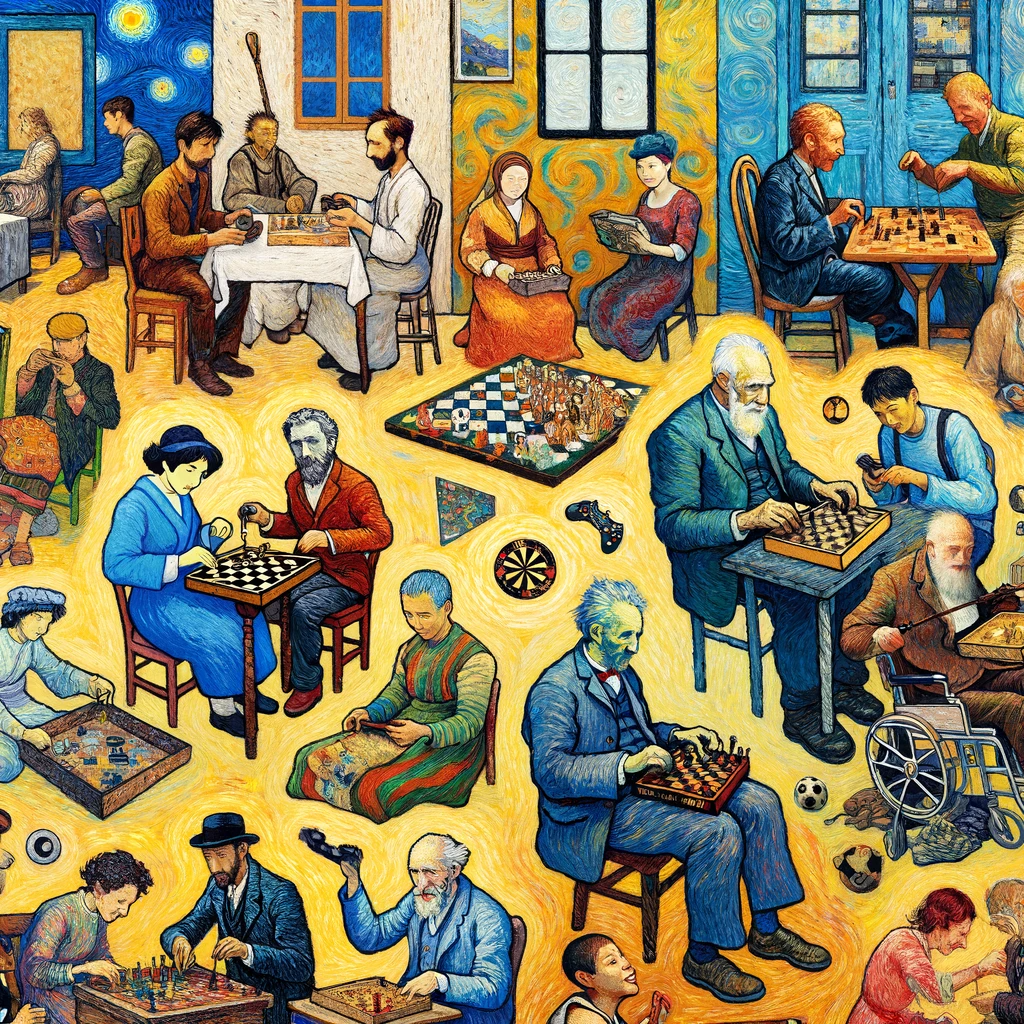
Conclusion
Conclusion:
- Gaming addiction poses a threat to personal relationships, requiring critical attention.
- While gaming can provide an escape, it may also create barriers to connecting with loved ones.
- Excessive gaming can lead to feelings of isolation and degrade communication.
- Recognizing when gaming overshadows real-life interactions is key to maintaining balance.
- Quality time with family and friends should not be sacrificed for gaming experiences.
- Engaging in open conversations about gaming habits can help strengthen relationships.
- Striking a balance between virtual and real-world interactions enriches life’s experiences.

Conclusion
Other Resources

Other Resources
Here is a list of other resources you can review online to learn more:
- GeekDad
- The Castles of Burgundy
- Blue Orange Games
- Mindclash Games
- Arkham Horror (Third Edition)
- Medium
- Brass: Birmingham
- Alchemists
- Amigo
Use This Prompt To Get More Resources With Your Favorite Online AI Tool: Please provide me with a list of online articles with their URLs in a bulleted list that I can read regarding Does Gaming Addiction Threaten Your Relationships?

Other Resources
Glossary Terms
Does Gaming Addiction Threaten Your Relationships? – Glossary Of Terms
1. Gaming Addiction: A compulsive pattern of playing video games that interferes with daily life, including relationships, work, and responsibilities.
2. Escapism: The use of games as a way to avoid reality or deal with stressors in life, potentially leading to addictive behavior.
3. Social Isolation: A state in which an individual withdraws from social interactions and relationships due to excessive gaming.
4. Communication Breakdown: The failure to effectively communicate with others, often exacerbated by the time spent gaming instead of engaging with loved ones.
5. Neglect: The act of disregarding responsibilities or the needs of those around you, often seen in individuals who prioritize gaming.
6. Compulsive Behavior: Actions taken out of an irresistible urge, often leading to negative consequences in personal life and relationships.
7. Withdrawal Symptoms: Physical and emotional signs experienced when attempting to reduce or stop gaming, which can impact interpersonal relations.
8. Equity: A balance in the emotional investment and time spent between gaming and nurturing relationships.
9. Quality Time: Engaging in meaningful activities with others, which can be compromised by excessive gaming.
10. Co-dependency: A relationship dynamic where one partner’s excessive gaming negatively affects the other’s well-being and independence.
11. Boundary Setting: The practice of establishing limits around gaming to protect personal relationships and responsibilities.
12. Empathy: The ability to understand and share the feelings of another; often diminished in those heavily involved in gaming.
13. Time Management: The process of planning and exercising conscious control over the amount of time spent on gaming versus relationships.
14. Conflict Resolution: Methods for addressing disagreements, which may become strained due to the impact of gaming addiction.
15. Digital Detox: A period of abstaining from gaming and digital devices to restore balance and improve relationships.
16. Intervention: A strategy employed by friends or family to help someone recognize and address their gaming addiction.
17. Support System: A network of friends, family, or therapists that provides assistance and understanding to someone struggling with gaming addiction.
18. Mental Health: A person’s emotional and psychological well-being, which can be adversely affected by excessive gaming.
19. Dependency: Reliance on gaming for emotional or psychological gratification, leading to imbalances in personal relationships.
20. Self-awareness: The ability to recognize one’s own feelings and behaviors, crucial in identifying gaming addiction’s impact on relationships.
21. Peer Pressure: The influence of friends or social groups that may encourage excessive gaming, impacting personal choices.
22. Interpersonal Skills: Skills used to interact effectively with others; often deteriorate with excessive gaming.
23. Fulfillment: A sense of satisfaction or happiness in life, which can diminish when gaming takes precedence over relationships.
24. Disconnection: The emotional or physical separation from loved ones that can occur with obsessive gaming.
25. Rehabilitation: A process of recovery aimed at overcoming gaming addiction to restore healthy relationships.
26. Negative Impact: Adverse effects on mental, emotional, and relational health stemming from uncontrolled gaming habits.
27. Balance: Maintaining a healthy equilibrium between gaming and real-world obligations and relationships.
28. Attachment Theory: A psychological model describing the dynamics of long-term interpersonal relationships, which may be adversely affected by gaming addiction.
29. Social Skills: Skills for effective interaction with others, which can be stunted in individuals who spend excessive time gaming.
30. Well-being: A holistic state of health that encompasses physical, mental, and social aspects, potentially compromised by gaming addiction.
These terms provide a foundational understanding of the various aspects surrounding gaming addiction and its potential effects on personal relationships.

Glossary Of Terms
Other Questions
Does Gaming Addiction Threaten Your Relationships? – Other Questions
If you wish to explore and discover more, consider looking for answers to these questions:
- What are the long-term effects of gaming addiction on relationships?
- How can I support a friend or partner who is struggling with gaming addiction?
- What resources are available for understanding gaming addiction?
- Are there specific games that are more likely to contribute to addiction?
- How can I find a balance between gaming and socializing?
- What can I do if gaming is causing conflict in my relationship?
- How do I approach a gaming addiction intervention with someone I care about?
- What role does age play in the impact of gaming addiction on relationships?
- Are there online communities or forums for discussing gaming addiction?
- Can gaming addiction affect the parent-child relationship?
- What signs should parents look out for in their children regarding gaming addiction?
- How does gaming addiction compare to other forms of addiction?
- What preventive measures can be taken to avoid gaming addiction?
- What role can couples therapy play in overcoming gaming addiction issues?
- How can partners establish healthy boundaries around gaming time?

Other Questions
Haiku
Does Gaming Addiction Threaten Your Relationships? – A Haiku
Screens glow in the night,
Connection fades, hearts grow cold—
Games bridge, but may break.

Haiku
Poem
Does Gaming Addiction Threaten Your Relationships? – A Poem
In pixelated worlds where heroes strive,
A thrilling adventure comes alive,
Yet behind the glow of vibrant scenes,
A quiet thief dances in between.
With laughter once shared, a bond once tight,
Now tucked away in the silent night,
For hours spent lost in quests untold,
Can leave cherished friends feeling cold.
What starts as a refuge from the daily grind,
Might draw you away from the ties that bind,
When connections fade, and voices dim,
The bright screen’s glow can start to feel grim.
“Just one more level,” becomes your refrain,
While love and warmth drift further from gain,
Communion replaced by the click of a mouse,
Turning a home into a lonely house.
So pause, dear gamer, reflect on your play,
Is the quest worth the price you pay?
For joy isn’t found simply in winning the fight,
But in moments spent holding loved ones tight.
Seek balance, embrace both worlds in your care,
Let gaming be fun, but don’t leave love bare,
For life’s richest treasures aren’t hoarded or earned,
But in laughter and moments, where true warmth is churned.
Reach out with honesty, share what feels right,
Find joy in connections, both day and night,
In the realm beyond screens, let your heart be the guide,
For the best adventures await on love’s side.

Poem
Checklist
Does Gaming Addiction Threaten Your Relationships? – A Checklist
How to Recognize Gaming Addiction in Yourself or Others
1. Time Management
_____ Are gaming sessions taking precedence over important responsibilities (work, school, family time)?
_____ Do you often choose gaming over real-life interactions?
2. Emotional Responses
_____ Do you feel irritable or anxious when you’re unable to game?
_____ Is the joy of gaming overshadowed by negative emotions?
3. Social Interactions
_____ Is gaming your primary method of connecting with others?
_____ Are you finding yourself isolating from friends and family?
4. Impact on Responsibilities
_____ Have you noticed any decline in job performance, school grades, or social commitments?
_____ Are deadlines frequently missed because of gaming?
5. Feelings of Guilt
_____ Do you suspect your gaming habits are negatively affecting your life?
_____ Are you experiencing guilt about your gaming time at all?
Signs That Gaming is Harming Your Relationships
1. Communication Breakdown
_____ Are meaningful conversations being replaced by discussions about gaming achievements?
_____ Is gaming crowding out quality communication with partners or friends?
2. Neglecting Personal Time
_____ Are you canceling plans frequently to stay home and game?
_____ Is your social calendar becoming dominated by gaming sessions?
3. Emotional Fallout
_____ Are you snapping at loved ones or getting frustrated when they interrupt your gaming time?
_____ Do you feel disconnected from your partner or friends?
4. Living Environment
_____ Is your gaming area cluttered or haphazardly maintained, potentially affecting other areas of your life?
_____ Does your home reflect neglect in daily responsibilities due to gaming?
5. Feedback from Others
_____ Are friends or family expressing concern about your gaming habits?
_____ Do they feel neglected or frustrated due to your gaming schedule?
Effective Communication Strategies with Your Partner
1. Choose the Right Time
_____ Find a moment when both of you can sit down, relaxed, and free from distractions.
2. Open the Dialogue
_____ Begin the conversation with open-ended questions about feelings and experiences related to gaming.
_____ Share your own perspectives to foster empathy.
3. Validate Feelings
_____ Acknowledge your partner’s emotions about your gaming habits without being defensive.
_____ Listen actively and encourage them to voice their concerns.
4. Set Boundaries Together
_____ Discuss and agree on healthy gaming times and habits that accommodate both of your needs.
5. Incorporate Shared Activities
_____ Suggest co-op games or other hobbies that allow you to spend quality time together while enjoying gaming.
Seeking Support and Therapy Options
1. Identify Support Systems
_____ Reach out to friends and family for encouragement and support in your journey to balance gaming and relationships.
2. Consider Therapy
_____ Explore therapy options like Cognitive Behavioral Therapy (CBT) that specifically address gaming addiction.
_____ Look for local support groups or community programs focused on gaming habits.
3. Use Technology Wisely
_____ Consider downloading apps that track gaming habits and provide insights into your gameplay patterns.
4. Mindfulness Practices
_____ Incorporate mindfulness techniques to develop awareness of your gaming impulses and learn healthier coping strategies.
5. Celebrate Progress
_____ Acknowledge and celebrate small victories in your gaming moderation journey with the support of friends and family.
Remember:
Balance is key! Enjoy your gaming adventures, but prioritize connections with those you love.

Checklist
At HowDoYouGame, we help people who love board games by collating information and news about games.
Be sure to read our other related stories at HowDoYouGame to learn more about games.