Leveling Up Senior Health With Game-Based Fitness
By Tom Seest
At HowDoYouGame, we help people who love board games by collating information and news about games.
Be sure to read our other related stories at HowDoYouGame to learn more about games.
Could Game-Based Fitness Programs Revolutionize Senior Health?
There’s something invigorating about the idea of harnessing the power of play to tackle serious topics like health and fitness, especially when it comes to our aging population. Who would have thought that gamification—yes, that’s right—could be a game changer for seniors? When you take a step back and look at the statistics, it’s honestly a little alarming. Many older adults lead sedentary lives, often trapped in a routine that doesn’t do their bodies any favors. What if we could flip that script?
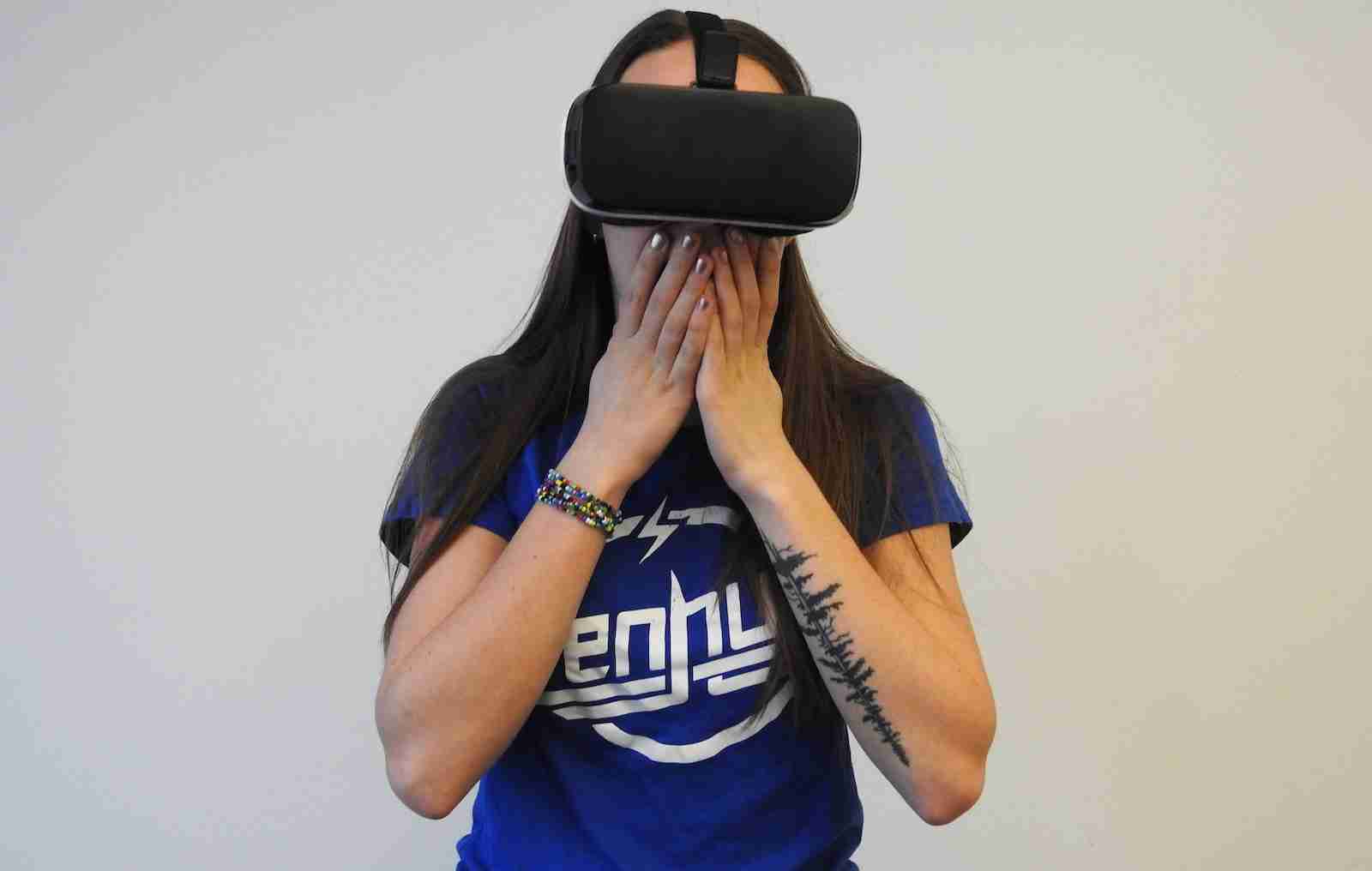
Imagine a world where seniors trade in their physical therapy bands for VR headsets, engaging in lively adventures that not only stimulate their minds but challenge their bodies too. Picture them immersed in an interactive environment where they can chase virtual butterflies in botanical gardens or paddle down simulated rivers—all while getting a full workout without the daunting aspect of traditional exercise. This concept of game-based fitness transcends conventional workouts.
Games have a unique way of enticing participation, pulling people in with friendly competition and enticing rewards. When we apply this principle of gamification, we create a landscape where workouts become less of a chore and more of a social event. Seniors can team up, rallying with friends or family, racking up points, and unlocking achievements. This camaraderie fosters relationships, reducing feelings of isolation and promoting mental wellness—a vital element in senior health that we often overlook.
Moreover, integrating technology can keep their minds sharp, offering puzzles and challenges that require focus and strategy. It’s not just about moving; it’s about moving while maintaining cognitive function. With such approaches, we’re not merely addressing mobility; we’re enhancing overall well-being.
Yet, we must approach this revolution with caution. As we tread this uncharted territory, we need to ensure accessibility. The tech-savvy nature of many games can sometimes alienate those who aren’t familiar with modern gadgets, so creating user-friendly interfaces is key.
In short, game-based fitness programs could be the fresh breath of air that senior health needs. With a sprinkle of imagination and dedication, we have the capacity to redefine what it means to stay active in our golden years, proving that health and fun can coexist seamlessly.

Could Game-Based Fitness Programs Revolutionize Senior Health?
Could Game-Based Fitness Programs Revolutionize Senior Health?
- Gamification can invigorate health and fitness for seniors by making exercise engaging and enjoyable.
- Many older adults lead sedentary lives, highlighting the need for innovative solutions to promote physical activity.
- Virtual reality (VR) can offer immersive adventures that stimulate both body and mind, making exercise feel less daunting.
- Game-based fitness promotes social interaction through friendly competition and teamwork, reducing feelings of isolation among seniors.
- Cognitive challenges integrated into fitness programs can help maintain mental sharpness alongside physical activity.
- Accessibility is crucial, as not all seniors are tech-savvy; user-friendly interfaces are essential for widespread adoption.
- Game-based fitness programs have the potential to redefine senior health, blending fun with physical well-being to enhance overall quality of life.

Could Game-Based Fitness Programs Revolutionize Senior Health?
Table Of Contents
- Could Game-Based Fitness Programs Revolutionize Senior Health?
- What Are The Benefits Of Game-Based Fitness For Seniors?
- How Do Senior Fitness Games Improve Physical Health?
- Can Game-Based Programs Enhance Mental Wellbeing In Older Adults?
- What Types Of Games Are Most Suitable For Senior Fitness?
- How Can Technology Be Used To Promote Senior Fitness Games?
- What Barriers Exist For Seniors Using Game-Based Fitness Programs?
- Are There Specific Success Stories From Seniors Using These Programs?
- Conclusion
- Other Resources
- Glossary Of Terms
- Other Questions
- Haiku
- Poem
- Checklist
What Are The Benefits Of Game-Based Fitness For Seniors?
When it comes to staying fit, the concept of “gamification” has taken the world by storm, and it’s not just for kids or tech enthusiasts anymore. Seniors are finding that game-based fitness offers a whole new way to engage with physical activity, proving that you can teach an old dog new tricks. So, what exactly are the benefits?
First off, let’s address motivation. One of the biggest hurdles that many seniors face is the lack of interest or incentive to stick to a fitness routine. Traditional exercise can feel monotonous and isolating, but with gamification, seniors are invited to participate in activities that feel less like a chore and more like a fun challenge. Whether it’s a dance-off in the living room or a digital archery competition with friends, the playful structures built into game-based fitness programs are effective at energizing participants. The competitive aspects—like reaching new levels or earning virtual rewards—can trigger those motivational gears that have sat idle for far too long.
Beyond motivation, let’s talk about social connections. Engaging in game-based fitness activities often means doing so with others, whether it’s in person or through a digital platform. These interactions foster camaraderie, allowing seniors to bond over shared experiences and challenges. The benefits of this social interaction not only enhance the joy of exercising but also contribute positively to mental health, reducing feelings of loneliness and isolation.
Then, there’s the cognitive boost. Many game-based fitness programs require players to think strategically or react quickly, keeping their minds sharp. This brain fitness aspect complements the physical benefits of staying active, creating a comprehensive workout for both body and mind. When seniors engage in activities that make them think on their feet, they’re also exercising their cognitive muscles, which can help stave off decline.
Lastly, the flexibility of game-based fitness means that seniors can adapt the intensity and duration based on their physical capabilities. Whether you’re using a VR headset to explore virtual worlds or simply joining a community dance class, there’s something for everyone. This accessibility helps ensure that seniors can find activities that not only suit their interests but also meet their individual fitness levels.
In summary, game-based fitness is a powerful tool that offers motivation, social interaction, cognitive engagement, and adaptability. It’s not just a passing fad; it’s a genuine game-changer for seniors looking to enhance their health while having a bit of fun along the way. So dust off those sneakers and get ready to play!

What Are The Benefits Of Game-Based Fitness For Seniors?
What Are The Benefits Of Game-Based Fitness For Seniors?
- Gamification has become a popular way for seniors to engage in fitness activities.
- Game-based fitness helps alleviate the lack of motivation and interest in traditional exercise routines.
- Many senior participants find activities fun and challenging rather than monotonous.
- Social interactions through game-based fitness foster camaraderie and reduce feelings of loneliness.
- Engaging in game-based fitness can provide cognitive benefits, keeping minds sharp while staying active.
- Game-based fitness activities offer flexibility in intensity and duration, catering to individual fitness levels.
- This approach to fitness is a genuine opportunity for seniors to improve health while enjoying themselves.

What Are The Benefits Of Game-Based Fitness For Seniors?
How Do Senior Fitness Games Improve Physical Health?
Let’s take a step back and think about the power of play. When you hear “fitness games,” your mind might conjure images of kids running around a park or athletes engaged in heated competition. But here’s the kicker: gamification is more than just a fun diversion for the young; it’s a powerful tool for seniors looking to enhance their physical health.
First off, let’s get real about motivation. For many older adults, the idea of a traditional workout can evoke dread rather than excitement. Enter gamification. By turning exercise into a game, we tap into that elemental human instinct to compete, improve, and, yes, have fun. Whether it’s a virtual bowling game to improve hand-eye coordination, or dancing along to the rhythm of classic tunes, fitness games give seniors a reason to get moving—a worthwhile goal wrapped in an engaging package.
Now, let’s talk about the benefits. Engaging in these games can lead to improved balance, strength, and flexibility, all of which are crucial as we age. The beauty of fitness games is that they encourage regular exercise without the burdensome focus on reps and sets. Instead of seeing physical activity as a chore, seniors view it as a chance to score points, beat their high score, or simply enjoy themselves. This shift in mindset can lead to more consistent participation, which is key to seeing tangible health improvements.
Moreover, social interaction plays a vital role in both mental and physical well-being. Many fitness games are designed for group play, promoting camaraderie and interaction. This sense of community can stave off feelings of isolation, reducing stress, and leading to improved mental health. After all, shared experiences—whether it’s high-fiving a partner after completing a level or competing in a friendly challenge—create bonds and enhance the overall experience.
But let’s not forget about accessibility. Many of these games can be played in the comfort of one’s home, making it easier for seniors with mobility issues to participate. With technology at their fingertips, whether it’s through an app, a console, or even simple board games, older adults have a plethora of options tailored to their needs and preferences.
Senior fitness games are not just about breaking a sweat—they’re about building a lifestyle. Gamification transforms what could be yet another monotonous activity into an engaging experience that fosters both physical health and a renewed sense of joy in movement. So, dust off that old Wii console or shuffle up those cards, and let’s get playing!

How Do Senior Fitness Games Improve Physical Health?
How Do Senior Fitness Games Improve Physical Health?
- Gamification turns exercise into a fun and engaging activity for seniors, moving beyond traditional workout dread.
- Fitness games can include virtual activities like bowling and dancing that improve physical skills such as hand-eye coordination.
- Benefits of fitness games include enhanced balance, strength, and flexibility, crucial for older adults.
- Seniors can see exercise as a fun experience focused on scoring and enjoyment rather than a chore.
- Social interaction through group fitness games promotes camaraderie, reducing feelings of isolation and improving mental health.
- Many fitness games are accessible and can be played at home, accommodating seniors with mobility issues.
- Senior fitness games contribute to a lifestyle change, fostering physical health and joy in movement.

How Do Senior Fitness Games Improve Physical Health?
Can Game-Based Programs Enhance Mental Wellbeing In Older Adults?
When it comes to engaging older adults in activities that promote mental wellbeing, the phrase “you’re only as old as you feel” resonates louder than ever. We’re talking about gamification—a concept that’s gained traction in recent years and is infiltrating various fields, including healthcare and social interaction. By transforming everyday activities into games, we tap into a fundamental human drive: the joy of play.
Now, let’s face it, the idea of blue-haired retirees chuckling over a game of bingo might not scream mental agility. But in a world where brains might start to slow down, gamification offers a refreshing path to sharpen those faculties. Studies have shown that incorporating game elements into routines can enhance cognitive function, memory retention, and overall mood. Imagine an older adult navigating through a digital farm, planting crops, tending livestock, and staying engaged in a virtual world. It’s not just about fun; it’s about fostering a sense of purpose, challenge, and achievement.
Intriguingly, these programs often focus on promoting social connections as well. A competitive spirit can spark new friendships and rekindle old ones. A well-placed leaderboard or collaborative task can encourage meaningful interactions, something many older adults long for. As they share strategies and celebrate victories or even lament losses, they’re fostering relationships—one click or card at a time.
Here’s where professional knowledge comes into play. Cognitive experts are increasingly seeing the benefits of these game-based programs, not just for entertainment, but as legitimate tools for improving mental health. They’re recognizing that, beyond nostalgia, games can provide cognitive stimulation and emotional support. That’s right; we’re redefining the toolkit for mental wellbeing.
Now, don’t get me wrong. Gamifying life isn’t a panacea for all aging-related issues. While these programs aren’t a cure-all, the positive outcomes are hard to ignore. Whether it’s a simple card game with family or a complex puzzle on a tablet, fostering engagement through fun can lead to better mental health outcomes. So, for the skeptical souls out there, take a moment to reframe your perceptions. Maybe it’s time to embrace a new chapter where laughing, learning, and living well intertwine through the joy of games. The results could be more enriching than we ever imagined.

Can Game-Based Programs Enhance Mental Wellbeing In Older Adults?
Can Game-Based Programs Enhance Mental Wellbeing In Older Adults?
- The phrase “you’re only as old as you feel” highlights the importance of mental wellbeing for older adults.
- Gamification is an emerging concept that turns everyday activities into games, fostering joy and engagement.
- Incorporating game elements can enhance cognitive function, memory retention, and improve overall mood in older adults.
- Digital games offer a sense of purpose and achievement, such as navigating a virtual farm.
- These programs encourage social connections, fostering friendships and meaningful interactions among participants.
- Cognitive experts are recognizing the mental health benefits of gamified programs beyond mere entertainment.
- While gamification isn’t a cure-all, its positive effects on mental health outcomes make it a valuable tool for older adults.

Can Game-Based Programs Enhance Mental Wellbeing In Older Adults?
What Types Of Games Are Most Suitable For Senior Fitness?
When it comes to senior fitness, the focus should be on making movement fun, engaging, and accessible. Rather than approaching exercise like a chore, the modern method incorporates something known as gamification—infusing game-like elements into physical activities. This not only sparks motivation but also encourages a sense of achievement, even in the simplest of tasks.
So, what types of games are best suited for our seasoned athletes? Let’s dive into the world of interactive fitness and uncover some gems that can keep those bodies moving and spirits high.
First up, we have chair exercises blended with game mechanics. Think about incorporating light resistance bands into a bingo game format. Participants can cross off a square every time they complete an exercise, like performing seated leg lifts or arm stretches. It’s simple, it’s social, and it gives everyone a reason to cheer each other on. Gamification here acts as a motivator, with the aim of fostering friendly competition while reaping the benefits of physical activity.
Next, consider walking or light aerobics that pair traditional routines with interactive challenges. A “scavenger hunt” style walk around the neighborhood can ignite the spirit of adventure in anyone. You can create a list of items to find—like a red car or a blooming flower—and each time a group member spots one, everyone stops for a light stretch or a simple aerobic exercise. The combination of mobility and gamification not only strengthens muscles but also encourages social engagement and cognitive stimulation.
For those inclined toward sensations of rhythm, dance-based games can be delightful. Programs that encourage seniors to dance, whether through virtual reality setups or community classes, can integrate the principles of gamification by tracking progress and offering rewards for achievement milestones. This turns an ordinary dance class into a lively competition, infused with fun and camaraderie.
Finally, let’s not forget the realm of virtual fitness games that cater to seniors. Games that require players to engage in physical activity, like virtual bowling or interactive fitness video games, can be a huge hit. With built-in checklists, challenge modes, and even avatars that show progress, these platforms transform fitness into an engaging journey.
Games that foster movement, social interaction, and a sprinkle of competition can revolutionize how seniors approach fitness. By embracing gamification, we inspire physical activity that’s not only enjoyable but beneficial for health—creating a win-win scenario that keeps our seniors fit, engaged, and thriving.

What Types Of Games Are Most Suitable For Senior Fitness?
What Types Of Games Are Most Suitable For Senior Fitness?
- Senior fitness should focus on making movement fun, engaging, and accessible.
- Gamification introduces game-like elements to physical activities to enhance motivation and achievement.
- Chair exercises integrated with game mechanics (e.g., bingo with exercises) promote social interaction and friendly competition.
- Walking or light aerobics can be combined with scavenger hunts to encourage exploration and physical activity.
- Dance-based games that track progress and offer rewards can make classes more exciting for seniors.
- Virtual fitness games, such as bowling or interactive video games, engage seniors in physical activity effectively.
- Promoting movement through games can significantly enhance seniors’ fitness while fostering social engagement and enjoyment.

What Types Of Games Are Most Suitable For Senior Fitness?
How Can Technology Be Used To Promote Senior Fitness Games?
In a world that never stops moving, the notion of promoting senior fitness games through technology is not just innovative; it’s a necessity. Imagine turning a simple workout into an engaging experience, all thanks to gamification. This approach takes the mundane routines and transforms them into dynamic challenges that can captivate the minds of seniors, encouraging participation in ways we never thought possible.
Gamification works by infusing activities with game-like elements. Think points, levels, and achievements – things that trigger a sense of accomplishment. For seniors, this can mean introducing friendly competition, rewarding participants with badges for consistent participation, or creating teams that foster camaraderie. It’s about making fitness fun! By integrating these elements, seniors are more likely to stick with their routines. A 70-year-old engaged in a virtual race against a friend isn’t just exercising; they’re reliving a thrill from their youth, even if the race is taking place on a tablet in their living room.
With technology at our fingertips, there are countless tools to facilitate this shift. Wearable devices, for example, can track a senior’s movements and provide instant feedback. This instant gratification is a powerful motivator. Instead of simply counting steps, apps can turn a daily walk into a quest where the goal is to reach a mythical castle or discover hidden treasures in the neighborhood. The result? More seniors engaged in physical activity and loving every minute of it.
Smartphones and tablets allow for interactive platforms where seniors can challenge each other and share their progress on social media. The act of sharing achievements fosters community spirit. Imagine a grandparent posting their latest fitness milestone online, complete with colorful graphics and a sense of pride; that’s motivation for their peers to join in.
Moreover, coaching apps can offer personalized fitness plans tailored to the individual’s abilities and interests, providing a perfect blend of technology and support. These plans can incorporate video demonstrations, reminders, and virtual gatherings, turning solitary workouts into social events.
As we embrace the digital age, it’s crucial to keep our seniors in the loop. By leveraging gamification and technology, we can usher them into a vibrant world of fitness that celebrates health, friendship, and a dash of friendly competition. It’s time to make fitness for our seniors not just a task, but an exciting adventure.

How Can Technology Be Used To Promote Senior Fitness Games?
How Can Technology Be Used To Promote Senior Fitness Games?
- Promoting senior fitness games through technology is essential in a fast-paced world.
- Gamification transforms mundane workout routines into engaging challenges with elements like points, levels, and achievements.
- Introducing friendly competition and rewards can encourage consistent participation among seniors.
- Wearable devices track movements and provide instant feedback, turning daily walks into fun quests.
- Smartphones and tablets enable seniors to challenge each other and share progress on social media, fostering community spirit.
- Coaching apps offer personalized fitness plans, incorporating video demos and virtual gatherings for social interaction.
- Leveraging gamification and technology can make fitness an exciting adventure for seniors, enhancing health and friendship.

How Can Technology Be Used To Promote Senior Fitness Games?
What Barriers Exist For Seniors Using Game-Based Fitness Programs?
In the ever-evolving landscape of health and fitness, game-based programs have emerged as a fun and engaging alternative for seniors. But as with any innovation, there are hurdles that can hinder participation. Let’s dive into the reality of what stands between older adults and the promise of gamification in their fitness routines.
First off, we cannot ignore the technological barrier. Many seniors weren’t raised with smartphones and tablets, so when faced with a screen loaded with buttons and icons, it can feel like rocket science. For some, the very notion of navigating an app can induce a sense of anxiety that turns the fun of gamification into a chore. Training the brain alongside the body is no easy task, and many feel overwhelmed trying to keep up.
Then there’s the issue of physical capability. Not every game is designed with seniors in mind, and those that are often assume a degree of mobility that not all older adults possess. Hand-eye coordination, balance, and strength can decline with age. Hence, a game that promises to be an enjoyable workout might inadvertently set off a daunting challenge, turning excitement into frustration. Sandbox style games can be fantastic, but you can’t build castles in the sky if you can’t reach the ground.
Now, let’s talk about social connection. Many seniors find traditional fitness classes a cherished means of interacting with others, but the virtual nature of many game-based programs can feel isolating. Gamification may promote a sense of competition, yet the lack of face-to-face interaction with peers might diminish the camaraderie that many seniors crave. After all, what’s a workout without a few chuckles and shared stories?
Another hurdle is the mindset surrounding exercise. Seniors often have deeply ingrained perspectives on fitness, viewing it as a serious endeavor rather than an opportunity for play. The idea of mixing games with workouts can feel foreign, even frivolous, to some. If a senior thinks exercise should be a grueling affair, they might see gamified programs as juvenile antics rather than a legitimate form of fitness.
Lastly, the financial implications can’t be ignored. While some game-based fitness programs are free, many charge for subscriptions or equipment, which can be a significant deterrent for fixed-income seniors. The cost-benefit ratio must be clear and compelling to encourage participation.
So, while the potential benefits of gamification in fitness programs for seniors are immense, it’s vital to address these barriers head-on. After all, if we want to harness the joy of play in our golden years, we need to ensure the game is accessible, welcoming, and tailored to the players at hand.

What Barriers Exist For Seniors Using Game-Based Fitness Programs?
What Barriers Exist For Seniors Using Game-Based Fitness Programs?
- Game-based programs offer a fun and engaging fitness alternative for seniors, but face several participation hurdles.
- Technological barriers exist; many seniors feel overwhelmed by using smartphones and apps, often finding them anxiety-inducing.
- Physical capabilities can limit participation, as not all games are designed for seniors and may require mobility that some do not possess.
- Virtual game-based programs can feel isolating, reducing the social interaction seniors cherish from traditional fitness classes.
- Seniors may have a serious mindset about exercise, perceiving gamification as frivolous and not a legitimate form of fitness.
- Financial implications can deter participation, as many programs charge for subscriptions or equipment which may be unaffordable for fixed-income seniors.
- To maximize the benefits of gamification, it is crucial to address these barriers and create accessible, welcoming, and tailored programs for seniors.

What Barriers Exist For Seniors Using Game-Based Fitness Programs?
Are There Specific Success Stories From Seniors Using These Programs?
When we think about seniors and technology, it’s easy to conjure images of confusion or reluctance. But dig a little deeper, and you’ll discover a vibrant world where older adults are not just participating but thriving—thanks to programs that leverage gamification. Yes, you heard that right: gamification. But before you roll your eyes, let’s explore some heartwarming success stories that shatter the stereotype of tech-averse seniors.
Take Betty from Minnesota, a sprightly 72-year-old who used to dread her physical therapy sessions. Her therapist introduced her to a program that transformed those dreary exercises into an interactive game. By turning her routine into a friendly competition—complete with point systems and virtual rewards—Betty found herself not just motivated but excited to work out. Soon enough, she was logging on daily, racking up points and badges as if she were a kid playing a video game. As her strength grew, so did her confidence, proving that sometimes the best medicine comes wrapped in a digital package.
Then there’s Harold, an avid poker player who, at 68, wanted to brush up on his cognitive skills. He discovered a mobile app designed specifically for seniors that incorporated gamification techniques to stimulate memory and problem-solving. He could challenge himself with daily puzzles and play brain games that felt more like a fun pastime than a chore. The community aspect of the app brought in a social element too, allowing Harold to connect with others. In a matter of months, not only did he sharpen his mental acuity, but he also found camaraderie among fellow players, breaking through the often-isolating experience of aging.
These tales highlight the incredible potential of engaging older adults through innovative methods. Programs that utilize gamification are not merely about clicking and swiping; they represent a fundamental shift in how seniors interact with technology and health. They’re not just passive recipients of care; they are active participants, wielding their smartphones like seasoned pros, and driving their wellness journey.
It isn’t just about the numbers or the games. It’s about enhancing quality of life, fostering connections, and proving that it’s never too late to embrace the new. So, to all the skeptical seniors out there—consider picking up that device. Who knows what adventures await you just a swipe away?

Are There Specific Success Stories From Seniors Using These Programs?
Are There Specific Success Stories From Seniors Using These Programs?
- Contrary to popular belief, many seniors are thriving with technology, particularly through gamification.
- Betty, a 72-year-old from Minnesota, transformed her physical therapy sessions into an engaging game with point systems and virtual rewards.
- As a result of gamification, Betty became motivated and excited to work out, logging on daily and gaining confidence.
- Harold, 68, used a mobile app designed for seniors that offered gamification techniques to improve cognitive skills through fun brain games.
- The community aspect of the app allowed Harold to connect with others, alleviating feelings of isolation associated with aging.
- These stories demonstrate how gamification changes seniors from being passive recipients of care to active participants in their health and wellness journeys.
- Embracing technology can enhance quality of life and foster connections, proving it’s never too late to explore digital possibilities.

Are There Specific Success Stories From Seniors Using These Programs?
Conclusion
Conclusion: Game On for Senior Health
It’s time we take a moment to recognize something refreshing in the often-stagnant world of senior fitness: gamification. This isn’t just about adding some bells and whistles to a workout; it’s about harnessing the timeless power of play to redefine what staying active can look like for our older adults. Look, let’s face it: traditional exercise routines can feel more drudgery than dynamism, and the idea of hitting the gym can evoke images of sweat and tears rather than joy and camaraderie. But what if fitness didn’t come with a side of dread? What if it was wrapped in the sheer delight of competition, creativity, and collaboration? Now we’re talking!
Imagine a world where seniors are not just shuffling through exercises, but engaging in lively adventures. Picture them donning VR headsets and moving through virtual gardens or dancing their hearts out with friends in a fun, interactive class. This shift from tedious to thrilling can turbocharge motivation, breathing new life into the oft-reported sedentary lifestyle that plagues so many in this age group. Instead of slogging through solitary workouts, game-based fitness programs bring people together. Competition and teamwork foster relationships—one of the most crucial but frequently overlooked aspects of senior health. The laughter, the shared victories, the friendly rivalries: these moments break the often-frigid ice of isolation.
And let’s not sell short the cognitive benefits. Today’s seniors are not just craving movement; they crave mental stimulation too. The integration of strategic puzzles and fast-paced challenges keeps their minds as engaged as their bodies. It’s a two-for-one deal, folks! But, as we embrace this exciting revolution, we have to keep accessibility in our sights. We can’t allow technological barriers to alienate those who could benefit most from these programs. Simple, user-friendly designs are essential to ensure that everyone, no matter their tech-savviness, can join in on the fun.
In conclusion, the potential of game-based fitness for seniors is staggering. With imagination and dedication, we are poised to redefine what it means to stay active in our golden years. So let’s dust off those sneakers, fire up those consoles, and welcome our seniors to a vibrant, engaging world of health and wellness. Remember, it’s not just about moving; it’s about moving with a smile—because health and fun can coexist, and together, they just might revolutionize what growing old looks like! Game on!
Conclusion
Conclusion:
- Gamification redefines senior fitness, moving away from traditional, drudgery-filled routines.
- Fitness can become a joyful experience filled with competition, creativity, and collaboration.
- Seniors can engage in lively adventures through activities like virtual reality and interactive classes.
- Game-based fitness programs foster social connections, combating isolation among seniors.
- Cognitive benefits are also significant, providing mental stimulation through strategic challenges.
- Accessibility is crucial; designs must be user-friendly to include all seniors.
- Embracing game-based fitness can transform perceptions of aging and promote a vibrant, active lifestyle.

Conclusion
Other Resources

Other Resources
Here is a list of other resources you can review online to learn more:
- Robinson Crusoe: Adventures on the Cursed Island
- Brass: Birmingham
- Cyclades
- Diigo
- Ravensburger
- The Crew: The Quest for Planet Nine
- Dead of Winter: The Long Night
- Magic: The Gathering
- 7 Wonders Duel
Use This Prompt To Get More Resources With Your Favorite Online AI Tool: Please provide me with a list of online articles with their URLs in a bulleted list that I can read regarding Could Game-Based Fitness Programs Revolutionize Senior Health?

Other Resources
Glossary Terms
Could Game-Based Fitness Programs Revolutionize Senior Health? – Glossary Of Terms
1. Active Aging: Engaging seniors in physical, social, and mental activities to enhance their quality of life.
2. Aerobic Exercise: Any sustained physical activity that increases heart and lung health, such as walking or cycling.
3. Balance Training: Exercises designed to improve stability and prevent falls, often crucial for seniors.
4. Cognitive Engagement: Activities that stimulate mental processes, essential for maintaining cognitive health in seniors.
5. Elderly Fitness: Fitness programs specifically tailored to accommodate the physical capabilities and health issues of older adults.
6. Gamification: The application of game-design elements in non-game contexts, used to motivate and increase engagement in fitness.
7. Motivation: The drive to engage in physical activity, which can be enhanced through game-based programs.
8. Motion Capture: Technology that tracks body movements, often used in game-based fitness to ensure proper form and engagement.
9. Physical Activity: Any bodily movement that requires energy expenditure, including structured exercise or daily tasks.
10. Rehabilitation: Therapeutic exercises designed to restore function and mobility, often integrated into fitness programs for seniors.
11. Senior Fitness Programs: Structured activities aimed at improving physical health, flexibility, balance, and mental well-being among older adults.
12. Social Interaction: Engagement with peers, which can enhance motivation and enjoyment in fitness activities.
13. Virtual Reality (VR): A simulated environment created using technology that can immerse users, used in some fitness programs to enhance experience.
14. Wearable Technology: Devices such as fitness trackers that monitor physical activity levels, heart rate, and other health metrics.
15. Wellness: A holistic approach to health that encompasses physical, mental, and emotional well-being.
16. Strength Training: Exercises aimed at improving muscle strength, which is important for maintaining functionality in seniors.
17. Interactive Exercises: Activities that engage participants both physically and cognitively, often featured in game-based fitness programs.
18. Fall Prevention: Strategies and exercises aimed at reducing the risk of falls, a significant concern for seniors.
19. Endurance: The ability to sustain physical activity over time, often enhanced through steady, progressive exercise routines.
20. Sociability: The quality of being social; fostering connections through group-based fitness activities can benefit mental health.
21. Motivational Feedback: Real-time data or encouragement provided during physical activities to enhance performance and engagement.
22. Health Literacy: The ability to understand health information, which can impact one’s participation in fitness and wellness programs.
23. Adaptability: The ability of a fitness program to modify exercises based on individual health status and capabilities.
24. Ageism: Prejudice or discrimination against individuals based on their age, which can impact access to fitness opportunities.
25. Holistic Health: An approach that considers the whole person, integrating physical, mental, and social health.
26. Online Community: Virtual spaces where individuals, including seniors, can connect, share experiences, and support each other’s fitness journeys.
27. Motivation by Design: Constructing fitness programs that inherently draw interest and commitment through engaging elements.
28. Self-efficacy: Belief in one’s ability to succeed in specific situations, crucial for encouraging active participation in fitness.
29. Inclusivity: Designing fitness programs that are accessible and accommodating to all seniors, regardless of physical ability.
30. Measurable Outcomes: Quantifiable results from fitness programs, such as improved strength or balance, used to evaluate effectiveness.

Glossary Of Terms
Other Questions
Could Game-Based Fitness Programs Revolutionize Senior Health? – Other Questions
If you wish to explore and discover more, consider looking for answers to these questions:
- What are some popular game-based fitness programs for seniors?
- How can caregivers assist seniors in using game-based fitness programs?
- What types of physical activities are commonly incorporated in these games?
- Are there any recommended devices or equipment for seniors to use with game-based fitness?
- How do we measure the effectiveness of game-based fitness for seniors?
- What research has been conducted on the impact of game-based fitness on senior health?
- How can families encourage their elderly relatives to participate in game-based fitness?
- What are some tips for seniors who are new to technology and gamification?
- Are there community centers or programs that offer game-based fitness for seniors?
- What feedback have seniors provided about their experiences with game-based fitness programs?
- Can game-based fitness programs be adapted for individuals with disabilities?
- What role do healthcare professionals play in recommending game-based fitness for seniors?
- How often should seniors engage in game-based fitness for optimal health benefits?

Other Questions
Haiku
Could Game-Based Fitness Programs Revolutionize Senior Health? – A Haiku
Playful paths await,
Seniors thrive through fitness—
Joy in every game.

Haiku
Poem
Could Game-Based Fitness Programs Revolutionize Senior Health? – A Poem
In the golden years where stillness reigns,
A vibrant spark can break the chains.
With playful leaps in virtual realms,
Seniors rise, take hold of the helm.
Imagine trading bands for a headset,
Chasing butterflies, no more regret.
In gardens lush, with rivers wide,
Fitness becomes a joyful ride.
Gone are the days of dreary routines,
Now friendly competitions fuel their dreams.
With laughter shared and scores to beat,
They find companionship in every feat.
A dance-off here, a digital quest,
Movement redefined, it’s simply the best.
Balance and strength, in playful disguise,
As body and mind together arise.
But caution calls – we must be wise,
To bridge the gap where technology lies.
Crafting paths that welcome all,
With ease of use, so none feel small.
For every hurdle, solutions spring,
A vibrant life in every swing.
Motivation ignites, connections bloom,
In this tech-savvy world, there’s always room.
From Betty’s joy in daily play,
To Harold’s mind sharp every day,
These stories unfold with promise clear,
That health and fun can coalesce here.
So lift your spirits, don those shoes,
The game of life has much to lose.
With hearts unbound, let’s dance and cheer,
For active aging is finally here.

Poem
Checklist
Could Game-Based Fitness Programs Revolutionize Senior Health? – A Checklist
1. Assess Interest and Motivation
_____ Discuss the concept of game-based fitness with seniors to gauge interest.
_____ Identify activities they enjoy or have previously shown interest in.
2. Evaluate Technological Readiness
_____ Check if seniors are comfortable using smartphones, tablets, or gaming consoles.
_____ Consider providing basic training sessions on how to use relevant devices.
3. Ensure Accessibility of Activities
_____ Select games that can be easily adapted for different physical capabilities.
_____ Ensure games incorporate seated or low-impact options for participants with limited mobility.
4. Foster Social Interaction
_____ Organize group gaming sessions, either in-person or virtually.
_____ Create teams or partnerships to encourage camaraderie and competition.
5. Incorporate Cognitive Challenges
_____ Choose games that require problem-solving or strategic thinking.
_____ Mix physical activities with puzzles or memory games for cognitive stimulation.
6. Establish Routine and Consistency
_____ Set a regular schedule for game-based fitness sessions.
_____ Track progress and celebrate milestones to maintain motivation.
7. Gather Feedback for Improvement
_____ Create a system for participants to share their thoughts on the programs.
_____ Adapt activities based on feedback to enhance enjoyment and engagement.
8. Address Mindset and Preconceptions
_____ Discuss the benefits of mixing play with fitness to change negative perceptions of exercise.
_____ Share success stories of seniors who have benefited from game-based fitness.
9. Consider Cost and Accessibility
_____ Look for free or low-cost options for games and equipment.
_____ Assess any financial barriers that might prevent participation.
10. Celebrate Successes
_____ Acknowledge improvements in physical health, social connections, and cognitive skills.
_____ Create a fun, celebratory event for participants to showcase achievements.
By following this checklist, seniors and their caregivers can effectively integrate game-based fitness into their routines, leading to enhanced physical health, mental well-being, and social connections.

Checklist
At HowDoYouGame, we help people who love board games by collating information and news about games.
Be sure to read our other related stories at HowDoYouGame to learn more about games.