
Rediscovering Happiness: Seniors And The Power Of Play
By Tom Seest
At HowDoYouGame, we help people who love board games by collating information and news about games.
Be sure to read our other related stories at HowDoYouGame to learn more about games.
Can You Unlock Unimaginable Joy Through Daily Play for Seniors?
Let’s dive right in. It’s a truth universally acknowledged that everyone—yes, even seniors—could use a little more joy in their lives. But here’s the kicker: the kind of joy that lasts isn’t just found in deep conversations or nostalgic trips down memory lane; sometimes, it comes from something as simple as daily play. It’s the idea that you can infuse giggles and glee into your routine, and let me tell you, it might just set off a spark like a firecracker on the Fourth of July.
Now, you might be wondering how this applies to seniors, or whether daily play is just a nice way of saying “a bunch of games.” Well, hold onto your hats, folks, because the concept of gamification has redefined what it means to engage in play. No more talk of childish pursuits and “playing second fiddle.” Game-like elements peppered throughout daily activities can transform the mundane into extraordinary. Remember that feeling when you unlocked a new level in your favorite video game? That spark of accomplishment, that rush of excitement? Imagine harnessing that energy for activities like gardening, puzzles, or even taking a stroll around the block.
Think of daily play as a bridge connecting the past with the present. It’s not just about sticking to activities that feel familiar; it’s about mixing it up and embracing new challenges. Engaging the mind and body through interactive play fosters social connections, boosts cognitive function, and lets those playful memories bubble up to the surface like froth from a well-shaken soda can. I mean, when was the last time you had a belly laugh while tossing beanbags or competing in an old-fashioned board game?
Let’s face it: there’s a certain magic in levity. That unexplainable joy you can’t quite grasp, the kind that pops up when you least expect it, often springs forth from play. And the best part? You don’t need a complicated plan or a PhD in fun. Just grab a group of friends, or heck, even your grandkids, and dive into a world of laughter and silliness.
So, can you unlock unimaginable joy through daily play for seniors? Absolutely! Embrace the unexpected, engage with the world, and who knows, you might just turn those daily moments into something worth celebrating. Happiness isn’t so much about the destination as it is about the journey—preferably one filled with a lot of play along the way.

Can You Unlock Unimaginable Joy Through Daily Play for Seniors?
Can You Unlock Unimaginable Joy Through Daily Play for Seniors?
- Everyone, including seniors, can benefit from increased joy in their lives.
- Lasting joy can come from simple daily play rather than just deep conversations or nostalgia.
- The gamification of activities can transform mundane tasks into extraordinary experiences.
- Daily play can connect the past with the present while encouraging new challenges.
- Interactive play enhances social connections and cognitive function, bringing back playful memories.
- Levity and unexpected joy can arise from engaging in playful activities with friends or family.
- The journey to happiness is about embracing play and the joy it brings, not just focusing on the end goal.

Can You Unlock Unimaginable Joy Through Daily Play for Seniors?
Table Of Contents
- Can You Unlock Unimaginable Joy Through Daily Play for Seniors?
- What Benefits Does Daily Play Offer Seniors?
- How Can Play Improve Mental Health?
- What Types Of Play Activities Are Best For Seniors?
- Can Play Help Reduce Loneliness In Older Adults?
- How Does Play Foster Social Connections Among Seniors?
- What Role Does Creativity Play In Senior Enjoyment?
- How Can Caregivers Encourage Daily Play?
- Conclusion
- Other Resources
- Glossary Of Terms
- Other Questions
- Haiku
- Poem
- Checklist
What Benefits Does Daily Play Offer Seniors?
As life unfolds its chapters, the importance of staying engaged grows like a well-tended garden. For seniors, daily play isn’t just about having fun; it’s a ticket to vibrancy, mental sharpness, and social connection. You see, life can sometimes feel like a treadmill—routine, predictable, and a little dull. That’s where gamification steps in, transforming mundane activities into interactive experiences that captivate the mind and spirit.
Imagine a game that encourages seniors to keep moving, mentally and physically. Whether it’s a puzzle that challenges their wit or a group activity that gets them laughing, gamification introduces an element of motivation that feels more like play than work. This is crucial for seniors, as engaging in activities that stimulate both the brain and body can significantly enhance their quality of life.
There’s plenty of science backing this up. Regular mental engagement through games, whether digital or board-based, is known to promote cognitive function. It’s a bit like a workout for the brain—pushing seniors to solve problems, recall memories, and make decisions. And the benefits don’t stop there. Social interaction is woven into the fabric of daily play, fostering friendships and reducing feelings of isolation. A game played with grandkids or fellow residents at a community center turns a solitary moment into a shared laughter-filled experience.
Moreover, physical games or activities that require movement offer senior bodies a gentle yet effective way to stay fit. Think about classic yard games, dance-offs, or even light yoga. These activities don’t merely keep the muscles active; they also boost mood and improve coordination. There’s something inherently joyful about competition and achievement, even if the stakes are modest. When seniors engage in play, they’re not just participating; they’re reclaiming a sense of agency and purpose.
Let’s not forget the emotional landscape either. A vibrant game can be a powerful antidote to feelings of loneliness or depression. When seniors immerse themselves in daily play, they often find a delightful escape—from stressors, from boredom, from the ticking clock of time. They rediscover their unique rhythm, enriching their daily lives while forming lasting relationships.
In the grand tapestry of life, the threads of daily play can weave colorful patterns that enhance well-being. For seniors, engaging in fun, interactive activities opens doors to joy, connection, and a thriving spirit. So, roll the dice, shuffle the cards, and let the games begin!

What Benefits Does Daily Play Offer Seniors?
What Benefits Does Daily Play Offer Seniors?
- Daily play is essential for seniors, promoting vibrancy, mental acuity, and social connections.
- Gamification transforms everyday tasks into engaging and interactive experiences.
- Activities such as puzzles or group games encourage physical and mental movement.
- Regular engagement in games enhances cognitive function, acting as a workout for the brain.
- Social interaction from gaming helps reduce feelings of isolation and fosters friendships.
- Physical games improve fitness while boosting mood and coordination, providing a sense of joy.
- Daily play offers emotional benefits, serving as an escape from loneliness and enriching seniors’ lives.

What Benefits Does Daily Play Offer Seniors?
How Can Play Improve Mental Health?
When you think of play, what usually comes to mind? Children jumping rope in the park or perhaps a backyard football game with friends? While these images are likely to flood your memory, play isn’t just reserved for the young; it holds a deeply transformative power that can enhance mental health across all ages and walks of life.
In our increasingly digital and fast-paced world, we often overlook the therapeutic benefits of play, but it’s time to give credit where it’s due. Gamification, the application of game-like elements in non-game contexts, is a buzzword that’s been thrown around quite a bit. And while it may sound a bit corporate or even trivial, its positive impacts on mental health are real and substantial.
Imagine taking a moment from your busy day to engage in a light-hearted challenge—something as simple as a puzzle, a trivia game, or a digital treasure hunt. By employing gamification, you transform mundane tasks into engaging experiences. This not only increases motivation but also fosters a sense of achievement and satisfaction. The brain releases dopamine in response to winning or completing challenges, providing a natural mood boost. This is the essence of how playful engagement can serve as a mental health tonic, reviving spirits and fostering resilience.
Moreover, the act of playing can improve social interactions. Whether through a board game with friends or an online multiplayer competition, these interactions can soothe feelings of isolation. For many, the camaraderie built during a game fosters friendships that transcend the gaming context, resulting in meaningful connections that uplift mental states. Play provides a sanctuary where worries can be momentarily cast aside, and joy can take center stage.
Additionally, let’s not underestimate the value of creativity that arises from play. Be it painting, building, or even imaginative role-playing, engaging in creative endeavors can help individuals access emotions that might otherwise remain buried. This process can lead to deeper self-awareness and promote emotional well-being as players learn to express themselves through play.
As we dig deeper into the layers of human experience, it’s clear: integrating play into our lives—through traditional games or gamified activities—isn’t just a leisure pastime; it’s vital for nourishing our mental health. So why not embrace the power of play? After all, you might just find that the key to a healthier mind is hidden within those moments of joy and laughter.

How Can Play Improve Mental Health?
How Can Play Improve Mental Health?
- Play is a transformative power that enhances mental health across all ages.
- Gamification involves applying game-like elements in non-game contexts, positively impacting mental health.
- Engaging in playful activities, like puzzles or trivia games, boosts motivation and provides a sense of achievement.
- Playing games can improve social interactions and reduce feelings of isolation, fostering meaningful connections.
- Creative play, such as painting or role-playing, helps individuals access buried emotions and promotes self-awareness.
- Integrating play into daily life is essential for nourishing mental health.
- Embracing play can lead to a healthier mind through joy and laughter.
How Can Play Improve Mental Health?
What Types Of Play Activities Are Best For Seniors?
When it comes to keeping our seniors engaged and actively participating in life, play isn’t just for kids anymore. In fact, the types of play activities suitable for seniors can be diverse, accessible, and downright fun. It’s all about blending enjoyment with engagement—this is where the concept of gamification comes into play.
Now, gamification isn’t just a buzzword thrown around in tech circles. At its core, it’s about turning mundane tasks into challenges that spark joy and motivation. Imagine a bingo game designed with themes that resonate with seniors, like old classic movies or favorite travel destinations. Toss in some competitive spirit—perhaps a prize for the winner—and you have an opportunity not only for laughter but also for cognitive stimulation and social interaction.
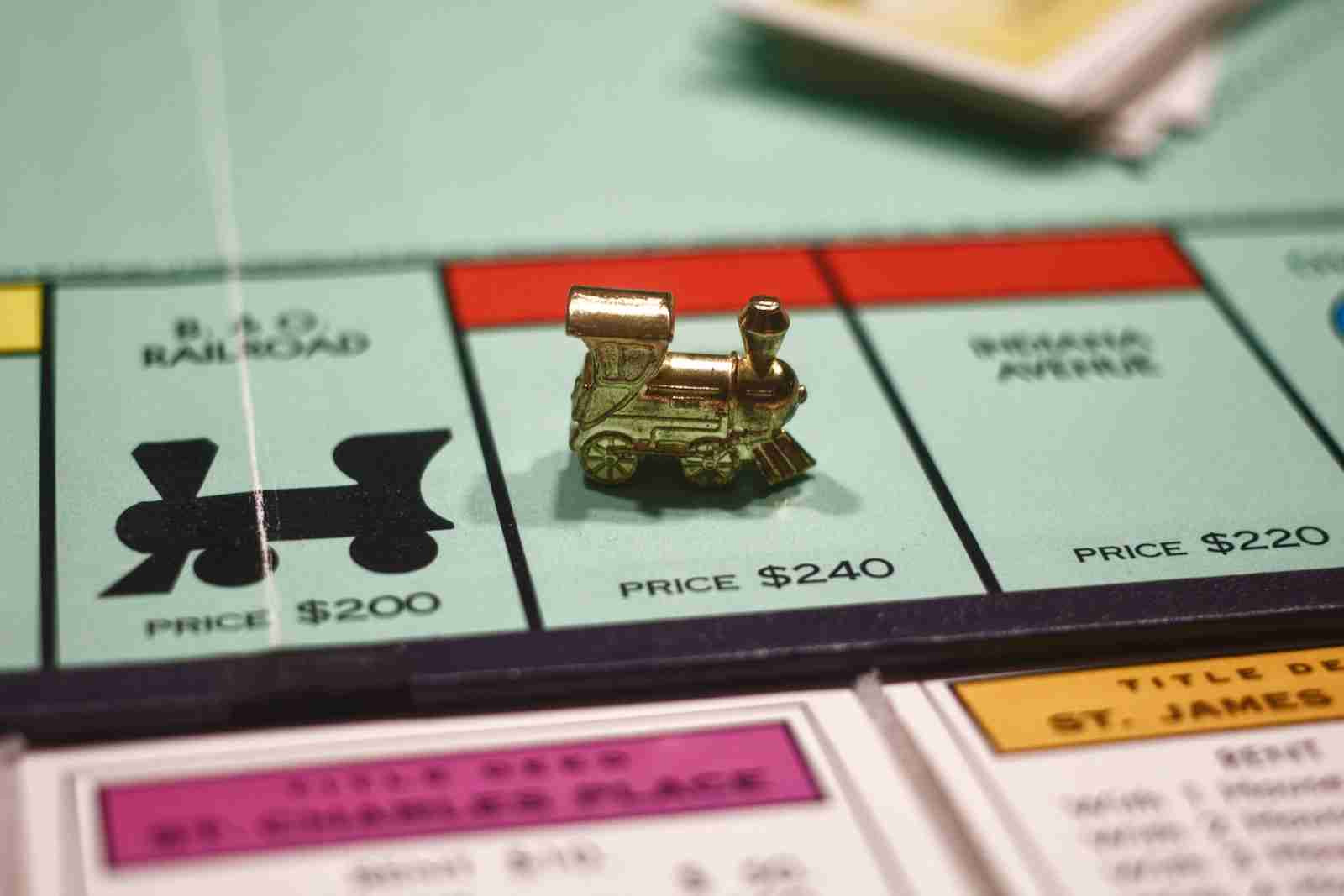
Board games are another excellent option. They can range from the nostalgic classics like Monopoly or Scrabble to newer games that incorporate strategy and problem-solving. This kind of play offers mental challenges while providing chances to interact with fellow players. Engaging in these activities can improve memory and thinking skills while stirring up a healthy dose of competition among older adults who appreciate a good game night.
Of course, let’s not forget about outdoor games and activities. Croquet, horseshoes, or even a simple game of catch can be fantastic ways to combine play with physical activity. Getting outside, feeling the sun on one’s face, and enjoying fresh air can rejuvenate spirits and promote well-being. It’s these simple, yet highly effective forms of play that keep both the body and mind active—something that can’t be overstated.
Creative pursuits like painting, crafting, or even gardening also count as play. They might not fit the traditional definition of a game, but they offer a therapeutic form of expression and a tangible sense of accomplishment. Social clubs or art classes can liven up these activities, allowing seniors to bond over shared interests and creativity.
Finally, technology can play a role in engaging seniors in play. Simple smartphone games or tablet apps that are designed with older adults in mind can provide entertainment along with cognitive challenges. As long as they’re intuitive and user-friendly, these digital tools can enhance social interaction, especially in a world that often feels increasingly disconnected.
In a nutshell, play can take many forms for seniors. Whether through games, outdoor activities, creative arts, or even technology, the goal remains the same: to keep minds sharp, bodies moving, and spirits high. After all, who says play is just for kids?

What Types Of Play Activities Are Best For Seniors?
What Types Of Play Activities Are Best For Seniors?
- Play activities for seniors can be diverse, accessible, and enjoyable.
- Gamification turns mundane tasks into engaging challenges to spark joy and motivation.
- Bingo games themed around classic movies or travel destinations promote social interaction and cognitive stimulation.
- Board games, from classics to strategy games, offer mental challenges and social opportunities.
- Outdoor games like croquet and horseshoes combine play with physical activity, enhancing well-being.
- Creative pursuits such as painting and gardening provide therapeutic expression and opportunities for social bonding.
- Technology, including smartphone games and tablet apps, offers cognitive challenges and enhances social interaction for seniors.

What Types Of Play Activities Are Best For Seniors?
Can Play Help Reduce Loneliness In Older Adults?
Picture this: an elderly man, sitting alone at home, staring at walls that have witnessed decades of life, but now feel more like prison bars. He’s got memories to share, stories bubbling just beneath the surface, but loneliness keeps them tucked away, gathering dust like old trophies in a forgotten attic. Now, what if there was a way to crack open that treasure trove without ever leaving the house? Here’s where play—and more specifically, gamification—might just save the day.
Gamification isn’t just a fancy buzzword tossed around in tech circles. It’s a powerful tool that transforms everyday activities into engaging experiences. When we talk about introducing gamification into the lives of older adults, we’re really discussing a method of injecting joy and connection into their routines. Games make tasks fun, inviting older individuals to participate in what would otherwise seem like boring or isolating chores. Think of simple tasks turned into challenges, points earned for engaging in activities—suddenly, there’s a reason to get out of that chair.
Moreover, games offer a rare opportunity for social interaction. Gone are the days when older adults had few ways to connect with others. With the right tools (and maybe a little tech-savvy grandchild to help them), seniors can join online games that allow for collaboration and competition with friends and family, no matter where they are in the world. Imagine two grandmothers battling it out in a virtual card game or teaming up to solve puzzles—each game a shared laugh, a bonding moment, a way to break the bread of loneliness that so often crumbles into solitude.
Additionally, many games designed with older audiences in mind also focus on cognitive engagement, improving memory and critical thinking. This mental stimulation, coupled with the social aspects, can create a robust buffer against the onset of loneliness. And let’s face it, play isn’t just for kids; it’s a universal language we all understand.
The beauty of play, especially when combined with gamification, lies in its ability to create connections, stimulate minds, and ultimately foster a sense of belonging. So let’s set aside the notion that joy diminishes with age. Instead, let’s embrace the idea that play, in all its forms, can lift spirits, bridge gaps, and help ensure that no one has to face those four walls alone.

Can Play Help Reduce Loneliness In Older Adults?
Can Play Help Reduce Loneliness In Older Adults?
- An elderly man feels trapped in his home, with memories and stories overshadowed by loneliness.
- Gamification transforms everyday activities into engaging experiences, promoting joy and connection.
- Games make mundane tasks enjoyable, encouraging older adults to participate actively.
- Online games facilitate social interaction among seniors, allowing them to connect with friends and family.
- Many games designed for older audiences enhance cognitive engagement, improving memory and critical thinking.
- Play serves as a universal language that fosters connections and combats loneliness.
- Embracing play at any age can uplift spirits, bridge social gaps, and help prevent isolation.

Can Play Help Reduce Loneliness In Older Adults?
How Does Play Foster Social Connections Among Seniors?
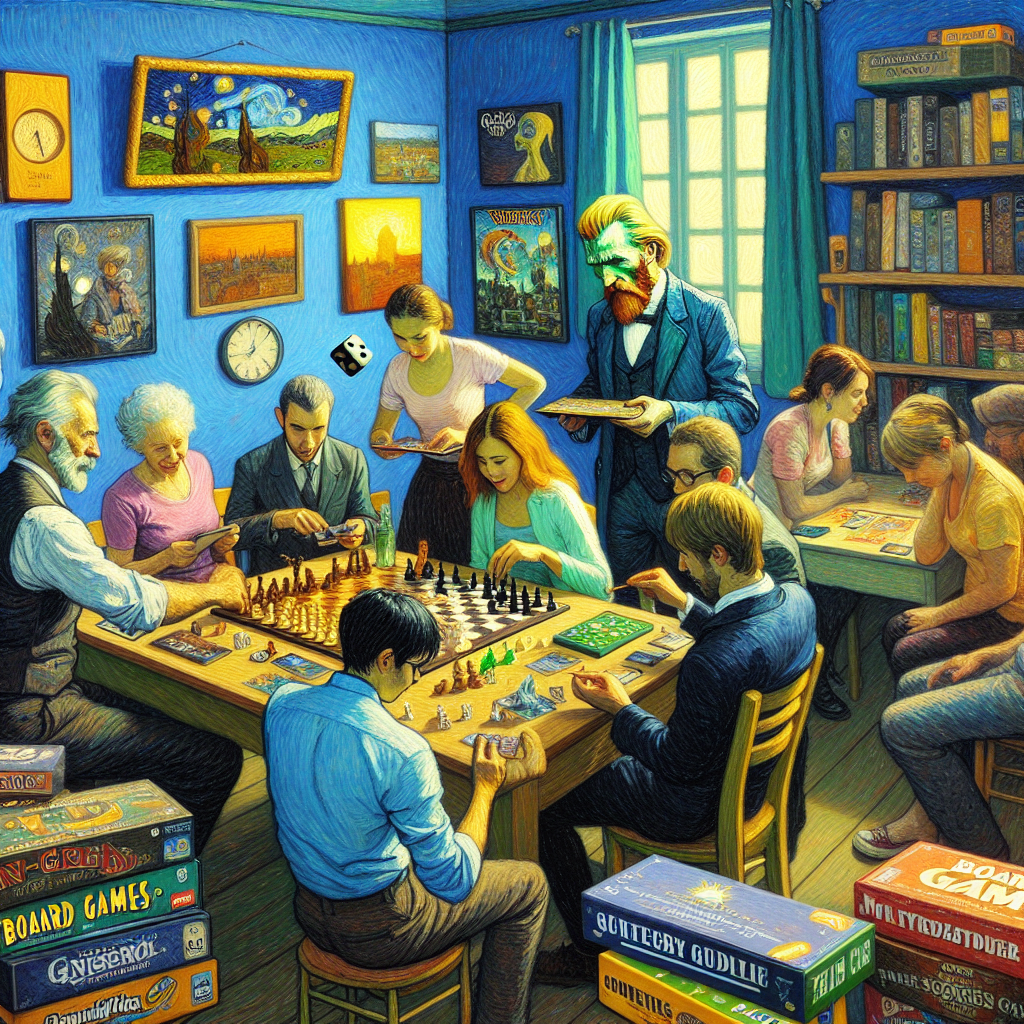
In the realm of aging, there’s a funny paradox at play: while the years may roll by, the power of play often remains timeless. Picture this: a group of seniors gathered in a sunlit room, laughter echoing off the walls as they indulge in games that spark joy and camaraderie. It’s more than just a diversion; this is where gamification steps in, redefining interactions in ways that bring hearts and minds together.
At its core, gamification involves applying game-like elements to non-game contexts, transforming everyday activities into engaging experiences. For seniors, this can manifest in various forms—everything from classic board games to technology-driven challenges that tap into a competitive spirit buried under decades of life. While the physical aspects of aging may limit mobility, the zest for friendly competition knows no such boundaries. Think about it: a simple card game can become a thrilling contest, blending strategy and storytelling, well-suited for bridging generations and building connections.
But it’s not just about the games themselves; it’s also about what they facilitate. Social bonds are like the gears in a finely tuned machine, and play often provides the necessary lubrication to keep those connections turning smoothly. When seniors enter a space filled with laughter and good-natured teasing over a game of bingo or bridge, they inevitably forge new friendships. They share stories, reminisce about the past, and engage in conversations that spark memories long tucked away.
Moreover, the act of playing together cultivates a sense of belonging. In a world where isolation can feel all too common for seniors, engaging in regular play helps maintain vital social networks. Each friendly rivalry and supportive cheer reinforces the idea that they are part of a community—an intricate web of relationships that reflects a shared humanity.
Beyond the games, there’s an inherent lesson in play about resilience, patience, and collaboration. These aren’t just skills for winning; they’re cornerstones of interpersonal relationships. The dynamic shifts from competition to shared experience—the real victory lies in the laughter, the shared glances, and the bonds that grow within that safe, playful environment.
So, as we delve into the importance of play for seniors, let’s remember this: it’s not just about passing the time; it’s about redefining what it means to connect, collaborate, and thrive in the golden years. And when clock hands continue their relentless march, play serves as a reminder that joy doesn’t have an expiration date.

How Does Play Foster Social Connections Among Seniors?
How Does Play Foster Social Connections Among Seniors?
- The paradox of aging highlights that while years pass, the essence of play remains timeless.
- Gamification involves using game-like elements in non-game contexts, enhancing the engagement of everyday activities.
- For seniors, play can take various forms, from traditional board games to modern tech-driven challenges.
- Games not only provide entertainment but also facilitate social bonds and friendships among seniors.
- Engaging in play helps combat isolation by fostering a sense of belonging within the community.
- Playing teaches resilience, patience, and collaboration, essential skills for nurturing interpersonal relationships.
- Ultimately, play redefines connection, collaboration, and joy during the golden years of life.

How Does Play Foster Social Connections Among Seniors?
What Role Does Creativity Play In Senior Enjoyment?
Creativity is often seen as the reserved domain of artists, poets, and dreamers. However, when it comes to enriching the lives of seniors, creativity moves beyond painting on canvases and writing sonnets; it plays a vital role in enhancing enjoyment, engagement, and overall well-being.
For many seniors, the twilight years can sometimes feel like a winding staircase—steadily ascending but also a little daunting. That’s where creativity enters the scene, transforming those steps into a vibrant playground. Think of it in terms of gamification: taking everyday activities and spicing them up with elements that make them more fun and engaging. Whether it’s organizing a friendly game night where laughter and friendly competition reign, or introducing new hobbies like gardening or cooking that incorporate shared experiences, creativity serves as the catalyst for connection.
Consider the simple act of baking. Most people don’t just follow a recipe; they throw in their own twist, whether it’s a pinch of cinnamon or a splash of vanilla. When seniors take up baking as a group activity, it’s not just about the final product. It’s about the camaraderie, the shared laughter over a spilled ingredient, and the absolute joy of indulging in a delicious treat made together. In this way, creativity is more than an artistic outlet; it is a bonding experience that fosters relationships, ignites joy, and can even evoke nostalgia.
Moreover, let’s not overlook how engaging the brain through creative pursuits keeps minds sharp. Activities like puzzles, painting classes, or even improvisational theater can stimulate cognitive skills and inspire new thoughts. When older adults engage in creative activities, it doesn’t matter if they’re crafting a beautiful piece of art or strategizing their next move in a board game; they’re using their minds in ways that bring about joy and satisfaction.
In a world that sometimes appears to overshadow the needs and desires of the elderly, creativity reminds us that enjoyment knows no age. Whether through gamification techniques in daily tasks or the simple pleasure derived from crafting or storytelling, creativity intertwines our lives with richness and zest. The message is clear: as we age, let’s embrace and celebrate creativity, as it holds the key to a fulfilling, enjoyable, and connected life.

What Role Does Creativity Play In Senior Enjoyment?
What Role Does Creativity Play In Senior Enjoyment?
- Creativity is essential for enriching the lives of seniors, going beyond traditional artistic expressions.
- As seniors navigate their twilight years, creativity transforms potentially daunting experiences into enjoyable ones.
- Gamification of everyday activities enhances engagement through fun and competition, such as friendly game nights.
- Group activities, like baking, foster camaraderie and joy beyond just the final product.
- Engaging in creative pursuits helps keep seniors’ minds sharp and stimulates cognitive skills.
- Creativity challenges the notion that enjoyment is limited by age, promoting connection and fulfillment.
- As we age, embracing creativity is vital for leading a fulfilling and connected life.

What Role Does Creativity Play In Senior Enjoyment?
How Can Caregivers Encourage Daily Play?
Let’s get one thing straight: play isn’t just a luxury for kids; it’s a vital part of their development. But as caregivers, we often find ourselves asking, “How can we make play part of the daily grind?” It’s simpler than you think. A touch of creativity and a sprinkle of gamification can turn any routine into a fun adventure.
First off, what do I mean by gamification? Well, it’s about leveling up daily tasks and making them feel more like a game than a chore. Think about it—when you take the mundane aspects of life and wrap them in a fun, engaging package, you create an environment where kids are eager to jump in and play.
Here’s a practical approach: start by looking at the tasks your little ones may try to wiggle out of—things like cleaning their room or helping with dinner. Instead of approaching these chores as obligatory stones around their necks, transform them into whimsical quests. For instance, challenge them to a race: “Who can find all the missing toys in under five minutes?” Give them playful titles like “Toy Hunter” or “Kitchen Ninja.” You’ll be surprised at how motivated they become.
Next, incorporate daily play into your routine. Designate a specific time each day for play—a “Play Hour,” if you will. During this allotted time, let the imagination run wild. Whether it’s board games, card games, or even outdoor sports, it should feel like a treasured part of the day, not an afterthought. This not only ensures that play becomes a habit but also strengthens the bond you share with your child.
Don’t forget the power of variety in play. Introduce new activities frequently to keep things fresh and exciting. One day you might build forts out of blankets and pillows; the next, it could be a scavenger hunt in the backyard. Keep the ball rolling—even change things up with technology! Apps designed with play in mind can integrate learning and fun seamlessly, serving up challenges that feel less like work and more like adventure.
Lastly, remember to celebrate wins, no matter how small. Acknowledge their efforts and achievements in play—be it a successful game of catch or a beautifully crafted LEGO structure. Rewards, whether they’re high-fives or stickers, add a layer of excitement and encouragement.
Play is all about attitude. With a little effort and a touch of gamification, caregiving can become an exhilarating journey where both caregivers and children thrive. So roll up those sleeves, toss aside the notion of “just chores,” and watch as daily play transforms your home into a vibrant playground of creativity!

How Can Caregivers Encourage Daily Play?
How Can Caregivers Encourage Daily Play?
- Play is essential for children’s development, not just a luxury.
- Gamification involves turning daily tasks into fun games to engage kids.
- Transform chores like cleaning or cooking into whimsical quests with playful titles.
- Designate a specific “Play Hour” each day for uninterrupted playtime.
- Introduce variety by regularly changing activities and incorporating technology.
- Celebrate children’s efforts and achievements in play to encourage participation.
- Embrace a positive attitude towards caregiving to create a vibrant, playful environment.

How Can Caregivers Encourage Daily Play?
Conclusion
Let’s wrap this up by talking about something that really matters: joy. If there’s one thing we can all agree on, it’s that life’s too short for routine drudgery, especially for our seniors. The essence of our journey through aging isn’t just about accounting for days gone by; it’s about infusing each moment with joy—and daily play is a powerful key to unlocking that potential. Forget the notion that play is just for kids or that it’s a trivial pursuit; it holds treasures for everyone, no matter their age.
Daily play is like a turbocharger for happiness, drawing seniors out of the mundane and into a lively sphere where laughter prevails. By introducing gamified elements into everyday activities, we transform the mundane into extraordinary adventures. Who wouldn’t feel a little spark of excitement from competing in a friendly game of trivia, or feeling the competitive adrenaline rush while tossing beanbags in the backyard? These activities do more than serve as distractions; they are key to fostering cognitive engagement, boosting mental health, and building social connections.
The benefits of daily play are studded with science and common sense alike. Regularly engaging in play helps keep the mind sharp as seniors tackle puzzles or strategize board games, giving their brains welcome workouts. Plus, the camaraderie found in such activities stitches together the social fabric that can sometimes fray with age. Isolation can feel like a cold dark room, but laughter and friendly competition can open those windows, letting warmth and light flow in.
Moreover, let’s not forget creativity in all this. Whether it’s painting, gardening, or whipping up a culinary masterpiece, engaging in creative activities can spark joy and evoke memories tucked away like old photographs waiting to be rediscovered.
So here’s the bottom line: can seniors unlock unimaginable joy through daily play? You bet they can! It’s all about embracing the unexpected, overcoming the barriers of age, and reclaiming that wonderful sense of agency that comes with play. Let’s celebrate this vibrant tapestry of life by rolling the dice and shuffling those cards daily. Because in the end, joy is not just a destination—it’s the delightful journey we take along the way, filled with playfulness, connection, and endless possibilities. So let’s get out there and play!

Conclusion
Conclusion:
- The essence of aging is about infusing each moment with joy rather than routine drudgery.
- Daily play serves as a powerful key to unlocking joy for people of all ages, including seniors.
- Gamified elements in everyday activities transform the mundane into exciting adventures.
- Engaging in daily play fosters cognitive engagement, boosts mental health, and strengthens social connections.
- Regular play keeps the mind sharp and helps combat social isolation through camaraderie.
- Creative activities, such as painting or gardening, can evoke joy and trigger cherished memories.
- Embracing daily play allows seniors to reclaim their sense of agency and enjoy a colorful, playful journey through life.

Conclusion
Other Resources

Other Resources
Here is a list of other resources you can review online to learn more:
- Sirlin Games
- Scythe
- Instapaper
- Aeon’s End
- Roll Player
- Mindclash Games
- Poker
- 7 Wonders Duel
- Stonemaier Games
Use This Prompt To Get More Resources With Your Favorite Online AI Tool: Please provide me with a list of online articles with their URLs in a bulleted list that I can read regarding Can You Unlock Unimaginable Joy Through Daily Play for Seniors?

Other Resources
Glossary Terms
Can You Unlock Unimaginable Joy Through Daily Play for Seniors? – Glossary Of Terms
1. Play: Engaging in activities for enjoyment and recreation rather than a serious or practical purpose.
2. Joy: A feeling of great pleasure and happiness that can arise from simple activities and interactions.
3. Seniors: Individuals, typically over the age of 65, who may benefit from activities tailored to their physical and cognitive abilities.
4. Cognitive Function: The mental processes that include thinking, understanding, learning, and remembering, which can be enhanced through playful activities.
5. Social Interaction: Engaging with others through conversation, shared activities, and community involvement, which is crucial for emotional well-being.
6. Loneliness: A feeling of sadness or isolation that can be alleviated through social play and connection with others.
7. Creativity: The ability to use imagination and original ideas, often stimulated by playful activities.
8. Exercise: Physical activity that can be integrated into play, promoting physical health and longevity in seniors.
9. Mindfulness: A mental practice that encourages being present in the moment, often enhanced through playful engagement.
10. Memory Games: Activities designed to enhance memory retention and cognitive sharpness, beneficial in combating age-related memory decline.
11. Laughter: A physical reaction that often accompanies play, which can reduce stress and improve mood.
12. Art Therapy: A therapeutic approach where seniors engage in creative activities to relieve stress and enhance emotional well-being.
13. Games: Structured forms of play that can range from board games to video games, offering opportunities for socialization and cognitive challenges.
14. Hobbies: Pursuits that provide enjoyment and fulfillment, often including elements of play like gardening, crafting, or playing music.
15. Intergenerational Play: Activities involving both seniors and younger generations, fostering connections and shared joy across age groups.
16. Physical Benefits: Improvements in strength, flexibility, and balance that can result from playful physical activities.
17. Therapeutic Play: Play activities specifically designed to support mental and emotional health, often used in elder care settings.
18. Routine: Daily practices that can incorporate play, offering structure while allowing for joy and spontaneity.
19. Volunteerism: Participating in community service, which can include playful elements, providing purpose and social engagement.
20. Resilience: The ability to recover from setbacks, which can be fostered through positive play experiences.
21. Adaptation: Modifying activities to suit the physical and cognitive abilities of seniors, ensuring enjoyment and participation.
22. Social Games: Games designed to promote interaction among players, enhancing social bonds and reducing feelings of isolation.
23. Mind Games: Puzzles and challenges that stimulate mental processes, encouraging cognitive engagement through play.
24. Empowerment: The process of gaining confidence and control over one’s life through engaging and fulfilling activities.
25. Well-being: A holistic state of health and happiness that can be positively influenced by playful activities.
26. Stress Reduction: The alleviation of stress and anxiety, which can be achieved through regular playful interactions.
27. Self-care: Activities that prioritize one’s mental and physical health, where play can serve as a vital, enjoyable component.
28. Community Engagement: Active participation in local events or groups, often involving playful activities that create social connections.
29. Therapeutic Recreation: Organized recreational activities aimed at improving the well-being of seniors through play-like experiences.
30. Quality of Life: The general well-being and life satisfaction, which can significantly improve with regular play and social interactions.

Glossary Of Terms
Other Questions
Can You Unlock Unimaginable Joy Through Daily Play for Seniors? – Other Questions
If you wish to explore and discover more, consider looking for answers to these questions:
- How does daily play affect physical health in seniors?
- What specific games are most beneficial for seniors?
- Are there any studies or research supporting the benefits of play for seniors?
- How can caregivers incorporate play into routine care for seniors?
- What are some effective strategies for encouraging social interaction through play?
- How can technology be utilized to promote play among seniors?
- What role do family members play in facilitating play for seniors?
- Can play have an impact on cognitive decline in older adults?
- What are the barriers to play for seniors and how can they be overcome?
- How can communities support play initiatives for seniors?

Other Questions
Haiku
Can You Unlock Unimaginable Joy Through Daily Play for Seniors? – A Haiku
Unlock joy in play,
Seniors laugh, connect, and bloom—
Life’s bright game anew.

Haiku
Poem
Can You Unlock Unimaginable Joy Through Daily Play for Seniors? – A Poem
In twilight years, where shadows grow,
Lies a secret treasure, a spirited glow,
Daily play, a spark ignites,
Transforms the mundane into sheer delights.
With laughter bright as morning sun,
Simple joys invite everyone,
From puzzles, cards, to playful strolls,
Gamified moments nurture our souls.
Memory’s canvas, colors collide,
With friends nearby, no need to hide,
Isolation fades like distant shore,
In games, we bond—oh, how we soar!
A checkers match, a dance, a cheer,
Unlocking joy, so warm and near,
Creativity’s hands paint stories anew,
In craft and share, connections grew.
Beneath the weight of years amassed,
The heart of play, forever vast,
With every chuckle, our spirits align,
In playful moments, we truly shine.
So gather your mates, your kin and crew,
Discover the joy, embrace what’s true,
For happiness blooms in laughter’s embrace,
In everyday play, find your place.

Poem
Checklist
Can You Unlock Unimaginable Joy Through Daily Play for Seniors? – A Checklist
1. Incorporate Gamification into Daily Activities
_____ Transform routine tasks into playful challenges (e. g. , score points for completing chores).
_____ Introduce themes or prizes for activities like bingo or trivia games.
2. Engage in Mental Challenges
_____ Include puzzles, crosswords, or trivia games in your routine.
_____ Use strategy-based board games to stimulate your mind.
3. Explore Creative Activities
_____ Try painting, crafting, or gardening to express creativity.
_____ Engage in baking or cooking sessions to share creative processes and bond with others.
4. Schedule Regular Playtime
_____ Designate specific times in your week dedicated to play (e. g. , Play Hour).
_____ Make play a priority in your daily routine.
5. Participate in Group Play
_____ Join social clubs, community centers, or engage with family members for group games.
_____ Explore online multiplayer games to connect with friends and family.
6. Stay Active with Outdoor Games
_____ Organize games like croquet, horseshoes, or simple catch outside.
_____ Incorporate light physical activities such as dance-offs or yoga.
7. Utilize Technology for Play
_____ Explore smartphone apps or tablet games designed with seniors in mind for fun challenges.
_____ Share online gaming experiences with loved ones.
8. Create a Playful Environment
_____ Foster a fun atmosphere with decorations or themes for game nights.
_____ Encourage laughter and joy during playtime through creativity.
9. Celebrate Achievements
_____ Acknowledge personal or group achievements during games.
_____ Reward efforts with simple celebrations like high-fives or small treats.
10. Embrace Variety
_____ Regularly introduce new games and activities to keep play exciting.
_____ Mix in different types of play (e. g. , digital, physical, creative) to maintain interest.
Engaging in daily play is a powerful way to enhance happiness, mental health, and social connections among seniors. Use this checklist to incorporate playful activities into your life and unlock unimaginable joy every day!

Checklist
At HowDoYouGame, we help people who love board games by collating information and news about games.
Be sure to read our other related stories at HowDoYouGame to learn more about games.