Leveling Up: Learning Problem Solving In Virtual Worlds
By Tom Seest
At HowDoYouGame, we help people who love board games by collating information and news about games.
Be sure to read our other related stories at HowDoYouGame to learn more about games.
Can Virtual Worlds Teach Real Life Problem Solving Skills?
Picture this: you’re deep in a virtual world, carefully navigating through intricate landscapes filled with challenges that demand your attention and creativity. Sounds compelling, doesn’t it? The phenomenon of gamification has taken the realm of learning by storm, transforming mundane tasks into engaging experiences. But here’s the kicker—it’s not just about high scores or flashy graphics; it’s about how these virtual escapades can serve as powerful training grounds for honing our real-life problem-solving skills.
Now, you might be wondering, “Can a game really teach me anything valuable?” Let me tell you, the line between play and preparation is thinner than you think. Games are structured environments where you face trials and tribulations, much like life itself. Each obstacle challenges you to think critically and act decisively. Whether you’re strategizing with a team to conquer a digital enemy or piecing together clues to solve an intricate puzzle, you’re developing skills that are directly transferable to everyday challenges.
Consider for a moment a scenario in a virtual world where collaboration is key. You might find yourself coordinating with friends, each of you bringing unique skills to the table. It’s a microcosm of the workplace, where teamwork can make or break a project. The digital realm urges you to communicate effectively, negotiate solutions, and adapt on the fly. These aren’t just game mechanics; they’re vital life skills that can impact your professional and personal endeavors.
Furthermore, the sense of achievement you experience after overcoming challenges in a virtual world builds confidence—a crucial component of effective problem-solving. When you see that “Level Up!” screen, it’s not just a dopamine hit; it’s a reminder that persistence and resilience matter. You learn that every setback is an opportunity for growth, giving you the guts to tackle real-world problems head-on.
So, here’s the takeaway: engaging with virtual worlds isn’t just for kicks. It’s a gateway to developing those hard-to-pin-down problem-solving skills that we all need. The next time you log on, remember that you’re not just playing a game; you’re training your brain to navigate the complex landscapes of life. Dive in, embrace the challenge, and let the lessons you learn in these digital realms empower your real-world journey. Trust me; it’s a game worth playing.

Can Virtual Worlds Teach Real Life Problem Solving Skills?
Can Virtual Worlds Teach Real Life Problem Solving Skills?
- Gamification transforms mundane tasks into engaging learning experiences.
- Games serve as structured environments for developing real-life problem-solving skills.
- Playing games challenges critical thinking and decision-making abilities.
- Collaboration in virtual worlds mirrors teamwork dynamics in the workplace.
- Effective communication, negotiation, and adaptability are nurtured through gaming.
- Overcoming challenges in games builds self-confidence and resilience.
- Engaging in virtual worlds empowers individuals to tackle real-world problems.

Can Virtual Worlds Teach Real Life Problem Solving Skills?
Table Of Contents
- Can Virtual Worlds Teach Real Life Problem Solving Skills?
- Can Virtual Worlds Enhance Problem-Solving Abilities In Real Life?
- What Types Of Problems Can Virtual Worlds Help Users Solve?
- How Do Immersive Environments Influence Critical Thinking Skills?
- Are There Specific Games Or Simulations That Promote Real-Life Skills?
- How Does Gameplay Transfer To Real-World Decision-Making Processes?
- How Can Educators Integrate Virtual Worlds Into Their Curricula?
- How Can Feedback Mechanisms Improve Learning In Virtual Environments?
- Conclusion
- Other Resources
- Glossary Of Terms
- Other Questions
- Haiku
- Poem
- Checklist
Can Virtual Worlds Enhance Problem-Solving Abilities In Real Life?
Let’s face it: life can sometimes feel like navigating a minefield of challenges. From the simplest of decisions—like what to have for dinner—to the complex dilemmas we tackle in our careers and personal lives, problem-solving is a skill we all need in our toolbox. Now, imagine if there were a way to sharpen this skill while having a blast. Enter virtual worlds.
In recent years, the concept of gamification has taken root, transforming everyday tasks into engaging activities. By incorporating elements of game design—like points, levels, and challenges—into real-life situations, individuals can practice and enhance their problem-solving abilities in ways that feel both fun and rewarding. Picture this: you’re leading a team through a virtual simulation, navigating obstacles and brainstorming solutions as you work to achieve a common goal. It’s just a game, right? Well, not quite.
These virtual environments function as a constructive playground where you can experiment with ideas, witness the consequences of your choices, and engage in teamwork—all without the fear of real-world repercussions. Through gamified learning, users can immerse themselves in intricate scenarios that require quick thinking, adaptability, and collaboration, honing the very skills that translate seamlessly back to real life.
Take a moment to consider how we learn most effectively. It often happens when we experience something first-hand—be it repairing a car, planning an event, or grappling with a financial decision. In virtual worlds, you’re given a safe space to confront issues that may arise in life, allowing you to pilot your ship through the storm without the threat of shipwrecking in reality.
What’s more, this gamification of problem-solving encourages not just individual growth but also enhances communication among teams in workplaces or friends in leisure. The lessons learned in these digital realms can build trust, foster camaraderie, and inspire action—all crucial ingredients when tackling the messy problems that pop up in the fabric of our everyday lives.
So, whether you’re pushing pixels in a game or strategizing in a virtual environment, you’re not just playing—a part of you is learning, growing, and preparing for the real-world challenges ahead. The next time you put on that headset or log into your favorite platform, remember: you’re not just escaping reality; you’re equipping yourself with invaluable tools for tackling the challenges life throws your way. Embrace it!

Can Virtual Worlds Enhance Problem-Solving Abilities In Real Life?
Can Virtual Worlds Enhance Problem-Solving Abilities In Real Life?
- Life presents a variety of challenges, making problem-solving an essential skill.
- Gamification transforms mundane tasks into engaging activities through game design elements.
- Virtual worlds provide a safe environment for practicing problem-solving and teamwork.
- Experiential learning in virtual simulations helps users develop quick thinking and adaptability.
- The gamified approach fosters better communication and teamwork among individuals.
- Lessons learned in digital spaces can enhance trust and camaraderie in real-life settings.
- Engaging in virtual environments not only entertains but also prepares individuals for real-world challenges.

Can Virtual Worlds Enhance Problem-Solving Abilities In Real Life?
What Types Of Problems Can Virtual Worlds Help Users Solve?
What Types of Problems Can Virtual Worlds Help Users Solve?
In today’s fast-paced world, reality can sometimes feel like a grind, leaving little room for creative problem-solving. Enter virtual worlds—the digital playgrounds where imagination meets reality. These immersive environments are more than just a fun escape; they offer transformative solutions to a variety of real-life challenges. From education to mental health, the potential is vast.
Let’s start with education. Remember that feeling of sitting through a lecture that seemed longer than a winter’s night? Virtual worlds flip that script. Through gamification, educators can transform boring subjects into engaging quests where students earn rewards for mastering skills. Imagine learning history not just by reading about it, but by stepping into ancient civilizations, engaging with characters, and making choices that affect the outcome. It’s not just a lesson; it’s an experience that sticks, fostering deeper understanding and retention.
Moving on to the workplace, virtual worlds are becoming game-changers in employee training. Traditional methods can feel stale, but when you introduce gamified simulations, training sessions turn into dynamic experiences where employees tackle real-world problems in a controlled, risk-free environment. Companies are witnessing increased engagement and improved retention of skills, ultimately driving productivity and innovation. It’s about creating a culture of learning as opposed to rote memorization.
Let’s not overlook mental health either. Virtual worlds can serve as safe havens where individuals process feelings, practice coping mechanisms, and build social connections. Through virtual reality therapy, users can confront their fears or stressors in a manageable way. Picture someone overcoming their anxiety by engaging in a simulated environment, slowly adjusting to the challenges as they gain confidence and resilience. It’s therapy redefined—a space where healing happens at the pace of the individual, blending support with exploration.
Finally, let’s talk about community building. For folks feeling isolated, virtual worlds serve as meeting places where connections are formed over shared interests—be it a love for gaming, art, or activism. It’s incredible how a simple avatar can bridge the gap across continents, creating friendships and support networks that wouldn’t have been possible otherwise.
So, whether you’re looking to spice up your learning, elevate your professional skills, find solace in tough times, or build lasting connections, virtual worlds offer a spectrum of solutions waiting to be explored. If you’re ready to dive in, you’re not just entering a game; you’re opening the door to a world of possibilities. Embrace it, and let it inspire action in your life.

What Types Of Problems Can Virtual Worlds Help Users Solve?
What Types Of Problems Can Virtual Worlds Help Users Solve?
- Virtual worlds provide solutions to real-life challenges across various domains.
- In education, they enhance learning through gamification, making subjects engaging and memorable.
- Employee training benefits from gamified simulations, fostering dynamic experiences and improved skill retention.
- Virtual worlds offer mental health support, allowing individuals to confront fears in a safe, controlled environment.
- They serve as safe havens for processing emotions and practicing coping mechanisms.
- Virtual worlds facilitate community building, connecting individuals over shared interests despite physical distances.
- These immersive environments unlock a spectrum of possibilities for learning, growth, and connection.

What Types Of Problems Can Virtual Worlds Help Users Solve?
How Do Immersive Environments Influence Critical Thinking Skills?
Picture this: you’re in the middle of a high-stakes escape room. Tick-tock goes the clock, and every second counts. You’ve got to communicate with your team, decipher clues, and make decisions that determine if you’ll make it out in time. This scenario, dripping with excitement, isn’t just about racing against the clock—it’s a prime example of how immersive environments can shape our critical thinking skills.
When we engage in activities shrouded in gamification, we don’t just participate; we immerse ourselves. Unlike traditional learning, which often feels more like a chore than a challenge, immersive environments offer a fresh twist that keeps our brains firing on all cylinders. Think of it as a workout for your mind, where every puzzle solved and every decision made hones your ability to analyze, critique, and create solutions in real time.
In these high-energy settings, we’re often faced with obstacles that require us to stretch our thinking. You find yourself weighing options, analyzing consequences, and collaborating with others—skills that don’t just shine in the escape room but translate to everyday life. Maybe it’s navigating a tricky workplace project or solving a problem in your community; the cognitive exercises we tackle in immersive environments prepare us for those situations.
What’s captivating here is that gamification taps directly into our natural instincts. We thrive on challenge, enjoy competition, and revel in reward—traits that make engaging in these immersive experiences second nature. When you’re tackling a challenge with friends or diving into an interactive simulation, you’re not just a player; you’re a problem solver, a strategist, and oftentimes, a leader. You start seeing connections you might have overlooked before, fostering a stronger ability to think critically.
So, whether you’re a student tackling coursework or a professional looking to enhance your career, consider diving headfirst into these immersive experiences. They’re not just fun; they’re a gateway to sharpening the very skills that will benefit you in whatever path you choose. Step into the chaos, embrace the challenge, and watch your critical thinking skills soar. After all, life’s a series of puzzles waiting to be solved, and the real thrill lies in figuring them out together.

How Do Immersive Environments Influence Critical Thinking Skills?
How Do Immersive Environments Influence Critical Thinking Skills?
- Engaging in high-stakes activities, like escape rooms, enhances critical thinking skills through immersive environments.
- Immersive gamified experiences provide a refreshing alternative to traditional learning, motivating participants to engage actively.
- These environments serve as a mental workout, sharpening abilities to analyze, critique, and create solutions.
- Participants face challenges that require weighing options, analyzing consequences, and collaborating with others.
- Skills developed in immersive settings apply to real-life situations, from workplace projects to community problem-solving.
- Gamification appeals to our instincts for challenge, competition, and reward, transforming participants into problem solvers and leaders.
- Diving into immersive experiences can sharpen essential skills for students and professionals alike, making learning enjoyable and impactful.

How Do Immersive Environments Influence Critical Thinking Skills?
Are There Specific Games Or Simulations That Promote Real-Life Skills?
When you think of games, the mind often drifts to the world of fantasy, where dragons roam and high scores rule the day. But pause for a moment—let’s flip that script. What if I told you that games, when designed thoughtfully, can be powerful tools for learning, helping us navigate real-life challenges? Enter the world of gamification—a term that blends playfulness with purpose in ways you might not expect.
Let’s break this down. When we talk about gamification, we’re looking at how game-like elements can boost engagement and motivation in activities that are often seen as mundane or challenging. For instance, consider a game where you manage your own virtual farm. Sounds simple, right? But as you plant crops, care for livestock, and manage resources, you’re cultivating skills that translate directly to life. Time management? Check. Resource allocation? Absolutely. Problem-solving? Without a doubt.
Now, if farming isn’t quite your cup of tea, think about simulation games like Flight Simulator. Here you are, piloting a plane through virtual skies, and every decision you make has real implications for your success. The skills you hone—situational awareness, critical thinking, and effective communication—are invaluable, not just for pilots but for anyone seeking to tackle complex tasks in their daily lives.
And let’s not forget about role-playing games (RPGs). Imagine stepping into the shoes of a character where every choice impacts the storyline. These narratives push you to consider different perspectives, develop empathy, and collaborate with others—all core competencies that are essential in the workplace and beyond.
Then there’s the realm of coding and app-development games. Platforms like CodeCombat let you tackle programming concepts while battling mythical creatures and solving puzzles. You’re not just playing—you’re building a foundation in logic and computational thinking that can open doors in today’s tech-driven world.
So, the next time you dismiss a game as mere entertainment, remember: beneath the surface lies a treasure trove of skills waiting to be unlocked. Whether it’s through gamification of finance, sports, or even social interactions, these experiences can inspire you to take charge of your own development. Dive into a game with an eye toward growth, and who knows? You just might discover a new way to sharpen your skills while having a blast.

Are There Specific Games Or Simulations That Promote Real-Life Skills?
Are There Specific Games Or Simulations That Promote Real-Life Skills?
- Games, when thoughtfully designed, can serve as effective learning tools for real-life challenges.
- Gamification combines playful elements with purposeful activities to boost engagement and motivation.
- Farming simulation games teach skills such as time management, resource allocation, and problem-solving.
- Simulation games like Flight Simulator enhance situational awareness, critical thinking, and communication skills.
- Role-playing games (RPGs) encourage empathy, perspective-taking, and collaboration through story-driven experiences.
- Coding and app-development games, like CodeCombat, build logic and computational thinking skills while engaging in gameplay.
- Embracing gaming as a tool for personal development can reveal opportunities for skill enhancement in various fields.
Are There Specific Games Or Simulations That Promote Real-Life Skills?
How Does Gameplay Transfer To Real-World Decision-Making Processes?
Let’s face it: we all love a good game. Whether it’s a quick round of Monopoly that stretches a family gathering into a full-blown tournament or diving into a world of fantasy where dragons and treasure loom large, games have a funny way of grabbing our attention and keeping it. But what if I told you that these playful diversions could be grooming us for real-life decision-making? Welcome to the world of gamification—the art of applying game-like elements to non-game contexts, and it’s more than just a buzzword.
Think about it. In any game, there’s a strategy to be employed, obstacles to overcome, and a prize to chase at the end. This mirrors the decision-making processes we face every day. When you sit at that table in Monopoly, you’re not just rolling dice; you’re analyzing risks, weighing the value of properties, and strategizing your next move. The same goes for life: be it at work, in relationships, or in community engagements, we’re constantly making choices that require evaluation and foresight.
When gamification seeps into the fabric of our decision-making, suddenly, things don’t seem so daunting. Have you ever sat through a tedious meeting that felt longer than the lifespan of a tortoise? What if instead, it was infused with elements that made it more intriguing? Imagine gaining points for contributions or unlocking a level when consensus is reached. Just like in a game, these little incentives can spark enthusiasm and improve focus, leading to better decisions—both individually and collectively.
But here’s where it gets really interesting: gamification encourages an environment of trial and error. In gaming, failure is just a stepping stone to success; you reset, learn, and try again. Take that ethos into the real world, and you cultivate resilience. It means you’re willing to take a risk on that new initiative at work, knowing that even if it doesn’t pan out right away, you’ve gained invaluable insights along the way.
So, let’s channel our inner gamers and approach life’s hurdles with the fearless spirit we adopt when facing down a dragon or navigating a tricky crossword. Dive in, take that leap, and remember—every choice is a chance to level up in this game we call life. Let’s embrace the lessons of gameplay, and who knows? We might just make some pretty remarkable decisions along the way.

How Does Gameplay Transfer To Real-World Decision-Making Processes?
How Does Gameplay Transfer To Real-World Decision-Making Processes?
- Games like Monopoly highlight strategic thinking, risk analysis, and decision-making akin to real-life situations.
- Gamification applies game-like elements to non-game contexts, enhancing engagement and focus.
- Incorporating gamification into meetings can transform tedious experiences into interactive and rewarding ones.
- Gamification promotes a culture of trial and error, encouraging resilience and the willingness to take risks.
- Embracing game mechanics in daily life can lead to better decision-making outcomes.
- Every choice in life presents an opportunity to “level up” and improve skills.
- By adopting a gamer’s mindset, individuals can approach challenges with enthusiasm and creativity.
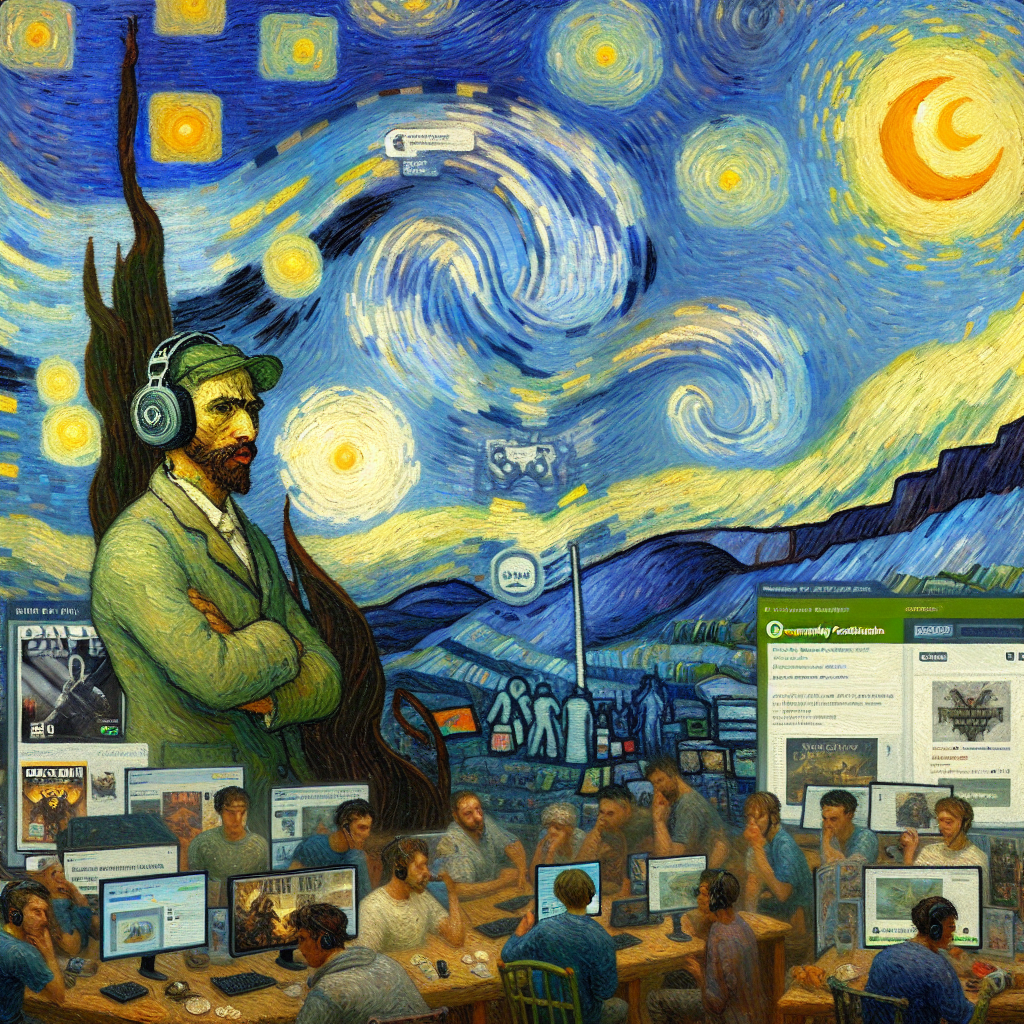
How Does Gameplay Transfer To Real-World Decision-Making Processes?
How Can Educators Integrate Virtual Worlds Into Their Curricula?
Alright, educators, let’s dive into this brave new world—literally! Virtual worlds, while they might sound like the stuff of sci-fi movies, are real, dynamic tools that can revolutionize the way we teach and engage our students. And honestly, who wouldn’t want to drive a tank through ancient Rome or explore the vastness of the universe while still in a classroom? Yes, it’s possible, and here’s how you can make it happen.
First off, embrace the concept of gamification. That’s right! The same principles that make video games addictive can be woven into your lessons. By turning learning into a rewarding experience with points, levels, and challenges, you not only capture their interest but also encourage a competitive spirit. Imagine your students racing to solve an algebra problem because they know there’s a leaderboard waiting at the end! It’s exciting, engaging, and surprisingly effective.
Next, consider projects that allow students to create their own virtual worlds. This isn’t just a whimsical daydream; it’s about harnessing their creativity while teaching them crucial skills like teamwork, project management, and problem-solving. By designing their own spaces, students can explore historical events, scientific concepts, or literary settings firsthand. When they’re in the driver’s seat, their investment in learning skyrockets.
Don’t underestimate the power of collaboration either! Bring together different classes—say, art and history—to work on a shared virtual project. Students will bounce ideas off each other, learn from one another, and create something unique. This not only enhances the educational experience but also builds a sense of community. It’s all about connection, folks.
Moreover, use virtual worlds as a backdrop for real-world issues. Enable your students to delve into social challenges or environmental issues within these spaces. This offers a safe haven to tackle tough discussions, allowing them to workshop their ideas and solutions in an immersive lab of sorts.
Finally, keep it light! Remember, the goal is to inspire curiosity and wonder. Don’t worry if things go sideways sometimes; that’s a learning opportunity in itself. The important part is to make learning feel like an adventure, not a chore.
So, step into the realm of virtual worlds, educators! By integrating these captivating tools into your curriculum, you’re not just teaching—you’re igniting passions, fostering collaboration, and preparing students for tomorrow’s challenges. And guess what? You’ll probably learn a thing or two along the way. Now, that’s a win-win!

How Can Educators Integrate Virtual Worlds Into Their Curricula?
How Can Educators Integrate Virtual Worlds Into Their Curricula?
- Virtual worlds are dynamic educational tools that can transform teaching and student engagement.
- Gamification can enhance lessons by integrating points, levels, and challenges to promote interest and competition.
- Encourage students to create their own virtual worlds to develop creativity, teamwork, and problem-solving skills.
- Foster collaboration between different classes to work on shared virtual projects, enhancing learning and community building.
- Use virtual worlds to explore real-world issues, allowing students to discuss and develop solutions in a safe environment.
- Maintain a light-hearted approach to inspire curiosity and make learning feel like an adventure.
- Integrating virtual worlds into the curriculum ignites passion, fosters collaboration, and prepares students for future challenges.

How Can Educators Integrate Virtual Worlds Into Their Curricula?
How Can Feedback Mechanisms Improve Learning In Virtual Environments?
Harnessing Feedback Mechanisms for Enriched Learning in Virtual Environments
Imagine diving into a virtual world, where every click and interaction isn’t just a means to an end, but a chance to learn, grow, and really understand the material at hand. That’s the beauty of feedback mechanisms. They’re like friendly nudges that guide you along the path of knowledge, much like a trusted mentor who knows when to push you harder or lay off a bit.
In the realm of virtual environments, the way we embed feedback can vastly transform the learning experience. Consider gamification, which takes the straightforward task of learning and spices it up with game-like elements. When you think about it, who doesn’t love a little competition or a challenge? By incorporating point systems, levels, and achievements into your education, learners find themselves more engaged. Suddenly, what once felt like a chore becomes an adventure. And that’s where feedback shines.
When feedback is given in real-time—instantaneously after a task or question—learners can swiftly grasp what they’ve mastered and where they need to focus their efforts next. Think about it: you’re not just making strides through a bland curriculum; you’re part of an engaging narrative where each assignment plays a significant role in your journey. If you miss the mark on an assignment, constructive feedback acts as a guideline, showing you what went wrong and how to correct it. This cycle of action and response transforms anxiety into eagerness; it empowers you to tackle challenges head-on.
Moreover, feedback can cultivate a sense of community, even in a virtual setting. When you engage with your peers and exchange insights about their work, it fosters trust and camaraderie. You realize you’re not merely isolated behind a screen; you’re part of a larger conversation about learning and growth. This camaraderie is what can elevate any virtual learning experience.
So, equip yourself with this understanding: effective feedback is vital in the digital space. It’s not an afterthought; it’s an integral piece of the puzzle. With robust feedback loops in place, we can ensure that learning isn’t just a process but a truly rewarding journey. Whether you’re honing a skill or exploring new concepts, let feedback mechanisms guide your way, helping you to stay engaged, stay motivated, and ultimately, become the best version of yourself. Ready to get started? Let the adventure begin!

How Can Feedback Mechanisms Improve Learning In Virtual Environments?
How Can Feedback Mechanisms Improve Learning In Virtual Environments?
- Feedback mechanisms in virtual environments enhance the learning experience by providing guidance similar to a trusted mentor.
- Gamification incorporates game-like elements (point systems, levels, achievements) into education, increasing engagement and turning learning into an adventure.
- Real-time feedback helps learners quickly identify their strengths and areas for improvement, making the learning process more dynamic and interactive.
- Constructive feedback offers clear guidance on mistakes, transforming anxiety into eagerness to confront challenges.
- Peer interaction through feedback fosters a sense of community, combating the isolation often felt in virtual learning environments.
- Effective feedback is essential in digital learning; it’s not an afterthought but a crucial component of the educational experience.
- Robust feedback loops keep learners engaged, motivated, and on the path to personal growth and skill development.

How Can Feedback Mechanisms Improve Learning In Virtual Environments?
Conclusion
As we wrap things up on this exploration of virtual worlds and their impact on real-life problem-solving skills, let’s take a moment to recognize the powerful intersection of play and preparation. When we immerse ourselves in these digital playgrounds, we don’t just waste time running from mythical beasts or crafting our dream empires; we engage in experiences that mirror the very challenges we face in reality. Each quest, each puzzle, and each thrilling collaboration is more than mere entertainment—it’s a rehearsal for life.
Gamification has transformed the landscape of learning, giving us tools that transcend the mundane. Traditional lectures that put people to sleep can now become dynamic quests that fire up interest and inspire creativity. By integrating game-like elements into curricula, educators aren’t just teaching; they’re launching students on epic journeys filled with meaningful challenges that foster critical thinking and teamwork.
Think about the skills you sharpen as you navigate these virtual realms: quick thinking, adaptability, and the ability to communicate effectively with others. Whether you’re leading a team in a virtual simulation or strategizing your way out of a tricky puzzle, you’re honing competencies that translate effortlessly into the workplace and beyond. Not to mention the sense of accomplishment that comes with overcoming hurdles! That thrill isn’t just a dopamine rush; it builds confidence and resilience—two key ingredients for effective problem-solving in every aspect of life.
The real magic happens when we consider the ripple effects of these experiences. Virtual worlds don’t just enhance individual abilities—they foster collaboration and trust among teams, which is invaluable in our interconnected lives. When we learn together, we cultivate camaraderie, empathy, and the skills needed to tackle the complex problems we encounter daily.
So, next time you boot up a game or step into an immersive environment, remember: you’re not just passing the time; you’re equipping yourself for success. The skills you acquire through gamified experiences—the kind that require strategic thinking, courageous collaboration, and creative problem-solving—are all tools you can use to maneuver through life’s minefields.
Dive deep into these virtual realms. Embrace the challenges they offer and let them inspire your journey in the real world. Trust me, folks; it’s not just a game; it’s a powerful step in leveling up your life. Game on!

Conclusion
Conclusion:
- Virtual worlds enhance real-life problem-solving skills through engaging experiences.
- Gamification transforms traditional learning into dynamic quests, inspiring creativity.
- Virtual realms help sharpen critical skills: quick thinking, adaptability, and effective communication.
- Overcoming challenges in games builds confidence and resilience essential for problem-solving.
- Collaborative experiences in virtual worlds foster trust, camaraderie, and empathy among teams.
- Gamified experiences equip individuals with strategic thinking and creative problem-solving tools.
- Engaging with virtual environments is a valuable step toward leveling up in real life.

Conclusion
Other Resources

Other Resources
Here is a list of other resources you can review online to learn more:
- Discord
- Twilight Imperium (Fourth Edition)
- Watch It Played
- AEG
- Santorini
- Magic: The Gathering
- Tigris & Euphrates
- VK
Use This Prompt To Get More Resources With Your Favorite Online AI Tool: Please provide me with a list of online articles with their URLs in a bulleted list that I can read regarding Can Virtual Worlds Teach Real Life Problem Solving Skills?

Other Resources
Glossary Terms
Can Virtual Worlds Teach Real Life Problem Solving Skills? – Glossary Of Terms
1. Virtual World: A computer-generated environment where users can interact, socialize, and engage in activities using avatars.
2. Avatar: A digital representation of a user in a virtual world, often customizable to reflect the user’s identity.
3. Simulation: A method of imitating real-world processes or systems in a virtual environment for learning and experimentation purposes.
4. Problem Solving: The process of identifying, analyzing, and finding solutions to complex issues or challenges.
5. Critical Thinking: The ability to analyze information, evaluate evidence, and synthesize ideas to make informed decisions.
6. Educational Technology: The use of technological tools and platforms to facilitate learning and enhance educational experiences.
7. Gamification: The integration of game-like elements (e. g. , points, levels, and rewards) in non-game contexts to motivate and engage learners.
8. Collaborative Learning: A learning approach where individuals work together in groups to solve problems, share knowledge, and achieve common goals.
9. Interactivity: The ability of users to engage actively with a virtual environment, influencing outcomes and experiences in real-time.
10. Immersion: The feeling of being fully absorbed in a virtual world, often enhanced by sensory inputs like visuals, sounds, and haptics.
11. Scenario-Based Learning: A method that uses real-life scenarios or simulated situations to teach problem-solving and decision-making skills.
12. Social Presence: The sense of being connected to others in a virtual environment, facilitating collaboration and communication.
13. Digital Literacy: The ability to effectively use digital tools and platforms, including understanding how to navigate and interact in virtual worlds.
14. Experiential Learning: Learning through direct experience, often involving action-reflection cycles that enhance skill development.
15. Feedback Mechanism: A system within virtual worlds that provides users with information about their performance, aiding in learning and improvement.
16. Role-Playing: A technique where users take on different roles in a scenario to explore different perspectives and approaches to problem-solving.
17. Cognitive Load: The amount of mental effort used in working memory during learning or problem-solving tasks.
18. Virtual Economy: An economic system within a virtual world where users can create, buy, and sell virtual goods and services.
19. Systems Thinking: An approach that understands complex problems by viewing them as part of larger systems, focusing on relationships and interactions.
20. Creativity: The ability to generate new ideas and solutions, essential for effective problem-solving in dynamic environments.
21. Adaptive Learning: An educational method that tailors learning experiences based on individual user interactions and needs.
22. Game-Based Learning: An educational approach that incorporates game design elements to teach and reinforce skills and concepts.
23. Resilience: The capacity to recover quickly from difficulties and adapt in the face of challenges, often developed through problem-solving experiences.
24. Decision-Making: The cognitive process of selecting a course of action from multiple alternatives, a critical component of problem-solving.
25. Outcome-Based Learning: A learning approach that focuses on achieving specific outcomes or competencies as definable goals.
26. Collaborative Tools: Digital applications and platforms that facilitate teamwork and communication among users in virtual environments.
27. Transfer of Learning: The application of skills or knowledge acquired in one context to solve problems or perform tasks in a different context.
28. Behavioral Modeling: A teaching strategy that demonstrates desired behaviors to be emulated by learners, often used in virtual training settings.
29. Ethical Decision-Making: The process of evaluating choices based on ethical principles, important for real-world applications of problem-solving skills.
30. Flow State: A mental state where a person is fully immersed and focused on the task at hand, often resulting in heightened performance and creativity.

Glossary Of Terms
Other Questions
Can Virtual Worlds Teach Real Life Problem Solving Skills? – Other Questions
If you wish to explore and discover more, consider looking for answers to these questions:
- What are the cognitive benefits of learning problem-solving skills in virtual worlds?
- How do different genres of games impact problem-solving abilities?
- Which age groups benefit the most from problem-solving training in virtual environments?
- Can virtual worlds help with specific career skills, such as leadership or negotiation?
- What research supports the effectiveness of gamification in education?
- How can parents ensure that their children are engaging in beneficial virtual world activities?
- What challenges do educators face when integrating virtual worlds into their teaching?
- How can feedback within virtual worlds be optimized for better learning outcomes?
- Are there any drawbacks or concerns associated with using virtual worlds for learning?
- How do virtual worlds cater to different learning styles and preferences?

Other Questions
Haiku
Can Virtual Worlds Teach Real Life Problem Solving Skills? – A Haiku
Virtual worlds await,
Game-like paths forge real skills,
Life’s puzzles unfold.

Haiku
Poem
Can Virtual Worlds Teach Real Life Problem Solving Skills? – A Poem
In the Realm of Virtual Play
In digital realms where landscapes gleam,
We face our challenges, chase our dream,
With every quest, a lesson’s found,
In playful ventures, wisdom’s crowned.
Gamified paths through trials we roam,
Transforming knowledge into a home,
Strategies form as we band together,
Building skills that last, no matter the weather.
From classrooms dull to vibrant quests,
Learning thrives as curiosity rests,
Stepping through eras, we engage with the past,
History’s fabric, woven fast.
In workplaces, we simulate the grind,
Dynamic training, sharpens the mind,
With risks calculated, we learn to adapt,
Fostering trust in teams tightly wrapped.
Mental health finds solace here,
In virtual spaces, we face our fear,
Healing grows in a nurturing light,
Confidence blooms when we take flight.
Each puzzle solved, each level won,
Life’s minefield navigated, one by one,
For in every game, the stakes feel real,
Fostering resilience, shaping ideal.
So, dive into worlds where growth is the prize,
Embrace the challenges, see through new eyes,
For gaming is more than mere escape,
It’s a journey of learning, a transformative shape.
With lessons profound from play we draw,
In virtual spaces, we find our awe,
Harness these skills, let your spirit be free,
For real-life problem solvers, we’re destined to be.

Poem
Checklist
Can Virtual Worlds Teach Real Life Problem Solving Skills? – A Checklist
Checklist for Harnessing Problem-Solving Skills through Virtual Worlds
Understanding Virtual Learning Environments
_____ Acknowledge the role of gamification in enhancing learning experiences.
_____ Identify the skills developed in virtual worlds that transfer to real-life situations (e. g. , critical thinking, teamwork).
_____ Reflect on personal experiences in virtual environments and their impact on problem-solving.
Engaging with Virtual Worlds
_____ Choose a virtual world or game that challenges you to solve complex problems.
_____ Participate actively in team-based virtual games to improve collaboration skills.
_____ Set personal goals for each gaming session to focus on specific problem-solving skills.
Building Problem-Solving Skills
_____ Embrace challenges in virtual environments as opportunities for growth.
_____ Practice adaptability by experimenting with different strategies during gameplay.
_____ Utilize failures in games as learning experiences to enhance resilience.
Exploration of Educational Opportunities
_____ Explore educational games that offer interactive and immersive learning experiences.
_____ Identify simulators that align with your professional or personal interests for skill development.
_____ Consider role-playing games (RPGs) to enhance empathy and decision-making skills through narrative exploration.
Implementing Feedback Mechanisms
_____ Seek real-time feedback within virtual learning environments to understand strengths and areas for improvement.
_____ Engage in peer reviews or group discussions to gain insights from fellow users.
_____ Use constructive criticism as motivation to develop and refine problem-solving strategies.
Integrating Virtual Worlds into Learning
_____ Identify opportunities to incorporate virtual worlds into your current learning or teaching practices.
_____ Create or participate in group projects that utilize virtual environments for collaboration.
_____ Reflect on the learning outcomes and skills gained through the experience.
Continuous Improvement
_____ Set a schedule for regular engagement with virtual worlds to maintain and enhance problem-solving skills.
_____ Seek out new games or simulations that present unique challenges and learning opportunities.
_____ Regularly assess your growth and skills learned through virtual engagement and adjust goals accordingly.
Final Thoughts
_____ Embrace virtual worlds not just as entertainment, but as valuable training grounds for real-life problem-solving.
_____ Share insights with others about your experiences and encourage them to explore virtual learning environments.
_____ Foster a mindset of lifelong learning and adaptability through continuous participation in virtual worlds.
Use this checklist as a guide to explore how virtual worlds can enhance your real-life problem-solving skills while enjoying the journey of discovery!

Checklist
At HowDoYouGame, we help people who love board games by collating information and news about games.
Be sure to read our other related stories at HowDoYouGame to learn more about games.