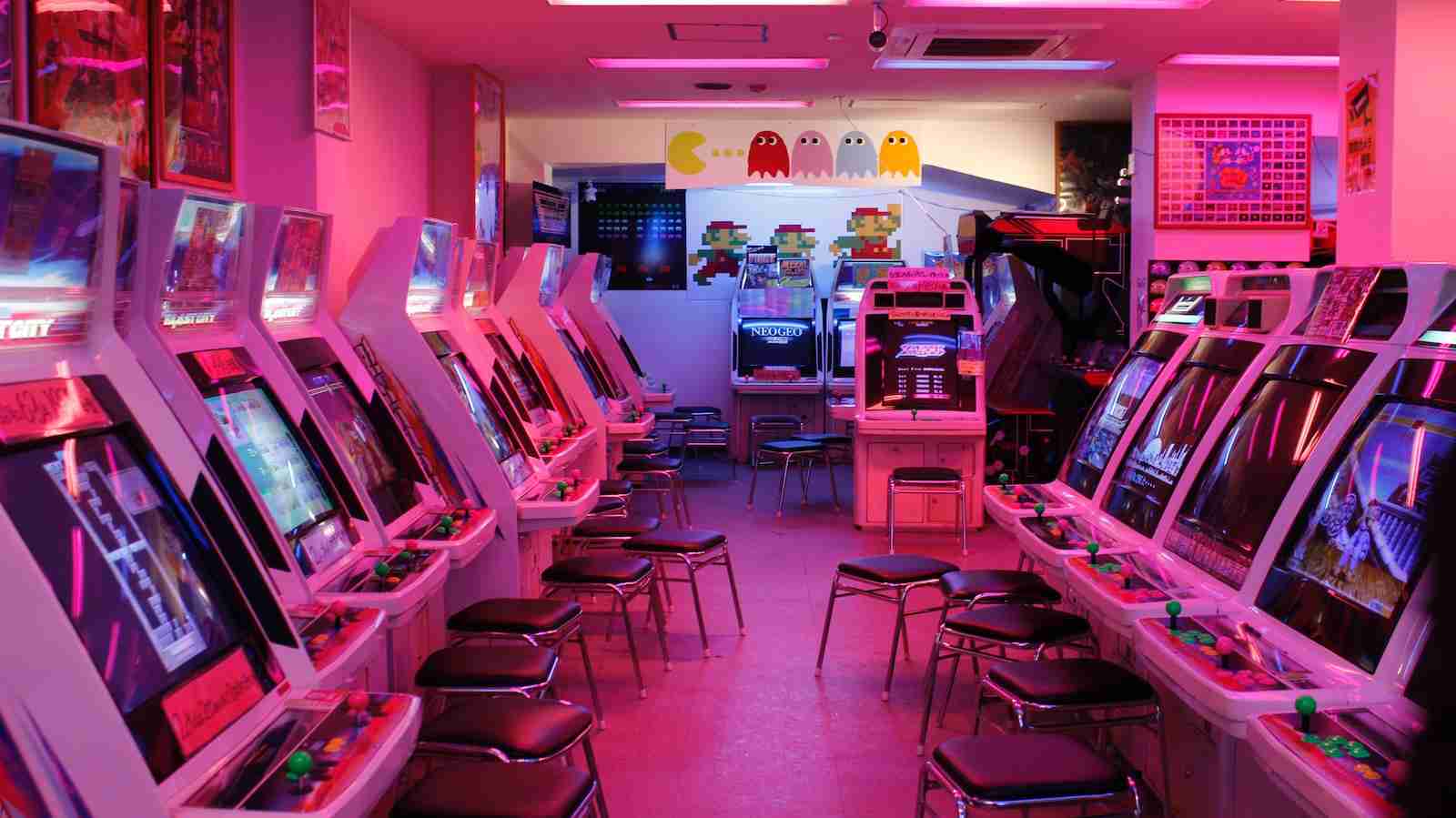
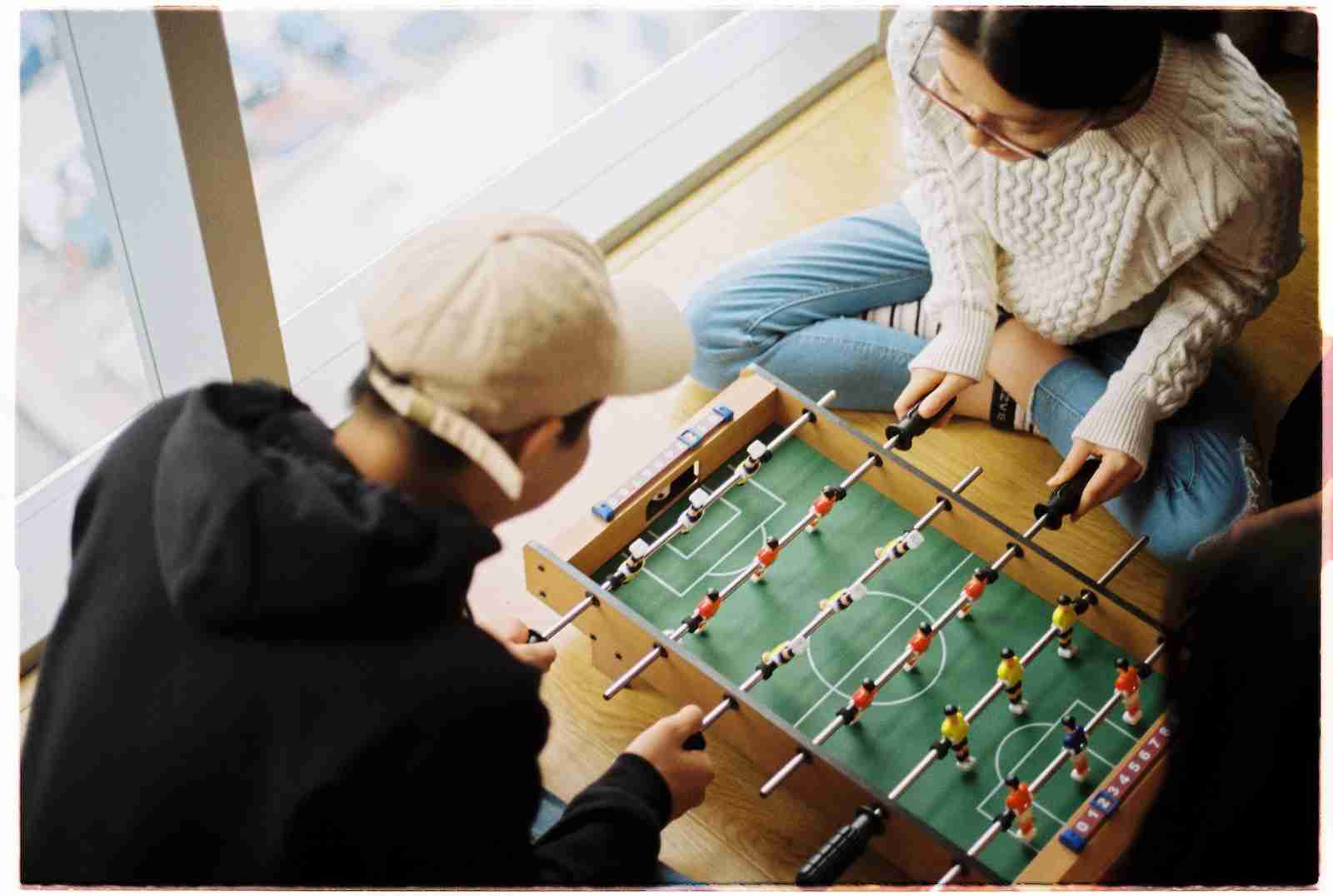
Game On: Transforming Problem Solving With Gaming
By Tom Seest
At HowDoYouGame, we help people who love board games by collating information and news about games.
Be sure to read our other related stories at HowDoYouGame to learn more about games.
Can Gaming Be a Revolutionary Approach to Problem Solving?
Let’s take a moment to talk about something that might surprise you: gaming. That’s right, those pixelated adventures that we often dismiss as mere entertainment hold a treasure trove of potential for problem solving. Now, before you roll your eyes and think it’s just a bunch of kids glued to their screens, consider this: gamification is more than just fun and games; it’s an innovative way to tackle real-world challenges.
Think about it: games are designed to be engaging, to draw you in, and to keep you coming back for more. They offer a unique blend of competition, collaboration, and reward — elements that are instrumental in motivating people to stretch their limits and think creatively. In today’s fast-paced environment, we need to harness that same spirit of adventure and exploration to address complex issues, whether it’s a business challenge or a pressing societal concern.
Let’s face it, we live in a world overflowing with problems, big and small. It can feel overwhelming, like trying to tackle an insurmountable wall of worry. But what if we could take a different approach? What if we could transform those daunting problems into exciting quests? By utilizing gamification in our problem-solving arsenal, we can create compelling scenarios that not only engage but also energize us to act.
For instance, consider community projects that need a bit of a push. Through game-like frameworks, we can encourage participation while getting people to think innovatively. Imagine a neighborhood organizing a clean-up initiative as a friendly competition, where participants earn points and rewards for their efforts. Not only does it bring people together, but it fosters a sense of collective responsibility—engaging the community in a way that traditional methods might not.
Moreover, businesses are beginning to catch on, using gamification to encourage employee engagement and foster a culture of innovation. This could lead to increased productivity and loyalty, all while making the workplace a bit more fun. Why not leverage the lessons learned from virtual worlds to make our actual world a better place?
So, the next time you hear someone dismissing gaming as a frivolous pastime, remember this: it might just be the key to unlocking creative solutions to the challenges we face. Engaging in problem-solving doesn’t have to be a chore—it can be an adventure. Embrace the gamified approach, and who knows? You might just discover a new way to tackle the complexities of life with energy and enthusiasm.

Can Gaming Be a Revolutionary Approach to Problem Solving?
Can Gaming Be a Revolutionary Approach to Problem Solving?
- Gaming offers potential for problem solving beyond entertainment.
- Gamification combines competition, collaboration, and reward to motivate creative thinking.
- Transforming problems into quests can make them feel less overwhelming.
- Community projects can benefit from game-like frameworks to enhance participation and innovation.
- Businesses use gamification to boost employee engagement and foster innovation.
- Gamification can lead to increased productivity and a more enjoyable workplace.
- Embracing a gamified approach to problem-solving can provide energetic and enthusiastic solutions.

Can Gaming Be a Revolutionary Approach to Problem Solving?
Table Of Contents
- Can Gaming Be a Revolutionary Approach to Problem Solving?
- Can Gaming Enhance Critical Thinking Skills In Problem Solving?
- What Are The Benefits Of Using Games For Real-Life Problem Solving?
- How Can Game Mechanics Be Applied To Everyday Challenges?
- Are There Successful Case Studies Of Gaming Solving Societal Issues?
- Can Gaming Foster Creativity In Finding Innovative Solutions?
- What Types Of Games Are Most Effective For Problem-Solving Skills?
- How Do Role-Playing Games Impact Decision-Making Abilities?
- Conclusion
- Other Resources
- Glossary Of Terms
- Other Questions
- Haiku
- Poem
- Checklist
Can Gaming Enhance Critical Thinking Skills In Problem Solving?
Can Gaming Enhance Critical Thinking Skills in Problem Solving?
Let’s be honest: when most folks think about gaming, they might conjure images of couch potatoes absorbed by neon lights and frantic button mashing. But hold on a second. What if I told you that those hours spent navigating treacherous terrains, outsmarting enemies, or piecing together elaborate puzzles could actually be honing your critical thinking skills? Let’s pull up a chair and dive into this intriguing topic.
Imagine the last time you faced a formidable challenge in a game. Maybe you were leading a battalion through a virtual battlefield, strategizing your every move to outwit your opponent. Or you were traversing a mind-bending maze, carefully weighing each decision against the potential consequences. These scenarios don’t just happen by accident. They require you to think critically, adapt your strategies, and problem-solve on the fly. This is the essence of what we call gamification—the process of applying game principles in non-game contexts to increase engagement and motivation.
Gamification isn’t just a flashy term; it’s a powerful tool that transforms mundane tasks into interactive experiences where imagination reigns supreme. Have you ever noticed how a simple challenge can ignite that fierce competitive spirit within you? Whether it’s a leaderboard in a mobile app or a time-based quest, these elements encourage individuals to push their limits. It’s not merely about winning; it’s about critical analysis of your approach, rethinking your strategies, and adopting new methods when the old ones fall short.
Researchers have weighed in on this, suggesting that real-world problem-solving skills are sharpened by the iterative nature of gaming. Each failure can be dissected, each victory celebrated—not just in a vacuum, but as an essential part of the learning process. That’s where the magic happens. The challenges and rewards woven into gaming narratives can inspire resilience, patience, and creativity—qualities that resonate far beyond the screen and into our everyday lives.
So, next time you find yourself facing a challenge—be it a pesky work issue or a life dilemma—think about how those gaming experiences might translate into real-world skills. Don’t shy away from the game controller; instead, embrace it as a tool for growth. When you gamify your approach to problem-solving, you just might find that the journey becomes not only more enjoyable but remarkably fruitful.
Can Gaming Enhance Critical Thinking Skills In Problem Solving?
Can Gaming Enhance Critical Thinking Skills In Problem Solving?
- Contrary to stereotypes, gaming can enhance critical thinking skills.
- Engaging in games requires strategic thinking, decision-making, and problem-solving.
- Gamification utilizes game elements to boost engagement and motivation in various contexts.
- Competitive elements in gaming encourage analysis and the reevaluation of strategies.
- Research indicates that gaming fosters real-world problem-solving skills through iterative learning.
- Challenges in gaming can cultivate resilience, patience, and creativity applicable to everyday life.
- Approaching problems with a gamified mindset can make the process enjoyable and rewarding.

Can Gaming Enhance Critical Thinking Skills In Problem Solving?
What Are The Benefits Of Using Games For Real-Life Problem Solving?
Let’s get one thing straight: life can be a tough game. Whether you’re tackling a challenging project at work, navigating personal dilemmas, or even trying to train your dog to stop chewing on your favorite shoes, problem-solving can sometimes feel like facing down a boss-level challenge in your favorite video game. But here’s the kicker: what if approaching these real-life puzzles could be as engaging and effective as playing a game? Enter the world of gamification.
Now, I know what you’re thinking. “Games are for kids, right?” Not quite. Gamification is about harnessing the engaging aspects of games—competition, rewards, instant feedback—to unlock new possibilities for solving real-world problems. Imagine redirecting that energy, enthusiasm, and strategic thinking from your gaming experiences into tackling the everyday hurdles life throws your way.
One of the core benefits of using games to solve problems is the shift in mindset it creates. When you approach a challenge as if it’s a game, suddenly the stakes feel lower. Instead of dread, you find excitement; instead of paralysis, you discover action. If your goal is to improve team dynamics, turn collaboration into a quest. Implement point systems for completed tasks, or set up friendly competitions around deadlines. Suddenly, you’re fostering teamwork while keeping things light-hearted.
Additionally, gamification invites experimentation. In the sanctuary of a game-like setting, making mistakes isn’t just allowed—it’s encouraged. When’s the last time you tried something new in your personal or professional life without fear? By framing problem-solving as a game, you allow yourself to take risks, learn from missteps, and emerge with solutions that may be far more innovative than the mundane approaches you’d typically rely on.
Let’s not forget the power of community in gaming. Many real-world problems are best addressed with a support network. Games often promote collaboration, and this translates beautifully into real-life scenarios. Think about forming a group to tackle a communal issue—be it a charity project or a workplace challenge—and use game-like strategies to inspire participation and commitment.
So, the next time you find yourself feeling stuck or overwhelmed by a problem, remember that play isn’t just for children. It’s a pathway to creativity, collaboration, and ultimately, solutions. Embrace gamification, and you might just unlock the tools to navigate life’s challenges with a bit more joy and effectiveness. Keep playing, and see where it takes you.
What Are The Benefits Of Using Games For Real-Life Problem Solving?
What Are The Benefits Of Using Games For Real-Life Problem Solving?
- Life can be challenging, likened to facing a boss-level challenge in a video game.
- Gamification leverages game elements—competition, rewards, instant feedback—to solve real-world problems.
- Approaching challenges as a game reduces stress and fosters excitement and action.
- Gamification encourages teamwork through point systems and friendly competitions.
- It invites experimentation, allowing risks and learning from failures in a supportive environment.
- Community and collaboration are essential, as many problems are best solved with collective effort.
- Using gamification fosters creativity and effective problem-solving in everyday life.

What Are The Benefits Of Using Games For Real-Life Problem Solving?
How Can Game Mechanics Be Applied To Everyday Challenges?
Let’s talk about gamification—and no, I’m not just referencing flashy apps or trendy motivational tactics. Gamification is a powerful tool that takes concepts from gaming—like points, levels, and challenges—and applies them to our daily lives. Think about it: we face challenges every day, whether it’s getting the laundry done, maintaining a healthy lifestyle, or even tackling that mountain of emails. It may not seem glamorous, but believe me, there’s a world of potential lurking in those mundane tasks.
Imagine starting a Monday morning with a simple mission: gather all your chores into a “level,” unlocking achievements as you complete each task. Just like you would in any good adventure game, you could set personal goals, perhaps aiming for a weekly score of 100 points. Every sock folded could net you five points, while finally conquering that dreaded mountain of dishes might be worth 15. As you check off each item, you unlock a new “power-up”—maybe a favorite movie night or a treat you’ve been craving. Suddenly, those chores transform from dreaded obligations to rewarding challenges.
Then there’s the magic of competition. If you have a friend or family member who’s up for the challenge, why not turn it into a friendly rivalry? Set a timer, and see who can clean their part of the house the fastest or who can stick to a healthy meal plan for a week. Just like in games, the thrill of competition can spark motivation and make those often-dull responsibilities feel a lot more exhilarating.
Let’s not overlook the psychological boost. Games are designed to provide immediate feedback, which can be incredibly satisfying. When you finish a task and reward yourself right away—whether it’s through a small treat, a quick break, or allowing some downtime with a book—you deliver a dose of dopamine that can keep that momentum going.
So, can you see it? There’s potential in gamification to turn everyday challenges into something much more engaging. The next time you face a task you’d rather avoid, sprinkle in a bit of game-like structure. Set goals, earn rewards, and invite others along for the ride. Transform your life, one quest at a time. When you approach the mundane with a gamified mindset, you’ll be surprised at how quickly you conquer your challenges. Trust me, once you’ve tried it, you’ll be eager for your next level-up!

How Can Game Mechanics Be Applied To Everyday Challenges?
How Can Game Mechanics Be Applied To Everyday Challenges?
- Gamification applies gaming concepts like points, levels, and challenges to everyday tasks.
- Transforming mundane chores into engaging missions can increase motivation.
- Setting personal goals with a scoring system can make completing tasks more rewarding.
- Incorporating competition with friends or family can enhance motivation and enjoyment.
- Games provide immediate feedback, which can boost satisfaction and momentum.
- Gamification encourages setting goals, earning rewards, and inviting others to participate.
- Approaching tasks with a gamified mindset can help conquer challenges more effectively.

How Can Game Mechanics Be Applied To Everyday Challenges?
Are There Successful Case Studies Of Gaming Solving Societal Issues?
Are There Successful Case Studies of Gaming Solving Societal Issues?
Let’s take a stroll into the world of gaming, shall we? You could say it’s the digital frontier, where pixels and purpose collide. It might seem like a realm reserved for colorful characters and high scores, but hidden within is a powerful tool that has proven itself capable of tackling some rather thorny societal issues. Grab your controller, and let’s dive in!
Consider the work being done in education. Gamification has revolutionized the way we think about learning. By integrating game mechanics into educational settings, teachers are creating engaging experiences that not only capture students’ attention but also enhance retention and understanding. Think about it: when was the last time a multiplication table brought you excitement? Yet, when that same concept is framed in the context of a challenging game, suddenly the struggle to defeat level after level mirrors the grind of mastering the times tables. Success stories abound—from improved test scores to increased attendance rates—proving that a little competition can inspire students to conquer both games and academic challenges.
Now, let’s pivot to public health. Initiatives like “Zombies, Run!” marry fitness with an engaging narrative that gets players moving—not just in the virtual world but in their actual communities. Participants find themselves on the run, literally, while collecting supplies and completing missions that contribute to a larger story. By marrying the thrill of gaming with physical activity, this app not only promotes fitness but also fosters a sense of connection among players. You start to see how gaming isn’t just about sitting in front of a screen; it’s about sparking a movement.
Then there’s the realm of social change. Platforms like “Foldit” allow players to manipulate proteins into stable structures, tackling enigmas in biological research like never before. Gamers—yes, gamers—have contributed to real scientific breakthroughs that were once thought to be the territory of seasoned professionals. It’s a powerful reminder that one person, with a little motivation and the right tools, can indeed change the world, one puzzle at a time.
So, next time someone rolls their eyes at your choice of pastime, consider reminding them that gaming can enact meaningful change. It’s not just about winning—it’s about building communities, nurturing skills, and solving problems, all woven together in a tapestry of engagement. Now, imagine what other societal issues might be tackled when we apply the lessons of gamification. The possibilities are endless—and so are the adventures ahead!

Are There Successful Case Studies Of Gaming Solving Societal Issues?
Are There Successful Case Studies Of Gaming Solving Societal Issues?
- Gaming is a valuable tool for addressing societal issues beyond entertainment.
- Gamification in education enhances student engagement, retention, and understanding.
- Success stories in education include improved test scores and increased attendance rates.
- “Zombies, Run!” combines gaming with fitness, encouraging physical activity and community connection.
- Platforms like “Foldit” enable gamers to contribute to scientific breakthroughs in protein research.
- Gaming fosters community building, skill development, and problem-solving capabilities.
- The potential applications of gamification in tackling various societal issues are limitless.

Are There Successful Case Studies Of Gaming Solving Societal Issues?
Can Gaming Foster Creativity In Finding Innovative Solutions?
Let’s take a minute to think outside the box—or for that matter, outside the console. When we think of gaming, many might picture a bunch of kids huddled around a screen, thumbs flying, oblivious to the world outside. But here’s the kicker: that environment can breed a unique kind of creativity that’s just waiting to be tapped into. Enter the world of gamification—where the principles of game design are applied to keep us engaged, motivated, and yes, even inventive.
Picture this: You’re playing a role-playing game. You’re tasked with crafting a strategy to conquer a mythical kingdom. But you’re not simply mashing buttons; you’re planning your moves, weighing risks, and concocting innovative approaches to defeat foes. In that digital sphere, you quickly learn that thinking creatively isn’t just encouraged—it’s essential. You become a walking brainstorming machine, devising solutions to challenges that seem insurmountable at first glance.
Now, this isn’t just kid stuff. As adults, we find ourselves facing real-world problems—whether in the workplace, at home, or in our communities. It turns out that the skills honed in gaming can translate beautifully into our everyday lives. The challenges presented in games often mimic the complexities of real life, nudging us to think on our feet and adapt our strategies. We have to envisage multiple avenues, iterate, and refine our approaches—all while managing time constraints and resources.
By introducing gamification into our daily tasks, we’re not just making things more entertaining; we’re also unlocking a reservoir of creativity. Organizations are beginning to realize this potential—using game-like elements in training programs, for example, to encourage employees to think outside the norm.
But why should we wait for a corporate initiative to bring that magic into our lives? Why not challenge ourselves further? Consider your passions, your hobbies, and even problems that neighbor your community. Bring that gamer’s creativity to the forefront! Start a local challenge, gather a few friends, and reinvent a never-ending issue. In a world overwhelmed by challenges, it’s time to cultivate creativity like never before. The next time you log into a game, remember: you might just be fine-tuning your ability to think differently in the face of adversity. So grab that controller—and who knows what you’ll conquer next!

Can Gaming Foster Creativity In Finding Innovative Solutions?
Can Gaming Foster Creativity In Finding Innovative Solutions?
- Gaming environments foster unique creativity waiting to be tapped into.
- Gamification applies game design principles to enhance engagement and motivation.
- Playing role-playing games encourages strategic thinking and innovative problem-solving.
- Skills developed in gaming are transferable to real-world challenges adults face.
- Gamification in daily tasks unlocks creativity and makes activities more enjoyable.
- Organizations are incorporating game-like elements in training to stimulate unconventional thinking.
- Individuals are encouraged to apply gamer’s creativity to personal passions and community issues.

Can Gaming Foster Creativity In Finding Innovative Solutions?
What Types Of Games Are Most Effective For Problem-Solving Skills?
When we think about games, our minds often drift to the thrill of competition or the escapism they offer. However, underneath that shiny surface lies a treasure trove of learning opportunities, particularly for honing your problem-solving skills. So, what types of games pack the most punch in developing that vital ability to think critically and conquer challenges? Let’s dive in together.
First off, let’s talk about strategy games. Whether you’re commanding armies in a classic board game or playing a real-time strategy video game, these experiences demand a mix of foresight, planning, and resource management. You’re not just making moves; you’re crafting a plan, anticipating your opponent’s moves, and adjusting on the fly. Every decision you make can lead to triumph or disaster, and that’s a wonderful metaphor for life itself. Think about it—just like in these games, we often face situations where our next move can lead us down a fruitful path or into a frustrating dead end.
Then there are puzzle games, which, in their many forms, are fantastic for sharpening your wits. Whether you’re sliding tiles into place, deciphering codes, or working through math problems, these games put your brain to work. They encourage you to identify patterns and devise solutions, and let’s be honest—there’s nothing quite like the satisfaction that comes from cracking a tough puzzle. It’s a little victory that can generate confidence and inspire you to tackle even bigger challenges.
And let’s not overlook the power of role-playing games (RPGs). Here, you don’t just play a character; you step into their shoes, engage in complex narratives, and face moral dilemmas. The choices you make can ripple through the story, influencing outcomes in ways that require you to weigh your options carefully. Beyond just entertainment, RPGs invite you to embrace creativity while constructing solutions within a fantastical context, making real-world problem-solving feel like second nature.
Finally, let’s discuss the magic of gamification. Taking everyday tasks and transforming them into game-like experiences—complete with rewards, challenges, and levels—can give your motivation a turbo boost. Whether in education, personal growth, or even workplace productivity, gamifying your goals allows for lighthearted engagement. Suddenly, problem-solving becomes not just a necessity but a fun venture to tackle in your daily life.
So, if you’re looking to enhance your problem-solving skills, consider integrating these types of games into your routine. Embrace the challenge, relish in the journey, and who knows? You might just find that the solution to life’s tricky puzzles lies in your next round of gameplay. Dive in, and see where the adventure takes you!

What Types Of Games Are Most Effective For Problem-Solving Skills?
What Types Of Games Are Most Effective For Problem-Solving Skills?
- Games provide essential opportunities to develop problem-solving skills beyond competition and escapism.
- Strategy games enhance critical thinking through foresight, planning, and resource management.
- Puzzle games sharpen mental acuity by encouraging pattern recognition and solution development.
- Role-playing games (RPGs) require players to make impactful choices, fostering creativity and moral reasoning.
- Gamification transforms daily tasks into engaging experiences, making problem-solving enjoyable and motivating.
- Integrating strategy, puzzle, RPGs, and gamified tasks into routines can enhance critical thinking abilities.
- Embrace gaming as a fun venture to tackle life’s challenges and enhance problem-solving skills.

What Types Of Games Are Most Effective For Problem-Solving Skills?
How Do Role-Playing Games Impact Decision-Making Abilities?
Imagine this: You’re sitting at a table, a group of friends gathered around, dice clattering like the sound of thunder in a summer storm. In the realm of role-playing games (RPGs), everyday decisions fade away, replaced by high-stakes choices that could determine the fate of your character—or the entire mission. Now, why does this matter? The answer lies in the magic of gamification and its surprising influence on our decision-making abilities.
When you step into the shoes of a warrior, wizard, or rogue, you’re not just playing a game; you’re engaging in a vibrant tapestry of narratives and challenges that requires critical thinking and problem-solving. Each session of RPGs serves as a mini-laboratory for decision-making. You must weigh your options, sometimes under pressure, building your skills in a safe, imaginative environment. Those riveting moments of strategy mirror real-world choices, whether it’s deciding how to utilize your resources, evaluate risks, or negotiate with other players sitting around that table. The stakes might be different—squaring off against a dragon or navigating personal dilemmas—but the mental gymnastics remain strikingly similar.
What makes RPGs particularly effective is that they often require collaboration and communication. You’re not just an island; you’re part of a team. This interaction fosters a natural environment where individuals learn to share perspectives and deliberate on decisions collectively. Those discussions, rich with diverse opinions and potential strategies, can sculpt your ability to see problems from multiple angles. That’s a skill that transcends the game and seeps into the fabric of daily life, from work projects to family decisions.
In a world where choices are as abundant as candy in a candy store, the ability to discern wisely is a superpower. Embracing gamification in RPGs allows you to flex that muscle. You might start noticing a shift—not just in how you play but in how you navigate complexities outside the game. This transformation is both empowering and enlightening.
So, gather your friends, embrace the dice, and dive into the exhilarating world of role-playing games. You’ll be crafting stories, sharpening your mind, and maybe, just maybe, becoming a more confident decision-maker along the way.
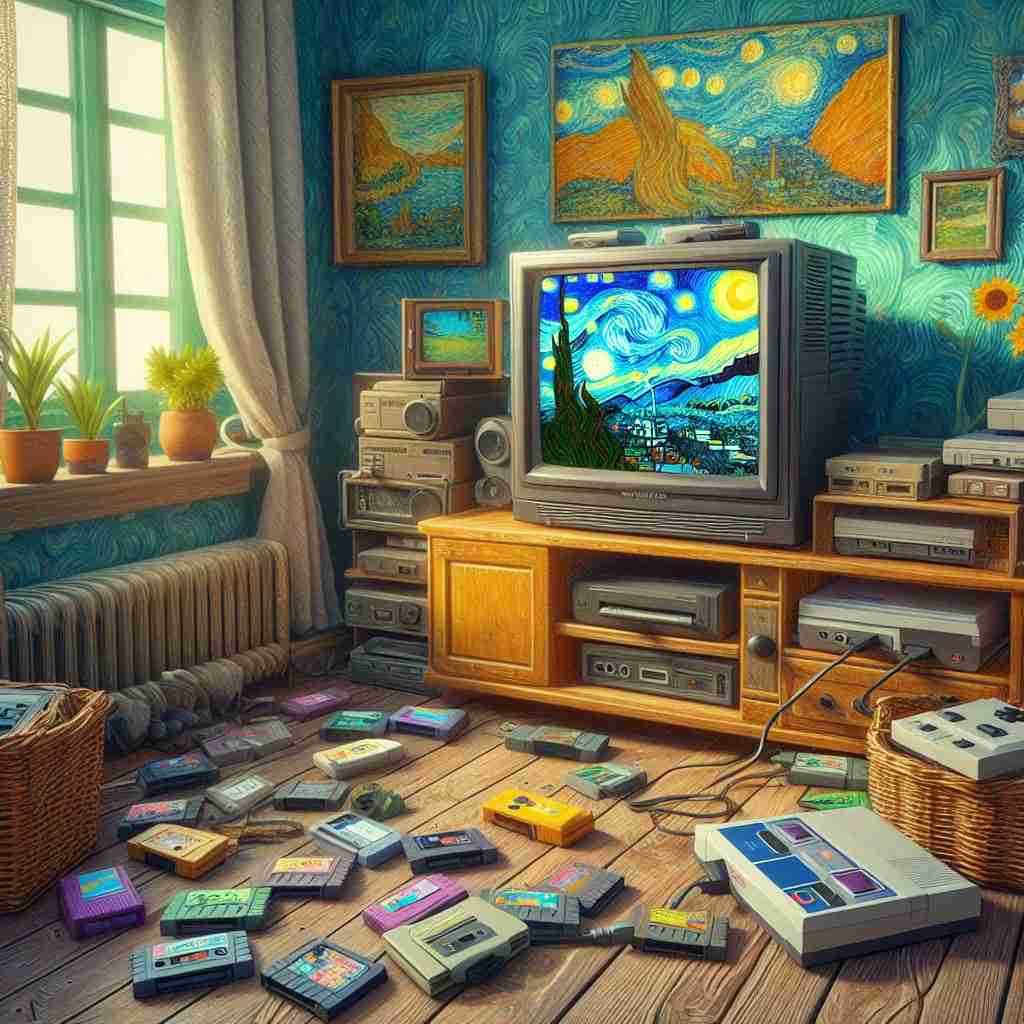
How Do Role-Playing Games Impact Decision-Making Abilities?
How Do Role-Playing Games Impact Decision-Making Abilities?
- Role-playing games (RPGs) immerse players in high-stakes decision-making scenarios, enhancing critical thinking.
- Engaging as a character (warrior, wizard, rogue) promotes problem-solving in a safe, imaginative environment.
- RPG sessions function as mini-laboratories for practicing real-world decision-making skills.
- Collaboration and communication are essential in RPGs, encouraging teamwork and shared perspectives.
- Diverse discussions during gameplay improve the ability to assess problems from multiple angles.
- Gamification in RPGs helps individuals develop wise discernment in both gaming and everyday complexities.
- Playing RPGs can lead to a transformation in decision-making confidence beyond the game environment.

How Do Role-Playing Games Impact Decision-Making Abilities?
Conclusion
In wrapping up our exploration of gaming as a revolutionary tool for problem-solving, it’s clear that beneath the surface of pixels and scores lies a goldmine of innovation. When we cast aside the stereotype of gamers as merely slack-jawed youths lost in their screens, we uncover a dynamic realm where creativity, critical thinking, and collaboration are elevated. Gamification introduces a fresh perspective, transforming mundane challenges into compelling quests that invigorate our problem-solving approaches.
Take a moment to consider the parallels between video games and real life: both environments present hurdles that require strategy, ingenuity, and adaptability. As we navigate these digital landscapes, we sharpen our minds, developing skills that seamlessly transfer to everyday scenarios. From strategic decision-making in role-playing games to the analytical prowess honed in puzzle-solving adventures, the gaming world equips us with the necessary tools to tackle life’s complexities.
Moreover, becoming engaged in gamified activities fosters a crucial mindset shift. Instead of viewing problems as insurmountable mountains, gamers learn to perceive them as game-like challenges, filled with opportunities for exploration and growth. This paradigm shift encourages us to embrace creativity and playfulness, qualities often stifled in the dreary grind of adult responsibilities. Who says that honing our skills has to be a slog? Instead of cringing at a lengthy to-do list, imagine approaching those tasks with the same enthusiasm you’d bring to conquering a tough level in your favorite game.
Real-world applications of gaming show that change is not only possible; it’s already underway. Communities tackling social issues, classrooms transforming the learning experience, and workplaces sparking innovation—with gamification, the ordinary becomes extraordinary. It creates engagement in a way that traditional methods often fail to replicate.
So, if you’re contemplating the relevance of gaming to problem-solving, don’t dismiss it just yet. Embrace the challenge. Why not channel this spirited adventure into our lives? Let’s harness those lessons learned from virtual worlds to inspire real-world solutions. The next time you face a daunting issue, consider gamifying your approach. You might just find that with a little creativity and a spirit of play, those overwhelming obstacles become exciting quests worth pursuing. Game on!

Conclusion
Conclusion:
- Gaming serves as a powerful tool for problem-solving, promoting innovation beyond traditional methods.
- Breaking stereotypes of gamers reveals a vibrant space where creativity, critical thinking, and collaboration thrive.
- Gamification provides a new angle, turning dull challenges into exciting quests that enhance problem-solving skills.
- Both video games and real life present hurdles requiring strategy, ingenuity, and adaptability.
- Engagement in gamified activities shifts mindset, helping view problems as game-like challenges to tackle.
- Real-world applications of gaming are already in action, transforming communities, classrooms, and workplaces.
- By gamifying approaches to problems, individuals can turn obstacles into thrilling quests for solutions.

Conclusion
Other Resources

Other Resources
Here is a list of other resources you can review online to learn more:
- Bezier Games
- Thunderworks Games
- Gloomhaven
- Czech Games Edition
- YouTube
- Asmodee
- GameSpot
- Legendary: A Marvel Deck Building Game
- Memoir ’44
- Arkham Horror: The Card Game – The Dunwich Legacy Expansion
Use This Prompt To Get More Resources With Your Favorite Online AI Tool: Please provide me with a list of online articles with their URLs in a bulleted list that I can read regarding Can Gaming Be a Revolutionary Approach to Problem Solving?

Other Resources
Glossary Terms
Can Gaming Be a Revolutionary Approach to Problem Solving? – Glossary Of Terms
1. Gamification: The application of game-design elements in non-game contexts to enhance user engagement and motivation.
2. Serious Games: Games designed for a primary purpose other than pure entertainment, often aimed at education, training, or social change.
3. Simulation: A method of problem solving that replicates real-world processes or systems to analyze and predict outcomes.
4. Flow State: A state of complete immersion and focus where a person experiences deep enjoyment and fulfillment, often achieved in gaming environments.
5. Collaboration: Working jointly with others towards a common goal, which can be facilitated through multiplayer gaming experiences.
6. Critical Thinking: The objective analysis and evaluation of an issue, a skill that can be enhanced through strategic game play.
7. Multi-Disciplinary Approach: Integrating knowledge and methodologies from different fields to solve complex problems, often applied in gaming design and analysis.
8. Interactivity: The degree to which users can influence the game’s narrative or outcome, encouraging active participation in problem-solving.
9. User Experience (UX): The overall experience a person has while gaming, focusing on usability, aesthetics, and emotional response, which can impact learning.
10. Feedback Loop: A system where outputs of an action are fed back as inputs, helping players understand consequences and improving decision-making skills.
11. Role-Playing: Assuming the role of a character or participant in a scenario, facilitating empathy and perspective-taking in problem solving.
12. Scenario-Based Learning: A method that utilizes realistic situations to enable learners to practice decision-making in a non-threatening environment.
13. Diversity and Inclusion: Emphasizing varied perspectives and backgrounds, which can be facilitated through collaborative gaming environments.
14. Problem-Based Learning (PBL): A student-centered pedagogy that involves confronting real-world problems through inquiry and collaborative learning.
15. Digital Literacy: The ability to navigate and understand digital environments, essential for engaging in modern gaming and problem-solving scenarios.
16. Strategic Thinking: The ability to plan ahead and make decisions by considering potential future scenarios, a skill emphasized in many games.
17. Cognitive Skills: Mental capabilities such as attention, memory, and reasoning that can be developed through engaging gameplay.
18. Game Mechanics: The rules and systems that govern gameplay, influencing how players interact with challenges and each other.
19. Simulation Training: Using computer-based simulations to practice skills, make decisions, and understand complex systems in a safe environment.
20. Engagement: The level of interest and participation a participant exhibits, often enhanced through the interactive aspects of games.
21. Peer Learning: Collaboration among individuals to learn from each other’s experiences and insights, fostered in multiplayer gaming.
22. Digital Twins: Virtual representations of real-world systems that allow for experimentation and insight into problem-solving tactics.
23. Adaptive Learning: Customizing educational experiences based on a student’s needs, capabilities, and preferences, often achieved through gaming.
24. Data Visualization: The graphical representation of information and data, instrumental in games for illustrating complex problems and solutions.
25. Crowdsourcing: Engaging a large group of people to contribute ideas or solutions, a process that can be effectively facilitated through gaming.
26. Social Impact: The effect of an activity on the social fabric of the community, often a goal of serious games aimed at addressing societal challenges.
27. Narrative Design: The art of crafting the story and context in which a game unfolds, contributing to the emotional and intellectual engagement of players.
28. Prototype Development: The process of creating initial versions of a game to test ideas, gather feedback, and refine problem-solving approaches.
29. Systems Thinking: Understanding how different parts of a system interact and influence one another, which can be practiced through strategic gaming.
30. Educational Technology: Tools and resources that enhance learning processes, including the integration of gaming in educational settings for problem solving.

Glossary Of Terms
Other Questions
Can Gaming Be a Revolutionary Approach to Problem Solving? – Other Questions
If you wish to explore and discover more, consider looking for answers to these questions:
- What are some specific examples of games that enhance problem-solving skills?
- How can educators incorporate gamification into their teaching methods?
- Are there psychological studies supporting the effectiveness of gaming in problem-solving?
- What industries are currently using gamification for employee training and engagement?
- How can businesses implement gamification to improve workplace culture?
- What challenges might arise when integrating gaming into serious problem-solving contexts?
- Can gaming be effective for individual problem solvers as well as teams?
- What are the long-term benefits of using gaming as a problem-solving tool?
- How does gamification influence motivation and engagement in various settings?
- Are there any notable failures in using gaming for problem-solving and what can be learned from them?
- What role does technology play in the future of gaming as a problem-solving approach?
- How can community involvement be enhanced through gamified initiatives?
- What age groups or demographics benefit the most from gamification?
- How can individuals effectively transition skills learned in gaming to real-world applications?

Other Questions
Haiku
Can Gaming Be a Revolutionary Approach to Problem Solving? – A Haiku
Pixels and quests align,
Games turn woes to spark and flight—
Solve, grow, play, unite.

Haiku
Poem
Can Gaming Be a Revolutionary Approach to Problem Solving? – A Poem
Game On: A Journey to Solve
In pixel realms where battles roar,
A spark ignites, a hidden core—
Not mere play, but paths unfurled,
To tackle woes within the world.
With gamified quests and vibrant strife,
We craft new routes through the maze of life,
Where challenges transform, once daunting, gray,
Into lively quests that guide our way.
Strategy unfolds in board and screen,
Navigating choices sharper than they seem.
From puzzle games that tease the mind,
To role-playing journeys where solutions unwind.
In friendly contests, our spirits take flight,
Tasks become missions, bathed in delight.
Collaboration blooms, as teams unite,
In this game-like dance, our futures shine bright.
With each failure a lesson, with each win a cheer,
Resilience grows stronger, as we persevere.
From classrooms to streets, the power we wield,
Unlocking solutions our dreams have concealed.
So let’s embrace this playful muse,
Harness creativity and the thrill of the choose.
In every endeavor, let gaming reign free,
For revolution in solving lies within you and me.

Poem
Checklist
Can Gaming Be a Revolutionary Approach to Problem Solving? – A Checklist
Checklist: Embracing Gamification for Problem Solving
This checklist accompanies the article “Can Gaming Be a Revolutionary Approach to Problem Solving?” by Tom Seest, providing actionable steps to leverage gaming principles in your daily life and problem-solving endeavors.
1. Identify Challenges
_____ List 3-5 specific problems you want to address (personal, professional, or community-related).
2. Explore Gamification Concepts
_____ Research the concept of gamification to understand how it applies beyond gaming.
_____ Brainstorm how game mechanics (points, challenges, rewards) can be integrated into your problem-solving approach.
3. Set Clear Goals
_____ Define clear, achievable goals for each identified challenge.
_____ Make goals measurable (e. g. , complete a task within a set time frame).
4. Create Reward Systems
_____ Establish a points or rewards system for completing tasks related to your goals.
_____ Identify small rewards (like a treat, a break, or an activity) for reaching milestones.
5. Incorporate Competition
_____ Find a partner or group to tackle challenges with you.
_____ Introduce friendly competition (e. g. , see who can brainstorm the best ideas or complete tasks faster).
6. Emphasize Collaboration
_____ Engage others in the problem-solving process, seeking diverse perspectives.
_____ Organize brainstorming sessions or discussions to foster teamwork.
7. Utilize Strategy Games
_____ Try playing strategy games (board games or video games) that require critical thinking and planning.
_____ Reflect on what strategies work in the games and how they might apply to real-life situations.
8. Practice Decision-Making
_____ Engage in role-playing games (RPGs) to practice making decisions under pressure and reflect on outcomes.
_____ Identify key decisions you’ve made in games and analyze how they parallel real-life decisions.
9. Foster a Creative Mindset
_____ Challenge yourself to think creatively by re-framing problems as quests or missions.
_____ Use brainstorming techniques (like mind mapping or the SCAMPER method) to generate innovative solutions.
10. Iterate and Learn
_____ Embrace trial and error; learn from mistakes as part of the gamification process.
_____ Keep a journal of what strategies worked and what didn’t for future reflection.
11. Engage with Communities
_____ Join forums or groups related to gamification or problem-solving to gain insights and support.
_____ Participate in community service or initiatives that employ gamified strategies for collective improvement.
12. Evaluate and Adjust
_____ Regularly review your progress towards your goals.
_____ Adjust your strategies as needed based on what’s working and what isn’t.
By following this checklist, you can begin transforming your approach to problem-solving, turning daunting challenges into engaging quests, and leveraging the power of gamification in your everyday life!

Checklist
At HowDoYouGame, we help people who love board games by collating information and news about games.
Be sure to read our other related stories at HowDoYouGame to learn more about games.