Revolutionizing Senior Living Through Daily Task Gamification
By Tom Seest
At HowDoYouGame, we help people who love board games by collating information and news about games.
Be sure to read our other related stories at HowDoYouGame to learn more about games.
Can Gamifying Daily Tasks Transform Senior Living Forever?
In the world of senior living, we often overlook the power of engagement. But let’s not forget that every individual, no matter their age, craves purpose and vitality in their daily lives. Enter gamification—a concept that could quite literally transform the monotony of daily tasks into something vibrant and meaningful.
Imagine a world where the simple act of taking medication becomes a quest. Picture it: residents logging into an interactive app that turns their daily pill schedule into a fun game, complete with points, levels, and maybe even a friendly leaderboard. This isn’t just some pie-in-the-sky notion; it’s gamification at work. For seniors, who may struggle with memory or motivation, this could shift the tide from disinterest to active participation. After all, who doesn’t want to earn a few bragging rights among their peers?
Now, let’s dive deeper. The beauty of gamification lies in its versatility. Beyond medications, think about meal planning or exercise routines. What if residents could receive rewards for completing physical activities like walking or crafting? By simply incorporating a gaming element into these tasks, you infuse them with a sense of excitement that many may have lost over time. It takes the ordinary—sweeping the floor or watering plants—and turns it into a competition or a badge-earning mission. Imagine residents being able to proudly showcase their accomplishments like merit badges on a Scout uniform.
But let’s not overlook the social aspect. Gamification encourages collaboration. What better way to enhance camaraderie among the residents than by creating team challenges? Picture groups working together to complete scavenger hunts or trivia games that test their knowledge of history or pop culture. Not only does this foster community spirit, but it also keeps cognitive skills sharp and spirits high.
In essence, integrating gamification into senior living isn’t about coddling or underestimating the capabilities of our mature citizens; it’s about recognition. It recognizes that every senior has a story, skills, and the ability to contribute to their environment. It acknowledges that their golden years can be filled with as much joy and purpose as any other stage of life.
So, the question remains: Can gamification transform senior living forever? It’s a bold statement, but the approach has the potential to inject a whole new lease on life into the daily routines of our aging population. Let’s not just count the seconds; instead, let’s make those seconds count for something extraordinary.

Can Gamifying Daily Tasks Transform Senior Living Forever?
Can Gamifying Daily Tasks Transform Senior Living Forever?
- Engagement is crucial in senior living, as everyone seeks purpose and vitality.
- Gamification can transform daily tasks, adding vibrancy and meaning.
- Interactive apps can turn medication schedules into fun games with rewards and leaderboards.
- Gamification can be applied to meal planning and exercise routines, making them more exciting.
- It promotes social interaction through team challenges and collaborative activities.
- Integrating gamification recognizes the stories and capabilities of seniors, enhancing their contributions.
- Gamification has the potential to significantly improve the daily routines of older adults, enriching their lives.

Can Gamifying Daily Tasks Transform Senior Living Forever?
Table Of Contents
- Can Gamifying Daily Tasks Transform Senior Living Forever?
- What Is Gamification And How Does It Apply To Senior Living?
- How Can Gamification Improve Engagement Among Seniors?
- What Types Of Daily Tasks Can Be Gamified For Seniors?
- How Does Gamification Affect The Mental Health Of Older Adults?
- Are There Successful Examples Of Gamification In Senior Living?
- What Technology Is Needed To Implement Gamification For Seniors?
- How Can Family Members Get Involved In Gamifying Daily Tasks?
- Conclusion
- Other Resources
- Glossary Of Terms
- Other Questions
- Haiku
- Poem
- Checklist
What Is Gamification And How Does It Apply To Senior Living?
Gamification might sound like a trendy buzzword that belongs in the boardroom, but it’s a concept that’s gaining traction in the world of senior living. At its core, gamification is the integration of game-like elements into non-game contexts. Think point systems, challenges, and rewards, but instead of playing for high scores or virtual trophies, the aim is to enhance everyday experiences—especially for our seniors.
Now, picture this: you walk into a senior living community, and instead of a dull calendar of activities, you see vibrant challenges and incentives. Residents can earn points for participating in various activities, whether it’s joining a morning yoga class, engaging in a friendly game of bingo, or attending an educational workshop about new technology. Those points might go toward fun prizes, special outings, or even just a coveted seat at the next community movie night. It turns mundane routines into engaging experiences, and suddenly, every day has the potential to be an adventure.
The beauty of gamification lies in its ability to foster camaraderie and community. When seniors participate in challenges together, it builds bonds and encourages social interaction. Imagine a friendly competition where residents form teams to see who can walk the most steps in a week. They cheer each other on, share stories, and strengthen their connections. Gamification taps into our natural desire for achievement and recognition—something that should never fade with age.
But let’s not forget the mental stimulation that can come from gamifying activities in senior living. Keeping the mind engaged is just as vital as physical activity. Puzzle games, trivia challenges, and even technology-based initiatives can provide a boost to cognitive function and keep residents sharp. By incorporating game mechanics, facilities can create a more dynamic environment that motivates individuals to participate actively, rather than sit on the sidelines.
So, whether it’s earning points for participating in weekly crafts or conquering a trivia challenge with friends, gamification is redefining how we engage seniors in their daily lives. It’s about blending fun with purpose, proving that age doesn’t have to diminish enthusiasm. By embracing this approach, senior living communities are not just providing a place to reside—they are cultivating vibrant, interactive lifestyles that keep the spirit alive.

What Is Gamification And How Does It Apply To Senior Living?
What Is Gamification And How Does It Apply To Senior Living?
- Gamification is gaining traction in senior living, integrating game-like elements into daily experiences.
- Residents can earn points for engaging in activities, turning mundane routines into exciting challenges.
- Points can lead to fun prizes, special outings, or preferred seating at community events.
- Gamification fosters camaraderie, encouraging social interaction among residents through team challenges.
- It taps into natural desires for achievement and recognition, enhancing the social fabric of communities.
- Mental stimulation is also prioritized, with activities like puzzle games and trivia to boost cognitive function.
- Overall, gamification helps redefine engagement, promoting vibrant lifestyles in senior living communities.

What Is Gamification And How Does It Apply To Senior Living?
How Can Gamification Improve Engagement Among Seniors?
When you think of gamification, what comes to mind? For many, it conjures up images of kids hunched over video games or young adults frantically tapping away at their smartphones. But let’s take a step back and open our minds a little wider. Gamification isn’t just a flashy buzzword for tech-savvy youths; it can be a powerful tool for improving engagement among older adults, too. Picture this: a world where seniors are not only active participants but enthusiastic players in their own lives.
At its core, gamification leverages game-like elements—points, levels, challenges—to enhance participation in everyday activities. For seniors, who may often feel sidelined or disengaged, this approach has the potential to reinvigorate interests and foster motivation. Engaging older adults can be particularly challenging; physical limitations and social isolation can weigh down spirits like an anchor. Yet through gamification, these barriers can be transformed into stepping stones.
Consider a program that encourages seniors to partake in regular exercise through a point system. Imagine how effective it might be to turn a simple morning walk into a friendly competition. Participants could track their steps, earn points, and even compete against friends, all while reaping the healthy benefits of moving more. Not only does this spark movement, it can crack open a conversation, create camaraderie, and breathe life into social connections.
Moreover, gamification can also tap into cognitive engagement. Think of digital puzzles, trivia challenges, or word games designed specifically for seniors. These aren’t just attempts to keep brains sharp; they can be crafted as social interactions, allowing participants to join teams or face off against each other. It’s all about stimulating the mind while making it fun and engaging—a noble balance that has often been elusive.
The beauty of gamification lies in its flexibility. It can be applied in various settings—be it community centers, assisted living facilities, or even via apps tailored for smartphones or tablets. The remarkable thing? It’s not solely about the competition; it’s about bringing joy, connection, and purpose back into the lives of seniors.
So, whether it’s through movement or mental challenges, gamification opens up a world of possibilities for older adults seeking engagement. It’s time we give them the chance to play—and trust me, the rewards might just be the most fulfilling game of all.

How Can Gamification Improve Engagement Among Seniors?
How Can Gamification Improve Engagement Among Seniors?
- Gamification is not just for tech-savvy youth, but can engage older adults as well.
- It uses game-like elements such as points, levels, and challenges to enhance participation in daily activities.
- Gamification helps counter social isolation and physical limitations in seniors, fostering motivation and interest.
- Programs can encourage regular exercise among seniors through point systems and friendly competition, enhancing social connections.
- Cognitive engagement can be stimulated through digital puzzles, trivia, and word games specifically designed for seniors.
- Gamification is flexible and can be implemented in various settings like community centers, assisted living facilities, or apps.
- It aims to bring joy, connection, and purpose back into the lives of seniors, enabling fulfilling engagement opportunities.

How Can Gamification Improve Engagement Among Seniors?
What Types Of Daily Tasks Can Be Gamified For Seniors?
In our quest for innovation, we often overlook the simple joys of everyday life. But there’s a spark of excitement to be found in the mundane, especially when we introduce the art of gamification. Now, before you roll your eyes and dismiss this concept as some trendy buzzword, let’s break it down—gamification is simply about taking ordinary tasks and transforming them into a game where motivation meets a sprinkle of competition, a dash of achievement, and maybe even a prize or two.
So what types of daily tasks can be gamified for seniors? Let’s dive into the nitty-gritty.
Physical Activity: Think walking or stretching exercises. Picture this: a step-counting challenge where each lap around the block adds points towards a monthly reward, like a favorite meal or a social outing. Not only does this promote fitness, but it also ticks off those pesky boxes of accountability and social engagement.
Household Chores: Yes, chores can be a drag, but what if taking out the trash or dusting the shelves became part of a competition? Create a leaderboard among friends or family members where everyone logs their completed chores. The winner, by the end of the week, might just get a homemade dessert delivered to their door. It adds a fun twist to maintaining a tidy home.
Cognitive Activities: Brain games are excellent for keeping the mind sharp. Transform word searches or crossword puzzles into a contest. Participants can earn points for completing a puzzle in a certain time frame or for finding the most words. This not only sharpens mental acuity but also fuels healthy competition.
Social Interaction: Loneliness can be a heavy weight on one’s spirit, but gamifying social activities can lighten that load. Organize regular game nights with friends, complete with a points system rewarding participation and good-natured rivalry. This gets folks out of the house, stimulating not just their minds but their hearts too.
Routine Management: Daily routines, like medication reminders or meal prep, can also be gamified. Consider a reward system for establishing healthy habits, where consistent effort earns badges or tokens that can be traded in for treats or privileges.
By weaving gamification into the fabric of daily life, we can transform mundane tasks into adventurous milestones. This is not just about adding flair; it’s about enriching lives, fostering connections, and igniting a sense of purpose—something every one of us deserves, especially our seniors.

What Types Of Daily Tasks Can Be Gamified For Seniors?
What Types Of Daily Tasks Can Be Gamified For Seniors?
- Gamification helps transform mundane tasks into engaging activities through motivation and competition.
- Physical activity such as walking can be gamified with challenges that reward points for laps completed, promoting fitness and social engagement.
- Household chores can become competitive, with a leaderboard among friends or family for completed tasks, creating an enjoyable approach to maintaining a tidy home.
- Cognitive activities like word searches can be turned into contests for points, enhancing mental acuity through healthy competition.
- Gamifying social interactions, like organizing game nights, can reduce loneliness and encourage participation through a points system.
- Daily routines, such as medication reminders, can include a rewards system celebrating healthy habits with badges or tokens for consistency.
- Incorporating gamification enriches lives, fosters connections, and provides a sense of purpose for seniors.

What Types Of Daily Tasks Can Be Gamified For Seniors?
How Does Gamification Affect The Mental Health Of Older Adults?
When it comes to the world of older adults, the intersection of technology and wellness is a fascinating landscape to navigate. Enter gamification—a buzzword that’s been thrown around like a confetti cannon at a New Year’s party. But what does it really mean for those of us whose knees creak louder than our smartphones?
At its core, gamification takes the elements of game design—think points, levels, and achievements—and injects them into activities that, traditionally, wouldn’t set anyone’s heart racing. For older adults, this isn’t just a fun twist; it’s a lifeline. Picture a platform where seniors can engage in cognitive challenges, physical activities, or social interactions, all framed within the rewarding context of a game. Suddenly, what once felt like a chore morphs into a delightful expedition.
Research indicates that gamification can significantly boost the mental health of older individuals. You see, engaging in these playful pursuits helps to instill a sense of purpose—a spark that can sometimes dim with age. Completing a puzzle or hitting a new high score might seem trivial, but for many older adults, it offers a reason to get up in the morning. It fosters a culture of achievement and reminds them that their mental agility can still thrive.
Moreover, gamification taps into an essential aspect of social connectivity. Many seniors face loneliness, often feeling as isolated as a lone wolf on a moonlit night. Interactive games designed for social interplay can bridge that gap. Whether it’s competing in friendly neighborhood tournaments or collaborating on team-based tasks, the camaraderie that develops can substantially enhance their mood. It provides a platform to share laughs and stories and reminds them they’re not navigating life’s challenges alone.
However, it’s not just about the fun and games. Research has shown that participating in gamified programs can positively affect cognitive functions—enhancing memory, problem-solving skills, and even emotional stability. The structured challenges offered by these systems provide an enjoyable way to keep the mind sharp, counteracting cognitive decline that can accompany aging.
So, while gamification may sound like a modern trend best suited for tech-savvy millennials, it turns out to be a powerful tool in the hands of older adults. In this blend of nostalgia and novelty, we find a new way to engage, connect, and thrive, proving that age is just a number—and that we’re all in the game of life together.

How Does Gamification Affect The Mental Health Of Older Adults?
How Does Gamification Affect The Mental Health Of Older Adults?
- The intersection of technology and wellness for older adults is increasingly relevant.
- Gamification incorporates game design elements like points and achievements into everyday activities.
- This approach offers cognitive, physical, and social engagement for seniors, transforming chores into enjoyable activities.
- Research indicates gamification boosts mental health, providing a sense of purpose for older individuals.
- Gamified programs enhance social connectivity, helping to alleviate loneliness among seniors.
- Participation in these programs positively impacts cognitive functions and emotional stability.
- Gamification serves as a valuable tool for older adults, blending nostalgia with modern technology to foster engagement and connection.

How Does Gamification Affect The Mental Health Of Older Adults?
Are There Successful Examples Of Gamification In Senior Living?
As we’ve talked about the potential of gamification, it’s worth taking a closer look at some shining examples within senior living communities. The truth is, gamification isn’t just about putting a shiny facade on a dull experience; it’s about creating a vibrant community that engages its members in meaningful and enjoyable ways.
One stand-out example comes from a senior living community in Florida that introduced a lifestyle program called “Chase the Seasons.” This initiative involved transforming routine activities—like exercise classes and social gatherings—into a friendly competition. Residents could earn points for participation, and those points could be redeemed for rewards such as free meals or even outings to local attractions. The result? A renewed sense of camaraderie among residents who, instead of seeing their days blur into monotony, found themselves eagerly participating in group activities and cheering each other on. The competitive spirit—for lack of a better term—revitalized many who had previously felt isolated. That’s gamification in action, turning simple tasks into a source of joy and engagement.
But it goes further than just the thrill of competition. Another community implemented a digital engagement platform where residents could track their physical activities, cognitive games, and even volunteer hours. Each task completed added to a personal score, which was visible to others. This transparency fostered a community culture that valued participation and support. Friends began to cheer each other on, sharing tips and challenges over coffee, creating connections that would have otherwise remained dormant. It’s hard to find a more compelling illustration of how gamification can seamlessly weave itself into the fabric of daily life.
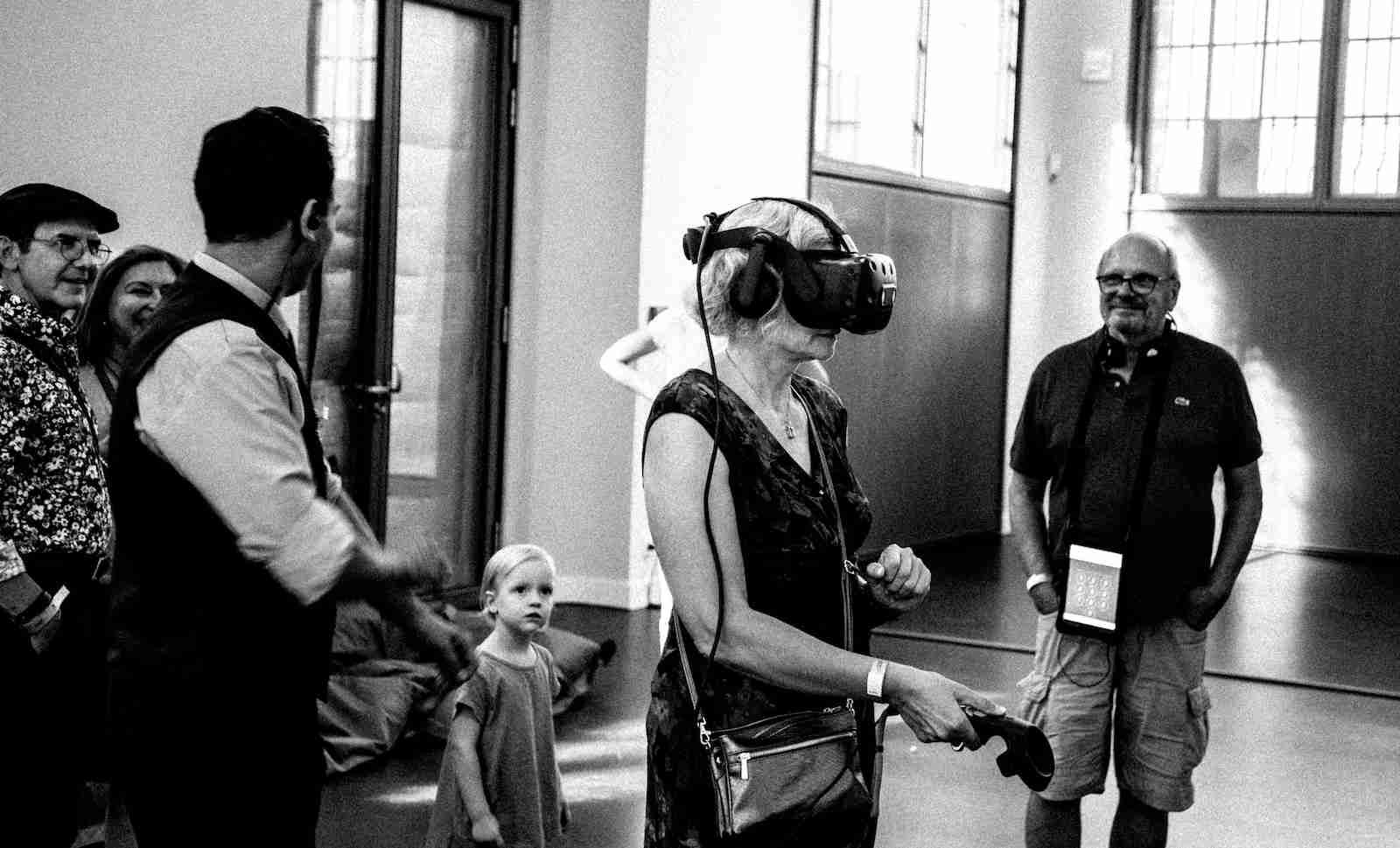
Even virtual reality has found a place in senior living centers, enabling residents to “travel” the world through immersive experiences. One facility used VR technology to create guided releases to far-off destinations, allowing residents to earn badges for virtual explorations. Not all journeys require hopping on a flight; sometimes, all you need is the right incentive to spark curiosity and adventure.
In essence, successful examples of gamification in senior living illustrate how innovative thinking can breathe new life into everyday routines. By harnessing the principles of play and competition, these communities have charted a course for fun, connection, and renewed purpose, proving that age is just a number when it comes to living well. So let’s raise a toast—figuratively speaking—to those who dare to turn life’s ordinary moments into extraordinary adventures.

Are There Successful Examples Of Gamification In Senior Living?
Are There Successful Examples Of Gamification In Senior Living?
- Gamification in senior living creates vibrant communities by engaging residents in meaningful activities.
- A Florida senior community introduced “Chase the Seasons,” a program that turned routine activities into friendly competitions.
- Residents earned points for participation, redeemable for rewards like meals and local outings.
- This initiative fostered camaraderie and revitalized residents who previously felt isolated.
- Another community used a digital platform for tracking physical activities and engagement, promoting transparency and support.
- Virtual reality was utilized to provide immersive experiences, allowing residents to “travel” and earn badges for explorations.
- These examples demonstrate how gamification can transform everyday routines into fun and engaging adventures for seniors.

Are There Successful Examples Of Gamification In Senior Living?
What Technology Is Needed To Implement Gamification For Seniors?
When it comes to implementing gamification for seniors, the first step is to understand the technology that can make it happen. Now, let’s break this down in simple terms. Gamification, at its core, is about turning mundane tasks into engaging experiences, and to do this effectively, you need the right tools in your toolkit.
First off, we’re talking about devices. Tablets and smartphones are the ideal gateway for seniors navigating the digital landscape. They offer user-friendly interfaces and touch screens, which provide a more intuitive experience than traditional computers. If your audience is older adults, ensuring that the technology is accessible is key. Look for devices that have larger screens, adjustable font sizes, and simplified navigation features.
Next, you’ll need some software that’s geared towards fun and engagement. Think mobile apps designed specifically for seniors that use gamification elements. Apps that incorporate puzzles, brain games, and even digital gardening can ignite curiosity and maintain cognitive function. Consider platforms that allow for customization; this means tailoring experiences to individuals’ interests and abilities. Your tech should cater to their needs, not the other way around.
We also can’t overlook the importance of connectivity. A reliable internet connection is necessary to access online games and social platforms. Whether it’s through Wi-Fi or cellular data, making sure that seniors can stay connected with their peers enhances the social aspect of gamification, which is often what they crave the most.
Additionally, integrating wearable technology, like fitness trackers, can be a game-changer. These devices can turn everyday activities into fun challenges. Imagine a friendly competition where seniors can compare step counts or activity levels with each other. That little boost of motivation can inspire them to get moving in a way that feels rewarding rather than obligatory.
Don’t forget about security and support. As you dive into gamification, ensure that you are prioritizing the safety of data and providing tech support. Many seniors might feel apprehensive about new technology, so having a dependable support system in place will make all the difference.
In short, implementing gamification for seniors requires a thoughtful selection of devices, accessible software, a robust internet connection, engaging wearables, and strong security measures. When all of these elements come together, you can create an enriching environment where learning, connecting, and, most importantly, having fun all become part of the daily routine. After all, it’s never too late to turn life into a game worth playing.

What Technology Is Needed To Implement Gamification For Seniors?
What Technology Is Needed To Implement Gamification For Seniors?
- Understanding technology is essential for implementing gamification for seniors.
- Devices like tablets and smartphones provide user-friendly interfaces for easier navigation.
- Software should focus on fun and engagement, including apps with gamification elements designed for seniors.
- Maintaining a reliable internet connection is crucial for accessing online games and social platforms.
- Wearable technology, such as fitness trackers, can motivate seniors through friendly competition.
- Security and tech support are paramount to ensure seniors feel safe and supported with new technology.
- By combining the right devices, software, connectivity, wearables, and security, gamification can enrich seniors’ daily lives.

What Technology Is Needed To Implement Gamification For Seniors?
How Can Family Members Get Involved In Gamifying Daily Tasks?
When it comes to gamifying daily tasks, the family that plays together stays together—at least, that’s the idea. Gamification is all about taking mundane activities and injecting a dash of competition, creativity, and, yes, even a little fun into them. Picture this: instead of drudging through chores like laundry or dish duty, your family spins a wheel of fun that transforms these tasks into games.
Start by setting up a point system for each chore. For example, washing dishes might earn three points, while vacuuming could snag five. By establishing clear point values, you provide a sense of achievement, with rewards for the highest scorers at the end of the week. Imagine your kitchen turning into a mini-competition zone, with family members vying for the title of “Chore Champion.” Even the simplest errands can feel like an adventure.
Another great way to get your family involved is through teamwork. Have family members pair up or form small teams to tackle tasks together. When you put a couple of kids on grass-cutting duty, for example, they might hurl a Frisbee back and forth while they work, making it feel less like a chore and more like a bonding experience. Besides, who doesn’t love a bit of friendly rivalry?
Leverage technology to add another layer of excitement. There are tons of apps out there specifically designed for this kind of gamification. From tracking points to registering achievements, these apps can provide a visual element that keeps everyone engaged. Creating a leaderboard—whether digital or good old-fashioned chalkboard—will help keep everyone accountable and add a visual reminder of how much fun they can have while accomplishing daily goals.
Don’t forget to celebrate the wins, big and small. Family game nights can double as award ceremonies where you handout trophies—yes, even handmade ones—acknowledging the victories of team members. It could be whatever quirky category fits the bill, whether it be “Best Laundry Folder” or “Bathroom Hero.” As you reward hard work with a little recognition, you’ll notice motivation surge within the family dynamics.
Gamifying daily tasks can transform how families interact with chores. By making it fun, engaging, and rewarding, you can create lasting memories and a little less complaining—one point at a time.

How Can Family Members Get Involved In Gamifying Daily Tasks?
How Can Family Members Get Involved In Gamifying Daily Tasks?
- Gamification enhances mundane family tasks through competition and creativity.
- Establish a point system for chores to foster a sense of achievement and rewards.
- Encourage teamwork by pairing family members for tasks, promoting bonding and fun.
- Utilize technology with apps to track points and visualize achievements.
- Create a leaderboard to keep everyone accountable and add excitement.
- Celebrate wins with family game nights and award ceremonies for motivation.
- Transforming chores into games fosters positive family interactions and creates lasting memories.

How Can Family Members Get Involved In Gamifying Daily Tasks?
Conclusion
Let’s face it: we all want to feel alive, engaged, and valued, regardless of our age. As we delve deeper into the realm of senior living, the conversation must shift from mere existence to vibrant living. With the power of gamification at our disposal, the opportunity arises to redefine how seniors engage with daily tasks—a topic this article embraces wholeheartedly. Imagine a reality where taking daily medications, participating in exercises, or even completing routine chores morphs into exciting quests. Picture our elderly friends logging into apps that turn their pill schedules or physical activities into delightful games sprinkled with points and friendly competition. This isn’t just wishful thinking; it’s a movement towards a more spirited and meaningful elder life experience.
The beauty of gamification lies in its versatility. It’s not just about memory games or step counting—imagine the thrill of transforming ordinary routines into competitions where residents can earn bragging rights, rewards, and a healthy dose of social interaction. It is about revitalizing daily routines, so everything from watering plants to participating in social events becomes imbued with purpose and camaraderie. We all thrive on connections, and gamification offers a platform for teamwork, igniting friendships through team challenges or collaborative projects.
In fact, research supports that this gamified experience not only fosters involvement but also enhances mental health. Engaging older adults in activities framed as games increases a sense of purpose, boosts cognitive function, and minimizes feelings of isolation. By cleverly leveraging technology through user-friendly applications and interactive platforms, we support the spirit of friendly competition and personal achievement.
As we explore successful implementations of this concept across various senior communities, it becomes abundantly clear that gaming elements can breathe new life into everyday experiences. Whether it’s a digital program that tracks physical activity or a community competition that rewards social engagement, the transformative power of gamification is palpable.
So, can gamifying daily tasks truly transform senior living forever? Absolutely. It’s about harnessing creativity, connection, and a joyful spirit to infuse the lives of our seniors with energy, purpose, and fun. It’s high time we challenge the stereotypes of aging and recognize that every day holds an opportunity for adventure—one point, one challenge, and one shared laugh at a time. After all, in the game of life, there’s no expiration date on enthusiasm.

Conclusion
Conclusion:
- The desire for vibrant living and engagement transcends age, particularly in senior living.
- Gamification offers new ways for seniors to engage with daily tasks, transforming them into exciting challenges.
- Seniors can use apps that gamify activities like medication schedules and exercises, making them enjoyable and competitive.
- Gamification revitalizes daily routines, adding purpose to activities such as watering plants and social interactions.
- Research shows gamified experiences enhance mental health, boost cognitive function, and reduce isolation among older adults.
- Successful implementations in senior communities reveal that gaming elements can significantly improve everyday experiences.
- Transforming daily tasks through gamification fosters creativity, connection, and fun, challenging stereotypes of aging.

Conclusion
Other Resources

Other Resources
Here is a list of other resources you can review online to learn more:
- Wizards of the Coast
- Arkham Horror: The Card Game – The Dunwich Legacy Expansion
- Tantrum House
- Sushi Go!
- Uno
- Gloomhaven: Jaws of the Lion
- Roxley Games
- Jumbo
- Eurogamer
- Viticulture Essential Edition
Use This Prompt To Get More Resources With Your Favorite Online AI Tool: Please provide me with a list of online articles with their URLs in a bulleted list that I can read regarding Can Gamifying Daily Tasks Transform Senior Living Forever?

Other Resources
Glossary Terms
Can Gamifying Daily Tasks Transform Senior Living Forever? – Glossary Of Terms
1. Gamification: The application of game-design elements and principles in non-game contexts to improve user engagement and motivation.
2. Engagement: The level of participation and emotional investment that individuals exhibit towards an activity or task.
3. Senior Living: Residential communities designed for older adults, which may offer varying levels of care and independence.
4. Independence: The ability of seniors to perform daily activities without assistance, promoting self-reliance and dignity.
5. Motivation: The internal or external drive that encourages individuals to engage in activities, often enhanced through gamification.
6. Feedback: Information provided to participants about their performance, often used in gamification to encourage continued engagement.
7. Reward System: A structure that provides incentives for completing tasks, such as points, badges, or recognition, often used in game mechanics.
8. Social Interaction: Engaging with others, which can be encouraged through gamified tasks to build community and reduce feelings of isolation among seniors.
9. Cognitive Stimulation: Activities designed to engage the brain, improving memory and mental agility, often incorporated into gamified tasks.
10. Physical Activity: Movement-based tasks or exercises that can be gamified to motivate seniors towards maintaining their physical health.
11. Community Building: Initiatives aimed at fostering connections among residents, often enhanced through collaborative gamified challenges.
12. Digital Tools: Technology-based applications and devices used to facilitate gamification and daily task completion.
13. User Experience (UX): The overall experience a person has when interacting with a product or service, pivotal in designing engaging gamified tasks.
14. Habit Formation: The process through which behaviors become automatic, which gamification can encourage by making tasks enjoyable.
15. Self-Efficacy: An individual’s belief in their ability to succeed in specific situations, which can be influenced positively through gamified tasks.
16. Progress Tracking: Monitoring advancements or achievements in tasks, often visualized through game-like dashboards or graphics.
17. Challenges: Tasks or activities designed to provide a sense of accomplishment, typically structured in a competitive or game-like manner.
18. Accessibility: The design of gamified systems that ensure older adults, regardless of ability, can participate meaningfully.
19. Customization: Allowing seniors to tailor their gamified experiences based on personal preferences or interests, enhancing motivation.
20. Reward-based Learning: Learning new skills or tasks through a system of rewards, reinforcing positive behavior through incentives.
21. Collaboration: Joint efforts of individuals working towards a common goal, enhanced in gamification by team challenges and competitions.
22. Interactivity: The degree to which users can engage with the content or tasks, critical in gamifying daily activities for seniors.
23. Behavioral Change: Modifications in habits or actions that can be promoted through engaging gamified tasks and activities.
24. Satisfaction: A measure of how content individuals feel about their engagement with gamified tasks, impacting their overall well-being.
25. Life Skills: Abilities that are necessary for daily functioning within a community, which can be practiced and improved through gamified approaches.
26. Isolation: The feeling of being alone or disconnected, which gamification seeks to alleviate in senior living through social tasks and challenges.
27. Wellness: A holistic approach to health that includes physical, mental, and social well-being, supported by gamified activities.
28. Routine: A regular or habitual pattern of behavior which can be made more enjoyable and effective through gamification.
29. Technology Adoption: The acceptance and integration of digital tools and platforms by seniors, crucial for the success of gamified systems.
30. Sustainability: The ability of gamified solutions to maintain long-term engagement and positive outcomes within the senior living community.

Glossary Of Terms
Other Questions
Can Gamifying Daily Tasks Transform Senior Living Forever? – Other Questions
If you wish to explore and discover more, consider looking for answers to these questions:
- What are some specific examples of gamified daily tasks for seniors?
- How do seniors respond to gamification compared to traditional activity engagement methods?
- What challenges might facilities face when implementing gamification for seniors?
- How can technology be adapted for seniors with limited tech experience?
- What are the potential downsides of gamifying daily tasks for older adults?
- Can gamification be customized for individual needs and preferences of seniors?
- How can caregivers or staff be trained to effectively implement gamification techniques?
- What role does competition play in improving the well-being of seniors through gamification?
- Are there any studies or data showcasing the effectiveness of gamification in senior living?
- How can family members support and encourage gamification efforts for their loved ones?
- What kind of rewards are most appealing to seniors in a gamified system?
- How can we measure the success of gamification initiatives in senior communities?

Other Questions
Haiku
Can Gamifying Daily Tasks Transform Senior Living Forever? – A Haiku
Vitality through play,
Seniors find joy in tasks—
Life’s game redefined.

Haiku
Poem
Can Gamifying Daily Tasks Transform Senior Living Forever? – A Poem
In the quiet halls where memories fade,
Engagement whispers, a vibrant serenade.
In the realm of the wise, where laughter has stalled,
A spark of gamification, to revive us all.
Once mundane, each task seems now a quest,
Taking meds becomes a game, a playful jest.
With points and badges, the spirit ignites,
Ordinary chores transformed into bright lights.
Imagine the joy of a sweeping race,
Or crafting with friends, their smiles interlace.
A competition for steps, a puzzle in view,
What magic can bloom when we celebrate too!
Together we gather, in challenges we bond,
Sharing stories and laughter, of memories beyond.
From trivia nights to scavenger hunts,
A community thrives in these playful stunts.
For seniors, a chance to feel purpose anew,
Engagement and connection, a life to pursue.
Gamification’s power, a tool in our hands,
To weave joy through the tapestry of life’s strands.
Technology’s embrace, we fit to their needs,
With apps and devices, cultivating seeds.
From fitness to puzzles, the fun leads the way,
Enhancing the spirit, brightening the day.
Family joins in, in tasks turned to play,
Chores become laughter, a game along the way.
With points and teams, we work hand in hand,
Creating fond memories, together we stand.
So here’s to gamifying our daily intent,
To celebrate life and the joy that it spent.
For every golden year has stories to tell,
In the game of life, let’s play exceedingly well.

Poem
Checklist
Can Gamifying Daily Tasks Transform Senior Living Forever? – A Checklist
1. Understand Gamification
_____ Familiarize yourself with the basics of gamification (points, rewards, levels).
_____ Explore success stories and examples in senior living.
2. Identify Target Tasks
_____ List daily tasks ideal for gamification:
_____ Physical activities (e. g. , walking, stretching).
_____ Household chores (e. g. , laundry, cleaning).
_____ Cognitive activities (e. g. , puzzles, trivia).
_____ Social interactions (e. g. , game nights, team challenges).
_____ Routine management (e. g. , medication reminders).
3. Choose the Right Technology
_____ Select user-friendly devices (tablets, smartphones) for seniors.
_____ Research and choose gamification apps designed for older adults.
_____ Ensure a reliable internet connection is available.
4. Create a Point System
_____ Develop a points system for each activity or chore.
_____ Decide on rewards for accumulating points (e. g. , outings, special treats).
5. Promote Engagement and Social Interaction
_____ Organize team-based activities or challenges.
_____ Encourage residents to support each other in completing tasks.
6. Incorporate Cognitive Engagement
_____ Introduce mental challenges like quizzes or memory games.
_____ Facilitate competitions in cognitive activities to create a fun environment.
7. Establish Routine and Consistency
_____ Set up regular gamified activities (daily or weekly).
_____ Monitor participation and adjust challenges as needed.
8. Involve Family Members
_____ Encourage family involvement by including them in gamified tasks.
_____ Create a family leader board for shared activities and chores.
9. Gather Feedback and Refine
_____ Collect feedback from seniors on their experiences.
_____ Refine activities, rewards, and points systems based on feedback.
10. Celebrate Achievements
_____ Hold regular celebrations for milestones and achievements.
_____ Acknowledge participants with awards or recognition.
By following this checklist, you can effectively bring gamification into senior living, invigorating daily tasks and enhancing the quality of life for older adults.
Checklist
At HowDoYouGame, we help people who love board games by collating information and news about games.
Be sure to read our other related stories at HowDoYouGame to learn more about games.