A Generational Shift In The Perception Of Gaming Costs
By Tom Seest
At HowDoYouGame, we help people who love board games by collating information and news about games.
Be sure to read our other related stories at HowDoYouGame to learn more about games.
Boomers See Gaming Costs Like Cable, Gen Z Sees It Like Netflix
When you sit down to delve into the world of competitive gaming, the experience can make you feel like a kid again—wide-eyed, adrenaline rushing, immersed in every pixel of virtual reality. For Boomers, the cozy nostalgia of Saturday morning cartoons and small-town gatherings gives way to a stark financial reality. They recall the days when you’d pay for a cable package, wrapped in bundles of channels you never watched, tethered to a price tag that just didn’t fit. For them, gaming subscriptions feel like a continuation of that costly game. They see it as just another bill, a growing line on an already-too-long ledger.
But here comes Gen Z with a fresh perspective. To them, spending on gaming is akin to joining a streaming service, where value is the name of the game. They resonate with the idea of access—unlimited choices at a price that feels fair. “Why commit to a $60 title when you can have a universe of games at your fingertips?” The language of value is one they understand deeply; it speaks to their hearts and minds.
In their world, gaming isn’t just a pastime; it’s a social connector. They spend hours embedded in communities, forging friendships and honing skills. This belongs to a generation that craves experiences rather than possessions, and their wallets reflect this philosophy. They see their gaming subscription as an investment—a key to a dynamic network of storytellers, competitors, and lifelong comrades.
Yet, here we stand between these two generations, navigating this financial landscape that feels like a tug-of-war. What if we paused for a moment to connect, to find common ground? Boomers can appreciate the camaraderie that gaming fosters while Gen Z can acknowledge the value of financial responsibility.
Ideally, we could bridge this gap with open conversations and shared experiences, where each generation learns from the other’s perspective. What if Boomers took a seat at the gaming table, armed with their nostalgic stories, and Gen Z extended the olive branch of new experiences? In understanding and valuing one another’s views on gaming costs, we could build a more inclusive dialogue. Ultimately, games can teach us not just about strategy and skill, but about connection, empathy, and above all, trust.

Boomers See Gaming Costs Like Cable, Gen Z Sees It Like Netflix
Boomers See Gaming Costs Like Cable, Gen Z Sees It Like Netflix
- Competitive gaming evokes nostalgia for Boomers, reminiscent of Saturday morning cartoons.
- Boomers perceive gaming subscriptions as an added financial burden, akin to costly cable packages.
- Gen Z views gaming expenditures as similar to streaming services, prioritizing value and access.
- For Gen Z, gaming serves as a social connector, fostering community and collaboration.
- Gen Z spends on gaming as an investment in experiences rather than material possessions.
- There exists a generational tug-of-war around gaming costs that can be navigated through understanding.
- Encouraging dialogue between Boomers and Gen Z can promote empathy and trust in gaming perspectives.

Boomers See Gaming Costs Like Cable, Gen Z Sees It Like Netflix
Table Of Contents
- Boomers See Gaming Costs Like Cable, Gen Z Sees It Like Netflix
- How Does Gaming Bring Joy to Families Across Generations?
- Are We Spending too Much on Gaming Subscriptions?
- Why Do Younger Generations Prioritize Gaming Like Streaming?
- What Are the Emotional Benefits Of Gaming for Boomers and Gen Z?
- How Has Gaming Reshaped Our Social Interactions Today?
- Is It Ethical to Compare Gaming Costs to Traditional Media?
- What Narratives Shape Our Perceptions Of Gaming Subscriptions?
- Conclusion
- Other Resources
- Glossary Of Terms
- Other Questions
- Haiku
- Poem
- Checklist
How Does Gaming Bring Joy to Families Across Generations?
In homes across the world, games serve not just as entertainment but as a lifeline connecting generations. Picture a grandmother and her grandson, sitting shoulder to shoulder, both laughing as they navigate the complexities of an imaginary world together. This isn’t just play; it’s the reinforcement of bonds, a shared laughter that echoes through the ages. Games create an atmosphere where stories are exchanged, ideas are explored, and laughter replaces the awkward silence that sometimes fills family gatherings.
Intellectually, engaging with games fosters critical thinking and strategy among all ages. When a parent helps a child navigate a tricky puzzle or shares a few winning tactics, it lays a foundation of teamwork and trust. This exchange of knowledge is reciprocal; the child, often with fresh eyes, may introduce the parent to new genres, shifting trends, or technological marvels, reigniting their youthful spirit. Each moment shared, each challenge faced together, illuminates the fact that learning knows no age.
Ethically, games encourage values like sportsmanship, patience, and resilience. Players are taught to celebrate victories humbly and reflect on defeats, lessons that extend beyond the screen. This create an environment ripe for moral growth, nurturing empathy and understanding of others’ perspectives. Families cultivate a culture where failures are not the end, but the beginning of growth—values that echo in the fabric of life itself.
Through narrative, these experiences become more than mere pastime; they weave a rich tapestry of shared memories. It’s these tales of triumph, of laughter-filled evenings spent over board games or racing each other in a virtual arena, that families recount for years to come. Each game played is a chapter in a family’s story, a moment immortalized in the hearts of its members.
Finally, in a world steeped in technology, games can serve as a bridge. They connect parents to their children, siblings to each other, and even friends across the miles. As we gather around a screen or table, we create a space for social interaction that can be both casual and profound. So, the next time you pick up a controller or shuffle a deck of cards, remember that you’re not just playing a game; you’re writing the next page in your family’s legacy, ensuring that joy echoes through the generations.

How Does Gaming Bring Joy to Families Across Generations?
How Does Gaming Bring Joy to Families Across Generations?
- Games connect generations, reinforcing bonds through shared laughter and experiences.
- Playing games fosters critical thinking, teamwork, and trust among family members.
- Children introduce parents to new trends and ideas, rejuvenating their youthful spirit.
- Games encourage ethical values such as sportsmanship, patience, and resilience.
- They create an environment for moral growth and understanding of others’ perspectives.
- Playing games generates shared memories, becoming integral chapters in family stories.
- Games serve as a bridge for social interaction between family and friends across distances.

How Does Gaming Bring Joy to Families Across Generations?
Are We Spending too Much on Gaming Subscriptions?
As we stand at the crossroads of entertainment, the allure of gaming subscriptions beckons with a siren’s song. A myriad of options—from sprawling MMORPGs to casual puzzle games—each offering a tantalizing universe to dive into. But let’s pause for a moment and ponder the profound question: Are we spending too much on gaming subscriptions?
Picture this: You slip into your gaming chair after a long day, the glow of your screen illuminating a world crafted just for you. There’s magic in that space, a camaraderie formed with characters that seem almost real. But beneath the surface of that pixelated paradise lies an uncomfortable truth. The subscription fees, the hidden costs of DLC, and the insidious in-game purchases start to add up, weighing down not just our wallets but also our hearts. These fees can feel like a relentless tug at our sense of financial security, nudging us into a cycle where the thrill of the game can be overshadowed by the nagging dread of overspending.
But let’s think more critically about the value we’re deriving. Are these games merely a means of escape, or are they also tools for connection? The ethics of gaming subscriptions dance along the lines of not only what we spend but how those dollar signs affect our relationships. As we bond with friends over quests and victories, we have to ask: Do we prioritize convenience at the cost of our community? It may be time to step back and reflect on what gaming truly offers us—inclusive camaraderie or a solitary endeavor masked by a façade of multiplayer experience.
Moreover, think of the storytelling we often laud. Games have the power to transport us, to teach us empathy, and to provoke thought. Yet, when the price of entry becomes a barrier, we risk leaving behind those who might benefit most from these transformative experiences. By investing wisely, we empower not just ourselves but also our community—ensuring that the digital realms we cherish remain accessible to everyone.
In this ever-expanding landscape of gaming, it’s not just about how much we spend but how we engage with each other through these virtual worlds. Let’s seize the opportunity to balance our passion for gaming with mindful spending, fostering a culture that celebrates connection over consumption. After all, games should enrich our lives, not deplete our resources.
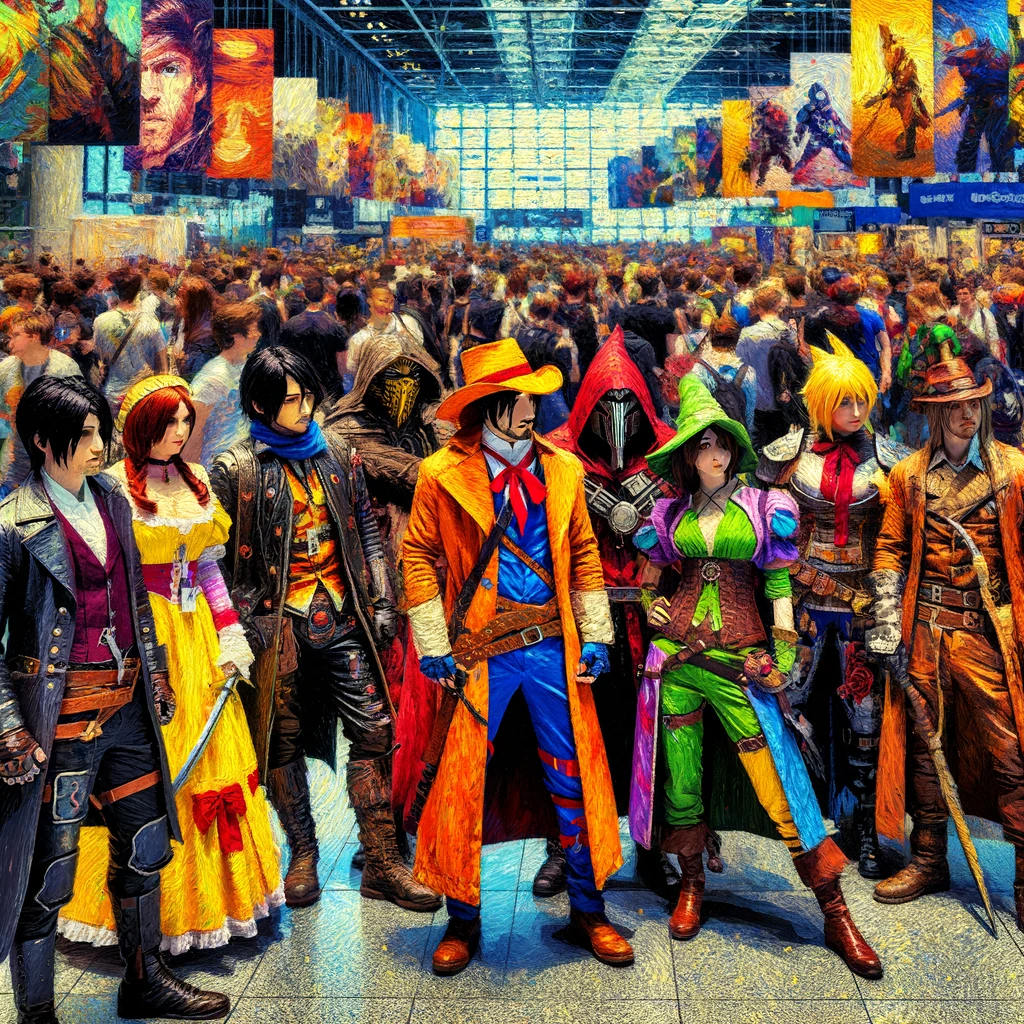
Are We Spending too Much on Gaming Subscriptions?
Are We Spending too Much on Gaming Subscriptions?
- The growing popularity of gaming subscriptions offers various experiences, from MMORPGs to casual games.
- Subscription fees, DLC, and in-game purchases can accumulate, impacting financial security.
- We must evaluate if gaming is a tool for connection or merely an escape.
- Consider the ethics of gaming subscriptions and their effect on community relationships.
- Story-driven games provide transformative experiences, but high costs may exclude some players.
- Engagement in gaming should focus on community and connection rather than excessive consumption.
- Mindful spending in gaming can enhance enjoyment while ensuring accessibility for everyone.
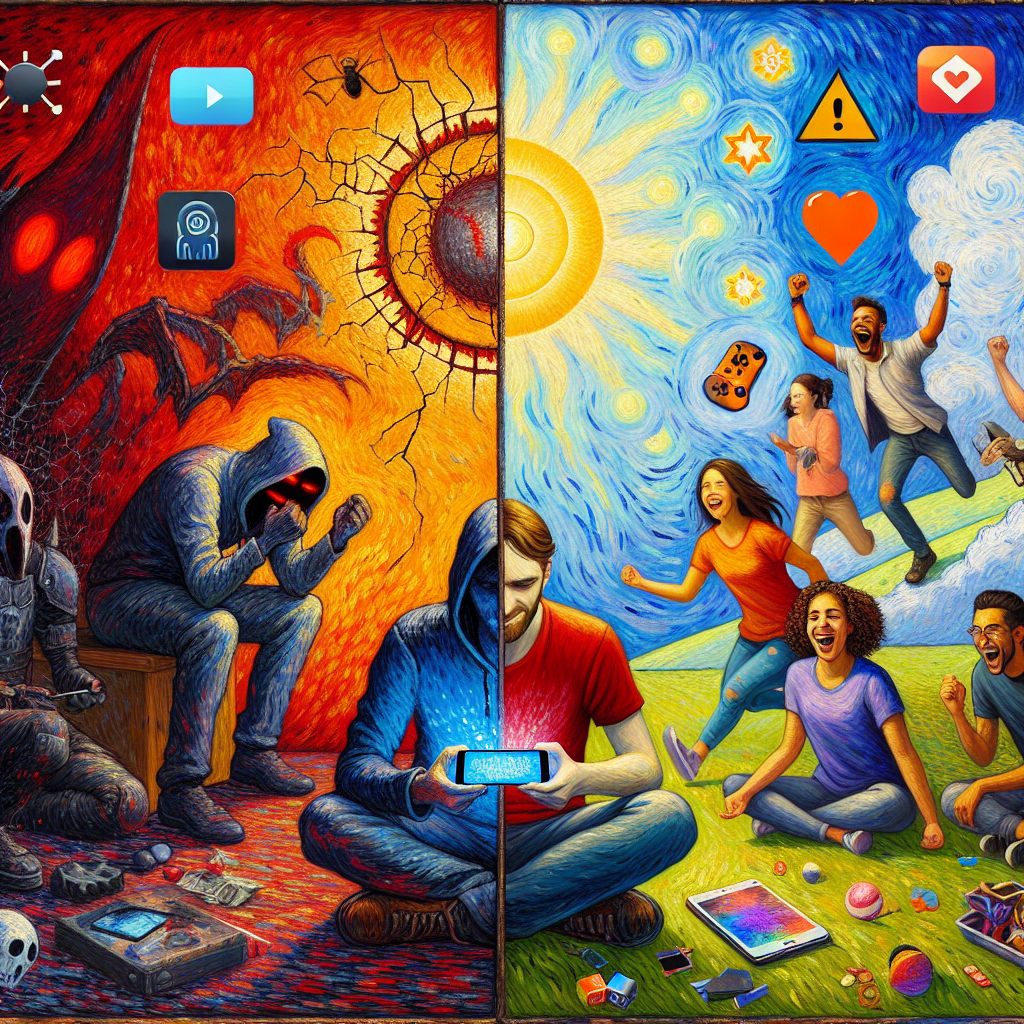
Are We Spending too Much on Gaming Subscriptions?
Why Do Younger Generations Prioritize Gaming Like Streaming?
In a world bustling with options, it’s easy to dismiss a screen-filled life as frivolous entertainment, yet younger generations find an undeniable solace in gaming and streaming. Why? Because these aren’t just games; they represent connection, creativity, and community. Picture this: a group of friends, scattered across the globe, united by a virtual battlefield. It’s not just about the thrill of the game; it’s about camaraderie, the laughter shared, and the shared victories that echo long after the console is turned off.
The heart of the matter lies in the stories we tell and how they bridge divides. These digital arenas become a canvas for creativity, where personalities can shine and identities are explored. For many, gaming is a pathway to expression. Whether they’re building complex worlds or weaving narratives within a vast universe, they unleash imagination that echoes the narratives that once filled our evening story times. In doing so, they are not merely playing; they’re becoming part of a larger narrative—one that resonates with their dreams and desires.
From a rational standpoint, one cannot overlook the skills honed in this digital playground. Critical thinking, teamwork, and strategic planning—these aren’t just traits for corporate boardrooms; they are essential life skills. Where else can you learn to think three moves ahead while under pressure? Gaming teaches young minds to navigate challenges effectively, turning potential setbacks into learning experiences. As daunting as the world may feel, this environment empowers them to face it head-on.
Ethically, there is a push for inclusivity within these communities. Many games are designed not just for competition but for collaboration, promoting values like teamwork and mutual respect. Streaming platforms allow voices to rise, creating spaces where marginalization can be challenged and diversity celebrated. This commitment to representation fosters trust among players and viewers alike, as they see themselves not just as passive observers but as integral members of a collective.
As we observe this cultural evolution, it’s critical to remember that they’re not just indulging in leisure; they’re carving out their futures. By embracing gaming like streaming, younger generations find refuge and empowerment, learning to navigate the complexities of life with a playful yet resilient spirit. This isn’t simply a pastime; it’s a movement that reflects their aspirations, ties them together, and propels them toward a future rich with possibilities—all while reminding us that play, in any form, serves a greater purpose.

Why Do Younger Generations Prioritize Gaming Like Streaming?
Why Do Younger Generations Prioritize Gaming Like Streaming?
- Younger generations find solace in gaming and streaming, viewing them as more than just entertainment.
- These activities foster connections, creativity, and community among friends across the globe.
- Storytelling in games bridges divides and allows for personal expression and identity exploration.
- Gaming develops essential life skills such as critical thinking, teamwork, and strategic planning.
- Inclusivity is emphasized within gaming communities, promoting collaboration and mutual respect.
- Streaming platforms amplify diverse voices, challenging marginalization and fostering trust among participants.
- Engagement in gaming and streaming equips younger generations to navigate life’s complexities with empowerment.

Why Do Younger Generations Prioritize Gaming Like Streaming?
What Are the Emotional Benefits Of Gaming for Boomers and Gen Z?
When it comes to the emotional benefits of gaming, it’s easy to dismiss it as just another pastime. But for both Boomers and Gen Z, these games are more than mere distractions; they offer a sanctuary of connection, joy, and even healing.
Let’s dive into the heart of it. For many Boomers, gaming can evoke nostalgia, triggering fond memories of simpler times, whether it’s huddling around a console or discovering pixelated adventures in dimly lit basements. It obliges them to relive the thrill of victory, harnessing that euphoric rush in ways that mirror their youth. Meanwhile, Gen Z often finds solace in the multiplayer experiences that allow them to forge friendships with people around the globe—bridging gaps and fostering alliances that transcend geography.
But let’s talk about the head for a moment. You see, gaming stimulates cognitive skills; it sharpens decision-making and enhances problem-solving abilities. This is particularly relevant for Boomers, who are consistently bombarded with new tech and changing times. Engaging with state-of-the-art games can create an adaptive mindset, while for Gen Z, the digital natives, it hones their ability to think critically in real-time, responding to challenges across various genres.
The ethical ground is equally compelling. Games often tackle themes of struggle, triumph, and cooperation, all while promoting teamwork amidst diversity. These values resonate across generations, allowing players to celebrate not just their victories but also the human experience—empowering them to be better, more compassionate individuals in their daily lives.
On a narrative level, think about the stories told through gaming. Whether exploring vast cosmos or traversing fantastical lands, players connect with characters who face adversity, embodying resilience. These narratives can inspire trust and confidence, serving as gentle reminders that every challenge faced in a game reflects the hurdles encountered in real life.
Lastly, let’s not overlook the social appeal. Gaming creates a community—a gathering space where Boomers can connect with younger generations, sharing stories and experiences, building bonds that defy age. These interactions cultivate understanding and camaraderie, enriching relationships and dismantling barriers.
So, whether it’s reliving cherished moments or engaging with fresh perspectives, the emotional benefits of gaming are a tapestry that weaves together connection, growth, and fulfillment for everyone, regardless of the era they hail from. Each game not only entertains but also nurtures a shared humanity, enriching our lives in ways far deeper than we might first acknowledge.

What Are the Emotional Benefits Of Gaming for Boomers and Gen Z?
What Are the Emotional Benefits Of Gaming for Boomers and Gen Z?
- Gaming offers emotional benefits that serve as a connection, joy, and healing for Boomers and Gen Z.
- For Boomers, gaming evokes nostalgia and relives the thrill of victory from their youth.
- Gen Z finds solace in multiplayer experiences, fostering global friendships and alliances.
- Gaming sharpens cognitive skills, enhancing decision-making and problem-solving abilities across generations.
- Games promote values like teamwork and cooperation, celebrating the human experience and fostering compassion.
- Narratives in gaming inspire resilience, reflecting real-life challenges and instilling trust and confidence.
- Gaming creates communities, enabling intergenerational connections that enrich relationships and promote understanding.

What Are the Emotional Benefits Of Gaming for Boomers and Gen Z?
How Has Gaming Reshaped Our Social Interactions Today?
In a world that often feels disconnected, the virtual landscapes of games have become unlikely meeting grounds for friendships that transcend geography. Picture this: a rainy evening, your favorite chair, the soft glow of the screen, and the call of your gaming buddies coming through your headset. What begins as mere button-mashing quickly transforms into laughter, strategy talks, and shared victories. These moments remind us that, while we might be seated in solitude, our spirits are soaring alongside friends from different corners of the globe.
Games have shifted the fabric of our social interactions. No longer confined to living rooms, the gaming experience unites diverse individuals who, in other settings, might never have crossed paths. This virtual camaraderie fosters connections that feel profound and authentic, striking at the heart of what it means to be human. With every quest completed and every challenge faced together, we weave a web of solidarity, trust, and adventure that spills over into our real lives.
But let’s not forget the head in the heart – the brains behind this phenomenon. Research shows that gaming can enhance our problem-solving skills, improve teamwork, and even bolster communication abilities. As players navigate complex scenarios, they’re honing skills directly applicable in the workplace and beyond. The player’s mind becomes an agile tool, capable of adapting swiftly and thinking critically. This rational aspect boosts confidence, reinforcing the belief that whether in a raid or a board meeting, collaboration is key.
Ethically, games serve a greater social function. They create inclusive spaces where people can cultivate their identities, express their emotions, and vent frustrations. Through avatars and shared narratives, gamers find acceptance and support, often at times when they may feel isolated in their offline lives. This unity speaks volumes, illustrating the power of virtual connections in today’s complex world.
But more than anything, gaming inspires action. It invites us to connect, to share, and to create memories. So, next time you hear that familiar ping or see the login screen flash, remember that it’s far more than just a game. It’s an opportunity—a call to engage with others, a chance to step beyond the mundane, and a reminder that friendships forged in virtual realms are often as real as any we build in person. We are living in a time where gaming can bridge divides, one keystroke at a time. So go ahead, hit that start button, and answer the call to adventure.

How Has Gaming Reshaped Our Social Interactions Today?
How Has Gaming Reshaped Our Social Interactions Today?
- Virtual landscapes of games serve as meeting grounds for friendships that transcend geography.
- Social interactions in gaming unite diverse individuals who might not connect otherwise.
- Shared gaming experiences foster connections that feel profound and authentic.
- Gaming enhances problem-solving, teamwork, and communication skills applicable in real life.
- Games create inclusive spaces for identity cultivation and emotional expression.
- Gaming inspires action and invites players to connect and create lasting memories.
- Friendships forged in gaming can be as real and meaningful as those formed in person.

How Has Gaming Reshaped Our Social Interactions Today?
Is It Ethical to Compare Gaming Costs to Traditional Media?
When we peel back the layers of our media choices, the question of ethics in comparing gaming costs to traditional media serves as a lens reflecting our values. Picture this: you sit down on a Friday night, popcorn in hand, ready to immerse yourself in a new blockbuster film. That cinematic experience might run you around fifteen bucks a ticket, not including snacks. Now, think about a video game. You could easily drop sixty bucks or more, but that price isn’t just a sticker on a box; it’s your ticket to hours—sometimes weeks—of involvement, exploration, and adventure.
Now, consider the emotional pull of each medium. Movies are fleeting. They whisk you away for a couple of hours and then leave you gasping for more, a fleeting romance that often leaves you wanting. But games? They invite you into worlds teeming with possibilities, where you shape the narrative. Each click, each decision, resonates with your very essence. It’s personal. For many, this creates a profound bond—the kind that stands the test of time.
From a rational standpoint, if we stack up the numbers, gamers often find themselves investing in experiences that yield far greater playtime per dollar. In essence, one $60 game can last you hundreds of hours, a far cry from the two-hour thrill ride of a typical movie. However, it’s crucial to acknowledge that the initial investment does raise eyebrows. The ethics of the matter isn’t just about dollars and cents; it’s about the value we assign to our time and engagement. Is it wrong to justify a higher cost for the deeper, lasting experience a game offers?
Then there’s the scope of authority—industry analysts point to gaming’s explosive growth as a cultural cornerstone. The narrative we create around our media choices is equally important. When we choose to gamble $60 on a game, we’re not just throwing down cash; we’re investing in a community, in shared experiences, and in stories that unite us across the globe.
Look around—friends gathering for a co-op session, families huddled around consoles, or online communities springing up out of thin air. This social interaction, this camaraderie, is something that traditional media often falls short of providing. So, I ask you: is it ethical to weigh these costs just by their price tags? Or is the richness of what we gain in return worthy of every penny? The dialog between gaming and traditional media extends beyond economics; it taps into our collective humanity. Embrace that.

Is It Ethical to Compare Gaming Costs to Traditional Media?
Is It Ethical to Compare Gaming Costs to Traditional Media?
- Comparison of gaming costs to traditional media highlights underlying values and ethics.
- A movie ticket costs around $15, while a video game typically starts at $60, offering more extended engagement.
- Movies provide a fleeting emotional experience, while games offer personalized, immersive narratives.
- Gamers get significant playtime per dollar, often enjoying hundreds of hours from a single game compared to a two-hour movie.
- The cost of gaming invites discussion about the value of time and engagement in our entertainment choices.
- Investing in video games supports communities and shared experiences, fostering connections beyond traditional media.
- The discussion of costs in gaming vs. traditional media reflects broader aspects of human interaction and engagement.

Is It Ethical to Compare Gaming Costs to Traditional Media?
What Narratives Shape Our Perceptions Of Gaming Subscriptions?
When we think about gaming subscriptions, it’s easy to get swept up in the hype and chatter that surrounds them. We often hear the compelling narratives spun by companies about how their services are revolutionizing the way we experience games. But behind those glossy ads is a deeper story – one that speaks to our values, our desires, and our apprehensions.
At the heart of the gaming experience lies a connection. These are not merely games; they are portals to other worlds, opportunities for camaraderie, and avenues for growth. Picture the late-night gaming sessions with friends, the laughter and fierce competition fueled by a shared love for adventure. Subscriptions promise access to a treasure trove of these experiences, enticing us to upgrade our pastime to a community. But as we lean into this offer, we must ask ourselves: Does this connection come at a cost?
Here’s where the rational part comes in. On one hand, subscriptions can provide incredible value, granting access to vast libraries of games for a fixed monthly price. For avid gamers, the sheer volume of content can feel like an irresistible buffet. Yet, we must also consider the ethical implications: Are we supporting developers and creators fairly? As we invest in these subscriptions, we have a responsibility to ensure our money nurtures innovation and creativity, rather than stifling it in favor of corporate profits.
This is a gut issue too. Think about it: do we trust these platforms to hold the future of our beloved games in their hands? The stories behind those games are essential, and the creators deserve recognition. Successful platforms should foster a thriving community, but if they grow too large too quickly, the heart could be lost in the machinery of profit. We ought to celebrate the diversity of voices within the industry, supporting those who push boundaries and dare to tell new stories.
Finally, consider this: gaming subscriptions can foster connection among players that transcends mere entertainment. A streaming service can bring together people from different backgrounds, creating a shared experience that transcends boundaries. However, if we rush into subscriptions blindly, we might lose sight of what truly matters: the heart, soul, and stories behind the games we cherish. This requires not just a leap of faith, but a conscientious choice – one that aligns with our values and nurtures the gaming landscape we hope to see thrive.

What Narratives Shape Our Perceptions Of Gaming Subscriptions?
What Narratives Shape Our Perceptions Of Gaming Subscriptions?
- Gaming subscriptions offer compelling narratives that revolutionize our gaming experience.
- They provide opportunities for connection, camaraderie, and personal growth through shared gaming experiences.
- Subscriptions promise access to extensive libraries of games for a fixed monthly price, appealing to avid gamers.
- Ethical considerations arise regarding fair support for developers and maintaining innovation in the industry.
- Trust in these platforms is crucial, as the future of beloved games relies on recognizing creators and their stories.
- Subscriptions can unify players from diverse backgrounds, fostering connections that go beyond entertainment.
- A mindful approach to subscriptions is necessary to align our choices with our values and support a thriving gaming landscape.

What Narratives Shape Our Perceptions Of Gaming Subscriptions?
Conclusion
Gaming has evolved into more than just a pastime; for many, it’s an emotional refuge, an anchor of connection, and a canvas for storytelling across generations. Boomers might view gaming costs through a lens shaped by cable bills, feeling overwhelmed by monthly expenses that resemble an endless cycle of fees. To them, it’s a financial burden reminiscent of traditional media, where subscriptions feel more like a necessity than a luxury. On the other hand, Gen Z interprets these same costs through a decidedly different lens, akin to streaming services. For them, each subscription unlocks a treasure chest of experiences and communities that enrich their lives. They see value in accessibility, immersion, and the interconnectedness that gaming provides—a vibrant hub for friendships that extend beyond geographic barriers.
Yet, striking a balance between these perspectives could lead to mutual understanding. Imagine a world where Boomers share their nostalgic stories while Gen Z offers fresh experiences, creating a mosaic of shared moments that benefits all. The implications of this cultural exchange are profound; not only can gaming foster teamwork and strategy skills, but it also cultivates core values such as resilience, empathy, and social awareness.
Consider the emotional benefits too. For Boomers, revisiting the excitement of their youth through games can become a means to engage with family, connecting with grandchildren over shared digital adventures or enjoying the light-hearted banter that accompanies competitive play. Meanwhile, Gen Z thrives on the camaraderie found in multiplayer settings, where laughter and teamwork replace the isolation that can often accompany modern life.
As we navigate this financial landscape, it’s worth asking whether we’re spending too much on subscriptions. Games have the power to enrich lives, but hidden costs can strain our wallets. It’s not simply about how much we spend; it’s about how that spending translates to experiences and connections. By being mindful consumers, we can ensure our investments foster inclusivity, creativity, and community.
Ultimately, the conversation around gaming costs should transcend mere dollars and cents. It’s about the narratives we weave through our interactions—stories that build trust and understanding while fostering a culture where both generations can grow together. So, as we engage with these digital realms, let’s remember the power we hold to shape a future that celebrates both the old and the new, one game at a time.

Conclusion
Conclusion:
- Gaming has become an emotional refuge, a connection point, and a storytelling medium for various generations.
- Boomers view gaming costs like traditional media expenses, often feeling overwhelmed by monthly fees.
- Gen Z perceives gaming costs similarly to streaming services, valuing the experiences and communities they offer.
- A balance between Boomers and Gen Z could lead to shared nostalgic stories and new experiences in gaming.
- Gaming promotes teamwork, strategy, resilience, empathy, and social awareness across generations.
- Emotional benefits include Boomers connecting with grandchildren through games, while Gen Z enjoys camaraderie in multiplayer settings.
- The dialogue around gaming costs should focus on experiences and connections rather than just financial aspects.

Conclusion
Other Resources

Other Resources
Here is a list of other resources you can review online to learn more:
- Ravensburger
- AEG
- Dominion: Seaside (Second Edition)
- Thunderworks Games
- Pegasus Spiele
- Clans of Caledonia
- Nemesis
- Cribbage
- Exploding Kittens
- Scoop.It
- Robinson Crusoe: Mystery Tales Expansion
- Brass: Lancashire
- Plaid Hat Games
- Rummy
- Mayfair Games
- Tom Vasel’s The Dice Tower
- Grail Games
Use This Prompt To Get More Resources With Your Favorite Online AI Tool: Please provide me with a list of online articles with their URLs in a bulleted list that I can read regarding Boomers See Gaming Costs Like Cable, Gen Z Sees It Like Netflix

Other Resources
Glossary Terms
Boomers See Gaming Costs Like Cable, Gen Z Sees It Like Netflix – Glossary Of Terms
1. Boomers: Individuals born between 1946 and 1964, often characterized by different consumption habits and preferences compared to younger generations.
2. Gen Z: The generation born from the late 1990s to early 2010s, known for its digital fluency and distinct views on technology and entertainment.
3. Gaming Costs: Financial expenses associated with gaming, including hardware, software, subscriptions, and in-game purchases.
4. Cable: Traditional television service delivered through coaxial or fiber-optic cables, often seen as an outdated model by younger generations.
5. Streaming: The delivery of digital content, such as video games or movies, over the internet without the need for downloads.
6. Subscription Model: A payment approach where users pay a recurring fee to access services or content, prevalent in gaming and streaming services.
7. Freemium: A model where basic access to a service is free, but advanced features or content require payment.
8. In-Game Purchases: Optional transactions that allow players to buy virtual goods or enhancements within a game.
9. Microtransactions: Small purchases made within games, often to unlock items, features, or cosmetic enhancements.
10. Paywall: A barrier that prevents access to content without payment, commonly used with digital media and services.
11. Digital Natives: Individuals who have grown up in the digital age and are comfortable with technology and online services.
12. Interactive Entertainment: A genre of entertainment that engages users through active participation, such as gaming and online experiences.
13. Gaming Ecosystem: The interconnected environment that includes hardware, software, online services, and communities involved in gaming.
14. Content Library: A collection of games, videos, or media available for access or download through a service.
15. Cloud Gaming: A method of playing video games hosted in remote servers, allowing users to stream games without needing high-end hardware.
16. Game Pass: A subscription service that grants access to a library of games for a monthly fee, popular among gamers.
17. Cross-Platform: Refers to games or services that can be used across multiple devices or gaming platforms.
18. Social Gaming: Multiplayer gaming experiences that emphasize social interaction and collaboration among players.
19. Virtual Economy: An economy within a game or digital platform, where virtual goods and currencies are created, bought, and sold.
20. Ad-supported model: A system where content is free to access but funded through advertisements viewed by users.
21. Mobile Gaming: Playing video games on smartphones or tablets, increasingly popular among younger audiences.
22. Companion App: A mobile application that enhances the gaming experience, providing additional features or interactivity.
23. Esports: Competitive gaming, often organized as tournaments, that attracts large audiences and players.
24. Consumer Behavior: The study of how individuals make decisions about purchasing and using products or services.
25. User Engagement: The ways in which consumers interact with a service or product, crucial for retention and satisfaction.
26. Content Creator: Individuals or teams who produce gaming content, such as streaming gameplay or creating tutorials.
27. Game Development: The process of designing, programming, and refining video games, involving various disciplines.
28. Monetization: The strategy of generating revenue from a product or service, particularly in digital markets.
29. User Interface (UI): The means by which a player interacts with a game, including menus, controls, and visuals.
30. Retention Rate: A metric indicating the percentage of users who continue using a service over a specified period, crucial for game and platform success.

Glossary Of Terms
Other Questions
Boomers See Gaming Costs Like Cable, Gen Z Sees It Like Netflix – Other Questions
If you wish to explore and discover more, consider looking for answers to these questions:
- What are the key differences in gaming habits between Boomers and Gen Z?
- How can Boomers and Gen Z find common ground in gaming?
- What specific games are popular among each generation?
- What are the long-term implications of these differing views on gaming costs?
- How do cultural shifts influence perceptions of gaming subscriptions?
- What role does nostalgia play in Boomers’ gaming experiences?
- What are the social effects of gaming on family dynamics across generations?
- How do gaming subscriptions compare to other entertainment subscriptions in terms of value?
- What are the potential downsides of subscription models in gaming?
- How do online communities formed through gaming affect player relationships?
- What challenges do developers face with the shift towards subscription services?
- How can gaming be used as a tool for teaching values to younger generations?
- What narratives in gaming might influence spending behaviors of different age groups?
- How do marketing strategies impact perceptions of gaming’s value?
- What ethical considerations arise from the gaming industry’s growth?
- How has the rise of streaming influenced the gaming landscape?

Other Questions
Haiku
Boomers See Gaming Costs Like Cable, Gen Z Sees It Like Netflix – A Haiku
Two worlds collide here,
Nostalgia meets fresh insight—
Games bridge hearts and minds.

Haiku
Poem
Boomers See Gaming Costs Like Cable, Gen Z Sees It Like Netflix – A Poem
In realms where pixels dance and dreams ignite,
Boomers recall cable’s tangled plight;
A bundle of channels, a bill to pay,
For them, gaming feels just another way.
Yet Gen Z, with eyes bright, see a different hue,
A Netflix of gaming, where options accrue—
Endless adventures at their fingertips lie,
Connections formed over laughter and a shared high.
Games, they believe, are more than mere play,
They’re bridges across distances, come what may.
Friendships built upon quests, stories shared,
A tapestry woven with victories bared.
As both generations grapple with cost,
Understanding emerges—no player must be lost.
Boomers, embrace the joy and the thrill,
Gen Z, acknowledge the values that instill.
In family gatherings, laughter resounds,
As grandparents and children break barriers that bound.
Knowledge traded, teamwork’s learned spice,
Each game—a lesson, each moment—advice.
But lurking beneath this playful embrace,
Is the weight of the fees—can we hold our place?
With subscriptions that swell, let’s weigh what we gain,
Finding balance in joy and the caution of strain.
Each battle fought teaches more than just skill,
Critical thinking blooms, and friendships fulfill.
In ethical exchanges, let’s nurture the art,
Supporting creators, ensuring we’re smart.
Together we stand, as voices unite,
Fostering cultures where all share the light.
For gaming is more than a pastime in solitude,
It’s a heartbeat of stories—connections renewed.
So, let’s join hands across this vast divide,
Where wisdom meets youth, and passions collide.
In the world of gaming, both old and young share,
A legacy built on connection and care.

Poem
Checklist
Boomers See Gaming Costs Like Cable, Gen Z Sees It Like Netflix – A Checklist
Gaming Costs Perception Checklist
Emotional Appeals
_____ Reflect on nostalgic connections to gaming: What memories do you cherish from past gaming experiences?
_____ Consider the joy of shared experiences: How can playing games with family or friends enhance your relationships?
_____ Identify moments of laughter and bonding: What games have brought you and others together, fostering joy and connection?
Rational Appeals
_____ Evaluate cost vs. gameplay hours: Are you getting sufficient value from your current gaming subscriptions?
_____ Analyze skills gained through gaming: What critical thinking or problem-solving abilities have you developed while playing?
_____ Assess game genres and trends: Are there new games that you want to try that align with your interests?
Ethical Appeals
_____ Reflect on the implications of spending: Does your gaming budget support ethical and fair practices in the gaming industry?
_____ Consider the impact of gaming on your community: How does gaming foster inclusivity and connection in your social circles?
_____ Evaluate the fairness of subscription models: Are developers being compensated appropriately for their work?
Authority Appeals
_____ Follow industry analyses: What insights do gaming experts provide regarding long-term value in gaming subscriptions?
_____ Research community feedback: How do other players perceive the current state of gaming costs and subscription models?
_____ Stay informed about ethical gaming practices: What guidelines exist to ensure fair treatment for gamers and developers alike?
Narrative Appeals
_____ Share personal gaming stories: What adventures or challenges have you faced in gaming that shaped your perspective?
_____ Discuss the importance of storytelling in games: How do the narratives you encounter influence your gaming experience?
_____ Explore the collective identity formed through gaming: What role do you play within your gaming community?
Social Appeals
_____ Engage in conversations about gaming costs: How does discussing different perceptions of gaming spending strengthen relationships?
_____ Participate in community gaming sessions: What opportunities do you have for gaming with others, both locally and online?
_____ Build connections across generations: How can you share the gaming experience with someone from a different age group, learning from each other’s perspectives?

Checklist
At HowDoYouGame, we help people who love board games by collating information and news about games.
Be sure to read our other related stories at HowDoYouGame to learn more about games.