


Unlocking The Untapped Potential Of Game-Based Problem Solving
By Tom Seest
At HowDoYouGame, we help people who love board games by collating information and news about games.
Be sure to read our other related stories at HowDoYouGame to learn more about games.
Are You Unaware Of The Problem Solving Power In Games?
Let’s take a moment to talk about something that might surprise you: the connection between gaming and real-world problem solving. Now, I know what you’re thinking. Games? Aren’t they just a way to kill time or escape reality? Well, yes and no. They’re not just entertainment; they’re a treasure trove of skills you can apply to everyday life—if you just take a second to realize it.
At first glance, games can seem like mere distractions, designed for nothing more than fun. But scratch the surface a bit, and you’ll find a world of strategy, critical thinking, and even teamwork. Whether you’re embarking on a quest in a fantasy realm or strategizing against opponents in a match, each gaming experience requires you to think on your feet. Problem-solving? You bet. Each level presents new challenges, encouraging you to assess the situation and consider various angles before diving in.
This is where the concept of gamification comes into play. It’s not just for apps or corporate training; it’s a mindset that a lot of us can integrate into our daily routines. Think about it: when you game, you’re constantly adapting to new obstacles, learning from failures, and celebrating victories, however small they may be. Does that sound familiar? These are the same skills you need when real-life challenges come knocking.
Now imagine harnessing that problem-solving power in your everyday life. Whether it’s tackling a complex project at work, navigating personal relationships, or just figuring out how to get your kids to eat their veggies, the principles you develop in the gaming world can translate quite seamlessly into real life. It can help you feel more confident and capable in your abilities. You’ve faced tough bosses and intricate puzzles; why not apply some of that strategic thinking to the issues at hand?
Incorporating gaming principles into problem-solving may seem unconventional, but it can inspire trust in your own judgment and ignite the desire to tackle challenges head-on. So why not embrace this unique perspective? You just might find that the next time a problem arises, you’ll face it with the clarity, creativity, and courage of a seasoned gamer. Trust me, diving into your gaming instincts could be the key to unlocking fresh solutions in everyday life.

Are You Unaware Of The Problem Solving Power In Games?
Are You Unaware Of The Problem Solving Power In Games?
- Gaming develops valuable skills for real-world problem-solving beyond mere entertainment.
- Games encourage strategic thinking, critical analysis, and teamwork.
- Each gaming experience requires quick thinking and adaptability to challenges.
- Gamification applies to everyday life, enhancing decision-making and resilience.
- Skills gained from gaming can improve confidence and problem-solving abilities in real situations.
- Incorporating gaming principles can inspire trust in oneself and motivate action against challenges.
- Embracing a gamer’s mindset can unlock new solutions in daily life challenges.

Are You Unaware Of The Problem Solving Power In Games?
Table Of Contents
- Are You Unaware Of The Problem Solving Power In Games?
- Are Games Effective Tools For Problem Solving?
- How Can Games Enhance Critical Thinking?
- What Role Does Creativity Play In Game-Based Problem Solving?
- Are There Specific Game Genres That Foster Problem-Solving Skills?
- How Do Games Encourage Teamwork And Collaboration In Problem Solving?
- Can Playing Games Help Improve Real-Life Decision-Making?
- What Skills Can Be Developed Through Strategic Gameplay?
- Conclusion
- Other Resources
- Glossary Of Terms
- Other Questions
- Haiku
- Poem
- Checklist
Are Games Effective Tools For Problem Solving?
Let’s face it: life is full of challenges. But what if I told you that you could tackle those hurdles through something as simple as play? That’s right—we’re talking about games! Now, before you dismiss this idea as child’s play, let’s dive into how gamification can unlock levels of problem-solving you probably never knew you were capable of.
First off, understand that games have been a part of human history for eons. They’ve captivated our minds and fostered a sense of community. They teach us skills like strategy, patience, and creativity, all while we think we’re just having fun. When we engage in games, especially those designed specifically with principles of gamification, we’re effectively training our brains to approach problems from different angles.
Consider a classic puzzle game. Each piece might seem insignificant on its own, but together they create a picture—much like tackling life’s hurdles. When you put your energy into a game, you build your ability to analyze situations, weigh options, and make decisions—all valuable skills that transfer seamlessly into the real world. You might be surprised at how a simple gaming session can sharpen your critical thinking skills, preparing you to confront more complex challenges.
Now, let’s talk about failure and resilience. In a game, failure is not the end—it’s just a stepping stone. You lose a life? No big deal! You learn from your mistakes and try again. This type of perspective encourages resilience, teaching you that setbacks are merely opportunities for growth. When we bring this mindset into our daily lives, we can shift the way we perceive challenges, turning panic into proactive thinking.
Moreover, gamification taps into our intrinsic motivation. You’re not just checking items off a to-do list; you’re leveling up! Every achievement, big or small, fuels your desire to continue and conquer the next challenge. It’s not just about winning; it’s about the journey and the lessons learned along the way.
So, the next time you find yourself faced with a problem that seems insurmountable, remember the power of games. Embrace the playful spirit, approach challenges with a new mindset, and watch as you enhance your problem-solving skills in the process. After all, who says hard work can’t be a little fun?

Are Games Effective Tools For Problem Solving?
Are Games Effective Tools For Problem Solving?
- Life is full of challenges, but games can help us tackle them effectively.
- Games have a long history and provide a sense of community while teaching valuable skills like strategy, patience, and creativity.
- Engaging in games with gamification principles trains our brains to approach problems from various angles.
- Playing games enhances critical thinking, decision-making, and problem-solving skills applicable to real-life situations.
- Failure in gaming is viewed as a learning opportunity, fostering resilience and a proactive mindset in daily life.
- Gamification taps into intrinsic motivation, where achievements encourage continued effort in overcoming challenges.
- Embracing the playful spirit of games can transform how we perceive and solve problems, making the process enjoyable.
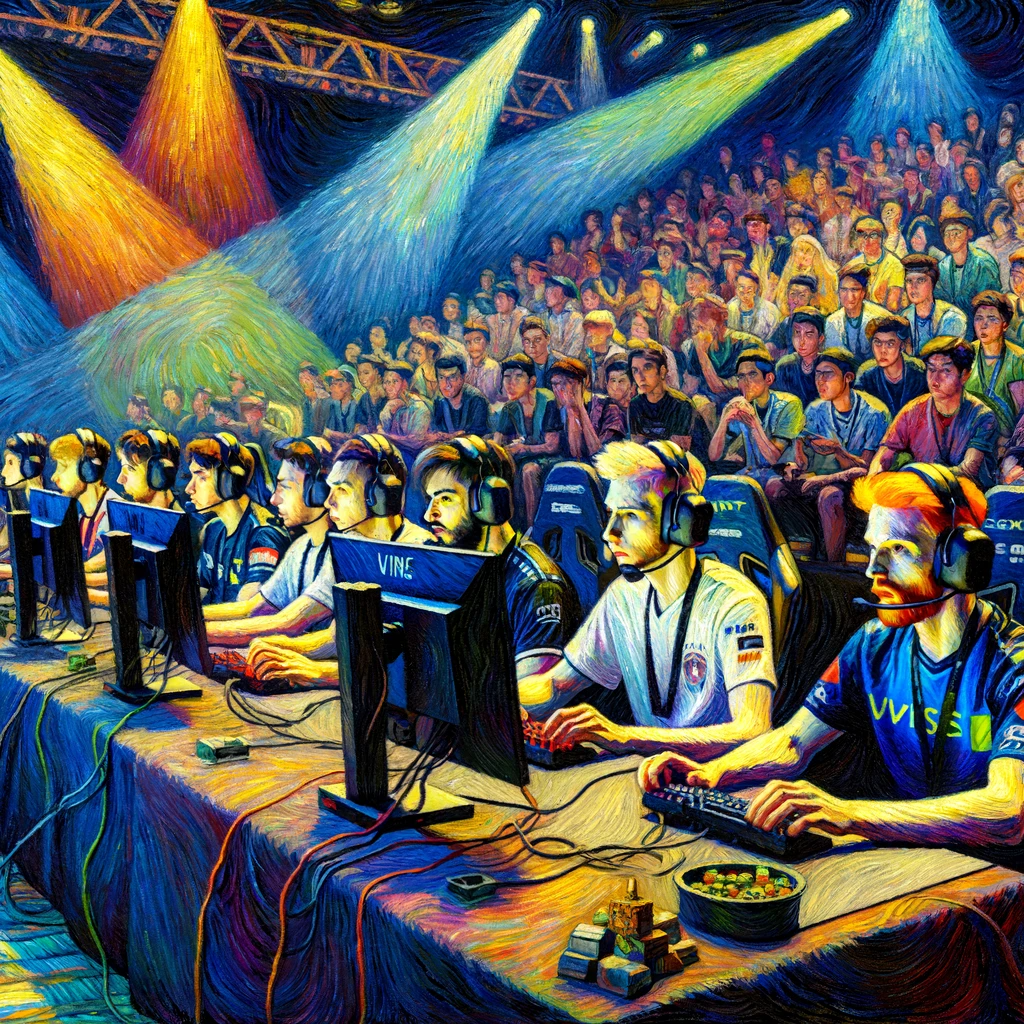
Are Games Effective Tools For Problem Solving?
How Can Games Enhance Critical Thinking?
Let’s take a moment to step back and think about the world around us. When was the last time you faced a puzzle that made you stop and ponder, wrestling with options and outcomes? That’s the beauty of gamification, a concept that turns the ordinary into the engaging. Games have a unique way of transforming challenges into adventures, and they can do wonders for our critical thinking skills.
Look, life throws complexities at us on a daily basis. Whether we’re trying to navigate career paths or resolve personal conflicts, a little bit of strategic thinking goes a long way. Games provide the perfect playground for cultivating this crucial skill. Think of it like a workout for your brain—each level or scenario is a set of weights, building your mental muscles. Every choice you make in a game forces you to consider consequences, weigh your options, and strategize your next move.
Let’s consider a classic—chess. It’s not just some old board game gathering dust in the attic; it’s a battlefield of the mind. Every piece you move can turn the tide of the entire game. Each decision requires forethought and adaptation. If you’ve ever watched a highly competitive chess match, you know the players are not just thinking a step ahead—they’re thinking several moves ahead, anticipating the opponent’s responses. This kind of anticipatory logic is invaluable in real life, where a split-second decision can determine outcomes that linger long after the moment has passed.
Now don’t get me wrong; you don’t need to be a chess master to reap the benefits of gaming. From simple puzzle games to complex role-playing adventures, there’s a treasure trove of opportunities waiting to be explored. These games invite players to think dynamically and creatively, helping us face challenges head-on. They prompt us to ask questions, sift through information, and adapt to new circumstances.
And here’s the kicker: gamification isn’t just limited to traditional games. It spills over into classrooms, workplaces, and even our hobbies, inviting us to engage and evaluate our choices in fun and meaningful ways. So why not give it a whirl? Challenge yourself with a game that makes you think. Embrace the unexpected twists and turns. You might just find that, while you’re having fun, you’re also sharpening your ability to tackle the complexities of everyday life with confidence.

How Can Games Enhance Critical Thinking?
How Can Games Enhance Critical Thinking?
- Gamification transforms ordinary tasks into engaging challenges.
- Life’s complexities can benefit from strategic thinking, akin to brain workouts.
- Games, like chess, cultivate critical thinking and anticipatory logic.
- Every choice in a game encourages considering consequences and strategizing.
- Players of all skill levels can benefit from various types of games.
- Gamification extends beyond gaming into education, workplaces, and hobbies.
- Engaging with games can enhance confidence in tackling real-life complexities.
How Can Games Enhance Critical Thinking?
What Role Does Creativity Play In Game-Based Problem Solving?
When you think about problem solving, what comes to mind? The image of a stern-faced hero deep in thought, hunched over a desk, wrestling with a stubborn math equation? Or perhaps the frantic scramble of players dashing away from a virtual zombie apocalypse? Well, it turns out, what you may need to solve those pesky puzzles in real life could lie somewhere in the intersection of pixels and play. Yes, folks, we’re talking about gamification—an engaging bridge between creativity and the critical thinking required to navigate life’s challenges.
Imagine a world where the tasks that seem daunting—or downright boring—are transformed into exciting quests. Let’s be honest, we often bypass creativity when tackling serious problems. Our minds get clogged with the “shoulds” and “musts,” locking us into rigid frameworks. This is precisely where creativity, pumpkin spice lattes aside, swoops in like a superhero in a colorful cape. Game-based problem solving nudges us to explore alternate paths and unleash our innovative spirit. When faced with a challenge, rather than cringing at the prospect of failure, we’re encouraged to reconsider the options. “What if” can start to sound less like a threat and more like a thrilling adventure.
Through the lens of gamification, we learn that every challenge is an opportunity for a level-up. It encourages us to take risks, experiment, and, yes, make mistakes along the way. The best part? It’s okay to fail—after all, every grand quest involves a few mishaps. Think of those desperate moments when the rogue player stumbles and falls only to resurrect stronger and wiser. In this playful approach, creativity flourishes because the stakes feel lower. Instead of dreading the outcome, we become inspired to think outside the box, purposefully straying from the familiar paths.
But let’s not gloss over the crucial element of collaboration. Just like in team-based gameplay, real-world problem solving benefits immensely from collaboration and creative brainstorming. Diverse minds coming together can create unique solutions, harnessing ideas that may not have surfaced in isolation.
So, let’s get out there and embrace the adventure that comes with mixing creativity and problem-solving. After all, life may not send us on heroic quests with enchanted swords, but when we gamify our challenges, it becomes a whole lot more fun—and effective. Give it a try, and remember: life’s most complex puzzles are just one creative leap away.

What Role Does Creativity Play In Game-Based Problem Solving?
What Role Does Creativity Play In Game-Based Problem Solving?
- Problem solving can be reimagined through gamification, bridging creativity and critical thinking.
- Tasks traditionally seen as boring can be transformed into exciting quests, encouraging creative exploration.
- Gamification helps break free from rigid thinking, allowing for innovative problem-solving.
- Challenges are perceived as opportunities for growth, promoting risk-taking and experimentation.
- Failure is accepted as part of the process, providing a lower-stakes environment for learning.
- Collaboration is a key component, with diverse ideas leading to unique solutions.
- Embracing gamification makes problem-solving more enjoyable and effective, inviting creative approaches.

What Role Does Creativity Play In Game-Based Problem Solving?
Are There Specific Game Genres That Foster Problem-Solving Skills?
Let’s face it: life’s often a puzzle wrapped in a riddle, and we’re all just trying to find the right pieces to fit. Enter the world of gaming, where the right game genre can be your trusty toolkit. Certain genres not only provide a dose of entertainment but also sharpen your ability to think critically and tackle real-world challenges. So, let’s dive in and explore how some gaming experiences can elevate our problem-solving skills in ways that are as relatable as they are engaging.
Puzzle Games: Take a stroll down the pixelated lanes of puzzle games like *Tetris* or *Portal*. These gems are all about logic and strategy, nudging you to think ahead with every move. They teach you to plan, predict outcomes, and often require you to turn your thinking upside down to find solutions. Whether it’s arranging blocks or navigating through mind-bending portals, the thrill of cracking a code or solving a complex challenge gives off a sense of achievement that’s hard to beat.
Strategy Games: Now, lean into the world of real-time strategy games like *Civilization* or *StarCraft*. Here, you’re not just a player; you’re a commander calling the shots. You’ll need to weigh options, assess risks, and manage resources—all while anticipating your opponent’s next move. The skills you hone in these virtual battlefields translate into real-life decision-making, trust me. This genre teaches you to stay cool under pressure, strategize your actions like a chess master, and execute plans with precision. These games are downright pragmatic when it comes to embracing the essence of problem-solving.
Simulation and Management Games: Ever thought about building a thriving city or managing a complex ecosystem? Games like *SimCity* or *Planet Coaster* put you at the helm of intricate systems. They introduce elements of gamification, where you must juggle multiple objectives and think dynamically. You learn to analyze data, prioritize tasks, and sometimes even embrace failure to rebuild your empire. There’s an art to taking calculated risks and adjusting your strategies on the fly, lessons that echo in our everyday lives.
In this wide universe of gaming, it’s clear that we have options that don’t just dazzle us with graphics but challenge our minds. The beauty lies in the journey from frustration to triumph, from confusion to clarity, ultimately shaping us into better problem-solvers. So, dust off that controller, embrace the challenge, and take your creativity and critical thinking to new heights. Who knew that having fun could lead to sharpening your wits? Now that’s a win-win.

Are There Specific Game Genres That Foster Problem-Solving Skills?
Are There Specific Game Genres That Foster Problem-Solving Skills?
- Gaming serves as a toolkit for enhancing problem-solving skills in a fun and engaging way.
- Puzzle games like *Tetris* and *Portal* emphasize logic and strategy, promoting critical thinking and planning.
- Strategy games such as *Civilization* and *StarCraft* enhance decision-making and risk assessment under pressure.
- Simulation games like *SimCity* and *Planet Coaster* involve managing complex systems and balancing multiple objectives.
- These games foster skills like data analysis, task prioritization, and adapting strategies in response to setbacks.
- Gaming provides a journey from frustration to accomplishment, improving our overall problem-solving abilities.
- Engaging in gaming not only entertains but also leads to growth in creativity and critical thinking.

Are There Specific Game Genres That Foster Problem-Solving Skills?
How Do Games Encourage Teamwork And Collaboration In Problem Solving?
Life can sometimes feel like a solitary sport, can’t it? Whether you’re tackling a spreadsheet at work or trying to solve the age-old mystery of who left the empty milk carton in the fridge, many challenges seem to beckon us to go it alone. But hold on—what if I told you that games, in all their colorful splendor, have a different way of showing us the ropes? They act as clever little laboratories, where the magic of gamification turns teamwork into a powerful catalyst for problem-solving.
Picture this: you gather a few friends or coworkers, and you dive into a team-based game. It could be anything from escaping a room filled with clues to a high-octane round of strategy on a virtual battlefield. As the clock ticks down and you face in-game adversity, something remarkable happens. Each person brings their own skills and perspectives to the table, whether it’s some analytical thinking, quick reflexes, or even just an uncanny knack for reading the room. In this shared pursuit of success, the barriers that often keep us isolated can start to crumble, leading to a flourishing exchange of ideas.
In games, the stakes are often excitingly high—who doesn’t want to be the hero who led the charge to victory? This thrilling dynamic fosters an environment where collaboration isn’t just desired; it’s essential. Players learn to communicate effectively, strategize collectively, and, yes, even face failure as a unit. And the rewards? The satisfaction of overcoming obstacles with your team is something you can carry beyond the gaming screen into those real-world challenges waiting to be tackled back home.
This kind of engagement not only promotes a sense of camaraderie but also builds trust and confidence among the participants. You start to see each other not just as individuals, but as a cohesive unit working toward a common goal. It’s a reminder that, much like in the game, when we combine our strengths and share ideas, we can tackle complex problems more effectively than any solitary knight could on their quest.
So, if you haven’t tried gaming as a vehicle for collaboration, maybe it’s time to pick up a controller or gather around a board game. Dive into the narrative. Collaborate. Share those “aha!” moments. You might just find that the next big solution waiting for you isn’t a solo discovery—it’s borne from a shared effort, etched into the adventures you undertake together.

How Do Games Encourage Teamwork And Collaboration In Problem Solving?
How Do Games Encourage Teamwork And Collaboration In Problem Solving?
- Life often feels like a solitary pursuit, whether at work or in personal challenges.
- Games serve as effective laboratories for teamwork and problem-solving through gamification.
- Team-based games encourage collaboration and bring together individuals’ diverse skills and perspectives.
- High stakes in games motivate players to communicate, strategize, and face failures as a team.
- Collective problem-solving in games fosters camaraderie, trust, and confidence among participants.
- Seeing each other as a cohesive unit helps in tackling complex problems more effectively.
- Engaging in gaming can lead to shared solutions rather than relying solely on individual efforts.

How Do Games Encourage Teamwork And Collaboration In Problem Solving?
Can Playing Games Help Improve Real-Life Decision-Making?
Let’s face it—life can feel like one giant game, filled with choices that have far-reaching consequences. You wake up each morning with a slew of decisions demanding your attention, from what to eat for breakfast to whether to take a new job. The good news? Games, in their myriad forms, can actually provide us with valuable lessons that translate into the real world. This phenomenon is often referred to as gamification—a fancy term for playing with the principles of gaming to solve problems and make better choices.
When we immerse ourselves in a game, we don’t just engage in mindless entertainment; we enter a world where every decision matters. Think about your favorite video game or board game. Every move you make takes into account a series of potential outcomes. You learn quickly that one poor choice can result in losing that coveted bonus or, heaven forbid, starting over again. This is the essence of decision-making in real life—an array of choices, each with its own consequences.
Now, here’s where it gets truly beneficial. Games inherently encourage us to optimize our strategies. Whether you’re maneuvering through a complex puzzle or devising a battle plan, you develop critical thinking and adaptability. You’re constantly analyzing the scene, weighing your options, and assessing risks. These skills are directly applicable to everyday life. Next time you face a tough decision, think back to the last time you conquered a difficult level or navigated a challenging board game. Those same skills can surface in your work, relationships, or even personal growth.
Moreover, gamification brings an element of play to learning, which can make complex situations less intimidating. Embracing this playful mindset in real-life decision-making creates a safe space to experiment, fail, and ultimately grow. Yes, you might not score points in the traditional sense, but learning to assess risk and reward can be incredibly fulfilling—and transformative.
So next time you sit down to play a game, remember: you’re not just scoring points; you’re sharpening your decision-making muscles. Life may not come with a “reset” button, but the skills you pick up while gaming could just give you the edge you need when the stakes are high in reality. Embrace the challenge. After all, the best move you can make might be to play more games.

Can Playing Games Help Improve Real-Life Decision-Making?
Can Playing Games Help Improve Real-Life Decision-Making?
- Life resembles a game filled with choices that have significant outcomes.
- Every decision, like what to eat or job offers, presents a series of consequences.
- Gamification uses gaming principles to help solve problems and improve decision-making.
- In games, every action is important, teaching the impact of choices on outcomes.
- Engaging in games fosters critical thinking, adaptability, and strategic optimization.
- Gamification makes learning less intimidating, encouraging experimentation and growth.
- Playing games enhances decision-making skills that can be applied in real-life situations.

Can Playing Games Help Improve Real-Life Decision-Making?
What Skills Can Be Developed Through Strategic Gameplay?
Picture this: you’re staring at a game board or a pixelated landscape, a world built on strategy and skill. At first glance, it might seem like just a way to pass the time, but if you take a deeper look, you’ll uncover a treasure trove of skills that can be applied far beyond the screen or the tabletop. In fact, this isn’t just play; it’s the art of gamification in action.
When you dive into the world of strategic gameplay, you’re not only entertaining yourself; you’re sharpening your mind and honing essential life skills. For example, let’s talk about problem-solving. There’s nothing quite like facing a perplexing puzzle or an opponent that seems one step ahead. As you navigate your way through these challenges, you’re forced to think critically and creatively. You learn to assess situations, weigh options, and decide on a course of action—all invaluable skills in both personal and professional contexts.
Then there’s teamwork. Many strategic games require collaboration, whether you’re aligning forces to defeat a common enemy or negotiating with allies to stretch resources just a bit further. This isn’t mere child’s play; you’re actually building communication skills and learning how to navigate the complexities of group dynamics. Every game is a mini-master class in negotiation, ensuring that when you step off that virtual battlefield, you’re better equipped to work with real-life teams.
Let’s not forget the importance of strategic planning. Every successful player knows that victory doesn’t come from random chance—it comes from analyzing the board, predicting your opponent’s moves, and prepping your strategies like a maestro orchestrating a symphony. You start to think several steps ahead, helping you develop foresight that’s essential in everything from career moves to everyday decisions.
And what about resilience? Losing a game can be tough, but it’s in those moments of defeat where the real growth happens. You learn to pick yourself up, reassess your strategies, and come back stronger. This tenacity translates beautifully into the real world, where failures aren’t setbacks but stepping stones on the path to success.
So, if you’ve ever dismissed gaming as a frivolous hobby, think again. It’s a vibrant arena where skills are not just played out, but developed, polished, and ready to take on life’s toughest challenges. Grab your controller, gather your friends, and let that strategic gameplay begin. You might just discover that the skills you cultivate today will help shape the battles of tomorrow. Each move you make is a play towards a brighter future—one strategy at a time.
What Skills Can Be Developed Through Strategic Gameplay?
What Skills Can Be Developed Through Strategic Gameplay?
- Strategic gameplay serves as a platform for developing transferable skills beyond entertainment.
- Problem-solving is enhanced through critical thinking and creative assessment of challenges.
- Teamwork skills are built by collaborating with others and navigating group dynamics.
- Strategic planning involves analyzing situations and predicting outcomes to formulate effective strategies.
- Resilience is fostered by learning to cope with losses and using them as opportunities for growth.
- Gaming is a practical arena for skill development that prepares individuals for real-life challenges.
- Engaging in strategic gaming can help cultivate skills essential for personal and professional success.

What Skills Can Be Developed Through Strategic Gameplay?
Conclusion
Conclusion: Unleashing the Problem-Solving Power of Play
Alright, let’s bring this whole gaming discussion to a close. If there’s one takeaway from our journey through the realm of games, it’s this: they’re not just frivolous entertainment; they’re an astonishing toolkit for tackling real-world problems. Just think about that for a second. While you might have been viewing gaming as a mere escape, you’re, in fact, honing skills that can spill over into everyday life, whether that’s at work, home, or in personal relationships.
When you dive into a game—be it a strategy-driven tabletop or a fast-paced video game—you’re engaging in a rich tapestry of problem-solving, critical thinking, and creativity. Every challenge presented is like a puzzle at work or that persistent issue with a colleague. You learn to adapt to new obstacles, analyze situations from various angles, and work as part of a team. This area of gamification encourages us to embrace failure as a stepping stone rather than a dead end, teaching us resilience—now that’s a lesson we could all use a bit more of.
Imagine the last time you took on a digital dungeon or a complex crossword puzzle. There you were, figuring out your next moves, weighing the options, and thinking several steps ahead. Guess what? Those same mental gymnastics can help you navigate anything life throws your way. Whether you’re deciding how to convince your kids to eat their greens or strategizing the perfect pitch at work, the adaptability and tenacity gained from gaming are invaluable assets.
But let’s not stop at your own growth. Games foster collaboration and enhance communication skills, teaching us that working together often yields better results than flying solo. Ever played a cooperative game with friends? That common goal becomes a springboard for creativity and problem-solving synergy. Remember, the next time you’re up against a wall in life, don’t shy away from thinking like a gamer. Harness that playful spirit, unleash your creativity, and tackle your challenges head-on.
So dust off your console or pull out that old board game, and fully embrace the unique power of play. Those pixels or pieces can lead to real victories in life. Who knew that having fun could sharpen our wits? Now, that’s a win-win if I’ve ever seen one.

Conclusion
Conclusion:
- Games serve as an effective toolkit for addressing real-world problems, beyond mere entertainment.
- Engagement in gaming develops problem-solving, critical thinking, and creativity skills applicable in daily life.
- Playing games teaches adaptability and resilience by encouraging a positive outlook on failure.
- Mental exercises from games, like strategy and planning, translate to real-life decision making.
- Gaming promotes collaboration and communication, leading to better outcomes in group settings.
- Embracing a playful mindset can help tackle life’s challenges creatively.
- Playing games can lead to real-life victories and enhance one’s intelligence and skills.

Conclusion
Other Resources

Other Resources
Here is a list of other resources you can review online to learn more:
- Space Cowboys
- Cards Against Humanity
- Serious Poulp
- Cosmic Encounter
- Google My Business
- Diigo
- Love Letter
- Mastodon
Use This Prompt To Get More Resources With Your Favorite Online AI Tool: Please provide me with a list of online articles with their URLs in a bulleted list that I can read regarding Are You Unaware Of The Problem Solving Power In Games?

Other Resources
Glossary Terms
Are You Unaware Of The Problem Solving Power In Games? – Glossary Of Terms
1. Algorithm: A step-by-step procedure or formula for solving a problem, often used in gaming mechanics to determine outcomes based on player actions.
2. Cognitive Skills: Mental abilities that involve the processing of information, reasoning, and problem-solving, often enhanced through game play.
3. Critical Thinking: The ability to analyze facts and form a judgment, a skill frequently exercised in strategic and puzzle games.
4. Game Mechanics: The rules and systems that dictate how players interact with a game, influencing the problem-solving process.
5. Puzzle: A game or challenge that requires players to manipulate components in order to achieve an objective, fostering problem-solving abilities.
6. Simulation: A representation of a real-world process in a game environment, allowing players to experiment and solve problems in a risk-free setting.
7. Role-Playing Games (RPGs): Games that involve players taking on characters and navigating narratives, often requiring strategic problem-solving and decision-making.
8. Gamification: The application of game-design elements in non-game contexts to enhance engagement and motivation in problem-solving tasks.
9. Decision-Making: The process of making choices based on available information; a key component in many games that require players to solve problems.
10. Collaboration: Working together with others to achieve a common goal, often crucial in multiplayer games that involve collective problem-solving.
11. Strategy: A plan of action designed to achieve a specific goal, often essential in games that require long-term thinking and problem resolution.
12. Feedback Loop: The cycle of action and reaction in gameplay that provides players with information about their choices, aiding in problem-solving.
13. Trial and Error: A problem-solving strategy involving experimenting with various solutions until the desired outcome is achieved, commonly seen in game play.
14. Engagement: The level of interest and involvement a player has with a game, which can enhance their problem-solving skills through active participation.
15. Narrative: The storyline of a game that can present players with unique challenges and moral dilemmas, requiring thoughtful solutions.
16. Simulation Learning: The process of acquiring knowledge and skills through realistic game scenarios, often leading to enhanced problem-solving abilities.
17. Spatial Awareness: The understanding of one’s position in relation to the environment, crucial in puzzle and platform games.
18. Resource Management: The strategic allocation of resources within a game, requiring players to solve problems regarding efficiency and effectiveness.
19. Metacognition: Awareness and understanding of one’s own thought processes, which can be enhanced through complex game play requiring strategic thinking.
20. Adaptability: The ability to adjust approaches based on new information or changing circumstances, a vital skill in dynamic gaming environments.
21. Exploration: The process of investigating the game environment, which can lead to discovering solutions or resources for problem-solving.
22. Real-Time Strategy (RTS): A genre of games that focuses on managing resources and units to solve tactical problems in real-time scenarios.
23. Player Agency: The capacity for players to make choices that affect the outcome of the game, enhancing their problem-solving experience.
24. Challenge: A task or obstacle presented in a game that requires players to utilize their problem-solving skills to overcome it.
25. Competitive Play: Engaging in games against others, often promoting problem-solving through understanding opponents’ strategies.
26. Flow State: A mental state of immersion and focus achieved during gameplay, which can enhance problem-solving efficiency and creativity.
27. Innovation: The creative implementation of new ideas or methods in games that encourage unique solutions to problems.
28. Game Theory: The study of strategic decision-making, often explored through the dynamics of gameplay and problem-solving.
29. Skill Trees: Systems that allow players to develop abilities over time, often requiring strategic planning and problem-solving to navigate.
30. Reward System: In-game incentives given for solving problems or completing tasks, reinforcing problem-solving behavior through positive reinforcement.
These terms contribute to a larger understanding of how games can enhance problem-solving skills through engaging mechanics, social interaction, and cognitive challenges.

Glossary Of Terms
Other Questions
Are You Unaware Of The Problem Solving Power In Games? – Other Questions
If you wish to explore and discover more, consider looking for answers to these questions:
- What specific skills can I learn from different types of games?
- How does gamification apply to workplace problem-solving?
- Can games improve my resilience when faced with real-life challenges?
- What scientific research supports the connection between gaming and problem-solving?
- Are there age restrictions for benefiting from gamification in problem-solving?
- How can I incorporate gaming principles into my daily routine for better problem solving?
- What examples exist of businesses using gamification for employee training?
- How can I choose the right game that will enhance my problem-solving skills?
- Are there any potential downsides to using games for problem solving?
- How do different cultures view the relationship between gaming and problem-solving?

Other Questions
Haiku
Are You Unaware Of The Problem Solving Power In Games? – A Haiku
Games ignite the mind,
Crafting skills for life’s challenges—
Play fuels problem-solving.

Haiku
Poem
Are You Unaware Of The Problem Solving Power In Games? – A Poem
In the Game of Life: A Poetic Exploration
In pixel realms where battles unfold,
A treasure of wisdom, waiting to be told,
Games aren’t just pastime, or simple distraction,
They shape our minds—foster strategic action.
From quests and puzzles, our journeys begin,
Critical thinking, where losses breed wins.
Each challenge a lesson, on pathways we tread,
In every defeat, there’s a strategy bred.
Like pieces of Tetris, our thoughts interlock,
Planning and predicting, we build and we rock.
The thrill of the moment when victory’s near,
Teaches resilience, erases the fear.
With teamwork in chaos, we rally our forces,
Navigating hurdles, embracing new courses.
In laughter and failure, we share all our gains,
The bonds that we forge help reduce life’s strains.
Creativity blossoms in every new quest,
Transforming each problem into a playful test.
“What if?” becomes magic, with risks here to take,
Each choice shapes our future, each step is awake.
Strategy games sharpen the mind’s eager blade,
With every bold move, our decisions are made.
From chess to simulations, our skills grow robust,
In the realm of gamification, we learn to trust.
So, dive in with courage, let joy guide your way,
For games can unlock new paths every day.
Embrace the adventure, let creativity soar,
In the game of life, there’s always much more.

Poem
Checklist
Are You Unaware Of The Problem Solving Power In Games? – A Checklist
Unlocking the Problem-Solving Power in Games: Checklist
1. Identifying Problem-Solving Skills in Gaming:
_____ Analyze how games encourage strategic thinking.
_____ Reflect on moments in games where you had to think critically.
_____ List specific skills you’ve developed from gaming (e. g. , patience, creativity, adaptability).
2. Applying Gamification to Daily Life:
_____ Consider how you can incorporate game mechanics into everyday tasks.
_____ Identify one challenge you face and brainstorm game-inspired strategies to tackle it.
_____ Set small, achievable goals to create a sense of “leveling up” each day.
3. Improving Resilience Through Gaming:
_____ Reflect on a time when you failed in a game. What did you learn from it?
_____ Think of a real-life situation where you can apply a “try again” mindset.
_____ Create a plan for addressing real-life setbacks by treating them as game challenges.
4. Enhancing Critical Thinking:
_____ Engage in a puzzle or strategy game that challenges your thinking.
_____ Evaluate the decisions you make in games and how they relate to real-life choices.
_____ Practice making decisions in a low-stakes environment before applying them to more significant issues.
5. Encouraging Creative Problem Solving:
_____ Explore creative games (art games, sandbox games) to stimulate innovation.
_____ Challenge yourself to view a mundane task as an exciting quest.
_____ Brainstorm three “what if” scenarios for a current problem to unlock new ideas.
6. Fostering Teamwork and Collaboration:
_____ Organize a team-based game night to build collaboration skills.
_____ Reflect on the roles you often take in games and how they can apply to team projects.
_____ Identify opportunities for collaboration in your personal and professional life.
7. Improving Decision-Making Skills:
_____ Analyze a recent decision and the factors that influenced it.
_____ Play a game that requires weighing risks and rewards to sharpen your decision-making.
_____ Create a pros-and-cons list for a significant decision, treating it like a game move.
8. Exploring Game Genres for Skill Development:
_____ Experiment with different genres: puzzle, strategy, simulation, and role-playing.
_____ Track which genres challenge you the most and why.
_____ Set a goal to complete a game in a genre outside your usual preferences.
9. Assessing Personal Growth Through Gaming:
_____ Keep a journal of your gaming experiences and personal insights.
_____ Review your progress in applying gaming skills to your life every month.
_____ Share your gaming insights with others, encouraging discussion on problem-solving techniques.
10. Scheduling Regular Gameplay:
_____ Set aside specific times each week to play games intentionally.
_____ Involve friends or family in gaming to enhance social interaction and learning.
_____ Challenge yourself to try new games regularly to broaden your perspective and skills.
Use this checklist to cultivate the problem-solving skills you’ve developed through gaming and apply them to your everyday life, enhancing your creativity, critical thinking, and resilience along the way!

Checklist
At HowDoYouGame, we help people who love board games by collating information and news about games.
Be sure to read our other related stories at HowDoYouGame to learn more about games.




