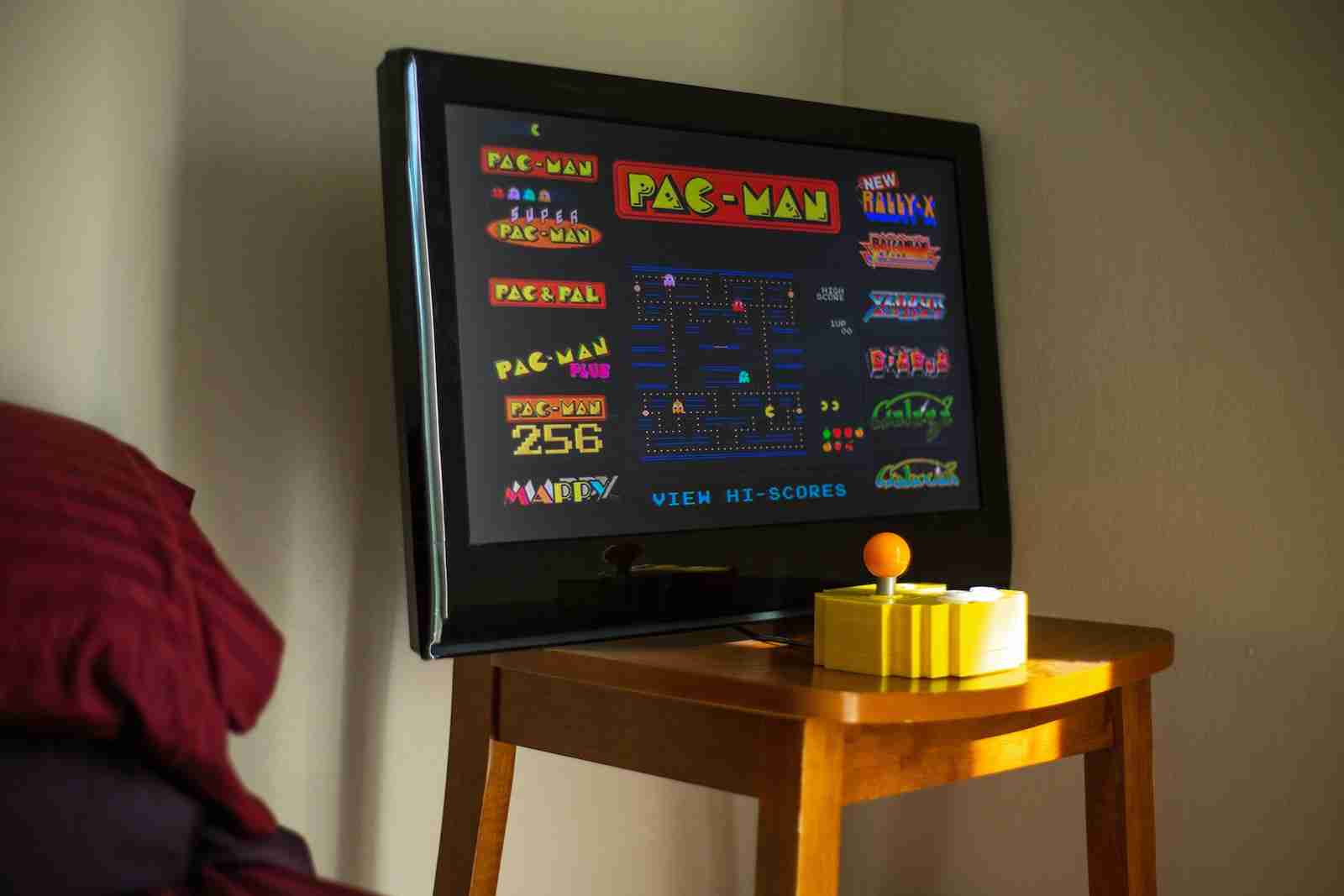
The Pitfalls Of Overreliance On Gaming For Child Development
By Tom Seest
At HowDoYouGame, we help people who love board games by collating information and news about games.
Be sure to read our other related stories at HowDoYouGame to learn more about games.
Are We Failing Kids By Relying on Games to Solve Riddles?
Let’s face it: children today are growing up in a world that’s a far cry from what many of us experienced not too long ago. The sweet sounds of nature have been drowned out by the rhythmic beeping of screens, and the great outdoors has been swapped for virtual landscapes. Sure, gamification has made learning seem like a grand adventure, full of rewards and enticing challenges, but are we doing more harm than good in this digital playground?
It’s tempting to think that if kids can solve complex riddles while scoring points and leveling up, we’re on the right track. After all, who wouldn’t want to engage young minds through play? However, we must take a step back and really ponder the implications. The issue isn’t the games themselves; it’s the overarching reliance on them as a primary method for education and problem-solving.
Games can be a fantastic teaching tool, but when we take an uncritical approach, we risk creating a scenario where our children are quickly becoming masters of the game mechanics rather than the content. It’s like tossing a puzzle in front of someone with no context and expecting them to piece it together without ever showing them how the pieces fit. When challenges are gamified, we often reduce problems to mere points and badges, overlooking the deeper meaning and learning that comes from grappling with tougher questions.
Where do those moments of failure fit in? The invaluable lessons learned through struggle and perseverance are often sidelined in a gamified world. It’s these moments— the ones that make us sweat a little, and maybe even shed a few tears—that shape resilience and critical thinking. As parents, educators, and mentors, we have to ask ourselves: Are we equipping our kids to navigate the complexities of the real world, or are we simply patting them on the back for playing another round?
If we truly want to nurture a generation of problem solvers equipped for the demands of life, we must strike a balance. Yes, let’s embrace gamification, but we should also encourage kids to tackle real-world riddles without the safety net of achievements attached. We need to foster an environment where kids can explore, fail, and learn from the messiness of life. In the long run, that’s the best game plan we can have.

Are We Failing Kids By Relying on Games to Solve Riddles?
Are We Failing Kids By Relying on Games to Solve Riddles?
- Children today are growing up in a digital world, with nature sounds replaced by screen beeps and virtual landscapes.
- While gamification makes learning engaging, there are concerns about reliance on games for education and problem-solving.
- Games can enhance learning, but they may lead children to focus more on game mechanics than actual content.
- Gamified challenges often simplify problems, missing deeper meanings and critical learning experiences.
- Moments of failure are essential for developing resilience and critical thinking, but are often overlooked in gamified contexts.
- We need to balance gamification with real-world challenges, allowing kids to explore and learn from failure.
- Fostering an environment that encourages exploration and messy learning is crucial for nurturing future problem solvers.

Are We Failing Kids By Relying on Games to Solve Riddles?
Table Of Contents
- Are We Failing Kids By Relying on Games to Solve Riddles?
- Are Educational Games Effective At Teaching Critical Thinking Skills?
- Are Riddles In Games Too Challenging For Young Learners?
- Is There A Balance Between Fun And Educational Value In Games?
- How Do Different Age Groups Respond To Riddles In Games?
- Are Children Developing Essential Skills Through Game-Based Learning?
- Are There Negative Consequences Of Overusing Games In Education?
- Conclusion
- Other Resources
- Glossary Of Terms
- Other Questions
- Haiku
- Poem
- Checklist
Are Educational Games Effective At Teaching Critical Thinking Skills?
Are Educational Games Effective at Teaching Critical Thinking Skills?
Let’s take a moment to pause and think about the art of learning. Picture yourself as a kid again, perhaps hunched over a game board or tapping buttons on a screen, your mind racing with possibilities. There’s something magical about that moment—an elixir of fun and focus, where the stakes are high but the pressure’s low. Welcome to the world of educational games, where gamification transforms dry lessons into an engaging adventure.
At first glance, it might seem a bit ludicrous to think that hopping from one jumping jellybean to another could help me solve complex problems later in life. But here’s the catch: those jellybeans are more than just colorful distractions. They’re a mechanic, a tool, skillfully designed not only to entertain but to amplify our critical thinking abilities. They prompt us with challenges that require not just rote memorization but a deeper understanding of the world around us.
When we’re playing educational games, we aren’t just competitors—we’re strategists, detectives, and innovators. Think about it: every obstacle faced and every puzzle solved is a miniature lesson in analysis and adaptability. Those split-second decisions we make sharpen our problem-solving skills in ways that textbooks often can’t. Gamification injects a dose of reality into our play, encouraging us to experiment, to fail, and to try again without the dread of a looming exam.
And consider this: our brains crave novelty. When we engage in a game, we’re constantly being assessed and rewarded, and that keeps the juices flowing. The thrill of success is a tremendous motivator, propelling us to delve deeper into subjects while developing critical thinking skills without even realizing we’re doing it.
So, what does this mean for educators and parents alike? Well, it’s a call to action. Instead of burying our kids in worksheets, let’s harness the power of games that challenge their minds and ignite their creativity. These tools are not just changing the mechanics of learning; they’re rewriting the entire narrative.
Join the movement, trust in the process, and watch as educational games become more than mere entertainment. They become a springboard launching our future thinkers into a world brimming with complexity, confidence, and creativity. Just imagine what they might achieve with those skills in their toolkit. It’s time to embrace the power of play—one game at a time.

Are Educational Games Effective At Teaching Critical Thinking Skills?
Are Educational Games Effective At Teaching Critical Thinking Skills?
- Educational games transform rote learning into engaging adventures through gamification.
- They serve as tools that enhance critical thinking abilities by presenting challenges that require deeper understanding.
- Players take on roles such as strategists and innovators, sharpening problem-solving skills through gameplay.
- Gamification allows for experimentation and learning from failure without the pressure of traditional assessments.
- Engaging in games keeps the brain stimulated through constant assessment and rewards, enhancing motivation.
- Educators and parents are encouraged to incorporate challenging games instead of traditional worksheets to foster creativity.
- Educational games can effectively prepare future thinkers for complexities in life by developing essential skills.

Are Educational Games Effective At Teaching Critical Thinking Skills?
Are Riddles In Games Too Challenging For Young Learners?
Riddles in games can feel like those puzzles that sit on the table at family gathering—enticing, but also a bit daunting. You know the ones: they hang in the air, daring you to engage, coaxing you with their allure while planting seeds of doubt in your mind. “What if I can’t figure it out? What if I hold everyone up?” These questions whirl around in young learners’ heads, and it’s only natural. After all, their experience with riddles is limited, wrestling with feelings of triumph as well as frustration.
Now, let’s talk about gamification—an innovative tool that combines education and entertainment, transforming mundane experiences into something electrifying. Riddles, when woven into the fabric of gamification, can become more than just obstacles to overcome; they can evolve into gateways to critical thinking and creativity. Imagine a colorful learning platform where solving riddles unlocks badges, boosts scores, or allows players to advance to the next level. Instinctively, learners take a peek behind the curtain of challenge. They become explorers, ready to troubleshoot their way through the wilderness of whimsy.
But let’s not gloss over the concerns. Are these riddles a bit too tough for those young minds? It’s a valid worry, especially when given the combustible mixture of childhood pressure and the competitive nature of gaming. Yet, therein lies an incredible opportunity for growth. When we frame challenges in a supportive environment, we cultivate resilience. Mistakes are not failures; they’re stepping stones—tools to sharpen their minds. The key is to balance difficulty and support, crafting riddles with a hint of accessibility that invites learners into a world of inquiry without pushing them over the edge into frustration.
As adults involved in nurturing young learners, we hold a treasure trove of tricks up our sleeves. By modeling persistence and enthusiasm, we embolden our young adventurers to tackle each riddle with bravery. After all, it’s not about how fast you arrive at the answer, but how much you learn along the journey.
So, let’s embrace the challenge. Riddles in games may push boundaries, but they are also bridges—ones that connect young learners with the wonders of problem-solving. By guiding the way, we can inspire confidence, cultivating a generation that doesn’t just approach challenges with trepidation but heads toward them with open arms, ready to engage, solve, and most importantly, learn.

Are Riddles In Games Too Challenging For Young Learners?
Are Riddles In Games Too Challenging For Young Learners?
- Riddles in games resemble puzzles at family gatherings, evoking feelings of both intrigue and intimidation.
- Young learners often grapple with concerns about their abilities to solve riddles, which can lead to frustration.
- Gamification enhances riddles, transforming them into tools for critical thinking and creativity.
- Solving riddles can unlock rewards like badges or points, making learning more engaging and exciting.
- There is a valid concern regarding the difficulty of riddles for young minds, particularly in competitive gaming contexts.
- Creating a supportive environment helps cultivate resilience and frames mistakes as opportunities for growth.
- Adults can inspire young learners by modeling persistence and enthusiasm, emphasizing the learning journey over speed.

Are Riddles In Games Too Challenging For Young Learners?
Is There A Balance Between Fun And Educational Value In Games?
Is There a Balance Between Fun and Educational Value In Games?
Let’s face it: we’ve all been there. A game catches our eye, promising hours of entertainment. Yet beneath its vibrant surface lies a treasure trove of learning waiting to be unearthed. But how do we find the right balance between fun and educational value in our gaming experiences? Can we truly have our cake and eat it too?
Enter the world of gamification. Picture this: a classroom devoid of enthusiasm suddenly transformed by the colorful characters and compelling quests of a game. Imagine students racing against each other, not just to engage in friendly competition but also to absorb new knowledge along the way. That’s the magic of gamification, blending play with purpose, and turning the mundane into the memorable. It’s that spark of excitement, turning lessons into lively adventures and connecting concepts with real-life application.
But here’s the kicker—it doesn’t have to be just in the classroom. Whether you’re casually scrolling through your smartphone during lunch or diving into an epic online adventure with friends after a long day, the principles of gamification are weaving their way into our daily lives. The right game has the potential to challenge our minds while whisking us away on a wild journey. And isn’t that exactly what we want?
As adults, we might sometimes think we’ve outgrown playful pursuits, relegating them to childhood memories. However, funded by research and powerful success stories, the reminder that engaging in gameplay can yield valuable lessons is often overlooked. From strategy-based simulations honing our decision-making to collaborative puzzles that foster teamwork, games are more than just distraction—they’re a vehicle for growth.
If you’re feeling hesitant to embrace this blend of learning and joy, consider this: Life itself is a balancing act. Just like a well-pitched tent, a game nurtured through the principles of fun and education can stand tall without wobbling. We should engage with games as tools, not mere content, and question how they can expand our knowledge and skills, even when we’re not conscious of it.
So, next time you pick up a controller or download a new app, remember that there’s more beneath the surface. Explore. Immerse yourself. You might just find that the fun-filled escapade is also an enlightening journey waiting to happen. It’s all about connection—between the fun we crave and the knowledge we seek—ensuring that both work hand in hand. Let’s step into that world together.

Is There A Balance Between Fun And Educational Value In Games?
Is There A Balance Between Fun And Educational Value In Games?
- The balance between fun and educational value in games can enrich our gaming experiences.
- Gamification can transform learning environments by integrating engaging game elements.
- Games can turn mundane lessons into exciting adventures that connect to real-life applications.
- Gamification principles extend beyond classrooms into everyday activities like smartphone use and online gaming.
- Engaging in gameplay can yield valuable lessons, enhancing skills like decision-making and teamwork.
- Games should be seen as tools for growth, encouraging us to explore and learn subconsciously.
- Finding joy in games can lead to enlightening journeys, connecting fun with knowledge for holistic development.

Is There A Balance Between Fun And Educational Value In Games?
How Do Different Age Groups Respond To Riddles In Games?
How Do Different Age Groups Respond to Riddles in Games?
Gather ’round, folks, because we’re diving into the wonderfully wacky world of riddles and how they tickle the brains of different age groups. If you’ve ever found yourself scratching your head over an age-old conundrum or giggling at a playful pun, you’re not alone. Riddles have a way of connecting us across generations, embodying the essence of gamification—the art of turning tasks into games to boost engagement.
Let’s kick things off with the little ones, shall we? Kids, with their boundless curiosity and imaginations that soar higher than a kite on a windy day, approach riddles with unfiltered enthusiasm. For them, it’s an adventure! The thrill of cracking a riddle can feel like uncovering treasure. Picture a group of children gathered around, eyes gleaming with excitement, ready to tackle a riddle about a slippery snake or a sneaky squirrel. Engaging them with these brain teasers not only sharpens their problem-solving skills but also enhances their social development as they collaborate and cheer each other on.
Now, peek into the world of teenagers, and you’ll find a different vibe. Adolescents often bring a mix of confidence and skepticism to the table; they’ll laugh at the silliness of a riddle while secretly relishing the challenge it presents. For them, it’s less about the answer and more about the journey—a chance to showcase their wit and prove themselves to their peers. The gamification aspect here shines brightly; it transforms an ordinary riddle into a social battleground where knowledge meets creativity. You’ll see them pulling out their phones, ready to Google tricky answers, all while bantering back and forth. It’s not just a game; it’s an opportunity for connection.
Now, let’s step into the realm of adults and seniors. You might consider it a nostalgic affair. Older age groups often approach riddles with a dash of fondness, recalling the days when they were first introduced to these mind-benders. They enjoy the reflective aspect—stimulating their cognitive skills while reminiscing about simpler times. For these individuals, the challenge can foster a sense of community, where families gather around a table and test each other’s mental mettle. It serves as a reminder that no matter our age, we all crave a little brain workout!
So, whether you’re a wide-eyed child, a witty teen, or an experienced adult, riddles inspire connection, challenge our insights, and bring generations together. So, the next time you encounter a riddle, embrace it for the fun it brings and the conversations it ignites. Go on, give it a whirl!

How Do Different Age Groups Respond To Riddles In Games?
How Do Different Age Groups Respond To Riddles In Games?
- Riddles engage different age groups and enhance cognitive skills.
- Children approach riddles with enthusiasm, viewing them as adventurous challenges.
- Riddles sharpen problem-solving abilities and boost social development in kids.
- Teenagers bring confidence and skepticism, treating riddles as a social challenge.
- For adolescents, riddles are opportunities for wit and peer connection.
- Adults and seniors often enjoy riddles nostalgically, reminiscing about their past experiences.
- Riddles foster community across generations, proving that mental challenges are beneficial at any age.

How Do Different Age Groups Respond To Riddles In Games?
Are Children Developing Essential Skills Through Game-Based Learning?
In the ever-evolving landscape of education, where chalkboards are being replaced by tablets and textbooks are often outpaced by digital displays, one intriguing trend stands out: gamification. At first glance, the term may seem like a buzzword thrown around in educational tech circles, but let’s take a moment to unwrap it. Gamification, in essence, introduces game-like elements to learning environments, transforming dry material into something that comes alive.
Think back to your own classroom experiences. Remember the excitement that came with an engaging activity? Maybe it was a field trip, a science experiment, or a spirited quiz competition. These moments weren’t just fun; they ignited curiosity and cultivated collaboration, pushing us to learn in a way that felt natural and enjoyable. Fast forward to today, and that same spirit of engagement is being ingeniously infused into educational frameworks via game-based learning.
Imagine a child delving into the mysteries of the solar system through an interactive space exploration game. Rather than memorizing facts about planets and orbits, they’re actively participating, making decisions, and facing the consequences of their choices—all while racking up points and achievements. In this dynamic environment, essential skills start to blossom: critical thinking, problem-solving, and teamwork. Children are becoming not just passive recipients of information, but engaged, proactive learners, charting their own paths through challenges.
Moreover, let’s talk about motivation. In any classroom, you can find a diverse array of learners, each with their unique pace and pathway. Unfortunately, traditional teaching methods often leave some dragging behind, disheartened by their own struggles. However, gamified learning environments cater to individual strengths and weaknesses, offering personalized experiences that encourage every child to thrive. The instant feedback from games, coupled with a clear sense of progression, fosters a growth mindset—one that tells kids, “You can do this.”
Still skeptical? Consider this: Children today are growing up with technology woven into the fabric of their daily lives. They’ve seen firsthand how gaming can build communities and drive creativity. By bringing this same enthusiasm into the classroom, we’re meeting them where they are, bridging the gap between fun and learning.
So, the next time you hear about gamification in education, don’t just brush it off as another trend. Instead, see it as a vital approach that could unlock the door to a brighter future for our kids—one filled with curiosity, collaboration, and endless possibilities. Let’s roll up our sleeves and get involved, because when we invest in their learning journey, we’re truly shaping the leaders of tomorrow.

Are Children Developing Essential Skills Through Game-Based Learning?
Are Children Developing Essential Skills Through Game-Based Learning?
- Gamification in education involves integrating game-like elements into learning environments.
- Engaging activities, like field trips and quizzes, foster curiosity and collaboration among students.
- Game-based learning promotes active participation, allowing children to learn through exploration and decision-making.
- Essential skills such as critical thinking, problem-solving, and teamwork are developed in gamified settings.
- Gamified environments cater to diverse learning paces, providing personalized experiences that motivate all learners.
- Instant feedback and a sense of progression in games encourage a growth mindset among students.
- Incorporating technology and gaming in education connects with children’s daily experiences, bridging fun and learning.
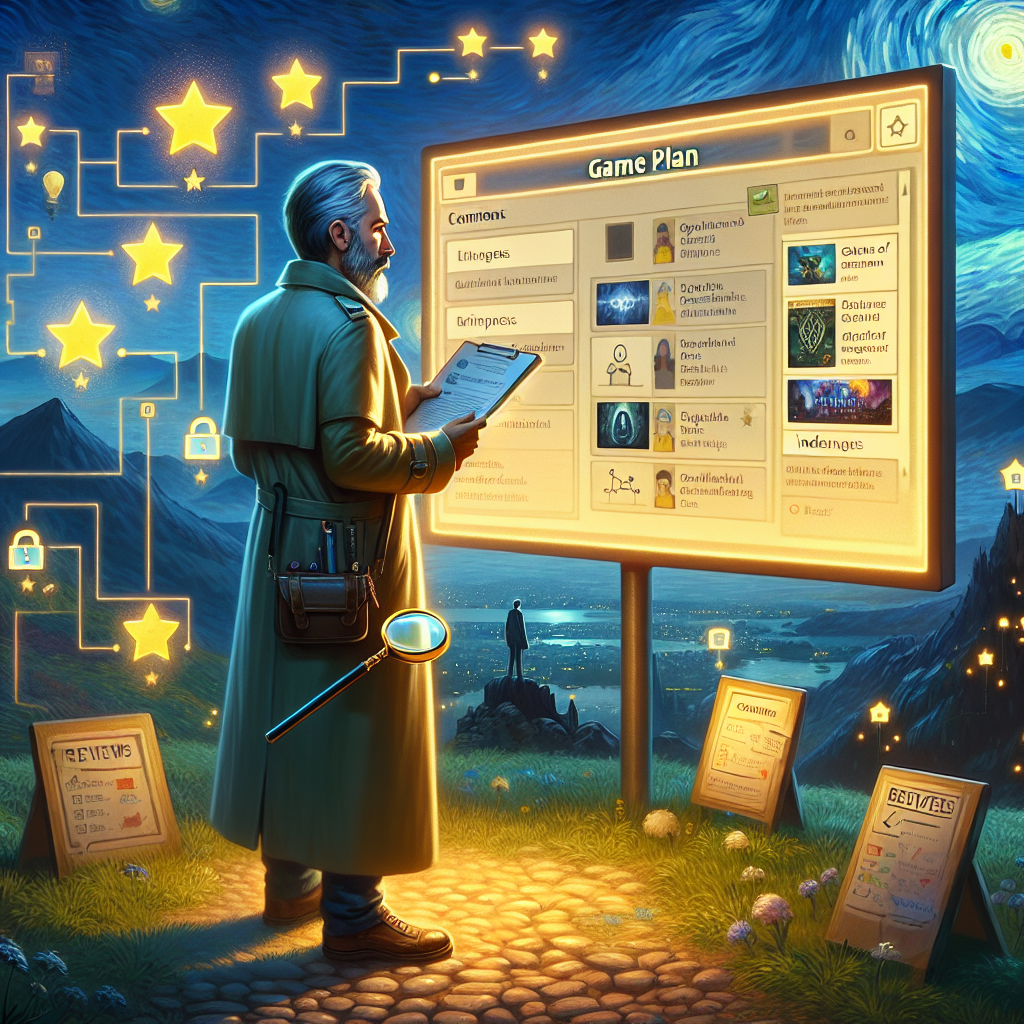
Are Children Developing Essential Skills Through Game-Based Learning?
Are There Negative Consequences Of Overusing Games In Education?
Are There Negative Consequences of Overusing Games in Education?
When you think about the classroom of the future, it’s easy to picture a world where students engage in wild game-based adventures, wielding virtual swords or solving mysteries through gamification. It’s got a nice ring to it, doesn’t it? But before we buy into the idea that more games always equal better education, let’s take a step back and consider the flip side of the coin.
Imagine a young student, bright-eyed and eager to learn. They log in to a brand-new educational game, engrossed in what feels like a virtual playground. The thrill of competition and the allure of rewards can be intoxicating, no doubt. Yet here lies the rub: as engagement rises, attention spans often dwindle. It’s a fine line we walk because when those game mechanics overshadow critical thinking and genuine problem-solving, we’re not just clouding the learning experience; we might be hindering it.
One common danger is the risk of overstimulation. In a world flooded with colors, sounds, and constant rewards, students can become desensitized. Think about it: when every small achievement is met with fireworks and fanfare, the true joy of mastering a concept can get lost in the noise. If education transforms into an endless loop of points and badges, students may start to view learning as a means to an end, rather than an intrinsic pursuit of knowledge. And that, my friends, could lead to a generation of learners who game the system instead of truly engaging with it.
Another concern lies in social interaction—or, more accurately, the lack thereof. Sure, digital games can foster competition and camaraderie, but if students spend hours behind screens, the crucial skills of collaboration and empathy may take a back seat. Real-life conversations, teamwork, and shared experiences are irreplaceable, and we should be wary of replacing those with avatars and leaderboards.
So, as we navigate the exciting intersection of education and gamification, let’s remain vigilant. While games can undoubtedly create an engaging landscape for learning, moderation and balance must be our guiding stars. Let’s harness the strengths of gamification without letting it overshadow the heart of education—curiosity, exploration, and that good ol’ human connection. With careful thought and consideration, we can ensure our classrooms remain vibrant ecosystems of learning, not just pixelated playgrounds.

Are There Negative Consequences Of Overusing Games In Education?
Are There Negative Consequences Of Overusing Games In Education?
- Engaging students through game-based education may have negative consequences.
- Increased engagement can lead to decreased attention spans, overshadowing critical thinking.
- Overstimulation from constant rewards can desensitize students to genuine learning experiences.
- Excess focus on points and badges may shift learning to a transactional mindset.
- Lack of social interaction can hinder development of collaboration and empathy skills.
- Real-life conversations and teamwork are essential and should not be replaced by digital interactions.
- Moderation and balance are key to ensuring that gamification enhances, rather than detracts from, education.

Are There Negative Consequences Of Overusing Games In Education?
Conclusion
As we wrap things up, let’s take a moment to assess the gaming phenomenon that’s reshaping how our kids learn and grow. Now, I’m not here to dismiss the value of games altogether—after all, there’s something undeniably engaging about working through digital puzzles and challenges. But let’s keep our eyes wide open about the potential pitfalls of relying too heavily on this trend, shall we?
Gone are the days when children played outside until the sun dipped below the horizon. Nowadays, they’re navigating digital landscapes instead of climbing trees or riding bikes. And while gamification has brought a fresh twist to education—turning dull facts into thrilling quests—we must ask ourselves: is this a trade-off worth making? Sure, kids might be leveling up in their gaming worlds, but are they leveling up in real life?
Games can cultivate critical thinking and problem-solving skills, transforming complex concepts into captivating challenges. Yet, if we’re not careful, we risk turning these digital adventures into a crutch. When kids learn to solve riddles for points rather than for the sheer joy of discovery, we strip away the genuine lessons learned through struggle. The key moments—the ones that build resilience and foster critical thinking—get overshadowed by flashy achievements and glittery rewards.
So, how do we find that magical balance? For one, let’s embrace the fun of games while not losing sight of the value of real-world experiences. Kids need to engage with challenges that don’t come with a leaderboard. They should grapple with tough questions, face failures head-on, and learn to deal with the messiness of life. This kind of growth is irreplaceable.
Next time you’re supervising a gaming session or sitting with your kids at the dinner table, encourage conversations about their experiences. Let them know that it’s okay to struggle and that every lost battle is just another step toward mastering the art of problem-solving. Riddles, challenges, and even the occasional frustration can be valuable teachers.
In the end, while the digital landscape will undoubtedly continue to evolve, let’s ensure that we are nurturing a generation of thinkers, dreamers, and doers—not just players chasing point totals. When we strike this balance, we’ll not only elevate our kids’ learning experiences but better prepare them to thrive in the complex world ahead. Remember, it’s not just about winning the game—it’s about making the journey count.

Conclusion
Conclusion:
- The gaming phenomenon is transforming children’s learning and growth.
- Games engage kids through digital puzzles, but overreliance can be problematic.
- Modern kids are less active outdoors, focusing more on digital environments.
- While gamification makes learning fun, it raises questions about real-life growth.
- Games can enhance critical thinking, but may also create a reliance on rewards.
- Balance is necessary: encourage real-world challenges alongside gaming.
- Fostering discussions about struggles can teach resilience and problem-solving.

Conclusion
Other Resources

Other Resources
Here is a list of other resources you can review online to learn more:
- Repos Production
- Rummy
- The Crew: The Quest for Planet Nine
- War of the Ring (Second Edition)
- Dominion: Prosperity (Second Edition)
- Spirit Island
- Flickr
- Canasta
- Amigo Spiele
- Scythe
Use This Prompt To Get More Resources With Your Favorite Online AI Tool: Please provide me with a list of online articles with their URLs in a bulleted list that I can read regarding Are We Failing Kids By Relying on Games to Solve Riddles?

Other Resources
Glossary Terms
Are We Failing Kids By Relying on Games to Solve Riddles? – Glossary Of Terms
1. Riddles: Puzzles or questions that require ingenious thinking to solve, often employing wordplay or ambiguity.
2. Critical Thinking: The ability to analyze facts to form a judgment; skills often developed through challenges like riddles.
3. Game-Based Learning: An educational approach where games are utilized to facilitate learning and mastery of concepts.
4. Engagement: The degree of attention, curiosity, and interest that a student exhibits towards learning activities.
5. Skill Development: The process of improving one’s abilities in various areas, such as problem-solving, logic, and reasoning.
6. Cognitive Skills: Mental capabilities that include thinking, reasoning, problem-solving, and understanding.
7. Motivation: The driving force behind individuals’ actions, often enhanced when learning is combined with play or games.
8. Educational Games: Games specifically designed to teach or reinforce knowledge in a particular subject.
9. Over-Reliance: Dependence on a single method or tool, potentially leading to neglect of other important learning strategies.
10. Learning Styles: Individual preferences in the way participants absorb, process, and retain information.
11. Digital Literacy: The ability to effectively and critically navigate, evaluate, and create information using a range of digital technologies.
12. Social Skills: Abilities that facilitate interpersonal interactions, which can be developed through collaborative games and riddles.
13. Problem-Solving: The process of finding solutions to difficult or complex issues, often enhanced by engaging in riddles and puzzles.
14. Educational Equity: Ensuring all students have access to the same high-quality educational resources and opportunities, regardless of their background.
15. Skill Transfer: The ability to apply skills learned in one context to different but related contexts, such as using game strategies in real-life problem-solving.
16. Collaborative Learning: An educational approach where learners work together to solve problems or complete tasks, often involving games.
17. Attention Span: The length of time a student can concentrate on a task, which may be affected by the reliance on games for learning.
18. Motivational Theory: Frameworks used to understand what prompts individuals to engage in specific behaviors, such as learning.
19. Intrinsic Motivation: Engagement in activities for their own sake, rather than for some separate consequence; can be fostered by interesting games.
20. Extrinsic Motivation: Motivation driven by external rewards such as grades, prizes, or accolades rather than internal satisfaction.
21. Feedback Mechanism: Processes through which learners receive information on their performance, crucial for growth and improvement.
22. Learning Outcomes: The measurable skills, knowledge, and attitudes that students are expected to achieve through educational experiences.
23. Neuroplasticity: The brain’s ability to reorganize itself by forming new neural connections, a crucial aspect of learning and adaptation.
24. Cognitive Overload: A state where an individual becomes overwhelmed by too much information, leading to decreased learning efficiency.
25. Digital Divide: The gap between those who have easy access to digital technology and those who do not, impacting education through games.
26. Gamification: The application of game-design elements in non-game contexts to enhance engagement and learning.
27. Emotional Intelligence: The capacity to be aware of, control, and express one’s emotions, which can be developed through interactive games and social riddles.
28. Resilience: The ability to recover from setbacks; solving riddles and engaging in games can foster this trait in children.
29. Curiosity: A desire to learn or know more about something, which games can naturally stimulate through challenges and exploration.
30. Holistic Development: An educational approach focusing on the overall growth of a child, including cognitive, emotional, social, and physical aspects, challenging the efficacy of relying solely on games for learning.

Glossary Of Terms
Other Questions
Are We Failing Kids By Relying on Games to Solve Riddles? – Other Questions
If you wish to explore and discover more, consider looking for answers to these questions:
- What are the long-term effects of gamification on children’s learning and development?
- How can parents assess the quality and educational value of games?
- What alternative methods exist for teaching critical thinking skills besides gamification?
- How can educators balance game-based learning with traditional teaching methods?
- What types of games are most effective for different age groups?
- Are there specific skills that are better taught through traditional methods compared to games?
- What role do parents play in moderating game use and promoting real-world problem solving?
- How can games be designed to encourage persistence in the face of failure?
- What examples exist of successful gamification in educational settings?
- How can we support children who struggle with riddles or challenges in games?
- What research supports the effectiveness of educational games in fostering critical thinking?
- Are there age-appropriate guidelines for introducing gamified learning to children?
- How do cultural differences influence the perception of education and gaming?
- What can be done to prevent overreliance on games in educational environments?
- How can we measure the educational outcomes of game-based learning initiatives?

Other Questions
Haiku
Are We Failing Kids By Relying on Games to Solve Riddles? – A Haiku
Games entice and teach,
But balance must guide their use—
Life’s riddles unfold.

Haiku
Poem
Are We Failing Kids By Relying on Games to Solve Riddles? – A Poem
In a world where screens now reign,
Where children play their digital game,
Are we fostering minds with complex thoughts,
Or merely honing skills that do not connect the dots?
Adventures beckon with rewards so bright,
Yet the depth of learning can fade from sight.
Gamification brings joy, a thrilling delight,
But let’s ponder if it’s leading our kids to the light.
For every riddle solved and badge accrued,
Could we be losing lessons that are truly imbued?
Struggles, failures, the messiness of life,
Are the forge for resilience—our growth through strife.
A puzzle tossed without guidance or frame,
Turns into a quest where we praise the game,
Yet wisdom lies not just within scores or plays,
But in grappling with challenges that life displays.
And so, we must balance fun with the quest,
To nurture the thinkers—the brightest, the best.
Embrace the games, but hold true to the core,
Encourage exploration, let curiosity soar.
From little kids laughing, to teens taking charge,
Every age group finds meaning—each challenge at large.
In riddles and play, profound learning unfolds,
Connecting generations with stories retold.
But beware of the pitfalls—too much can distract,
For learning’s not thriving with only rewards stacked.
Fostering skills when engagement is done,
Is a game worth playing, where all can have fun.
So let’s guide our young ones through this playful haze,
With balance and insight, lighting learning ways.
In the interplay of joy and genuine quest,
We’ll shape our tomorrow, our children’s best.

Poem
Checklist
Are We Failing Kids By Relying on Games to Solve Riddles? – A Checklist
Checklist: Balancing Games and Learning for Child Development
1. Assess the Value of Games in Education:
_____ Are the games age-appropriate for the learners?
_____ Do games integrate educational content in a meaningful way?
_____ Are students engaged and interested in the game?
2. Encourage Critical Thinking:
_____ Do the games prompt analytical and strategic thinking?
_____ Are learners required to solve problems beyond just game mechanics?
_____ Are there opportunities for students to discuss their thought processes?
3. Provide Equal Opportunities for Failure and Success:
_____ Do students have a safe space to fail without negative consequences?
_____ Is there an emphasis on learning from mistakes and successes?
_____ Are struggles recognized as part of the learning journey?
4. Foster Real-World Connections:
_____ Are learners encouraged to apply skills and knowledge gained from games to real-life situations?
_____ Are there discussions that connect game challenges to everyday problems?
_____ Do activities balance gamification with hands-on experiences?
5. Monitor Engagement and Attention:
_____ Are attention spans being maintained during game-based learning?
_____ Is there a plan to incorporate breaks and offline activities?
_____ Are learners encouraged to reflect on their learning experiences?
6. Promote Social Interaction:
_____ Are games facilitating collaboration and teamwork?
_____ Are there structured opportunities for face-to-face discussions and activities?
_____ Are students encouraged to share their gaming experiences and insights?
7. Balance Fun with Educational Value:
_____ Are the fun elements of the game monitored to ensure educational objectives are met?
_____ Can the learning objectives be achieved through non-gaming methods as well?
_____ Is there a variety of activities beyond gaming to support diverse learning styles?
8. Evaluate Progress and Feedback:
_____ Are learners receiving regular and constructive feedback on their performance?
_____ Are there measurable outcomes tied to game-based learning?
_____ Is student progress tracked to ensure skills are being developed?
9. Foster a Growth Mindset:
_____ Are learners encouraged to view challenges as opportunities for growth?
_____ Do teachers model a positive attitude towards learning and perseverance?
_____ Are stories of overcoming difficulties discussed in the classroom?
10. Reflect and Revise:
_____ Are the games and strategies continuously evaluated for effectiveness?
_____ Is there a mechanism for feedback from students about their gaming experiences?
_____ Are adjustments made to the approach based on student needs and progress?
This checklist can help educators and parents balance the use of games in learning, ensuring that children develop essential skills while enjoying the learning experience.

Checklist
At HowDoYouGame, we help people who love board games by collating information and news about games.
Be sure to read our other related stories at HowDoYouGame to learn more about games.