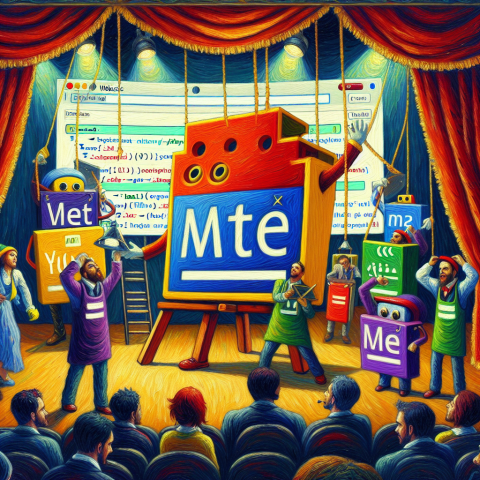

Unlocking Problem Solving Skills In Video Games
By Tom Seest
At HowDoYouGame, we help people who love board games by collating information and news about games.
Be sure to read our other related stories at HowDoYouGame to learn more about games.
Are Problem Solving Skills Hidden In Popular Video Games?
Let’s take a moment to dive into a world that’s often dismissed as mere entertainment—a landscape where creativity meets challenge, and where problem-solving skills sharpen unannounced. As you pull up a chair and boot up that gaming console, you might find yourself on more than just a whimsical journey. Believe it or not, you’re also entering a playground of gamification, where the real challenges might just mirror those in everyday life.
Think about it: you’ve just donned your headset, and suddenly, you’re thrown into an epic quest. Each challenge you face forces you to think critically and make choices that can lead to victory or, well, a spectacular failure. From solving intricate puzzles in a sprawling dungeon to strategizing your next move in a high-stakes multiplayer showdown, each task is a miniature version of the problems we tackle outside the digital realm. Whether you’re orchestrating your team’s next move in a first-person shooter or navigating the complexities of a city-building simulation, the skills you cultivate—and maybe take for granted—are incredibly valuable.
But what’s the secret sauce?
In the heart of these pixelated adventures lies an intricate web designed to engage and challenge. This is the magic of gamification. It’s not just about getting from one level to another; it’s about learning to adapt, to innovate, and to problem-solve under pressure. Each experience molds your mental flexibility and hones your ability to analyze complex scenarios quickly—just like life throws at you.
Now, picture yourself in a real-world situation. Perhaps it’s a disagreement with a coworker or a glitch in your weekend plans. You find yourself tapping into the same abilities you exercised in that last gaming marathon. The creativity, the strategic thinking, the patience—all honed through what some might dismiss as “just gaming.”
So, the next time someone rolls their eyes at your hobby, share the truth: those hours spent exploring virtual worlds are, in fact, hours spent crafting skills that translate to real life. They’re not just a way to disconnect; they’re a workshop for your mind. So grab that controller—be ready to tackle challenges—and embrace the idea that fun and learning often walk hand in hand. Your problem-solving competence is waiting just around the corner of the next level.

Are Problem Solving Skills Hidden In Popular Video Games?
Are Problem Solving Skills Hidden In Popular Video Games?
- Gaming is often seen as mere entertainment but offers valuable life skills.
- In games, players face challenges that require critical thinking and decision-making.
- Activities like solving puzzles and strategizing enhance real-world problem-solving abilities.
- Gamification engages and challenges users, promoting adaptability and innovation.
- Skills developed in gaming, such as creativity and strategic thinking, can be applied to real-life situations.
- Exploring virtual worlds helps cultivate mental flexibility and quick analysis of complex scenarios.
- Gaming can serve as a workshop for honing life skills, merging fun with learning.

Are Problem Solving Skills Hidden In Popular Video Games?
Table Of Contents
- Are Problem Solving Skills Hidden In Popular Video Games?
- Are Video Games Effective Tools For Enhancing Problem-Solving Skills?
- Which Popular Video Games Promote Critical Thinking And Strategy?
- How Do Puzzle Games Improve Cognitive Problem-Solving Abilities?
- What Role Do Challenges In Games Play In Skill Development?
- How Do Narrative-Driven Games Foster Analytical Thinking?
- What Research Supports The Link Between Gaming And Problem-Solving?
- How Can Parents Encourage Problem-Solving Through Video Games?
- Conclusion
- Other Resources
- Glossary Of Terms
- Other Questions
- Haiku
- Poem
- Checklist
Are Video Games Effective Tools For Enhancing Problem-Solving Skills?
When you think about video games, the first thing that often jumps to mind is escapism. We dive into fantastical worlds, battling dragons or saving kingdoms, momentarily escaping the daily grind. But what if I told you there’s more to those epic quests than just passing the time? Let’s take a closer look at how these digital adventures—through the art of gamification—can be effective tools for enhancing our problem-solving skills.
At the heart of a great video game lies a series of challenges. These aren’t just random obstacles; they’re carefully designed puzzles that demand creativity, critical thinking, and perseverance. Picture yourself navigating a complex maze in a platformer or crafting intricate strategies in a real-time strategy game. Each time you’re faced with a setback—like losing a life or failing to gather enough resources—you’re required to reassess your approach. It’s not just about reflexes; it’s about working through problems, testing hypotheses, and learning from mistakes. This is where the magic happens.
Many of us have encountered real-life problems that feel just as daunting as a boss battle. Whether it’s troubleshooting a stubborn appliance, solving a complex work project, or even managing your time more effectively, these challenges often require that very same iterative thinking video games promote. Engaging in games that utilize gamification taps into the inherent human desire to solve problems. The thrill of advancing to the next level or achieving a high score motivates us to strive for new solutions rather than shying away from difficulties.
Now, you might be thinking, “Sure, they’re fun, but can video games really help me think differently?” Well, research has shown that playing games can improve cognitive skills, enhancing everything from spatial awareness to strategic planning. Imagine sharpening your mind while navigating through intricate designs or analyzing risk versus reward in a bustling virtual marketplace. The skills you hone while immersed in a game can transcend the screen and apply to the everyday trials we face.
So, maybe it’s time to shift our perspective. Instead of viewing video games merely as pastimes, let’s consider them for what they truly are: dynamic platforms for learning and development. Dive into those worlds, tackle the challenges head-on, and let the experience mold your problem-solving abilities. When the next real-world obstacle comes your way, you might just find yourself equipped with newfound confidence and creativity. Embrace that courage; the next big quest awaits!

Are Video Games Effective Tools For Enhancing Problem-Solving Skills?
Are Video Games Effective Tools For Enhancing Problem-Solving Skills?
- Video games offer more than escapism; they enhance problem-solving skills through gamification.
- Each game presents challenges that require creativity, critical thinking, and perseverance.
- Players often must reassess strategies when faced with setbacks, promoting iterative thinking.
- Real-life problems can mirror the challenging situations encountered in video games.
- Engaging with games satisfies the human desire to solve complex problems and motivates progress.
- Research indicates that video games can improve cognitive skills like spatial awareness and strategic planning.
- Viewing video games as dynamic learning platforms can boost confidence and creativity in real-world challenges.

Are Video Games Effective Tools For Enhancing Problem-Solving Skills?
Which Popular Video Games Promote Critical Thinking And Strategy?
In the bustling realm of video games, where flashy graphics and immersive worlds often steal the spotlight, it’s easy to overlook the brainpower tucked away in many of these digital experiences. But today, let’s kick back and chat about a few gems that not only entertain but also cultivate critical thinking and strategic prowess.
Imagine diving into a game where every choice you make has consequences—welcome to the world of *Total War*. In this series, you don’t just command armies; you balance diplomacy, economy, and military strategies to dominate your opponents. Each move requires you to predict your rival’s actions, making it a real exercise in foresight and cunning. You’re not merely a player; you’re a tactician, maneuvering through a multi-layered chessboard of conflict and strategy.
Now let’s shift gears to *Portal* and its mind-bending puzzles. This isn’t just about blasting from one end of a room to another; it’s a masterclass in lateral thinking. Each puzzle forces you to step outside your usual patterns of thought. You’ll find yourself not just solving puzzles but cultivating the habit of looking at problems from different angles. It’s gamification at its finest—turning intellectual challenges into an engaging quest.
Speaking of quests, *Civilization* invites you to build empires, but don’t be fooled into thinking it’s all about expansion. Success hinges on understanding the strengths and weaknesses of different cultures, balancing resources, and managing relationships. It’s a crash course in global strategy, teaching you to think not only about the “here and now” but also about the long road ahead.
And let’s not forget *The Legend of Zelda: Breath of the Wild*. This beauty is a sandbox of exploration and problem-solving where players must experiment with physics, plan intricate strategies for defeating enemies, and discover magical combinations to unlock new paths. The open-world environment encourages curiosity and creativity, fostering a rich, organic learning experience.
In embracing these games, you’re diving into worlds that promote the very skills that employers and educators rave about—critical thinking, strategic planning, and adaptability. So why not grab that controller or fire up your PC? Engage your mind while having a blast, because in this ever-evolving landscape, strategic thinkers are bound to emerge victorious, both in the game and in life!

Which Popular Video Games Promote Critical Thinking And Strategy?
Which Popular Video Games Promote Critical Thinking And Strategy?
- Video games can cultivate critical thinking and strategic prowess beyond mere entertainment.
- *Total War* challenges players to balance diplomacy, economy, and military strategies, enhancing foresight and cunning.
- *Portal* offers mind-bending puzzles that develop lateral thinking and problem-solving skills.
- *Civilization* teaches global strategy by requiring players to understand cultures, manage resources, and consider long-term effects.
- *The Legend of Zelda: Breath of the Wild* encourages experimentation with physics and creative problem-solving in a sandbox environment.
- Engaging with these games promotes skills valued by employers and educators, such as critical thinking and adaptability.
- Playing these games can be both enjoyable and intellectually enriching, contributing to success in various facets of life.

Which Popular Video Games Promote Critical Thinking And Strategy?
How Do Puzzle Games Improve Cognitive Problem-Solving Abilities?
Let’s be honest—life can sometimes feel like a complex puzzle, with pieces that just don’t seem to fit together no matter how hard you try. Enter puzzle games: those delightful brain teasers that serve more than just entertainment. They’re your trusty sidekick in the adventure of improving cognitive problem-solving abilities, and they do it in a surprisingly enjoyable way.
Picture this: you settle down for a relaxing evening and pick up your favorite puzzle game—whether it’s a crossword, Sudoku, or the latest app that’s taken the world by storm. This isn’t merely idle time; it’s a strategic workout for your brain. It’s the perfect blend of gamification and skill enhancement, making you not just a player but an active participant in your growth.
As you navigate through those tricky levels, your brain is hard at work, developing essential problem-solving skills. Each challenge forces you to think critically, analyze potential outcomes, and make decisions under pressure—skills that translate seamlessly into real-life situations. Need to figure out how to manage your time at work? Or perhaps solve a disagreement with a friend? The cognitive flexibility you gain from puzzle games has your back.
But it doesn’t stop there. The sense of accomplishment that washes over you after solving a particularly difficult puzzle is akin to finishing a major project. It fosters a growth mindset, teaching you that persistence pays off. Mistakes along the way? They’re just stepping stones, not stopping blocks. You learn to iterate, refine your approach, and tackle challenges head-on.
Moreover, puzzle games provide a much-needed break from our digital chaos. In a world filled with endless notifications and rapid-fire news cycles, carving out time for a good puzzle can bring a sense of focus and clarity. This mental reprieve rejuvenates your cognitive processes, allowing you to return to daily dilemmas with fresh eyes and renewed energy.
So, why not set aside a few minutes today for a little brain gym session? You may find that those seemingly simple games are more powerful tools for honing your problem-solving abilities than you ever imagined. Embrace the challenge, enjoy the journey, and you might just find yourself piecing together more than just puzzles. You could be piecing together the intricate puzzle of life itself. Happy puzzling!

How Do Puzzle Games Improve Cognitive Problem-Solving Abilities?
How Do Puzzle Games Improve Cognitive Problem-Solving Abilities?
- Puzzle games act as enjoyable brain teasers that improve cognitive problem-solving abilities.
- Engaging in puzzle games is a strategic workout for the brain, blending gamification with skill enhancement.
- They help develop critical thinking, outcome analysis, and decision-making skills that apply to real-life situations.
- Solving difficult puzzles fosters a growth mindset, reinforcing the value of persistence and learning from mistakes.
- Puzzle games offer a mental reprieve from digital distractions, providing focus and clarity.
- Taking time for puzzles rejuvenates cognitive processes, helping tackle daily dilemmas with renewed energy.
- Puzzle games are powerful tools for honing problem-solving abilities, encouraging both enjoyment and personal growth.

How Do Puzzle Games Improve Cognitive Problem-Solving Abilities?
What Role Do Challenges In Games Play In Skill Development?
Let’s dive into the world of challenges in games and uncover their hidden gems. Now, you might think of a video game as just a way to pass the time, but that’s like seeing a diamond without recognizing its cut. Challenges in games are not merely obstacles; they’re structured experiences that propel us toward growth and mastery, much like the challenges we face in real life.
Consider the concept of gamification. It’s where elements typical of game design—like points, leaderboards, and yes, challenges—are applied to various aspects of life, from education to workplace training. It’s essential because it engages us in a way that traditional methods often fail to do. You see, when faced with challenges, whether it’s climbing a digital mountain or solving a complex puzzle, we experience a tangible sense of accomplishment that spills over into our daily lives.
Think back to your last gaming session. Were you ever stuck on a particular level? Frustration might have seeped in, but here’s the twist: that same frustration is a transformative tool. It pushes you to refine your strategies, fosters resilience, and teaches you the art of problem-solving. This process mimics tackling hurdles we encounter in the workforce or personal projects, where the stakes might not be scoring points, but rather honing skills that genuinely matter.
And let’s not forget the social aspect. Many games encourage collaboration, placing teams in scenarios where communication and cooperation are essential. This social engagement builds interpersonal skills that are invaluable as we navigate the complexities of working with diverse individuals in various settings. It teaches us empathy, patience, and negotiation—skills that invite trust and strengthen connections.
But here’s the kicker: embracing challenges in games instills a sense of confidence. Each time you conquer a tough level or work together with friends to achieve a common goal, you’re not just playing; you’re preparing. You’re training your brain to think outside the box, adapt, and tackle real-world challenges head-on.
So, next time you sit down with your favorite game, remember that you’re not just playing. You’re sharpening, growing, and evolving. Whether it leads to better performance at work, enhanced social skills, or simply a greater understanding of yourself, let those challenges fuel your journey. After all, if a game can teach us about perseverance and growth, just imagine what we can accomplish when we face challenges in our everyday lives.

What Role Do Challenges In Games Play In Skill Development?
What Role Do Challenges In Games Play In Skill Development?
- Challenges in games act as structured experiences that enhance personal growth and mastery.
- Gamification applies game design elements—such as points and challenges—to various life aspects, particularly in education and workplace training.
- Facing challenges in games provides a sense of accomplishment that translates into real-life benefits.
- Frustration encountered during gaming can be transformed into resilience and improved problem-solving skills.
- Games often promote social engagement, helping players develop essential interpersonal skills like empathy and cooperation.
- Overcoming challenges in games builds confidence and prepares players to face real-world obstacles effectively.
- Playing games nurtures personal growth, leading to enhanced performance in work and social situations.

What Role Do Challenges In Games Play In Skill Development?
How Do Narrative-Driven Games Foster Analytical Thinking?
Let’s be real: when most people hear the term “narrative-driven game,” they might picture a bunch of kids holed up in their living rooms, thumbs feverishly tapping at controllers. And sure, that’s part of it. But peel back the layers a bit, and you’ll find these games often immerse players in rich, compelling worlds—worlds where decisions matter, consequences loom large, and every choice can lead to unexpected outcomes. This isn’t just play; it’s an exercise in analytical thinking.
Imagine you’re a chief strategist in a grand adventure, faced with pivotal decisions that can shift the course of your entire mission. In these games, choices are rarely straightforward. Should you ally with a character who has a questionable past? What happens if you decide to betray them for short-term gain? Every action creates a ripple effect that not only tests your instincts but forces you to weigh options like a seasoned analyst. This isn’t merely entertainment; it’s gamification at its best—a structured way to develop skills while having a blast!
As you navigate through emotionally charged narratives, you’re encouraged to ponder dilemmas and explore various paths. Your brain lights up as you analyze relationships, strategize solutions, and anticipate reactions. It’s as though you’re being mentored by the game itself, gently guiding you to think deeper, weigh pros and cons, and explore new strategies. And the beauty of it all? These skills are transferable, helping you tackle real-world problems with a newfound clarity and purpose.
Now, let’s make one thing clear: this isn’t just a solo journey. It is a shared experience, a sort of modern campfire where friends gather and dissect every twist and turn of the story. Problem-solving doesn’t happen in isolation. In these narratives, players are encouraged to collaborate, fostering a community around both the highs and lows of decision-making. You draw insights from each other, enhancing your understanding of diverse perspectives, which is invaluable in all walks of life.
At its core, engaging with narrative-driven games nudges us to think critically, embracing the messiness of human interactions. So next time you find yourself lost in a virtual world, know that you’re not just playing—you’re developing your analytical prowess, one choice at a time. Dive in, explore, and let your mind expand in ways you never thought possible.

How Do Narrative-Driven Games Foster Analytical Thinking?
How Do Narrative-Driven Games Foster Analytical Thinking?
- Narrative-driven games go beyond entertainment, immersing players in rich, engaging worlds.
- Decisions in these games impact outcomes, promoting analytical thinking and strategic decision-making.
- Players face complex choices, weighing alliances and consequences, which enhances critical thinking skills.
- Emotionally charged narratives encourage reflection on relationships and problem-solving strategies.
- The multiplayer aspect fosters community and collaboration, enriching the overall gaming experience.
- Engaging in these games helps transfer skills to real-world situations, providing clarity and purpose.
- Narrative-driven games promote a deeper understanding of human interactions through critical engagement.

How Do Narrative-Driven Games Foster Analytical Thinking?
What Research Supports The Link Between Gaming And Problem-Solving?
Let’s take a moment to step back and appreciate the fascinating world of gaming and the treasure trove of studies that link it to enhanced problem-solving skills. You might think of gaming as pure entertainment, an escape into digital realms filled with dragons and quests, but research suggests it offers so much more.
Studies have shown that playing games—especially those designed with gamification principles—can sharpen our ability to think critically and tackle complex problems. What’s the magic behind this? Well, think about it: in most games, you’re not just killing time; you’re strategizing, planning, adjusting your tactics, and finding creative ways to overcome obstacles. It’s like a mini-lab where you can fail, learn, and improve—all while having a blast.
A prominent study from researchers at the University of Washington found that individuals who engaged with strategic games significantly outperformed their peers in tasks requiring higher-order thinking. What’s more, this isn’t limited to traditional video games. Board games, puzzle games, and even mobile games can teach us how to analyze situations, prioritize resources, and think ahead. Each of these activities cultivates resilience, critical thinking, and adaptability—all key components in effective problem-solving.
But wait, it gets even better. According to a 2019 study published in the journal *Computers & Education*, the incorporation of gamification elements—like point scoring, leaderboards, and timed challenges—into learning environments can boost student engagement and motivation. When we transform mundane tasks into something that feels akin to a gameplay experience, we tap into a powerful source of energy that fuels our desire to learn and adapt.
Imagine sitting with friends, immersed in a cooperative game that demands you to work together to overcome challenges. You’re not just having fun; you’re learning important social skills in negotiation, teamwork, and collective problem-solving. That camaraderie speaks to our human nature and reminds us that while we might be maneuvering through pixels on a screen, the lessons learned are ever so real.
So, whether you’re a weekend warrior or a casual gamer, remember that your time spent in these virtual domains is not just play but an investment in your brain’s ability to tackle life’s real challenges. It’s an exciting blend of fun and functionality, and research backs it up. Embrace it, and who knows? The next time you face a tricky problem in life, you might just find yourself channeling your inner gaming strategist.

What Research Supports The Link Between Gaming And Problem-Solving?
What Research Supports The Link Between Gaming And Problem-Solving?
- Gaming is more than just entertainment; it enhances problem-solving skills.
- Research shows that games help sharpen critical thinking and complex problem-solving abilities.
- Engagement with strategic games leads to improved higher-order thinking performance.
- Various types of games, including board and mobile games, promote analysis, resource prioritization, and forward-thinking.
- Incorporating gamification in learning boosts student engagement and motivation.
- Cooperative games enhance social skills such as negotiation, teamwork, and collective problem-solving.
- Time spent gaming is an investment in developing skills to tackle real-life challenges.

What Research Supports The Link Between Gaming And Problem-Solving?
How Can Parents Encourage Problem-Solving Through Video Games?
Alright, let’s dive into something that’s become a hot topic in parenting circles: video games. Now, before you roll your eyes and think I’m about to preach the perils of pixelated escapism, let’s turn that around. Picture this instead: not only can video games be entertaining, but they can also be powerful tools for nurturing essential problem-solving skills. That’s right, among the flashing pixels and tantalizing worlds, there’s a treasure trove of learning just waiting to be uncovered.
First things first, it’s all about perspective. We live in a digital age, and, love it or hate it, kids are going to engage with technology. So, why not make the most of it? Enter gamification—the art of applying game-like elements to everyday activities. Think of it as a secret recipe that can transform mundane challenges into exciting quests. It gets kids thinking critically and creatively about finding solutions.
Let’s say your child is stuck on a homework assignment. Instead of turning it into a dreary slog through worksheets, why not frame it as a “challenge” to conquer? Just like in a video game, they can level up their knowledge with each question they tackle. Help them see the assignment not just as a task but a bridging point to greater rewards—like earning screen time after reaching certain milestones. You’ll be amazed at how quickly a sense of determination kicks in when they feel like they’re embarking on an adventure.
Now, it’s not just about giving them free rein. Engage with them. Sit down and play a game together that emphasizes strategy and problem-solving, like puzzle games or cooperative adventures. Whether it’s plotting a strategy to outsmart an enemy or finding a creative way to solve a quest, your involvement demonstrates that teamwork and communication are vital. You’re not just a parent; you’re a partner in this fantastic journey.
And let’s not forget the conversations that bubble up after a game. Ask about their strategies, their thought processes, and the conclusions they reached. Get them talking about their triumphs and their failures. That will not only foster critical thinking but will also boost their confidence. Kids learn from setbacks, just like characters in their favorite games. Your encouragement during these moments reinforces resilience—a crucial life skill.
So there you have it, folks! By leveraging the captivating world of video games, you’re not just signing off on screen time; you’re investing in your child’s ability to tackle problems head-on, one pixel at a time. Embrace the adventure together, and watch them transform into the problem-solvers of tomorrow!

How Can Parents Encourage Problem-Solving Through Video Games?
How Can Parents Encourage Problem-Solving Through Video Games?
- Video games can be more than just entertainment; they are tools for developing problem-solving skills.
- Embrace the digital age and leverage technology through gamification, turning mundane tasks into exciting challenges.
- Frame homework as a “challenge” to make it engaging, encouraging kids to see it as an opportunity for rewards.
- Engage with children by playing strategy and problem-solving games together, enhancing teamwork and communication.
- Encourage conversations about game strategies and outcomes to foster critical thinking and build confidence.
- Support children in learning from setbacks, reinforcing resilience as a vital life skill.
- By using video games strategically, parents can help children develop essential problem-solving abilities for the future.

How Can Parents Encourage Problem-Solving Through Video Games?
Conclusion
As we wrap up this exploration into the world of video games and their unexpected role as training grounds for problem-solving skills, let’s take a moment to reflect on what we’ve uncovered. At first glance, video games may seem like mere distractions, an escape from reality where dragons are slayed, and kingdoms are built. But beneath the surface lies a rich tapestry of challenges and lessons, a playground where mental fortitude is forged and critical thinking is honed.
Picture this: the next time you’re immersed in a gripping narrative or tackling a complex puzzle, you’re not just fidgeting with a controller—you’re enhancing your cognitive acuity. Every challenge you encounter in those virtual worlds isn’t just a hurdle to jump over; it’s an opportunity for growth. Whether you’re strategizing in a multiplayer showdown, navigating intricate mazes, or engaging in analytical decision-making, you are training your brain.
Think about how these skills translate to real-life situations. That obstacle at work? The disagreement with a friend? The decision-making processes in your daily life? Just as you maneuver through levels in a game, you’re applying that same creative problem-solving mindset to your real-world challenges.
Let’s also appreciate the research backing up these claims. Studies indicate that player engagement in strategic games significantly correlates with improved critical thinking abilities. The art of gamification—integrating game-like elements into various aspects of life—has been shown to magnify motivation and retention of skills, making learning less about rote memorization and more about dynamic engagement.
And let’s not forget about the power of collaboration that many games foster. Playing alongside friends or family can teach invaluable social skills, empathy, and negotiation tactics. It’s a reminder that problem-solving is not just an isolated endeavor; it’s often best done in collaboration with others.
So, the next time someone casts judgment on your game time, consider sharing these insights. Those hours spent navigating pixels aren’t wasted; they’re crucial investments in your mental toolkit. Embrace the world of video games not just as a pastime, but as a notably effective platform for building the problem-solving prowess necessary for tackling life’s challenges.
In essence, to unlock your potential, pick up that controller with pride. Every virtual challenge you conquer isn’t just for fun—it’s preparation for real-life quests that lie ahead. Happy gaming, folks! Embrace the adventure, and revel in the skills you’ve cultivated along the way.

Conclusion
Conclusion:
- Video games serve as unexpected training grounds for problem-solving skills.
- They offer challenges and lessons that enhance mental fortitude and critical thinking.
- Engaging in gaming activities improves cognitive acuity through complex puzzles and narratives.
- Skills developed in games can be applied to real-life challenges, like workplace obstacles and personal conflicts.
- Research shows a correlation between strategic game engagement and improved critical thinking abilities.
- Collaboration in gaming fosters social skills, empathy, and negotiation tactics.
- Video gaming is a valuable investment in personal development and problem-solving capacity.

Conclusion
Other Resources

Other Resources
Here is a list of other resources you can review online to learn more:
- Dungeon Lords
- Greater Than Games
- The Voyages of Marco Polo
- Poker
- Leder Games
- Cool Mini or Not (CMON)
- Castles of Burgundy: The Dice Game
- Gloom
- The Mind
Use This Prompt To Get More Resources With Your Favorite Online AI Tool: Please provide me with a list of online articles with their URLs in a bulleted list that I can read regarding Are Problem Solving Skills Hidden In Popular Video Games?

Other Resources
Glossary Terms
Are Problem Solving Skills Hidden In Popular Video Games? – Glossary Of Terms
1. Adaptability: The ability to adjust strategies in response to new challenges or changes within the game environment.
2. Cognitive Flexibility: The mental skill to switch between thinking about different concepts or to think about multiple concepts simultaneously, often essential in puzzles and strategy games.
3. Critical Thinking: The process of analyzing facts to form a judgment; an essential skill for making strategic decisions in games.
4. Collaboration: Working with others to achieve a common goal, often seen in multiplayer games where teamwork is crucial for success.
5. Challenge: A difficulty or obstacle that requires problem-solving to overcome, often central to game mechanics.
6. Complexity: The intricacies of game systems, which often require players to navigate multiple variables to achieve objectives.
7. Cues: Signals or hints within the game that provide players with information necessary to solve problems or puzzles.
8. Decision-Making: The process of making choices based on available information and options, which is critical in gameplay.
9. Feedback: Information provided to the player about their actions, helping them refine their strategies and improve their problem-solving skills.
10. Game Mechanics: The rules and systems that govern player interaction, which can create opportunities for problem-solving.
11. Heuristics: Simple, efficient rules or mental shortcuts used to make decisions quickly within a game context.
12. Immersion: The level of engagement a player feels with the game world, which can enhance their ability to solve problems creatively.
13. Logic: The reasoning used in games to solve puzzles or strategize; often involves deductive reasoning skills.
14. Multiplayer Dynamics: The interaction between players in a multiplayer setting, which can foster collaborative problem-solving.
15. Narrative Density: The richness of the storyline, which can add layers to problem-solving tasks by integrating plot-related challenges.
16. Observation: The skill of noticing details or patterns that can lead to solutions, essential in exploratory or puzzle-based games.
17. Player Agency: The degree to which players feel they can make meaningful choices that impact the game’s outcome, influencing problem-solving engagement.
18. Puzzle-Solving: The process of finding solutions to challenges presented in the game, often highlighting a player’s logical thinking ability.
19. Resource Management: The ability to allocate and utilize in-game resources effectively to achieve objectives, often requiring strategic planning.
20. Scenario Analysis: Evaluating different outcomes based on player choices to determine the best course of action in gameplay.
21. Skill Trees: Systems that allow players to develop specific abilities, promoting strategic planning and forward-thinking as they solve problems.
22. Spatial Awareness: Understanding and visualizing the positioning and movement of objects in the game world, which is vital for navigation and strategy.
23. Strategy: A plan of action designed to achieve a long-term aim in games, illustrating complex problem-solving processes.
24. Systematic Thinking: An organized approach to problem-solving that breaks down challenges into manageable parts.
25. Tactics: The specific actions taken to implement a strategy in-game, often requiring immediate problem-solving skills.
26. Trial and Error: A fundamental learning process in games where players experiment with different approaches to solve challenges.
27. User Interface (UI): The interactive element through which players engage with the game, influencing how information is absorbed for problem-solving.
28. Victory Conditions: The requirements needed to win a game, which often dictate the problem-solving methods players must employ.
29. Virtual Environment: The digital realm in which gameplay occurs, providing a context for problem-solving experiences through exploration and interaction.
30. World-Building: The creation of a game’s universe and rules, which can present unique problem-solving scenarios that reflect real-world issues.

Glossary Of Terms
Other Questions
Are Problem Solving Skills Hidden In Popular Video Games? – Other Questions
If you wish to explore and discover more, consider looking for answers to these questions:
- What specific problem-solving skills can be developed through gaming?
- How do different genres of video games contribute to skill acquisition?
- Are there particular age groups that benefit more from gaming?
- How can educators integrate video games into their teaching methodologies?
- What are some examples of video games that focus on teamwork and collaboration?
- Can video games reinforce negative behaviors in problem-solving?
- How does prolonged gaming affect cognitive flexibility and critical thinking skills?
- Is there a difference in problem-solving skills acquired through single-player vs. multiplayer games?
- How can parents choose appropriate video games that promote learning?
- What research has been conducted on the long-term effects of gaming on problem-solving abilities?
- Are there specific puzzles or challenges within games that are particularly effective for skill development?
- How can video games be used to support mental health alongside skill development?

Other Questions
Haiku
Are Problem Solving Skills Hidden In Popular Video Games? – A Haiku
Gaming landscapes thrive,
Problem-solving takes its form—
Skills shaped in pixels.

Haiku
Poem
Are Problem Solving Skills Hidden In Popular Video Games? – A Poem
Pixels of Progress: A Gaming Ode
In a realm where pixels dance and play,
Lies a world of challenge, lessons at bay.
Not just escape in virtual lands,
But treasures of skill in our able hands.
With each quest and puzzle, the mind takes flight,
Critical thinking ignites, sharp and bright.
From dungeons deep to empires wide,
We navigate trials, our intellects guide.
Every setback a step toward the prize,
Refining our strategies, wise and precise.
In battles fought, or cities built,
Courage and patience crafted with skill.
Puzzle games whisper with gentle embrace,
Encouraging growth in a thrilling race.
From Sudoku’s grids to crosswords’ quests,
Cognitive workouts that put us to tests.
Narratives twist in stories we weave,
Where choices matter, and we learn to believe,
In the power of thought, in friends we confide,
Together as teams, in adventures we stride.
Research unfolds the magic within,
Video games teach us how to begin.
From sharp wits to strategies grand,
Life’s puzzles become easier to withstand.
So parents unite! Embrace the delight,
In games as a guide, our children take flight.
For within the console, lessons abound,
A workshop of minds where solutions are found.
Pixels of progress, a journey so bright,
Dare to engage in the fun and the fight.
In every level, let skills intertwine,
In gaming we find the stars will align.

Poem
Checklist
Are Problem Solving Skills Hidden In Popular Video Games? – A Checklist
Checklist: Unlocking Problem Solving Skills Through Video Games
Understanding the Benefits of Video Games
_____ Recognize the Importance: Acknowledge that video games can improve creativity and problem-solving skills.
_____ Identify the Learning Experience: Understand that many challenges in video games mirror real-life problems.
_____ Shift Perspective: Reframe gaming time as an opportunity for personal growth and skill enhancement.
Engaging in Effective Video Game Experiences
_____ Choose the Right Games: Look for games that require critical thinking and strategic planning (e. g. , *Total War*, *Portal*, *Civilization*, *Breath of the Wild*).
_____ Explore Puzzle Games: Incorporate puzzle games in your routine to enhance cognitive flexibility (e. g. , Sudoku, crosswords, etc. ).
_____ Engage in Narrative-Driven Games: Select games with rich narratives that promote analytical thinking and decision-making (e. g. , role-playing games).
Maximizing Gaming for Skill Development
_____ Embrace Challenges: View game challenges as opportunities for growth and resilience-building.
_____ Participate in Cooperative Gameplay: Play multiplayer games to enhance teamwork and communication skills.
_____ Reflect on Experiences: Discuss game strategies with friends or family, analyzing successes and mistakes to learn from them.
Linking Virtual Skills to Real Life
_____ Translate Skills to Real-World Scenarios: Practice applying gaming strategies in everyday challenges (e. g. , conflict resolution, project management).
_____ Encourage a Growth Mindset: Recognize that mistakes during gameplay can lead to learning and improvement.
For Parents: Supporting Learning Through Gaming
_____ Frame Learning as a Game: Turn homework or chores into gamified challenges to motivate problem-solving.
_____ Engage Together: Play games with your child to facilitate learning through shared experiences.
_____ Discuss and Debrief: After playing, talk about the game’s challenges and strategies to enhance critical thinking and reinforce resilience.
Research and Development
_____ Stay Informed: Read about studies supporting the benefits of gaming for cognitive and problem-solving skills.
_____ Experiment with Gamification: Apply gamification elements (points, levels) to non-gaming tasks in everyday life.
Feel free to use this checklist as a companion tool to enhance your understanding of the relationship between video games and problem-solving skills!

Checklist
At HowDoYouGame, we help people who love board games by collating information and news about games.
Be sure to read our other related stories at HowDoYouGame to learn more about games.