Unlocking Child Development Through Gaming Strategies
By Tom Seest
At HowDoYouGame, we help people who love board games by collating information and news about games.
Be sure to read our other related stories at HowDoYouGame to learn more about games.
Are Gaming Strategies a Secret Tool for Child Development?
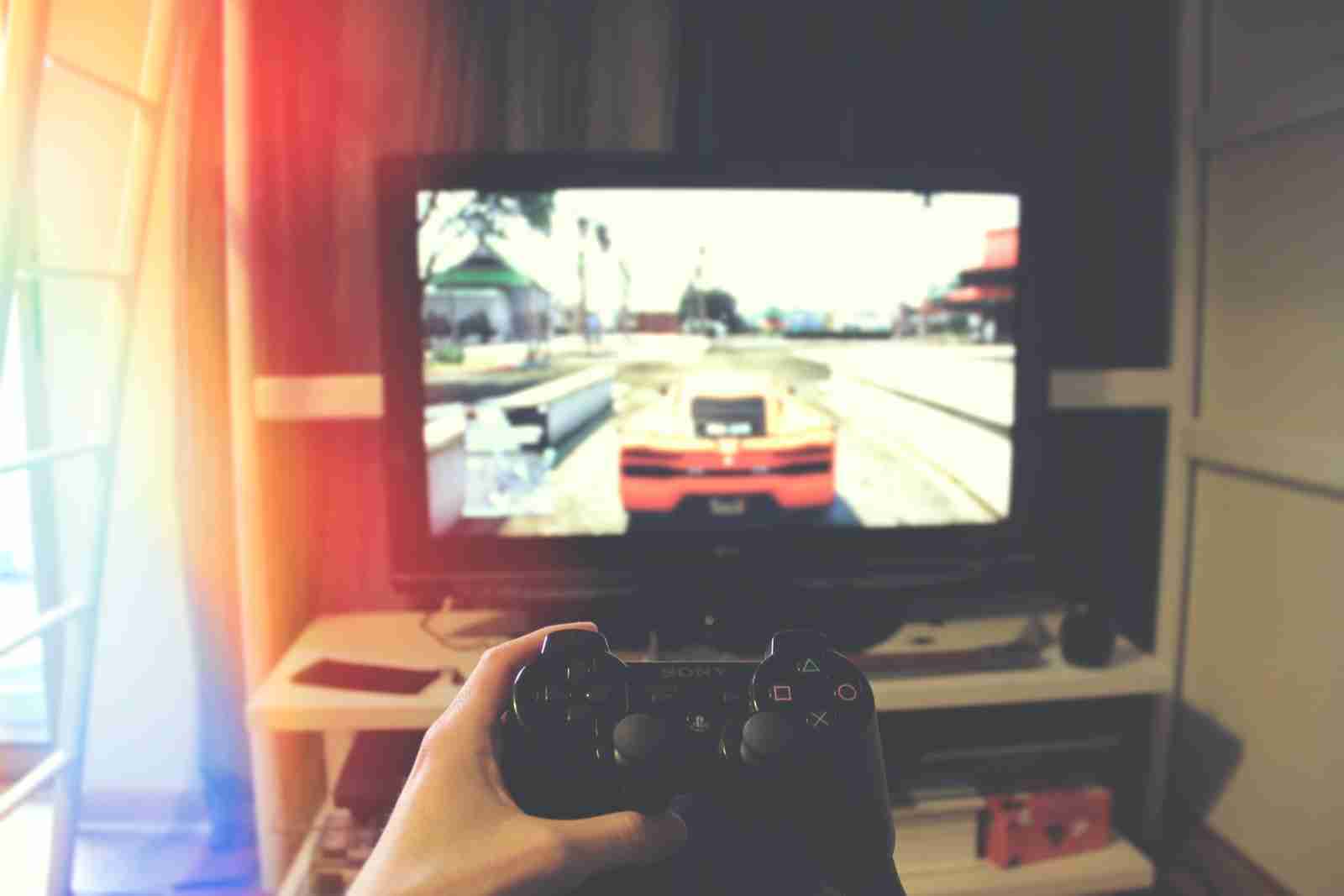
There’s a buzz going around these days, a casual chatter among parents and educators alike, about the power of gaming strategies—not the mindless button-mashing, but the intentional design behind those games. Let’s be real; when a kid picks up a controller, they’re not just playing a game—they’re stepping into a world where challenges become opportunities and failures are merely stepping stones toward success. It’s a bit like life, isn’t it?
At the heart of this phenomenon lies an incredible concept known as gamification. This isn’t just an industry buzzword; it’s a golden key that can unlock transformative experiences for children. You see, gamification involves integrating game-like elements into non-game contexts. Imagine turning math homework into a quest where each problem solved earns points or leveling up a reading assignment to conquer a dragon. Suddenly, learning feels less like a chore and more like an adventure. Kids engage willingly, motivated by a structure that rewards their hard work.
Now, don’t get me wrong—a gaming strategy can’t replace good parenting or quality education. It’s an added layer, a supplementary tool that helps children develop critical skills: problem-solving, teamwork, and resilience. Think about it: when a child plays a multiplayer online game, they’re learning to collaborate with teammates, make quick decisions, and adapt to ever-changing scenarios. Those are skills that will serve them well in any number of jobs or life situations down the road.
And if you’re a parent standing on the sidelines, feeling a tad skeptical, I get it. It’s easy to dismiss these games as mere distractions. But consider this: just as we gear up for a tough workout, creating a game-like atmosphere can prepare kids for the challenges of the real world. Who wouldn’t want to empower their child to tackle life’s hurdles with confidence, one playful challenge at a time?
So, the next time you see your child glued to a screen, take a moment to recognize the hidden possibilities. Those gaming strategies might just be a secret tool for development, nurturing skills that aren’t easily taught in a traditional classroom. Embrace the world of gamification and watch as your child transforms challenges into triumphs. After all, isn’t that the ultimate goal?

Are Gaming Strategies a Secret Tool for Child Development?
Are Gaming Strategies a Secret Tool for Child Development?
- The power of gaming strategies can transform the learning experience for children.
- Gamification involves integrating game-like elements into non-game contexts to enhance engagement.
- Learning through gamification can turn tasks like math and reading into exciting adventures.
- Gaming strategies supplement traditional parenting and education by developing critical skills like problem-solving and teamwork.
- Multiplayer online games teach children to collaborate, make quick decisions, and adapt to changing situations.
- Creating a game-like atmosphere can help prepare kids for real-world challenges and instill confidence.
- Recognizing the potential benefits of gaming strategies can help nurture skills that traditional classrooms may not address.

Are Gaming Strategies a Secret Tool for Child Development?
Table Of Contents
- Are Gaming Strategies a Secret Tool for Child Development?
- What Are The Key Gaming Strategies That Aid Child Development?
- How Do Gaming Strategies Impact Cognitive Skills In Children?
- Can Video Games Enhance Problem-Solving Abilities In Kids?
- What Role Does Teamwork In Gaming Play In Social Skills Development?
- How Can Gaming Promote Creativity And Critical Thinking In Children?
- Are There Specific Genres Of Games That Are More Beneficial For Kids?
- What Age Is Appropriate For Children To Start Gaming For Development?
- Conclusion
- Other Resources
- Glossary Of Terms
- Other Questions
- Haiku
- Poem
- Checklist
What Are The Key Gaming Strategies That Aid Child Development?
When you think of gaming, you might picture kids glued to screens, thumbs working overtime while their imaginations go dormant. But let’s pause for a moment. In today’s world, gaming is more than just pixels and sound effects — it’s a powerful tool for child development. I’m not just talking about mindless entertainment; I’m talking about strategically designed gameplay that engages young minds in ways we’re only beginning to understand.
Enter gamification: the art of applying game-design elements in non-game contexts. It’s like adding a sprinkle of magic to learning, transforming ordinary tasks into adventurous quests. Imagine a child tackling math problems as if they were solving a mystery in an enchanted forest. With every correct answer, they’re not just earning points; they’re building confidence, sharpening problem-solving skills, and overcoming challenges. Who knew equations could feel like the climax of a major video game battle?
Now, let’s talk about collaboration. Many modern games encourage teamwork. When kids band together to defeat a virtual enemy, they aren’t just firing imaginary arrows; they’re developing crucial social skills. They learn to communicate, negotiate, and strategize—skills that are cornerstone to thriving in the real world. These playful interactions are more than just moments of fun; they’re a practice ground for conflict resolution and friendship building.
Then there’s the element of resilience. Every gamer knows that failure is part of the journey. Those epic moments when they lose a level? They teach kids that setbacks are just stepping stones toward success. This idea — that it’s perfectly okay to fail, as long as you keep trying — cultivates a growth mindset. It nudges them to tackle challenges head-on and not shy away when things get tough.
And let’s not overlook the sparks of creativity ignited in open-world games or building simulators. When kids are set loose in a virtual playground, their imaginations soar. They aren’t just passive participants; they’re architects of their own stories. Through this exploration, they learn planning, resource management, and how to bring a vision to life.
So, when you witness a child engaged in their favorite game, take a moment to appreciate the myriad of skills being nurtured within that screen. Gaming isn’t just about having fun; it’s a rich tapestry of learning experiences that can shape our young ones into resilient, resourceful, and capable adults. So, let’s embrace the power of play, because behind every game is an opportunity for growth, connection, and, most importantly, a little bit of magic.

What Are The Key Gaming Strategies That Aid Child Development?
What Are The Key Gaming Strategies That Aid Child Development?
- Gaming is a powerful tool for child development, offering more than just entertainment.
- Gamification transforms ordinary tasks into engaging quests, enhancing learning experiences.
- Modern games promote teamwork, helping children develop crucial social skills.
- Collaboration in gaming encourages communication, negotiation, and strategizing.
- Facing failure in games teaches kids resilience and cultivates a growth mindset.
- Open-world games spark creativity, allowing children to become architects of their own stories.
- Gaming fosters a rich tapestry of learning experiences that shape capable adults.

What Are The Key Gaming Strategies That Aid Child Development?
How Do Gaming Strategies Impact Cognitive Skills In Children?
Let’s face it: gaming isn’t just for kids hiding in their rooms with junk food and controllers in hand. It’s a bustling digital playground where creativity runs wild, problem-solving skills are put to the test, and teamwork can bloom in the most unexpected of places. At the heart of this vibrant landscape lies a powerful tool—gamification. You might not think of it as enlightening or educational, but it truly works wonders for cognitive development.
Think back to your own childhood. Remember those games that felt more like adventures than chores? The moments when you had to collaboratively solve puzzles or strategize with friends to conquer the next level? That’s a snapshot of the cognitive skills children hone as they engage with games today. Gamification introduces competition and challenges in such a way that it hooks their interest and compels them to think critically. We’re talking about enhanced memory, sharper focus, and improved spatial awareness—all packed into that nifty little console or app.
Now, let’s delve deeper into how these gaming strategies directly affect young minds. Take problem-solving, for instance. Many modern games plunge players into situations requiring quick thinking and decision-making. This isn’t just pressing buttons on a controller; it’s about assessing risks, weighing potential outcomes, and acting decisively. Consider those nail-biting moments when a character is on the brink of defeat and players must strategize to turn their fate around. That level of adrenaline is not just exhilarating; it’s a mental workout that develops cognitive flexibility—a fancy way of saying, “being able to adapt and think of different ways to solve a problem.”
Social skills also flourish in online gaming environments, transforming solitary play into a collaborative dance. Kids learn to communicate clearly, share resources, and build strategies as a team. They encounter failures and victories that resonate far beyond the screen. It fosters resilience and adaptability—two traits that are indispensable in the real world.
In a nutshell, as we weave gaming into the fabric of childhood learning, we’re not merely entertaining ourselves; we’re shaping capable, skilled individuals. So the next time you see a child curled up with their games, remember: they might just be sharpening their cognitive skills, one quest at a time. Rather than dismissing it as a pastime, consider embracing it as the dynamic educational experience that it is.

How Do Gaming Strategies Impact Cognitive Skills In Children?
How Do Gaming Strategies Impact Cognitive Skills In Children?
- Gaming is a vibrant digital space fostering creativity, problem-solving, and teamwork.
- Gamification enhances cognitive development, making learning engaging and effective.
- Children develop critical thinking skills through collaborative gameplay and challenges.
- Games improve memory, focus, and spatial awareness in young players.
- Problem-solving in games teaches quick thinking, risk assessment, and decisive action.
- Online gaming encourages social skills, teamwork, communication, and resilience.
- Gaming can be viewed as an essential part of childhood learning and skill development.

How Do Gaming Strategies Impact Cognitive Skills In Children?
Can Video Games Enhance Problem-Solving Abilities In Kids?
Can Video Games Enhance Problem-Solving Abilities in Kids?
Let’s face it—kids today are navigating a digital landscape that’s as complex as it is colorful. Between epic battles, fortress building, and racing against time, video games have evolved from simple pastimes to intricate worlds that demand critical thinking and strategic planning. So the real question is, can all that joystick-jockeying actually sharpen problem-solving skills? Spoiler alert: the answer leans heavily towards “yes.”
Consider gamification, a concept that turns game elements into everyday tasks. Think of it like giving kids the power-up they didn’t know they needed. When a child is faced with a challenge in a game—a tricky puzzle or an elusive treasure—they engage in problem-solving on a grand scale. They learn to assess their options, weigh risks, and experiment with different strategies. This isn’t just play; it’s a rigorous training ground for the real world. Suddenly, that frantic dash to outsmart a digital enemy becomes a valuable lesson in critical thinking and creativity.
Now, I’m not saying video games are a panacea or a replacement for real-life experiences. After all, true adventure lies beyond the screen. However, harnessing the engaging nature of games can provide a powerful platform for learning. When the challenge is wrapped in fun, kids become more invested. Those complex narratives and immersive gameplay are crafted to invite players in, transforming what could be mundane training into an exhilarating quest.
Take a moment to observe your child immersed in their favorite game; you’ll likely see a focus and determination that would impress any teacher. They are not just clicking buttons—they’re strategizing, innovating, and adapting. Given the right environment, those skills can translate to math problems, science projects, or even navigating social dynamics at school.
So, as a parent or guardian, consider reaching for the controller instead of pulling the plug. Foster a dialogue about what they’re encountering during gameplay. Encourage them to share their strategies and thought processes. It’s a chance to bond and set the stage for meaningful discussions about problem-solving in their everyday lives.
In a world that’s rapidly changing, it’s essential for our kids to develop the ability to think on their feet. Video games, when approached thoughtfully, can be your ally in this endeavor—an unexpected pathway to building healthier, stronger thinkers for tomorrow. Who knows? Maybe the next game they tackle is the one that helps them conquer the challenges of life beyond the screen.

Can Video Games Enhance Problem-Solving Abilities In Kids?
Can Video Games Enhance Problem-Solving Abilities In Kids?
- Video games have evolved into complex environments that require critical thinking and strategic planning.
- Gamification turns game elements into everyday tasks, enhancing problem-solving skills in children.
- Children engage in problem-solving through challenges in games, such as puzzles and strategy-based scenarios.
- Video games can provide a powerful platform for learning by making challenges fun and engaging.
- While video games are not a substitute for real-life experiences, they can enhance focus, determination, and innovation in kids.
- Parents should engage with their children during gameplay to foster discussions about strategies and problem-solving.
- Thoughtful engagement with video games can help children develop critical thinking skills for real-world challenges.

Can Video Games Enhance Problem-Solving Abilities In Kids?
What Role Does Teamwork In Gaming Play In Social Skills Development?
Let’s take a moment to dive into the world of gaming—not just the pixelated adventures or the epic battles, but the connections that subtly shape our social skills. At first glance, gaming may seem like an isolated pastime. Yet, when you peer a little closer, it reveals itself as a great classroom where teamwork becomes an essential curriculum. Sounds intriguing, right?
In many multiplayer games, players must work together to achieve a common goal. Whether it’s strategizing to defeat a formidable boss or collaborating to build a thriving community in a virtual world, the essence of teamwork shines through. This cooperation fosters social skills that are crucial in the real world. How do you encourage a teammate who’s struggling? How do you navigate a disagreement over the right strategy? These scenarios demand communication, empathy, and negotiation—skills that translate seamlessly into our everyday interactions.
Now, let’s talk about gamification. While it may evoke thoughts of point systems or digital badges, it’s really about making experiences engaging and rewarding. When players cooperate towards a shared goal, they are not just racking up points; they’re also learning to appreciate diversity in thought and approach. Each player brings their own unique skills and perspectives to the table—or the controller, if you will. Understanding and leveraging these differences can turn a simple match into a rich tapestry of collaboration, enhancing not only the gaming experience but also how we relate to others in our lives.
And let’s not overlook the sheer joy and triumph that come from working together to accomplish something grand. Celebrating victories and learning from defeats together fosters a sense of belonging and camaraderie. It’s this connection that builds trust—a quality paramount to any relationship, be it on-screen or in real life. When players share experiences, they carry those lessons beyond the gaming realm, infusing them into their daily social interactions.
So, the next time you boot up your favorite game and join forces with others, remember you’re not just playing a game. You’re engaging in a rich social experience. Embrace the challenges, learn from your teammates, and take those invaluable lessons about teamwork and trust into the wider world. After all, every quest is better when you’re not alone—let’s level up together!

What Role Does Teamwork In Gaming Play In Social Skills Development?
What Role Does Teamwork In Gaming Play In Social Skills Development?
- Gaming serves as a platform for developing social skills through teamwork.
- Multiplayer games require collaboration to achieve common goals, enhancing communication and empathy.
- Players learn to navigate conflicts and support teammates, applicable to real-world interactions.
- Gamification makes experiences engaging, encouraging players to appreciate diverse perspectives.
- Collaboration in games fosters a sense of belonging, camaraderie, and trust among players.
- Shared victories and defeats in gaming build relationships that extend beyond the gaming world.
- Gaming experiences provide invaluable lessons about teamwork and trust for real-life applications.

What Role Does Teamwork In Gaming Play In Social Skills Development?
How Can Gaming Promote Creativity And Critical Thinking In Children?
How Can Gaming Promote Creativity and Critical Thinking In Children?
Let’s face it—gaming isn’t just about hitting buttons and racking up points. It’s become a modern playground where creativity blossoms and critical thinking sharpens. Picture your child immersed in a game, navigating challenges that require not just reflexes but strategy, logic, and yes, a dash of imagination. It’s a multi-dimensional experience that can transform a simple screen into a vibrant canvas for innovation.
At its core, gaming offers a unique approach through gamification, a method that turns learning and problem-solving into an engaging adventure. Imagine a child faced with a quest—perhaps they’re a wizard battling dragons or an intrepid explorer seeking treasures. Along the way, they encounter puzzles, trade-offs, and decisions that require a thoughtful balancing act. Every challenge is a chance for them to think outside the box, fostering both ingenuity and resilience.
Games often present open-ended scenarios where children can experiment with different outcomes. Here’s where creativity kicks in. They might build an entire civilization from scratch, laying down the foundations of a world driven by their choices. This isn’t just playtime; it’s a satisfying blend of art and science where they’re free to express themselves while honing critical reasoning skills.
Moreover, games encourage collaboration and communication. Many titles today engage players in team-based environments, where discussion and compromise are key. Your child must articulate their ideas effectively, negotiate with teammates, and devise strategic plans—all essential skills in both academics and future careers.
You may wonder, is this merely a distraction? Far from it! When monitored and balanced, video games can be powerful tools for learning. It’s about diving deeper than the surface layer of entertainment. Instead of viewing gaming as an escape, let’s reframe it as a vibrant space for exploration and growth.
So, before you toss that gaming console aside, consider its potential. Embrace the idea that through well-chosen games, we can spark creativity and critical thinking in our children. Encouragement and moderation are key. So gear up, guide them through this delightful journey, and watch as they channel their inner creators and thinkers. With every challenge they conquer, they’re building not just their gaming skills, but the life skills that will serve them well beyond the screen. It’s more than a game; it’s a world waiting to be unleashed!

How Can Gaming Promote Creativity And Critical Thinking In Children?
How Can Gaming Promote Creativity And Critical Thinking In Children?
- Gaming fosters creativity and critical thinking in children beyond mere entertainment.
- Through gamification, learning becomes an engaging adventure filled with strategy, logic, and imagination.
- Children face challenges that require thoughtful decisions, promoting ingenuity and resilience.
- Open-ended games allow children to experiment and create their own worlds, blending art and science.
- Team-based game environments encourage collaboration, communication, and negotiation skills.
- When monitored and balanced, video games can serve as effective learning tools rather than distractions.
- Well-chosen games can enhance children’s creativity and critical thinking, preparing them for future success.

How Can Gaming Promote Creativity And Critical Thinking In Children?
Are There Specific Genres Of Games That Are More Beneficial For Kids?
When it comes to video games, we often hear a chorus of concerns about their impacts on our children. But let’s hit the brakes for a moment and consider a different perspective. Not all games are created equal. Some genres not only entertain but also educate, engage, and even inspire our kids in remarkable ways. This is where the notion of *gamification* comes into play—a system of turning everyday activities into a game-like experience to make them more enjoyable and engaging.
Take educational games, for instance. These gems combine fun with learning, wrapping important lessons in layers of entertaining gameplay. Think math challenges wrapped in exciting adventures, or history lessons paired with strategy games. By using gamification techniques, these games can motivate children to tackle complex subjects without feeling like they’re stuck in a classroom. Instead of grinding through rote memorization, they’re solving puzzles, unlocking achievements, and feeling a sense of accomplishment—the very essence of genuine learning.
Then there are simulation games. Have you ever watched a child navigate a city-building game or a farming simulator? They’re not just clicking buttons; they’re planning, strategizing, and managing resources. These games teach kids about responsibility, critical thinking, and even basic economics while they’re having a blast. It’s a hands-on way for them to experiment with ideas, make mistakes, and learn from them—all while having a good time.
And let’s not forget cooperative multiplayer games, where teamwork becomes the name of the game. Here, children learn the value of collaboration and communication, honing social skills that will serve them well beyond the screen. Imagine a group of kids uniting to tackle a challenging quest. They’re not just playing together; they’re building connections, problem-solving as a team, and developing interpersonal skills in a virtual environment that mirrors the one we live in.
Of course, moderation is key. While these genres can be beneficial, they shouldn’t replace real-world experiences. Balance is the name of the game, after all. By choosing carefully and promoting variety, we can ensure our children are not only enjoying their gaming time but also gleaning valuable life skills from it.
So, the next time your child asks to play video games, instead of worrying, take a moment to explore the fun and growth they can offer. With the right genres, you might just be facilitating a rich tapestry of learning and development in the most enjoyable way imaginable.

Are There Specific Genres Of Games That Are More Beneficial For Kids?
Are There Specific Genres Of Games That Are More Beneficial For Kids?
- Concerns about the impact of video games on children are common, but not all games are detrimental.
- Different genres of games can educate, engage, and inspire kids through elements of *gamification*.
- Educational games combine fun with learning, making complex subjects enjoyable to tackle.
- Simulation games teach responsibility, critical thinking, and economics while providing hands-on experiences.
- Cooperative multiplayer games foster communication and collaboration, enhancing social skills among children.
- Moderation is essential; while these games can be beneficial, they shouldn’t replace real-world experiences.
- Exploring the right genres can facilitate valuable life skills and enjoyable learning experiences for children.

Are There Specific Genres Of Games That Are More Beneficial For Kids?
What Age Is Appropriate For Children To Start Gaming For Development?
Ah, the age-old question that lingers in family rooms and playdates alike: when is the right time to let our little ones dive into the vibrant world of gaming? It’s a topic that can ignite passionate debates among parents, as some see gaming as a parenting pitfall, while others view it as a gateway to cognitive development. When gauging the appropriate age for children to start gaming, we need to consider several factors, one of which is, believe it or not, their developmental stage.
Kids today are no strangers to screens. They’re practically born with tablets in their hands! However, just because they can tap away like pros doesn’t mean they’re ready for the complexities of gaming. Early exposure to video games, particularly games designed with gamification in mind, can be beneficial, blending education and fun. This means thoughtfully designed games that reinforce problem-solving, critical thinking, and collaboration—essential skills for the future.
By the time they’re around 3 to 5 years old, many children can begin to engage with simple games. Think of apps that encourage basic counting or color recognition. These games offer not just entertainment but also learning opportunities, instilling foundational skills through interactive play. You see, at this age, children are like sponges, soaking up information and skills through play. It’s a formative time that can set the stage for future learning.
As they transition into the ages of 6 to 8, their cognitive abilities grow even more sophisticated. This is when gaming can truly shine as a developmental tool. Games that require teamwork and strategizing can help nurture social skills while enhancing their ability to focus and complete tasks. It’s not just about winning; it’s about learning what it means to be part of a team.
Now, let’s not ignore the importance of moderation. Just like a well-balanced diet, a healthy dose of gaming includes breaks for outdoor activities and face-to-face social interactions. Getting that equation right is crucial.
So, as you consider introducing your child to gaming, reflect on their readiness and choose age-appropriate content that promotes growth and learning. When approached thoughtfully, gaming can become a powerful ally in your child’s developmental journey, sparking curiosity and inspiring confidence. After all, it’s not just about the game; it’s about the player behind the screen.

What Age Is Appropriate For Children To Start Gaming For Development?
What Age Is Appropriate For Children To Start Gaming For Development?
- The right age for kids to start gaming can spark debates among parents, with varying opinions on its impact on development.
- Children, familiar with screens from an early age, may not be ready for complex gaming challenges despite their screen proficiency.
- Early exposure to thoughtfully designed educational games can enhance cognitive skills like problem-solving and collaboration.
- By ages 3 to 5, children can engage with simple games that promote foundational skills such as counting and color recognition.
- From ages 6 to 8, gaming can be a developmental tool, enhancing social skills and focus through teamwork and strategizing.
- Moderation is key; balancing gaming with outdoor activities and social interactions is essential for healthy development.
- Choosing age-appropriate content and reflecting on a child’s readiness can make gaming a valuable part of their growth journey.

What Age Is Appropriate For Children To Start Gaming For Development?
Conclusion
Conclusion: Harnessing the Power of Gaming for Child Development
Alright, folks, let’s wrap this up with a little clarity. What we’ve talked about today is more than just screen time; it’s about unleashing potential through the world of gaming. As parents and caregivers, it’s our job to sift through the noise of criticism and see what really matters. When kids pick up controllers, they’re not just chasing pixels or racking up points. They’re diving into immersive worlds filled with problem-solving, teamwork, and boundless creativity—skills that mirror the challenges they’ll face in the real world.
Let’s take a moment to appreciate the concept of gamification. This isn’t just a trendy term floating around in the ed-tech sphere; it’s a powerful approach that makes learning not only effective but downright exhilarating. Picture this: turning a math problem into an epic quest, or tackling history through a strategic game. Suddenly, learning transforms from a tedious chore into an adventure that keeps kids engaged and motivated. And let’s be honest, who wouldn’t want their child to eagerly tackle challenges with a sense of purpose?
Now, here’s the kicker—these gaming experiences are building blocks for life skills. Multiplayer games teach valuable lessons in collaboration, communication, and conflict resolution. They empower children to tackle setbacks, fostering resilience that will serve them well throughout their journeys. When kids collaborate to conquer virtual foes, they’re essentially rehearsing for the grander stage of life—a stage where teamwork, perseverance, and creativity reign supreme.
But don’t get me wrong; gaming isn’t a substitute for traditional education or real-world experiences. It’s a complement—an additional layer that enriches a child’s development. So, if you find yourself wondering about the appropriateness of gaming for your kids, consider this: balance is essential. Introduce game content thoughtfully, steer towards genres that encourage creativity and collaboration, but ensure there’s space for fresh air and face-to-face interactions.
So next time you catch your little ones engrossed in a game, don’t just roll your eyes and think, “Not again.” Instead, take a step back. Recognize the hidden opportunities for growth, empowerment, and skill development that lie within that screen. Embrace the adventure of gamification, and watch as your child transforms challenges into triumphs, both in the gaming arena and beyond. Because at the end of the day, what we want for our kids is simple: we want them to thrive, embrace challenges head-on, and, yes, even have a little fun along the way. And who knows? The next champion might just be leveling up right in your living room.

Conclusion
Conclusion:
- Gaming goes beyond mere entertainment; it develops essential skills in children.
- Gamification turns learning into an engaging adventure, enhancing motivation and retention.
- Multiplayer games foster collaboration, communication, and conflict resolution skills.
- Gaming promotes resilience by teaching children to handle setbacks effectively.
- It complements traditional education, adding depth to a child’s developmental experience.
- Balance is key: introduce games that encourage creativity while preserving real-world interactions.
- Recognizing the growth and empowerment opportunities in gaming can enrich children’s lives.

Conclusion
Other Resources

Other Resources
Here is a list of other resources you can review online to learn more:
- Battlestar Galactica: The Board Game
- Memoir ’44
- White Goblin Games
- Hanabi
- Cards Against Humanity
- Mechs vs. Minions
- Matagot
- BoardGameGeek
- Ravensburger
- Tom Vasel’s The Dice Tower
Use This Prompt To Get More Resources With Your Favorite Online AI Tool: Please provide me with a list of online articles with their URLs in a bulleted list that I can read regarding Are Gaming Strategies a Secret Tool for Child Development?

Other Resources
Glossary Terms
Are Gaming Strategies a Secret Tool for Child Development? – Glossary Of Terms
1. Cognitive Development: The growth of a child’s ability to think, reason, and understand complex concepts as they age.
2. Game-Based Learning: An educational approach that uses games to engage students and reinforce learning objectives.
3. Problem-Solving Skills: Abilities that enable individuals to identify solutions to difficult or complex issues; often developed through gameplay.
4. Critical Thinking: The ability to analyze information and arguments, identify patterns, and make reasoned judgments; enhanced through strategic gaming.
5. Social Skills: Abilities that facilitate interpersonal interactions, including communication, empathy, and teamwork; often practiced in multiplayer gaming.
6. Executive Function: A set of mental processes that help manage thoughts, actions, and emotions, crucial for planning and organization; improved via strategic gaming.
7. Feedback Mechanism: The system by which players receive responses to their actions in games, fostering learning through trial and error.
8. Spatial Awareness: The understanding of how objects relate in space; often improved through games involving navigation and strategy.
9. Collaboration: Working together towards a common goal, which can be practiced in team-based gaming environments.
10. Fine Motor Skills: The coordination of small muscle movements, often developed through precise game controls or crafting activities in games.
11. Emotional Regulation: The ability to manage one’s emotional responses; games that present challenges can help children learn to cope with frustration.
12. Engagement: The level of interest and involvement a child has in an activity; video games can capture attention and enhance motivation.
13. Narrative Skills: The ability to construct and comprehend stories; many games involve rich narratives that encourage creativity and comprehension.
14. Goal Setting: The process of identifying objectives to achieve; games often involve setting and working towards goals, teaching perseverance.
15. Creativity: The ability to think in innovative ways; games, especially sandbox games, allow for creativity and experimentation.
16. Virtual Reality (VR): Immersive technology that simulates real-world environments, often used in educational games for enhanced learning experiences.
17. Augmented Reality (AR): Technology that overlays digital information onto the real world; used in games to create interactive learning experiences.
18. Motivation: The internal drive to pursue goals; gaming can foster motivation through rewards and achievements.
19. Resilience: The ability to recover from setbacks or challenges; children can learn resilience through facing and overcoming game obstacles.
20. Attention Span: The length of time a child can focus on a task; certain games can help improve sustained attention through engaging content.
21. Multitasking: The ability to handle multiple tasks at once; many games require players to manage different elements concurrently.
22. Decision-Making: The process of making choices based on information and reasoning; strategic games encourage players to evaluate options.
23. Learning Styles: The preferred ways individuals absorb, process, and retain information; games can cater to various learning modalities.
24. Intrinsic Motivation: The internal satisfaction derived from completing tasks or mastering skills, which gaming can foster through rewarding experiences.
25. Physical Dexterity: Skills related to precise movement and coordination, developed through interactive gaming.
26. Behavioral Development: The progression of observable behaviors in children, which can be influenced by the social and competitive aspects of gaming.
27. Digital Literacy: The ability to effectively use digital technology and communication tools; gaming environments often enhance tech-savviness.
28. Goal-Oriented Play: Gameplay that focuses on achieving specific objectives, reinforcing structured thinking and planning.
29. Ethical Reasoning: The ability to make decisions based on moral principles; gaming can present ethical dilemmas for players to navigate.
30. Peer Interaction: The social exchanges among children, which can be enriched through community-based gaming experiences.

Glossary Of Terms
Other Questions
Are Gaming Strategies a Secret Tool for Child Development? – Other Questions
If you wish to explore and discover more, consider looking for answers to these questions:
- What are the best gaming strategies for different age groups?
- How can parents select appropriate games for their children?
- What are some examples of effective gamification in education?
- Are there any studies supporting the benefits of gaming for child development?
- How much screen time is considered healthy for children?
- Can gaming lead to negative behaviors in children, and how can this be mitigated?
- What are the potential risks associated with gaming for children?
- How do gaming strategies compare to traditional learning methods?
- What role do parents play in their children’s gaming experiences?
- How can gaming encourage emotional intelligence in children?

Other Questions
Haiku
Are Gaming Strategies a Secret Tool for Child Development? – A Haiku
Gaming as a guide,
Transforming play into skills—
Kids grow through the quest.

Haiku
Poem
Are Gaming Strategies a Secret Tool for Child Development? – A Poem
Gaming’s Gift: A Playful Path to Growth
In a world where screens illuminate the night,
Children embark on quests, hearts filled with delight.
From button-mashing chaos to structured play,
Gaming strategies guide their minds on the way.
Beyond mere distraction, a rich tapestry unfolds,
As gamification with its magic boldly holds.
Math becomes a dragon to conquer, a quest to embrace,
Learning transforms into an adventure, a thrilling chase.
Collaboration thrives in multiplayer domains,
Where friendships blossom, and teamwork reigns.
Through challenges faced, resilience sprouts,
In the realm of gaming, self-doubt begs to shout.
Creativity dances in open worlds unfurled,
Where imagination and logic gracefully twirled.
From building cities to crafting unique tales,
Each pixel sparks ideas that never fail.
Critical thinking is the heart of the game,
As players strategize, igniting their flame.
Quick decisions made, a mental workout unfolds,
In this digital playground, ingenuity beholds.
Genres of wisdom, rich with educational flair,
Simulations teach lessons that lead to self-awareness and care.
From counting to constructing, they learn hands-on,
A playful canvas where knowledge is drawn.
But moderation’s the mantra; balance is key,
As laughter and learning dance joyfully.
So let’s embrace this journey, view the world anew,
For in every game played, potential shines through.
As we guide our children, with hearts open wide,
Let’s celebrate the growth found with every stride.
For gaming’s not just a pastime; it’s a treasure chest bold,
Unlocking the secrets of skills, waiting to unfold.

Poem
Checklist
Are Gaming Strategies a Secret Tool for Child Development? – A Checklist
Checklist for Parents: Unlocking Child Development Through Gaming Strategies
Understanding Gaming’s Impact
1. Recognize the Power of Gamification
_____ Understand how game-like elements can make learning more engaging and enjoyable for your child.
2. Identify Critical Skills Developed Through Gaming
_____ Problem-solving
_____ Teamwork and collaboration
_____ Resilience and adaptability
_____ Creativity
_____ Critical thinking
Choosing the Right Games
3. Select Educational Games
_____ Look for games that incorporate math, science, or history as part of the gameplay.
4. Encourage Simulation Games
_____ Choose games that involve resource management, planning, and strategy to foster responsibility and critical thinking.
5. Promote Cooperative Multiplayer Games
_____ Select games that require teamwork and communication to enhance social skills.
Monitoring and Balancing Gameplay
6. Establish Time Limits
_____ Set daily or weekly gaming limits to ensure a healthy balance between gaming and other activities.
7. Encourage Open Dialogue
_____ Talk to your child about their gaming experiences, strategies they use, and what they learn from these games.
8. Balance Screen Time with Other Activities
_____ Encourage outdoor play, reading, and face-to-face interaction to create a well-rounded development experience.
Age Appropriateness
9. Assess Developmental Readiness
_____ Introduce simple games for ages 3-5 to reinforce foundational skills (e. g. , counting, colors).
10. Expand Gaming Exposure for Ages 6-8
_____ Gradually introduce more complex games that nurture teamwork and strategic thinking during these years.
Fostering a Positive Gaming Environment
11. Model Healthy Gaming Behavior
_____ Engage with your child during gameplay to provide support and encouragement.
12. Encourage Reflection on Gameplay
_____ Have discussions about what your child learned from their gaming sessions, failures, and successes.
Embracing the Learning Journey
13. Celebrate Achievements and Progress
_____ Acknowledge and celebrate milestones they achieve in gaming to boost their confidence and motivation.
14. Stay Informed About Game Content
_____ Regularly review the games your child plays to ensure they align with your educational and developmental goals.
15. Keep an Open Mind
_____ Embrace the potential benefits of gaming as a learning experience rather than viewing it solely as entertainment.
Conclusion
_____ Engage with your child in their gaming journey
_____ By taking an active role, you can better support their development and leverage the power of gaming as a tool for growth.
This checklist serves as a guide to parents for nurturing their children’s development through thoughtful gaming experiences. Share it with others who may benefit from understanding the positive aspects of gaming!

Checklist
At HowDoYouGame, we help people who love board games by collating information and news about games.
Be sure to read our other related stories at HowDoYouGame to learn more about games.