The Cognitive Benefits Of Elite Gaming
By Tom Seest
At HowDoYouGame, we help people who love board games by collating information and news about games.
Be sure to read our other related stories at HowDoYouGame to learn more about games.
Are Elite Gamers Better Problem Solvers In Real Life?
Let’s talk about gamers and the skills they hone in the virtual arena. There’s a common perception out there, one that might even hang around the water cooler, suggesting that spending hours conquering digital landscapes leads to a certain acumen when faced with real-world challenges. Is there truth behind this idea? Buckle up, because what we’re witnessing is a subtle yet profound transition from gamification to genuine skill-building.
At the heart of it, elite gamers are not just button mashers; they are strategists. When it comes to tackling complex problems, gamers have a unique perspective. Take a moment to think about it: every level completed, every enemy vanquished, every puzzle solved in a game requires a unique blend of critical thinking, adaptability, and resource management. These aren’t just skills for the screen; they’re tools for life.
Imagine navigating a maze of decisions in a game, where one wrong turn can result in a spectacular failure. The process of trial and error teaches resilience; it’s about picking yourself up after an epic fail and heading back in with a revamped strategy. This mentality seeps into real life, whether it’s a tricky project at work or resolving conflicts in personal relationships. Gamers learn, adapt, and often strategize in real-time—skills that are immensely transferable.
Moreover, many games incorporate immediate feedback, a concept that we can liken to constructive criticism in our everyday lives. A gamer knows that their actions lead to specific outcomes, and just as importantly, they’ve learned to adjust their tactics based on those outcomes. So, when confronted with a dilemma off-screen, they recall that iterative process and apply it to real-world problem-solving. It cultivates a confidence that can turn a daunting challenge into an opportunity for success.
So, if you find yourself puzzling over the complexities of life, consider the gamer’s mindset. It’s not about picking up a controller; it’s about embracing a way of thinking that encourages exploration, experimentation, and resilience. Maybe—just maybe—the answer to your quandaries lies not in conventional wisdom, but in that gamified approach to tackling problems head-on. The next time you face a challenge, remember the lessons from the virtual realm, and trust that even the most complex problems can be solved one level at a time.
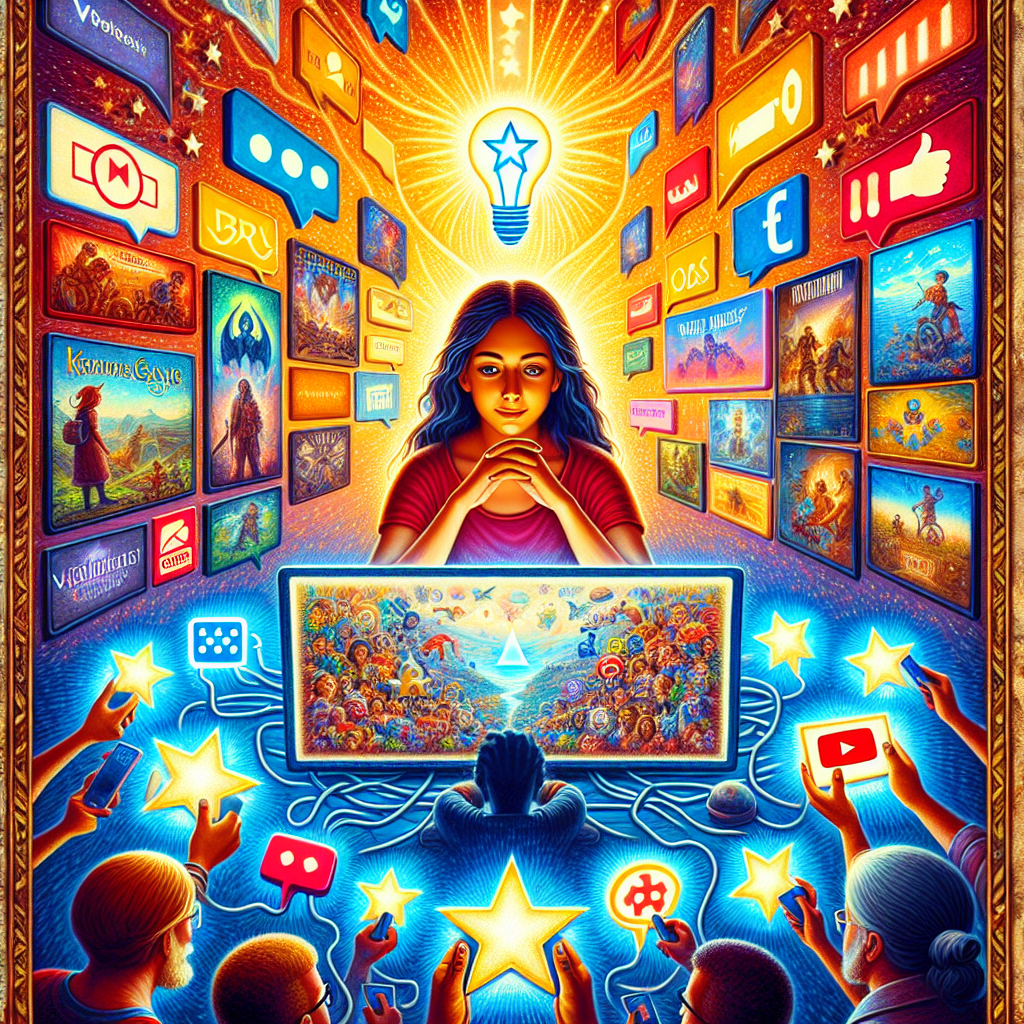
Are Elite Gamers Better Problem Solvers In Real Life?
Are Elite Gamers Better Problem Solvers In Real Life?
- Elite gamers develop skills such as critical thinking, adaptability, and resource management through gameplay.
- Gamers learn resilience from the trial and error process, which helps them tackle real-life challenges.
- The experience gained in gaming translates to effective problem-solving in various aspects of life.
- Immediate feedback in games resembles constructive criticism, helping gamers adjust their strategies.
- By recalling their gaming experiences, players can apply iterative problem-solving to real-world dilemmas.
- The gamer’s mindset encourages exploration, experimentation, and a positive approach to challenges.
- Embracing gamification can provide unconventional solutions to complex problems in daily life.

Are Elite Gamers Better Problem Solvers In Real Life?
Table Of Contents
- Are Elite Gamers Better Problem Solvers In Real Life?
- What Skills Do Elite Gamers Develop That Aid Problem-Solving?
- How Do Elite Gamers Approach Challenges In Games Vs. Real Life?
- Can Gaming Improve Critical Thinking And Decision-Making Abilities?
- Are There Differences In Problem-Solving Strategies Among Gamers?
- How Does Teamwork In Gaming Influence Real-Life Collaboration Skills?
- Do Elite Gamers Perform Better Under Pressure Than Non-Gamers?
- How Can Gaming Experiences Translate To Professional Skills?
- Conclusion
- Other Resources
- Glossary Of Terms
- Other Questions
- Haiku
- Poem
- Checklist
What Skills Do Elite Gamers Develop That Aid Problem-Solving?
Gaming isn’t just about high scores or flashy graphics; it’s a world where challenges come wrapped in a layer of excitement—a veritable playground for the mind. At the heart of this digital adventure lies something we can all appreciate: problem-solving skills. When you watch elite gamers in action, you’re witnessing a masterclass in mental agility and strategy. But what exactly are these skills, and how do they translate from the screen to the real world?
First off, let’s talk about gamification. It’s a buzzword we hear often, but it’s genuinely transformed how we learn and interact with challenges. Gamification turns learning into a game, allowing individuals to tackle problems with an approach that’s both constructive and playful. Elite gamers immerse themselves in complex environments where they need to adapt quickly, strategize under pressure, and apply lessons learned in real time. This translates directly to everyday life, giving them a unique ability to approach obstacles with a fresh perspective.
Consider how gamers often face seemingly insurmountable odds. Every level, every boss battle is a test of their decision-making skills. They evaluate their resources, weigh risks against rewards, and make split-second decisions—all while keeping their eye on the prize. This high-stakes environment fosters resilience. The next time they face a hurdle away from the console—say, a challenging project at work—they are better equipped to brainstorm solutions and pivot when things don’t go as planned.
Additionally, elite gamers possess a keen sense of pattern recognition. They learn to spot trends and predict outcomes based on previous experiences. This skill is invaluable in fields ranging from finance to project management, where recognizing a pattern can lead to innovative strategies or alert you to potential pitfalls. Highly skilled players don’t just react; they anticipate, making them some of the best problem-solvers out there.
At their core, elite gamers exemplify the idea that challenges are not roadblocks; they’re opportunities. They leverage their skills—grounded in persistence, analysis, and teamwork—to turn obstacles into stepping stones. So, whether you’re battling a digital foe or grappling with a complex problem in your everyday life, remember: you have the tools at your disposal to tackle whatever comes your way. Embrace the challenge, apply those hard-won gaming skills, and step into your own version of the arena. Who knows what triumphs await?

What Skills Do Elite Gamers Develop That Aid Problem-Solving?
What Skills Do Elite Gamers Develop That Aid Problem-Solving?
- Gaming enhances problem-solving skills, combining excitement with mental challenges.
- Gamification transforms learning into an interactive game, fostering a constructive approach to problems.
- Elite gamers adapt quickly, strategize under pressure, and apply lessons learned in real-time.
- Facing high-stakes challenges helps gamers develop resilience and decision-making skills.
- Gamers excel in pattern recognition, predicting outcomes based on past experiences.
- These skills translate to various fields, improving innovation and risk management.
- Elite gamers view challenges as opportunities, using persistence and teamwork to overcome obstacles.

What Skills Do Elite Gamers Develop That Aid Problem-Solving?
How Do Elite Gamers Approach Challenges In Games Vs. Real Life?
When you step into the digital realm of gaming, you quickly discover that challenges are everywhere, lurking around every corner. But here’s the fascinating part: elite gamers approach these challenges with a mindset that transcends the screen and spills over into real life, blending strategy, resilience, and sheer grit.
Now, let’s talk about gamification—a concept that turns mundane tasks into thrilling ventures. Gamers instinctively see life through this lens. When faced with a setback, whether it’s an elusive promotion at work or tackling a daunting home project, they often break down the task into manageable quests—like leveling up in a game. Imagine approaching that overwhelming home renovation with the same enthusiasm you’d deploy in building your ultimate fantasy fortress. You gather your resources, strategize your moves, and tackle one room at a time.
What truly sets elite gamers apart is their ability to embrace failure as a teacher, not an enemy. In the gaming world, dying in a game or losing a match usually isn’t about giving up; it’s about recalibrating your approach, learning from your mistakes, and coming back stronger. This perspective is invaluable in reality, as well. When something goes sideways—say, you bomb a presentation or miss a deadline—it’s natural to feel disheartened. But if you use that experience as feedback for your next attempt, you transform that failure into a stepping stone rather than a stumbling block.
Another critical element in the gamers’ arsenal is community. Whether teaming up with friends for a raid or diving into a multiplayer battle, elite players understand the power of collaboration. Similarly, facing life’s hurdles can be much easier when you surround yourself with a supportive network. By seeking advice, sharing experiences, and pooling strengths, you not only lighten your load but also reinforce your resolve.
Whether you’re dodging digital bullets or navigating the twists and turns of your daily grind, the gamer’s approach to challenges is one of unyielding determination. So, lean into that mindset. Approach your goals with curiosity, rally your allies, and most importantly, remember that each misstep is simply part of leveling up in the game we call life. Embrace the adventure—because, as we all know, the real quest begins when you take that first step.

How Do Elite Gamers Approach Challenges In Games Vs. Real Life?
How Do Elite Gamers Approach Challenges In Games Vs. Real Life?
- Elite gamers face challenges with a mindset that combines strategy, resilience, and determination.
- Gamification allows individuals to see mundane tasks as quests, breaking them into manageable parts.
- Approaching challenges with a gaming mindset transforms setbacks into opportunities for growth.
- Failure is viewed as a learning experience, encouraging recalibration and improvement.
- Community and collaboration are vital; support networks bolster resolve in facing life’s hurdles.
- The gamer’s approach fosters unwavering determination in achieving goals and overcoming obstacles.
- Embracing curiosity and adventure is essential; every misstep is part of leveling up in life.

How Do Elite Gamers Approach Challenges In Games Vs. Real Life?
Can Gaming Improve Critical Thinking And Decision-Making Abilities?
Let’s take a stroll through the digital landscape, shall we? You may think of gaming as just a way to kill time or escape reality. But what if I told you that this pastime has the potential to sharpen your mind, much like a well-honed tool? Yep, you heard me right. Let’s dig into how gaming can serve as a catalyst for enhancing critical thinking and decision-making skills.
Picture this: you’re knee-deep in a strategy game. Each move you make could either propel you toward victory or plunge you into defeat. Sound familiar? That intense moment of considering your next step is not too dissimilar from real-life decision-making. Games invite us into scenarios that require thoughtful analysis and strategic planning. Suddenly, you’re not just blasting aliens or racing cars; you’re engaging in a mental workout!
So, how does this all tie into something as flashy as gamification? Well, gamification is the art of applying game-like elements to non-game contexts, and it’s popping up everywhere—from corporate training to education. Imagine a world where your daily tasks began to resemble a game. You earn points for completing your assignments, gain levels for acquiring new skills, and unlock achievements for progress made. This isn’t just whimsical fun; it’s a powerful tool that can teach you to approach challenges with the critical lens you develop while gaming.
In the land of video games, you learn to assess risks, weigh options, and think several steps ahead. Each decision unfolds a series of consequences, forcing you to adapt and learn from your choices, much like life itself. You encounter puzzles that don’t just require a one-size-fits-all approach. Instead, you engage in creative thinking, and in doing so, you discover multiple pathways to a solution—fostering a mindset that welcomes challenge rather than shying away from it.
Could it be that your next big idea springs from a gaming session where you strategized your way to the top? The potential is there, just waiting to be tapped into. So, why not embrace it? Dust off that console, gather your friends, or hop online—and see where the adventure leads. Who knows? You might just sharpen your mind in the process, all while having a blast. Now that’s a win-win!

Can Gaming Improve Critical Thinking And Decision-Making Abilities?
Can Gaming Improve Critical Thinking And Decision-Making Abilities?
- Gaming is more than just a pastime; it can enhance critical thinking and decision-making skills.
- Strategy games require careful analysis and planning, mirroring real-life decision-making processes.
- Gamification applies game-like elements to non-game contexts, enhancing engagement in tasks like corporate training and education.
- In video games, players assess risks, weigh options, and learn from their decisions, enhancing adaptability.
- Creative problem-solving in gaming leads to discovering multiple solutions, fostering a positive attitude toward challenges.
- Gaming can spark new ideas and strategies that can be applied in real-world scenarios.
- Engaging in gaming can not only be fun but also improve cognitive skills, making it a win-win experience.
Can Gaming Improve Critical Thinking And Decision-Making Abilities?
Are There Differences In Problem-Solving Strategies Among Gamers?
When we dive into the world of gamers, there’s a lot more under the surface than just sharp reflexes and quick decision-making. What you might find surprising is how varied their problem-solving strategies can be, driven by the rich tapestry of experiences and game genres they encounter. Take a moment to think about it: from navigating through a labyrinthine dungeon in an RPG to outsmarting opponents in a strategy game, each scenario calls for a unique approach. This is where the power of gamification comes into play—it’s not just about playing the game; it’s about understanding how everyone plays it differently.
In the heat of competition, you’ll see a fascinating mix of strategies unfold. Some players may rely heavily on collaboration, pooling resources with teammates to conquer their foes and craft complex solutions together. This kind of teamwork mirrors real-life scenarios where collective problem-solving can lead to greater outcomes. Others take the lone wolf approach, preferring to rely on their own instincts and skills. In this methodology, players often embrace trial and error, learning from each wrong move until they finally craft the perfect strategy. This resilience is something we can all admire and perhaps even emulate in our day-to-day challenges.
But it doesn’t stop at just teamwork versus solo play. Think about the role of creativity; many gamers thrive on finding unconventional solutions, using the game mechanics in ways that others might not have imagined. This innovative spirit isn’t confined to virtual worlds. In fact, the mindset that propels a player to turn a routine challenge into a magical moment can inspire us in every aspect of our lives. Whether we are tackling a pesky work project or trying to figure out that home improvement dilemma, tapping into that imaginative problem-solving reservoir might just lead to the breakthrough we need.
Ultimately, what all this highlights is that gaming isn’t merely a pastime; it’s a rich training ground for strategies that can be put to use in real-world scenarios. The process of gamification transforms mundane tasks into engaging puzzles, making it easier for us to apply these adaptive approaches outside of our screens. So next time you see a gamer, remember—they might just have a problem-solving toolkit that you can learn from, ready to face both pixelated puzzles and life’s little obstacles with gusto. Embrace the opportunity to discover and share these insights, as they can encourage confidence, connection, and ultimately, action in both your gaming experiences and everyday life.

Are There Differences In Problem-Solving Strategies Among Gamers?
Are There Differences In Problem-Solving Strategies Among Gamers?
- Gamers exhibit varied problem-solving strategies shaped by their experiences and game genres.
- Different game scenarios, like RPG dungeons or strategy games, require unique approaches to problem-solving.
- Gamification emphasizes understanding diverse playstyles, beyond just participating in games.
- Collaboration among players can lead to complex solutions, reflecting real-life teamwork benefits.
- Some players adopt a “lone wolf” approach, relying on intuition and learning through trial and error.
- Creativity plays a key role in gameplay, encouraging players to find unconventional solutions.
- Gaming serves as a training ground for real-world strategies, transforming challenges into engaging puzzles.

Are There Differences In Problem-Solving Strategies Among Gamers?
How Does Teamwork In Gaming Influence Real-Life Collaboration Skills?
Let’s face it: in an increasingly digital world, gaming has become more than just a pastime; it’s a training ground for real-world skills, particularly in teamwork and collaboration. Picture this: you and your friends are on a quest, battling dragons or completing a high-stakes mission. Each player has a unique role, and the success of the team hinges on everyone performing their part. That’s where the magic of gamification comes into play—the art of applying game-like elements to non-game contexts to inspire engagement and teamwork.
In the virtual realm, you learn quickly that communication is key. Whether you’re coordinating a strategy to take down a fearsome boss or dividing tasks to protect your virtual fortress, you develop a keen sense of how to articulate ideas and actively listen to others. This is essential in the workplace, where miscommunication can lead to wasted effort and missed opportunities. In gaming, failure is often right around the corner, but so is the chance to bounce back as a squad, a shared experience that fosters resilience and camaraderie.
Moreover, gaming opens the door to diverse perspectives. Each player comes with their own experiences, strengths, and strategies. This same principle translates seamlessly into real-life collaboration, where diverse teams often yield the best results. The gaming experience teaches us to value and leverage individual strengths while cultivating an environment of trust and support. When you’re used to relying on your teammates in a game, you start to understand the importance of collaboration, making it second nature in real-world projects.
A little friendly competition can also go a long way in honing collaborative skills. Games pushing you to strive for excellence with team goals can invigorate your problem-solving capabilities. In a work setting, this same drive can lead you to innovate together, pushing each other to elevate ideas and approaches while fostering a spirit of cooperation rather than competition.
So, whether you’re diving into an epic raid or working on a community project, remember that the skills you’re building in those virtual epic battles are not just bytes of data—they’re life skills. They empower you to engage effectively, adapt under pressure, and build relationships that extend beyond the screen. Embrace the power of teamwork in gaming, and watch as your real-life collaboration skills soar to new heights.

How Does Teamwork In Gaming Influence Real-Life Collaboration Skills?
How Does Teamwork In Gaming Influence Real-Life Collaboration Skills?
- Gaming serves as a training ground for real-world skills, particularly teamwork and collaboration.
- Successful team dynamics in gaming depend on each player performing their unique role, reinforcing the importance of cooperation.
- Effective communication—articulating ideas and listening—is essential in both gaming and the workplace.
- Failures in games foster resilience and camaraderie, teaching players to bounce back together.
- Diverse perspectives in gaming encourage valuing individual strengths and cultivating trust in real-life collaboration.
- Friendly competition in games can enhance problem-solving and lead to innovative approaches in a work environment.
- The skills acquired through gaming can empower effective engagement, adaptability under pressure, and relationship building.
How Does Teamwork In Gaming Influence Real-Life Collaboration Skills?
Do Elite Gamers Perform Better Under Pressure Than Non-Gamers?
Alright, folks, let’s dive into a question that’s sure to pique your interest: Do elite gamers actually perform better under pressure than your average Joe? It’s a fascinating arena to explore, especially as we find ourselves in an age where the boundaries between gaming and reality seem to blur more each day. For many, gaming is just a fun pastime, but for elite gamers, it’s a battleground of mental agility and quick decision-making.
Consider this: the world of gaming is a masterclass in gamification. It’s all about turning challenges into engaging experiences, where every level requires strategy and grit. Those neon-lit screens and the thumping soundtrack set the scene for high-stakes competition, where split-second choices can determine victory or defeat. Imagine facing an enemy squad in a virtual battlefield while your heart races and the clock ticks down. Now, how many of us face real-world pressure like that?
Elite gamers thrive in these environments. Through countless hours of practice, they’ve not only honed their reflexes but also built a mental resilience that many non-gamers just haven’t experienced. The adrenaline rush they feel is comparable to what you might encounter while meeting a tight deadline at work or giving a speech in front of a large crowd. The key difference? Gamers learn to embrace those moments. They’re trained, in a sense, to savor the pressure rather than crumble under its weight.
Now, let’s get real for a moment. You may not be a gamer, and that’s perfectly fine! But here’s the good news—this isn’t just about high scores and virtual trophies. The lessons learned from gaming can translate into life skills that benefit any profession. Think about it as a mindset. Can you leverage that sense of urgency to boost your own performance at work or during a big event? Absolutely!
By adopting a bit of that gamification spirit, you can cultivate your own resilience. Embrace challenges as opportunities for growth, whether that’s tackling a work project or facing a personal obstacle. Soon enough, you might just discover that you, too, can thrive when the pressure mounts. Trust in the process, and remember: the game is on, and you’re in it to win it!

Do Elite Gamers Perform Better Under Pressure Than Non-Gamers?
Do Elite Gamers Perform Better Under Pressure Than Non-Gamers?
- Elite gamers may perform better under pressure compared to average individuals.
- Gaming blurs the lines between reality and virtual competition, requiring mental agility and decision-making.
- Challenging gaming scenarios act as a masterclass in gamification, fostering strategy and grit.
- Elite gamers thrive on high-stakes competition, often facing real pressure akin to tight deadlines or public speaking.
- Through practice, gamers develop mental resilience, enabling them to embrace pressure rather than succumb to it.
- The skills learned in gaming can translate into life and work scenarios, enhancing one’s performance under urgency.
- Adopting a gamification mindset can help anyone cultivate resilience and turn challenges into growth opportunities.

Do Elite Gamers Perform Better Under Pressure Than Non-Gamers?
How Can Gaming Experiences Translate To Professional Skills?
Let’s face it—many of us grew up glued to screen after screen, embarking on epic quests and conquering virtual realms. While our parents might have worried we were just wasting time, they didn’t realize that those hours spent leveling up our characters were more than just a diversion. In reality, we were honing skills that would serve us well in the real world. Yes, we’re talking about the seamless blend of entertainment and education known as gamification.
The essence of gamification is simple: it takes the elements that make games engaging—the challenges, the rewards, the sense of accomplishment—and applies them to real-life tasks. Think about it. When you face a tough boss level, you don’t just give up; you adapt, strategize, and rally your resources to overcome the challenge. That drive to innovate and persevere is exactly what employers are looking for.
In the workplace, the capacity for teamwork shines bright as well. Dive into multiplayer games, and you’re not just an isolated hero; you’re part of a collective, communicating, negotiating, and sometimes compromising to achieve a shared goal. You build relationships and a sense of trust, both vital when collaborating with colleagues in the office. Those virtual missions build not just skills but also an understanding of group dynamics that can translate to boardroom victories.
And let’s not forget problem-solving. Ever found yourself stuck in a lock-picking puzzle or a maddening quest? Every challenge is a microcosm of the dilemmas we face in our careers. Each conflict requires critical thinking, analytical skills, and a pinch of creative flair—qualities that are invaluable when tackling the multi-faceted issues that arise in any job.
So, next time someone questions your video game hobby, don’t shy away from defending it. It’s not just about entertaining pixels; it’s rigorous training for real-life endeavors. Whether you’re leading a team project, navigating workplace politics, or problem-solving like a wizard, the skills developed in virtual battlegrounds equip you for success in the professional arena. So embrace your gaming experiences! Wear them like a badge of honor, because they’ve shaped you into a formidable force in the workforce.

How Can Gaming Experiences Translate To Professional Skills?
How Can Gaming Experiences Translate To Professional Skills?
- Many grew up immersed in video games, honing valuable real-world skills.
- Gamification blends entertainment with education by applying game elements to real-life tasks.
- Games foster adaptability, strategy, and perseverance, traits sought by employers.
- Multiplayer gaming enhances teamwork, communication, and relationship-building skills.
- Virtual challenges mirror real-world problems, requiring critical thinking and creativity.
- Video game experiences can be a form of rigorous training for various professional scenarios.
- Embracing gaming experiences can showcase personal skill development for success in the workforce.

How Can Gaming Experiences Translate To Professional Skills?
Conclusion
As we wrap up this exploration of elite gamers and their unique problem-solving prowess, it’s important to recognize that there’s more than just pixels and high scores at play. What we’ve unearthed here is a small revolution in the way we view not only gaming but also the transferable skills it fosters—skills that extend far beyond the console and right into the fabric of daily life.
Now, let’s get real for a second: gaming is not merely a pastime—it’s a training ground. Elite gamers don’t just tap buttons; they engage in strategic mental exercises that hone their critical thinking, adaptability, and resilience. Much like strategists in a high-stakes boardroom, these players navigate through complex scenarios, assessing risks, evaluating resources, and devising plans to triumph over challenges. Each level they conquer and every decision they make does more than lead to a digital victory; it cultivates a mindset adaptable to the unpredictable landscape of life.
True, the world of gaming is often seen as a bubble of escapism, but let’s not forget: behind that screen lies a path paved with skills such as teamwork, communication, and inventive problem-solving. Gamers thrive on collaboration, understanding that success is often about leveraging each individual’s strengths in a group—a lesson that translates beautifully into real-world projects and corporate dynamics. The camaraderie built over virtual missions translates to solid working relationships that thrive in the office environment.
What sets these elite players apart is their approach to failure. In their world, defeat is not an endpoint but simply a stepping stone, a chance to gather intel, recalibrate, and tackle the next challenge with a renewed strategy. This mindset can become an invaluable asset in everyday life, from handling professional stubbornness to resolving personal disagreements. There’s a shift happening, folks—one that asks us to take the lessons learned from the gaming surface and apply them to the serious business of life.
So the next time you hear someone dismissing gaming as mere recreation, remind them it’s about forging mental agility, cultivating resilience, and honing skills that can open doors in the professional realm. Gamers are not just warriors of the digital battlefield; they are strategic thinkers ready to tackle the neural complexity of the world beyond the screen. Whether you’re a gamer or someone who just appreciates the skill involved, remember this: every challenge, whether in a game or in life, is an opportunity waiting to be mastered. Embrace it, strategize, and level up!

Conclusion
Conclusion:
- Gaming fosters transferable skills that extend beyond the console and into daily life.
- Elite gamers engage in strategic mental exercises, honing critical thinking, adaptability, and resilience.
- Players navigate complex scenarios, assessing risks and devising plans, similar to strategists in a high-stakes environment.
- Gaming promotes teamwork, communication, and inventive problem-solving, essential skills in real-world projects.
- The camaraderie built in gaming leads to solid working relationships that are beneficial in professional settings.
- Elite gamers view failure as a stepping stone, using it to gather insights and recalibrate strategies.
- Gaming is more than recreation; it prepares individuals with mental agility and skills applicable in life and careers.

Conclusion
Other Resources

Other Resources
Here is a list of other resources you can review online to learn more:
- Rahdo Runs Through
- Roxley Games
- YouTube
- The Crew: The Quest for Planet Nine
- Google My Business
- The Game Boy Geek
- Concordia
- Mage Wars Arena
- deviantART
- Love Letter
Use This Prompt To Get More Resources With Your Favorite Online AI Tool: Please provide me with a list of online articles with their URLs in a bulleted list that I can read regarding Are Elite Gamers Better Problem Solvers In Real Life?

Other Resources
Glossary Terms
Are Elite Gamers Better Problem Solvers In Real Life? – Glossary Of Terms
1. Cognitive Flexibility: The mental ability to switch between thinking about different concepts or to think about multiple concepts simultaneously.
2. Decision Making: The cognitive process of selecting a course of action from multiple alternatives, essential in both gaming and real-life situations.
3. Pattern Recognition: The ability to identify recurring themes or structures within complex data, often used by gamers to understand game mechanics and strategies.
4. Strategic Thinking: The capacity to develop and evaluate options to achieve a desired outcome, vital in both elite gaming and real-world scenarios.
5. Adaptability: The ability to adjust one’s approach or strategy in response to new information or changing circumstances, a skill honed by gamers.
6. Critical Thinking: The ability to analyze information objectively and make reasoned judgments, important in both gaming and everyday problem-solving.
7. Teamwork: Cooperative efforts by individuals to achieve a common goal, often experienced during multiplayer gaming scenarios.
8. Time Management: The process of planning and exercising control over the amount of time spent on specific activities, crucial in both gaming sessions and daily life priorities.
9. Resource Management: The ability to effectively utilize limited resources (e. g. , time, money, materials) to achieve goals, a common challenge in many games.
10. Stress Management: Techniques and strategies designed to help individuals cope with stress, which can be developed through high-pressure gaming environments.
11. Spatial Awareness: Understanding the relationships of objects in space, a skill frequently enhanced by playing action and strategy games.
12. Goal Setting: The process of identifying specific, measurable, achievable, relevant, and time-bound objectives, often utilized by elite gamers for skill improvement.
13. Multitasking: The ability to manage and execute multiple tasks simultaneously, a skill often practiced in fast-paced gaming contexts.
14. Risk Assessment: The process of identifying and analyzing potential risks to make informed decisions, relevant in both strategic games and real-life situations.
15. Social Skills: The ability to interact and communicate effectively with others, which can be developed in team-based gaming environments.
16. Persistence: The continual effort to overcome challenges and obstacles, a trait often observed in elite gamers who strive to improve.
17. Emotional Regulation: The ability to monitor and manage emotional responses, essential for maintaining focus and composure in competitive gaming and real-world challenges.
18. Analytical Thinking: The ability to deconstruct complex problems and analyze their components, critical in strategy-based gaming and real-life scenarios.
19. Feedback Loops: Cycles in which the outcomes of actions are fed back into the decision-making process, emphasized in both gaming and personal development.
20. Creativity: The ability to generate innovative ideas or approaches to problem-solving, often sparked by the unique challenges presented in games.
21. Goal-Oriented Behavior: An approach focused on achieving specific objectives, utilized by elite gamers to refine their skills and strategies.
22. Learning Curves: The rate at which a person acquires new skills, influenced by practice and experience in gaming.
23. Simulation: The imitation of a real-world process or system for training or analysis, applicable in both gaming environments and professional simulations.
24. Metagaming: Strategy or thinking that transcends the game itself, often involving knowledge about game mechanics and player tendencies.
25. Competition: The act of competing against others, which can foster skills such as resilience and strategic thinking in gaming and real-life.
26. Engagement: The level of commitment and involvement in an activity, often seen in elite gamers who immerse themselves in their craft.
27. Collaboration: The process of working together toward a common goal, a crucial element in multiplayer gaming that mirrors real-world teamwork dynamics.
28. Problem Identification: The ability to recognize and articulate problems as a precursor to finding effective solutions, essential in both gaming and life’s challenges.
29. Game Theory: A mathematical framework for analyzing strategic interactions among rational decision-makers, applicable in both gaming strategies and real-life negotiations.
30. Real-Time Processing: The ability to analyze and react instantly to information, a critical skill that elite gamers often develop through fast-paced environments.

Glossary Of Terms
Other Questions
Are Elite Gamers Better Problem Solvers In Real Life? – Other Questions
If you wish to explore and discover more, consider looking for answers to these questions:
- What specific cognitive skills do elite gamers develop that contribute to better real-world problem-solving?
- How do different genres of games influence the problem-solving approaches of gamers?
- Are there scientific studies that support the claim that gaming improves critical thinking skills?
- In what ways can non-gamers adopt strategies from elite gamers to improve their problem-solving abilities?
- What role does emotional intelligence play in the problem-solving skills of gamers?
- Can gaming be effectively integrated into educational programs to enhance learning outcomes?
- How does the gaming community foster collaboration and teamwork during gameplay?
- What are the potential drawbacks of gaming when it comes to developing real-world problem-solving skills?
- How can employers recognize and value the skills gained from gaming in potential hires?
- What are some practical examples of gaming skills applied in professional settings?

Other Questions
Haiku
Are Elite Gamers Better Problem Solvers In Real Life? – A Haiku
Elite gamers thrive strong,
Solving life’s complex puzzles,
Lessons from the screen.

Haiku
Poem
Are Elite Gamers Better Problem Solvers In Real Life? – A Poem
In pixelated worlds where heroes strive,
Elite gamers learn, adapt, and thrive.
With every challenge, their minds engage,
Translating lessons from screen to stage.
Through trials faced and battles fought,
They cultivate skills that can’t be bought.
Critical thinking, strategy in hand,
Navigating life’s maze like a grand master’s plan.
Failures loom with each gaming quest,
Yet from each setback, they learn and invest.
Resilience blooms, a phoenix in flight,
Every defeat reshapes their insight.
Gamification turns the mundane bright,
Tasks become quests, goals take flight.
In teamwork’s embrace, they find their way,
Collaborating to seize the day.
Under pressure’s weight, they don’t falter,
They dance through chaos, find ways to alter,
Real-world demands mirror the digital fight,
For they’ve trained in shadows, emerging into light.
Pattern recognition sharpens their sight,
Predicting moves with instinctive might.
A toolkit of skills, honed through the game,
Transforms life’s challenges, igniting the flame.
So let us salute this vibrant band,
Gamers who rise, who understand,
That play is much more than leisure’s call—
It’s a journey of growth, a pathway for all.
Embrace the adventure, the risks that you take,
For every level’s lesson is a step that you make.
In hearts and in minds, let gaming inspire,
A world where problem solvers never tire.

Poem
Checklist
Are Elite Gamers Better Problem Solvers In Real Life? – A Checklist
Cognitive Skills
_____ Critical Thinking: Assess and analyze situations deeply before making decisions.
_____ Strategic Planning: Outlining steps and potential outcomes to approach complex challenges effectively.
Adaptive Skills
_____ Resilience: Learn to bounce back from failures and setbacks, treating them as learning opportunities.
_____ Flexibility: Adapt strategies quickly in response to new information or changes in the environment.
Analytical Skills
_____ Pattern Recognition: Identify trends and predict outcomes based on previous experiences in gaming scenarios.
_____ Risk Assessment: Weigh options to evaluate potential rewards against possible consequences.
Collaborative Skills
_____ Teamwork: Work effectively with others, understanding roles and sharing responsibilities to achieve common goals.
_____ Communication: Develop active listening and clear expression of ideas to enhance group collaboration.
Emotional Intelligence
_____ Self-Regulation: Manage stress and emotions, especially in high-pressure situations, to maintain focus on tasks.
_____ Empathy: Understand and appreciate the perspectives and contributions of teammates in both gaming and real-life interactions.
Problem-Solving Tactics
_____ Gamification Approach: Apply game mechanics to everyday tasks, turning challenges into manageable “quests” for motivation.
_____ Creative Thinking: Find unconventional solutions by experimenting with different strategies and approaches.
Feedback Utilization
_____ Iterative Learning: Embrace immediate feedback from gaming experiences to adjust tactics and improve future outcomes in both virtual and real-world scenarios.
Performance Under Pressure
_____ Decision Making Under Stress: Thriving in critical moments by harnessing pressure to enhance performance, akin to high-stakes gaming situations.
Personal Development
_____ Confidence Building: Gain confidence through overcoming challenges in games, translating to a more assertive approach in real-life scenarios.
_____ Goal-Oriented Mindset: Foster a focus on setting and achieving progressive goals slightly reminiscent of gaming level-ups.
Final Thoughts
_____ Embrace a Gamer’s Mindset: Recognize that the skills developed through gaming translate beyond the screen, enriching both personal and professional experiences.
Action Items
_____ Reflect on Your Gaming Skills: Identify specific gaming experiences that have contributed to your problem-solving abilities.
_____ Practice Applying Skills: Start using a gamified approach to tackle real-life challenges and projects.
Use this checklist to hone the valuable skills you’ve developed through gaming and see how they can positively impact your everyday problem-solving abilities!

Checklist
At HowDoYouGame, we help people who love board games by collating information and news about games.
Be sure to read our other related stories at HowDoYouGame to learn more about games.