Leveling Up: How Gaming Prepares Kids For Life
By Tom Seest
At HowDoYouGame, we help people who love board games by collating information and news about games.
Be sure to read our other related stories at HowDoYouGame to learn more about games.
Are Children Who Play Games Better Equipped for Obstacles In Life?
Let’s face it—life can sometimes feel like one big, unending boss battle. It’s full of twists, turns, obstacles, and—let’s not forget—the occasional complete dead-end. As adults, we often think about how to best arm ourselves to tackle these life challenges, but have we ever paused to consider how our kids are training for their own? Enter the world of gamification, where play becomes preparation.
When children dive into games, they’re not just firing off a few pixels on a screen; they’re engaging in a workout for their brains. Think about it. Every time they navigate a tricky level or devise a strategy to overcome an obstacle, they build essential life skills—like problem-solving, teamwork, and resilience. They’ve got to think on their feet, manage resources, and communicate with teammates, often under intense pressure. It’s not just play; it’s brain training for the challenges that await them in school, friendships, and beyond.
Now, you might be wondering: What do video games have to do with real life? Well, many adults often conflate gamification with mere entertainment, forgetting that these experiences mirror crucial real-world scenarios. You wouldn’t train for a marathon simply by staring at a poster of the finish line, right? Similarly, when kids immerse themselves in games, they are practicing for life’s tests. They’re learning to bounce back from failure, a vital skill that will equip them to tackle the situations that might knock them down in the real world.
Imagine your child, working through levels in a complex game, determined to conquer the next hurdle. Each failure is nothing more than a stepping stone, a lesson informing their future strategies. That same child will find it easier to approach challenges like school projects, athletic competitions, or even social conflicts with a mindset tuned for problem-solving.
So, what can we do as caregivers or mentors? Encourage this playful learning! Acknowledge the skills being honed through what might initially seem like “just a game.” Celebrate the victories and even the setbacks. By recognizing and supporting this type of engagement, we are fostering a generation poised to tackle obstacles with confidence and creativity.
After all, life may not come with cheat codes, but with a little gamification, we can certainly help our kids write their own guide to success.

Are Children Who Play Games Better Equipped for Obstacles In Life?
Are Children Who Play Games Better Equipped for Obstacles In Life?
- Life presents various challenges akin to a boss battle, prompting consideration of how children prepare for obstacles.
- Gamification allows children to engage in brain training through play, enhancing skills such as problem-solving and resilience.
- Children learn to strategize, manage resources, and communicate under pressure while playing games.
- Video games mirror real-world scenarios, providing valuable practice for life’s tests and failures.
- Experiencing failure in games helps children develop a mindset for overcoming challenges in academics and social situations.
- Caregivers should recognize and support the skill development that occurs through gaming, treating it as meaningful learning.
- Encouraging playful learning fosters a generation ready to face life’s obstacles with confidence and creativity.

Are Children Who Play Games Better Equipped for Obstacles In Life?
Table Of Contents
- Are Children Who Play Games Better Equipped for Obstacles In Life?
- Are Video Games Helpful In Developing Problem-Solving Skills?
- Can Gaming Teach Resilience In The Face Of Challenges?
- Are Children Who Play Games More Adaptable To Change?
- How Do Competitive Games Influence Teamwork And Collaboration?
- Can Role-Playing Games Enhance Empathy And Social Skills?
- Do Video Games Promote Goal-Setting And Achievement In Kids?
- What Are The Potential Drawbacks Of Excessive Gaming For Children?
- Conclusion
- Other Resources
- Glossary Of Terms
- Other Questions
- Haiku
- Poem
- Checklist
Are Video Games Helpful In Developing Problem-Solving Skills?
Let’s face it: we’ve all spent a few late nights glued to our screens, immersed in a world of quests, battles, and tough choices. But while we might be tempted to dismiss these late-night adventures as mere entertainment, there’s more than meets the eye. The truth is, video games can be surprisingly beneficial in honing our problem-solving skills—a notion that’s starting to gain some serious traction.
Think of it this way: when you step into a game, you’re not just a passive observer; you become an active participant in a complex system. Each mission or puzzle presents challenges that require critical thinking, quick decision-making, and sometimes even a sense of strategy reminiscent of a high-stakes chess match. Just like in real life, you often have limited resources, time constraints, and a host of unexpected obstacles. With the right mindset, these virtual landscapes can become invaluable training grounds for our minds.
Now, let’s talk about gamification. This isn’t just a fancy buzzword thrown around in boardrooms; it’s a powerful approach that applies game design elements to non-game contexts. Gamification can be seen in everything from educational platforms to employee training programs, aiming to engage and motivate through challenges and rewards. When we embrace gamification in our learning or professional environments, we tap into the same excitement and satisfaction found in gaming. This encourages us to think outside the box, tackle problems head-on, and gain confidence in our abilities.
But wait—before you dismiss your love of gaming as mere frivolity, consider this: many successful entrepreneurs and innovators openly credit their time spent gaming as a catalyst for their creative problem-solving skills. Familiar challenges in games foster tenacity and resourcefulness, traits that are invaluable in the real world.
So, the next time you find yourself navigating a treacherous dungeon or strategizing your next move in an online battle, remember: what you’re experiencing isn’t just entertainment. It’s a chance to sharpen your mind, build resilience, and cultivate a toolbox of skills that extend far beyond the screen. Embrace the power of video games as a dynamic approach to problem-solving. Who knows? That next level you conquer might just translate into a real-life breakthrough waiting to happen.

Are Video Games Helpful In Developing Problem-Solving Skills?
Are Video Games Helpful In Developing Problem-Solving Skills?
- Late-night gaming can develop problem-solving skills and critical thinking.
- Players are active participants, facing challenges similar to real-life situations.
- Gamification applies game design to non-game contexts, enhancing engagement and motivation.
- This approach is utilized in educational platforms and employee training programs.
- Successful entrepreneurs often credit gaming for their creative problem-solving abilities.
- Gaming fosters traits like tenacity and resourcefulness, useful in real-world scenarios.
- Video games can sharpen the mind and build resilience, offering transferable skills.

Are Video Games Helpful In Developing Problem-Solving Skills?
Can Gaming Teach Resilience In The Face Of Challenges?
Picture this: You’re navigating a sprawling digital landscape, obstacles flying at you from every direction. You miss a jump, fall into a pit, and find yourself staring at a “Game Over” screen. Every instinct tells you to toss the controller aside, mutter some choice words, and maybe grab a snack instead. But, here’s where the magic happens. Just before you set it down, you remember that last time you faced a similar challenge, you learned something. You got back up, tried again, and maybe even emerged victorious. This, my friends, is what we call resilience—and it turns out, gaming is a fantastic classroom for this all-important life skill.
Through the lens of gamification, developers have crafted experiences that teach us to embrace failure. Each time you restart a level, you’re not just attempting to reclaim your lost progress; you’re undergoing a kind of mental boot camp. You analyze what went wrong, strategize a new approach, and dive back in. Those repeated attempts aren’t mere frustration; they form a backbone of resilience that spills over into our everyday lives.
Now, think about it. When was the last time you faced a setback in real life? A missed promotion? An embarrassing mistake? Each stumble is a chance—a chance to learn, adapt, and evolve. And much like in gaming, realizing that every setback is simply a plot twist in your story empowers you to keep fighting.
Furthermore, let’s talk teamwork. Many games require us to collaborate, lean on our pals, and devise strategies together. Picture yourself working with friends in an intense co-op mission, dragging each other through tough spots. That spirit of support transforms challenges into shared victories, reinforcing the idea that resilience is best bolstered by connection.
So, is there magic in gaming? Science says yes. Time spent navigating virtual worlds not only shapes our cognitive skills but serves as a crash course in resilience. So why not embrace it? Next time the digital universe throws something unexpected your way—and it will—remember that each challenge is an opportunity, both in the game and in life. It’s not just about winning or losing; it’s about the journey. Game on!

Can Gaming Teach Resilience In The Face Of Challenges?
Can Gaming Teach Resilience In The Face Of Challenges?
- Gaming teaches resilience by encouraging players to learn from failures and try again.
- Each restart in a game acts as a mental boot camp, promoting analysis, strategy, and persistence.
- Real-life setbacks, like missed promotions or mistakes, provide opportunities for growth and learning.
- Recognizing setbacks as plot twists empowers individuals to confront challenges with determination.
- Teamwork in gaming fosters collaboration and support, emphasizing the importance of connection in overcoming obstacles.
- Research indicates that navigating virtual worlds enhances cognitive skills and resilience.
- Embracing challenges in gaming and life can shift focus from winning to appreciating the journey.

Can Gaming Teach Resilience In The Face Of Challenges?
Are Children Who Play Games More Adaptable To Change?
Let’s take a moment to consider the world we live in today—the pace, the unpredictability, and the constant evolution. It’s a landscape that can be as daunting as it is exhilarating. For our children, adaptation to change is not just a benefit; it’s an essential life skill. And believe it or not, one of the most effective ways to nurture this skill is through the world of play—specifically through the fascinating realm of gamification.
Now, some might dismiss these games as mere child’s play, but the truth runs deeper. When children engage with games, they’re not just tapping buttons and racing against the clock. They’re navigating complex worlds, making split-second decisions, and solving problems—all valuable skills that translate into real-life situations. The principles of gamification turn ordinary activities into engaging experiences that motivate players to overcome obstacles. Think of it as training wheels for the brain! The child who learns to adapt strategies in a fantasized world is honing a skill set that might just be their ticket to success down the line.
Let’s face it—we’ve all encountered change at some point, whether it’s a new school, a shifting family dynamic, or an unexpected adventure. It can be overwhelming! But kids who regularly play games often become accustomed to shifting gears. They learn to pivot strategies when things don’t go as planned, much like they would if they were traversing a virtual battlefield or solving a puzzle that seems impossible. This practice can provide a buffer against the emotional strain that comes with change, fostering resilience.
Encouraging our kids to play these games might feel simple, but it’s how they navigate the challenges that count. It’s not just fun; it’s a form of training. As they jump through hoops and overcome hurdles, they’re not just scoring points—they’re building a toolkit for life.
So, what can we do as caregivers? Embrace the gamification of everyday life! Play games together; discuss strategies; celebrate the victories and learn from the defeats. It’s not just about winning; it’s about crafting a mindset that embraces change, knowing that each twist and turn is a chance to grow. Trust me, those little lessons learned in the world of play will echo long after the game consoles are powered down. In the grand scheme of life, adaptability is the name of the game. And who better to excel at it than the players?

Are Children Who Play Games More Adaptable To Change?
Are Children Who Play Games More Adaptable To Change?
- The world today is fast-paced and unpredictable, making adaptability an essential skill for children.
- Gamification in play nurtures adaptability by turning ordinary activities into engaging problem-solving experiences.
- Children develop valuable skills through games, such as decision-making and strategy adjustment.
- Regular gameplay helps kids become accustomed to change and foster resilience against emotional strain.
- Encouraging gameplay is a simple yet effective way for children to navigate life’s challenges.
- Caregivers can support this growth by playing games together and fostering discussions about strategies.
- Adaptability learned through play prepares children for life’s unpredictability and challenges.

Are Children Who Play Games More Adaptable To Change?
How Do Competitive Games Influence Teamwork And Collaboration?
Picture this: you’re sitting in a room full of people, each with their own unique skills and quirks. Now, toss in a competitive game, something that turns the ordinary into the extraordinary, and suddenly, that room transforms into a vibrant battleground for creativity and collaboration. This is the magic of *gamification*, where the stakes might be high, but the real victory lies in the relationships forged amid the fun.
When you bring competition to the table, something incredible happens. Individuals who might typically be content working in isolation find themselves rallying together, their instincts kicking in. That urgent beat of a timer or the thrill of a near win motivates everyone—not just to play, but to connect. In these moments, people listen more closely to each other, strategize together, and discover not just the strengths of their teammates but their own hidden skills too.
Think about your own experiences with competitive games. Maybe it was a friendly evening of board games, an intense round of trivia, or even a high-stakes escape room challenge. What you probably remember most vividly isn’t just the competition, but the connection—how you leaned on one another, how shared laughter and collective frustration broke down barriers. Those moments foster trust—an essential ingredient in any successful team. You realize that winning isn’t just about the scoreboard; it’s about the team that built a bond through shared challenges.
But the influence of competitive games stretches beyond the immediate thrill. The lessons learned during these activities can have lasting impacts in the workplace or any collaborative environment. Games teach us to communicate clearly, listen actively, and compromise tactically. They show us how different perspectives can lead to innovative solutions when every voice is valued.
So, the next time you’re faced with a daunting project or a muddled team dynamic, consider embracing a dose of competition. Inject some gamification into your routine. It’s not just a playful distraction; it’s a powerful tool for building a cohesive unit. Tap into it, and watch as teamwork transforms from a task into a triumphant journey. After all, in both the game and the everyday grind, together, we’re stronger. Embrace the challenge, and harness the power of collaboration!

How Do Competitive Games Influence Teamwork And Collaboration?
How Do Competitive Games Influence Teamwork And Collaboration?
- Gamification transforms ordinary environments into vibrant battlegrounds for creativity and collaboration.
- Competition motivates individuals to connect and collaborate, even those who prefer isolation.
- Shared gaming experiences foster trust and strengthen team bonds beyond mere competition.
- Winning is not just about the scoreboard, but about the relationships built through shared challenges.
- Lessons from competitive games lead to improved communication, active listening, and tactical compromise.
- Diverse perspectives in games can drive innovative solutions and highlight the value of each voice.
- Incorporating gamification can transform teamwork into a more enjoyable and cohesive experience.

How Do Competitive Games Influence Teamwork And Collaboration?
Can Role-Playing Games Enhance Empathy And Social Skills?
Let’s get one thing straight: the world isn’t just a collection of characters you control. It’s a living tapestry woven together with emotions, experiences, and—dare I say it—stories that are waiting to unfold. When you step into the shoes of a wizard, warrior, or even a wily rogue, you’re doing something extraordinary. You’re diving into a rich world of gamification that invites you to not just play, but to understand.
Now, when we talk about role-playing games (RPGs), we often imagine dice rolling and heroic quests. Sure, that’s part of the fun, but there’s more beneath the surface. These games create scenarios that force you to confront dilemmas, negotiate outcomes, and empathize with characters you might never have thought twice about in real life. Picture this: you’re tasked with deciding the fate of a village under siege. Do you choose to negotiate with the invaders, or rally your fellow players for a bold confrontation? In that moment, you’re not just thinking about victory; you’re considering the lives affected by your decisions.
Through this lens, RPGs become a playground for social skills and emotional intelligence. Engaging with others—whether around a table strewn with character sheets or through an online platform—fosters connections that are incredibly powerful. You’re faced with crafting not just a backstory for your character, but a genuine rapport with fellow players. You’re sharing laughter, frustration, and sometimes, even heartache. This shared experience can translate into real-world empathy, helping you approach your colleagues, friends, and even strangers with a more compassionate mindset.
You might be wondering, “Can this really make a difference?” Absolutely! Game nights often take on a life of their own, morphing into workshops of empathy and communication. You’re practicing teamwork, learning to listen, and gaining insights into perspectives beyond your own. Plus, each storytelling moment hones your ability to engage in thoughtful and meaningful discussions.
So, if you’re looking to enhance your social skills and cultivate a little empathy, maybe it’s time to roll those dice. It’s not just a game—it’s an opportunity to enrich your character. Whether you’re a seasoned player or a curious newbie, the experiences awaiting you are profound. Embrace the adventure, and you just might discover parts of yourself you never knew existed. Now, who’s ready for a campaign?

Can Role-Playing Games Enhance Empathy And Social Skills?
Can Role-Playing Games Enhance Empathy And Social Skills?
- The world of RPGs is not just about characters; it’s a rich tapestry of emotions, experiences, and stories.
- RPGs provide scenarios that encourage players to confront dilemmas and empathize with various characters.
- Decisions in RPGs impact not just the game outcome but also reflect on real-life empathy and social interactions.
- Playing RPGs fosters connections and rapport among players, enhancing social skills and emotional intelligence.
- Game nights function as workshops for empathy, communication, and teamwork, providing valuable life lessons.
- Each storytelling session helps players improve their ability to engage in meaningful discussions.
- RPGs offer opportunities for personal growth, encouraging players to discover more about themselves through adventures.

Can Role-Playing Games Enhance Empathy And Social Skills?
Do Video Games Promote Goal-Setting And Achievement In Kids?
When it comes to kids and video games, the conversation often settles into familiar territory—screens, distractions, maybe even some worry about screen time. But let’s take a step back and flip the script. What if these games are more than just a way to pass the time? Could they be silent architects of character, resilience, and—believe it or not—goal-setting?
At the heart of many games lies a concept that’s gained traction in both education and personal development: gamification. This is the ingenious practice of applying game-like elements to activities that usually lack a competitive edge. Think about it—when a child sits down to play a video game, they’re not just hitting buttons; they’re entering a structured world filled with objectives, rewards, and progression. Each level conquered or obstacle overcome isn’t just for show; it’s a carefully crafted journey designed to evoke a sense of achievement that spills over into real life.
Imagine your young one, immersed in a game where they must upgrade their character or build a city from the ground up. Each small task—gathering resources, completing quests, unlocking achievements—feeds into a larger goal. The beauty of this setup is in the natural goal-setting mechanics. Kids learn to break down daunting challenges into bit-sized tasks, tackling them one by one until they reach that shimmering finish line. And you know what? That’s the skillset we want in our kids’ toolboxes: the ability to set, pursue, and achieve goals.
But here’s where it gets really exciting. These lessons often translate beyond the virtual realms into everyday life. A child who’s learned to strategize in a game might find themselves applying those same skills at school, tackling projects or preparing for exams with newfound confidence. They learn patience when a level doesn’t go as planned, resilience when they face defeat, and the pure thrill of accomplishment when they finally get it right—feelings that are not only important in gaming but vital in life.
So, the next time you catch your child fully engaged in their gaming adventure, consider this: they might just be honing the skills that will help them navigate the unique challenges of tomorrow. Instead of seeing it as mere entertainment, recognize the potential for growth and learning right there on the screen. It’s about more than just playing; it’s about shaping a capable future one level at a time.

Do Video Games Promote Goal-Setting And Achievement In Kids?
Do Video Games Promote Goal-Setting And Achievement In Kids?
- The conversation about kids and video games often centers on screens and distractions.
- Video games can serve as tools for building character, resilience, and goal-setting.
- Gamification applies game-like elements to non-competitive activities, enhancing engagement.
- Playing video games involves structured objectives, rewards, and progression.
- Games teach kids to break down challenges into manageable tasks, promoting goal-setting skills.
- Skills learned in gaming translate to real life, aiding in school projects and exam preparation.
- Gaming can cultivate patience, resilience, and a sense of accomplishment in children.
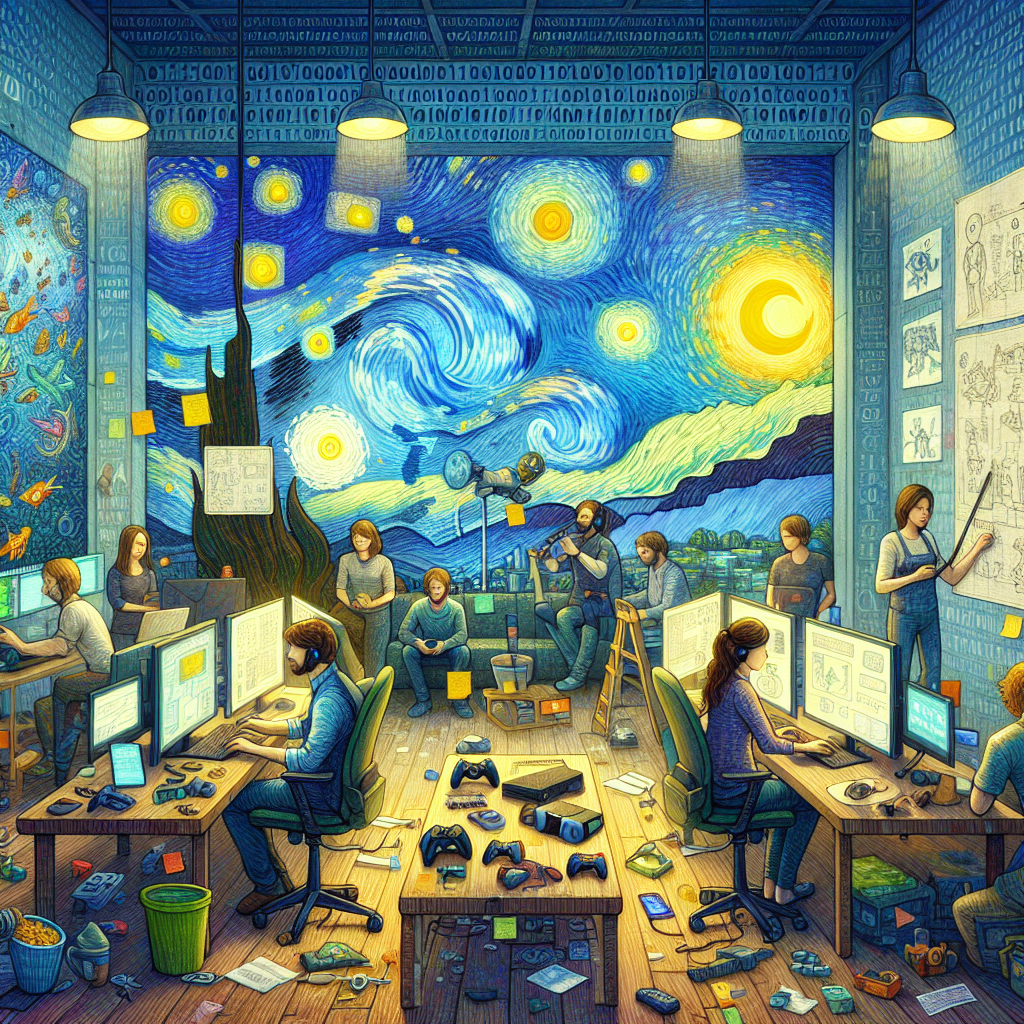
Do Video Games Promote Goal-Setting And Achievement In Kids?
What Are The Potential Drawbacks Of Excessive Gaming For Children?
Let’s face it: video games, with their bright colors, engaging storylines, and the allure of leveling up, can be downright intoxicating. The world of gamification—even for children—promises adventure, achievement, and a digital realm where anything is possible. But before we let the allure of those glowing screens consume our kids’ free time, let’s take a step back and weigh some of the potential drawbacks that excessive gaming can bring to the table.
Imagine your child huddled over their console or computer desk for hours, focused on their next quest, all while the outside world fades into a distant memory. On one hand, you can’t help but admire their dedication and skill. But on the other, have we stopped to consider what’s being sacrificed? Social engagement, physical activity, and even cognitive development are often left by the wayside in favor of virtual conquests. While gamification can enhance problem-solving skills and foster teamwork, an excessive focus on gaming can impede a child’s ability to interact meaningfully with their peers in the real world. Those whispered conversations and laughter shared during a game night can quickly turn into solitary sessions filled with flickering screens and disconnected friends.
Then there’s the health angle to consider. Prolonged gaming can lead to a sedentary lifestyle, which, as we know, is a major player in childhood obesity and related health issues. Not to mention the toll it can take on their eyes and sleep patterns. You’d be surprised by how many kids trade in a good night’s rest for just one more round of their favorite game. This lack of rest doesn’t just leave them bleary-eyed; it can affect their mood, school performance, and overall well-being.
Let’s not overlook emotional factors either. While those in-game achievements can provide an immediate boost, they can sometimes lead to a skewed sense of self-worth. If we’re not careful, a child’s sense of accomplishment may become tied solely to their gaming prowess, as opposed to the more holistic accomplishments found through real-world experiences.
The key isn’t to banish gaming entirely; it’s about finding that sweet spot between fantasy and reality. Challenge your kids to balance those gaming sessions with time outside, social interactions, and family fun. After all, the world beyond the screen is a remarkable one waiting to be explored—and that’s an adventure that truly levels up life.

What Are The Potential Drawbacks Of Excessive Gaming For Children?
What Are The Potential Drawbacks Of Excessive Gaming For Children?
- Video games offer bright colors, engaging storylines, and the excitement of leveling up, attracting children effectively.
- Excessive gaming can lead to sacrifices in social engagement, physical activity, and cognitive development.
- While gaming may enhance problem-solving and teamwork skills, it can hinder meaningful real-world interactions.
- Prolonged gaming contributes to a sedentary lifestyle, risking childhood obesity and health issues.
- Excessive gaming can negatively impact sleep patterns and overall well-being, affecting mood and school performance.
- In-game achievements may distort children’s sense of self-worth, tying their success to gaming rather than real-life accomplishments.
- Encouraging a balance between gaming and outdoor/social activities is essential for holistic childhood development.

What Are The Potential Drawbacks Of Excessive Gaming For Children?
Conclusion
As we wrap up this exploration of the relationship between gaming and life skills, it’s clear that the world of play is much more than just entertainment—it’s a complex training ground for our children. Just like a video game where players constantly face challenges, adapt strategies, and even experience failure, real life presents those same kinds of trials. While we often view games through the lens of leisure, they can actually be a platform for essential skills like resilience, teamwork, and adaptability.
Consider the concept of gamification: when kids engage in games, they aren’t merely pressing buttons; they’re honing critical life competencies. Each level navigated is a lesson in problem-solving, each setback an opportunity to refine their resilience. Through the act of play, kids learn to face obstacles head-on, preparing them for the inevitable hurdles they’ll encounter throughout their lives—whether in school projects, navigating friendships, or even pursuing career goals.
And let’s not forget about social skills. Competitive gaming fosters collaboration, turning peers into allies in the face of challenge. Kids learn to communicate effectively, share strategies, and appreciate diverse perspectives—all aspects that form the strong foundation of teamwork. These interactions don’t just stay in the virtual realm; they transition to real-life scenarios where empathy and communication become pivotal.
Now, acknowledging these benefits doesn’t mean we should ignore the potential drawbacks of excessive gaming. Parents and guardians must strike that balance. Yes, games can teach goal-setting, motivate kids to tackle problems, and transform setbacks into lessons learned, but we can’t overlook the value of unplugging—of stepping away from screens to engage with the world outside.
The key is to harness the power of play while maintaining a holistic approach to development. Encourage kids to embrace both their digital adventures and their real-world experiences. By doing so, we’re cultivating a generation that excels not just in gaming, but in life—a bunch of resilient, adaptable kids ready to conquer whatever comes their way. So game on, but remember: let every experience, whether onscreen or off, be a stepping stone on the path to a well-rounded life.

Conclusion
Conclusion:
- The world of gaming serves as a complex training ground for children, teaching essential life skills.
- Like video games, real life presents challenges that require resilience, teamwork, and adaptability.
- Gamification helps kids hone critical life competencies through interactive play.
- Each game level teaches problem-solving, and setbacks offer lessons in resilience.
- Competitive gaming fosters collaboration, enhancing communication and teamwork skills.
- While gaming has its benefits, it’s important to maintain a balance with real-world experiences.
- Encouraging both digital and real-world interactions cultivates adaptable, resilient kids ready for life.

Conclusion
Other Resources

Other Resources
Here is a list of other resources you can review online to learn more:
- GameSpot
- PC Gamer
- Wizards of the Coast
- Gamewright
- Poker
- Champions of Midgard
- Kingdom Death: Monster
- Arkham Horror: The Card Game
- Fantasy Flight Games
Use This Prompt To Get More Resources With Your Favorite Online AI Tool: Please provide me with a list of online articles with their URLs in a bulleted list that I can read regarding Are Children Who Play Games Better Equipped for Obstacles In Life?

Other Resources
Glossary Terms
Are Children Who Play Games Better Equipped for Obstacles In Life? – Glossary Of Terms
1. Resilience: The ability to recover quickly from difficulties or challenges; crucial for overcoming obstacles in life.
2. Problem-Solving: The process of finding solutions to difficult or complex issues; commonly developed through gameplay.
3. Cognitive Development: The advancement of mental processes such as thinking, reasoning, and understanding; can be enhanced through gaming.
4. Social Skills: Abilities that facilitate interaction and communication with others; often improved through multiplayer games.
5. Critical Thinking: The objective analysis and evaluation of an issue in order to form a judgment; a skill often sharpened through strategic games.
6. Adaptability: The capacity to adjust to new conditions; frequently tested in changing environments within games.
7. Teamwork: Collaborative efforts by a group to achieve a common goal; developed in cooperative gaming scenarios.
8. Perseverance: The persistence in doing something despite difficulty or delay in achieving success; nurtured through challenging game levels.
9. Emotional Intelligence: The ability to understand and manage one’s own emotions, as well as the emotions of others; can be developed through role-playing games.
10. Motivation: The process that initiates, guides, and maintains goal-oriented behaviors; often cultivated in competitive gaming settings.
11. Goal Setting: The process of identifying something you want to achieve and creating a plan to accomplish it; prevalent in game mechanics.
12. Failure: The lack of success in achieving a goal; learning to cope with failure through gaming can prepare children for real-life challenges.
13. Rewards: Positive outcomes or incentives given for achieving specific goals; gamification often utilizes rewards to encourage persistence.
14. Strategic Thinking: The ability to think ahead and plan for the future; integral to many games that involve tactical decision-making.
15. Digital Literacy: The ability to find, evaluate, and communicate information in digital formats; enhanced through video games.
16. Interactive Learning: An educational approach that involves active engagement; gaming is a form of interactive learning that makes challenges enjoyable.
17. Attention Span: The length of time a person can concentrate on a task; certain games can help improve focus and extend attention spans.
18. Risk Assessment: The process of identifying and analyzing potential issues that could negatively impact goals; practiced in high-stakes games.
19. Creativity: The ability to generate new ideas or concepts; enhanced through games that encourage imaginative thinking and problem-solving.
20. Goal Orientation: A focus on achieving specific objectives or outcomes; often fostered by gaming environments that reward accomplishment.
21. Stress Management: Techniques used to manage stress levels; certain gaming scenarios can teach children to cope with pressure and anxiety.
22. Spatial Awareness: The understanding of how objects relate to each other in space; developed through various 3D games and puzzles.
23. Time Management: The ability to use one’s time effectively; many games require players to allocate resources and manage time wisely.
24. Self-Regulation: The ability to control one’s emotions, thoughts, and behaviors in different situations; enhanced by in-game consequences for actions.
25. Engagement: The level of participation and interest; games often foster high engagement, which can translate to real-world scenarios.
26. Virtual Reality (VR): A simulated experience that can mimic or provide an immersive environment; used for training and development in various life skills.
27. Empathy: The ability to understand and share the feelings of another; often developed through narrative-driven games that require perspective-taking.
28. Resource Management: The efficient and effective deployment of resources; common in strategy games, teaching players to prioritize and allocate wisely.
29. Conflict Resolution: The process of resolving a dispute or disagreement; prevalent in multiplayer games where players must negotiate or compromise.
30. Self-Efficacy: The belief in one’s capabilities to achieve a goal; can be significantly bolstered by overcoming challenges in games.

Glossary Of Terms
Other Questions
Are Children Who Play Games Better Equipped for Obstacles In Life? – Other Questions
If you wish to explore and discover more, consider looking for answers to these questions:
- What specific life skills can children learn from different types of video games?
- How can parents and caregivers encourage healthy gaming habits while ensuring kids benefit from gaming?
- Are there particular games that are better for teaching problem-solving and resilience?
- What role do age and maturity play in children’s ability to learn from gaming?
- Can the benefits of gaming be measured or quantified in terms of real-life outcomes?
- How do online multiplayer games compare to single-player games in teaching social skills?
- What strategies can parents use to mitigate the possible negative effects of excessive gaming?
- Are there guidelines for how much gaming is appropriate for children?
- What role do educational games play in developing transferable skills?
- How can gaming be integrated into educational curricula to enhance learning?
- What are the long-term effects of gaming on children’s mental health and social development?
- How do different cultures view gaming and its impact on child development?

Other Questions
Haiku
Are Children Who Play Games Better Equipped for Obstacles In Life? – A Haiku
Gaming as a guide,
Challenges nurture true strength—
Life’s quest, skills aligned.

Haiku
Poem
Are Children Who Play Games Better Equipped for Obstacles In Life? – A Poem
In a world of pixels, children play,
Where battles fought teach more each day,
Through games they learn to rise and fall,
Navigating life’s great obstacle wall.
With every level that they traverse,
They craft resilience, skill, and a universe,
Of problem-solving, teamwork, and grit,
In virtual realms, they learn to commit.
Game over screens? Just a new start,
They bounce back with fire and heart,
Each setback a chance to devise a new scheme,
Preparing for tasks that fulfill their dreams.
Gamification is the key to engage,
Turning mundane tasks into a quest on the stage;
Adaptation and goals, they skillfully devise,
Finding joy in the journey, reaching for the prize.
Through co-op missions and roles they take on,
Empathy blooms, and friendships are drawn,
In laughter and struggle, they connect and they grow,
Discovering paths in the stories they sow.
Yet, caution is wise in this landscape of screens,
For balance is key in nurturing dreams,
Too much of the play can dim the real spark,
As the world outside calls from shadows to hark.
So let them explore both digital and earth,
In the grand game of life, find joy and worth;
Celebrate each victory, every lesson learned,
For in this playful training, life skills are earned.
Thus, when they wander through realms near and far,
They’ll carry their courage like a shining star,
Ready to meet challenges, transformed in their quest,
For children who play know how to be their best.

Poem
Checklist
Are Children Who Play Games Better Equipped for Obstacles In Life? – A Checklist
General Recommendations
_____ Encourage Play: Allow your children to engage in gaming as it provides valuable life skills.
_____ Understand Benefits: Acknowledge that video games can enhance problem-solving, resilience, adaptability, teamwork, empathy, and goal-setting abilities.
Skills Development
_____ Problem-Solving
_____ Choose games that involve strategy and critical thinking.
_____ Discuss in-game decisions and how they relate to real-life challenges.
_____ Resilience
_____ Help children understand that failures in games are opportunities to learn.
_____ Celebrate efforts and improvements, not just victories.
_____ Adaptability
_____ Designate time for children to explore different types of games and genres.
_____ Teach them to pivot strategies when in-game situations change unexpectedly.
_____ Teamwork
_____ Encourage multiplayer games that require collaboration.
_____ Facilitate discussions about roles and contributions within the team.
_____ Empathy and Social Skills
_____ Choose RPGs where characters experience diverse challenges.
_____ Create opportunities for sharing gaming experiences with friends and family to foster communication.
_____ Goal-Setting
_____ Help children set achievable gaming goals that parallel real-life objectives.
_____ Motivate them to document their gaming journey and reflect on their achievements.
Balancing Gaming with Life
_____ Set Time Limits: Implement reasonable gaming durations to prevent excessive screen time.
_____ Promote Physical Activity: Encourage outdoor play or physical games to balance sedentary gaming sessions.
_____ Encourage Social Interaction: Foster friendships through gaming by organizing group gameplay or gaming nights.
Monitor and Reflect
_____ Stay Involved: Play games with your children to understand their experiences and challenges.
_____ Encourage Reflection: After gaming sessions, discuss what they learned and how it applies to real life.
_____ Keep an Eye on Health: Monitor eye strain, sleep patterns, and overall mood related to gaming habits.
By following this checklist, caregivers can help children reap the benefits of gaming while minimizing potential drawbacks, leading to overall growth and well-being.

Checklist
At HowDoYouGame, we help people who love board games by collating information and news about games.
Be sure to read our other related stories at HowDoYouGame to learn more about games.