Unlocking Child Development: The Impact Of Gaming On Problem Solving
By Tom Seest
At HowDoYouGame, we help people who love board games by collating information and news about games.
Be sure to read our other related stories at HowDoYouGame to learn more about games.
Are Essential Problem Solving Skills In Kids Aided By Gaming?
When we think about gaming, it’s easy to dismiss it as just mindless entertainment, a diversion from reality. But let’s pause for a moment and think about those late-night gaming marathons or the hours spent leveling up characters. Within all that pixelated chaos, there’s a hidden curriculum at work—one that’s teaching kids vital problem-solving skills that will serve them well in life.
Enter the world of gamification—a term that’s become buzzworthy in recent years. At its heart, gamification takes the engaging elements of games—like challenges, rewards, and competition—and applies them to everyday tasks, including education. Imagine a child navigating their way through a complex video game, overcoming obstacles and solving riddles to advance. Each step is a lesson wrapped in entertainment, fostering critical thinking and decision-making. By engaging with these scenarios, kids develop resilience and adaptability, learning that failure isn’t the end but a pathway to success.
Consider this: when children encounter an enemy in a game, what do they do? They don’t throw down their controller in despair; they analyze the situation, assess their resources, and devise a new strategy. In that moment, they’re honing skills that are not just vital for virtual worlds but are immensely transferable to real life. Whether it’s figuring out how to excel in school, navigatе social dynamics, or work through challenges at home, the ability to think critically and adapt is invaluable.
But let’s not forget the social aspect of gaming. Cooperative play, where kids team up to achieve a common goal, encourages communication, collaboration, and the sharing of ideas. It’s akin to a training ground for teamwork. These interactions mimic real-world situations, where negotiation and compromise often become necessary.
Now, before you toss out the notion of video games as mere distractions, consider how they can serve as tools for development. Encourage your child to engage with games that challenge their problem-solving skills, and you’ll be equipping them with a resource they can draw upon in future endeavors.
So, rather than viewing gaming as a hindrance, let’s recognize its potential to cultivate essential skills. After all, every level cleared and every puzzle solved is a step toward building the kind of confident, capable individuals we want our kids to be. Maybe it’s time we reframe our perception of play and embrace the powerful lessons lurking behind those screen-lit adventures.

Are Essential Problem Solving Skills In Kids Aided By Gaming?
Are Essential Problem Solving Skills In Kids Aided By Gaming?
- Gaming is often dismissed as mindless entertainment but teaches essential problem-solving skills.
- Gamification applies engaging game elements to everyday tasks, enhancing learning experiences.
- Children develop resilience and adaptability through overcoming challenges in games.
- Gaming encourages critical thinking by requiring analysis and strategic planning during challenges.
- Cooperative play in gaming fosters communication, collaboration, and teamwork skills among kids.
- Video games can be valuable tools for developmental growth, not just distractions.
- Recognizing the educational potential of gaming can empower children to become confident, capable individuals.

Are Essential Problem Solving Skills In Kids Aided By Gaming?
Table Of Contents
- Are Essential Problem Solving Skills In Kids Aided By Gaming?
- How Does Gaming Impact Problem Solving Skills In Children?
- What Types Of Games Enhance Critical Thinking In Kids?
- Can Multiplayer Games Improve Teamwork And Collaboration Skills?
- Do Puzzle Games Promote Logical Reasoning In Young Players?
- How Do Time Management Games Teach Planning Abilities To Kids?
- Are There Specific Game Genres That Are More Beneficial For Learning?
- What Role Do Challenges In Games Play In Skill Development?
- Conclusion
- Other Resources
- Glossary Of Terms
- Other Questions
- Haiku
- Poem
- Checklist
How Does Gaming Impact Problem Solving Skills In Children?
Alright, let’s roll up our sleeves and dive into this fascinating topic: gaming and its impact on our kids’ ability to tackle problems. Now, if you’ve ever seen a child buried in their gaming world, eyebrows knitted in focus and fingers dancing over the controller, you might wonder what’s brewing inside that busy little head. Let’s paint a picture together.
When we talk about gamification, we’re not just throwing around fancy words like confetti. No, we’re talking about a vital part of how games can shape mental agility. Imagine a young astronaut navigating through an asteroid field or a clever detective unraveling clues to crack a case. Each moment spent in these virtual worlds hones their creative thinking and sharpens their problem-solving prowess. Games present challenges, and kids—oh, they love a good challenge! They learn to assess the situation, weigh options, and make decisions on the fly. Whether it’s choosing the right weapon or navigating complex puzzles, every choice builds that toolkit of skills they’ll use in the real world.
Now, think about your own experiences. Remember that time when you faced a challenge or a tough decision? Often, what you learned in those moments helped you tackle something similar later on. It’s the same for our kids, but with the added bonus of immersive gameplay. The more they engage with these challenges, the better equipped they become to face hurdles outside the game.
Moreover, gaming fosters collaboration. Whether they’re teaming up with friends to rescue princesses or warding off alien invasions, kids learn to communicate effectively, strategize, and delegate tasks. These aren’t just mechanics within a game; they’re real-life skills that will serve them well in school projects, workplace scenarios, and even in personal relationships.
Now, let’s not get it twisted. Gaming isn’t a silver bullet. It’s a tool—like a trusty Swiss Army knife—that can teach kids how to tackle problems with creativity and teamwork. Just as we wouldn’t hand a child a tool without guidance, it’s crucial to engage with their gaming activities, encouraging thoughtful discussions about what they’re playing.
So, let’s step in and not just watch them play but help them navigate their gaming worlds. It’s about fostering growth, inspiring confidence, and maybe, just maybe, preparing them to conquer whatever obstacles life throws at them—both in-game and out.

How Does Gaming Impact Problem Solving Skills In Children?
How Does Gaming Impact Problem Solving Skills In Children?
- Gaming positively influences children’s problem-solving skills through mental agility and creativity.
- Children engage in challenges that help them assess situations, weigh options, and make decisions.
- Immersive gameplay helps kids learn from challenges and prepares them for real-world situations.
- Collaboration in gaming teaches kids effective communication, strategizing, and task delegation.
- Skills learned in gaming transfer to school projects, workplaces, and personal relationships.
- Gaming should be seen as a tool that fosters creativity and teamwork, not as a standalone solution.
- Parental involvement is crucial for guiding children’s gaming experiences and discussions.

How Does Gaming Impact Problem Solving Skills In Children?
What Types Of Games Enhance Critical Thinking In Kids?
When it comes to nurturing critical thinking in kids, the magic often happens in the unlikeliest of places: the world of play. Kids are natural problem-solvers, and when you sprinkle a little gamification into their learning, you set the stage for some serious brain exercise. So, what types of games really get those little gears turning? Let’s break it down.
Puzzle Games are a great starting point. Whether it’s a jigsaw puzzle that requires your child to make connections or a challenging brain teaser, these games promote logical thinking and spatial awareness. They encourage kids to look for patterns and draw conclusions based on their observations. So next time you’re at a family gathering, consider breaking out a puzzle. It’s a fun way to spark conversations and collective problem-solving without your young ones even realizing it.
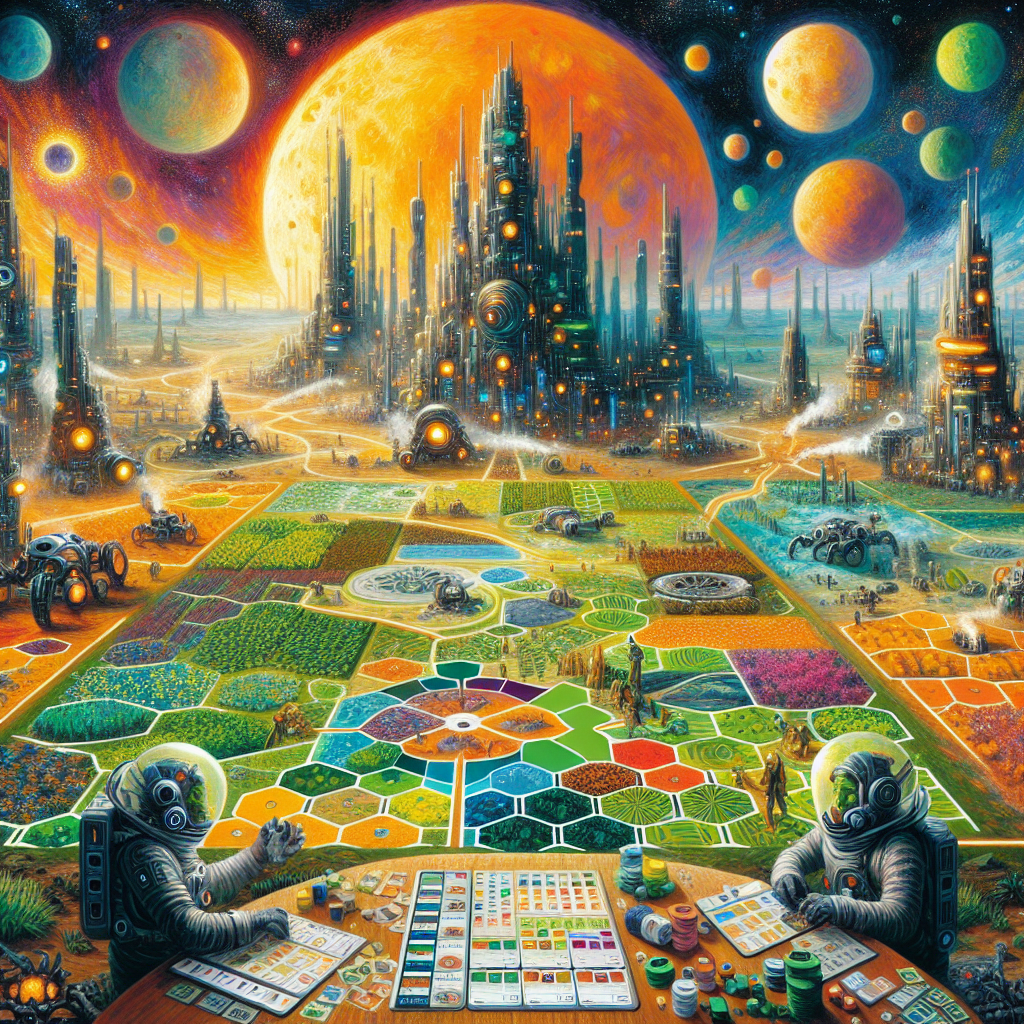
Strategy Games are another powerhouse in the critical thinking department. Think of classics like chess or more modern variants like Settlers of Catan. These games challenge kids to plan, anticipate their opponent’s moves, and adapt their strategies accordingly. They learn about cause and effect, weighing options before making decisions. Plus, playing these games together can foster a sense of teamwork and resilience—key ingredients for any future leader.
Role-Playing Games (RPGs) stir imagination and creativity while also honing critical thinking. When kids step into the shoes of a character, they learn to navigate complex scenarios and make decisions that can have serious consequences in the game world. They practice analyzing situations, predicting outcomes, and thinking on their feet—all skills that translate beautifully into real-life challenges.
Let’s not forget Educational App Games. In our tech-driven world, many apps turn learning into an engaging experience through gamification. These games make math, science, and language skills feel less like a chore and more like an exciting quest. They help kids draw connections between concepts in a way that sticks, often leading to those glorious “Aha!” moments.
The common thread here? All these types of games invite kids to think critically while having a blast. So why not embrace playtime as an opportunity to boost those brain cells? Trust us; the skills they cultivate through these games will serve them well beyond the playroom, leading to more confident problem solvers in the future. Dive in, play together, and watch them flourish!
What Types Of Games Enhance Critical Thinking In Kids?
What Types Of Games Enhance Critical Thinking In Kids?
- Games are essential for nurturing critical thinking skills in children through play.
- Puzzle games promote logical thinking, spatial awareness, and pattern recognition.
- Strategy games like chess and Settlers of Catan enhance planning, decision-making, and teamwork.
- Role-Playing Games (RPGs) foster creativity and critical thinking by placing kids in complex scenarios.
- Educational app games gamify learning, making subjects like math and science more engaging.
- All these games encourage critical thinking while providing fun and interactive experiences.
- Playing together develops confidence and problem-solving skills that benefit children in real life.

What Types Of Games Enhance Critical Thinking In Kids?
Can Multiplayer Games Improve Teamwork And Collaboration Skills?
In a world that sometimes feels divided, multiplayer games offer a unique playground for honing skills that matter in life beyond the screen. Think of multiplayer gaming as a high-stakes, virtual workshop where collaboration is the name of the game—and trust me, it’s a workshop worth attending. Now, you might be wondering, “How can sitting in front of a screen with a headset on really help me with teamwork?” The answer lies in what we often call gamification.
Gamification isn’t just a buzzword tossed around at conferences; it’s about infusing elements of game design into real-world situations, making tasks more engaging and motivating. In the heat of a multiplayer match, players must strategize, communicate, and adapt to evolve dynamically as a team. You’re not just aiming for a high score; you’re building a collective effort to accomplish a shared goal. Each player brings their unique skills to the table, teaching us the invaluable lesson that while individual talent is important, synergy often leads to extraordinary outcomes.
Take a moment to picture your typical multiplayer scenario. You jump into a space with friends—or even strangers—and each member has a unique role. Someone’s the healer, another is the tank, while others provide the firepower. Without coordination and trust, it doesn’t matter how skilled each player is—they’ll likely fall short. This necessity for communication and tactical planning cultivates a sense of responsibility, not only toward your own performance but toward the success of your team as a whole.
As you navigate through challenges, overcome obstacles, and revel in victories (or learn from defeats), you’re forging bonds that extend beyond the game. Those late-night strategy sessions or the joyous celebrations after a hard-fought battle? They aren’t just pixels on a screen; they’re shared experiences that cultivate camaraderie.
So why not embrace this opportunity? Whether you’re a seasoned gamer or someone still finding their footing, engaging in multiplayer games could just be the low-key training ground you didn’t know you needed. The lessons learned while navigating virtual worlds can often translate into improved communication, problem-solving, and collaboration skills that empower you both in your professional life and personal relationships. In a world that increasingly requires teamwork, those skills are priceless. So gear up, gather your squad, and jump into the fray—you might just find that the bonds you forge in-game can create ripples in reality that are both profound and lasting.

Can Multiplayer Games Improve Teamwork And Collaboration Skills?
Can Multiplayer Games Improve Teamwork And Collaboration Skills?
- Multiplayer games provide a unique environment for developing real-life skills such as teamwork and collaboration.
- Gamification involves integrating game design elements into real-world contexts to enhance engagement and motivation.
- Players must strategize, communicate, and adapt as a team, emphasizing that collective effort is crucial for success.
- Each player contributes their unique skills, highlighting the importance of synergy over individual talent.
- Effective communication and tactical planning foster a sense of responsibility for both personal and team performance.
- Shared experiences in gaming, such as strategy sessions and celebrations, build camaraderie that transcends the virtual space.
- Engaging in multiplayer games can enhance communication, problem-solving, and collaboration skills beneficial in both personal and professional settings.

Can Multiplayer Games Improve Teamwork And Collaboration Skills?
Do Puzzle Games Promote Logical Reasoning In Young Players?
Let’s face it—life can sometimes feel like a big, jumbled puzzle. You wake up, have breakfast, and then… what? It’s a daily quest filled with pieces that don’t always fit together neatly. Here’s where puzzle games enter the scene, often touted as the modern-day training ground for logical reasoning in our young players.
Imagine your child, eyes alight with concentration, fingers dancing over a tablet screen, trying to align three colors in a row. Sure, they might be having fun, but beneath the surface, something profound is happening. Each time they twist and turn those pieces, they’re engaging in a mental workout that flexes those critical thinking muscles. In a world that often leans toward instant gratification, these games throw down a challenge. They require patience, strategy, and a good dose of problem-solving.
This phenomenon, known as gamification, isn’t just about stacking points or climbing leaderboards. It’s about creating a world where challenges become opportunities for growth. When kids approach a particularly tricky level, they learn to analyze the situation, consider multiple angles, and develop strategies. It’s a digital rite of passage—a journey toward honing their cognitive skills, one puzzle at a time.
But let’s not overlook the importance of failure in this equation. Completing a puzzle often means stumbling, getting it wrong, and then trying again. Each setback builds resilience and teaches youngsters that perseverance pays off. It cultivates a mindset that sees problems not as dead ends, but as pathways to solutions—a valuable lesson that extends far beyond the screen and seeps into real life.
Now, I’m not here to play the role of the traditional educator drumming up lectures on logical reasoning. No, this is the hands-on experience of life we’re talking about. Those puzzle games are tools, yes, but they’re also companions on a journey where players can bond with friends, share victories, or even collaborate to overcome a particularly daunting challenge.
So next time you hear that familiar “click-click” of your child engrossed in their game, don’t simply see it as screen time. See it as an investment in their development, one puzzle at a time, creating sharper thinkers ready to tackle whatever life may throw their way.

Do Puzzle Games Promote Logical Reasoning In Young Players?
Do Puzzle Games Promote Logical Reasoning In Young Players?
- Puzzle games serve as modern training grounds for logical reasoning in children.
- While playing, kids engage in mental workouts that enhance critical thinking skills.
- These games challenge players to develop patience, strategy, and problem-solving abilities.
- Gamification transforms challenges into opportunities for personal growth.
- Failure in puzzle games teaches resilience and the importance of perseverance.
- Puzzle games provide a hands-on learning experience, encouraging social bonding and collaboration.
- Viewing puzzle games as an investment in a child’s development fosters sharper thinkers for future challenges.

Do Puzzle Games Promote Logical Reasoning In Young Players?
How Do Time Management Games Teach Planning Abilities To Kids?
In a world bursting with distractions and endless entertainment options vying for our attention, the quest for effective time management can feel like an uphill battle, especially for our kids. Enter time management games—those vibrant, engaging apps or computer games that transform the mundane art of planning into a captivating adventure. You see, these games are more than just a diversion; they harness the power of gamification to teach planning skills in a way that feels both enjoyable and rewarding.
Think about it. When kids dive into a time management game, they aren’t just clicking away aimlessly; they’re orchestrating complex scenarios, juggling tasks, and strategizing their next move. Picture this: a young player tasked with running a bustling farm, where each crop has its own schedule for planting, harvesting, and selling. Suddenly, farming isn’t just farming; it’s a race against the clock! Each decision carries weight, and with limited time, kids learn to prioritize their actions, balancing short-term gains with long-term strategies. It’s a bit like life itself, and therein lies the beauty of these games.
As players navigate through increasingly challenging levels, they build not only their in-game success but also valuable cognitive skills that echo in real life. The thrill of meeting deadlines, planning ahead, and adapting to unexpected challenges fosters resilience and critical thinking. Imagine your child moving from planting virtual veggies to planning a school project. That mastery doesn’t just stay in the digital realm; it translates directly into the tangible world, giving them the confidence to tackle real-life tasks.
Moreover, time management games often incorporate a social element, where kids can collaborate and compete with friends, further enhancing their social skills. They learn to communicate, negotiate, and work together—a critical aspect of planning that extends beyond solo achievements. It’s this multi-faceted approach that makes these games extraordinary educational tools, wrapping essential life skills in engaging, bite-sized packages.
In essence, time management games are about more than digital fun; they’re a gateway to developing a structured mindset. So, the next time you see your child engrossed in a colorful game of strategy and time, remember, they’re not just playing—they’re honing the very skills they’ll need as they step into the complexities of adulthood. Embrace this innovative approach to learning, and watch as your kids transform into adept planners, ready to take on the world, one virtual challenge at a time.

How Do Time Management Games Teach Planning Abilities To Kids?
How Do Time Management Games Teach Planning Abilities To Kids?
- Time management games turn planning into an engaging adventure for kids in a distracting world.
- These games teach planning skills through gamification, making the learning process enjoyable and rewarding.
- Players engage in complex scenarios, juggling tasks and making strategic decisions under time pressure.
- Skills learned, such as prioritizing actions and balancing short-term and long-term goals, mimic real-life challenges.
- As kids advance through levels, they build cognitive skills, resilience, and critical thinking applicable in everyday life.
- Many games include social elements, enhancing communication, negotiation, and teamwork skills.
- Overall, time management games provide a fun way for children to develop essential life skills for their future.

How Do Time Management Games Teach Planning Abilities To Kids?
Are There Specific Game Genres That Are More Beneficial For Learning?
When it comes to learning through games, it’s hard to ignore the powerful impact of gamification. This trendy concept marries the enjoyment of gaming with the precious nuggets of knowledge waiting to be uncovered. But the question remains: are certain game genres more effective than others for learning? Let’s dive into this fascinating world.
First, let’s consider role-playing games (RPGs). These interactive experiences often thrust players into rich, immersive worlds where problem-solving and critical thinking take center stage. Players aren’t just passively absorbing information; they’re actively engaging with storylines that require them to make decisions, strategize, and collaborate with others. Imagine navigating a complex narrative where every choice has consequences. That’s not just entertainment; that’s an exercise in critical decision-making, one that can translate to the real world.
Now, take a look at simulation games, which have gained quite the reputation in educational settings. Think about farming simulators or city-building games. Players learn resource management, strategic planning, and even economic concepts in a test-driven environment that feels less like a classroom and more like a playground. The beauty of these games lies in their iterative learning process: you plant the seeds of knowledge, and if you make a mistake, you can always try again—no need for a red pen or a big “F” on your report card.
Then, there’s the burgeoning genre of puzzle games. These crafty little conundrums sharpen your brain while keeping you entertained. Whether it’s a word puzzle or a challenging logic game, the act of solving these problems requires focus and analytical skills. They’re like mental gymnastics, helping to enhance cognitive abilities that are valuable in every facet of life—from tackling math problems to resolving workplace challenges.
The genre of the game truly matters, but what’s more critical is the intention behind playing. Are we merely looking to kill time, or are we seeking to grow? Harnessing the power of gamification to fuel our learning journey can transform an ordinary experience into an extraordinary one. So, the next time you find yourself firing up your gaming console or mobile app, ask yourself: What can I learn today? The world is just a game, waiting for you to level up.

Are There Specific Game Genres That Are More Beneficial For Learning?
Are There Specific Game Genres That Are More Beneficial For Learning?
- Gamification combines gaming enjoyment with valuable knowledge acquisition.
- Role-playing games (RPGs) engage players in immersive worlds that promote problem-solving and critical thinking.
- Players in RPGs make impactful decisions, enhancing real-world decision-making skills.
- Simulation games, like farming or city-building games, teach resource management and strategic planning in a playful environment.
- These games offer iterative learning, allowing players to learn from mistakes without harsh penalties.
- Puzzle games enhance cognitive abilities through problem-solving challenges and require focus and analytical skills.
- The intention behind playing is vital; using gamification purposefully can transform learning experiences.

Are There Specific Game Genres That Are More Beneficial For Learning?
What Role Do Challenges In Games Play In Skill Development?
Ah, the thrill of a challenge! You know that feeling when you dive into a game, only to find yourself face-to-face with a daunting obstacle? It can be frustrating, sure, but therein lies the beauty. Those challenges are not just roadblocks; they’re the stepping stones to growth and skill development. This is where the magic of gamification comes into play. It transforms our approach to challenges by turning seemingly mundane tasks into engaging experiences.
Consider a classic platformer: you leap over pits, dodge enemies, and collect power-ups. At first, your character stumbles and falls—maybe more times than you’d like to admit. Every time you fail, something crucial happens: you learn. You refine your timing, develop spatial awareness, and improve your problem-solving skills. Each retry is not simply an exercise in frustration; it’s an opportunity to grow.
Challenges in games mirror real-life hurdles in many ways. Imagine learning to ride a bike. You start wobbling, maybe take a spill, but you get back up. Those small victories, like finally balancing on two wheels, translate into newfound confidence and physical coordination. This is precisely what challenges in games offer. Just like riding a bike, they teach resilience and determination. You develop not just your strategic thinking, but also your emotional intelligence, learning how to cope with setbacks in a safe environment.
Gamification breathes life into this process by adding layers of reward and recognition. Leveling up, earning badges, or unlocking new content provides positive reinforcement. This feedback loop encourages you to push your boundaries and take on more challenging tasks—whether in a game or in your day-to-day life. You start viewing obstacles as opportunities rather than impediments.
Now, let’s apply that insight beyond the screen. Think about how you approach challenges at work or in personal development. Are you embracing those hurdles, or are you shying away? When you view challenges as opportunities for mastery, you’re no longer simply surviving; you’re thriving. So, let’s step into the arena with confidence! The next time you’re met with a challenge, remember that it’s not just an obstacle, it’s your personal trainer in disguise, ready to help you level up. Embrace it, learn from it, and watch yourself grow.

What Role Do Challenges In Games Play In Skill Development?
What Role Do Challenges In Games Play In Skill Development?
- Challenges in games are not just obstacles; they are opportunities for growth and skill development.
- Gamification transforms mundane tasks into engaging experiences through interactive challenges.
- In games, failure leads to learning and refining skills such as timing, spatial awareness, and problem-solving.
- Challenges parallel real-life experiences, teaching resilience and determination—like learning to ride a bike.
- Gamification incorporates rewards (leveling up, badges) that provide positive reinforcement and encourage growth.
- Viewing challenges as opportunities fosters a thriving mindset in both gaming and daily life.
- Embrace challenges as personal trainers that help you level up and grow in every aspect of life.

What Role Do Challenges In Games Play In Skill Development?
Conclusion
As we wrap up this exploration into the intersection of gaming and problem-solving skills in children, let’s take a moment to reconsider our perspectives. Video games may initially appear as just a distraction—a way to zone out and escape reality. But if we look a little closer, it becomes evident that buried within their vibrant graphics and engaging narratives lies a treasure trove of developmental benefits. In many ways, today’s gaming environments are akin to modern-day skill workshops, where kids are not only entertained but actively training their minds to think critically and solve real-world problems.
When kids dive into games, they enter worlds packed with challenges that require sharp thinking and adaptability. Each puzzle they solve, each obstacle they navigate, is a lesson cloaked in fun, reinforcing valuable skills like resilience, strategy, and teamwork. Remember that good ol’ adage: “practice makes perfect”? Well, every time a child gets up to face another challenge in a game, they’re honing their ability to analyze situations, make decisions, and work collaboratively with peers. Those skills won’t just help them slay virtual dragons; they’re the same skills that will carry over to the classroom, soccer field, and future workplaces.
Think about the essence of gamification—the idea of taking game mechanics and layering them onto other aspects of life. It’s not just a buzzword; it’s a strategy that turns learning and growth into an exciting adventure. Kids learn to embrace obstacles, not as hurdles but stepping stones toward success. When they fail, they don’t give up; they reassess and strategize, learning that failure is simply part of the process—an invaluable lesson for life.
Now, it’s crucial to guide how kids engage with gaming. Rather than viewing it as mere screen time, parents and guardians should step into this realm alongside them. Be active participants—encourage discussions, share insights, and celebrate achievements. Help them select games that challenge their intellect and foster creativity. By doing so, you turn gaming into a pedagogical tool rather than a passive escape.
So, let’s embrace gaming for what it can be: a vibrant, dynamic, and effective resource in developing the problem-solving skills our children need. Behind every level conquered and puzzle solved, there’s a budding thinker evolving. Let’s harness that potential to nurture the confident, capable problem solvers of tomorrow instead of dismissing it as just a diversion from reality. Maybe it’s time we reconsider our attitudes toward play and recognize the incredible lessons kids are learning, one pixel at a time.

Conclusion
Conclusion:
- Video games provide developmental benefits beyond mere distraction.
- Gaming environments act as modern skill workshops that enhance critical thinking and problem-solving abilities.
- Challenges in games help kids build resilience, strategy, and teamwork skills.
- Kids learn to analyze situations, make decisions, and collaborate with peers through gameplay.
- Gamification transforms learning into an engaging and adventurous process.
- Active parental involvement can help guide productive gaming experiences and discussions.
- Embracing gaming can foster confident problem solvers and important life skills in children.

Conclusion
Other Resources

Other Resources
Here is a list of other resources you can review online to learn more:
- Pandemic Legacy: Season 1
- Meeple Mountain
- Battlestar Galactica: The Board Game
- Tasty Minstrel Games
- Eurogamer
- Jumbo
- Miniature Market
- Cool Mini or Not (CMON)
- Leder Games
- Nürnberger-Spielkarten-Verlag (NSV)
Use This Prompt To Get More Resources With Your Favorite Online AI Tool: Please provide me with a list of online articles with their URLs in a bulleted list that I can read regarding Are Essential Problem Solving Skills In Kids Aided By Gaming?

Other Resources
Glossary Terms
Are Essential Problem Solving Skills In Kids Aided By Gaming? – Glossary Of Terms
1. Adaptability: The ability to adjust one’s approach or strategies in response to changing situations or challenges.
2. Cognitive Skills: Mental capabilities that include reasoning, problem-solving, and the ability to learn and understand new information.
3. Critical Thinking: The process of analyzing facts to form a judgment, allowing children to evaluate information and make decisions.
4. Creativity: The use of imagination to generate new ideas or solutions, often encouraged through open-ended gaming scenarios.
5. Collaboration: Working together with others towards a common goal, often fostered through multiplayer gaming experiences.
6. Decision-Making: The process of making choices by identifying options and evaluating them based on the desired outcome.
7. Emotional Regulation: The ability to manage emotions effectively, which is crucial when faced with challenges or failures in games.
8. Engagement: The level of interest and involvement a child has in an activity, often increased through interactive and immersive gaming experiences.
9. Game Mechanics: The rules and systems that guide player interactions within a game, shaping how problem-solving occurs.
10. Goal Setting: The process of identifying specific objectives to achieve, which can be practiced through completing game challenges.
11. Logical Reasoning: The ability to think in a structured and coherent manner to draw conclusions from premises or facts.
12. Multitasking: The capability to handle multiple tasks at once, as often required during fast-paced gaming scenarios.
13. Narrative Skills: The ability to understand and create stories, which can be developed through narrative-driven games.
14. Observation Skills: The capacity to notice and interpret cues, important for strategizing in both games and real-life situations.
15. Perseverance: The determination to continue working through challenges, a vital skill often reinforced by gaming, especially in difficult levels.
16. Planning: The ability to devise a sequence of actions to accomplish a task, crucial for strategy games.
17. Problem Analysis: The skill to break down complex problems into manageable parts, aiding in effective solution finding.
18. Resource Management: The ability to efficiently utilize available resources, often simulated in gaming environments.
19. Simulation: A method of training that mimics real-life situations, which can enhance problem-solving skills through virtual experiences.
20. Social Skills: Abilities that facilitate interaction with others, often developed through multiplayer games requiring teamwork.
21. Strategy: The overall plan of action aimed at achieving success in a game, fostering long-term thinking and adaptability.
22. Systems Thinking: Understanding how various components of a game or problem interact and affect one another.
23. Trial and Error: A process of experimentation that involves trying different approaches to discover what works best.
24. Visualization: The ability to form mental images of potential outcomes or strategies, helping children anticipate results during play.
25. Feedback Loop: A system where the outcome of a process influences future actions, commonly seen in gaming to reinforce learning.
26. Intrinsic Motivation: The internal drive to engage in an activity for its own sake, often fostered by the enjoyment found in games.
27. Time Management: The skill of effectively allocating time to various tasks, which can be practiced in time-sensitive game scenarios.
28. Pattern Recognition: The ability to identify and analyze recurring themes or sequences, useful in both gaming and problem-solving.
29. Risk Assessment: The process of evaluating the potential risks and rewards associated with decisions in games and real life.
30. Self-Efficacy: The belief in one’s own abilities to succeed in specific situations or accomplish a task, often boosted by achievements in gaming.

Glossary Of Terms
Other Questions
Are Essential Problem Solving Skills In Kids Aided By Gaming? – Other Questions
If you wish to explore and discover more, consider looking for answers to these questions:
- What specific problem-solving skills can children develop through gaming?
- Are there studies that back up the claims about gaming and problem-solving skills?
- How do different types of games affect problem-solving skills differently?
- What are the potential downsides of excessive gaming in relation to problem-solving skills?
- How can parents facilitate their child’s gaming experience to enhance learning?
- Are there age-appropriate games that focus on developing problem-solving skills?
- How can gaming impact social skills alongside problem-solving skills?
- What is the role of failure in children’s learning through gaming?
- Are there any recommended game titles for enhancing critical thinking?
- How can time management games specifically help kids in their daily life?
- What role do online communities play in fostering problem-solving skills in gamers?
- Can gaming be integrated into educational curricula effectively?
- If so, how?

Other Questions
Haiku
Are Essential Problem Solving Skills In Kids Aided By Gaming? – A Haiku
Gaming nurtures minds,
Challenges shape young hearts strong—
Play, learn, grow, succeed.
Haiku
Poem
Are Essential Problem Solving Skills In Kids Aided By Gaming? – A Poem
In worlds of pixels, bright and bold,
Where tales of courage and quests unfold,
Children dive in, controllers in hand,
Unlocking treasures, both vast and grand.
Each level conquered, each puzzle made,
Fostering skills through every escapade.
Resilience blooms when a challenge appears,
For in every setback, a lesson endears.
Strategic thinkers, young minds are formed,
As they navigate paths, both complex and normed.
Critical choices, they weigh and assess,
Translating to life, where doubts may digress.
Through teamwork and laughter, they learn to unite,
In multiplayer realms, building bonds that feel right.
Communication flows, strategies blend,
In the heart of the game, friendships extend.
Puzzle pieces fit, logic takes flight,
In games that engage, they find their might.
Time ticks away as they plan and prepare,
Balancing tasks, they grow more aware.
So let us not scoff at the games that they play,
For within these bright realms, they discover the way.
From digital landscapes to life’s broad expanse,
Through gaming’s enchantment, kids grasp their chance.
To think, and adapt, to solve with delight,
With courage in hand, they’re ready to fight.
Embrace the adventure, for wisdom runs deep,
In gaming’s embrace, young minds take the leap.

Poem
Checklist
Are Essential Problem Solving Skills In Kids Aided By Gaming? – A Checklist
1. Choose the Right Types of Games
_____ Puzzle Games: Select games that challenge logical reasoning and spatial awareness (e. g. , jigsaw puzzles, brain teasers).
_____ Strategy Games: Engage in games like chess and Settlers of Catan for planning, anticipating moves, and causal reasoning.
_____ Role-Playing Games (RPGs): Encourage creativity and decision-making in complex scenarios.
_____ Educational App Games: Opt for games that blend learning with play (e. g. , math and language games).
2. Encourage Critical Thinking
_____ Foster discussions about strategies used during games.
_____ Ask open-ended questions to stimulate deeper thinking and reflection on their gaming experiences.
3. Engage in Cooperative Play
_____ Promote multiplayer games to enhance teamwork, communication, and negotiation skills.
_____ Plan group gaming sessions to facilitate collaborative problem solving.
4. Utilize Time Management Games
_____ Introduce games designed to improve planning and prioritization skills (e. g. , farm simulation games).
_____ Encourage kids to discuss how they managed their tasks within the game.
5. Foster Resilience Through Challenges
_____ Highlight the importance of learning from failures and setbacks during gameplay.
_____ Share personal experiences about overcoming challenges to help them see the value in persistence.
6. Integrate Gamification in Daily Life
_____ Relate gaming strategies to real-life scenarios (e. g. , school projects, family tasks).
_____ Create challenges at home that mirror game mechanics to reinforce skills learned through gaming.
7. Monitor Gaming Time
_____ Set healthy limits to ensure balance between gaming and other important activities.
_____ Participate in gaming sessions to share experiences and enjoy quality time together.
8. Reflect on Gaming Experiences
_____ Encourage kids to keep a journal of their gaming adventures, focusing on what they learned.
_____ Discuss the skills acquired and how they can be applied in real-life situations.
9. Embrace the Learning Journey
_____ Praise efforts and improvements, not just victories.
_____ Celebrate milestones in their development as confident problem solvers.
By integrating these strategies into your child’s gaming experiences, you can help them not just enjoy playtime, but also develop indispensable problem-solving skills that will benefit them throughout life.

Checklist
At HowDoYouGame, we help people who love board games by collating information and news about games.
Be sure to read our other related stories at HowDoYouGame to learn more about games.