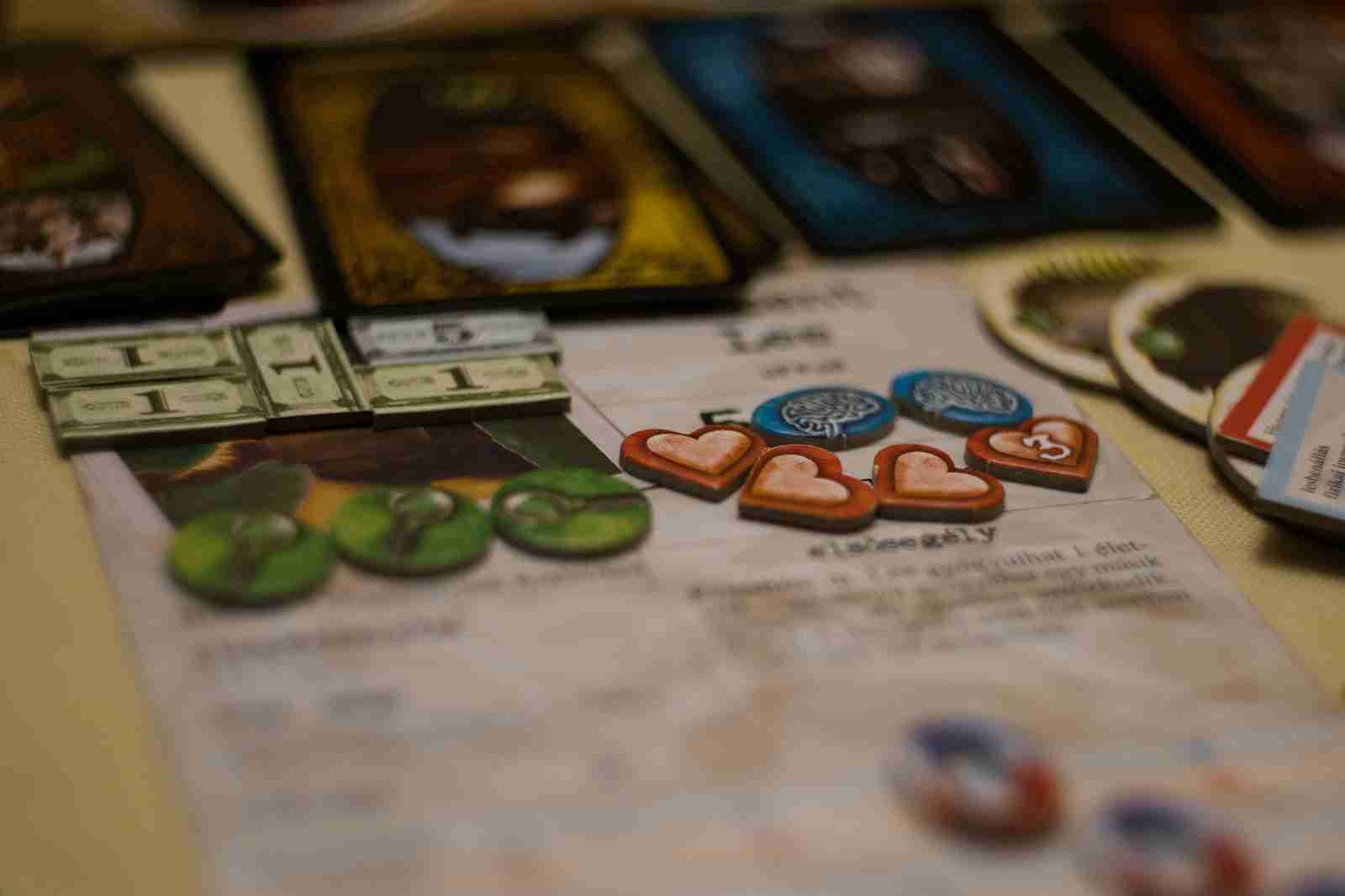

Leveling Up Seniors’ Stress Relief With Fun Games
By Tom Seest
At HowDoYouGame, we help people who love board games by collating information and news about games.
Be sure to read our other related stories at HowDoYouGame to learn more about games.
Can You Make Stress Relief Fun with Games for Elderly Adults?
When you think of games, you might picture kids laughing and running around. But here’s the kicker: games can be a powerful tool for stress relief, especially for elderly adults. Imagine turning a routine day into a thrilling experience filled with laughter and connection. That’s where the magic of gamification enters the picture.
Gamification is about infusing game-like elements into everyday activities. It’s less about strictly adhering to the rules of your favorite board game and more about harnessing the elements that make games engaging—competition, achievement, and social interaction. As folks age, sitting around can sometimes lead to a feeling of disengagement, but by weaving fun into their day-to-day life, you can turn mundane moments into exciting challenges.
Take, for instance, a friendly trivia contest. Imagine gathering a group of seniors for a rousing round of trivia questions—topics ranging from classic movies to history. You set up a point system, and suddenly, those questions become a playful competition. Not only is it stimulating for the mind, but it also fosters camaraderie and stimulates conversation. Laughter is the best medicine, and trivia can act as the perfect prescription.
Then there’s the world of digital games! Many elderly adults are embracing technology, and there’s a plethora of apps designed not just for entertainment but also for cognitive exercise. Picture a game that challenges memory or quick-thinking skills. Not only are they having a blast, but they’re also keeping their minds sharp. Plus, competing against family members—how’s that for a motivational boost?
Now, let’s not forget classic games like card games or bingo. These activities are not just time-fillers; they can be transformed into enjoyable competition. Setting up small prizes for winners can ignite excitement and drive participation. The simplicity of these games, combined with a sprinkle of competitive spirit, can provide a delightful respite from daily stresses.
Integrating gamification into the lives of elderly adults isn’t just about the games themselves; it’s about creating moments of joy and connection. These games offer more than a means to occupy time; they become a bridge to laughter and interaction. So, the next time you’re looking to lighten the mood, think outside the box and let the games begin! After all, who says stress relief can’t be fun?

Can You Make Stress Relief Fun with Games for Elderly Adults?
Can You Make Stress Relief Fun with Games for Elderly Adults?
- Games are a powerful tool for stress relief, especially for elderly adults.
- Gamification incorporates game-like elements into everyday activities, enhancing engagement through competition and social interaction.
- Friendly trivia contests can stimulate the mind while fostering camaraderie and conversation among seniors.
- Digital games offer cognitive exercises, helping elderly adults keep their minds sharp while enjoying technology.
- Classic games like card games and bingo can be transformed into enjoyable competitions with small prizes to boost participation.
- Integrating gamification creates moments of joy and connection, bridging laughter and interaction among older adults.
- Using games as a stress relief strategy proves that enjoyment and relaxation can coexist.

Can You Make Stress Relief Fun with Games for Elderly Adults?
Table Of Contents
- Can You Make Stress Relief Fun with Games for Elderly Adults?
- How Can Games Enhance Social Interaction For Seniors?
- Are There Specific Games Designed For Cognitive Engagement?
- What Are The Benefits Of Using Games For Stress Relief?
- How Can Physical Games Improve Mood And Well-Being In Elders?
- What Role Does Game Variety Play In Maintaining Interest?
- How Can Caregivers Incorporate Games Into Daily Routines?
- Can Online Games Be Beneficial For Elderly Stress Relief?
- Conclusion
- Other Resources
- Glossary Of Terms
- Other Questions
- Haiku
- Poem
- Checklist
How Can Games Enhance Social Interaction For Seniors?
When it comes to engaging our seniors, we often overlook the power of play. Sure, we might think of games as something for kids, but let’s hit the brakes for a moment and consider the real-world benefits that gaming can bring to the older generation. Enter accessibly designed games that incorporate gamification—the use of game elements in non-game contexts—to create meaningful experiences that encourage social interaction.
Imagine a bustling community center where seniors gather around tables, laughter ringing in the air. They’re not just reminiscing about the good old days; they’re fully engaged in a spirited game of cards, complete with twists and challenges that keep everyone on their toes. This isn’t just a casual pastime; it’s a lifeline. By integrating gamification into regular gatherings, we can transform mundane meetups into vibrant social events, fostering connections that are often hard to come by in today’s fast-paced world.
One of the beauties of games is their ability to break down barriers. When people are playing, the focus shifts from age to ability, from potential frailties to shared interests. Seniors who may typically sit on the sidelines become active participants, all thanks to a game that invites them in. A familiar board game or a simple trivia challenge can ignite conversation, laughter, and a healthy dose of competition that reignites that youthful spark.
Beyond just the joy of play, these interactions serve a higher purpose. Studies have shown that regular social engagement can enhance cognitive function and even combat feelings of loneliness and isolation. Games can act as the perfect vehicle for creating these crucial connections, bridging generational divides and nurturing friendships.
Moreover, technology has opened up a whole new realm of possibilities. From online multiplayer games that connect seniors across the globe to mobile apps designed specifically for cognitive function and social interaction, the avenues for gamification are endless. These tools empower seniors to not only interact with their peers at home but also expand their social reach—while still sitting in that beloved armchair.
In today’s world, where isolation can feel looming, games are more than just a source of entertainment—they’re a social lifeline. By encouraging seniors to engage through gamification, we open up a realm of possibilities, reminding them that play is not just for the young, but for the young at heart. So let’s shuffle those cards, roll those dice, and watch the conversations flow. After all, there’s nothing quite like a good game to bring people together.

How Can Games Enhance Social Interaction For Seniors?
How Can Games Enhance Social Interaction For Seniors?
- Games can be a powerful tool for engaging seniors, fostering social interaction and meaningful experiences.
- Accessibly designed games with gamification can transform mundane gatherings into vibrant social events.
- Playing games helps to break down barriers between individuals, shifting focus from age to ability.
- Familiar games can ignite conversations, laughter, and a sense of competition, reigniting youthful spirits.
- Regular social engagement through games can enhance cognitive function and alleviate feelings of loneliness.
- Technology has expanded opportunities for seniors to connect through online multiplayer games and dedicated apps.
- Playing games serves as a social lifeline, reminding seniors that play is for everyone, not just the young.

How Can Games Enhance Social Interaction For Seniors?
Are There Specific Games Designed For Cognitive Engagement?
In the world of gaming, where pixels dance and adventures await, it’s hard to ignore the rising trend called gamification. It’s the process of incorporating game-like elements into non-game contexts, and the goal is simple: to boost cognitive engagement. But let’s take it a step further. Are there specific games designed explicitly for this purpose?
First off, let’s clear the air. When we talk about cognitive engagement, we’re not just referencing the brain-tingling puzzles or the “aha!” moments that make you shout. We’re diving into the mental deep end, where games challenge your reasoning, memory, and problem-solving skills. Think of it as a gym for the mind—one that’s just as important as a fitness center for your body.
Consider games like “Lumosity” or “Elevate,” specifically designed as brain-training platforms. They integrate elements of gamification, presenting mental challenges in a fun, interactive way. You’re not just moving pieces around a board; you’re sharpening your cognitive skills to earn badges, climb leaderboards, and track your progress. It’s a creative twist that takes an age-old pastime and repurposes it for personal development.
Another shining example is the wildly popular game “Portal,” where you employ spatial reasoning to solve intricate puzzles. The mechanics of opening portals to navigate obstacles do more than entertain; they enhance critical thinking skills in players, compelling them to strategize multiple steps ahead. That’s cognitive engagement at its finest—challenging, rewarding, and undeniably fun.
Let’s not forget about the rise of educational games like “Minecraft: Education Edition.” Here, learners immerse themselves in a sandbox environment that encourages creativity, teamwork, and problem-solving. The gamification elements—like survival modes, building challenges, and collaborative quests—keep players engaged while subtly weaving in valuable lessons.
So, are there specific games designed for cognitive engagement? The answer is a resounding yes! From mobile apps to immersive virtual worlds, a treasure trove of options exists for anyone looking to give their brain a workout. But remember, just like in any field, the craft lies in choosing quality games that resonate with you. After all, if you’re not having fun, you might as well be reading a textbook, right?

Are There Specific Games Designed For Cognitive Engagement?
Are There Specific Games Designed For Cognitive Engagement?
- The rising trend of gamification involves incorporating game-like elements into non-game contexts to enhance cognitive engagement.
- Cognitive engagement goes beyond simple puzzles and involves enhancing reasoning, memory, and problem-solving skills.
- Games like “Lumosity” and “Elevate” are specifically designed for brain training, combining fun with mental challenges.
- “Portal” exemplifies cognitive engagement by using spatial reasoning to solve puzzles, enhancing critical thinking.
- “Minecraft: Education Edition” promotes creativity, teamwork, and problem-solving through gamified elements in a sandbox environment.
- There are many games available for cognitive engagement, ranging from mobile apps to immersive virtual worlds.
- Choosing quality games that resonate personally is crucial for making the experience enjoyable and effective.

Are There Specific Games Designed For Cognitive Engagement?
What Are The Benefits Of Using Games For Stress Relief?
When you think about games, your mind might leap to the latest console or the crowd gathered around a board game on a Friday night. But hold on for a second—toss aside the stereotype of gaming as mere distraction. Games, particularly those designed with purpose in mind, can serve as powerful tools for stress relief and emotional resilience.
First off, let’s talk about gamification. This fancy term refers to adding game-like elements to activities that aren’t traditionally considered games. Take, for instance, mobile apps that reward you with points for completing small tasks or engaging in wellness activities. By transforming chores or workouts into playful challenges, gamification can make everyday stressors feel more manageable, infusing a sense of achievement into even the most mundane tasks.
But what’s in it for you? Well, games provide a unique escape from reality. Engaging in a game allows your mind to shift focus. Instead of ruminating over that pesky deadline or an uncomfortable conversation from earlier, you find yourself immersed in a world of miniature warriors, racecars, or complex puzzles. This temporary relocation of your mental landscape can foster relaxation, releasing those precious endorphins that science says are so good for your mental state.
Additionally, many games require teamwork, whether you’re forming alliances in a strategy game or competing on the same team in a multiplayer environment. The camaraderie formed in these scenarios can bolster social connections, transforming stress into shared laughter and mutual support. It’s a vibrant reminder that, even when life feels chaotic, you’re not alone in facing its challenges.
Now let’s not forget about skill development. Playing games often involves critical thinking, strategy, and problem-solving—all necessary tools for navigating life’s complexities. As you hone these skills in a supportive and enjoyable context, you build a resilience that can be invaluable when the real-life stakes are high.
Moreover, the sheer joy of play should never be underestimated. Engaging in games allows for a release of pent-up emotion—laughter, excitement, even frustration can contribute to emotional processing. By transforming stress into a more manageable experience, games cultivate a sense of empowerment over those feelings.
So next time you find yourself feeling overwhelmed, consider diving into a good game. It’s not just child’s play; it’s a legit strategy for tackling life’s hurdles with a little more grace and a lot more fun!

What Are The Benefits Of Using Games For Stress Relief?
What Are The Benefits Of Using Games For Stress Relief?
- Games can serve as powerful tools for stress relief and emotional resilience.
- Gamification involves adding game-like elements to non-gaming activities, making mundane tasks more engaging.
- Engaging in games provides an escape from reality, allowing for mental relaxation and endorphin release.
- Games encourage teamwork, fostering social connections and transforming stress into shared experiences.
- Playing games develops critical thinking, strategy, and problem-solving skills, enhancing resilience in real-life situations.
- The joy of play allows for emotional processing, helping to manage feelings of stress and frustration.
- Playing games can be an effective strategy for coping with life’s challenges while adding fun to the experience.

What Are The Benefits Of Using Games For Stress Relief?
How Can Physical Games Improve Mood And Well-Being In Elders?
There’s something genuinely invigorating about watching elders engage in physical games. It’s a little like flipping the switch on an old lamp; when they move, light returns to their eyes, and in those moments, the weight of years seems to ease just a bit. The connection between physical activity and mood is no secret, but let’s dig a little deeper into just how physical games can gamify the experience of aging.
First off, let’s talk about gamification. It’s a fancy term, but at its core, it’s about making activities feel less like chores and more like enjoyable challenges. For seniors, traditional forms of exercise can often feel tedious or overwhelming, but when you infuse a little fun and competition into the mix, you’ve got an entirely different ballgame—literally. Think about games like bowling, bocce ball, or dancing. Each of these activities introduces a playful aspect where winning is lovely, but just participating is already a victory.
Now imagine a group of seniors gathering together—lively chatter filling the air, laughter spilling out, all as they engage in a friendly game of ring toss or shuffleboard. The physical movement involved—bending, stretching, even the simple act of standing up—encourages mobility, which does wonders for mental health. It’s no wonder that studies show physical games can elevate mood and reduce feelings of depression and anxiety.
Moreover, socialization plays a key role in this equation. Isolation can be a heavy burden for many elders, but games provide an opportunity for connection. When people come together for a common purpose, there’s camaraderie, shared experiences, and a sense of belonging. These interactions can be as uplifting as any prescribed medication.
What’s more, physical games often come with a healthy dose of laughter—a natural mood booster that releases endorphins. When our elders find joy in movement, that joy cascades into every aspect of their lives. From gaining confidence in their abilities to fostering friendships, the mental and emotional benefits multiply like a well-timed score in a game of horseshoes.
Engaging in physical games allows our seniors to reclaim a bit of that youthful spark. It’s not just about physical health; it’s about nurturing the spirit, fostering joy, and building vibrant communities where age is just a number, and every game is an opportunity for connection and growth.

How Can Physical Games Improve Mood And Well-Being In Elders?
How Can Physical Games Improve Mood And Well-Being In Elders?
- Elders engaging in physical games can rejuvenate their spirits and improve mood.
- Gamification transforms traditional exercise into enjoyable challenges, enhancing participation.
- Activities like bowling, bocce ball, and dancing add fun and competition to the experience.
- Group games encourage mobility and have positive impacts on mental health by reducing depression and anxiety.
- Socialization through games combats isolation, fostering camaraderie and a sense of belonging.
- Laughter during games acts as a mood booster, releasing endorphins and enhancing overall well-being.
- Physical games help seniors reclaim youthfulness, promote joy, and strengthen community bonds.

How Can Physical Games Improve Mood And Well-Being In Elders?
What Role Does Game Variety Play In Maintaining Interest?
Let’s face it, life can sometimes feel like a monotone drone—a routine of the same old thing, day in and day out. This is where the magic of gamification steps in like a breath of fresh air. It cleverly injects a sense of play into our daily grind, turning mundane tasks into enticing challenges. But when it comes to maintaining long-term interest, the real secret sauce isn’t just the gamification itself; it’s the variety embedded within that framework.
Think about it: if every game you played was the same, with the same characters, levels, and rewards, you’d likely lose interest faster than you could say “Game Over.” Our brains are wired to crave novelty. Each time we engage with something new—whether it’s a different storyline, a unique gameplay mechanic, or a fresh set of challenges—our brain releases a little dopamine hit, reminding us that exploration can lead to excitement and satisfaction. This compels us to keep coming back for more.
Now, picture a game that evolves over time; it’s like watching an old friend grow and change rather than being stuck in an endless loop of sameness. Games that introduce new roles, quests, and environments keep players on their toes. Take a successful role-playing game: players might start in a quaint village, journey through treacherous mountains, and ultimately confront formidable foes in otherworldly realms. Each new setting not only offers a different aesthetic but also challenges players to adapt their strategies, which is where the thrill lies.
And let’s not overlook the social aspect of variety. Many modern games incorporate multiplayer features, allowing players to interact within a living, breathing ecosystem. This community-driven experience can create a dynamic tapestry of gameplay, with each player’s unique contributions adding layers of complexity and camaraderie. Engaging with others keeps the experience fresh and encourages growth through shared exploration and competition.
In short, while gamification lays the foundational bricks for interest, it’s the wide array of game types, challenges, and social interactions that keep players engaged. It’s about turning the mundane into an adventure, where each new twist keeps you riveted and hungry for what comes next. So, embrace the variety, because in the realm of gaming, it’s truly the spice of life.

What Role Does Game Variety Play In Maintaining Interest?
What Role Does Game Variety Play In Maintaining Interest?
- Life can feel monotonous, but gamification introduces play into daily routines.
- Maintaining long-term interest relies on the variety within gamification, not just its presence.
- Our brains crave novelty; new experiences trigger dopamine release and excitement.
- Games that evolve over time provide fresh challenges and prevent boredom.
- The social aspect of games enhances engagement, as players interact in a dynamic environment.
- Community-driven experiences add complexity and camaraderie, making gameplay richer.
- Variety is crucial in gaming, turning the mundane into adventures that keep players eager for more.

What Role Does Game Variety Play In Maintaining Interest?
How Can Caregivers Incorporate Games Into Daily Routines?
Incorporating games into daily routines isn’t just about tossing a few dice and calling it a day. It’s about weaving the concept of gamification into the fabric of caregiving, transforming mundane tasks into engaging experiences. Whether you’re helping someone with limited mobility or assisting a child with special needs, a little creativity can turn the ordinary into something extraordinary.
Let’s take a moment to contemplate the everyday activities we often overlook. Doing chores, taking medication, or even just getting dressed can be a challenge for many, but by introducing games, you can add a spark of excitement to those moments. Imagine turning the daily routine of getting out of bed into a mini-adventure. Use a point system to reward achievements, no matter how small. If they manage to sit up, give them a point. Standing? Another point! Before they know it, they’re racking up points like a champion, creating a sense of accomplishment that traditional routines often lack.
You can also bring gamification into mealtime. Try organizing a “food explorer” contest, where the goal is to try a new vegetable or fruit each week. Create a colorful chart to track progress, complete with stickers for participation. This not only helps with nutrition but fosters an environment of fun and learning.
When it comes to exercise, get creative. Transform a simple walk into a scavenger hunt; make a list of things to find or observe along the way. “I spy with my little eye…” takes on a whole new level of excitement when you’re on a mission! Not only are you fostering physical health, but you’re also injecting a sense of purpose into an otherwise routine task.
Technology can also come into play. There are plenty of apps and tools designed specifically for making daily routines more engaging. Gamified elements—from goal tracking to rewards—help motivate and maintain interest over time. But remember, keep it simple! The objective isn’t necessarily to win; it’s about enhancing the quality of life for everyone involved.
Incorporating games into daily routines isn’t just a strategy; it’s a state of mind. By reimagining ordinary tasks as opportunities for fun and connection, caregivers can create a more vibrant, engaging atmosphere. And trust me, the rewards are well worth the effort. So grab that deck of cards or download a game and get to work! The joy of play is waiting, right at your fingertips.

How Can Caregivers Incorporate Games Into Daily Routines?
How Can Caregivers Incorporate Games Into Daily Routines?
- Incorporating games into caregiving transforms mundane tasks into engaging experiences.
- Gamification can help with everyday activities like chores, medication, and getting dressed.
- Using a point system can create a sense of accomplishment for small achievements.
- Mealtime can become fun through activities like “food explorer” contests with colorful charts and stickers.
- Exercise routines, such as walks, can be turned into scavenger hunts to enhance enjoyment and purpose.
- Utilizing technology, such as gamified apps, can maintain motivation in daily routines.
- Reimagining routine tasks as fun opportunities fosters a vibrant and engaging atmosphere for caregivers and those they care for.

How Can Caregivers Incorporate Games Into Daily Routines?
Can Online Games Be Beneficial For Elderly Stress Relief?
In a world that can feel overwhelming, the quest for stress relief is a universal one, especially for the elderly. As traditional forms of relaxation—the quiet afternoon with a book or a leisurely stroll—sometimes take a back seat, a new contender has emerged: online gaming. Now, before you write this off as mere child’s play, let’s delve into how these digital delights can serve as effective stress relief for the older generation.
First off, let’s talk about gamification. Ah, that buzzword that gets tossed around like confetti at a parade. Gamification involves using game-like elements in non-game contexts to engage people and make tasks more enjoyable. For seniors, many online games incorporate these principles, transforming mundane activities into captivating challenges. Imagine an elderly player navigating through rich, colorful landscapes, solving puzzles and earning rewards. The act of accomplishment, no matter how small, can trigger a sense of achievement. This little spark of joy helps ward off feelings of stress and isolation.
Furthermore, online gaming fosters social connections. Consider this: many seniors might struggle to keep up with friends or family due to mobility issues. Enter the digital realm, where a game’s multiplayer feature allows for interaction from the comfort of home. A friendly competition or cooperative gameplay can cultivate camaraderie among peers. Suddenly, the living room isn’t just a waiting area for the next family visit; it’s a vibrant forum of engagement and laughter. That social aspect can be a comforting balm for loneliness, which tends to rear its ugly head in golden years.
Cognitive benefits are not to be overlooked, either. Online games often require strategic thinking, quick reflexes, and problem-solving skills. Senior gamers engage their minds in a way that is both entertaining and stimulating. Keeping the brain active is crucial for mental health and can serve as a potent antidote to anxiety. With myriad options available—from word games to adventure quests—there’s something out there to tickle the fancy of any retiree.
So, before discounting online games as frivolous pastimes, let’s recognize their potential for elderly stress relief. They unite the power of gamification with social interaction and cognitive engagement, offering a holistic approach to well-being. In this digital age, sometimes the best prescription for stress comes with a click of a mouse and a cheerful game soundtrack.

Can Online Games Be Beneficial For Elderly Stress Relief?
Can Online Games Be Beneficial For Elderly Stress Relief?
- The quest for stress relief is crucial for the elderly in an overwhelming world.
- Online gaming has emerged as a new and effective method for relaxation.
- Gamification transforms mundane activities into engaging challenges for seniors.
- Online games promote social connections, alleviating feelings of loneliness.
- Multiplayer features allow seniors to interact and compete from home.
- Cognitive benefits include strategic thinking and problem-solving skills, enhancing mental health.
- Online games offer a holistic approach to well-being through enjoyment and engagement.

Can Online Games Be Beneficial For Elderly Stress Relief?
Conclusion
Alright folks, as we wrap up this delightful exploration into the role of games in relieving stress among our beloved elderly, let’s take a step back and appreciate just how powerful play can be—who says it’s just for kids? The truth is, games have the potential to transform a day-to-day routine into a vibrant tapestry of laughter, connection, and engagement. Picture this: a room full of seniors, not sitting idly, but actively competing in a spirited trivia contest or eagerly engaging with a set of colorful digital challenges. It’s not merely about keeping them occupied; it’s about creating meaningful experiences that foster joy and interaction.
At the heart of this movement is gamification—the art of infusing game-like elements into everyday activities. This approach works wonders, as it shifts focus from humdrum tasks to exciting, competitive challenges. Take that mundane exercise session and morph it into a lively bowling tournament, where every roll of the ball is a step back to youth. It’s about maintaining interest, and the secret ingredient is variety. Just like our brains crave novelty, they thrive on a range of games, so variety is key in keeping the excitement alive.
And let’s talk about connection. Games serve as bridges, breaking barriers and uniting folks through shared joy. Whether it’s a classic card game gathering or strategic online sessions that allow seniors to engage with friends and family across the globe, these moments create invaluable social ties. When our elders bust out those competitive spirits, what we’re really witnessing is the reclamation of their youthful camaraderie—a powerful antidote to loneliness.
But that’s not all. The cognitive engagement provided by both traditional and digital games sharpens the mind like a trusty old tool. From enhancing memory to solving puzzles, these activities are a mental gym for our seniors, proving once and for all that a good game goes far beyond mere entertainment.
So, let’s not shy away from incorporating this playful spirit into the lives of our elderly loved ones. Whether it’s bingo, a digital word game, or a spirited round of trivia, stress relief can indeed be fun. Life’s challenges may be many, but when we can pull up a seat at the game table, we regain the power to tackle them—with laughter, connection, and a whole lot of heart. So, who’s ready to let the games begin? Because let’s be real—nothing beats a shared chuckle over a friendly competition!

Conclusion
Conclusion:
- Games significantly relieve stress for the elderly, showcasing their transformative power beyond childhood.
- Active participation in games fosters laughter, connection, and engagement among seniors.
- Gamification introduces game-like elements into everyday activities, making them more exciting and competitive.
- Variety in games is crucial for maintaining interest and excitement among seniors.
- Games break down social barriers, promoting connection through shared experiences and camaraderie.
- Cognitive engagement from games acts as a mental gym, enhancing memory and problem-solving skills.
- Incorporating playful activities like bingo or trivia can bring joy and relieve stress for elderly individuals.

Conclusion
Other Resources

Other Resources
Here is a list of other resources you can review online to learn more:
- Geek and Sundry
- Jumbo
- Eclipse
- Piatnik
- Keyflower: The Farmers Expansion
- Cards Against Humanity
- Battlestar Galactica: The Board Game
- Pandemic
Use This Prompt To Get More Resources With Your Favorite Online AI Tool: Please provide me with a list of online articles with their URLs in a bulleted list that I can read regarding Can You Make Stress Relief Fun with Games for Elderly Adults?

Other Resources
Glossary Terms
Can You Make Stress Relief Fun with Games for Elderly Adults? – Glossary Of Terms
1. Aging: The natural process of growing older, often accompanied by various physical and mental changes requiring special considerations in activities.
2. Anxiety: A feeling of worry or unease that can affect the well-being of elderly adults, often alleviated through engaging activities.
3. Brain Games: Cognitive exercises designed to enhance mental function, memory, and problem-solving skills in a fun and engaging format.
4. Cognitive Function: The mental processes involved in gaining knowledge and comprehension, which can be improved through stimulating games and activities.
5. Dexterity: Skill in performing tasks, especially with the hands; games that enhance dexterity can be beneficial for motor skills in older adults.
6. Engagement: The involvement and interest that an individual shows towards activities; higher engagement levels lead to less stress and improved mood.
7. Fine Motor Skills: The ability to make small movements using the hands and fingers; games that require these skills can serve as both fun and therapeutic.
8. Gamification: The application of game-design elements in non-game contexts; it can make stress relief activities more enjoyable for elderly adults.
9. Group Dynamics: The social interaction and relationships formed within a group; multiplayer games can foster positive group dynamics and reduce loneliness.
10. Humor: The quality of being amusing; incorporating humor in games can lighten the mood and provide stress relief for elderly adults.
11. Interactivity: The degree to which participants can actively engage with a game; higher interactivity can lead to greater enjoyment and stress reduction.
12. Mindfulness: A mental practice focusing on the present moment, often utilized in games that promote relaxation and stress relief.
13. Multi-sensory: Involving multiple senses (sight, sound, touch); games that stimulate various senses can enhance enjoyment and relaxation.
14. Physical Activity: Any movement that engages the body; light physical games can promote health and release endorphins that ease stress.
15. Relaxation Techniques: Various methods employed to calm the mind and body, such as breathing exercises that can be integrated into game mechanics.
16. Socialization: The process of interacting with others; games that facilitate social interaction can reduce feelings of isolation common in elderly adults.
17. Stress: A state of mental or emotional strain; understanding how to alleviate stress through games can improve quality of life for the elderly.
18. Therapeutic Games: Games specifically designed to provide physical, emotional, or psychological benefits, promoting wellness among elderly participants.
19. Tone and Humor: The attitude conveyed in communication; a light and humorous tone in games can enhance the enjoyment and reduce stress.
20. Trivial Pursuit: A classic board game that involves answering general knowledge questions; can stimulate memory and provide fun distraction from stress.
21. Turn-taking: A game mechanic where players take turns; this encourages patience and social interaction, leading to stress relief.
22. Virtual Reality (VR): A technology that creates immersive digital environments; VR games can offer stress relief by providing engaging escape options.
23. Wellness: The overall health of an individual, encompassing mental, physical, and emotional well-being often improved through engaging activities.
24. Word Games: A genre of games focused on language skills (e. g. , Scrabble); these can be enjoyable, stimulate cognitive function, and relieve stress.
25. Puzzles: Games that require problem-solving and critical thinking; they provide cognitive benefits while offering a satisfying challenge.
26. Laughter: A response to humor that can reduce stress and promote a sense of joy; integrated into games, it enhances the overall experience.
27. Camaraderie: Mutual trust and friendship among people; playing games together can foster camaraderie and support among elderly individuals.
28. Memory Games: Activities designed to strengthen memory; these can be particularly beneficial in stimulating cognitive function among seniors.
29. Creative Expression: The use of creativity in various forms, such as art or storytelling; games that encourage this can provide therapeutic relief for stress.
30. Outdoor Games: Activities played in an outdoor setting; these can enhance physical health and provide a refreshing environment for stress relief.

Glossary Of Terms
Other Questions
Can You Make Stress Relief Fun with Games for Elderly Adults? – Other Questions
If you wish to explore and discover more, consider looking for answers to these questions:
- What types of games are most effective for stress relief in elderly adults?
- How can caregivers identify the right games for individual seniors?
- What are some examples of fun digital games for elderly adults?
- How often should games be incorporated into routines for optimal stress relief?
- Are there any potential downsides to using games for stress relief in seniors?
- How can family members get involved in gaming activities with elderly relatives?
- What are some tips for organizing a gaming event for seniors?
- How do different types of games impact the mood and well-being of elderly adults?
- Can competitive games lead to stress or anxiety in elderly participants?
- What research exists on the benefits of gaming for cognitive engagement in seniors?

Other Questions
Haiku
Can You Make Stress Relief Fun with Games for Elderly Adults? – A Haiku
Games for seniors’ joy,
Laughter, bonding, minds engaged—
Stress fades in the play.

Haiku
Poem
Can You Make Stress Relief Fun with Games for Elderly Adults? – A Poem
In laughter’s embrace, let the games begin,
For stress relief smiles on the faces within.
Elders gather ’round, with spirits so bright,
Turning dull days to adventures in light.
Gamification, a wondrous tool,
Transforms simple tasks, makes the ordinary cool.
From trivia contests to cards we do play,
Each friendly rivalry brightens the day.
With digital worlds that tickle the mind,
Connections restored, no one’s left behind.
Competitive cheer, a shared happy cheer,
As laughter resounds, we banish all fear.
Physical games beckon, with movement anew,
Bowling and dancing, the old made brand new.
The joy of the game brings life to their eyes,
In friendship and play, the spirit will rise.
Variety whispers, “Keep interest alive!”
New challenges waiting, where we strive and dive.
In circles of play, the bonds slowly grow,
Transforming the mundane into a vibrant show.
Caregivers, rejoice! Add fun to the chore,
With playful tasks, daily burdens we’ll restore.
In the dance of connection, life’s trials seem small,
For when games are embraced, there’s joy for us all.
So here’s to the seniors, with hearts oh so young,
In the world of gamification, let’s all be among.
For life’s happiest moments aren’t just for the youth,
In the spirit of play, we find our grand truth.

Poem
Checklist
Can You Make Stress Relief Fun with Games for Elderly Adults? – A Checklist
1. Explore Game Options
_____ Research trivia, card games, and bingo for social interaction.
_____ Investigate digital games and apps designed for cognitive stimulation.
2. Incorporate Gamification Principles
_____ Transform daily routines into engaging challenges.
_____ Use point systems to encourage participation in chores and exercises.
3. Foster Social Connections
_____ Organize regular game nights to promote interaction among seniors.
_____ Encourage family members to join for multiplayer games—boost engagement!
4. Consider Cognitive Engagement
_____ Look into brain-training apps like Lumosity or Elevate for mental stimulation.
_____ Select games that challenge reasoning, memory, and problem-solving skills.
5. Incorporate Physical Activity
_____ Plan physical games such as bowling, bocce ball, or dancing to promote mobility.
_____ Design fun challenges that encourage movement—like scavenger hunts.
6. Create a Supportive Environment
_____ Implement a friendly competition for small prizes to ignite excitement.
_____ Ensure games are accessible and inclusive, catering to various abilities.
7. Rotate Game Variety
_____ Introduce new games regularly to keep interest levels high.
_____ Experiment with different genres—strategy, puzzles, physical games, etc.
8. Leverage Technology
_____ Discover online multiplayer games for social interaction from home.
_____ Explore apps with gamified elements for daily routines and tasks.
9. Monitor Emotional Well-Being
_____ Observe improvements in mood and emotional states during and after games.
_____ Encourage sharing of experiences and laughter to build camaraderie.
10. Encourage Regular Participation
_____ Schedule weekly or monthly game sessions to create a routine.
_____ Motivate continued engagement by celebrating achievements, big or small.
Remember, the aim is to have fun while creating meaningful connections and helping elderly adults relieve stress through engaging games and activities!

Checklist
At HowDoYouGame, we help people who love board games by collating information and news about games.
Be sure to read our other related stories at HowDoYouGame to learn more about games.