The Evolution Of Music Ownership: Embracing Digital Access
By Tom Seest
At HowDoYouGame, we help people who love board games by collating information and news about games.
Be sure to read our other related stories at HowDoYouGame to learn more about games.
Why Gen Z Thinks Owning Discs Is Outdated
In an age defined by the swift currents of technology and the sheer convenience of digital access, the notion of owning physical discs—whether they be for movies, music, or games—can feel as archaic as dial-up internet. For Gen Z, a cohort shaped by a relentless wave of innovation and instant gratification, the idea of owning a disc is not only an inconvenience; it’s almost a relic of an unrefined past.
Imagine this: you’re ready for a gaming marathon after a long week. You could scour your shelves for that elusive copy of your favorite title, but why bother? A few taps on a screen, and voilà, it’s downloaded and ready to play. The allure of immediate gratification is palpable—no scratches, no searching, just pure, unadulterated fun at your fingertips. For this generation, efficiency isn’t just desirable; it’s a necessity.
But it’s not just about convenience; the economic landscape has changed, too. Owning a physical disc often means added costs—not just for the disc itself, but for the storage, upkeep, and, let’s face it, the clunky hardware. In times when every dollar counts, the idea of shelling out cash for something that can easily be lost or damaged feels downright impractical. And let’s not overlook the environmental debates; with sustainability at the forefront of societal issues, choosing digital over physical is often seen as an ethical decision. Why contribute further to plastic waste when a simple download suffices?
Moreover, for many in Gen Z, the allure of sharing and engaging with community trumps nostalgic ownership. The iCloud generation has fostered a culture steeped in sharing—music playlists are exchanged, game stats are compared, and experiences are lived together, often in virtual spaces. The idea of hoarding discs stands in stark contradiction to this ethos. In a world where connection reigns supreme, physical ownership can feel solitary, even isolating.
Lastly, let’s not forget the sheer ease of access to vast libraries of content. Streaming services and digital platforms offer seemingly infinite choices, satisfying even the most eclectic tastes with a few quick clicks. It’s like having a universal ticket to all the games, shows, and albums that ever mattered. In this brave new world, owning discs isn’t just seen as outdated. It’s a choice that simply no longer resonates in a society that values connection, sustainability, and—let’s admit—sheer convenience.

Why Gen Z Thinks Owning Discs Is Outdated
Why Gen Z Thinks Owning Discs Is Outdated
- Physical discs for movies, music, and games are seen as outdated in a digital age.
- Gen Z values immediate access and convenience over the inconvenience of searching for discs.
- Owning physical discs incurs additional costs for storage and maintenance.
- Digital choices align with sustainability efforts, reducing plastic waste.
- Sharing and community engagement are prioritized over nostalgic ownership among Gen Z.
- Access to extensive digital libraries offers convenience and variety in content consumption.
- Overall, physical ownership is viewed as impractical in a society focused on connection and efficiency.

Why Gen Z Thinks Owning Discs Is Outdated
Table Of Contents
- Why Gen Z Thinks Owning Discs Is Outdated
- What Emotional Connection Do You Have with Physical Media?
- How Does Digital Access Change Your Music Experience?
- Are You Missing Out on the Value Of Collecting Physical Items?
- How Do You Feel About the Environment with Physical Vs. Digital Media?
- Is the Convenience Of Streaming Worth Losing Ownership?
- How Has Social Media Influenced Your View on Disc Ownership?
- Can Nostalgia for Discs Coexist with a Digital Future?
- Conclusion
- Other Resources
- Glossary Of Terms
- Other Questions
- Haiku
- Poem
- Checklist
What Emotional Connection Do You Have with Physical Media?
Physical media, whether it’s a vinyl record, a well-worn paperback, or a box of nostalgic board games, carries with it a far deeper emotional connection than we often admit. It’s not merely about ownership; it’s about memories, relationships, and experiences. Consider that worn-out album cover you used to stare at for hours, tracing your fingers over the grooves. Each crack and smudge tells a story, much like the dog-eared pages of your favorite childhood book. They remind us of who we were and, perhaps even more importantly, who we’ve become.
In our fast-paced digital age, it’s easy to overlook the tactile pleasures that come with physical ownership. Holding a game in your hands not only fulfills a very human desire to possess something, but evokes a sense of nostalgia that the cloud simply can’t replicate. Games have brought people together in ways that pixels on a screen just can’t. Remember gathering around a table, laughter spilling out as you overturned a board? The tactile feel of smooth game pieces and the rustle of paper cards create an experience that feels distinctly alive—a rhythm that binds friends and families tighter than any online multiplayer could aspire to.
Sure, you can download the latest hit or binge-watch a new series, but what good is a fleeting moment of entertainment if it lacks the resonance of shared experience? Physical media invites us to pause, reflect, and engage. It tells us to look up from our screens and cherish the simplicity of connection, where a conversation can flourish without the buffering of a Wi-Fi signal.
There’s also a deeper ethical conversation at play: the value of preserving tangible culture, the stories behind the covers, and the people behind the music. Supporting local artists, small publishers, and game creators is an act of stewardship you can hold in your hands. Every purchase is a vote for the kind of world you want to build—one where creativity flourishes in the physical realm as much as in the digital.
So next time you reach for that well-loved game or slide a record out of its sleeve, take a second to appreciate the abundance of shared moments that surround it. Trust that your choices in the world of physical media can resonate through generations, shaping not only your own narrative but enriching the lives of others as well.

What Emotional Connection Do You Have with Physical Media?
What Emotional Connection Do You Have with Physical Media?
- Physical media, such as vinyl records and board games, creates a deep emotional connection beyond mere ownership.
- Worn items like album covers and childhood books evoke memories and reflect personal growth.
- The tactile experience of physical ownership, especially regarding games, fosters nostalgia unavailable in digital formats.
- Board games encourage in-person interaction, creating meaningful shared experiences that digital games often lack.
- Physical media invites reflection and connection, promoting conversations without reliance on technology.
- Supporting local artists and creators through purchases preserves tangible culture and fosters creativity.
- Engaging with physical media can shape personal narratives and enrich the lives of future generations.

What Emotional Connection Do You Have with Physical Media?
How Does Digital Access Change Your Music Experience?
Imagine a time when music was trapped in expensive vinyl records, tangled cassette tapes, or bulky CDs. Now, with the world at our fingertips, digital access transforms our very relationship with sound. It’s not just about convenience; it’s a revolution that taps into our collective heartbeat.
Think back to those first moments of joy when you heard your favorite song. That rush of nostalgia is now never more than a swipe away. With streaming platforms overflowing like a candy shop, we can curate our own soundtracks, dive deep into genres we’d never explored, and discover new artists to fill our playlists. Each click unlocks a universe of emotions—a soulful melody might remind you of that first dance, while an upbeat track can ignite the kind of joy that stirs you to dance like no one is watching.
But as we embrace this digital playground, we must also engage our rational side. Think about it: the cost savings alone are compelling. Gone are the days of spending hard-earned cash on a single album. Now, for a modest subscription fee, you can access an entire library. That means greater variety, less waste, and the freedom to experiment without guilt or second thoughts. The ethical implications are significant too. When you support artists through these platforms, you participate in a system that can, when done right, uplift independent voices and promote diversity in an industry that desperately needs it.
Socially, music has always been a bridge between people, a universal language that fosters connection. Sharing playlists, introducing friends to new sounds, and even engaging in spirited debates about your favorite tracks keeps the conversation alive. This camaraderie transforms solitary listening into collective experiences, whether online or at that backyard barbecue.
So, as you plug into the digital realm of music access, remember: you are not just a consumer; you are part of something larger. You’re supporting artistry, engaging in culture, and connecting with others. The digital age isn’t just about listening; it’s an invitation to join a community, to explore, and to personalize your musical journey. Embrace it, share it, celebrate it—your next favorite song might just be a heartbeat away.

How Does Digital Access Change Your Music Experience?
How Does Digital Access Change Your Music Experience?
- Music has shifted from physical formats like vinyl, cassette tapes, and CDs to digital access.
- Digital streaming platforms allow users to curate personal soundtracks and explore new genres and artists.
- Nostalgic feelings associated with music are now easily accessible through swipes and clicks.
- Cost-effectiveness of subscriptions provides access to vast music libraries, encouraging exploration without financial strain.
- Supporting artists via digital platforms can uplift independent voices and promote diversity in the music industry.
- Music fosters social connections by facilitating shared experiences and discussions among listeners.
- The digital age invites consumers to engage in a larger community while personalizing their musical journeys.

How Does Digital Access Change Your Music Experience?
Are You Missing Out on the Value Of Collecting Physical Items?
In a world that often prioritizes the latest high-tech gadgets and digital distractions, we find ourselves overlooking the undeniable charm and tangible joy of collecting physical items. Remember the days when you unearthed a childhood toy, the worn edges of a beloved book, or even that dusty vinyl record? Each piece carries a story, a memory, and an emotional weight that no digital file can replicate. These aren’t just items; they are touchstones of our past, links to our shared human experience, and tokens of our journey through life.
Collecting physical items, be it vintage games or classic memorabilia, taps into something deep within us. It beckons us to slow down, to savor not only the hunt but the stories behind each piece. The thrill of finding an elusive collectible at a flea market or a thrift shop gives us a rush akin to a treasure hunt. It’s about more than just acquisition; it’s about connection—both to our past and to a community of fellow enthusiasts who share our passion. When you bond over a rare find, you’re stepping into a larger narrative, one that extends beyond your own personal history.
On a rational level, consider the value of physical items in an era driven by disposability. The nostalgia associated with these treasures often strengthens community ties and fosters conversations that might otherwise never happen. Each conversation is a chance to connect, share stories, and build relationships that transcend differing views, generational gaps, and even geographical boundaries. Ethically, embracing the physical nature of collecting serves to challenge the prevailing norm of instant gratification, encouraging us to value and cherish rather than consume and discard.
Supporting local artisans, thrift shops, and nostalgic markets is not just a personal venture; it’s a vote of confidence in sustainable practices. When you invest in physical items, you’re not merely accumulating belongings; you’re becoming a steward of history and culture. And in doing so, you evoke a sense of responsibility—not just for your enjoyment but for future generations to appreciate the richness that these items represent.
So, take a moment to reflect on what it means to collect. What stories are waiting to be uncovered? What treasures have you overlooked in the digital haze? It’s time to step back, engage your senses, and rediscover the extraordinary value of the physical world around you.

Are You Missing Out on the Value Of Collecting Physical Items?
Are You Missing Out on the Value Of Collecting Physical Items?
- Collecting physical items offers a tangible joy and connects us to memories and stories unattainable through digital means.
- Items like childhood toys, beloved books, and vinyl records serve as emotional touchstones and links to our past.
- The thrill of hunting for collectibles promotes a slower pace, celebrating the journey and the narratives associated with each piece.
- Collecting fosters connections with a community of enthusiasts, creating bonds over shared passions and collective histories.
- Physical items enhance community ties and encourage conversations that transcend differences, strengthening relationships.
- Support for local artisans and thrift shops contributes to sustainable practices and preserves history and culture.
- Engaging with the physical world invites reflection on what treasures we might have overlooked amid digital distractions.

Are You Missing Out on the Value Of Collecting Physical Items?
How Do You Feel About the Environment with Physical Vs. Digital Media?
When you pick up a physical book, its weight in your hands feels like an anchor to the past. You can smell the ink, hear the pages turn, and yes, even feel a connection to the countless others who’ve turned those very same pages. But when you’re scrolling through an e-reader, that tactile experience vanishes. Do we lose something essential in the shift from the tangible to the digital? It’s a question worth considering, especially as many of us are knee-deep in the age of screens.
Let’s talk about games. They’ve been a staple of joy, engagement, and even understanding since time immemorial. The excitement of gathering around a board game or flipping through a deck of cards has a certain infectious energy. It creates bonds and fosters interaction, bringing friends and families together in a way that digital versions often can’t replicate. You might win at Monopoly online, but nothing compares to the good-natured trash talk that erupts during a family game night. That’s heart and gut speaking.
Yet, there’s a rational side to this discussion too. Digital media can reduce paper waste and the carbon footprint associated with printing and distribution. For our planet, that sounds like a win, right? But at what cost? There’s an ethical duty we bear to consider the life cycle of devices, including their production and the e-waste they generate. Our choices should echo our values, and if we care about the environment, it’s essential to weigh the long-term implications of how we consume media.
Moreover, the authority of experience matters. Those who grew up with paper still hold fond memories—like the simple thrill of opening a fresh book or the nostalgic feeling of turning back a few dog-eared pages. Sharing those stories, connecting through our shared experiences, is invaluable.
But it’s not just about nostalgia; it’s about our influence on the next generation. Are we teaching them to appreciate the art of a well-crafted story, or are we allowing them to drift into the digital void where every distraction pulls them away from thoughtful engagement?
When it comes to the environment, every choice we make matters. So ask yourself: What do you value more—an immediate fix or lasting connection? Let your heart, head, and gut guide you toward a more mindful relationship with media, for the sake of the planet and each other. Engage, connect, and act!

How Do You Feel About the Environment with Physical Vs. Digital Media?
How Do You Feel About the Environment with Physical Vs. Digital Media?
- Physical books create a sensory connection to the past, involving weight, smell, and touch.
- The digital shift in media brings into question what essential experiences may be lost.
- Games foster social interaction and bonds, which are often diminished in their digital counterparts.
- Digital media can reduce paper waste and carbon footprints, presenting environmental benefits.
- We must consider the ethical implications of device production and e-waste generated by digital consumption.
- Nostalgia and shared experiences with paper media are invaluable and influence future generations.
- Making mindful choices about media consumption can lead to lasting connections and environmental stewardship.

How Do You Feel About the Environment with Physical Vs. Digital Media?
Is the Convenience Of Streaming Worth Losing Ownership?
In a world where streaming reigns supreme, we find ourselves at a crossroads: the allure of instant access stands in stark contrast to the age-old satisfaction of ownership. It’s a bit like choosing between a shiny, new car and the classic beauty that’s been passed down from generation to generation. There’s an undeniable thrill in playing the latest games on shiny consoles, jumping from one title to another with the tap of a finger. Yet, amidst that convenience, we must ask ourselves: what price are we truly paying?
Think about it. When you stream a game, you’re not just borrowing a ticket to entertainment; you’re relinquishing control. The moment a service decides to remove a title from its library, so too does your chance to revisit those cherished memories. Each time you play that old favorite, you’re not just engaging with pixels; you’re connecting with a piece of your history, your story. It’s more than just games—it’s an emotional tapestry, weaving together laughter, competition, and sometimes, even life lessons.
Rationality nudges us to consider the implications. While streaming platforms offer an ever-expanding buffet of options, they come with a hidden cost. Ownership provides a sense of security. You’d never hand over your prized collection of vinyl records, would you? That’s because each record holds more than just sound; each track is a gateway to a time and place, a reminder of who we were and who we are becoming. Streaming, on the other hand, can feel ephemeral, like sand slipping through your fingers. When the service changes its terms, or worse, goes belly-up, what happens to your connection?
Ethically, we must ponder the choices we make in favor of convenience. Are we supporting creators, or merely fueling a cycle of consumption that leaves artists scrambling for crumbs? Ownership reflects a commitment to the craft and the people behind it. We ought to celebrate not just the tools we use for entertainment but also the stories, the dreams, and the sweat that went into making them.
So as we navigate this digital age, let’s invite deeper connections. Let’s foster a community where we uplift those creators, cherish our stories, and find joy in both convenience and possession. After all, it’s about what we carry forward—both in our memories and our libraries. It’s not just about movies or music or games; it’s about the very essence of who we are and the legacy we leave behind.

Is the Convenience Of Streaming Worth Losing Ownership?
Is the Convenience Of Streaming Worth Losing Ownership?
- Streaming offers instant access to games but contrasts with the satisfaction of ownership.
- Streaming games can lead to relinquishing control over one’s gaming library.
- Removing a game from a streaming library can erase cherished memories associated with it.
- Ownership of games creates a sense of security and emotional connection to one’s history.
- Ethical considerations arise when choosing convenience over supporting creators directly.
- Ownership reflects a commitment to the craft and the people behind the entertainment.
- Emphasizing both convenience and possession can lead to deeper connections and community support.

Is the Convenience Of Streaming Worth Losing Ownership?
How Has Social Media Influenced Your View on Disc Ownership?
In a world awash in digital noise, the conversation around disc ownership feels like a breath of fresh air, carried by the voices of thousands as they gather in online forums to share their thoughts. Imagine a gamer, arriving home after a long day, opening a brand-new game, and experiencing that crackle of anticipation as they peel away the plastic wrap. The tactile joy of sliding a disc into the console is not just about gaming; it’s about connection—first with the creators who crafted this world, then with the friends who will join you in that epic quest.
Yet, social media has sparked a contentious debate. Proponents of digital ownership argue that convenience trumps the physical experience. They point to the incredible array of games available at our fingertips, the ease of updates, and the idea that you can carry a library in your pocket. It’s a compelling rational argument: who wouldn’t want instant access to their favorite titles without the burden of space? However, when we delve a bit deeper, the emotional heart of the matter comes to light. What are we sacrificing in this whirlwind of convenience?
Authority figures in the tech sphere remind us of the fragility of digital libraries. We’ve seen games disappear from platforms, titles we thought we’d own forever suddenly vanishing as companies decide for us what has value. This looming possibility can tug at your gut, unsettling your sense of security. It’s not just about owning a piece of plastic; it’s about the ownership of experiences, moments captured in time.
Meanwhile, social media fosters a real connection among those who cherish their physical collections. Gamers share stories of rare finds, nostalgic memories in their childhood bedrooms, and the friends they’ve had by their side—joyful bonds sparked by the act of sharing. It’s a community grounded in ethics, where the conversation shifts from mere convenience to preserving the past and honoring the craft behind each game. As discussions unfold, we realize that this isn’t simply a matter of discs vs. download; it’s a values-driven choice reflecting who we are and what we cherish.
So, as you ponder your next gaming purchase, consider what owning that disc symbolizes. It’s about embracing the journey, celebrating the creators, and connecting with a world that allows all of us to share and relive the adventure. The choice of how we own our games isn’t merely a preference—it’s a statement about the relationship we want to build with our virtual realms.

How Has Social Media Influenced Your View on Disc Ownership?
How Has Social Media Influenced Your View on Disc Ownership?
- The conversation around disc ownership amid digital noise is revitalizing, with many sharing their thoughts online.
- A new game experience evokes tactile joy and a sense of connection with creators and friends during gameplay.
- Digital ownership advocates emphasize convenience, with instant access and the ability to carry a game library easily.
- Concerns arise over the fragility of digital libraries, where games can vanish unexpectedly, challenging perceptions of ownership.
- Social media fosters community among gamers who cherish physical collections and share nostalgic stories and memories.
- The debate shifts from convenience to preserving the past and valuing the artistry behind each game.
- The choice between disc and digital ownership reflects personal values and the type of relationship individuals want with their games.

How Has Social Media Influenced Your View on Disc Ownership?
Can Nostalgia for Discs Coexist with a Digital Future?
Nostalgia is a curious beast—an emotion layered with memories of simpler times and tangible experiences. For many, discs represent a tactile connection to our past, offering weight and substance in an era dominated by intangible data. Whether it’s the satisfying click of a game case opening or the unmistakable scent of freshly pressed vinyl, these physical formats bring a unique authenticity that a digital file simply can’t replicate. Each scratch, each label, tells a story, serving as a time capsule of our lives.
But let’s face it: we live in a digital future, where streaming is the norm and convenience reigns supreme. It’s a future that promises access at the touch of a button, extolling the virtues of portability and ease of use. Yet, as we race toward this new horizon, we risk leaving behind part of our humanity—the very essence that makes us who we are. Discs are not just media; they are artifacts of our culture, laden with nostalgia that can coexist alongside our digital advancements.
This isn’t about rejection; it’s about coexistence. Consider your gaming experiences. Did you ever find solace in gathering friends for a marathon session around the living room, controllers in hand, and a stack of game cases on the table? Those moments created bonds that transcended the gameplay itself. Stories were shared, laughter erupted, and triumphs were celebrated—all while passing around physical disks akin to the holy grail. Games are more than mere entertainment; they are memories stitched into the fabric of our lives.
Ethically, we should embrace both formats, recognizing the valid place each holds in our lives. After all, preserving our cultural touchstones does not negate the advancements technology offers. Imagine a world where your beloved games exist in both a shiny new library file and a weathered, cherished disk on your shelf. This duality fosters connection—allowing us to honor our past while stepping confidently into the future.
So, let’s celebrate our love for discs. Allow the nostalgia to fuel your passion for games, while also adapting to the digital age with open arms. In a world fixated on progress, we should never underestimate the power of memory. After all, it’s these memories that make us human, and preserving them is an act that inspires trust and nurtures community. Maybe, just maybe, discs and digital can be allies on our journey, weaving together the threads of our past and future into a rich tapestry of experience.

Can Nostalgia for Discs Coexist with a Digital Future?
Can Nostalgia for Discs Coexist with a Digital Future?
- Nostalgia evokes memories of simpler times and tangible experiences.
- Physical formats like discs provide a tactile connection to the past that digital files lack.
- Discs serve as cultural artifacts filled with personal stories and memories.
- Digital streaming offers convenience, but may lead to a loss of essential human connections.
- Gaming experiences foster bonds and create lasting memories among friends.
- Embracing both physical and digital formats allows us to honor our past while embracing the future.
- Celebrating nostalgia and adapting to digital innovation can create a rich tapestry of shared experiences.

Can Nostalgia for Discs Coexist with a Digital Future?
Conclusion
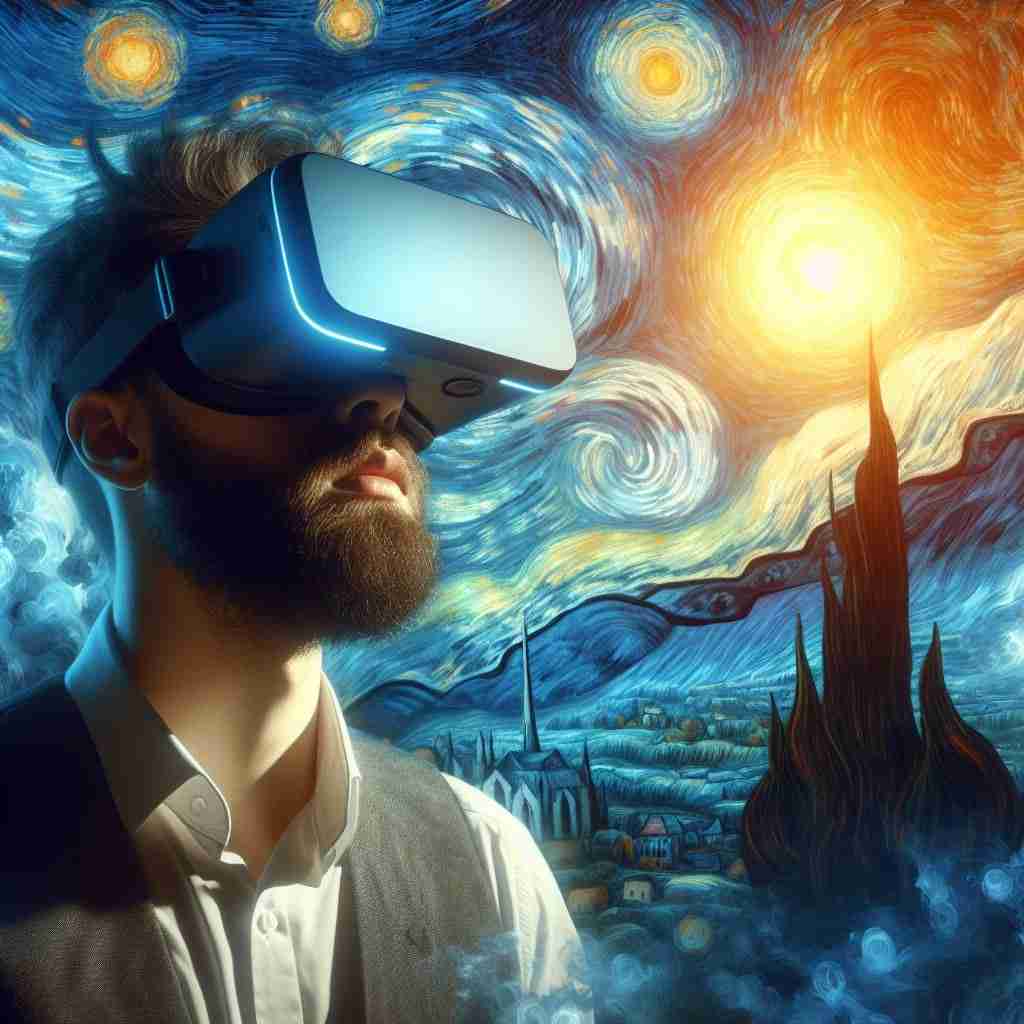
Imagine walking into a world filled with cherished memories, where every scratched CD, worn vinyl, or beloved game case tells a story. For many, physical media is not just an object; it embodies a connection to experiences, relationships, and culture that weaves through our lives. However, for Gen Z, living in an era shaped by lightning-fast tech advancements and an insatiable appetite for instant gratification, the allure of owning physical discs feels like a vestige from a bygone era. They navigate an increasingly digital landscape where a few taps on a screen offer immediate, boundless access to music, movies, and games—quick, convenient, and often at a lower cost.
Yet, amidst this digital embrace, we must also explore the emotional and ethical dimensions of our choices. Holding that classic record invokes a sense of nostalgia that transcends mere consumption. It beckons us to gather with friends, forging connections over shared experiences instead of isolated interactions in a virtual realm. The joy of passing around a game case during a lively game night is a powerful reminder of our shared human experience, something a mere download cannot replicate.
As we navigate the complexities of ownership in a digital age, it’s crucial to consider the implications. What does it mean to relinquish control over our collections to the whims of streaming services? Each moment of convenience must be weighed against the possibility of losing access to cherished memories when titles disappear from our libraries. Beyond that, there’s a responsibility we carry toward creators. By opting for physical media, we reaffirm our commitment to authentic artistry, celebrating independent voices and supporting a culture grounded in creativity.
This blend of nostalgia and digital convenience doesn’t have to be exclusive. Imagine a future where we cherish our past while embracing innovation. It’s entirely possible to honor the tactile pleasure of physical media alongside the limitless opportunity offered by digital access. Here lies an opportunity to bridge the old and the new, nurturing a culture that values both connection and convenience. So, let’s pause and reflect on what these choices reveal about us. They define not just our preferences, but who we are, what we value, and how we shape the world around us. In the end, whether it’s a well-loved disc or a digital stream, the essence of our stories—our shared humanity—remains timeless.
Conclusion
Conclusion:
- Physical media represents cherished memories and a connection to experiences, relationships, and culture.
- For Gen Z, owning physical discs feels outdated in a fast-paced digital landscape where immediate access to media is prioritized.
- Nostalgia for physical media fosters social connections over shared experiences rather than isolated interactions online.
- Digital ownership raises concerns about control and the risk of losing access to cherished media when titles vanish from libraries.
- Choosing physical media supports creators and reinforces commitment to authentic artistry and independent voices.
- A future exists where physical media and digital access coexist, promoting a culture that values both connection and convenience.
- Our choices in media consumption reflect our values and shape our identity in a constantly evolving world.

Conclusion
Other Resources

Other Resources
Here is a list of other resources you can review online to learn more:
- Battlestar Galactica: The Board Game
- The Secret Cabal Gaming Podcast
- Discord
- Meeple Mountain
- Cool Mini or Not (CMON)
- Betrayal Legacy
- IELLO
- Amigo Spiele
- Cards Against Humanity
- Keyflower
- Osprey Games
- The Gallerist
- Hans im Glück
- 7 Wonders Duel
- Euchre
Use This Prompt To Get More Resources With Your Favorite Online AI Tool: Please provide me with a list of online articles with their URLs in a bulleted list that I can read regarding Why Gen Z Thinks Owning Discs Is Outdated

Other Resources
Glossary Terms
Why Gen Z Thinks Owning Discs Is Outdated – Glossary Of Terms
1. Gen Z: The generation born approximately from the mid-1990s to the early 2010s, known for being digital natives.
2. Discs: Physical media formats such as CDs, DVDs, and Blu-rays used for storage and playback of games, music, and movies.
3. Streaming: The process of delivering content over the internet in real-time, allowing users to access media without downloading.
4. Digital Ownership: The concept of owning digital files that can be accessed on various devices, typically without the need for physical media.
5. Physical Media: Tangible formats of content storage that require physical handling, such as vinyl records, tapes, and discs.
6. Convenience: The quality of being easy and efficient, often associated with accessing media instantly without physical copies.
7. Environmentally Conscious: Awareness and concern for the ecological impact of producing and disposing of physical products, influencing preferences for digital over physical.
8. Nostalgia: A sentimental longing for the past, which may hold less appeal for a generation focused on digital immediacy.
9. Accessibility: The ease of obtaining or using media content, often enhanced through online platforms versus requiring physical storage.
10. Collectibles: Items valued for their rarity and desirability; discs can be seen as outdated collectibles in the digital age.
11. Ownership Rights: Legal entitlements regarding media usage, often more complex with digital purchases compared to physical ownership.
12. Convenience Factor: The influence of how easily content can be accessed and utilized, impacting media consumption habits.
13. Digital Library: A collection of digital media files that can be accessed from multiple devices without the need for storage space.
14. Media Consumption: The act of engaging with entertainment content, including music, movies, and games, often shifting towards digital formats.
15. Cloud Storage: Internet-based storage solutions that allow users to save and access files remotely, reducing reliance on physical storage.
16. User Interface: The design of software that enables easy navigation of digital media platforms, affecting user engagement.
17. Instant Gratification: The desire for immediate access to content without delay, driving preferences for streaming over waiting for physical deliveries.
18. Subscription Services: Paid platforms that offer access to vast libraries of content, reducing the need for owning physical copies.
19. Downloadable Content (DLC): Additional digital content for video games or software, often preferred over purchasing physical versions.
20. Social Sharing: The act of distributing or discussing content via social media, which often favors digital formats for easier access.
21. Obsolescence: The state of being outdated due to advances in technology, affecting the relevance of physical media.
22. Format Shift: The transition from one media format to another, typically reflecting technological advancements and changing consumer preferences.
23. Influencers: Individuals or trends that shape consumer behavior, often favoring digital content consumption.
24. Hybrid Media: A blend of physical and digital, like vinyl records with digital downloads; these may appeal differently to various generations.
25. Curation: The process of selecting and organizing content, a key feature in digital platforms that enhances media discovery.
26. Interactivity: The ability for users to engage with media in a participatory way, commonly associated with digital formats.
27. Vinyl Revival: A resurgence in popularity for vinyl records among certain demographics, indicating nuanced preferences within Gen Z.
28. Media Fragmentation: The diversification of media sources and formats, complicating the landscape for traditional physical media.
29. User Experience (UX): The overall experience and satisfaction derived from using a digital platform, often smoother than accessing physical media.
30. Cultural Shift: A significant change in societal behavior and values, influencing the perceived value of physical media in contemporary society.

Glossary Of Terms
Other Questions
Why Gen Z Thinks Owning Discs Is Outdated – Other Questions
If you wish to explore and discover more, consider looking for answers to these questions:
- What specific changes in technology have accelerated the decline of physical media ownership?
- What are some common misconceptions about physical media ownership among Gen Z?
- How do different age groups perceive the value of owning physical items compared to digital access?
- What environmental impacts are associated with the production of physical media compared to digital alternatives?
- How do personal stories and experiences shape one’s attachment to physical media?
- What are the cultural implications of moving entirely to digital ownership?
- How has the rise of streaming services influenced consumer behavior regarding media ownership?
- What role does social media play in shaping the conversation about media ownership?
- Are there specific genres or types of media where physical ownership is still highly valued?
- How can collectors balance their passion for physical media with the convenience of digital access?
- What are the potential future trends in media ownership as technology continues to evolve?
- How do community interactions around physical media differ from those centered on digital media?

Other Questions
Haiku
Why Gen Z Thinks Owning Discs Is Outdated – A Haiku
Discs hold our stories,
Memories wrapped in their forms,
Yet, the clouds beckon.

Haiku
Poem
Why Gen Z Thinks Owning Discs Is Outdated – A Poem
In a world where screens shimmer bright,
Gen Z stands on the edge of light.
Discs of yesterday, now memories worn,
In the swift stream of digital, they’re often scorned.
Why own a relic when a tap brings delight?
With instant access, life feels just right.
No dust, no clutter, just downloads and dreams,
Infinite treasures await in pixelated streams.
Yet, whispers of nostalgia call from the shelf,
Each crack and each smudge, a tale of itself.
Worn-out album covers hold whispers of old,
Memories entwined in the stories they told.
Games once shared breathe life into rooms,
Laughter, connection, in joyous blooms.
A board game or vinyl, a tactile embrace,
In digital silence, we risk losing this grace.
Economics challenge the weight of our choice,
A vote for our culture, our heart’s vibrant voice.
Sustainability beckons with each plastic case,
Yet in each edition, we find common space.
Engage with the past, and honor its place,
Collecting treasures, a shared human grace.
As we stride forward in this tech-tinged spree,
Let’s weave in our past, where we’re meant to be.
Convenience tempts us, yet caution should reign,
For ownership nurtures the heart’s subtle pain.
In streaming’s embrace, what do we forsake?
Moments and memories, the bonds we partake.
So cherish the discs while marching ahead,
A balance of both, where the heart is not led.
In stories we weave, be it digital or pressed,
We find our connections; it’s who we love best.
Together we’ll navigate this shifting terrain,
Finding joy in the mixed, in the joy and the strain.
For in a world full of noise, let’s lift up our song,
Embracing our past as we journey along.

Poem
Checklist
Why Gen Z Thinks Owning Discs Is Outdated – A Checklist
Checklist for Embracing Music Ownership in a Digital Age
Emotional Appeals
1. Reflect on your favorite memories connected to physical media (e. g. , albums, games, books).
2. Identify moments that brought you closer to friends or family through shared physical experiences.
3. Consider the unique emotions that physical items evoke versus digital counterparts.
Rational Appeals
4. Compare costs: Analyze the financial implications of owning versus streaming media.
5. List the benefits of physical ownership over digital (e. g. , security of your collection, tangible experiences).
6. Evaluate the convenience versus emotional value of both media formats.
Ethical Appeals
7. Reflect on the environmental impacts of digital consumption versus physical ownership.
8. Consider how supporting physical media can uplift local artists and creators.
9. Assess your role in preserving cultural artifacts and history through physical collections.
Authority Appeals
10. Research expert opinions on the risks associated with digital ownership (e. g. , platform restrictions, disappearing content).
11. Look into the resurgence of vinyl and physical formats among music industry professionals.
Narrative Appeals
12. Share your personal stories related to physical media (e. g. , a favorite childhood game or album).
13. Engage with communities or social media groups that appreciate physical collections.
Social Appeals
14. Connect with others who value physical ownership: Join local clubs, discussions, or online forums.
15. Organize or participate in events centered around physical media exchanges or collectibles.
16. Share your collection on social media to inspire conversations around ownership and nostalgia.
Practical Considerations
17. List your current physical media and arrange them to celebrate their significance.
18. Set goals for future purchases: What tangible additions will you make to your collection?
19. Explore hybrid solutions: Consider how you can appreciate both physical and digital formats in your lifestyle.
Final Reflection
20. Ponder: How can you balance the convenience of digital consumption with the emotional and cultural importance of physical ownership?

Checklist
At HowDoYouGame, we help people who love board games by collating information and news about games.
Be sure to read our other related stories at HowDoYouGame to learn more about games.