Exploring The Digital Evolution: From Doom Mods To Roblox Realities
By Tom Seest
At HowDoYouGame, we help people who love board games by collating information and news about games.
Be sure to read our other related stories at HowDoYouGame to learn more about games.
Gen X Modded Doom, Gen Z Lives In Roblox – What Changed?
At first glance, the gaming worlds of Gen X and Gen Z might seem like isolated islands, juxtaposed in a sea of pixels. Gen X fondly remembers the pixelated corridors of “Doom,” armed with nothing but eight-bit weaponry and a fierce determination to conquer the demonic forces lurking within. A time when games were not just played but earned, each victory a hard-fought battle against what felt very real—instead of a mere afternoon distraction. Every level completed was a testament to perseverance, teamwork, and, let’s face it, a good bit of stubbornness.
Contrast that with the sprawling realms of Roblox, where Gen Z crafts their own playgrounds, transcending the need for traditional victory. Here, imagination reigns supreme. The ability to create, share, and live within unique digital universes invites not just participation but full ownership of the experience. The ethos is no longer about slaying a final boss but about building a thriving community, connecting with friends across vast distances, and crafting a narrative as fluid as reality itself.
When we peel back the layers of nostalgia and innovation, we see that both generations value connection—even if the method of engagement differs dramatically. For many in Gen X, entering a game meant donning a headset and diving into an isolated challenge, emerging victorious or defeated with a story to tell. For their younger counterparts, games are a social fabric, a platform for creativity and collaboration where everyone contributes to the overarching narrative. The emotional resonance of “Doom” lies in its simplicity and raw challenge, while Roblox offers an endless avenue for expression, experimentation, and community-building.
This evolution is about more than just technology; it’s about the fundamental human desire to connect, create, and conquer. Our longstanding traditions morph into new forms as we bridge generational divides. It’s an invitation to reflect—what does gaming mean to you? Is it a solitary journey of self-improvement, or a shared odyssey of collective creativity? Both are valid, and both hold their own power.
Whether you’re dodging pixelated monsters or exploring vibrant worlds, the underlying theme remains universal: Games guide us through life’s challenges and triumphs, offering solace, connection, and a sense of belonging. It’s not just about what we play; it’s how it makes us feel—and that, my friends, is something worth sharing across generations.

Gen X Modded Doom, Gen Z Lives In Roblox – What Changed?
Gen X Modded Doom, Gen Z Lives In Roblox – What Changed?
- Gen X enjoys nostalgic gaming experiences like “Doom,” characterized by eight-bit graphics and solitary challenges.
- For Gen X, games represent hard-fought battles with personal victories reflecting perseverance and teamwork.
- Gen Z engages with expansive platforms like Roblox, focusing on creativity and community rather than traditional gameplay goals.
- The gaming experience for Gen Z emphasizes imagination, ownership, and collaboration within digital spaces.
- Both generations place high value on connection, albeit through different styles of gameplay and social interaction.
- The evolution of gaming reflects a deeper human desire to connect and create across generational divides.
- Ultimately, gaming serves as a universal medium that fosters solace, connection, and belonging, regardless of the style of play.

Gen X Modded Doom, Gen Z Lives In Roblox – What Changed?
Table Of Contents
- Gen X Modded Doom, Gen Z Lives In Roblox – What Changed?
- What Emotions Does Gaming Nostalgia Evoke for Gen X Players?
- How Has the Evolution Of Gaming Technology Shaped Our Experiences?
- What Ethical Responsibilities Do Developers Have to Their Players?
- In What Ways Do Gen Z Gamers Find Community Within Roblox?
- How Do Modded Games Like Doom Influence Creativity In Players?
- What Lessons Can Gen X Teach Gen Z About Video Game Culture?
- How Does Gaming Impact Mental Health Across Different Generations?
- Conclusion
- Other Resources
- Glossary Of Terms
- Other Questions
- Haiku
- Poem
- Checklist
What Emotions Does Gaming Nostalgia Evoke for Gen X Players?
For those who grew up during the golden age of video games, nostalgia is like a key that unlocks an arcade full of childhood memories. Picture it: the vibrant 8-bit graphics of the first Mario and the sound of the joystick clicking beneath your fingertips. It’s more than just pixels and code; it’s a time machine transporting you to a simpler era, where triumphs were as effortless as a power-up and friendships blossomed over shared screens. These games were not just hobbies – they crafted identities, spurred creativity, and built communities that still resonate today.
Emotionally, gaming nostalgia can stir a powerful cocktail of joy, longing, and a touch of melancholy. Those pixelated characters represent not only adventures lost to time but also the camaraderie found in living rooms and basements, gathering friends for a weekend marathon. There’s a deep-seated sense of belonging that comes flooding back with every snippet of music from a cherished game. Organizing late-night tournaments or trading cartridges was not just customary; it was a rite of passage.
From a rational perspective, studies have shown that nostalgia can serve as a comfort during life’s storms. For Gen X players encountering the anxiety of adult responsibilities, revisiting retro games offers an escape. The simple act of playing can reduce stress, grounding them in a time when their biggest worry was how to beat that final boss or uncover the next secret level. Gaming wasn’t just a distraction; it became a sanctuary – a safe place where every loss was trivial and every win felt monumental.
But let’s ground ourselves ethically: those formative gaming experiences instilled lessons in collaboration, creativity, and resilience. They taught us how to bounce back from defeat, how to celebrate victories, and how to engage with others in meaningful ways. This is the legacy that transcends generations; it creates a bridge to connect with younger players who are now discovering the magic of those same moments—albeit with modern technology.
As the years roll on, that connection endures. Throwing down a nostalgic challenge or sharing a beloved title with the next generation becomes an act of passing the torch, inviting them into a world defined by friendship and shared experiences. There’s an undeniable richness in those nostalgic moments, reminding us we are not just players; we are part of a larger story, united in laughter, challenge, and triumph. Let’s keep that spirit alive, one game at a time.

What Emotions Does Gaming Nostalgia Evoke for Gen X Players?
What Emotions Does Gaming Nostalgia Evoke for Gen X Players?
- Nostalgia for retro video games unlocks childhood memories and represents a simpler era.
- Games crafted identities, spurred creativity, and fostered sense of community among players.
- Emotionally, gaming nostalgia evokes joy, longing, and a touch of melancholy.
- Gathering with friends for gaming marathons was a cherished rite of passage.
- Nostalgia serves as comfort and escape from adult responsibilities, reducing stress.
- Formative gaming experiences taught lessons in collaboration, creativity, and resilience.
- Sharing nostalgic games with younger generations fosters connection and passes the torch.

What Emotions Does Gaming Nostalgia Evoke for Gen X Players?
How Has the Evolution Of Gaming Technology Shaped Our Experiences?
When you think about the games we play today, it’s easy to overlook the journey that brought them to life. From pixelated sprites to expansive virtual worlds, the evolution of gaming technology has reshaped our experiences in ways we may not fully appreciate. Each new advancement in technology promises something extraordinary—an invitation to immerse ourselves in rich stories, to forge connections, and even to confront our deepest fears.
At the heart of this transformation is the way gaming makes us feel. It’s not just about winning or losing; it’s about the moments we share with friends, the laughter that echoes in the late-night gaming sessions, and the tears that spill during a poignant cutscene. These are emotions that linger long after we’ve powered off the console. The bonds forged over a cooperative quest or a friendly rivalry are often as real as any relationship in the outside world. For many, these digital landscapes offer a sense of belonging, a space where everyone knows your gamer tag and your triumphs are celebrated as if they were personal victories.
Yet, let’s not forget the importance of the technology underlying these experiences. The transformative power of graphics cards, processors, and immersive sound design isn’t just technical jargon; it’s the foundation that allows us to explore the boundaries of human imagination. The sheer capability of modern hardware gives developers the tools they need to construct intricate narratives that challenge our understanding of morality and ethics. With every line of code crafted, there’s an ethical responsibility to ensure that these narratives resonate positively with players.
In the grander scheme, gaming technology also reflects societal changes. It mirrors our evolving values and challenges us to think critically about the world around us. Titles that tackle pressing issues—from mental health to social justice—transform games into platforms for dialogue, encouraging players to engage with topics that matter. This evolution is not just about entertainment; it’s about connection, awareness, and action.
Think about the thrill of a new release: it’s an invitation, a call to adventure. As technology continues to develop, so too will the opportunities to shape our experiences in better, more meaningful ways. Each game is a stepping stone on this path, urging us to move forward together, fostering trust, confidence, and a sense of community in the ever-expanding universe of gaming.

How Has the Evolution Of Gaming Technology Shaped Our Experiences?
How Has the Evolution Of Gaming Technology Shaped Our Experiences?
- The evolution of gaming technology has transformed our experiences, from simple graphics to expansive virtual worlds.
- Gaming evokes deep emotions, fostering friendships and shared experiences beyond mere competition.
- Digital gaming environments provide a sense of belonging and celebrate player achievements.
- Technological advancements in hardware enable developers to create complex narratives that explore morality and ethics.
- Gaming also mirrors societal changes, addressing issues like mental health and social justice.
- Games serve as platforms for dialogue, encouraging critical engagement with pressing topics.
- As technology advances, gaming promises to enhance our experiences and build stronger communities.

How Has the Evolution Of Gaming Technology Shaped Our Experiences?
What Ethical Responsibilities Do Developers Have to Their Players?
When you fire up your favorite game, what do you expect? Sure, you’re after some thrills, maybe a bit of escapism, and the satisfaction of conquering a challenge. But underneath it all, there’s a deeper bond at play, woven into the very fabric of the digital worlds we immerse ourselves in. That’s where the true ethical responsibilities of developers come alive.
First, let’s face it: we’ve all known frustration when a game exploits our emotions, making us grind for hours with no payoff. You see, developers wield immense power; they possess the ability to shape experiences that resonate in our hearts and minds. They need to create games that not only entertain but also respect the players’ investments—be it time, money, or emotional energy. It’s a matter of integrity. An ethical game isn’t just a set of rules and graphics; it’s a promise that the player’s adventure will be engaging but fair.
Consider the influence these games wield in people’s lives. A well-crafted narrative can inspire a player to overcome their own obstacles—be it in-game or in reality. From turning a terrible day into a unique escape to fostering social connections among friends or even strangers, developers have a responsibility to create environments that build community and uplift individuals. Every pixel must reflect that duty to the player; it’s not just about pushing codes or crafting the next big hit.
But with great power comes great responsibility. Developers must stand as stewards of their creations. Weaving ethical considerations into their work isn’t merely a checkbox on a list; it should be the guiding principle from concept to launch. Whether they’re considering microtransactions, loot boxes, or gameplay balance, ensuring fairness and compassion should remain at the forefront.
Imagine standing in the shoes of a player who has invested their time, heart, and potentially their finances into a crafted experience. What trust can they place in developers who prioritize profit over the player’s journey? Each engagement is a conversation; developers and players must dialogue about what resonates, what empowers, and what connects.
Let’s be clear: the best games enlighten both the heart and the mind. The onus is on developers to create a gaming experience worthy of our trust, a legacy that will echo in the lives of players long after the screen goes dark. It’s time to champion ethics in play, reminding ourselves of the sacred bond between creator and player, all while inspiring a community that plays as one. Every choice matters; let’s make it count.

What Ethical Responsibilities Do Developers Have to Their Players?
What Ethical Responsibilities Do Developers Have to Their Players?
- Players seek thrills, escapism, and challenge in games, but there’s a deeper emotional connection involved.
- Developers have the power to shape impactful experiences, and they must respect players’ investments of time, money, and emotions.
- An ethical game is a promise of engagement and fairness, not merely a collection of rules and graphics.
- Games can inspire players to overcome obstacles, fostering social connection and uplifting communities.
- Developers must integrate ethical considerations from concept to launch, maintaining fairness and compassion in their work.
- Trust is crucial; developers should prioritize the player experience over profits for a meaningful engagement.
- The best games enlighten players and create a lasting legacy, emphasizing the importance of ethics in gaming.

What Ethical Responsibilities Do Developers Have to Their Players?
In What Ways Do Gen Z Gamers Find Community Within Roblox?
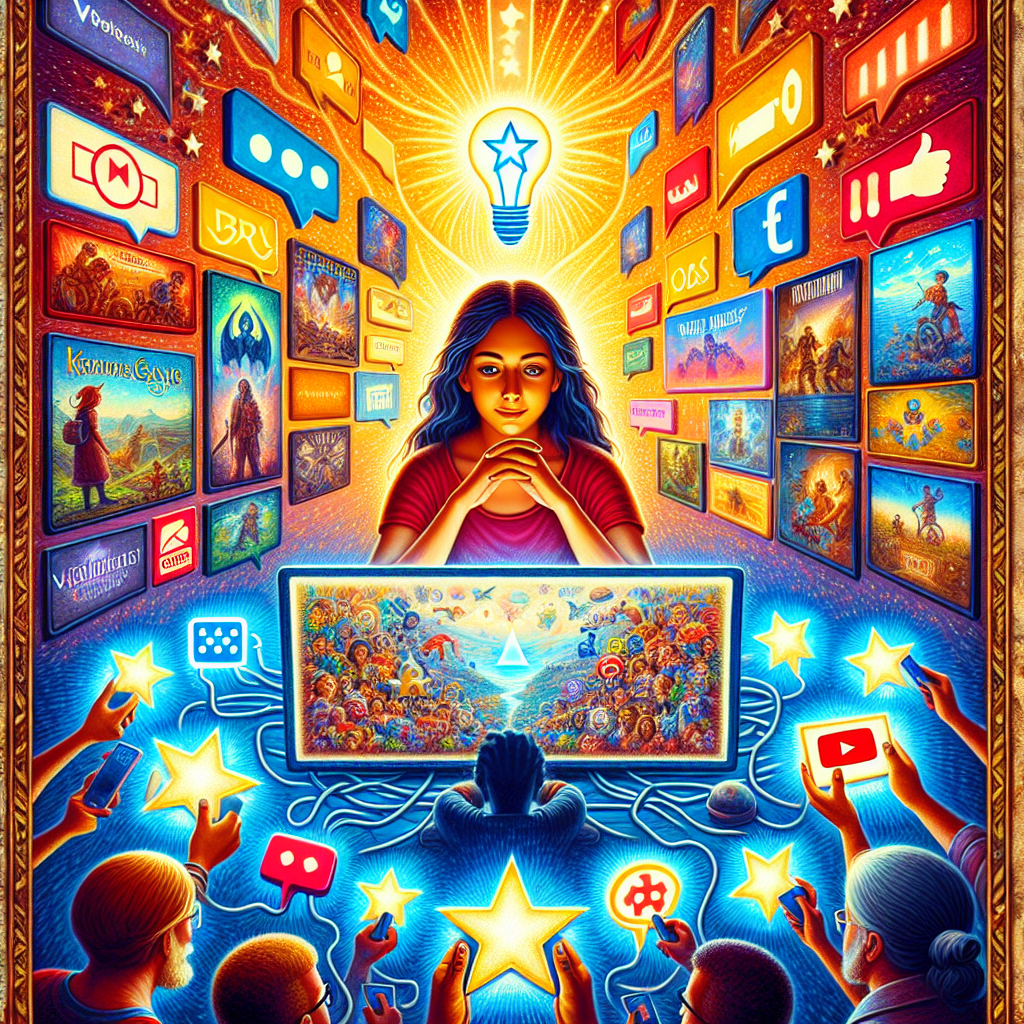
In the sprawling universe of Roblox, Gen Z gamers discover more than just a playground of endless possibilities; they find a vibrant community woven together by shared passions and experiences. Here, amidst pixelated worlds and avatar adventures, the heart finds familiarity, the mind ignites creativity, and the gut feels that exhilarating rush of belonging. Games become more than mere entertainment; they morph into communal gathering spaces where friendships blossom in response to shared challenges.
Consider the gamers who huddle around virtual campfires, strategizing over the best way to defeat a digital foe or collaborating to build their dream fortresses. These moments, simple yet profound, offer an emotional touchpoint that speaks to everyone’s innate desire for connection. In the digital realm, where avatars can wear what we dream and say what we feel, a connection emerges that transcends screens and keyboards, inviting individuals to step into a narrative that resonates deeply.
Rationally, participating in Roblox also empowers gamers to learn critical skills. From coding to critical thinking, each game presents a mini-lesson wrapped in an engaging challenge. The collaborative nature of these digital encounters cultivates teamwork, encouraging players to share ideas and navigate obstacles together. It’s a rationale that underscores the positive impact of gaming—not just for entertainment, but as a vehicle for growth.
Ethically, the community emphasizes inclusivity and respect, where every voice matters, and diversity is celebrated. Players from diverse backgrounds converge, creating a rich tapestry of cultures and perspectives that inform their collective experience. This diversity fosters understanding and empathy, teaching players about the world beyond their screens and inviting them to be responsible digital citizens.
As these gamers engage, they become part of a narrative larger than themselves—a journey fueled by collective values and aspirations. The sheer joy of creating, sharing, and celebrating achievements fosters a sense of belonging that resonates profoundly within young players. Gamers come to understand that they’re not alone; they find support and encouragement that often extends beyond the game.
In this vibrant community, Gen Z is not merely playing; they are building trust, forging friendships, and inspiring one another to embrace not just who they are in a virtual world, but who they might become in the real one. The community invites everyone in, urging them to take action, dive deeper, and create their unique stories together. In a time where the world often feels disparate, Roblox serves as a reminder that connection and community thrive in the most unexpected places.
In What Ways Do Gen Z Gamers Find Community Within Roblox?
In What Ways Do Gen Z Gamers Find Community Within Roblox?
- Gen Z gamers in Roblox discover a vibrant community centered on shared experiences and passions.
- Games transform into communal gathering spaces where friendships develop through collaboration and shared challenges.
- Players engage in meaningful interactions, strategizing and working together to overcome obstacles.
- Roblox encourages learning critical skills like coding and teamwork through engaging game mechanics.
- The community promotes inclusivity and respect, celebrating diverse voices and perspectives.
- Gamers experience a sense of belonging and support, reinforcing their identity both online and offline.
- Roblox serves as a reminder of the importance of connection and community in a fragmented world.

In What Ways Do Gen Z Gamers Find Community Within Roblox?
How Do Modded Games Like Doom Influence Creativity In Players?
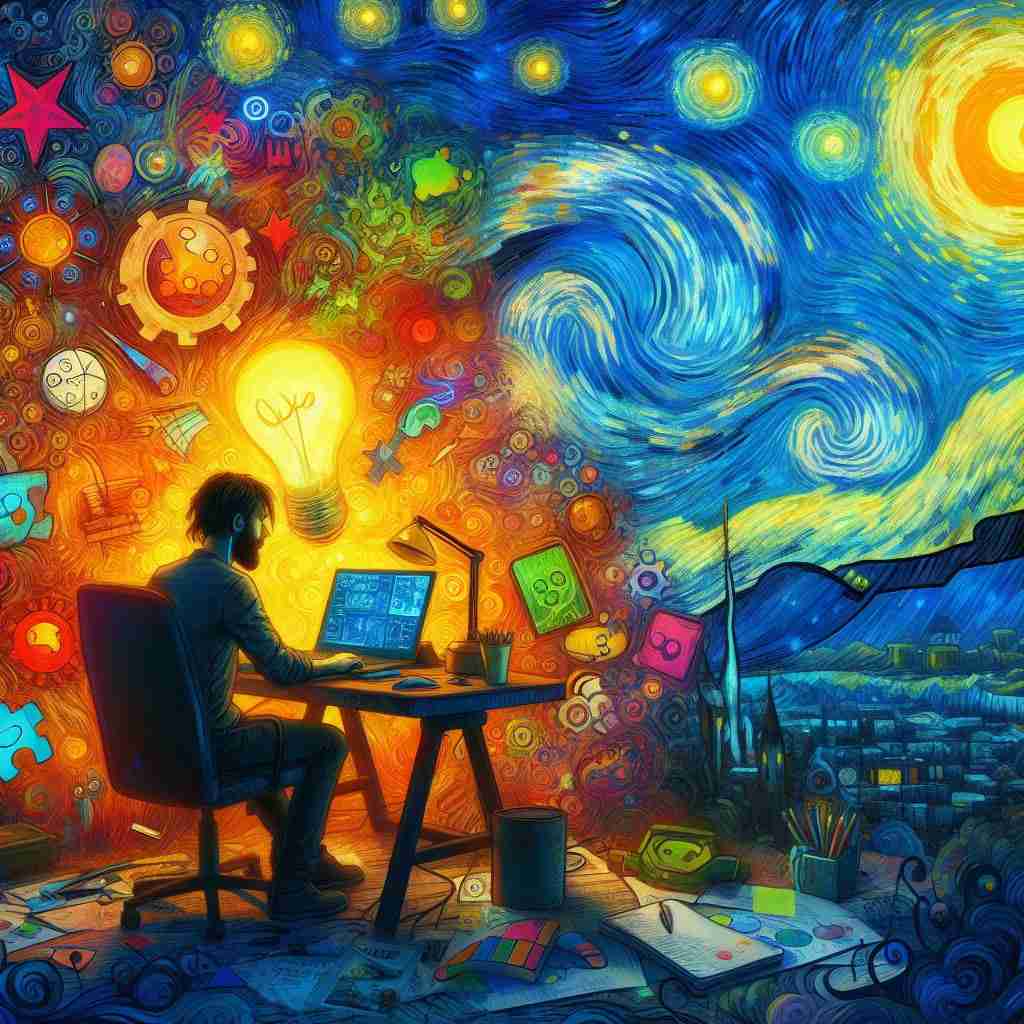
Modded games like Doom are more than just a nostalgic trip down pixelated memory lane; they serve as playgrounds for creativity, inviting players to become architects of their own experiences. Imagine stepping into a world where traditional boundaries dissolve, and anyone can craft their own universe, one blocky demon at a time. Such creativity isn’t just an abstract concept; it resonates deeply with us, evoking a sense of agency and ownership that many of us crave in our fast-paced, often formulaic lives.
At the heart of modded gaming lies a powerful narrative: players are not simply participants, but creators. This shift of perspective fuels innovation, allowing imagination to flourish. Each level designed, each enemy crafted, is a reflection of the player’s thoughts, fears, and dreams. The process becomes a form of expression, a digital canvas where creativity knows no limits. Whether it’s a new level set in a swirling landscape of candy colors or a labyrinthine dungeon that cuts through past experiences, the outcome is always a testament to the human spirit—the desire to explore and to build.
From a rational standpoint, these modded games lay the groundwork for real-world skills. As players tinker with code or design, they’re cultivating problem-solving abilities, learning the engineering behind game development, and honing their critical thinking. This experience translates seamlessly into professional settings, where creativity and innovation are currency.
Yet, let’s not forget the ethical dimension: creating a mod fosters a sense of community. Players often share their creations, encouraging one another, exchanging ideas, and collectively elevating the entire environment. This camaraderie sparks inspiration and connection, making the gaming experience not just about individual glory, but about forging friendships along the way.
The authority of games like Doom comes from decades of impact, inspiring new generations and paving paths for them to explore. When players mod these games, they stand on the shoulders of giants, contributing to an ever-evolving legacy.
By immersing ourselves in these modded realms, we discover our creative potential. We become storytellers, visionaries, and builders in an expansive digital frontier that believes in the power of imagination. If you haven’t yet ventured into this world, perhaps now’s the time to pick up your tools and start crafting your own journey. Your ideas—and the connections they foster—might just reshape the landscape.

How Do Modded Games Like Doom Influence Creativity In Players?
How Do Modded Games Like Doom Influence Creativity In Players?
- Modded games like Doom encourage creativity, allowing players to design their own gaming experiences.
- Players shift from participants to creators, fueling innovation and personal expression through game design.
- Each player-created level or enemy reflects their inner thoughts and desires, showcasing human creativity.
- Engaging with modding builds real-world skills like problem-solving, critical thinking, and understanding game development.
- Modding fosters a sense of community as players share creations, inspire each other, and form connections.
- Games like Doom have a legacy that inspires new generations to explore and create within modded environments.
- By participating in modding, players unlock their creative potential and contribute to a collaborative digital landscape.
How Do Modded Games Like Doom Influence Creativity In Players?
What Lessons Can Gen X Teach Gen Z About Video Game Culture?
Video game culture has evolved dramatically since the days when Gen X first picked up controllers, fueling a rich legacy that Gen Z can benefit from today. As we dive into this vast world of pixels and storytelling, it’s essential to recognize that it’s not just about the games; it’s about the connections, experiences, and lessons they provide. For Gen Z, who’ve grown up in a digital landscape, the wisdom of Gen X can offer invaluable insights.
First, let’s touch on the heart of the matter. Games have always been more than competition—they are a tapestry of shared experiences. Remember late-night sessions battling friends in “Street Fighter,” or collaborating to solve quests in “Final Fantasy”? Those moments taught Gen X the strength of camaraderie and the power of community. Each joystick manipulation and character build created bonds that outlasted the virtual battles. Gen Z has access to an unprecedented level of connectivity and community but must remember the importance of those in-person interactions that once defined the gaming experience.
Now, let’s engage the mind. Gaming is a spectrum of learning opportunities. Gen X faced challenges like limited access to guides and community forums, leading them to develop problem-solving skills and resourcefulness. They weren’t afraid to fail; they had to grind through levels, often without help. Gen Z, with all the resources at their fingertips, must recognize that sometimes the best lessons come through perseverance and that success is a byproduct of resilience. Embrace the grind; don’t shy away from difficulty.
Ethically, there’s a narrative woven through the fabric of gaming that emphasizes acceptance and respect. Gen X fought to diversify their virtual spaces, pioneering inclusive communities. Gen Z stands on the shoulders of this endeavor, and they should carry this torch, ensuring that gaming is a welcoming realm for everyone. It’s a shared responsibility to foster an environment where voices are heard, and players feel valued.
So, to the gamers of today: take a moment to reflect on the trails blazed by those before you. Learn from their culture, their traditions, and delve into the spirit of collaboration and resilience. It’s a rich legacy of lessons waiting to be embraced. As you engage in the gaming community, remember that every game played is a story shared—a chance to connect with someone across the globe and create memories that transcend the digital barrier. Only by honoring this history can Gen Z continue to move the culture forward, shaping a future that respects the past while looking toward new horizons.

What Lessons Can Gen X Teach Gen Z About Video Game Culture?
What Lessons Can Gen X Teach Gen Z About Video Game Culture?
- Video game culture has evolved significantly, with Gen Z benefiting from a rich legacy established by Gen X.
- Gaming is about shared experiences, such as teamwork in games like “Street Fighter” and “Final Fantasy,” which foster camaraderie.
- Gen Z enjoys heightened connectivity and community but should value in-person interactions that defined earlier gaming experiences.
- Gaming presents learning opportunities—Gen X developed problem-solving skills through limited resources and perseverance.
- Gen Z is encouraged to embrace challenges, recognizing that success often comes from resilience and perseverance.
- Ethical principles in gaming emphasize acceptance and respect, with Gen X paving the way for inclusive communities that Gen Z should uphold.
- By honoring the past, Gen Z can help shape the future of gaming while fostering connections that transcend digital spaces.

What Lessons Can Gen X Teach Gen Z About Video Game Culture?
How Does Gaming Impact Mental Health Across Different Generations?
When we talk about how gaming impacts mental health across different generations, we delve into a world where pixels meet human emotion. Consider your own experiences with games. For some, they serve as a haven—an escape from the daily grind, a place where you can slay dragons or build empires. For others, particularly among the older generations, gaming might evoke skepticism. They might reminisce about simpler times, unaware of how today’s digital landscapes can provide both tedious stress relief and thrilling connectivity.
You see, every generation has its coping mechanisms. Baby boomers might turn to gardening or politics, Gen Xers could find solace in mixtapes and family gatherings, while Millennials and Gen Z toggle their mental wellness between real-life anxiety and virtual victories. The truth is, games can be a balm to our psyche, fostering creativity while connecting us to a broader community. Imagine a young adult fighting their way through a battle royale, not just for victory, but to bond with friends who may be continents apart. Each game becomes a chapter in a larger narrative of camaraderie—shared stories that weave through the fabric of their lives.
Yet, with great power comes great responsibility. It’s essential to strike a balance, to engage with games and understand their implications. Studies reveal that gaming, especially when moderated, can enhance cognitive skills, improve social connections, and even mitigate feelings of isolation. But, unchecked, it can also lead to addiction, anxiety, and a disconnect from the physical world. This dichotomy is essential for everyone to grasp.
Ethically, it’s vital to understand that gaming isn’t inherently good or bad—it’s a tool. As with any tool, it’s how we wield it that dictates its impact. Moms, dads, mentors, and educators should be at the forefront, fostering conversations about healthy gaming habits while embracing the changing landscape of recreation for younger generations.
Connecting with others through games can be transformative, but it’s equally important to cultivate face-to-face interactions. Each player brings a story, a history—establishing trust and creating a sense of belonging. Let’s recognize that in this vast grid of digital worlds, there lies a profound opportunity to be more than just players; we can be communities, voices for mental health awareness, and, ultimately, champions for connection across all walks of life.

How Does Gaming Impact Mental Health Across Different Generations?
How Does Gaming Impact Mental Health Across Different Generations?
- Gaming impacts mental health differently across generations, with varying levels of acceptance.
- For some, games offer an escape and enhance creativity, while older generations may view them skeptically.
- Different generations have unique coping mechanisms, from gardening for Baby Boomers to gaming for Millennials and Gen Z.
- Games can foster social connections and combat feelings of isolation through collaborative play.
- While moderated gaming can enhance cognitive skills, excessive play can lead to addiction and anxiety.
- Ethically, gaming is a neutral tool, with its impact dependent on how it is used.
- Encouraging healthy gaming habits and promoting face-to-face interactions is crucial for mental health awareness.

How Does Gaming Impact Mental Health Across Different Generations?
Conclusion
As we wrap up this exploration of gaming’s evolution from the pixelated corridors of “Doom” to the expansive realms of Roblox, we must understand that this journey isn’t merely about technological advancements. It’s a narrative steeped in the human experience, woven through the ages by the very fabric of connection, creativity, and community.
For Gen X, gaming was a solitary battleground where perseverance and skill defined success. They fought their way through virtual frontiers, each victory not just a number on a screen but a meaningful story of resilience shared with friends during late-night gaming marathons. This nostalgia is not just a longing for simpler times; it’s a testament to the camaraderie that formed through shared struggles and triumphs. For them, gaming was a rite of passage, a way to forge identity and bond over pixelated adventures.
Enter Gen Z, whose experiences with games like Roblox highlight a shift from competition to collaboration. Here, they build, create, and share—not just exploring virtual worlds but actively participating in a living, breathing narrative alongside their peers. This transformation speaks to an evolving understanding of games as communal spaces where social bonds can flourish, offering lessons in creativity and critical thinking. The challenge now lies in ensuring that the rich legacy of gaming—as a tool for connection—continues to thrive, bridging generations.
Ethically, the relationship between players and developers carries significant weight. There exists a profound responsibility for creators to cultivate environments that respect the investments players make, emotionally and financially. Games should inspire, educate, and foster community, reflecting the values of inclusivity and collaboration. It’s essential to recognize that as gaming technology evolves, so too should our consciousness of its impact on mental health and social interaction. Balancing escapism with reality is crucial; the connections we form with others in gaming can be as significant as those we maintain face-to-face.
Ultimately, this generational dialogue is vital. It’s a call to recognize gaming not solely as entertainment but as a journey of growth, learning, and belonging. As we game through life, every challenge faced—whether as a lone warrior or as part of a squad—teaches us the significance of shared narratives. Together, we can continue to pass down the torch of gaming culture, creating spaces that uplift us all, unraveling new stories while cherishing the ones that shaped us. That’s the essence of gaming: a universal desire to connect, to create, and to conquer—side by side, generation after generation.

Conclusion
Conclusion:
- The evolution of gaming is a narrative of connection, creativity, and community, not just technological advancements.
- Gen X experienced gaming as solitary, where perseverance and skill created meaningful stories shared with friends.
- Gaming served as a rite of passage for Gen X, forging identity through pixelated adventures and shared struggles.
- For Gen Z, games like Roblox reflect a transition from competition to collaboration, fostering social bonds and creativity.
- Developers have a responsibility to create respectful environments that inspire and reflect values of inclusivity and collaboration.
- Balancing escapism with reality is essential, as the connections formed in gaming can be as valuable as face-to-face interactions.
- This generational dialogue emphasizes gaming as a journey of growth and belonging, passing down the torch of culture and storytelling.

Conclusion
Other Resources

Other Resources
Here is a list of other resources you can review online to learn more:
- PC Gamer
- Smash Up
- Eclipse
- Keyflower: The Farmers Expansion
- LiveJournal
- Tigris & Euphrates
- Plaid Hat Games
- Brass: Birmingham
- Mansions of Madness: Second Edition
- Dominion: Intrigue (Second Edition)
- Spades
- Osprey Games
- Gloomhaven: Jaws of the Lion
- A Feast for Odin
- Food Chain Magnate
- The Dice Tower Podcast
- Gloomhaven
- Uno
- Dead of Winter: The Long Night
- Robinson Crusoe: Adventures on the Cursed Island
Use This Prompt To Get More Resources With Your Favorite Online AI Tool: Please provide me with a list of online articles with their URLs in a bulleted list that I can read regarding Gen X Modded Doom, Gen Z Lives In Roblox – What Changed?

Other Resources
Glossary Terms
Gen X Modded Doom, Gen Z Lives In Roblox – What Changed? – Glossary Of Terms
1. Gen X: A demographic cohort born approximately between 1965 and 1980, known for its distinctive cultural influences and experiences, particularly during the rise of video games.
2. Gen Z: The generation born from the late 1990s to the early 2010s, characterized by digital nativity and a deep relationship with technology and online environments.
3. Modded Doom: Refers to modifications made to the classic first-person shooter game “Doom” (1993), allowing players to customize levels, graphics, and gameplay mechanics.
4. Roblox: An online platform that enables users to create and play games created by other users, focusing on social interaction and user-generated content.
5. Retro Gaming: The practice of playing and enjoying older video games, typically from previous console generations or significant past gaming cultures.
6. Digital Native: A person who has grown up with the internet and digital technologies, often characterized by proficiency in navigating online platforms and social media.
7. Gaming Culture: The social and communal practices surrounding video games, including fandom, competitive play, and online interactions.
8. Community Moderation: The practice of community members overseeing online spaces to ensure adherence to norms and guidelines, often seen in platforms like Roblox.
9. Interactivity: The quality of narrative or gameplay that allows players to affect outcomes and engage with the game world in unique ways.
10. User-Generated Content (UGC): Content created by users rather than producers, prevalent in platforms like Roblox where players can design and share their games.
11. First-Person Shooter (FPS): A genre of video games that emphasizes shooting and combat from a first-person perspective, with “Doom” being one of the pioneering titles.
12. Pixel Art: A digital art form where images are created using small, square pixels, often used in retro games, including mods for “Doom. ”
13. nostalgia: A sentimental longing for the past, especially for one’s childhood, often influencing Gen X’s affection for classic video games like “Doom. ”
14. Cross-Platform Play: The ability to play games with others regardless of the gaming system being used, fostering broader online communities.
15. Esports: Competitive gaming at a professional level, involving organized tournaments and leagues, growing rapidly among Gen Z players.
16. Modding Community: A group of gamers and developers dedicated to creating mods for existing games, sharing tools, ideas, and custom content.
17. In-Game Purchases: Transactions that allow players to buy virtual goods or enhancements within a game, prevalent in platforms like Roblox.
18. Digital Avatars: Customizable characters representing players in a virtual environment, allowing for personal expression.
19. Game Mechanics: The rules and systems that govern how a game operates, influencing player interactions and experiences.
20. Virtual Reality (VR): An immersive experience where players interact with a simulated environment, becoming increasingly integrated into gaming culture.
21. Soundscapes: The auditory backdrop of a game, which enhances the gaming experience through music, sound effects, and voiceovers.
22. Level Design: The process of creating the layout and structure of game environments, vital for gameplay flow and player engagement.
23. Avatar Customization: The ability to personalize a player’s digital character in a game, prevalent in platforms like Roblox.
24. Social Gaming: Playing video games in a manner that encourages interaction, collaboration, or competition with other players.
25. Progression System: A structured way in which players advance, earn rewards, or unlock new content within a game.
26. Game Engines: Software frameworks that facilitate the creation and development of video games, enabling designers to bring their ideas to life.
27. Narrative Design: The crafting of a story within a game, including plot, character development, and world-building, critical for engaging players.
28. Accessibility Features: Tools and options within games designed to enhance playability for individuals with disabilities, ensuring inclusivity.
29. Playtesting: The process of evaluating a game through testing sessions to gather feedback on gameplay, mechanics, and user experience.
30. Streaming Platforms: Online services where gamers broadcast their gameplay live or on-demand, fostering community engagement and viewership, popular among Gen Z.

Glossary Of Terms
Other Questions
Gen X Modded Doom, Gen Z Lives In Roblox – What Changed? – Other Questions
If you wish to explore and discover more, consider looking for answers to these questions:
- What are the key differences in gameplay mechanics between Doom and Roblox?
- How have gaming communities changed from the Gen X era to the Gen Z era?
- What role does nostalgia play in the gaming experiences of different generations?
- What specific technological advancements have had the greatest impact on gaming?
- How can gamers from different generations collaborate and share their experiences?
- In what ways can gaming be used as a tool for education and personal development?
- What are the potential negative effects of gaming on mental health across generations?
- How do modding communities influence game development today?
- What strategies can parents use to promote healthy gaming habits among their children?
- How do different gaming platforms affect community building among players?
- What lessons can developers learn from the gaming experiences of past generations?
- How can players advocate for ethical practices in the gaming industry?

Other Questions
Haiku
Gen X Modded Doom, Gen Z Lives In Roblox – What Changed? – A Haiku
Pixels once lured hearts,
From Doom’s dark halls to bright realms,
Gathered, we create.

Haiku
Poem
Gen X Modded Doom, Gen Z Lives In Roblox – What Changed? – A Poem
In worlds where pixels dance and pixels sing,
Gen X soldiers found their battles to bring,
Through grainy corridors of “Doom,” they fought,
Each pixel a memory, each victory sought.
With hearty gameplay, they crafted their skills,
In basements, they roamed, pursuing the thrills,
Collaboration was key, in their pixelated fight,
Creating bonds forged in the glow of the night.
But behold, the Gen Z wave, a vibrant new dawn,
In Roblox realms, where imagination is drawn,
They build and they share, crafting stories untold,
In a canvas of freedom, where creativity bold.
No longer just warriors, but builders of dreams,
In communities rich, where connection redeems,
Through laughter and chaos, together they stand,
Huddled around avatars, reaching out a hand.
From nostalgia’s warm glow to the thrill of the now,
Gaming morphs, evolves; here’s the promise, allow,
Lessons of grit, in each battle faced,
An invitation to thrive, a chance to embrace.
Yet, with power comes duty, developers must heed,
To craft with integrity, to nurture each need,
Through narratives bold, let empathy swell,
Creating a bond where the stories compel.
As generations clash, they learn from the past,
Sharing wisdom that ripples, connections that last,
Together they journey, breaking down walls,
In this digital tapestry, unity calls.
For each click and each keystroke, a heartbeat remains,
In this dance of humanity, throughout joy and pains,
Across screens, we discover, we stand side by side,
In the ever-evolving world where our passions collide.

Poem
Checklist
Gen X Modded Doom, Gen Z Lives In Roblox – What Changed? – A Checklist
Checklist for Bridging Generational Gaming Perspectives
Heartfelt Connections
_____ Reflect on personal gaming experiences that fostered friendship and community.
_____ Identify moments where gaming served as a source of comfort and connection during tough times.
_____ Consider sharing a gaming memory with someone from a different generation to explore mutual connections.
Rational Engagement
_____ Analyze how modern gaming technologies impact learning and creativity.
_____ Note the skills you’ve gained through gaming (problem-solving, teamwork, etc. ) and how they apply to real life.
_____ Assess how gaming can serve as a healthy coping mechanism and balance it with other activities.
Ethical Considerations
_____ Contemplate the ethical responsibilities of game developers in creating fair and engaging experiences.
_____ Discuss the importance of inclusivity and diversity in gaming communities.
_____ Reflect on how your gaming experiences can inspire positive dialogues about mental health and community support.
Authority & Legacy
_____ Learn about influential games from previous generations (e. g. , Doom) and their impact on today’s gaming culture.
_____ Understand the historical evolution of gaming and how it shapes modern gaming narratives.
_____ Consider mentoring or sharing insights with younger gamers about the value of perseverance and collaboration in gaming.
Narrative Exploration
_____ Craft a personal story that illustrates how gaming has shaped your identity or community connections.
_____ Showcase creativity by designing your own mod or game concept and share it with others.
_____ Engage with gaming narratives that address social issues to foster deeper understanding and dialogue.
Social Engagement
_____ Join or initiate gaming meetups (virtual or in-person) to strengthen community bonds.
_____ Participate in forums or groups that celebrate diverse gaming experiences across generations.
_____ Share your favorite nostalgic games with someone from Gen Z to encourage appreciation and exchange of experiences.
Utilize this checklist to deepen connections and foster understanding between different generations of gamers, emphasizing the common threads that unite us through play.

Checklist
At HowDoYouGame, we help people who love board games by collating information and news about games.
Be sure to read our other related stories at HowDoYouGame to learn more about games.