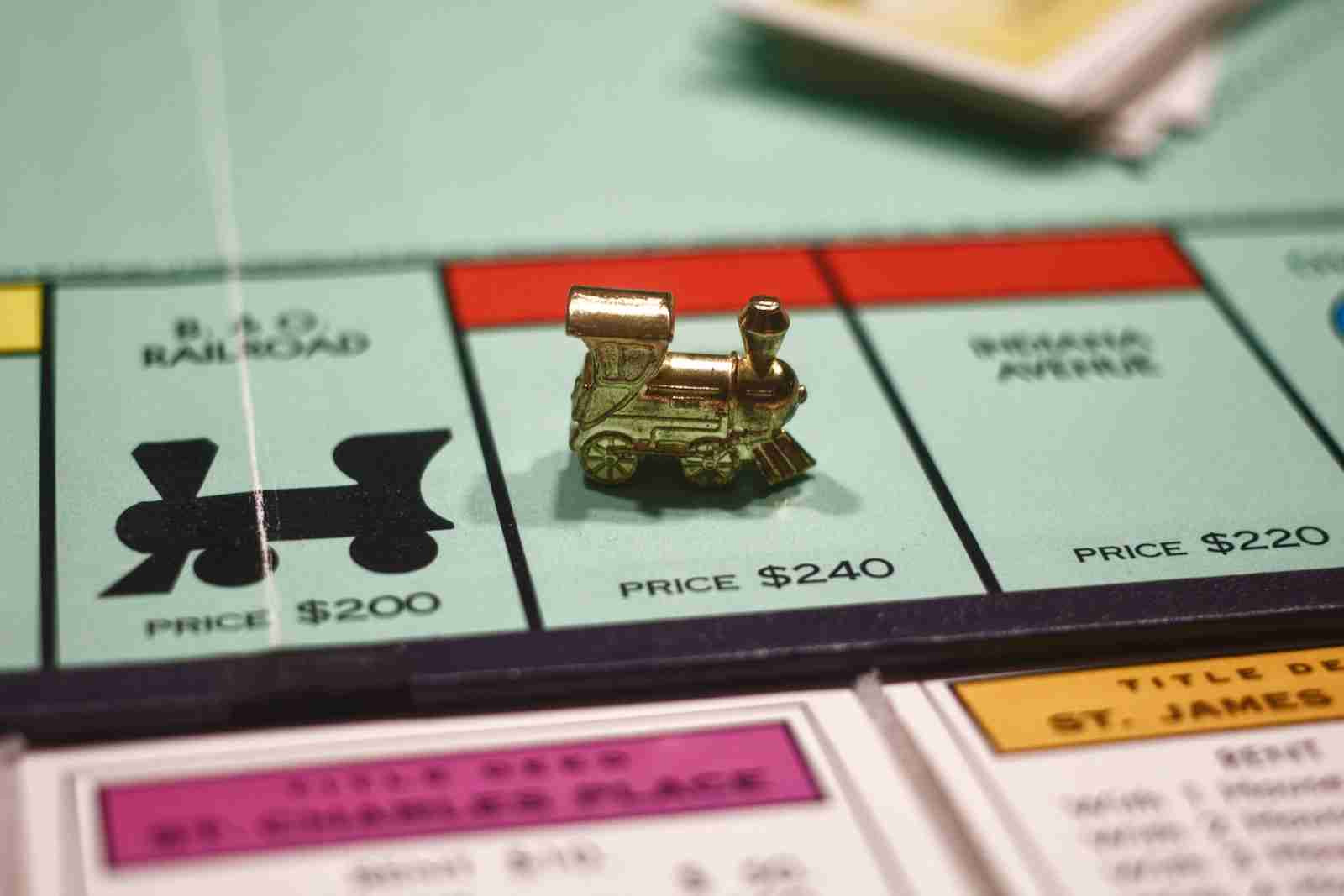

Unlocking The Power Of Brain Games For Seniors
By Tom Seest
At HowDoYouGame, we help people who love board games by collating information and news about games.
Be sure to read our other related stories at HowDoYouGame to learn more about games.
What Are The Benefits Of Playing Brain Games for Seniors?
When you think about keeping your mind sharp as you age, the idea of brain games might not immediately spring to mind in a world filled with reality shows and never-ending news cycles. But let’s pull back the curtain on this fascinating realm and talk about some real benefits of engaging in these cognitive-friendly activities.
First off, let’s dive into the concept of gamification. It’s not just a buzzword tossed around in trendy tech circles; it’s a powerful tool for engagement. Brain games transform mundane tasks into exciting challenges that keep you hooked. Tossing a little competition into the mix—with yourself or virtual rivals—adds spice to what might otherwise feel like a chore. You’re not just filling in blanks or matching shapes; you’re embarking on a quest of discovery, making each round feel like an adventure worth undertaking.
Now, let’s discuss the key benefit: cognitive enhancement. Playing brain games can essentially act as a gym for your noggin. These interactive puzzles stimulate various parts of the brain, improving memory, attention, and problem-solving skills. Seniors who partake in these activities often find they have sharper recall, an improved sense of direction, and an easier time learning new things—just like lifting weights enhances muscle strength!
Additionally, let’s not overlook the social aspect. Many brain games are designed to be played with friends or family, allowing for shared experiences and laughter. The camaraderie that emerges from a little friendly competition or cooperative gameplay can be a fantastic way to combat feelings of isolation. When you engage socially, you’re not just sharpening your mind; you’re nurturing your spirit. As you navigate games together, stories flow, and connections deepen—reminding us that joy doesn’t stop when the calendar flips over.
Lastly, let’s talk about motivation. Taking time out of your day to play isn’t just about fun; it becomes a single-threaded way to infuse a sense of purpose into your routine. The act of setting goals and tracking progress in brain games can provide a boost of satisfaction that’s often hard to find in the hustle and bustle of everyday life.
So, if you’re looking for a way to keep your cognitive faculties in tip-top shape, consider dusting off those brain games. It’s not merely a pastime; it’s an invitation to redefine what’s possible in your golden years. Keep your mind engaged, your heart light, and embrace the challenge—it might just lead to rewards beyond what you expect!

What Are The Benefits Of Playing Brain Games for Seniors?
What Are The Benefits Of Playing Brain Games for Seniors?
- Brain games offer cognitive benefits that help in keeping the mind sharp as we age.
- Gamification turns mundane tasks into engaging challenges, enhancing motivation through competition.
- These activities stimulate various brain functions, improving memory, attention, and problem-solving skills.
- Participating in brain games can lead to sharper recall and better learning abilities.
- Many brain games feature a social component, promoting connections and reducing feelings of isolation.
- Setting goals and tracking progress in brain games injects a sense of purpose into daily routines.
- Engaging in brain games is a pathway to redefine possibilities and ensure cognitive health in later years.

What Are The Benefits Of Playing Brain Games for Seniors?
Table Of Contents
- What Are The Benefits Of Playing Brain Games for Seniors?
- What Are Brain Games And How Do They Work?
- How Do Brain Games Benefit Seniors?
- Can Brain Games Improve Memory In Older Adults?
- Do Brain Games Help With Cognitive Decline?
- What Types Of Brain Games Are Most Effective?
- How Often Should Seniors Play Brain Games?
- Are There Specific Brain Games For Dementia?
- Conclusion
- Other Resources
- Glossary Of Terms
- Other Questions
- Haiku
- Poem
- Checklist
What Are Brain Games And How Do They Work?
Brain games are a fascinating blend of entertainment and cognitive training, designed to give your mental faculties a workout. Think of them as the gym for your brain—where instead of weights and treadmills, you’ve got puzzles, memory challenges, and problem-solving tasks that aim to stretch your mind. At their core, these games employ a concept known as gamification. This means they take everyday learning and problem-solving activities and wrap them in a playful, engaging package.
You see, it isn’t just about sitting down with a textbook or an online course; it’s about creating an experience that keeps you coming back for more. When you engage with brain games, you’re not merely pushing buttons or clicking links; you’re immersing yourself in a world that rewards your efforts. High scores, badges, and levels create a sense of achievement and motivate you to keep improving. This blend of fun with cognitive challenge stimulates the brain, fostering neuroplasticity—the brain’s amazing ability to reorganize and adapt.
So, how do these games actually work? They typically focus on various cognitive skills such as memory, attention, problem-solving, and verbal abilities. For instance, games that challenge you to remember sequences or patterns can help strengthen your working memory. Others might task you with rapidly identifying patterns or solving logical puzzles, thereby honing your critical thinking skills. By repeatedly engaging in these tasks, you’re effectively training your brain, just as you would train your body at the gym.
The beauty of brain games lies in their versatility. They can be enjoyed solo or as part of a team, making them a great way to bond with friends or family while also getting smarter. Furthermore, many of these games are available on various platforms, from mobile apps to desktop applications, allowing you to slip in a quick session during your coffee break or settle in for a longer play when you have the time.
In essence, brain games combine the thrill of competition, the joy of discovery, and the satisfaction of progress—an intoxicating mix that makes training your brain feel less like a chore and more like an adventure. So, if you’re looking to keep your mind sharp while having a blast, game on!

What Are Brain Games And How Do They Work?
What Are Brain Games And How Do They Work?
- Brain games blend entertainment with cognitive training, acting as a “gym” for the brain.
- They utilize gamification to make learning and problem-solving enjoyable and engaging.
- Participants are immersed in a rewarding experience, enhancing motivation through achievements like high scores and badges.
- These games stimulate neuroplasticity by fostering the brain’s ability to adapt and reorganize.
- Brain games target various cognitive skills, including memory, attention, problem-solving, and verbal abilities.
- They can be played individually or in teams, promoting social interaction while enhancing mental skills.
- Available on multiple platforms, brain games provide flexibility for quick or extended play sessions.

What Are Brain Games And How Do They Work?
How Do Brain Games Benefit Seniors?
In the grand arena of aging, where every wrinkle is a badge of honor and every gray hair tells a story, the notion of keeping the mind sharp can often feel like an uphill battle. Enter brain games, those clever little puzzles and activities designed to tickle the neurons and keep our cognitive faculties firing on all cylinders. While it might sound like the latest buzzword from a tech conference, gamification has snuck its way into the realm of senior wellness and proved to be a game-changer—pun absolutely intended.
But what is gamification, really? It’s harnessing the principles of game design to engage players, even those who might not be inclined to reach for a controller. Imagine turning a daily crossword into a friendly competition, where completing it faster than you did yesterday becomes a mini victory. That’s the essence of gamification. It’s about transforming mundane tasks into engaging challenges, and for seniors, this method can be particularly beneficial.
First and foremost, brain games stimulate mental agility. Tasks like memory matching or problem-solving puzzles encourage players to think critically, helping sharpen skills that could mentally rust in disuse. You’re not just staring at a screen or flipping through a book; you’re embarking on a cognitive adventure, competing against your own previous scores, or even against friends over a cup of coffee. This social angle is pivotal; we’re hardwired to connect, and what better way to bond than over a little friendly competition?
Moreover, engaging in gamified brain workouts can boost mood and stave off feelings of isolation. Research suggests that challenging the brain releases a cocktail of neurotransmitters, leading to feelings of happiness. Who wouldn’t appreciate an emotional boost during a time when life can feel a tad too quiet?
On a practical level, gamification has the added benefit of promoting adaptability. The more you engage with complex tasks, the more your brain trains itself to adapt. This is crucial for seniors, as maintaining flexibility in thinking is a powerful ally against cognitive decline.
So, whether it’s a Sudoku app or a classic memory game, these mental exercises wrapped in gamified fun offer more than just a pastime. They’re a potent tool to keep the mind lively, inviting seniors to embrace their mental prowess and savor the experience of lifelong learning. It’s about more than just playing games; it’s about sharpening the mind and enjoying every twist and turn of the journey.

How Do Brain Games Benefit Seniors?
How Do Brain Games Benefit Seniors?
- Brain games serve as puzzles and activities to enhance cognitive functions for seniors.
- Gamification applies game design principles to transform mundane tasks into engaging challenges.
- These activities stimulate mental agility by encouraging critical thinking and problem-solving skills.
- Social interaction during gamified games fosters connections and combats feelings of isolation.
- Engaging the brain through gamification can boost mood and increase feelings of happiness.
- Gamification promotes adaptability, helping seniors maintain cognitive flexibility and combat decline.
- Mental exercises in a fun format encourage lifelong learning and the enjoyment of cognitive adventures.

How Do Brain Games Benefit Seniors?
Can Brain Games Improve Memory In Older Adults?
When you think of brain games, you might envision a lively assortment of puzzles and challenges, fit for anyone looking to give their noggin a little workout. But beyond the initial allure of points, badges, and levels, there lies a deeper question: can these cleverly designed tools truly enhance memory in older adults? The answer isn’t as straightforward as you might hope, but it’s worth exploring.
First off, let’s talk about gamification. This concept involves taking traditional learning or practice elements and wrapping them in a layer of engaging game mechanics. The idea is to create an environment where tackling new challenges feels less like an uphill struggle and more like a fun quest. For many older adults, this approach can lower the barrier to entry, making it easier to engage with complex concepts. The bright colors, ticking timers, and rewards for achievements keep motivation high, which is half the battle when it comes to cognitive training.
Research suggests that gamified brain exercises can boost mental agility, perhaps even enhancing specific cognitive functions, such as memory and processing speed. However, much of the evidence tends to tread the line between anecdotal and empirical. Some studies show increases in short-term memory retention and cognitive flexibility, while others cast a shadow of doubt on the lasting benefits. So what gives?
It appears that the real magic lies in consistency. Just like a muscle, the brain requires regular, targeted exercise to make a difference. The problem with many brain games is that once the novelty wears off, engagement can drop like a rock. Without ongoing commitment, those memory gains may dwindle as fast as they appeared.
Now, I won’t sit here and swear by brain games alone as the fountain of youth for your memory. They are just one piece of a much larger puzzle. Incorporating a balanced diet, regular physical activity, and social engagement into daily life plays an undeniable role in cognitive health.
So, are brain games a one-way ticket to a sharper mind in older adulthood? They can help, certainly. But like any tool, the effectiveness hinges on how you wield it. Engage fully, embrace the challenge, and remember: the best way to keep the mind sharp is to keep it active—not just in play, but in all aspects of life. Embrace the journey, and you might just find that the rewards are greater than you ever imagined.

Can Brain Games Improve Memory In Older Adults?
Can Brain Games Improve Memory In Older Adults?
- Brain games offer puzzles and challenges for cognitive engagement, particularly for older adults.
- Gamification makes learning enjoyable by integrating game mechanics and reducing barriers to entry.
- Research indicates that gamified exercises can enhance mental agility, memory, and processing speed.
- Evidence on the lasting benefits of brain games varies, with some studies showing short-term improvements while others question their effectiveness.
- Consistency is crucial; regular practice is necessary for meaningful cognitive benefits.
- Brain games should complement a balanced lifestyle, including diet, physical activity, and social engagement for optimal cognitive health.
- Effective use of brain games requires active participation and a holistic approach to maintaining mental sharpness.

Can Brain Games Improve Memory In Older Adults?
Do Brain Games Help With Cognitive Decline?
As we age, our brains can sometimes feel like an old car—good mileage but maybe starting to sputter. Enter the world of brain games, where serious science meets a splash of fun in a grand attempt to keep our cognitive engines purring. But do these brain-boosting amusements really provide the kind of impact we’re hoping for, or are they just a fancy way to kill time?
Let’s be clear: the term “gamification” is often thrown around like confetti at a parade. It’s the idea of applying game-like elements to non-game contexts—like turning mundane medical studies into something that feels more like a lively competition. While the concept is enticing, especially when it comes to maintaining our mental sharpness, the results are not as straightforward as we might wish.
Research has shown that engaging with challenging brain games—things like puzzles, word games, or memory tests—can indeed provide a temporary boost in cognitive skills. They offer a kind of digital gym for your brain, pumping iron where it counts. Some studies suggest that these exercises may even enhance your ability to think on your feet or improve your memory, which is certainly appealing as the years roll by.
However, before you plunk down your hard-earned cash to download every app on the market, remember that the benefits may come with a catch. While these exercises can help improve specific skills—like pattern recognition or word recall—they don’t always translate to everyday cognitive functions. You might ace that Sudoku, but when it comes to remembering where you left your glasses…well, let’s just say that brain games might not save you there.
Moreover, the real magic may lie not just in the games themselves but in the mindset they cultivate. The joy that comes from engaging in fun activities can foster a sense of connection, leading to less isolation and more interaction with others—essential elements in combating cognitive decline.
Ultimately, while brain games are a useful tool in your cognitive toolkit, they shouldn’t replace other important habits like physical activity, social engagement, and a healthy diet. So go ahead, challenge yourself with a crossword or try that tricky memory game. Just remember, it’s all part of a balanced effort to keep your brain firing on all cylinders for years to come.

Do Brain Games Help With Cognitive Decline?
Do Brain Games Help With Cognitive Decline?
- Brain games aim to enhance cognitive function as we age, akin to maintaining an old car.
- The concept of “gamification” applies game-like elements to non-game contexts, including mental exercises.
- Engaging in challenging brain games, such as puzzles and word games, can temporarily boost cognitive skills.
- These exercises may improve specific skills like pattern recognition or memory, but not all skills transfer to daily life.
- The enjoyment of brain games can foster social interaction, which is beneficial for cognitive health.
- Brain games should complement, not replace, other important habits like physical activity and a healthy diet.
- Engaging in fun cognitive challenges is part of a balanced approach to maintaining brain health over time.

Do Brain Games Help With Cognitive Decline?
What Types Of Brain Games Are Most Effective?
When it comes to brain games, the landscape is as varied as a farmer’s market in high summer. You’ve got puzzles, quizzes, memory challenges, and everything in between. But let’s dig a little deeper into what makes certain brain games truly effective. Spoiler alert: it’s about engaging the mind while having a little fun in the process.
First off, gamification plays a crucial role in boosting cognitive abilities. That’s right; stacking your daily mental workouts with elements of game design can transform mundane tasks into exciting challenges. Think of it this way: if you can level up your brain the same way you’d level up in a video game, you’re more likely to stick with it. Incorporating points, badges, and leaderboards can motivate individuals to continually engage with the material, enhancing both retention and recall.
Next, let’s talk about the types of brain games that excel in this realm. Logic puzzles are a prime example. Whether it’s Sudoku or crosswords, these games demand problem-solving skills and encourage lateral thinking. You’re not just filling in boxes; you’re navigating a labyrinth of numbers and letters that activates different areas of the brain. And what’s better? The sense of accomplishment when you crack that tough puzzle? Priceless.
Memory games, too, can’t be overlooked. Those simple card-matching games might look elementary, but they build a solid foundation for cognitive function. They train your brain to recognize patterns and improve memory recall. Over time, those skills can translate into better performance in your everyday tasks. Suddenly, remembering where you left your keys doesn’t feel like an Olympic event.
Then there are strategy-based games. Chess, for example, isn’t merely a pastime for intellectuals. It’s a battleground for strategic thinking and foresight. Each move has consequences, requiring players to anticipate their opponent’s actions and adapt their strategies accordingly. The benefits extend beyond the chessboard and into real-life decision-making—invaluable skills in any walking, talking scenario.
Finally, let’s not forget the importance of variety. Mixing different types of brain games keeps the mind fresh and engaged. It’s like a farmer rotating crops to ensure fertile soil—diversity is key for robust brain health. Engaging with a range of activities ensures you’re not just honing one specific skill but building cognitive endurance across the board.
So there you have it: the most effective brain games aren’t just about keeping score. They engage, challenge, and entertain—the ultimate trifecta for a sharper, more agile mind.

What Types Of Brain Games Are Most Effective?
What Types Of Brain Games Are Most Effective?
- The variety of brain games includes puzzles, quizzes, and memory challenges, making the landscape diverse and engaging.
- Gamification enhances cognitive abilities by turning mundane tasks into exciting challenges through elements like points, badges, and leaderboards.
- Logic puzzles like Sudoku and crosswords promote problem-solving skills and lateral thinking while activating different brain areas.
- Memory games, such as card-matching, improve pattern recognition and memory recall, benefiting everyday tasks.
- Strategy-based games like chess foster strategic thinking and foresight, with applications in real-life decision-making.
- Variety in brain games is essential for maintaining engagement and developing a range of cognitive skills, similar to rotating crops for healthy soil.
- The most effective brain games provide engagement, challenge, and entertainment, contributing to a sharper mind.

What Types Of Brain Games Are Most Effective?
How Often Should Seniors Play Brain Games?
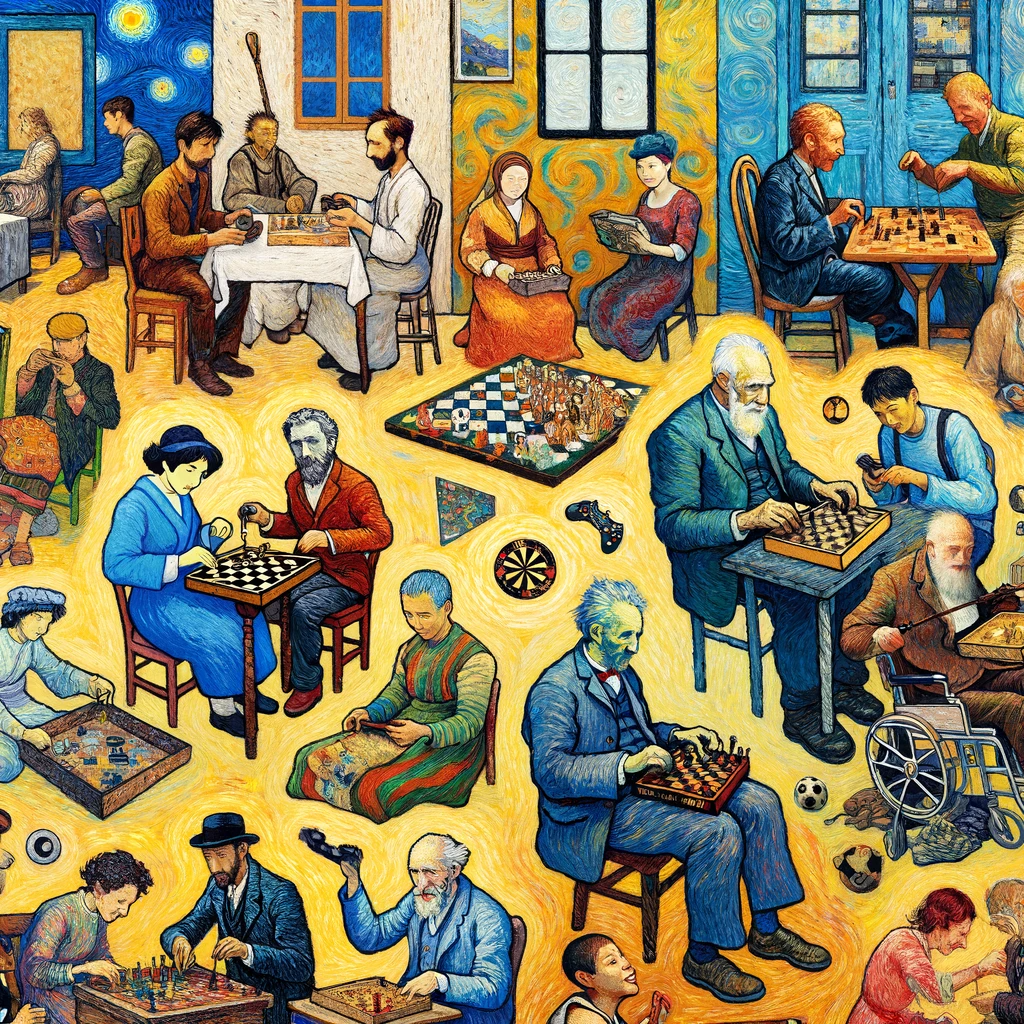
In the grand tapestry of life, where every thread weaves a story of experiences, accomplishments, and sometimes a bit of mischief, there’s a fascinating element emerging in the world of brain games. Picture this: a lively group of seniors gathered around a table, each one chuckling and competing, all the while engaging their minds in what’s known as gamification. It’s not just about the competition; it’s about the joy of keeping those mental gears turning.
Now, you might be thinking, “How often should I, or my loved ones, dive into these brain-boosting escapades?” Well, if we look at the science, it tells us that moderation is key. Engaging in these games a few times each week is often recommended. Think of it as a workout for the mind. Just like you wouldn’t hit the gym every single day in a grueling, all-out effort, your brain deserves a balanced approach as well. Dedicating around 20 to 30 minutes, two to three times a week, allows seniors to reap the benefits without overwhelming their cognitive capacities.
But let’s not forget the element of fun that gamification introduces. When people associate learning with amusement, they’re far more likely to stick with it. This dynamic makes brain games an enticing option for seniors. They’d rather play a spirited round of a memory card game or solve an engaging puzzle than feel like they’re back in a stuffy classroom. That’s a win-win—everyone walks away chuckling, and all the while, neurons are firing like popcorn in a hot skillet.
Now, as with any workout—whether for the brain or the brawn—listening to your body is essential. If a certain game becomes monotonous or feels too easy, it might just be time to switch gears. Try something that raises the bar a bit and challenges those mental boundaries a tad more. After all, stagnation is the enemy of progress, and keeping things fresh can maintain interest levels high.
So, in the end, it’s about balance, consistency, and a hearty dash of fun. Seniors should play brain games regularly, but don’t forget to sprinkle in a little variety and enjoyment. Whether it’s trivia, crosswords, or strategy puzzles, the road to sharper minds is paved with laughter and a good dose of healthy competition. Let’s take care of our minds while having a blast—now that’s an adventure worth embarking on!

How Often Should Seniors Play Brain Games?
How Often Should Seniors Play Brain Games?
- Brain games provide a fun way for seniors to engage their minds while socializing.
- Moderation is key; engaging in brain games a few times each week is recommended.
- Dedicating 20 to 30 minutes, two to three times a week, allows cognitive benefits without overwhelm.
- Gamification makes learning more enjoyable, encouraging seniors to participate actively.
- Variety is important; if a game feels monotonous, switching to a more challenging option can maintain interest.
- Regular brain games can include trivia, crosswords, and strategy puzzles to keep the experience fresh and fun.
- The journey to sharper minds should be balanced with laughter and healthy competition.

How Often Should Seniors Play Brain Games?
Are There Specific Brain Games For Dementia?
When you think about dementia, the first image that might come to mind is probably not a board game or a digital app. Yet, in the evolving world of cognitive health, gamification has emerged as a promising tool in the fight against dementia. Who would’ve thought that a little fun could play a big role in serious matters like brain health?
Dementia can be a real thief—stealing away memories, cognition, and even the joy of daily life. But researchers and developers are stepping up to create brain games specifically designed to engage and stimulate those affected. These games often incorporate elements of competition, strategy, and puzzle-solving that challenge the mind, keeping it active and alert. It’s akin to giving the brain a workout—something we can all appreciate!
One popular approach revolves around memory games that involve matching cards or recalling sequences. These activities may seem simple at first glance, but they aim to improve short-term memory and cognitive function. There’s a certain satisfaction that comes with finding a match or solving a puzzle that reinforces those neural pathways. And isn’t that what we’re all after? Making our brains do a little jig to keep them spry?
Moreover, many of these games are designed for group play, turning potentially isolating experiences into social outings. The camaraderie that arises around a competitive board game or a shared digital challenge can be incredibly beneficial. Engaging with others not only enhances cognitive stimulation but also combats the loneliness that often accompanies dementia.
Digital platforms have upped the ante with brain-training apps that utilize gamification methods—making learning and memory exercises not just beneficial but enjoyable. These applications usually adapt to the user’s ability level, ensuring that they’re neither bored with simplicity nor overwhelmed by too difficult tasks. Whether it’s crossword puzzles in a flashy app or a classic game of Scrabble, there’s something out there for everyone.
But let’s keep it real; while these games can offer substantial benefits, they aren’t a cure-all. Regular engagement in cognitive exercises, combined with a healthy lifestyle, can have positive effects, yet the journey with dementia is complicated and often requires comprehensive care.
So, can brain games help? The evidence leans in a hopeful direction. As research continues to unfold, it’s clear that gaming might just be one of the many tools in our toolkit to stave off that crafty thief called dementia. Grab your friends, shuffle the cards, or download that app, and let’s get those gears turning!

Are There Specific Brain Games For Dementia?
Are There Specific Brain Games For Dementia?
- Gamification is emerging as a promising tool in the fight against dementia.
- Brain games are designed to engage and stimulate cognitive function through competition and puzzle-solving.
- Memory games, such as matching cards, aim to improve short-term memory and cognitive ability.
- Many games are designed for group play, enhancing social interaction and reducing feelings of isolation.
- Digital brain-training apps adapt to individual skill levels to provide enjoyable learning experiences.
- While beneficial, these games are not a cure-all and should complement a healthy lifestyle and comprehensive care.
- Research suggests that brain games could be valuable tools in combating dementia.

Are There Specific Brain Games For Dementia?
Conclusion
As we wrap up this exploration into the world of brain games for seniors, let’s take a moment to realize the potential tucked inside those seemingly simple puzzles and memory challenges. Now, before you roll your eyes thinking this is just another trend in a society obsessed with novelty, let’s get something straight: brain games aren’t just fluff. They’re a powerful tool designed to keep the mind sharp and engaged, and if there’s one thing we’ve learned, it’s that aging doesn’t have to mean dulling down.
Imagine what happens when you throw a little gamification into the mix—suddenly, what was once a chore becomes an adventure. Merging competition with some friendly gameplay transforms these exercises into a journey filled with discovery and joy. Think of brain games as a gym membership for your mind, where every puzzle tackled or memory matched is a rep that strengthens cognitive ability. True champions of engagement?
But here’s where it gets really interesting. Beyond the benefits of cognitive enhancement, we see these games opening up a social aspect that can’t be overstated. Gathering around a table with family or friends to tackle a challenging crossword, all while sharing laughs and stories, fosters connections that enrich our lives. That sense of camaraderie is crucial, especially in a world where feelings of isolation can knock on the door as we age.
Now, here’s the kicker: those moments of competition and shared experiences provide a satisfying boost of purpose—a simple way to anchor daily life in fun and achievement. Rather than feeling adrift amid the daily grind, you’ve got something to strive for, whether it’s improving yesterday’s score or mastering a new strategy.
So, if you’re looking to keep your mind as invigorated as your body, it’s time to consider embracing brain games wholeheartedly. Set aside those old taboos about play being only for the young; instead, approach these activities as a vibrant invitation to redefine what aging can look like. After all, life isn’t over when the calendar pages turn—rather, it’s just beginning a new chapter filled with opportunities for growth, connection, and discovery. So go on, dust off those puzzles, gather your mates, and get ready to embark on a delightful cognitive adventure. Who knows? The rewards you reap may just surprise you. Cheers to keeping those brains active, engaged, and as lively as ever!

Conclusion
Conclusion:
- Brain games are effective tools for keeping seniors’ minds sharp and engaged.
- Gamification transforms mundane tasks into enjoyable adventures, enhancing cognitive ability.
- Playing brain games fosters social connections among family and friends.
- Shared experiences and competition promote a sense of purpose and achievement.
- Engaging in brain games can mitigate feelings of isolation in aging individuals.
- These activities offer a vibrant way to redefine aging, promoting growth and discovery.
- Embracing brain games can lead to surprising cognitive rewards and a lively mind.

Conclusion
Other Resources

Other Resources
Here is a list of other resources you can review online to learn more:
- Asyncron
- Blood Rage
- Spirit Island: Branch & Claw Expansion
- Plaid Hat Games
- BoardGameGeek
- Portal Games
- Hanabi
- The Secret Cabal Gaming Podcast
- Arcane Wonders
- Dungeon Lords
Use This Prompt To Get More Resources With Your Favorite Online AI Tool: Please provide me with a list of online articles with their URLs in a bulleted list that I can read regarding What Are The Benefits Of Playing Brain Games for Seniors?

Other Resources
Glossary Terms
What Are The Benefits Of Playing Brain Games for Seniors? – Glossary Of Terms
1. Cognition: The mental processes involved in acquiring knowledge and understanding, including thinking, reasoning, and memory.
2. Neuroplasticity: The brain’s ability to reorganize itself by forming new neural connections throughout life, particularly in response to learning and experience.
3. Memory: The mental faculty that enables us to store, retain, and recall information and experiences.
4. Attention: The ability to focus on specific stimuli or tasks while ignoring distractions; crucial for efficient cognitive functioning.
5. Executive Function: Higher-level cognitive processes that include planning, decision-making, problem-solving, and multitasking.
6. Mental Stimulation: Activities that engage the brain, enhancing cognitive function and potentially reducing cognitive decline.
7. Problem-Solving: The process of identifying solutions to complex or unfamiliar issues; often enhanced through strategic games.
8. Social Interaction: Engaging with others, which can improve emotional well-being and foster a sense of community among seniors.
9. Mood Enhancement: The positive effect on emotions and overall happiness resulting from engaging activities like brain games.
10. Stress Reduction: The alleviation of tension and anxiety that comes from focusing on enjoyable tasks like puzzles and games.
11. Cognitive Decline: The gradual decrease in cognitive abilities as individuals age, which can be mitigated through regular brain engagement.
12. Critical Thinking: The ability to analyze information objectively and make reasoned judgments; often exercised in strategy-based games.
13. Memory Recall: The process of retrieving information stored in memory, an ability that can be improved with regular brain exercise.
14. Brain Health: The overall well-being and functioning of the brain, which can be supported through mental activities, diet, and lifestyle.
15. Game Variability: The variety of brain games available, including puzzles, memory games, and strategy games, which can cater to different interests.
16. Longevity: The length of time that an individual lives; engaging in brain games may contribute to greater longevity by enhancing quality of life.
17. Focus: The ability to concentrate on a task or activity without distraction, a skill that can be sharpened through games.
18. Nervous System: The complex network of nerve cells that transmits signals throughout the body; games can positively influence its function.
19. Mindfulness: A mental state achieved by focusing one’s awareness on the present moment; some brain games encourage mindfulness practice.
20. Skill Development: The process of acquiring new abilities and enhancing existing ones, particularly through practice and engagement in challenging activities.
21. Routine: A regular schedule of activities; incorporating brain games into daily routines can lead to lasting improvements in cognitive function.
22. Visual Perception: The ability to interpret and make sense of visual stimuli; can be enhanced through visual-based brain games.
23. Verbal Skills: The ability to express oneself effectively and understanding language; can be improved via word games and literacy activities.
24. Online Platforms: Digital environments where seniors can access a variety of brain games, promoting accessibility and convenience.
25. Group Activities: Collaborative games played with others, fostering social engagement and teamwork among seniors.
26. Self-Efficacy: An individual’s belief in their ability to succeed; playing games can boost self-confidence and motivation.
27. Intervention: Structured activities aimed at improving cognitive function or emotional well-being; brain games can serve as effective interventions.
28. Resilience: The capacity to recover from difficulties; engagement in cognitive activities can bolster emotional and mental resilience.
29. Engagement: The act of being involved or participating; seniors who engage in brain games often experience greater satisfaction and fulfillment.
30. Adaptability: The ability to adjust to new conditions; playing different types of brain games can improve cognitive flexibility and adaptive thinking.

Glossary Of Terms
Other Questions
What Are The Benefits Of Playing Brain Games for Seniors? – Other Questions
If you wish to explore and discover more, consider looking for answers to these questions:
- What specific brain games are recommended for seniors?
- How do brain games compare to traditional methods of cognitive training?
- Are there brain games specifically designed for individuals with dementia?
- How can caregivers promote engagement in brain games for seniors?
- What are some examples of successful brain games or apps currently available?
- How do brain games help with mood enhancement in seniors?
- Are there any risks associated with playing brain games for seniors?
- How do brain games integrate with other forms of mental health care?
- Can playing brain games improve overall quality of life for seniors?
- How often should caregivers encourage seniors to play brain games?
- What evidence exists to support the effectiveness of brain games in cognitive enhancement?

Other Questions
Haiku
What Are The Benefits Of Playing Brain Games for Seniors? – A Haiku
Mind games for elders,
Sharpen thoughts, weave joy with friends,
Life’s quest twists and turns.
Haiku
Poem
What Are The Benefits Of Playing Brain Games for Seniors? – A Poem
In the golden years, when time seems slow,
A treasure unfolds, with a joyful glow;
Brain games await, like puzzles in disguise,
To sharpen the mind and light up the skies.
With laughter and cheers, they transform the mundane,
Gamification’s charm, a delightful gain;
From crosswords to Sudoku, each challenge a quest,
As neurons activate, we’re put to the test.
A gym for the mind, where every thought dances,
Memory, attention, and problem-solving chances;
With social ties strengthened in friendly delight,
Isolation wanes, and spirits take flight.
Every round played, every score that we measure,
Injects life with purpose, a bloomin’ treasure;
Tracking our progress, we find joy in the climb,
Each little victory echoes through time.
Logic puzzles whirl, like a game of chess,
With each strategic move, we find our finesse;
Variety reigns, to keep the spark bright,
As we tackle each puzzle, hearts feel light.
Yet not just diversion, these games offer more,
They nourish our souls, encouraging core;
For as we engage in this playful embrace,
Cognitive decline fears a quicker pace.
So gather your friends and bring forth the cheer,
With each game you play, you conquer your fear;
In the dance of the mind, let’s all take our part,
For playing these brain games nourishes the heart.

Poem
Checklist
What Are The Benefits Of Playing Brain Games for Seniors? – A Checklist
Engaging in Brain Games
_____ Explore various brain games available (puzzles, memory challenges, logic games).
_____ Designate a specific time each week for regular gaming sessions.
Cognitive Enhancement
_____ Utilize brain games to improve memory, attention, and problem-solving skills.
_____ Include a variety of games that focus on different cognitive skills (e. g. , memory, logic, strategy).
Social Interaction
_____ Play brain games with friends or family to enhance social engagement.
_____ Organize weekly game nights to share experiences and laughter.
Motivation and Goal Setting
_____ Set personal goals for improving game performance (e. g. , faster completion times).
_____ Track progress in games to see improvements and maintain motivation.
Consistency in Practice
_____ Aim for approximately 20-30 minutes of brain game play, 2-3 times a week.
_____ Switch games when they become monotonous to keep the experience fresh and stimulating.
Support for Cognitive Decline
_____ Consider specific brain games designed for cognitive health, especially if concerned about memory issues.
_____ Explore digital brain-training apps tailored for cognitive stimulation.
Joy of Learning
_____ Focus on enjoying the process of gaming without the pressure of competition.
_____ Embrace the journey of lifelong learning through engaging and entertaining mental challenges.
Balanced Lifestyle
_____ Combine brain games with a balanced diet, physical activity, and social engagement for optimal cognitive health.
_____ Reflect on personal experiences and engage in discussions about how games impact mood and cognitive abilities.
Fun-Focused Exploration
_____ Keep the atmosphere lighthearted and fun during game sessions.
_____ Experiment with different types of games to discover personal preferences and strengths.
This checklist can serve as a useful guide for seniors looking to incorporate brain games into their routine and maximize the benefits for cognitive health and social interaction.

Checklist
At HowDoYouGame, we help people who love board games by collating information and news about games.
Be sure to read our other related stories at HowDoYouGame to learn more about games.